The air inside our homes is often more polluted than the air outside, containing microscopic contaminants like dust, pet dander, pollen, and Volatile Organic Compounds (VOCs) released from everyday items. As homeowners become more health-conscious, they seek natural, beautiful, and effective ways to create a healthier environment.
While wool rugs are celebrated for their durability and luxurious texture, a lesser-known but profound benefit is their natural ability to influence and filter the air we breathe. This detailed guide explores the unique structural and chemical properties of wool that allow it to act as a powerful, passive air purifier, offering a grounded and stylish solution to improving your home's air quality.

The Unique Structure of Wool Fibers and Trapping Airborne Pollutants
Wool’s ability to influence indoor air quality stems from the microscopic design of its fibers. Unlike smooth synthetic materials, wool’s natural crimp and scaly surface enable it to trap, hold, and manage airborne particles in ways that support cleaner, healthier interiors.
The Crimp and Scales Effect
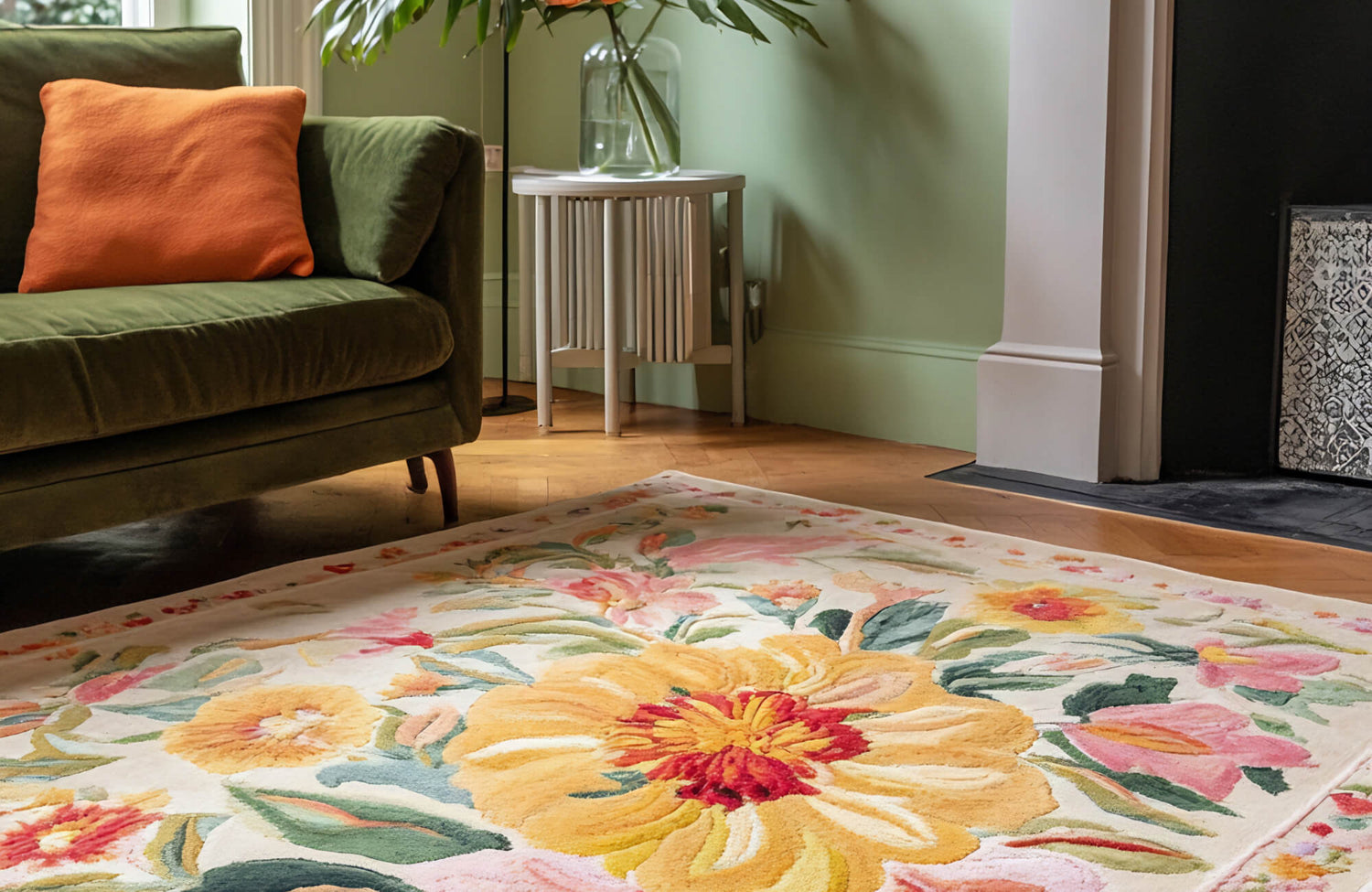
Each wool fiber features a natural three-dimensional crimp, creating tiny air pockets that increase surface area for particle capture. Combined with the cuticle layer’s overlapping scales, this structure acts like a microscopic net, intercepting fine dust, pollen, and even smoke particulates that would otherwise remain airborne. Shown above, Edward Martin’s Mallory Wool Pile Rug in Forest highlights how this dense, textured surface not only enhances interior design but also maximizes the fiber’s ability to filter and hold airborne particles effectively.
Mechanical Filtration Versus Re-Release
Unlike flat fibers that allow particles to slip off easily, wool’s irregular texture provides mechanical filtration. Dust and allergens adhere to the fiber surface rather than being immediately re-released into the environment. This holding capacity reduces short-term resuspension of pollutants, a common issue with smooth synthetic carpets or hard flooring.
Reducing Particle Circulation and Settling
By immobilizing airborne matter within its dense pile, wool rugs lower the overall circulation of irritants in a room. This encourages particles to settle within the rug rather than remaining suspended, where they could contribute to respiratory discomfort. Routine vacuuming then removes these trapped pollutants, ensuring the rug continues to act as a passive filtration system over time.

Wool’s Natural Ability to Absorb Harmful Volatile Organic Compounds
Wool is not only valued for its durability and aesthetic appeal but also for its remarkable ability to improve indoor air quality by absorbing volatile organic compounds (VOCs). Its protein-based fiber composition allows it to chemically interact with and neutralize harmful emissions, making it an effective natural air purifier within interior spaces.
Keratin’s Chemical Bonding with Formaldehyde
The primary protein in wool, keratin, contains reactive amino and carboxyl groups that can form stable chemical bonds with formaldehyde molecules. This process locks the gas into the fiber structure, preventing its re-emission into the air. Studies have shown wool can retain formaldehyde for extended periods, offering long-term mitigation of this hazardous indoor pollutant.
Neutralizing Common Household Chemical Emissions
Beyond formaldehyde, wool fibers have demonstrated the ability to adsorb other VOCs such as sulfur dioxide, nitrogen oxides, and various aldehydes commonly released from paints, cleaning agents, and composite wood furniture. These compounds are absorbed through a combination of physical adsorption and chemical reactivity, significantly lowering their concentrations in occupied environments.
The Role of Wool in Humidity Regulation
Wool’s hygroscopic properties further enhance its pollutant-absorbing function. By naturally regulating indoor humidity levels—absorbing moisture when the air is damp and releasing it when conditions are dry—wool maintains an optimal microclimate within its fibers. This dynamic moisture exchange improves the stability of chemical bonds with VOCs, making the absorption process more efficient and consistent over time. In the image, Edward Martin’s Mallory Wool Pile Rug in Khaki illustrates how a wool surface can support both comfort and healthier air conditions in interior spaces.

Comparing Wool with Synthetic and Plant-Based Fiber Rugs
When evaluating rug materials, it is essential to consider how their fiber composition influences indoor air quality and overall health. Wool, synthetic, and plant-based fibers differ significantly in chemical makeup, surface texture, and biological resistance—factors that determine how they interact with pollutants, allergens, and microbes.
Off-Gassing and VOC Load of Synthetics
Synthetic rugs, typically made from nylon, polyester, or polypropylene, often emit volatile organic compounds (VOCs) due to petroleum-derived polymers and chemical treatments such as flame retardants or stain guards. This off-gassing can elevate indoor VOC levels, particularly in newly manufactured rugs. In contrast, wool contains no synthetic binders and can actively absorb VOCs, reducing overall pollutant load in interior spaces.
Allergen Holding Capacity and Fiber Smoothness
The smooth surfaces of synthetic and many plant-based fibers (such as cotton or jute) allow dust and allergens to resuspend easily into the air with footfall or airflow. Wool’s natural crimp and scaly cuticle structure, however, provide mechanical entrapment, immobilizing particulates until they can be vacuumed away. This unique surface morphology makes wool more effective at reducing allergen circulation in occupied rooms.
Natural Resistance to Mildew and Dust Mites
Plant-based fibers, while biodegradable and renewable, tend to absorb and retain moisture, creating favorable conditions for mildew and dust mites. Synthetics, though less absorbent, can trap moisture between fibers, fostering microbial growth if not cleaned properly. Wool, by contrast, is naturally resistant to mildew and dust mites due to its lanolin coating, keratin composition, and ability to regulate humidity through hygroscopic absorption, maintaining conditions less hospitable to microbial activity. A good example of this is Edward Martin’s Sweeney Wool Pile Rug in Linen, the dense yet breathable weave demonstrates how wool construction supports a cleaner, healthier living environment.

Ensuring Your Wool Rug is an Air Quality Champion
Wool rugs inherently contribute to healthier indoor environments, but their performance as air quality enhancers depends on thoughtful material choices and proper care. By selecting high-quality construction and maintaining them correctly, homeowners and designers can ensure wool rugs remain effective in capturing pollutants and minimizing harmful emissions.
The Importance of Natural Dyes and Backing
Chemical dyes and synthetic backings can undermine wool’s natural benefits by introducing additional sources of VOCs. Choosing rugs colored with low-impact or plant-based dyes and paired with natural latex or jute backing minimizes off-gassing. This preserves wool’s ability to function as a passive air filter without adding pollutants to the space.
Certification Standards and Health Guarantees
Independent certifications such as OEKO-TEX Standard 100, Green Label Plus, or Cradle to Cradle provide assurance that a wool rug has been tested for harmful substances and meets strict indoor air quality standards. These certifications verify that dyes, adhesives, and finishes do not release unsafe chemical levels, giving homeowners and industry professionals confidence in both performance and safety.
Effective Cleaning Techniques for Maximum Air Quality
To maintain wool’s pollutant-trapping capacity, regular vacuuming with a HEPA-filtered vacuum is essential for removing dust, pollen, and allergens without redistributing them into the air. Periodic professional cleaning using low-moisture, wool-safe methods ensures deeper removal of embedded particulates while protecting fiber integrity. As with any natural fiber product, following the manufacturer’s care and maintenance guidelines is recommended to achieve the best long-term results. With proper upkeep, a wool rug continues to serve as a reliable air quality ally in both residential and commercial interiors.

Long-Term Benefits and The Environmental Perspective
Wool rugs offer advantages that extend well beyond aesthetics, delivering long-term air quality benefits and aligning with sustainable design principles. Their unique material properties allow them to outperform synthetics over time while contributing to healthier indoor and environmental ecosystems.
Long-Term Air Quality Performance vs. Synthetics
Unlike synthetic fibers that lose their ability to trap particles as surfaces wear smooth, wool retains its crimp and scaly cuticle structure throughout its lifespan. This ensures consistent pollutant capture and VOC absorption, even after years of use. Synthetic rugs may also release microplastics during wear, whereas wool continues to function as a natural filter without contributing secondary pollutants.
Wool’s Role in Overall Home Health Ecosystems
Beyond air quality, wool supports a balanced indoor environment through thermal insulation, sound absorption, and humidity regulation. Its hygroscopic fibers absorb excess moisture in damp conditions and release it when air is dry, stabilizing indoor comfort and indirectly limiting conditions favorable to mold and dust mites. This positions wool rugs as integral components of a holistic home health strategy.
Biodegradability and Eco-Friendly Lifespan
At the end of their service life, wool rugs return to the earth without leaving a legacy of persistent waste. As a protein-based, biodegradable material, wool decomposes into essential nutrients such as nitrogen and sulfur, in contrast to synthetics that may persist for centuries. This cradle-to-cradle lifecycle, combined with wool’s durability, makes it a responsible choice for environmentally conscious interiors. Featured above, Edward Martin’s Sweeney Wool Pile Rug in Graphite demonstrates how timeless design and sustainable materiality align to create both beauty and long-term ecological value.
Investing in the Breathable Beauty of Wool
Wool rugs offer an unparalleled combination of aesthetic luxury and genuine, measurable health benefits for your home. Their complex, scaly structure naturally traps and holds airborne particulates, while the keratin protein within the fibers actively and permanently neutralizes harmful VOCs like formaldehyde.
By choosing certified, naturally dyed wool, you are installing a passive, long-term air filtration system that works tirelessly to create a cleaner, safer breathing environment. To ensure every choice aligns with your style and functional goals, Edward Martin’s design consultation service provides expert guidance tailored to your project needs. For personalized recommendations, product questions, or assistance with rug, tile, or furniture selections, simply contact Edward Martin to move forward with confidence.