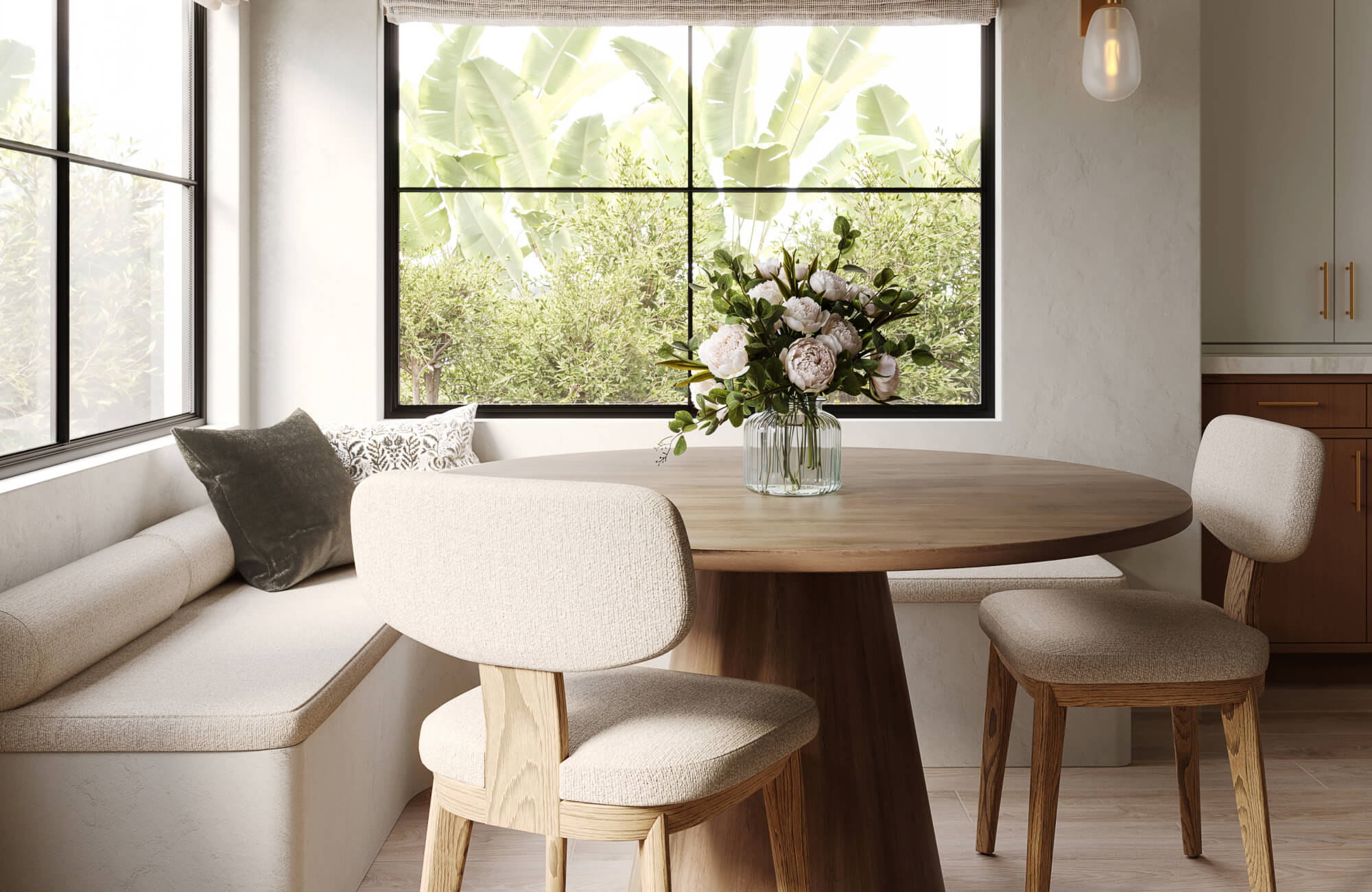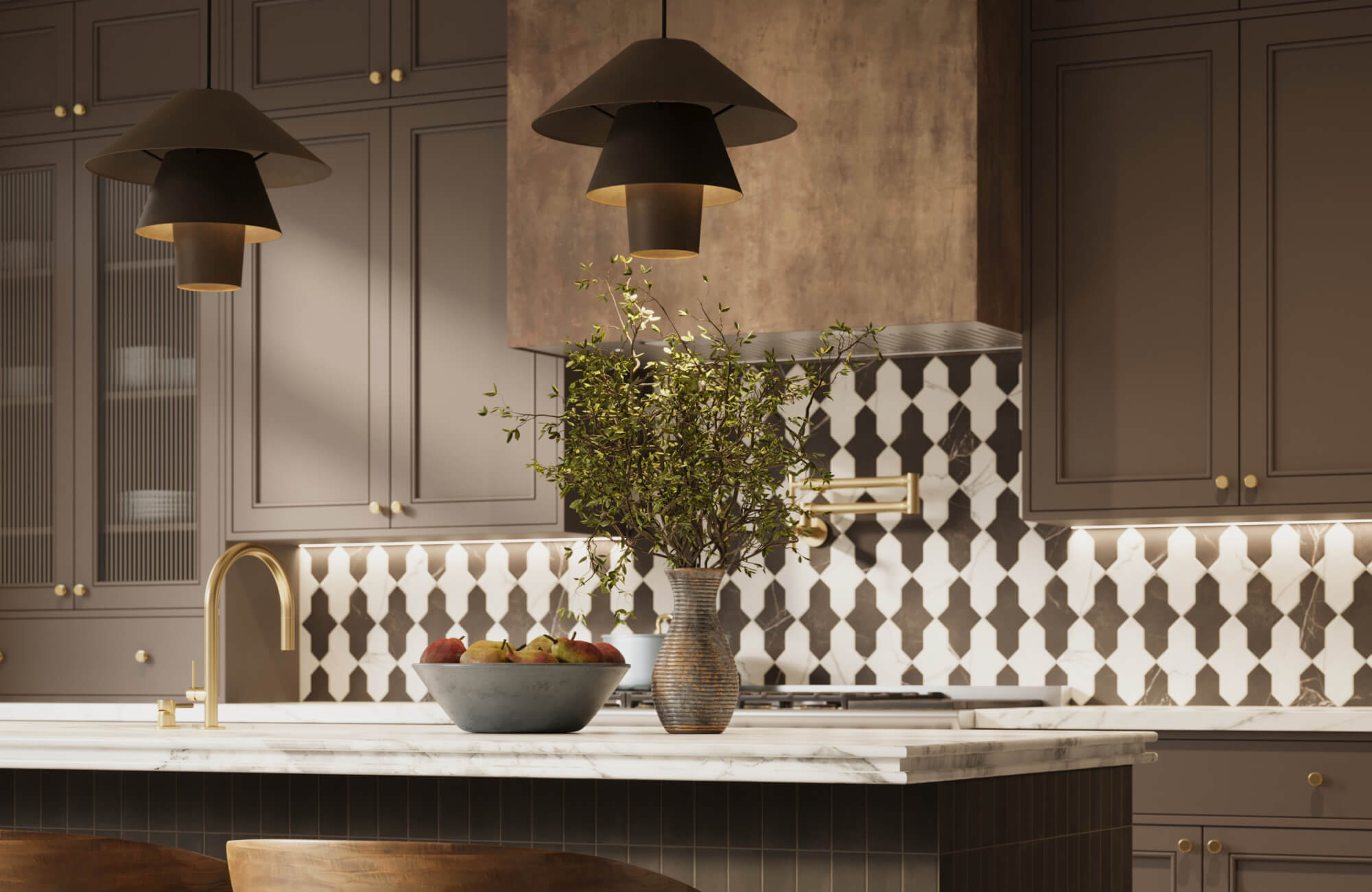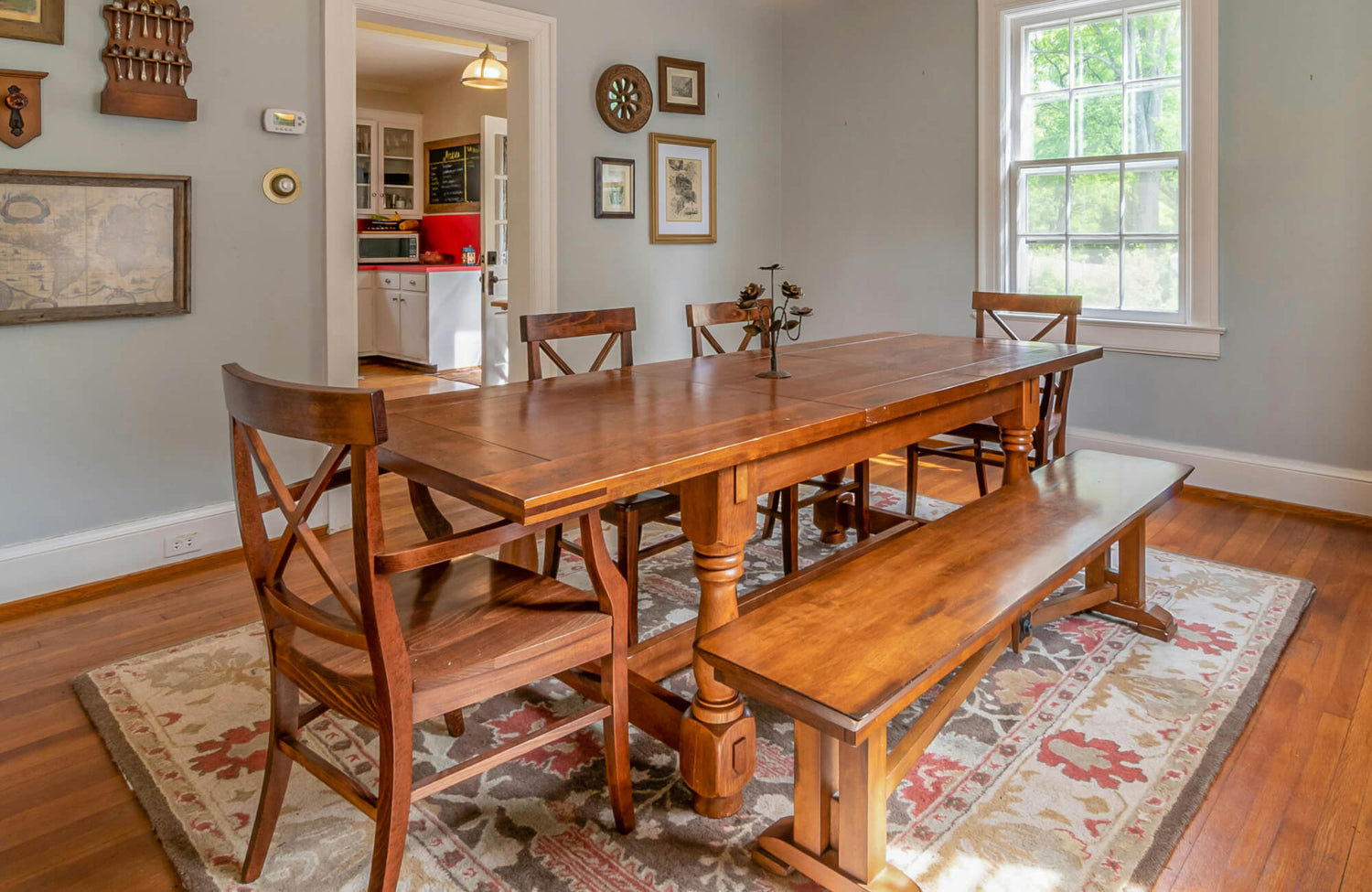
Dining benches often raise questions when you are trying to balance comfort, function, and visual appeal in a dining space. Traditionally associated with casual or rustic settings, they now appear in a wide range of interiors, from modern open layouts to family-focused homes. As dining areas increasingly support everyday living rather than formal occasions, it becomes important to understand how benches align with current design preferences. In this article, we’ll explore whether dining benches are truly in style, how they are used today, and when they make sense for your home.

The Shift Toward Casual Dining Spaces
Dining areas serve not only as formal rooms for special occasions, but also for everyday meals, work sessions, and informal gatherings. Within this shift, dining benches feel especially relevant, as they support a more relaxed and adaptable approach to seating that aligns with modern living.
Changing Dining Habits
You are likely eating more meals together in flexible settings rather than structured dining rooms. Benches naturally support this shift by allowing people to sit closer together without assigning rigid seating positions. This openness makes meals feel less formal and more inclusive, which suits households that value connection over ceremony. As a result, benches often feel more aligned with how dining spaces are actually used throughout the day.
Visual Lightness in Rooms
Another reason benches feel current is their visual simplicity. Without individual chair backs interrupting the view, benches can help dining spaces appear more open. This effect is especially noticeable in smaller homes, where clear sightlines help the room feel more spacious and calm. By reducing visual clutter, benches allow other design elements in the room to stand out more clearly.
Family Friendly Appeal
For households with children, benches can provide seating that adapts easily as needs change. You can easily slide closer together, make space for guests, or accommodate growing children without having to rearrange furniture. This flexibility helps explain why dining benches remain in style, particularly in busy family settings rather than purely decorative spaces. They also encourage shared seating, which can make family meals feel more connected and relaxed.

Design Trends Influencing Bench Popularity
While practicality is important, style continues to influence whether dining benches feel current. Their renewed popularity is closely connected to broader design trends that emphasize balance, material authenticity, and visual cohesion within dining spaces.
Minimal and Scandinavian Styles
If you gravitate toward clean interiors with light finishes, benches align naturally with those preferences. Their simple forms and lack of ornamentation support spaces that emphasize function and calm. In these settings, benches feel intentional rather than decorative. By reinforcing a sense of order and openness, benches also help maintain the understated balance that defines minimal and Scandinavian-inspired interiors.
Rustic and Farmhouse Influence
Benches also resonate with interiors that celebrate craftsmanship. Solid wood benches with visible grain echo the handmade quality found in farmhouse dining tables. This pairing feels grounded and authentic, which explains why benches remain in style in rustic-inspired homes. Over time, natural wear often adds character rather than detracting from the overall look.
Modern Contrast Pairings
In more contemporary spaces, benches often act as a counterbalance. You might pair a streamlined table, such as our Rebecca 86" to 120" Dining Table in Greige, with a softer upholstered bench to prevent the room from feeling too rigid. This contrast creates visual interest without overwhelming the space. It also allows modern interiors to feel more inviting while preserving their clean, structured aesthetic.

Comfort and Ergonomics Considerations
Style alone does not determine whether dining benches are the right choice for you. Comfort plays an equally important role, particularly as dining spaces often double as areas for conversation, work, or extended use beyond meals.
Backless vs Backed Designs
To begin with, backless benches encourage upright posture and shorter seating periods, which works well for casual meals and everyday use. Their streamlined profile also allows them to slide neatly under the table when not in use. On the other hand, you often host long dinners, and benches with back support tend to feel more comfortable, helping guests settle in for extended meals.
Cushioning and Upholstery
Aside from structure, cushioning plays a significant role in how a bench feels during use. Firm cushions provide steady support without excessive compression, while softer padding creates a more relaxed seating experience but may show wear sooner. In mixed seating arrangements, cushioned dining chairs, such as Edward Martin’s Clark Outdoor Dining Chairs in Louis Cream with bolster-style backrest and padded seat, can complement a bench by adding ergonomic comfort where longer sitting is expected. Striking the right balance between support and softness across both benches and chairs helps ensure the dining setup remains comfortable over time while maintaining its shape and function.
Seating Duration Expectations
Ultimately, it helps to be realistic about how you use your dining area throughout the day. Benches perform best in settings where meals are social but not overly long. When comfort preferences differ among household members or guests, combining benches with individual chairs, like our Rita Dining Chairs in Taupe, Set of 2, which features a cushioned seat and backrest filled with foam and fiber for long-lasting support, creates a more flexible and accommodating seating arrangement.

Space Planning and Layout Advantages
One of the strongest advantages of dining benches is their ability to use space efficiently. Their streamlined design offers practical layout solutions that traditional chairs often cannot provide.
Maximizing Small Dining Areas
In small dining spaces, benches can be tucked fully under the table when not in use, helping maintain clear walkways. This makes the room easier to move through and supports a more open layout. Without chair legs extending outward, the dining area often feels less crowded and more balanced, which can make a noticeable difference in smaller homes. Over time, this added openness can make the space feel more comfortable and functional for everyday use.
Flexible Seating Capacity
Benches allow you to accommodate more people without introducing additional furniture. When guests arrive, you can simply slide over rather than pulling in extra chairs from another room. This flexibility makes benches especially appealing for casual gatherings where seating needs can change from one meal to the next. It also reduces the need for storing extra seating when it is not in use.
Open Concept Flow
In open layouts, benches help visually connect the dining area with adjacent living or kitchen spaces. Because they sit lower and feel less segmented, they reduce visual breaks between zones. As a result, the dining area blends more naturally into the overall layout rather than feeling like a separate, enclosed space. This seamless connection helps maintain a cohesive look throughout the home.
The Lasting Appeal of Dining Benches
Dining benches are in style largely because they reflect how people use today’s dining spaces. They suit homes that value flexibility, shared seating, and a more open visual feel, making them a natural fit for everyday living rather than formal occasions. While they may not be ideal for every setting, especially where long meals or individual comfort needs take priority, pairing benches with chairs often creates a well-balanced solution. Ultimately, dining benches remain stylish not because they follow a trend, but because they continue to support practical, adaptable ways of living.
If you are considering how dining benches or chairs might fit into your space, our design team is here to help. Contact us to explore personalized layout guidance and design services that ensure your dining area feels both comfortable and cohesive.