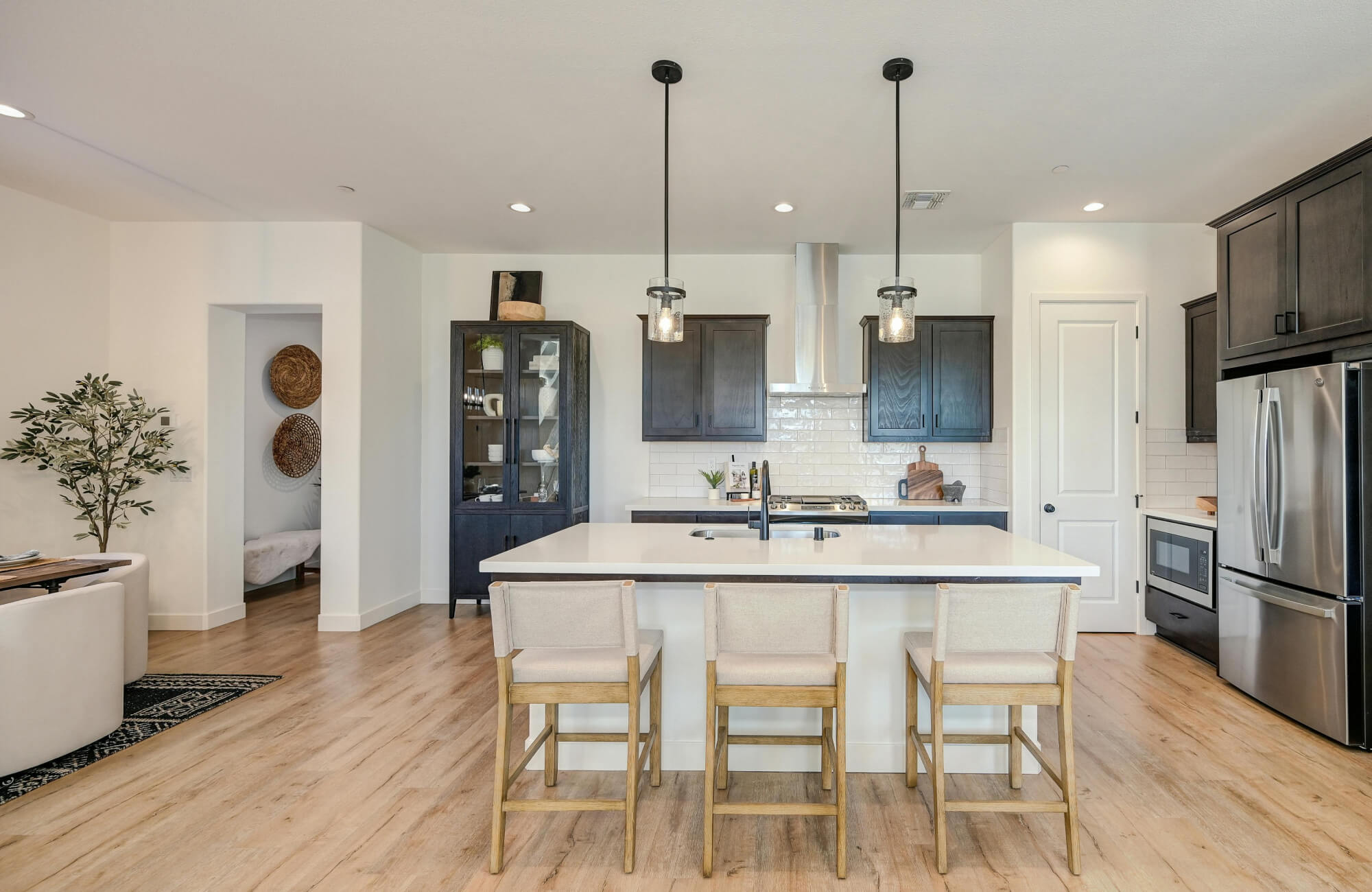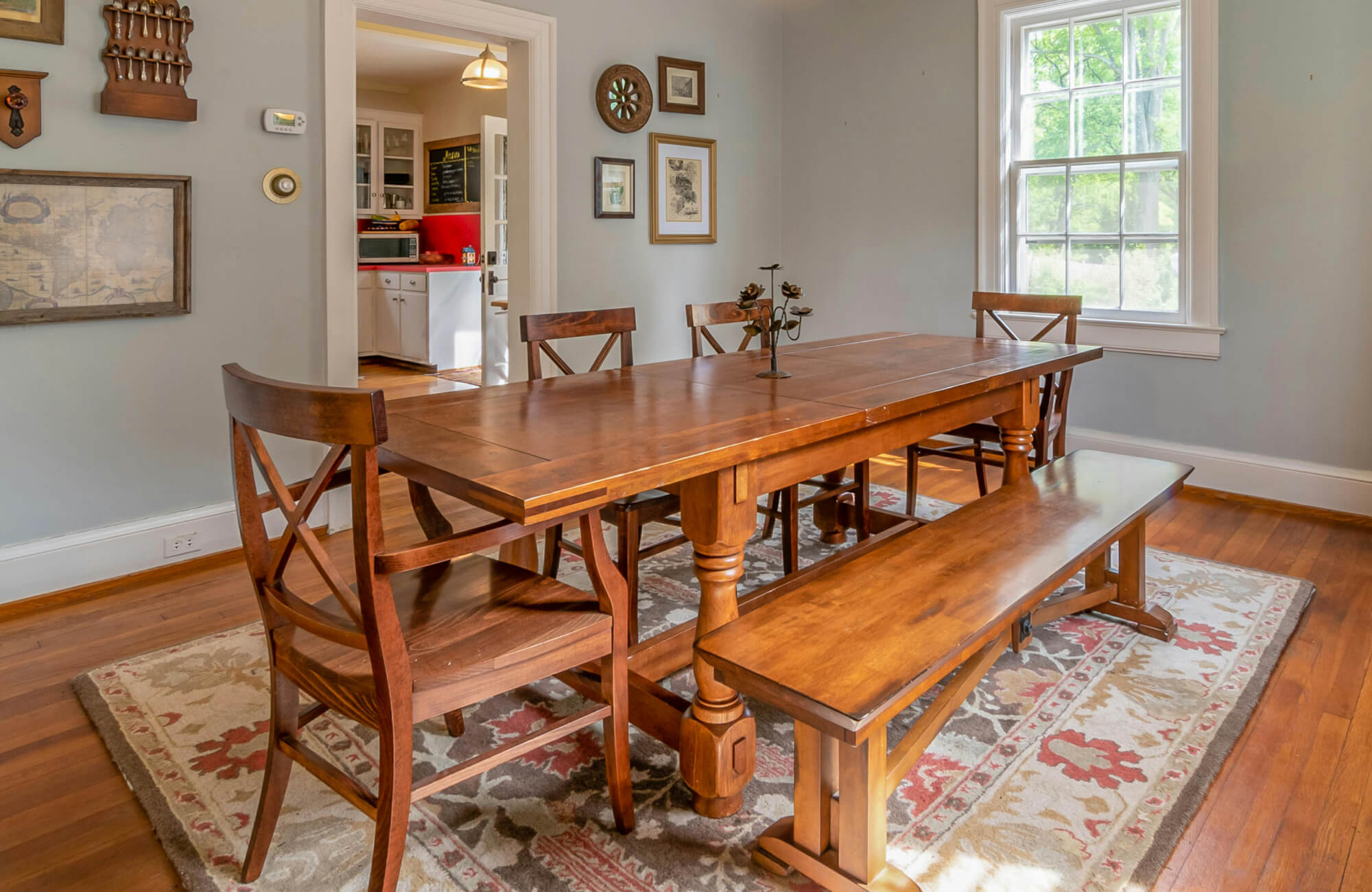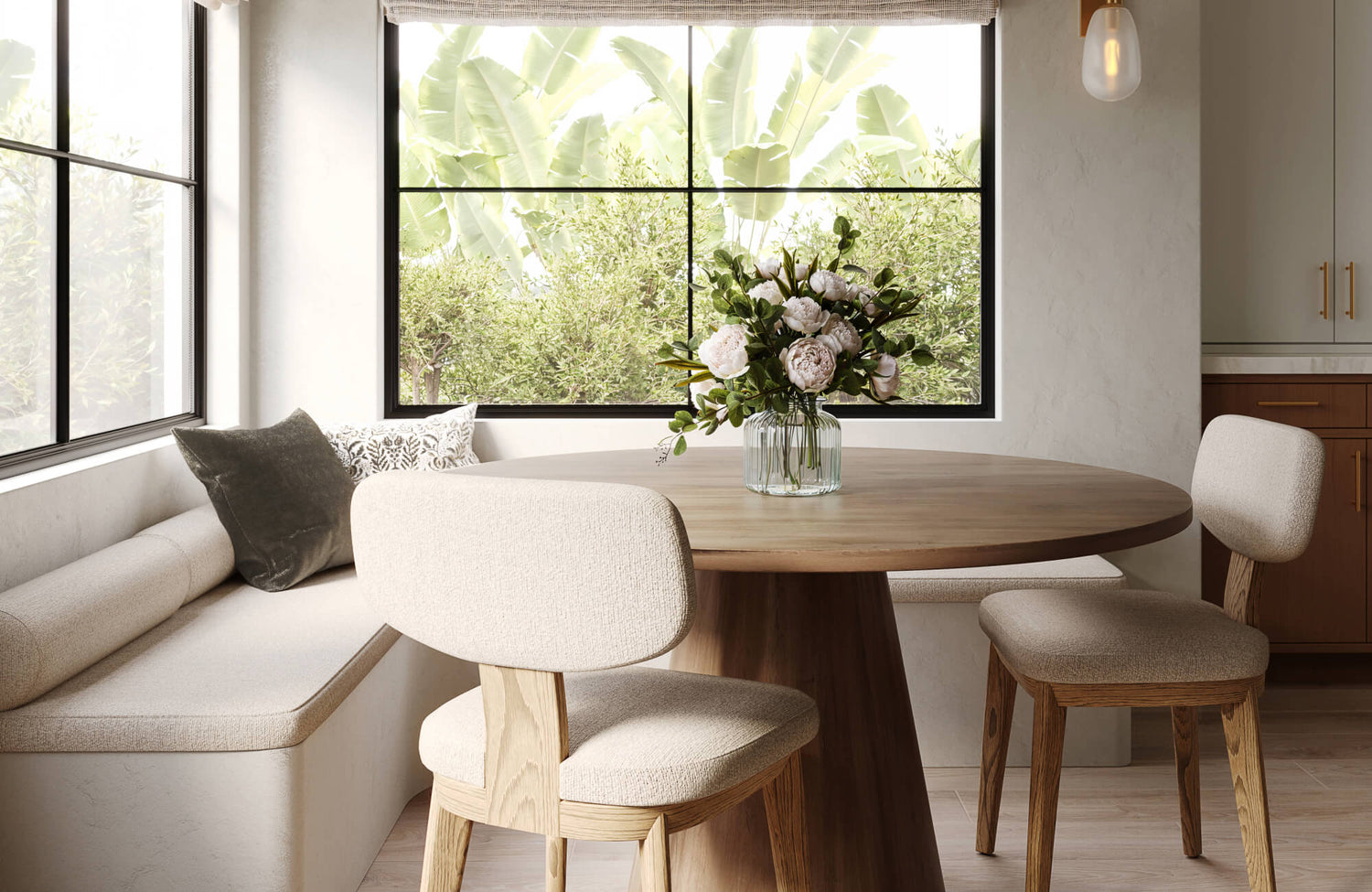
Transforming your dining room into a stylish and inviting space does not require a major renovation. With thoughtful design choices, intentional layering, and a focus on both beauty and function, you can elevate the room’s character in ways that feel fresh and meaningful. As you explore how layout, lighting, materials, and color influence the overall experience, you begin to see how each decision shapes the room’s personality.
This article walks you through the elements that matter most, from the flow of the furniture to the warmth of textiles and the impact of curated decor. By understanding how these components work together, you gain the freedom to refresh the space in a way that reflects your lifestyle and enhances every moment spent at the table. Whether you prefer subtle sophistication or bold transformation, a stylish dining room becomes entirely achievable with the right approach.

Redefining the Room Through Layout and Flow
A stylish dining room begins with how the space functions, not just how it looks. When you understand the way movement, spacing, and visual balance shape the room, you can elevate its comfort and character without major renovations. By thoughtfully reconsidering how furniture interacts with the architecture and how you navigate the space, the room naturally becomes more intuitive, welcoming, and visually aligned with your style.
Furniture Placement
The dining table acts as the central anchor of the room, and where you position it immediately influences how the entire space feels and flows. A piece like our Leonardo 59" Dining Table in Brown, shown in the image above, naturally draws attention with its sculptural base and warm wood tone, making it an ideal centerpiece for creating visual balance. Placing the table directly under a striking light fixture also creates a sense of order, drawing the eye toward the center and establishing a balanced focal point. This alignment helps the room feel grounded and cohesive, giving every other element a clearer relationship to the table. As you make small adjustments, you’ll notice that the room begins to feel more intentional, opening up better sightlines and enhancing comfort.
Yet there are moments when stepping away from strict symmetry creates greater visual softness. Slightly angling the table or shifting it a few inches off-center can add a subtle sense of movement, especially in rooms dominated by straight lines or rigid architectural shapes. These restrained shifts allow the layout to feel more dynamic without disrupting function. Even mild repositioning can also transform how the room breathes, encouraging more natural circulation and making the space feel more welcoming from the moment you step inside.
Creating Cohesive Pathways
Circulation plays a crucial role in shaping a dining room that feels effortless to use. When you allow for comfortable walkway space around the table, you ensure that the room accommodates everyday activities, from pulling out chairs to serving dishes and moving between adjacent spaces. Offering at least three feet of clearance around the seating area helps prevent congestion and gives the room a sense of ease. With this flow established, you can appreciate how the dining room becomes more accessible and less visually heavy.
If space is limited, selecting the right furniture becomes an essential part of maintaining clear pathways. Slim consoles or demi-lune sideboards provide surface space without imposing on the walkable area, and a streamlined piece like our Leonardo Sideboard in Brown, seen in the same photo above, offers generous storage while preserving an open, uncluttered layout. These thoughtful choices allow the room to stay visually light while supporting daily use. Over time, you’ll notice that smooth circulation enhances the overall dining experience, allowing the room’s design to support rather than compete with how you live.
Defining Zones in Open Floor Plans
In open-concept homes, defining the dining zone requires more subtlety since walls are no longer present to create separation. You can use visual cues to carve out a distinct sense of place, starting with an area rug that anchors the dining set. The texture and shape of the rug help signal where the dining room begins, giving the table and chairs their own stage within the larger layout. This grounding element makes the dining zone feel intentional and prevents it from getting visually lost in the openness.
A thoughtfully selected rug, such as our Hutchinson Rug in Burgundy / Denim, featured in the same picture above, adds even greater definition through its rich color variation and layered patterning. Its warm beige and golden yellow accents visually frame the dining area, creating a sense of depth while harmonizing with surrounding furniture and finishes. By introducing both contrast and cohesion, the rug helps the dining space stand confidently on its own, even within an expansive, shared layout.

Designing With Light to Transform Ambiance
Lighting shapes a dining room’s atmosphere in ways few other design elements can match. With the right approach, you can guide the mood from bright and energetic to soft and intimate while enhancing the room’s architectural features. By layering light strategically and using both natural and artificial sources, you create a dining space that adapts beautifully to different moments throughout the day.
Choosing a Statement Fixture
A statement fixture establishes the dining room’s stylistic identity from the moment you enter. When you choose a chandelier or linear pendant that aligns with the width of your table, the room gains a sense of deliberate proportion that immediately feels more polished. A fixture like our Greer 60" LED Linear Pendant in Vintage Brass, displayed above, offers a sculptural silhouette and warm metallic finish that echoes other design elements while effortlessly drawing the eye. Mounting the fixture at the right height also preserves comfortable sightlines while keeping the focus centered exactly where it belongs.
As you refine your lighting choice, the fixture begins to feel less like an accessory and more like an integral piece of the room’s architecture. A sculptural light creates dimension overhead, drawing the eye upward and adding drama without overwhelming the space. Even in a minimal dining room, a thoughtfully chosen fixture introduces personality and depth, proving that lighting is as much a design statement as it is a practical necessity. Over time, the right fixture becomes a visual anchor that elevates every meal and gathering.
Layering Ambient, Task, and Accent Lighting
A truly dynamic dining room relies on multiple types of lighting working together in harmony. Ambient lighting forms the base layer, filling the space with gentle illumination that supports daily activities without casting harsh shadows. As you incorporate task lighting near buffets, bar carts, or sideboards, you add focused brightness that makes serving and hosting easier while subtly guiding movement throughout the room. These functional layers are essential for creating a comfortable, user-friendly environment.
Accent lighting introduces a layer of emotional depth that elevates the room beyond utility. Wall sconces, art lights, or small spotlights add gentle highlights that enrich texture, emphasize favorite décor pieces, and create a warm sense of dimension. One refined option is our Jovie Wall Sconce in Aged Brass, seen in the same photo above, which brings sculptural elegance and soft, ambient glow to the walls, enhancing both mood and architectural detail. When all these sources work in concert, the dining room becomes adaptable, shifting naturally between lively daytime meals and intimate evening dinners. This layered approach also ensures the space feels sophisticated and intentional, no matter the occasion.
Leveraging Natural Light
Natural light has a unique way of softening the dining room and infusing it with a sense of openness. When you use sheer curtains or lightweight shades, sunlight filters into the space with a gentle glow that enhances colors, textures, and architectural details. This diffused light also helps maintain a comfortable atmosphere throughout the day, reducing harsh contrasts and creating a more soothing environment. As natural light fills the room, it becomes a defining part of the overall ambiance.
To make the most of daylight, reflective surfaces play an important role. Glossy finishes, polished stone, and metallic accents bounce sunlight deeper into the room, expanding the space visually and making it feel brighter. Placing a mirror opposite a window further amplifies this effect, giving the room a more expansive quality while reinforcing symmetry and balance. By harnessing natural light thoughtfully, you create a dining space that feels connected to the outdoors and comfortingly alive.

Elevating Style Through Material and Texture Pairings
Thoughtfully layered materials and textures give your dining room a richer sense of dimension and personality. When you curate contrasting yet complementary surfaces, the space gains depth, movement, and a tactile warmth that draws you in.
Mixing Wood, Metal, and Upholstery
Blending different materials creates a dynamic conversation within the room, allowing each surface to enhance the others. A wood table with a distinctive grain sets a grounded, organic foundation, introducing warmth and natural character. As you pair this with metal details on the chairs or light fixtures, the dining area gains a contemporary edge that brings clarity and refinement to the overall design. These subtle contrasts help the room feel balanced rather than monotonous, ensuring that no single material overwhelms the space.
Upholstered seating then adds a vital layer of softness that completes the composition. Whether you choose velvet for its richness or performance linen for durability, the fabric introduces comfort while softening the interplay between wood and metal. Upholstery also absorbs sound, making conversations more enjoyable and preventing the room from feeling overly hard or echo-prone. When these elements come together, they create a harmonious blend of textures that elevates the dining room’s elegance without sacrificing practicality.
A thoughtfully curated pairing of furniture can enhance this balance even further. As seen in the dining room above, our Rebecca 86" to 120" Dining Table in Greige brings a refined wood finish and architectural silhouette that anchors the room with quiet sophistication. Complementing it with our Gideon Dining Chair in Black introduces sleek lines, metal framing, and tailored upholstery, creating a polished contrast that deepens the textural interplay. Together, they illustrate how wood, metal, and fabric can harmonize beautifully, giving the dining space a layered, intentional, and distinctly modern character.
Introducing Layered Textiles
Textiles play an essential role in transforming the dining room into a more inviting and expressive environment. A well-chosen area rug instantly grounds the table, providing a visual frame that helps define the dining zone within the larger layout. A standout example is our Quinton Rug in Ash, shown in the same photo above, which offers a soft, textured foundation that adds warmth while complementing a wide range of furniture finishes and styles. The rug’s tone and weave can also act as either a subtle backdrop or a standout feature, depending on the mood you want to create. As you add more textile layers, the room begins to develop a richer tactile presence that enhances both comfort and cohesion.
Tabletop textiles offer additional opportunities to introduce dimension. A raw silk runner, linen napkins, or textured placemats draw the eye across the table and add depth to the setting without overwhelming it. Even a few decorative pillows on a banquette or upholstered chairs can infuse personality through color, pattern, or contrast. These elements contribute softness, visual rhythm, and acoustic warmth, shaping a dining experience that feels both intimate and thoughtfully styled.
Adding Visual Interest With Natural Elements
Natural elements bring a grounding sense of authenticity that complements the polished surfaces found in a dining room. When you incorporate stoneware vases, ceramic bowls, or earthenware centerpieces, you introduce subtle imperfections that make the space feel more lived-in and approachable. These tactile pieces break up glossy finishes and add a handmade touch that enhances the room’s character. Over time, they become focal points that enrich your dining environment.
Woven textures and greenery further amplify this organic dimension. Rattan trays, seagrass baskets, or woven wall accents add a rustic charm rooted in craftsmanship, while live plants or branches bring movement and freshness into the room. These natural additions establish a connection to the outdoors and soften the lines of more structured furniture. As a result, the room gains warmth, depth, and a sense of ease, preventing it from feeling overly curated and inviting you to linger longer at the table.

Updating Furniture and Fixtures for High-Impact Style
A full redesign isn’t necessary to breathe new life into your dining room. By focusing on select furniture pieces and fixtures, you can create meaningful visual and functional improvements with far less effort. Strategic updates also allow you to refresh the room’s personality, enhance comfort, and introduce a more current aesthetic while preserving what already works well in the space.
Choosing Modern Chair Styles for Comfort and Visual Appeal
Refreshing your dining chairs is one of the quickest ways to shift the room’s entire atmosphere. When you mix chair styles, such as combining sleek upholstered end chairs with classic wooden side chairs, the contrast introduces a curated, designer-like rhythm. This blend not only brings visual interest but also helps soften the formality or rigidity of a uniform set. Modern silhouettes, rounded backs, or sculptural legs can further refine the room, giving it an updated feel even if the rest of the furniture remains unchanged.
Comfort becomes an important part of the transformation as well. Upholstered seating like our Gideon Dining Chair in Grey above makes the dining experience more inviting, and different fabric choices let you personalize everything from durability to texture. For a touch of refined softness, performance velvet adds luxury without sacrificing practicality, while faux leather like this offers easy maintenance and a modern sensibility.
Refinishing or Upgrading the Dining Table
Because the dining table dominates the visual landscape, even small changes to its finish or material can dramatically reshape the room. Refinishing a solid wood table allows you to maintain its craftsmanship while giving it a renewed presence through a richer stain or a matte, contemporary finish. These subtle shifts can bring out texture, highlight natural grain, and improve the table’s compatibility with the rest of your décor. As you refine the finish, the table gains a more modern or cohesive identity without losing its original charm.
For a more transformative effect, upgrading the tabletop introduces a fresh material while still preserving the existing frame. Marble, quartz, or smoked glass tops elevate the table with new texture and sheen, adding sophistication and changing the way light interacts with the surface. A fully updated silhouette, such as our Anastasia 59" Dining Table in Taupe, displayed in the same picture above, goes a step further by pairing a sculptural base with a richly textured top, offering an instant infusion of contemporary elegance. This hybrid approach also allows you to maximize your investment by enhancing the table’s aesthetic appeal while maintaining the comfort and dimensions you already rely on. The result is a striking centerpiece that aligns with your updated style vision.
Updating Hardware and Fixtures
Small-scale hardware and fixture updates have an impressive ability to shift the room’s overall polish. When you replace outdated knobs, pulls, or hinges with modern options, you instantly revive sideboards, buffets, or built-in cabinetry. The finishes you choose, whether brushed nickel, brass, or matte black, become subtle threads that tie the entire space together. These cohesive details help create a unified visual story, especially when they relate to the material choices in your lighting or furniture.
Lighting fixtures and even table or console legs offer additional opportunities for refinement. Swapping older fixtures for streamlined designs adds clarity and elevates the room’s profile. Updating furniture legs with metallic caps or geometric forms also introduces a contemporary edge that subtly enhances the room without overwhelming it. When these upgraded details work in concert, the dining room feels more intentional and polished, proving that small touches can create a remarkably high-impact transformation.

Personalizing the Room Through Color and Atmosphere
Color shapes the emotional character of your dining room, guiding how the space feels the moment you enter it. When thoughtfully chosen, a palette does more than decorate; it supports the room’s purpose, influences energy, and reflects your personality. Paired with atmospheric touches that engage the senses, color becomes part of a complete dining experience that enhances both everyday meals and special occasions.
Selecting a Color Palette With Purpose
Choosing a palette with intention ensures the dining room evokes the mood you want to cultivate. Soft neutrals such as warm greys, taupes, and muted greens create a soothing backdrop that encourages ease and relaxation, especially in spaces meant for daily use. These tones also feel grounded and approachable, allowing the room to blend seamlessly with adjacent living areas. When you lean toward more formal or dramatic dining experiences, jewel tones like emerald, sapphire, or garnet introduce depth and richness that instantly elevate the atmosphere.
The interaction between color, lighting, and undertones plays a crucial role in how a palette performs. Warm shades take on a golden glow under incandescent or candlelight, creating intimacy, while cool hues appear crisp and refreshing in spaces with abundant natural light. Paying attention to how the room’s lighting changes throughout the day also helps you select colors that remain harmonious in every setting. When your palette aligns with both the intended emotion and the lighting conditions, the dining room gains clarity, balance, and emotional resonance.
Coordinating Floor Tile Color With the Overall Palette
Floor tile color plays a foundational role in how the dining room’s palette comes together. Lighter tiles, such as soft beige, ivory, or pale greige, create an open and airy feel that reflects light and enhances a calm, welcoming atmosphere. These tones pair beautifully with neutral or earth-inspired wall colors, helping the room feel seamless and grounded. In contrast, deeper tiles like dark gray, deep brown, or slate gray introduce sophistication and weight, anchoring bold palettes and supporting richer hues like deep green or deep red.
Moreover, the undertone of the tile significantly affects how other colors appear in the room. Warm-toned floors enhance gold, terracotta, and warm neutrals, while cool-toned tiles complement blues, greys, and crisp whites. Paying attention to the tile’s texture and finish also shapes the atmosphere: matte tiles lend an organic, relaxed character, while polished porcelain adds modern shine and reflects light throughout the space.
Introducing patterned or tonal variation through materials like our Karina 5.5x5.5 Matte Porcelain Tile in Greige and Karina 5.5x5.5 Matte Porcelain Tile in Cotto, shown above, brings an added layer of personality to the palette. The grayish-brown option offers a soft, versatile foundation that pairs beautifully with contemporary and Scandinavian-inspired spaces, while the terracotta variation introduces warm, earthy tones that complement Mediterranean or rustic aesthetics. Blending the two creates a checkerboard effect that feels playful yet refined, giving the dining room a distinct visual identity.
To make choosing the perfect tile even easier, you can use our augmented reality (AR) tool to see how various tiles look directly in your dining room. This interactive feature lets you compare colors, evaluate undertones, and visualize the overall effect in real time, helping you feel confident in your final palette.
Using Accent Walls and Paint Techniques
Paint offers a transformative way to express character and creativity without altering the room’s structure. An accent wall finished with limewash introduces gentle movement and texture, creating a soft, atmospheric backdrop that feels handcrafted. Two-tone or color-blocked treatments can also highlight architectural elements such as chair rails, moldings, or alcoves, giving the room a more dynamic and contemporary edge. These techniques allow you to experiment with boldness or subtlety while maintaining control over how the room visually shifts.
Even smaller paint applications can produce striking effects. A deep-toned ceiling can pull the eye upward and add drama, while darker baseboards ground the space and enhance contrast. These targeted uses of color help shape the room’s proportions and give depth to otherwise flat surfaces. As you incorporate these expressive approaches, the dining room becomes more individualized, showcasing your personal style through creative detail rather than overwhelming change.
Transforming Style Through Intentional Design
A stylish dining room emerges when every choice is made with purpose, creating a space that feels cohesive, expressive, and attuned to how you live. As layout, lighting, textures, color, and decor work together, the room becomes more than a place to dine, evolving into a welcoming setting for daily connection and memorable gatherings. Through thoughtful updates that balance function with beauty, your dining room becomes a lasting reflection of your personal style and the atmosphere you want to cultivate.
For those who want expert guidance in shaping a dining room that feels both intentional and beautifully refined, our design services offer personalized support at every stage of the process. Whether you’re seeking help with space planning, material selection, or building a cohesive palette, our designers provide thoughtful insights that bring clarity and confidence to your decisions. With professional collaboration, your vision becomes easier to execute, allowing the final space to reflect your lifestyle and aesthetic with exceptional precision.