

)
)
)
)
)
)
)
)
How To Arrange Pendant Lights Over A Kitchen Island
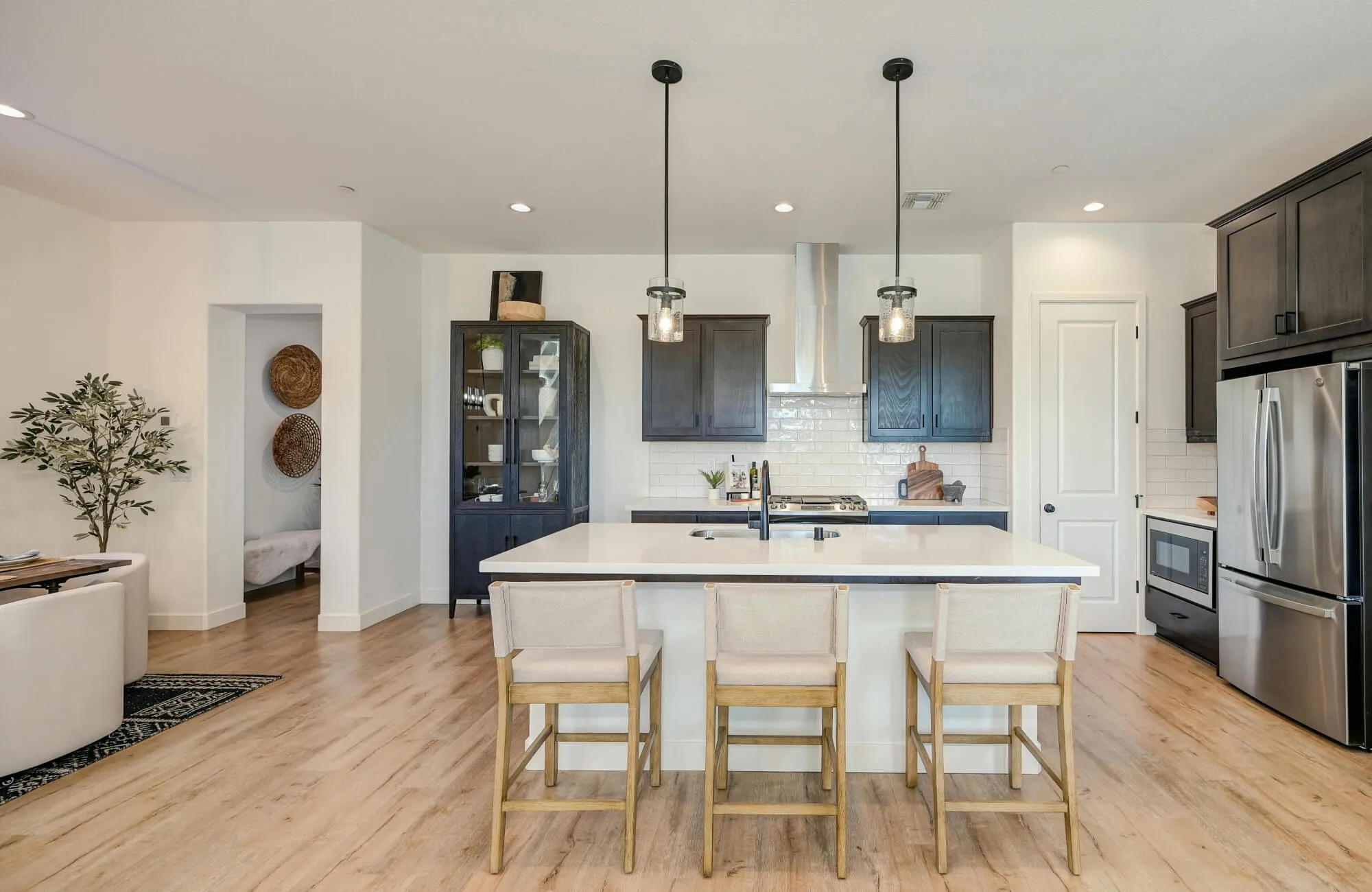
Arranging pendant lights over a kitchen island involves more than choosing fixtures you like; it also requires understanding how placement, height, spacing, and scale work together to create a comfortable and visually cohesive space. In this article, we’ll walk you through the key principles that can help you make confident decisions, whether your priority is task lighting, ambiance, or a balanced blend of both. By the end, you will have a clear sense of how to arrange your pendant lights with intention so they enhance the island’s function while elevating the overall look of your kitchen.
Kitchen Island Function and Lighting Placement
The way your kitchen island functions should shape every decision you make about pendant placement. By understanding how you use the island, it becomes much easier to choose the height, spacing, and number of pendants that feel both natural and practical for your space.
Identify Primary Tasks
Before deciding where your pendants should hang, take a moment to consider how you use the island. If you often prep meals at the island, the lighting should fall directly over your cutting or mixing areas to ensure clear visibility. Kitchen islands designed for seating, however, call for softer illumination that creates a welcoming atmosphere. By recognizing these differences, you can decide whether your pendants should prioritize brightness, ambiance, or a balanced blend of the two.
Map Work Zones
Start by considering how activity flows along the length of your countertop. If one end of the island includes a prep sink or a small cooktop, placing pendants slightly off-center may serve you better than keeping them in a perfectly even row. Concentrating light where you actually work reduces shadows and improves visibility. This intentional approach ensures your pendants support your movements rather than disrupt them.
Balance Function and Comfort
If your kitchen island features seating, the lighting should be comfortable while still providing sufficient clarity for everyday tasks. Pendants hung too low can interrupt conversation, and overly bright fixtures may cause glare. By checking sightlines from a seated position, you can place the pendants where they feel inviting and unobtrusive. The goal is to give everyone a clear view across the island without the lighting becoming a distraction.
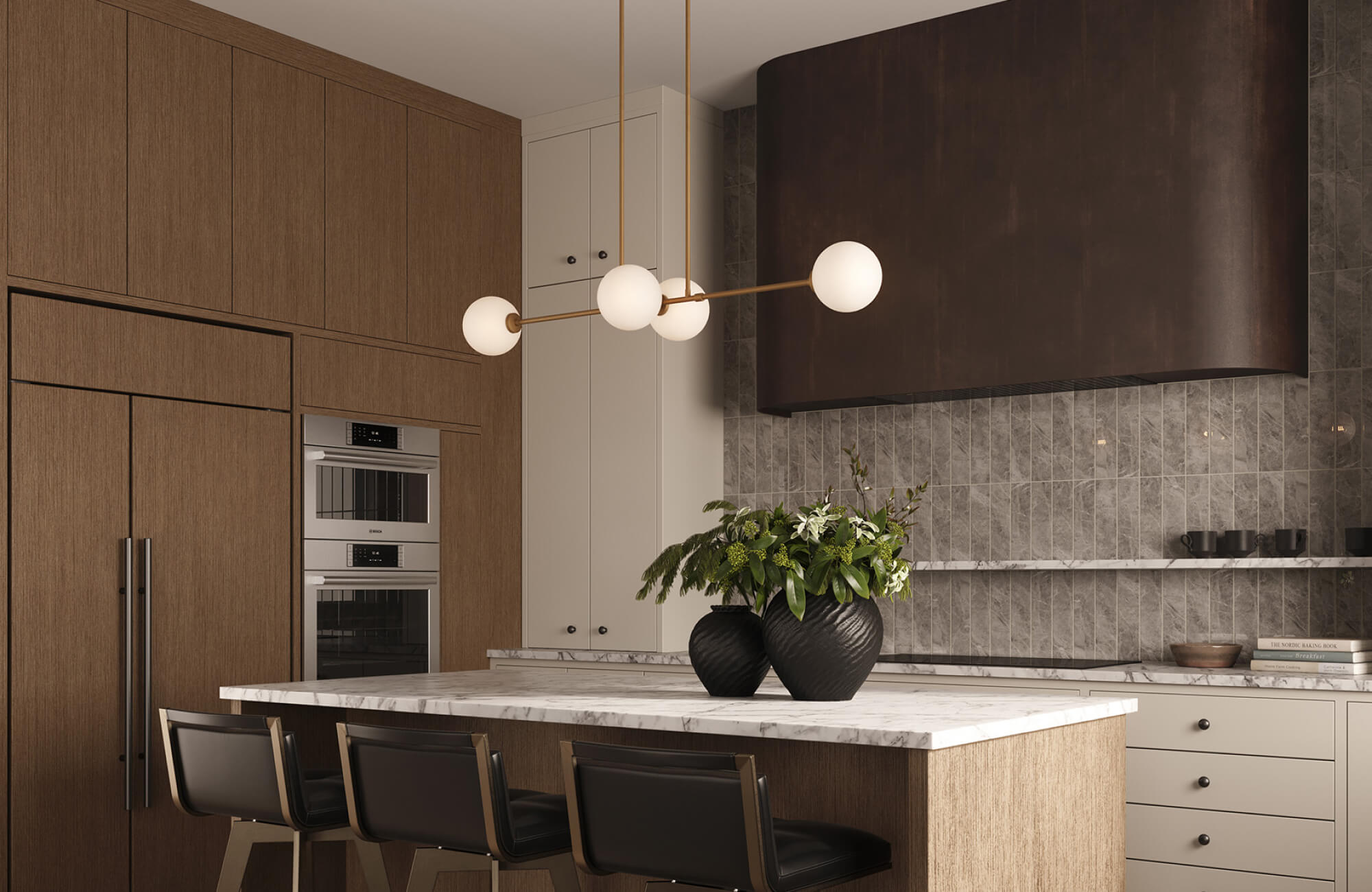
You can see this principle in the photo featured above, where Edward Martin’s Hailey 48" 4 Lights Linear Pendant in Aged Gold/Opal Matte Glass provides even illumination while remaining high enough to support easy conversation and an open, welcoming feel.
Choosing the Right Number of Pendants
Deciding how many pendant lights to place over your kitchen island is one of the most meaningful choices in the design process. The ideal number depends not only on the island’s length but also on the scale of the fixtures and the type of atmosphere you want them to create in the room.
Use Island Length as the Baseline
A practical starting point is to match the number of pendants to the island’s overall size. Smaller islands often look best with a single pendant light, medium islands typically suit two, and longer islands tend to feel balanced with three or more. Rather than relying on rigid formulas, think about how the fixtures will visually occupy the space. The pendant lights should feel naturally placed, not forced into a predetermined pattern.
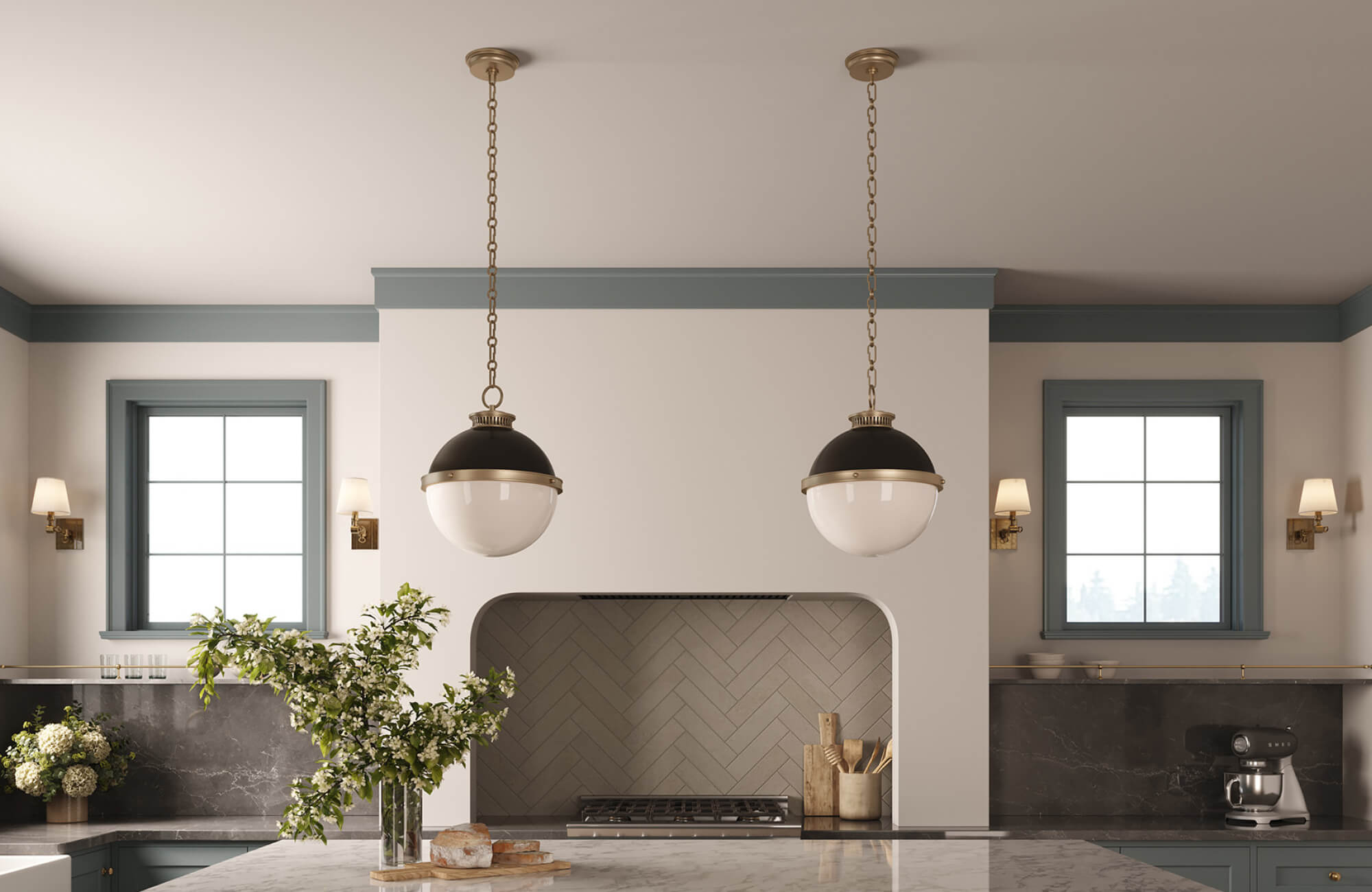
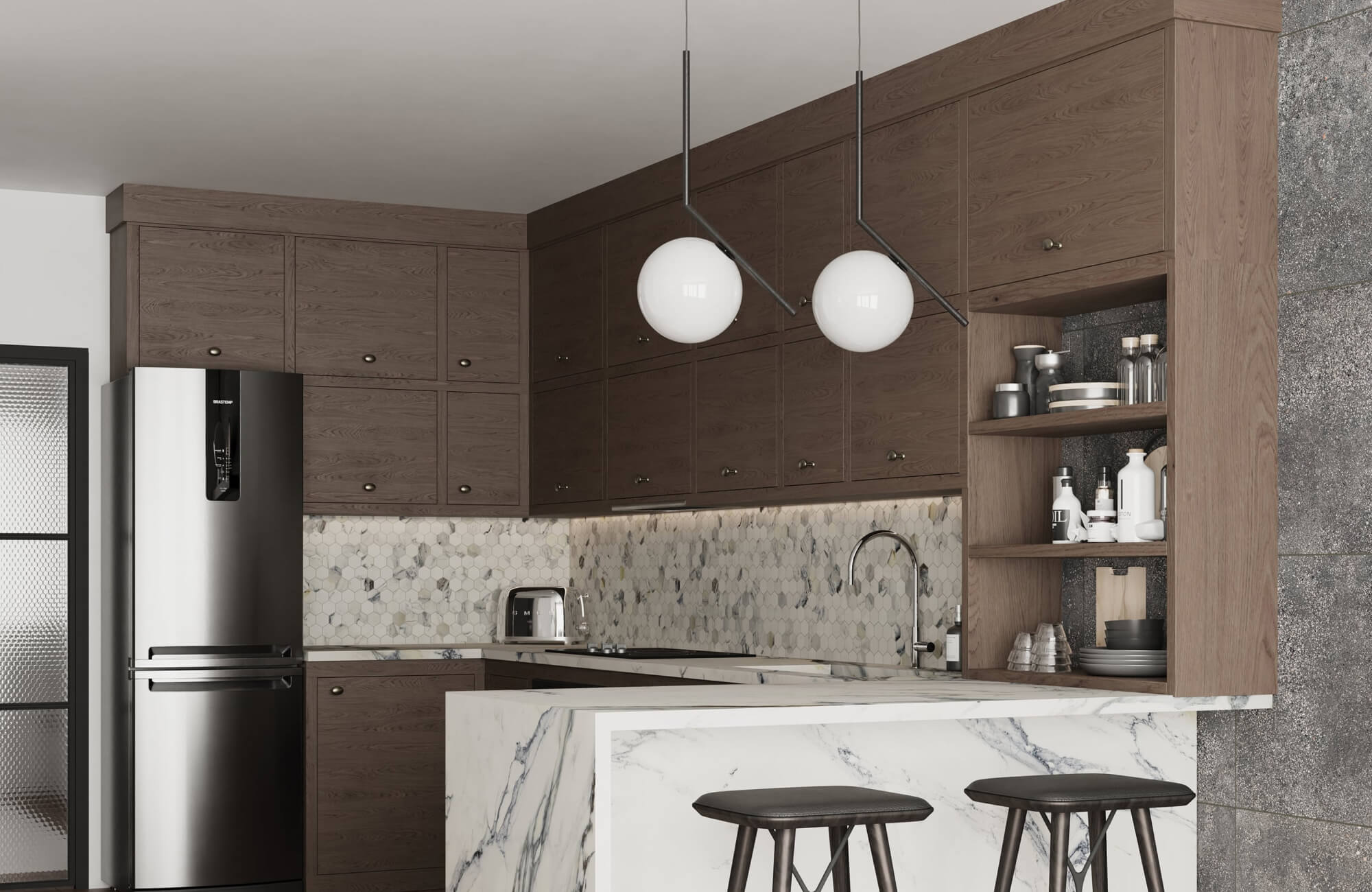
In the photo displayed above, the island is illuminated by two statement fixtures—Edward Martin’s Barnes 14" Pendant in Aged Antique Distressed Bronze—demonstrating how a pair of well-scaled pendants can complement a medium-length island with both balance and presence.
Factor in Fixture Presence
The visual weight of your pendants also plays a key role in determining how many you need. A large dome shade or a wide sculptural form can make a strong statement on its own, reducing the need for additional fixtures. Slimmer, lighter designs, however, give you the flexibility to use multiple pendants without overwhelming the kitchen island. This approach helps you create a visual impact while still maintaining a balanced space.
Maintain Visual Rhythm
Once you decide on the number of pendant lights, the arrangement should come together as a cohesive whole. Even spacing helps the lighting fixtures read as a unified composition rather than separate elements competing for attention. A deliberate rhythm guides the eye along the island, bringing a sense of order to the kitchen. This consistency creates visual flow without making the layout feel predictable.
Pendant Height and Drop Distance
The height of your pendant lights has a significant impact on both the comfort and functionality of your kitchen island. With a few thoughtful adjustments, you can reduce glare, maintain clear sightlines, and create a lighting arrangement that feels naturally integrated into the space.
Set a Functional Hanging Range
Most pendants sit around 30 to 36 inches above the countertop, a range that provides practical lighting without allowing the fixtures to feel intrusive. Depending on your room layout, fixture size, and personal preferences, you may adjust this height slightly. It helps to view the kitchen island from different angles to ensure the pendants support easy conversation and stay clear of your sightlines. Adjusting the height gradually during installation can also help you pinpoint the level that feels most natural for daily use.
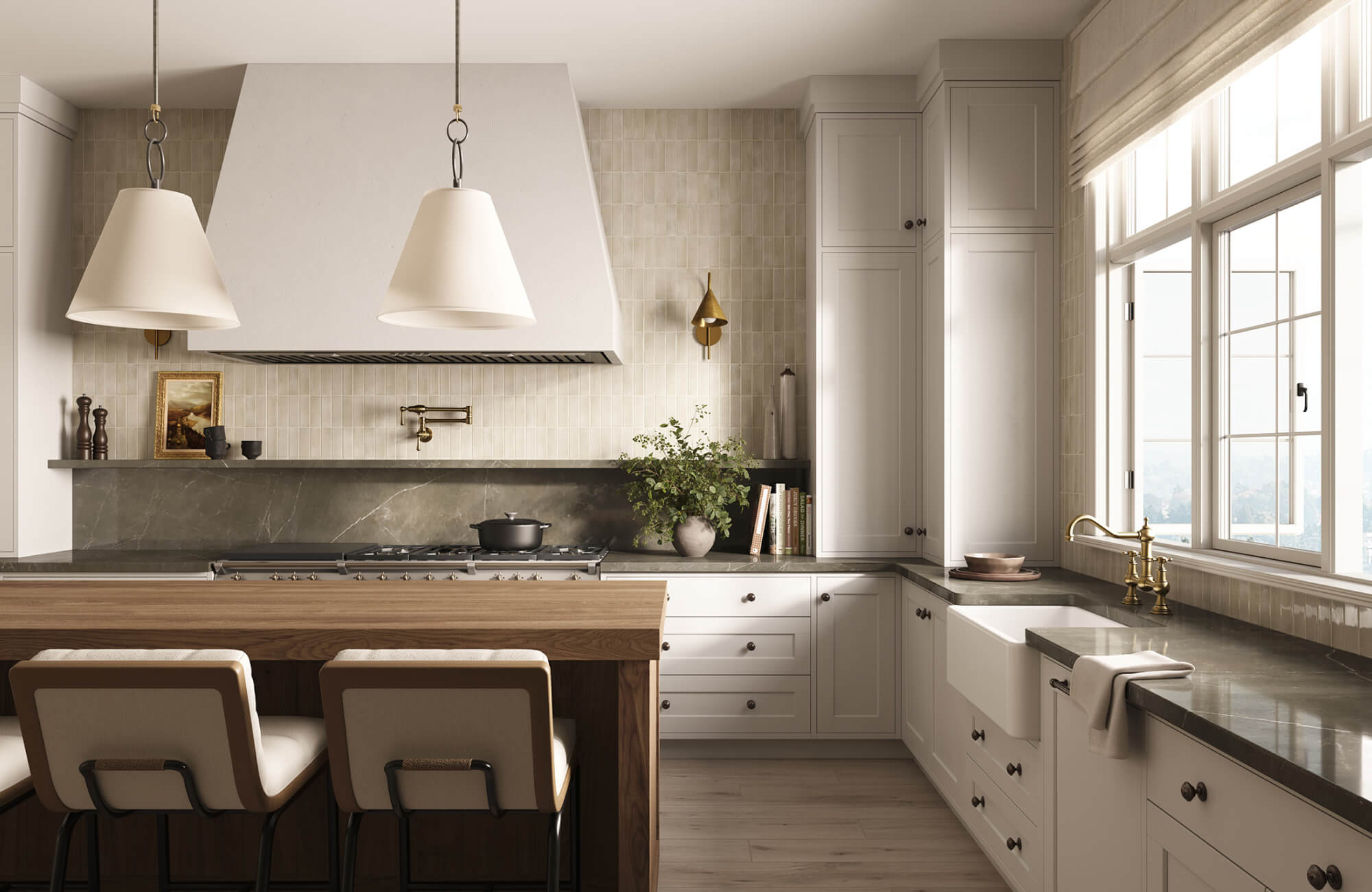
In the photo featured above, Edward Martin’s Hilda 18" Pendant in Distressed Bronze highlights how a well-proportioned drop can offer both clarity and comfort, reinforcing the value of finding the right hanging height for your space.
Consider Ceiling Height Dynamics
Ceiling height has a significant role in how your pendants look and perform. Tall ceilings often benefit from fixtures with extended rods to keep the lights visually connected to the island. Lower ceilings, however, work best with compact designs and shorter drops, keeping the room feeling open and comfortable. When we respond to the architecture in this way, the pendants feel integrated rather than competing with their surroundings.
Align Heights in Open-Concept Spaces
If your kitchen opens into a dining or living area, the height of a pendant contributes to the overall flow of the space. Instead of matching every fixture exactly, aim for heights that feel coordinated and visually balanced. Using similar proportions with slight variations keeps the room organized while allowing the lighting to feel natural rather than overly structured. This approach helps each fixture complement the others without competing for attention.
Pendant Light Spacing Strategies
Effective spacing ensures your pendants feel intentional and keeps the island from looking cluttered. With a few thoughtful adjustments, you can create a layout that feels balanced, comfortable, and effortless.
Apply a Consistent Interval
Consistent spacing is key to creating a clear sense of structure. When the distance between each pendant relates well to the fixture size and the island’s length, the arrangement feels naturally organized. This straightforward approach keeps the pendant lights aligned without making the layout feel overly precise. Establishing this interval early also makes it easier to adjust other elements, such as height and fixture size, with confidence.
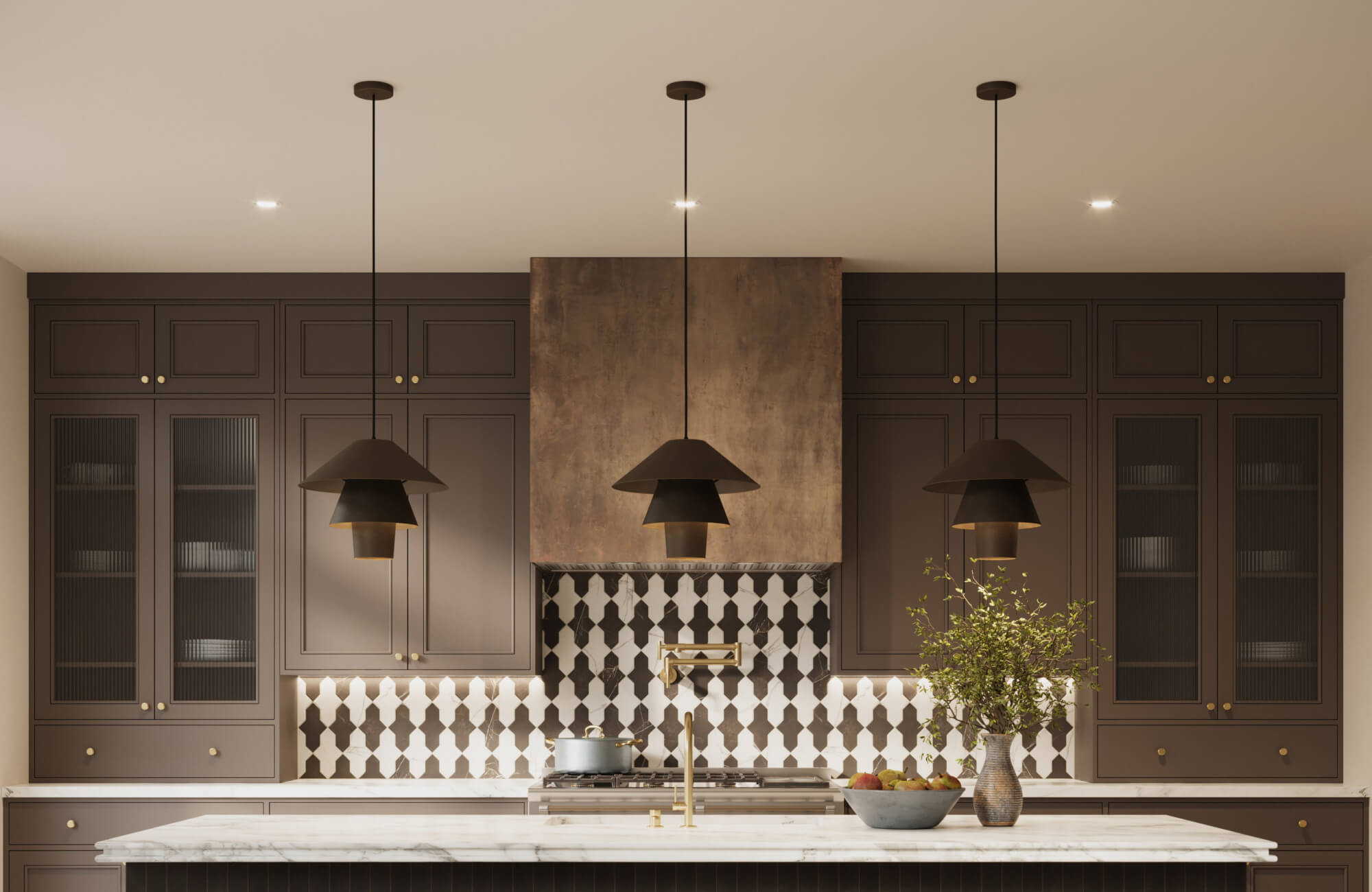
In the photo shown above, a row of evenly spaced fixtures of Edward Martin’s Oswald Pendant in Dusty Iron illustrates how consistent intervals can create a clean, cohesive rhythm across a long kitchen island.
Use Edges as Reference Points
The edges of the island provide helpful visual boundaries. When pendants sit slightly inside these edges, the arrangement feels centered and stable, creating a clear connection between the lights and the surface below. This keeps the lighting anchored to the island rather than appearing to float at the ends, and it also improves how light spreads across the countertop. Additionally, using the edges as guides can be useful when working with longer islands, where precise alignment makes a noticeable difference. This simple reference point helps maintain balance even as fixture styles or sizes change.
Adjust for Fixture Diameter
Large pendants require extra space to maintain their visually distinct forms and prevent them from competing with one another. Narrow or more minimal fixtures, on the other hand, can be placed closer together while still maintaining a cohesive look. Considering the diameter of each pendant helps ensure the spacing feels intentional rather than crowded or uneven. This attention to scale also affects how light spreads across the island, allowing you to achieve the right balance between coverage and visual comfort.
Designing for Style, Proportion, and Visual Impact
Pendant lighting does more than illuminate your kitchen island; it also shapes the personality and visual balance of the space. By considering proportion and the relationships between fixtures and surrounding elements, you can create a layout that elevates both the island and the room as a whole.
Match Pendant Scale to Island Dimensions
Scale plays a vital role in how well your pendants relate to the island. Larger islands can support more substantial fixtures, while smaller islands generally pair better with compact designs. Finding the right balance ensures the room does not feel overwhelmed by oversized pendants or underlit by fixtures that appear too delicate. Taking time to assess scale also helps the pendants feel proportionate to the surrounding cabinetry and ceiling height.
Coordinate With Surrounding Architecture
If your kitchen features like ceiling beams, tall cabinetry, or aligned windows, your pendant arrangement can help highlight and reinforce those elements. Centering the fixtures in relation to these lines brings a sense of quiet order to the space. By aligning the pendants with surrounding architectural details, you create subtle visual continuity that makes the kitchen feel cohesive and well-composed. This approach also helps the pendants feel intentionally integrated rather than simply placed above the island.
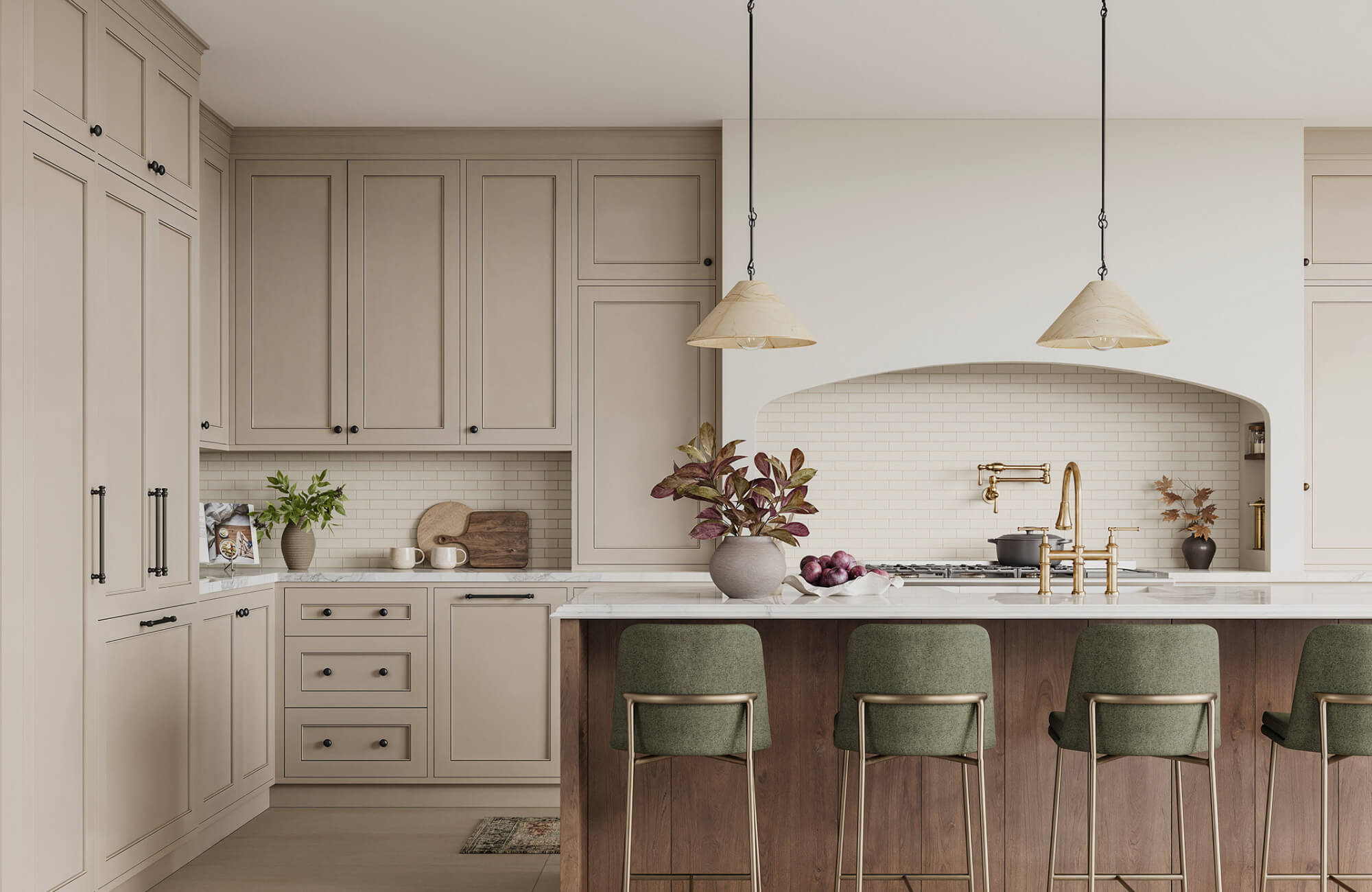
You can see this effect in the photo displayed above, where Edward Martin’s Alma Pendant in Ecru Marble Solid aligns beautifully with the arched cooking niche and cabinetry, enhancing the overall architectural rhythm of the room.
Create Intentional Visual Weight
Every pendant arrangement carries its own visual presence, whether subtle or more pronounced. If you want the pendants to blend into the backdrop, choose lighter forms and position them to complement the island rather than dominate it. For a more expressive look, arrange pendants in a way that emphasizes their shapes and allows them to become a focal point within the kitchen. Considering how the fixtures interact with surrounding colors and finishes can further refine the overall balance.
Adapting to Unique Island Layouts
Not every kitchen island follows a simple, linear shape. When your island has angles, multiple levels, or an unconventional position in the room, pendant placement requires a more tailored approach to ensure the lighting feels cohesive and functional.
Work With L-Shaped or Angled Islands
When an island bends or shifts direction, lighting typically works best when focused on the longest straight section rather than attempting to follow every angle. This approach provides clarity and prevents pendants from appearing misplaced. By concentrating light where most activity occurs, you maintain a sense of order and ensure the arrangement feels intentional, no matter the island’s shape. This approach also helps the lighting align with the island’s primary purpose, whether it’s used for prep work, seating, or a combination of both.
Light Multi-Level Surfaces Thoughtfully
If your island features raised seating or tiered work surfaces, your pendant layout should adapt to these height changes. Adjusting the drop length for each pendant ensures that every level receives the right amount of illumination without overwhelming or underlighting any area. By aligning each fixture with the surface below it, you maintain clear visibility and prevent shadows from spilling onto adjacent sections. This thoughtful approach also helps the entire island feel cohesive and easy to use, no matter how its levels are arranged.
Accommodate Off-Center or Asymmetrical Islands
Some islands do not sit in the middle of the kitchen, and that is perfectly fine. In these situations, arranging pendants according to the island rather than the overall room layout keeps the lighting practical and visually grounded. This approach ensures the fixtures support the island’s purpose even when the surrounding architecture feels unconventional. It also helps create a clear focal point, giving the island the definition it needs within the broader space. By prioritizing alignment with the island itself, the lighting feels intentional rather than constrained by the room’s asymmetry.
Bringing Your Pendant Arrangement Together
A well-planned pendant layout enhances both the appearance and the functionality of your kitchen island, making it a true centerpiece of the space. Once you understand how function, scale, spacing, and height work together, arranging pendant lights becomes a clear and rewarding process. Each decision helps create a layout that feels balanced, comfortable, and suited to the way you use your kitchen. With an intentional approach, your pendant lighting not only brightens the kitchen island but also enriches your everyday experience in the room.
If you would like support choosing fixtures or planning the ideal arrangement, contact us. Our design services can help you create a lighting plan that aligns seamlessly with your vision and enhances the way you use your space.
Follow us on Instagram
@EDWARD.MARTIN
)
)
)
)
)
)
)
)
)
)
)
)
)
)
)
)