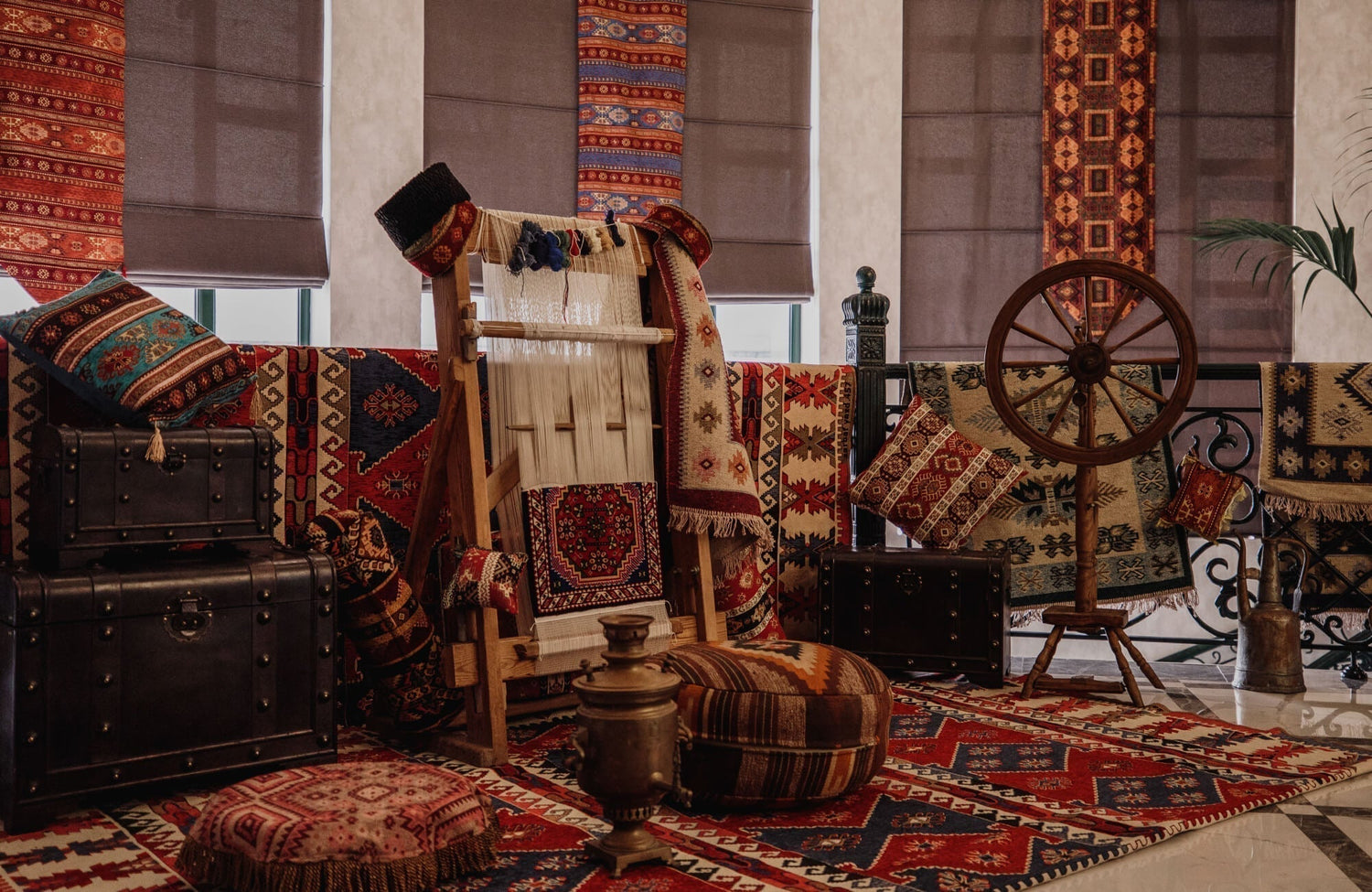
A red Persian rug has a way of changing a living room the moment it’s laid down. Its bold color, detailed pattern, and natural sense of warmth give the space a clearer focal point and a more grounded feel without much effort. In this guide, we’ll walk through how to use a red Persian rug to anchor your layout, shape your furniture placement, and create a room that feels balanced, inviting, and thoughtfully designed from the ground up.

Why a Red Persian Rug Makes Such a Strong Anchor
A red Persian rug naturally becomes the grounding force of a living room because its richness immediately sets the tone for everything around it. The bold color and intricate details work together to create a clear visual center, which helps the room feel more intentional right from the start. This strong foundation adds warmth and structure, too, giving the space a sense of direction even before you arrange the furniture. You might also notice how the red hue draws the eye downward in a steady, reassuring way that keeps the room feeling settled. With that kind of presence at the base, the entire layout begins to feel more cohesive and thoughtfully defined.
The beauty of a Persian rug really comes through in its pattern, because the detailed motifs introduce movement that keeps the room from feeling still or one-note. These variations soften the boldness of the red, allowing the color to breathe while still delivering plenty of visual impact. As your eye moves across the surface, the layered shapes and linework create a gentle rhythm that makes the room feel warm and welcoming. This flow also helps distribute the color more evenly, so the rug feels rich without overwhelming the space. When the depth of the red and the softness of the pattern work hand in hand, the rug becomes an anchor that brings balance, character, and quiet harmony to the entire room.

Choosing the Right Placement for Your Rug
Where you place a red Persian rug has a big impact on how your living room feels and functions because the layout shapes the flow of the entire space. Even small adjustments in positioning can change how grounded, open, or connected the room feels.
Centering the Rug Around Your Main Seating Area
Centering the rug beneath your primary seating helps establish a clear focal point, which makes the room feel grounded right away. The rug gives your seating cluster a defined “home,” helping sofas and chairs feel like they belong to the same conversation area. You can just tuck the front legs of your furniture onto the rug as well, which creates a connection without making the room feel crowded. This approach keeps the layout feeling open while still giving it a sense of structure. When the rug sits at the heart of your seating, the entire space feels more cohesive and comfortable.
Letting the Rug Guide the Room’s Overall Layout
A bold Persian rug can act as a subtle blueprint for arranging the rest of the room, especially when you’re working with a larger or irregular space. Its proportions can help you determine where the main pieces should sit so the room feels balanced rather than pulled in different directions. You might find that aligning furniture with the rug’s edges creates a more intentional flow, too, because the rug naturally signals where movement should happen. This makes the space feel organized without relying on strict rules. When the rug leads the layout, everything else tends to fall into place more smoothly.
Placement Tips for Open-Concept Living Rooms
In open-concept spaces, a Persian rug becomes especially valuable because it helps carve out a defined living area within a larger floor plan. Placing the rug where you want the seating zone to begin creates a visual boundary that keeps the room from feeling too spread out. You can also use the rug to create a sense of direction, guiding the path flow around the seating instead of through it. This helps the space feel more intentional while still staying flexible and open. When the rug anchors a specific zone, the rest of the layout becomes easier to shape around it.

Styling Furniture Around a Bold Red Rug
A bold red Persian rug sets a strong foundation, and the furniture you pair with it can either soften that presence or help it feel even more grounded. Thinking about tone, texture, and overall shape makes it easier to create a room that feels warm, balanced, and intentional. Below, we’ll walk through the key ways furniture can work with the rug’s character rather than competing with it.
Sofas and Chairs That Support the Rug’s Warmth
Sofas and chairs play a huge role in balancing a red Persian rug because their tones and textures help carry that warmth throughout the room. Soft neutrals, for example, create a calm backdrop that lets the rug shine without overwhelming the space. Richer fabrics like velvet or textured linen also add depth, giving the seating area a more inviting feel. Curved silhouettes can soften the strong geometry of the rug, while clean-lined pieces keep things feeling modern and grounded. When the seating feels connected to the rug’s warmth, the whole room gains a comfortable, cohesive mood.
Coffee Tables and Side Tables That Don’t Compete With Pattern
Coffee tables and side tables help shape the look of the rug without crowding its design. Materials like wood, glass, or metal each bring a different type of balance because they either echo the rug’s richness or give your eyes a quiet place to rest. Glass tables keep the focus on the rug’s pattern, while wood adds a layer of warmth that blends naturally with the red tones. Simple silhouettes also work well since they avoid competing with the rug’s detailed motifs. When these tables complement rather than compete, the rug feels integrated into the room rather than overly dominant.
Layering Textures to Enhance the Rug’s Character
Layered textures bring out the richness of a Persian rug by adding variety and depth to the space. Soft throws, woven pillows, or boucle upholstery help soften the rug’s boldness while still highlighting its character. These elements also create visual contrast, which keeps the room feeling engaging instead of heavy. For instance, pairing the rug with smoother surfaces like leather or polished wood adds a nice mix that feels collected and inviting. When your textures work together thoughtfully, the room gains a warm, lived-in feel that pairs beautifully with the rug’s timeless design.
If you want to achieve the same layered warmth in a more care-friendly, easy-to-style way, our Hutchinson Rug in Burgundy / Denim offers an inviting alternative that complements living rooms like the one shown above. Its dark red and denim tones echo the richness of a Persian palette, while the distressed floral motifs bring in that lived-in, heritage feel without the upkeep. Because it’s made with durable, fade-resistant polyester, it works beautifully in busy homes where you still want depth and character in the design.
Accent Pieces That Strengthen the Rug’s Presence
Accent pieces can subtly reinforce the rug’s impact by echoing its tones or balancing its boldness. Items like decorative bowls, sculptural objects, or small upholstered stools add personality without overwhelming the space. Choosing pieces with touches of red or complementary neutrals helps tie the room together in a gentle, cohesive way. You can also play with contrast, too, by introducing darker accents that ground the space even more. When these pieces support the rug’s role in the room, everything feels intentional and beautifully connected.

The Best Persian Rug Size for a Balanced Living Room
The size of your red Persian rug has a huge effect on how grounded and visually balanced your living room feels. The right dimensions help your furniture sit comfortably within the layout, too, making the room feel intentional rather than pieced together. Below, we’ll walk through the most common rug sizes and how each one supports different types of spaces.
8x10 Rugs for Most Standard Living Rooms
An 8x10 rug works well in many living rooms because it provides enough coverage to anchor the main seating area without overwhelming the space. It usually allows at least the front legs of sofas and chairs to rest on the rug, which creates a stronger sense of connection. This size also gives the room a cleaner visual structure since it outlines the seating zone in a natural, comfortable way. You might notice that an 8x10 helps balance larger pieces, too, by keeping them from feeling too heavy. When you want a reliable option that fits most layouts, this size tends to feel effortless and well-proportioned.
9x12 Rugs for Larger Seating Groups or Open Layouts
A 9x12 rug is a great fit for spacious living rooms because it creates a wide, generous foundation that pulls all your seating together. The larger surface area also makes the room feel more luxurious since the rug supports full furniture placement rather than partial footing. This size works especially well in open-concept layouts, where you need a clear visual boundary to separate the living zone from surrounding areas. It also softens the scale of big sectionals or deep sofas, helping everything feel more grounded. If your space feels expansive, a 9x12 gives the room a comforting sense of cohesion.
6x9 Rugs for Small Rooms or Tight Urban Spaces
A 6x9 rug can be a smart choice for smaller living rooms because it adds warmth and definition without crowding the space. This size pairs nicely with loveseats, apartment-sized sofas, or minimalist seating arrangements that don’t require a large footprint. You can still get that anchored feeling, too, by placing just the front legs of the furniture on the rug. The smaller dimensions also leave more visible flooring, which helps compact rooms feel open rather than boxed in. When your space has limited square footage, a 6x9 offers balance, comfort, and just the right amount of grounding.
Oversized Rugs for Creating a Full-Room Foundation
Oversized rugs make the entire room feel unified because they act as a complete base layer for both furniture and footpaths. This approach works beautifully in large rooms where smaller rugs might feel lost or too fragmented. With a generous rug beneath everything, the design reads as more expansive and intentional, too, since nothing sits awkwardly on bare flooring. You’ll also notice that oversized rugs help soften acoustics and add warmth in open spaces. When the goal is a full-room foundation that feels luxurious and cohesive, going oversized can make the biggest impact.
Using Layered Rugs When a Standard Size Doesn’t Fit the Layout
Layering rugs is a flexible solution when your room doesn’t match standard dimensions or when you want a more collected, lived-in look. A larger neutral rug can frame the space, while the Persian rug sits on top as the focal point. This combination gives you the anchored feeling of a large rug with the artistry of a traditional piece. It also helps solve awkward layouts by allowing you to position each rug exactly where it supports the furniture best. When you want both creativity and balance, layering offers a stylish and adaptable alternative.

Using Light to Complement a Red Persian Rug
Lighting can completely change how a red Persian rug looks and feels, especially because color reacts differently under varying warmth and brightness. The right light brings out depth, softens intensity, and helps the rug feel naturally integrated into the room. Here, we’ll look at how different lighting choices influence the rug’s mood without getting into décor styling details covered later in the guide.
Warm vs Cool Lighting and How They Affect Red Tones
Warm lighting tends to enrich red tones, giving the rug a cozy, inviting glow that feels grounded and intimate. Cooler lighting, on the other hand, can brighten the red and make the details feel sharper, which works well in modern or airier spaces. You might notice that warm bulbs create a softer gradient across the rug, while cool bulbs bring out more of the intricate pattern. Both approaches can be beautiful depending on the atmosphere you want the room to have. Thinking about the room’s existing palette helps you choose a temperature that makes the rug feel right at home.
Lamps, Sconces, and Fixtures That Add Soft Contrast
Lamps and sconces help add gentle contrast around the rug by creating pockets of light that frame the space. Table lamps with diffused shades soften the rug’s boldness and make the area feel warmer. Sconces introduce height and structure, drawing attention upward so the rug doesn’t feel like the only focal point. Overhead fixtures can brighten the room more evenly, too, which keeps the rug’s color from feeling too intense. Mixing these light sources adds dimension in a way that supports the rug’s presence without overwhelming it.
Highlighting Pattern and Texture Through Directional Light
Directional lighting brings out the woven texture and detailed motifs that make Persian rugs so special. Angled light can cast subtle shadows across the surface, helping each knot and pattern feel more pronounced. This technique works nicely if your rug has intricate borders or layered designs you want to highlight. Even a simple adjustable lamp can create just enough depth to make the rug feel more dynamic. When you shape the light intentionally, the rug becomes a visually richer part of the room.
How Natural Light Changes the Rug’s Mood Throughout the Day
Natural light shifts throughout the day, and those changes affect how the rug’s color reads in real time. Morning light often highlights the rug’s softer tones, giving it a gentle, relaxed feel. Afternoon sun can deepen the red and enhance contrast, making the rug feel bolder and more dramatic. In lower evening light, the rug tends to look warmer overall, which adds a sense of comfort to the space. Noticing these shifts helps you understand how the rug interacts with your room on a daily basis and how lighting choices can support that rhythm.
If you are just starting to explore what people often think of as “Persian” style rugs, our Traditional Rugs collection is a helpful place to play with that look in a more approachable way. You will find Persian-inspired medallions, vintage floral borders, and timeworn patina effects in palettes that range from rich burgundy and navy to softer sand, sage, and mist. This makes it easy to test how classic motifs feel in your living room while staying within a care-friendly, power-loomed category that still brings plenty of depth and character to the space.
Bringing Your Living Room Vision Together
A red Persian rug can shape your living room in a way that feels warm, grounded, and effortlessly intentional, especially when you pair it with the right furniture and lighting choices. Its bold color and detailed pattern act as a natural anchor, helping the rest of the room fall into place with more clarity. As you layer textures, adjust placement, and refine your palette, the rug continues to guide how the space flows and feels. With these elements working together, the room develops a sense of balance and personality that feels welcoming the moment you walk in.
If you ever feel unsure about proportions, color pairings, or how to make the rug truly shine in your layout, a designer can help you turn those ideas into a clearer plan. Our design consultation can walk you through furniture spacing, lighting choices, and styling details that complement the rug without overwhelming the room. It’s a simple way to get expert feedback tailored to your space, so the final design feels confident and cohesive. When you’re ready to refine your vision, booking a consultation gives you the support to create a living room that feels thoughtfully anchored and beautifully pulled together.