Decorative pillows often spark an unspoken dilemma in well-designed spaces. On one hand, they complete a space with color, texture, and visual balance. On the other, they are sometimes treated as untouchable accents that disrupt comfort rather than enhance it. As a result, many hesitate to move, lean on, or even use them, unsure of their true purpose within a functional living environment.
However, this perception overlooks the thoughtful design and material innovation behind modern decorative pillows. In reality, they are created to serve both aesthetic and practical roles, adapting to the needs of everyday living. By understanding their origins, construction, and placement, it becomes easier to integrate them into daily routines without compromising style. This article explores how decorative pillows can move beyond static décor and become purposeful elements that support comfort, usability, and cohesive design.

The Original Purpose of Decorative Pillows
Decorative pillows were not always just for styling. They evolved from functional origins into design elements. Understanding their history helps clarify their intended use today.
From Utility to Ornament
In their earliest form, pillows were purely utilitarian objects engineered to support the head, neck, and back during rest. Ancient civilizations such as Mesopotamia and Egypt crafted pillows from hard materials like carved wood or stone, prioritizing elevation and hygiene over comfort. These early iterations were designed to keep the head raised, protecting users from insects and preserving elaborate hairstyles, particularly among the elite. As societies progressed, softer materials such as cotton, wool, and down were introduced, significantly improving ergonomic support and aligning pillows more closely with the body’s natural contours.
The transition from utility to ornament began as textile production techniques advanced. During the Renaissance and into the Baroque period, pillows became canvases for intricate embroidery, brocade weaving, and decorative trims such as tassels and fringe. These embellishments elevated pillows beyond their functional role, positioning them as indicators of wealth and refinement. Upholstery practices also evolved, integrating pillows into coordinated interior schemes where they complemented drapery, wall coverings, and furniture finishes. This shift marked the beginning of pillows as dual-purpose objects, still capable of providing comfort, yet increasingly valued for their contribution to a room’s visual composition.
Cultural and Design Influences
Across different regions, pillows have carried distinct cultural meanings that continue to inform their use today.
Asian Traditions
In many Asian traditions, floor seating arrangements made cushions and pillows essential components of daily life. Japanese zabuton cushions and Chinese silk pillows, for example, were designed not only for comfort but also for aesthetic harmony within minimalist interiors. These pieces often featured symbolic motifs, such as florals or geometric patterns, reflecting philosophical principles like balance and tranquility.
Middle Eastern and North African Interiors
Middle Eastern and North African interiors have long embraced an abundance of layered textiles, where pillows serve as both seating support and decorative richness. Low seating arrangements surrounded by an array of cushions create an environment that encourages relaxation and social interaction. The use of richly dyed fabrics, intricate patterns, and tactile materials also reinforces the idea that pillows are meant to be used, not merely displayed.
European Design
European design traditions contributed to the decorative evolution of pillows through formal upholstery and coordinated interiors. In Victorian homes, for instance, pillows were integral to creating a sense of opulence, often arranged in symmetrical groupings on sofas and beds. This practice established a precedent for styling that persists in contemporary interiors, where pillows are carefully curated to enhance visual balance.
Today, these diverse cultural influences converge in modern design approaches. Homeowners and designers draw from both functional and decorative traditions, selecting pillows that offer comfort while also contributing to a layered, intentional aesthetic. This historical context underscores that decorative pillows have always existed at the intersection of use and ornamentation, rather than being confined to a single purpose.

Function Versus Aesthetics in Modern Spaces
Today’s interiors often prioritize visual appeal, but functionality still plays a role. This section examines how you can balance comfort with curated design.
Styling for Visual Impact
In contemporary interior design, decorative pillows are frequently used as compositional tools to refine a space’s visual hierarchy. Designers and homeowners strategically incorporate pillows to introduce contrast, reinforce color palettes, and establish rhythm through repetition and variation. Elements such as scale, proportion, and symmetry are carefully considered; for example, larger pillows are typically placed at the back of a sofa to anchor the arrangement, while smaller accent pillows add dimension in the foreground. This layered approach creates depth and prevents flat or monotonous seating compositions.
Texture also plays a critical role in visual impact. Combining materials such as velvet, linen, boucle, or woven textiles enhances tactile richness and contributes to a more dynamic aesthetic. Subtle pattern mixing, such as pairing geometrics with organic motifs or solids with prints, can further elevate the design without overwhelming the space. Importantly, well-executed styling maintains accessibility; pillows should be arranged in a way that allows them to be easily adjusted or repositioned, ensuring that the seating area remains both visually appealing and functional for daily use.
In the image above, this layered approach is exemplified through a curated mix of sizes, tones, and textures using pieces like the Merelle 22" x 22" Down Pillow in Terracotta and Merelle 22" x 22" Down Pillow in Tan, which anchor the arrangement with their larger scale and warm, earthy hues. These are complemented by the Brielle 18'' x 18'' Down Pillow in Natural / Mustard, introducing a subtle contrast that enriches the palette without disrupting its cohesion. Positioned in the foreground, the Merelle 13" x 21" Down Pillow in Terracotta adds a horizontal element that breaks up the symmetry while enhancing visual depth. Together, these pillows demonstrate how thoughtful variation in proportion and color can create a balanced yet dynamic composition that feels both intentional and inviting.
Everyday Comfort and Practical Use
Beyond their decorative value, pillows continue to serve a functional purpose in supporting the body during everyday activities. When selected with intention, they can enhance ergonomic comfort by providing lumbar support, cushioning for the neck, or additional softness for lounging. The performance of a pillow in this context largely depends on its insert composition. Down and feather blends offer a plush, moldable feel that adapts to the user’s posture, while high-density polyester or foam inserts provide firmer support and maintain their shape over time.
Size and configuration also influence usability. Standard square pillows, such as 20- to 22-inch inserts, are versatile for both styling and support, whereas lumbar pillows are specifically designed to align with the lower back, making them particularly effective for extended sitting. Additionally, the choice of fabric impacts comfort during use; breathable, natural fibers like cotton and linen help regulate temperature, while performance fabrics offer durability in busy households.

Material Choices and Their Impact on Use
The materials used in decorative pillows directly affect whether they are meant to be used or simply displayed. Fabric and fill determine durability, tactile quality, and long-term performance, making material selection a critical factor in balancing aesthetics with functionality.
Fabric Durability and Maintenance
The outer fabric of a decorative pillow plays a significant role in how well it performs under regular use. Busy environments such as family rooms or frequently used seating areas benefit from textiles engineered for durability, including performance-treated cottons, linen blends, and solution-dyed synthetics. These materials are often designed with enhanced abrasion resistance, measured through double rub counts, which indicate how well a fabric can withstand repeated friction without showing wear. For those seeking longevity, fabrics with higher double rub ratings are better suited for everyday interaction.
Maintenance is equally important when determining usability. Removable covers with concealed zippers allow for easier laundering or spot cleaning, extending the life of the pillow. Fabrics treated with stain-resistant or water-repellent finishes provide an added layer of protection, particularly in spaces with children, pets, or frequent entertaining. Additionally, tightly woven textiles tend to resist pilling and snagging, maintaining a more refined appearance over time. By selecting fabrics that balance visual appeal with performance characteristics, decorative pillows can transition seamlessly from display pieces to functional accessories.
Fill Types and Comfort Levels
The internal fill of a pillow largely determines its comfort, resilience, and overall usability. Down and feather inserts are widely favored for their softness and compressibility, allowing the pillow to conform to the user’s body. This makes them ideal for lounging and casual support, though they may require regular fluffing to maintain their loft. The ratio of down to feather also affects performance; higher down content results in a softer, more luxurious feel, while increased feather content adds structure and support.
Synthetic fills, such as polyester fiberfill or microfiber blends, offer a more structured alternative with greater shape retention and lower maintenance requirements. These inserts are often hypoallergenic and provide consistent support without the need for frequent adjustment. Foam or memory foam inserts, while less common in decorative applications, deliver firmer ergonomic support and are particularly useful for lumbar pillows designed for prolonged sitting.
Selecting the appropriate fill involves considering both intended use and user preference. A well-balanced pillow often combines a supportive core with a softer outer layer, achieving both comfort and visual fullness. By aligning fill type with functional needs, you can ensure that decorative pillows are not only aesthetically pleasing but also comfortable and practical for everyday use.

Placement Strategies That Encourage Use
Where and how pillows are placed can influence whether they are actually used. Strategic placement enhances both accessibility and functionality, ensuring that pillows contribute to comfort rather than becoming obstacles within a space.
Living Room
In living rooms, pillow placement should support natural seating behaviors while maintaining a cohesive visual arrangement. Overloading a sofa with too many pillows can limit usable seating depth, making the space feel restrictive rather than inviting. Instead, a balanced composition, typically two to five pillows depending on sofa size, allows for both aesthetic layering and practical use. Larger pillows, often ranging from 22 to 24 inches, can be positioned at the corners to provide back support, while smaller accent pillows can be placed toward the center for flexibility.
Consideration should also be given to how easily pillows can be moved or repositioned. Arrangements that rely on fixed or overly structured styling may discourage interaction, whereas looser, asymmetrical groupings allow users to adjust pillows for lumbar support or arm cushioning. Additionally, incorporating a mix of densities—firmer inserts for structure and softer ones for comfort—ensures that the seating area accommodates a variety of uses, from casual lounging to more upright seating.
Bedroom
In bedrooms, pillow placement often leans heavily toward visual layering, but maintaining usability is essential for daily routines. An effective approach involves structuring pillows in tiers, beginning with sleeping pillows at the back, followed by Euro shams for height, and finishing with a limited number of decorative accents in front. This arrangement creates a polished look while allowing for quick and efficient removal when preparing the bed for sleep.
Minimizing the number of purely decorative pillows is key to preserving functionality. Excessive layering can lead to inconvenience, requiring multiple steps to clear the bed each night. Instead, selecting versatile pillows that serve both decorative and supportive purposes, such as lumbar pillows that can double as reading support, enhances practicality. Storage solutions, such as a nearby bench or basket, can also provide a designated place for removed pillows, keeping the space organized.
Multi-Functional Spaces and Flexible Arrangements
In spaces that serve multiple purposes, such as open-plan living areas or home offices, pillow placement should support adaptability. Rather than fixed arrangements, pillows can be positioned to transition between functions, for example, shifting from upright seating during work hours to relaxed lounging in the evening. This requires selecting lightweight, easy-to-move pillows that can be reconfigured quickly without disrupting the overall aesthetic.
Flexibility also involves considering storage and accessibility. Keeping a small basket or built-in storage nearby allows excess pillows to be temporarily removed when more seating space is needed. This approach ensures that decorative elements enhance the space without limiting its usability, particularly in spaces where rooms must accommodate a range of activities throughout the day.
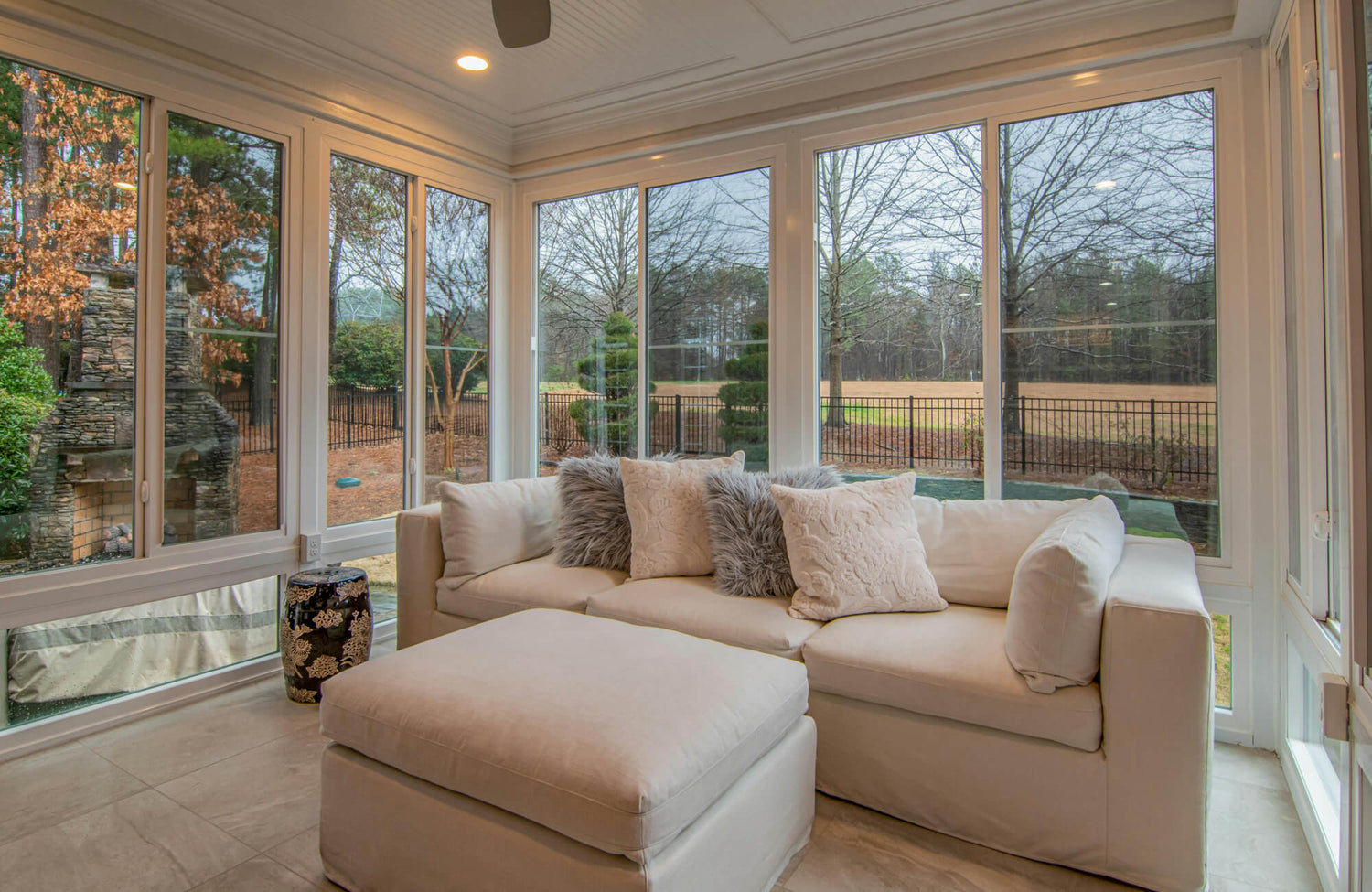
Accent chairs and occasional seating areas present an opportunity to use pillows more intentionally. Unlike sofas, these pieces typically require only one well-proportioned pillow to provide both visual interest and ergonomic support. A lumbar or medium-sized square pillow can improve posture while reinforcing the design language of the room. Placement should also align with how the chair is used. For reading nooks or lounge chairs, positioning the pillow slightly lower can support the lower back, encouraging longer, more comfortable use. In more formal seating areas, a centered placement maintains a clean, tailored look while still allowing the pillow to be functional when needed. In outdoor or semi-outdoor areas such as patios, sunrooms, or covered terraces, pillow placement must account for both comfort and environmental exposure. Arrangements should prioritize durability and ease of movement, allowing pillows to be quickly stored or repositioned as conditions change. Using fewer, well-placed pillows also ensures that seating remains practical while still feeling styled. Pieces like the Marisette 12" x 27" Down Pillow in Black and the Merelle 13" x 21" Down Pillow in Tan, shown in the photo above, illustrate how a restrained yet intentional composition can enhance an outdoor setting. The elongated lumbar profile of the Marisette pillow introduces a structured contrast against the clean lines of the seating, while the Merelle pillow softens the arrangement with its warm neutral tone. This pairing not only reinforces the natural, earthy palette of the space but also demonstrates how thoughtfully selected pillows can provide both visual interest and everyday comfort in transitional environments. Additionally, spacing pillows slightly apart rather than tightly grouping them helps prevent moisture retention and promotes airflow, which is particularly important in humid environments. This strategic placement not only maintains comfort but also extends the lifespan of the materials, ensuring that pillows remain both functional and visually appealing over time. There are many assumptions about whether decorative pillows are “off-limits.” This section addresses common myths and clarifies practical expectations, helping you better understand how these accessories can function within everyday living environments. A common misconception is that decorative pillows are intended solely for visual appeal and should not be handled or used. Although some highly embellished or delicate designs may be better suited for minimal contact, the majority of modern decorative pillows are constructed with both aesthetics and usability in mind. Advances in textile manufacturing have introduced performance fabrics, reinforced stitching, and durable finishes that allow pillows to withstand routine interaction without compromising their appearance. In professionally designed interiors, pillows are rarely treated as untouchable objects. Instead, they are considered flexible elements that can be adjusted to suit different activities, from casual lounging to entertaining guests. The key lies in selecting designs that align with the intended level of use. For example, pillows with removable covers, colorfast dyes, and resilient fabrics are specifically engineered to maintain their integrity over time. This reinforces the idea that decorative pillows are not inherently fragile but can be both visually refined and practically functional when chosen appropriately. Concerns about wear and tear often discourage many from fully utilizing decorative pillows, particularly in busy areas. However, this hesitation is frequently rooted in misunderstanding rather than actual material limitations. Most quality pillows are designed to endure regular use, provided they are maintained correctly. Factors such as fabric composition, seam construction, and insert quality all contribute to a pillow’s durability, and these elements can be selected to match the demands of the space. Proper care strategies can also significantly extend the lifespan of decorative pillows without limiting their use. Rotating pillows periodically helps distribute wear evenly, preventing localized fading or compression. Fluffing inserts restores loft and maintains shape, especially for down or feather-filled options. Additionally, using protective measures such as washable covers or applying fabric-safe treatments can guard against stains and environmental exposure. Rather than avoiding use altogether, a more effective approach is to integrate maintenance into regular household routines. This allows you to enjoy both the comfort and visual benefits of decorative pillows while preserving their condition over time. By reframing pillows as durable, manageable elements, they become an active part of the living space rather than static decorative accents. Selecting the right pillows can ensure they serve both aesthetic and functional purposes. Thoughtful choices allow decorative pillows to adapt to real-life use while maintaining a cohesive and intentional design. The selection process should begin with an honest assessment of how a space is used on a daily basis. In households with children, pets, or frequent guests, durability and ease of maintenance become primary considerations. Fabrics such as performance-treated cotton, microfiber blends, or tightly woven synthetics are more resistant to staining, abrasion, and snagging, making them better suited for busy environments. Removable covers with machine-washable properties also provide a practical advantage, allowing for routine cleaning without compromising the pillow’s structure. Insert construction should align with these demands as well. High-resiliency polyester fills or foam cores tend to retain their shape under repeated use, reducing the need for constant adjustment. Additionally, opting for darker tones, subtle patterns, or textured weaves can help conceal minor wear, extending the visual lifespan of the pillow. By tailoring material and construction choices to the realities of the household, decorative pillows become reliable, low-maintenance elements rather than delicate accessories that require constant upkeep. Achieving a balance between visual appeal and usability requires a more nuanced approach than simply selecting attractive designs. Pillows should be evaluated based on how well they integrate into the overall interior scheme while still offering tactile comfort. This involves considering scale, proportion, and color relationships in conjunction with how the pillow will be handled. For instance, oversized pillows can create a strong visual anchor but may be less practical in compact seating areas, whereas medium-sized options offer greater flexibility for both styling and support. Edward Martin’s Merelle 22" x 22" Down Pillow in Ivory works as a foundational element, anchoring the seating area with its soft neutral tone and generous scale. Complementing it, the Merelle 13" x 21" Down Pillow in Olive introduces contrast through its elongated form and muted green hue, adding depth without disrupting the overall harmony. Together, as seen above, these pillows illustrate how combining varied sizes and tones can create a layered, visually balanced arrangement that remains comfortable and inviting for everyday use. Fabric selection also plays a dual role in this balance. Although luxurious materials such as velvet or silk introduce richness and depth, they may require more careful handling in everyday settings. Pairing these with more durable textiles, such as linen blends or performance fabrics, can create a layered composition that maintains sophistication without sacrificing practicality. Similarly, selecting inserts with a medium firmness level ensures that pillows hold their shape for visual consistency while still providing enough give for comfort. Decorative pillows are ultimately meant to be used, provided they are selected and styled with intention. Although they enhance a room’s visual composition, they are also engineered to deliver comfort, support, and durability in everyday settings. When you choose appropriate materials, consider placement, and align their selections with their lifestyle, pillows transition seamlessly from decorative accents to functional components of the space. In this way, they fulfill a dual purpose, enriching interiors not only through appearance but also through the comfort and adaptability they bring to daily living. If you are unsure which decorative pillows best suit your space or how to balance style with everyday functionality, seeking expert guidance can make the process more efficient and tailored to your needs. Our team at Edward Martin offers personalized support to help you select materials, sizes, and designs that align with your lifestyle and interior goals. By reaching out through our contact page, you can gain professional insight that ensures your choices are both visually cohesive and practically suited for daily use!Accent Chairs and Occasional Seating
Outdoor and Transitional Spaces

Common Misconceptions About Decorative Pillows
Are They Just for Show
The Fear of Wear and Tear

How to Choose Decorative Pillows That Work for You
Matching Lifestyle Needs
Balancing Style and Practicality
Decorative Pillows Are Designed for Both Style and Everyday Use