
)
)
)
)
)
)
)
)
What Wall Art Do People Put In Their Bathrooms?
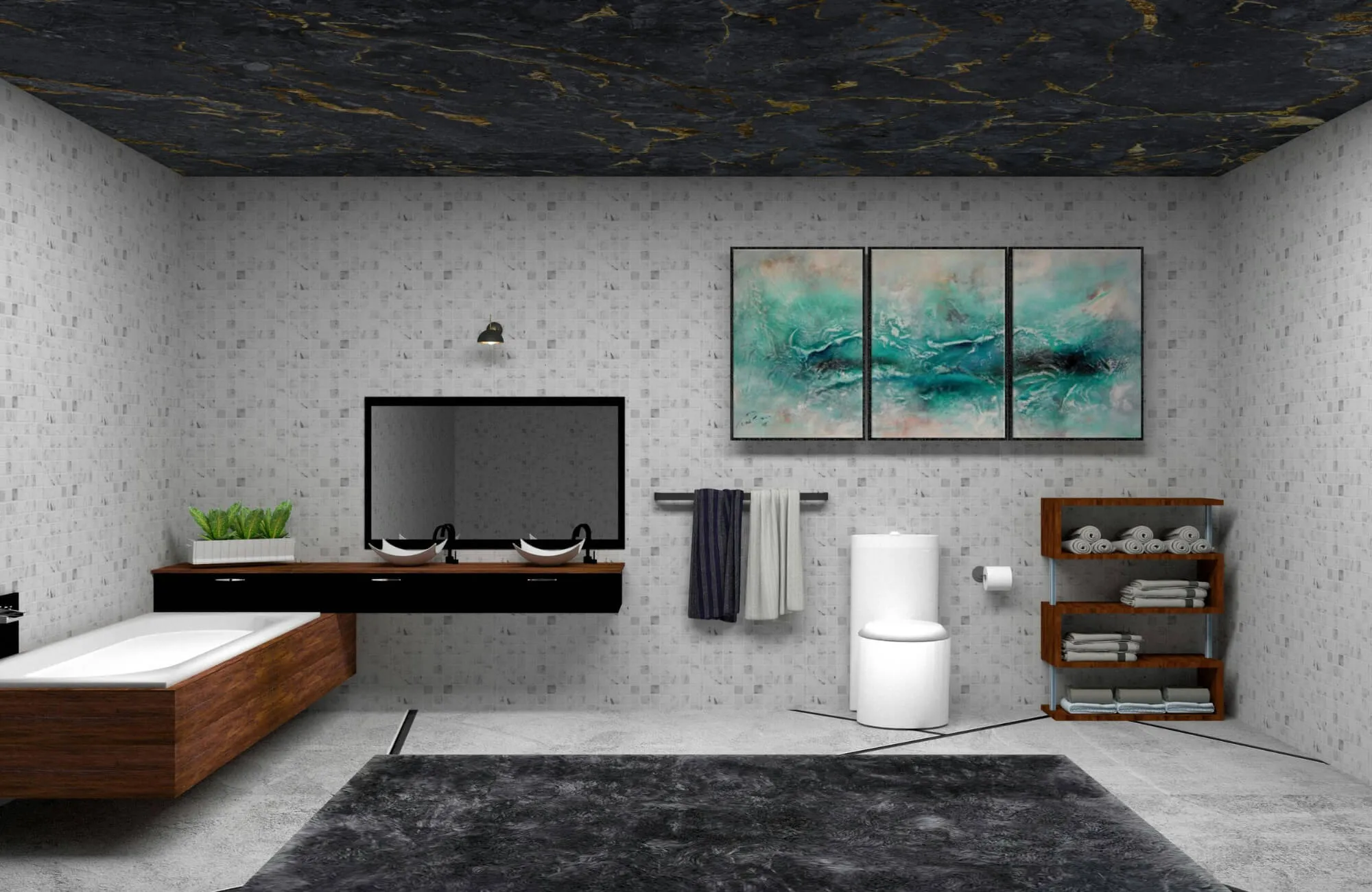
Bathrooms have evolved far beyond purely functional spaces, becoming carefully curated environments that reflect personal taste and elevate everyday routines. As design priorities shift toward comfort, wellness, and visual harmony, wall art has emerged as a defining element in bathroom styling. The right piece not only enhances the aesthetic appeal of the room but also contributes to the mood, whether that’s calm and spa-like or bold and expressive.
However, selecting art for a bathroom requires a thoughtful balance between beauty and practicality. Unlike living rooms or bedrooms, bathrooms are exposed to moisture, temperature fluctuations, and limited wall space. These conditions influence not only what kind of art works best but also how it should be displayed. Understanding these nuances allows you to create a space that feels both refined and resilient, ensuring that style never compromises longevity.
Protecting Your Investment From Moisture And Steam
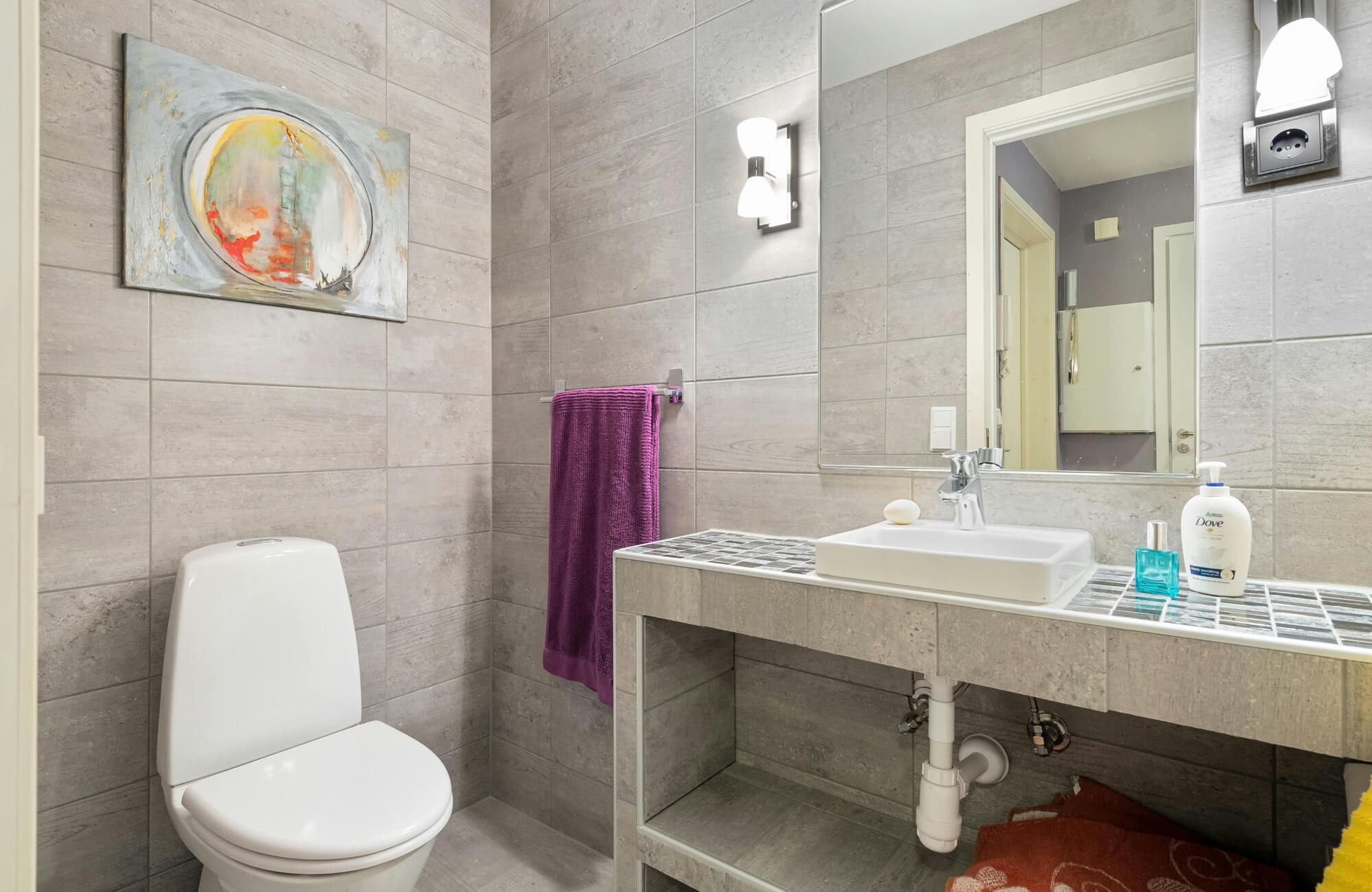
Bathrooms present a unique challenge for art lovers. The presence of humidity and steam can gradually deteriorate materials that are otherwise perfectly suitable in drier environments. To maintain both the visual integrity and longevity of wall art, careful consideration must be given to materials, finishes, and framing techniques. Investing in pieces designed or adapted for these conditions ensures that beauty is preserved over time.
Avoiding Raw Canvas And Delicate Watercolors
Certain types of artwork are particularly vulnerable in bathroom settings. Raw canvas, for instance, is highly absorbent and prone to warping when exposed to moisture. Over time, this can lead to distortion, discoloration, or even mold growth. Similarly, delicate watercolors, often admired for their softness and fluidity, can suffer irreversible damage when humidity causes pigments to bleed or paper to buckle.
For those drawn to these artistic styles, the solution lies in selecting reproductions printed on more durable materials or ensuring proper protective framing. While the aesthetic appeal of original, unsealed works is undeniable, bathrooms demand a more pragmatic approach. Choosing art that mimics the look of these mediums while offering greater resilience allows you to maintain your design vision without compromising durability.
Utilizing Sealed Metal Frames And Moisture Resistant Glass
The framing of artwork serves an essential function in protecting it from environmental exposure. Sealed metal frames, for example, provide a sleek, modern look while offering enhanced resistance to moisture compared to traditional wood frames. Their non-porous nature makes them particularly well-suited for humid conditions, ensuring that the structure of the frame remains intact over time.
In addition, moisture-resistant glass or acrylic glazing serves as a protective barrier between the artwork and the surrounding environment. These materials help prevent condensation from directly affecting the surface of the piece, preserving both color vibrancy and structural integrity. When combined with proper sealing techniques, these framing solutions allow a wide range of art styles to be safely displayed in bathrooms, opening up more creative possibilities.
Curating Serene Subject Matter For A Spa Experience
Bathrooms are increasingly designed as sanctuaries—spaces where individuals can unwind and recharge. The choice of wall art greatly influences the overall atmosphere. By selecting imagery that evokes tranquility and balance, you can transform even the most compact bathroom into a calming retreat.
The Calming Effect Of Abstract Landscapes
Abstract landscapes are a popular choice for bathroom art due to their ability to suggest natural forms without overwhelming detail. Soft gradients, flowing lines, and muted color palettes create a sense of openness and serenity, much like Edward Martin’s North of Here Wall Art, as seen in the image above, which evokes layered horizons and organic textures. These compositions often mirror water, sky, or distant terrain, subtly reinforcing the connection between the bathroom and relaxation.
Unlike highly detailed scenes, abstract landscapes leave room for interpretation, allowing viewers to engage with the artwork in a more personal way. This ambiguity contributes to a soothing environment, as the mind is not forced to focus on specific elements but can instead drift freely, creating a visual experience that complements the restorative nature of the space.
Introducing Biophilic Design With Botanical Prints
Biophilic design, which emphasizes a connection to nature, has become a defining trend in modern interiors. Botanical prints are an accessible and effective way to incorporate this philosophy into bathroom design. Whether featuring lush tropical leaves, delicate florals, or minimalist line drawings of plants, these artworks bring a sense of vitality and freshness to the space.
The presence of natural imagery can have a calming psychological effect, reducing stress and enhancing overall well-being. In bathrooms, where water is already a central element, botanical prints reinforce the theme of nature, creating a cohesive and immersive environment. When paired with natural materials such as stone, wood, or textured tiles, these artworks help establish a harmonious design narrative.
Embracing Monochromatic And Minimalist Photography
For those who prefer a more contemporary aesthetic, monochromatic and minimalist photography offers a refined alternative. Black-and-white images, in particular, bring a timeless quality to bathroom interiors, emphasizing contrast, texture, and composition over color.
Minimalist photography often focuses on simple subjects—architectural details, subtle shadows, or serene natural scenes. This restraint aligns well with the clean lines and uncluttered surfaces typically found in modern bathrooms. By reducing visual noise, these artworks contribute to a sense of order and calm, making the space feel more expansive and thoughtfully curated.
Mastering Scale And Placement Around Bathroom Fixtures
Beyond the selection of artwork itself, the way it is positioned within the bathroom significantly impacts its effectiveness. Scale and placement must be carefully considered in relation to fixtures such as tubs, toilets, and vanities. When done correctly, art can enhance the architectural features of the space and create a cohesive visual flow.
Anchoring The Freestanding Soaking Tub
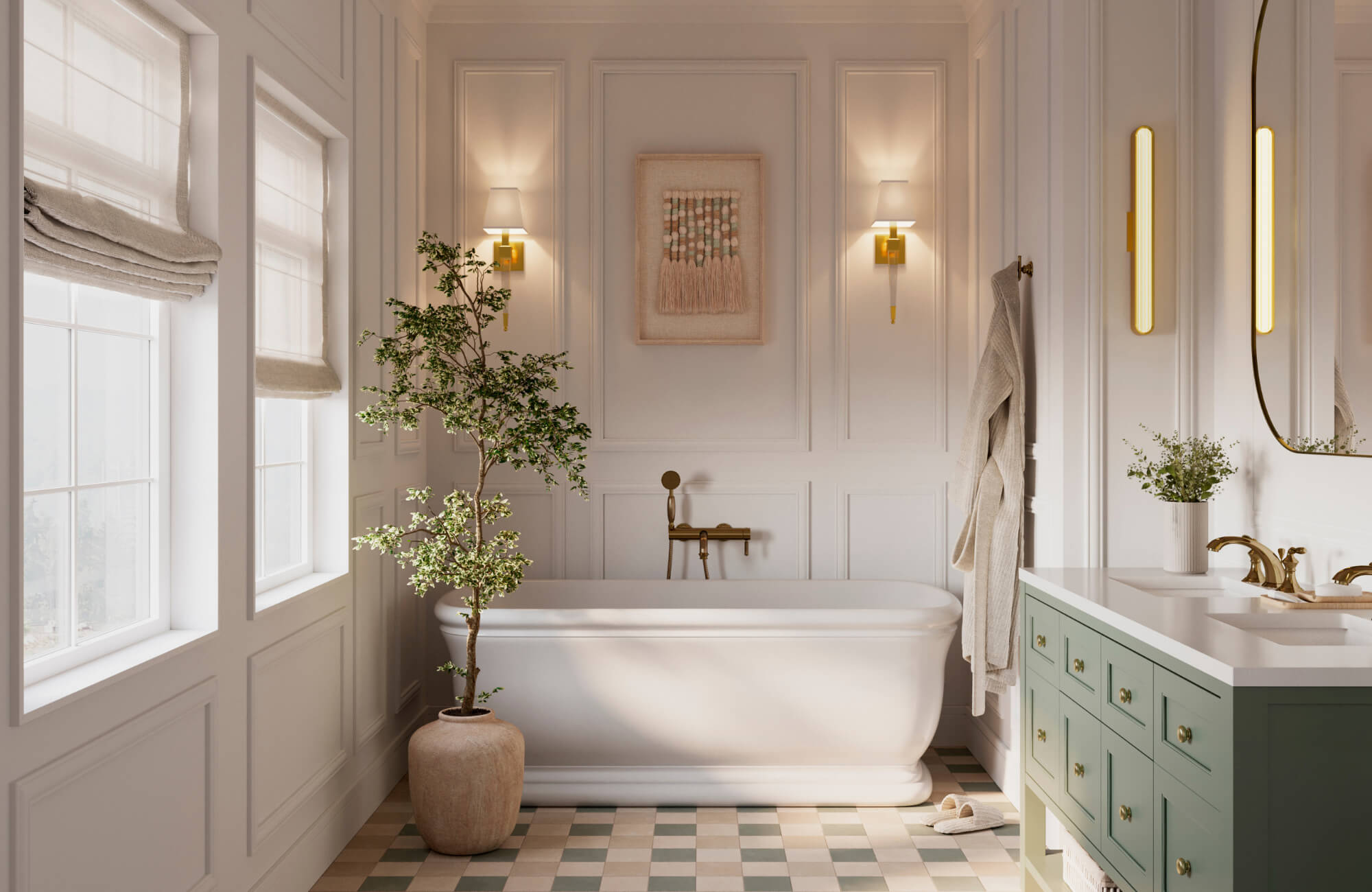
A freestanding soaking tub often serves as the focal point of a bathroom, making it an ideal location for impactful wall art. Placing a larger piece above or adjacent to the tub helps anchor the area visually, drawing the eye and reinforcing the sense of luxury associated with the fixture, as demonstrated by Edward Martin’s Golden Drift Wall Art in the image above, which adds texture and warmth without overwhelming the setting.
The artwork chosen for this placement should complement the overall design without overwhelming it. Soft, expansive compositions or serene imagery work particularly well, as they enhance the feeling of relaxation. Proper spacing is also essential, ensuring that the piece is positioned at a comfortable viewing height while maintaining balance within the room.
Styling The Blank Space Above The Toilet
The area above the toilet is frequently overlooked, yet it offers valuable real estate for decorative expression. Smaller, well-proportioned pieces can transform this often-neglected space into a subtle design feature. The key is to maintain a sense of scale that feels appropriate for the surrounding fixtures.
Artwork in this location should be visually engaging without being overly dominant. Simple prints, understated photography, or small framed compositions work well, adding interest without clutter. This approach ensures that every part of the bathroom contributes to the overall aesthetic, creating a more cohesive and intentional design.
Flanking The Vanity Mirror With Small Vertical Pieces
Vanity areas are central to daily routines, making them a prime location for thoughtful design details. Flanking the mirror with small vertical pieces of art introduces symmetry and balance, enhancing the overall composition of the space. This arrangement works particularly well in bathrooms with ample wall space on either side of the mirror.
The chosen artworks should complement the style of the vanity and lighting fixtures, creating a unified look. Vertical formats help elongate the space visually, while coordinated frames or color palettes tie the elements together. This technique not only adds visual interest but also elevates the functional area into a more refined and personalized feature.
Breaking The Rules In The Powder Room
Powder rooms offer a unique opportunity for creative expression. Unlike primary bathrooms, which often prioritize tranquility and practicality, powder rooms are typically used for shorter visits and can accommodate more daring design choices. This makes them the perfect setting for experimenting with bold, unconventional wall art.
Sizing Up For Maximum Dramatic Impact
In smaller powder rooms, oversized artwork can create a striking visual statement. By occupying a significant portion of the wall, a large piece draws immediate attention and establishes a strong design identity. This approach can make the space feel more curated and intentional, despite its limited size.
The key to success lies in selecting artwork that resonates with the overall theme of the room while maintaining visual balance. Bold colors, dynamic compositions, or striking imagery can all contribute to a dramatic effect. When executed thoughtfully, this strategy transforms the powder room into a memorable and impactful space.
Mixing Humorous Or Unexpected Subject Matter
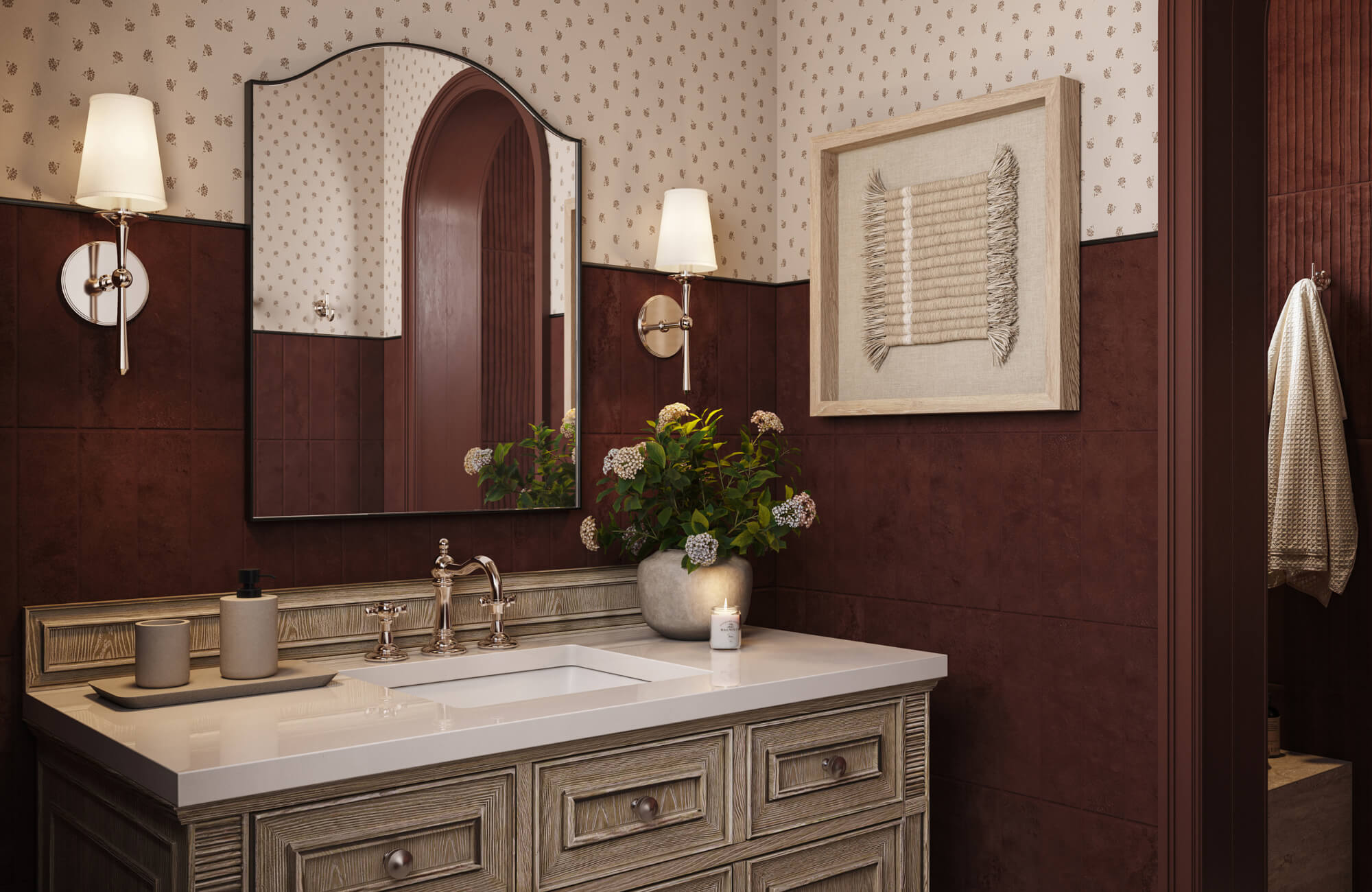
Powder rooms also provide an ideal setting for playful or unconventional art. Humorous prints, tactile compositions, or unexpected subject matter can introduce personality and visual intrigue. Edward Martin’s Earthbound Trace Wall Art, featured in the image above, offers a nuanced take on this idea by incorporating texture and subtle pattern in a way that feels both distinctive and approachable, making it a refined yet unexpected addition.
While such selections may not suit more formal or serene bathrooms, they thrive in the informal context of a powder room. The contrast between the functional nature of the space and the character of the artwork creates a dynamic and engaging experience, reflecting a more relaxed and expressive approach to design.
Utilizing Non Traditional Three Dimensional Wall Decor
While framed prints and paintings are the most common choices for bathroom wall art, three-dimensional decor offers an alternative that adds depth and texture. These elements can function as both artistic features and practical enhancements, enriching the overall design of the space.
Sculptural Wall Sconces As Luminous Art
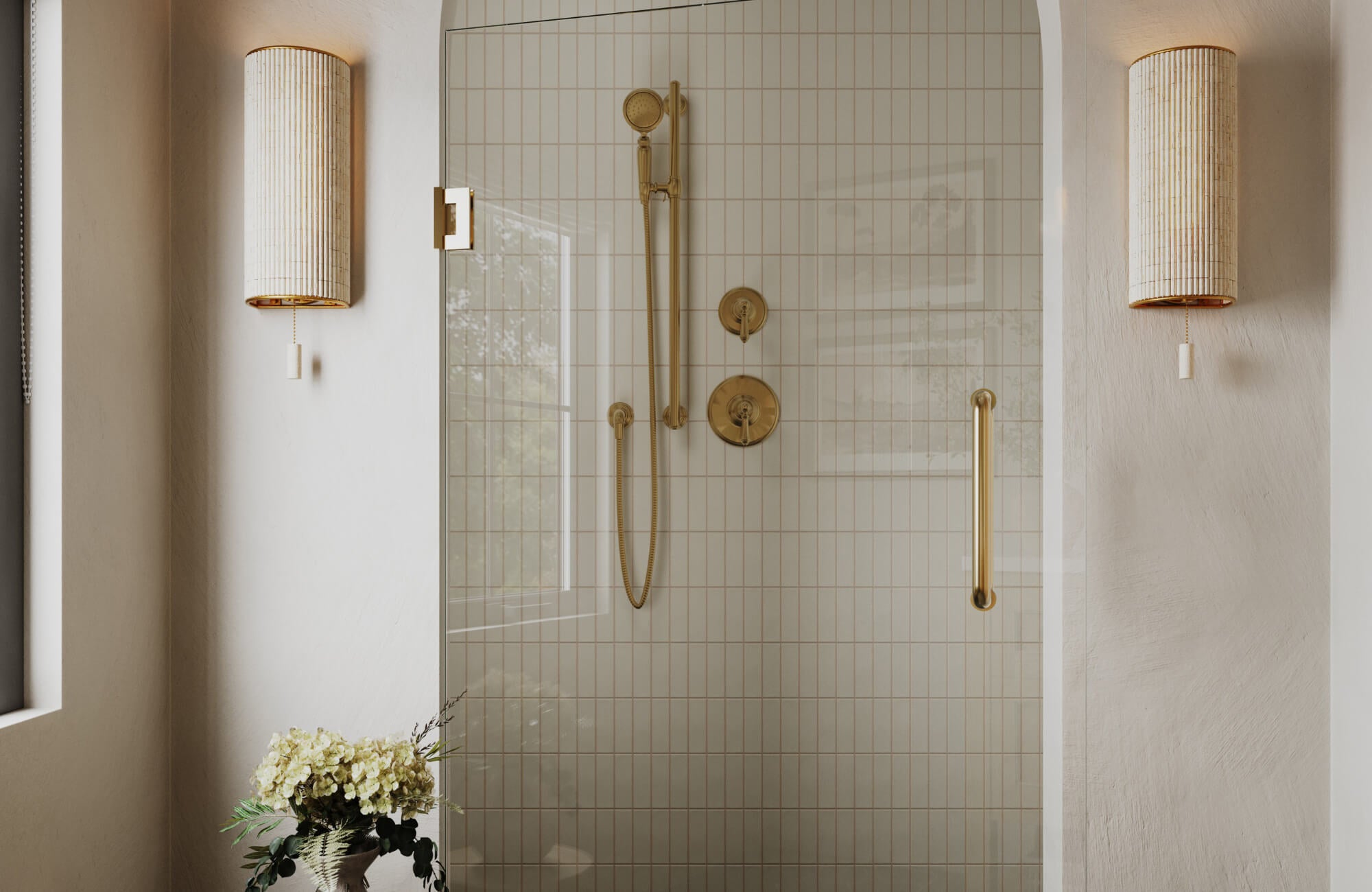
Lighting fixtures, particularly wall sconces, can double as sculptural art pieces. Their form, material, and placement contribute not only to illumination but also to the visual character of the room. Pieces like Edward Martin’s Tisdale Wall Sconce in Vintage Gold Leaf, shown in the image above, demonstrate how vertical form and warm metallic finishes can act as both a lighting solution and a refined decorative statement.
In bathrooms, where lighting is integral to both aesthetics and usability, selecting fixtures that balance form and function is essential. When thoughtfully integrated, sculptural sconces enhance ambiance while adding depth and dimension, effectively blurring the line between utility and artistry.
The Visual Power Of An Ornate Statement Mirror
Mirrors are indispensable in bathrooms, yet they also offer significant decorative potential. An ornate statement mirror, with an intricately designed frame or unique silhouette, can serve as a central artistic element. Its reflective surface enhances light and creates a sense of depth, making the space feel larger and more open.
Choosing a mirror with a distinctive design allows it to function as both a practical necessity and a piece of art. Whether classic and elaborate or modern and sculptural, a statement mirror can define the character of the bathroom, tying together various design elements into a cohesive whole.
Curating A Beautiful And Resilient Washroom
Selecting wall art for a bathroom involves more than choosing visually appealing pieces. It requires an understanding of the space’s unique conditions, along with a thoughtful approach to subject matter, scale, and placement. By prioritizing durability and intentional design, you can create bathrooms that feel both beautiful and enduring. For those looking to bring these ideas together seamlessly, Edward Martin’s design services offer a more tailored approach to curating cohesive and elevated interiors.
From serene landscapes and botanical prints to bold statements and sculptural decor, the possibilities are both diverse and inspiring. When carefully curated, wall art enhances both the aesthetic and atmosphere of the bathroom, resulting in a space that feels refined, resilient, and complete. To explore how these concepts can be applied to your own space, reaching out through Edward Martin’s contact page is a natural next step.
Follow us on Instagram
@EDWARD.MARTIN
)
)
)
)
)
)
)
)
)
)
)
)
)
)
)
)