Wool area rugs bring a quiet sense of refinement to modern and minimalist interiors, grounding spaces with texture, warmth, and material integrity. Their natural fibers soften architectural lines while enhancing the visual balance that defines contemporary design. Subtle variations in tone and weave add depth without disrupting clean compositions, allowing interiors to feel curated yet effortless. Beyond aesthetics, wool also offers enduring performance that supports both comfort and longevity in everyday living. Together, these qualities position wool area rugs as a timeless foundation for interiors shaped by intention and restraint.

Material Science and Performance Characteristics of Wool Area Rug
Wool’s fiber structure delivers measurable performance advantages that align with the functional demands of modern interiors. These characteristics enhance durability, comfort, and environmental adaptability while supporting minimalist design principles.
Fiber Crimp and Elastic Resilience
Wool fibers contain a natural three-dimensional crimp that creates inherent elasticity within the yarn structure, allowing wool area rugs to compress under weight and gradually return to their original form once pressure is removed. This elastic resilience is particularly valuable in modern living rooms and open-plan interiors, where furniture placement and continuous use can otherwise lead to permanent pile flattening. Because the fiber retains a strong memory, the rug surface remains uniform and visually balanced over time, even in high-use zones. The result is a flooring solution that maintains its refined appearance without frequent replacement or intensive maintenance. Elastic recovery, therefore, remains a defining performance advantage of high-quality wool rugs in minimalist homes.
Moisture Regulation and Thermal Efficiency
Wool is a hygroscopic fiber capable of absorbing and releasing moisture vapor while maintaining structural stability, a characteristic that plays a key role in regulating indoor environmental conditions. By buffering humidity levels, wool area rugs support thermal comfort in contemporary interiors dominated by hard flooring surfaces such as concrete, stone, or hardwood. This passive moisture regulation also reduces temperature fluctuations without relying on visible mechanical systems, aligning seamlessly with minimalist design principles. At the same time, wool’s natural insulating properties provide subtle underfoot warmth without adding bulk or visual weight. These combined benefits make wool rugs especially well-suited for modern interiors focused on comfort, efficiency, and material performance.
Inherent Resistance Properties
Lanolin, naturally present in wool fibers, provides built-in resistance to stains, static electricity, and flame spread, embedding protective performance directly into the material rather than relying on surface-applied chemical treatments. Because these properties are intrinsic to the fiber, wool area rugs maintain their functional integrity over extended periods with minimal intervention. This durability supports modern interior design goals that prioritize longevity and reduced maintenance demands. Wool’s resistance also contributes to cleaner indoor environments by limiting static buildup and surface degradation. As a result, wool rugs deliver dependable performance while preserving the understated elegance central to minimalist interiors.

Design Precision for Modern and Minimalist Aesthetics
Wool area rugs integrate seamlessly into minimalist interiors through controlled color application, restrained patterning, and refined surface texture. Their design flexibility reinforces architectural clarity rather than introducing visual distraction.
Color Absorption and Tonal Consistency
Wool fibers absorb dyes deeply and evenly, producing stable, low-sheen color finishes that support the understated palettes central to modern and minimalist interiors. This characteristic allows designers to work confidently with cohesive neutrals such as warm greys, soft taupes, and muted charcoals, ensuring visual harmony across open-plan layouts. Because wool holds pigment within the fiber rather than on the surface, tonal consistency remains intact even in spaces exposed to abundant natural light. Over time, this resistance to fading preserves color clarity without requiring artificial enhancements. As a result, wool area rugs become a reliable foundation for minimalist color strategies that prioritize longevity and visual calm.
Pattern Definition and Visual Discipline
Low-contrast geometric and linear patterns translate with exceptional clarity in wool constructions, allowing designs to remain crisp while avoiding visual dominance. Flatweave and low-pile wool rugs, in particular, support controlled pattern execution that aligns with contemporary architectural lines and clean spatial compositions. Rather than competing with surrounding elements, these restrained patterns also reinforce structure and proportion within the interior. Subtle repetition across the rug surface introduces rhythm that feels intentional rather than decorative. This balance between precision and restraint ensures wool rugs contribute to minimalist interiors without disrupting their visual discipline.
Texture as a Spatial Enhancer
Texture plays a quiet yet defining role in minimalist interiors, where subtle surface variation adds depth without visual excess. Wool rugs introduce this dimension through refined tactile contrast, softening the intersection of wood, concrete, and clean-lined furnishings. Edward Martin’s Sweeney Rug in Graphite, as shown in the photo above, exemplifies this balance through its nuanced wool pile texture and rich gray tone, which grounds seating areas while preserving a sense of openness. The hue also adds visual weight without overwhelming the space, creating contrast that remains restrained and intentional. Its low-profile construction further supports spatial continuity, allowing furniture to feel naturally integrated rather than layered, while reinforcing the calm, material-driven elegance of modern interiors.

Structural Durability and Long-Term Value
Modern interiors prioritize durable materials designed for extended lifecycles, and wool area rugs meet these expectations through exceptional structural integrity. Their longevity supports both performance reliability and sustained aesthetic appeal.
Tensile Strength and Fiber Longevity
Wool fibers are naturally engineered to bend thousands of times without breaking, giving wool area rugs exceptional tensile strength that supports long-term use. This inherent resilience allows the rug structure to absorb repeated mechanical stress from daily use and furniture weight without compromising pile integrity. In busy modern interiors, the fibers also maintain cohesion and surface uniformity, preventing premature wear or visible degradation. Unlike many synthetic alternatives that weaken under sustained load, wool retains its structural performance over extended periods. This combination of flexibility and strength positions wool area rugs as a durable, long-term flooring investment for contemporary homes.
Construction Density and Load Distribution
Durability in high-quality wool rugs is reinforced through dense knot counts and tightly packed yarn systems, which create a stable, load-bearing surface. This construction density helps distribute weight evenly across the rug, minimizing localized pressure points that can accelerate wear. Hand-knotted and hand-tufted pieces benefit from this structural balance, enhancing dimensional stability as they age, while reinforced backings and secure edge finishes further protect against distortion, curling, or edge breakdown. Together, these construction methods ensure consistent performance and lasting structural integrity within modern interior environments.
Maintenance Efficiency and Performance Retention
Wool’s natural soil resistance plays a critical role in preserving both appearance and performance over time, as dirt particles remain closer to the fiber surface rather than embedding deeply. This characteristic allows routine vacuuming to effectively remove debris without the need for aggressive cleaning techniques. As a result, visual clarity and texture are maintained with minimal effort, even in frequently used areas. In addition, reduced reliance on harsh chemicals supports long-term fiber health and prevents premature degradation. This low-maintenance efficiency aligns seamlessly with modern interior preferences for practical, high-performing materials.
While these inherent qualities support long-term performance, overall longevity ultimately depends on proper construction and manufacturing standards, making thoughtful sourcing and reputable craftsmanship essential to ensuring a wool rug performs at its best over time.

Sustainability and Indoor Environmental Benefits
Sustainability plays a central role in modern and minimalist interiors, and wool area rugs support these values through responsible sourcing and environmental performance. Their benefits extend beyond aesthetics to overall indoor environmental quality.
Renewable and Biodegradable Composition
Wool is a renewable fiber harvested annually without depleting natural resources, making it a responsible material choice for modern interiors that prioritize sustainability. At the end of its lifecycle, wool biodegrades naturally and returns to the environment without releasing harmful pollutants, unlike petroleum-based synthetic rugs that persist in landfills for decades. This natural decomposition also supports closed-loop material cycles that are increasingly valued in contemporary interior design. As sustainability becomes a core design consideration rather than an added feature, wool area rugs align seamlessly with eco-conscious flooring strategies. Their renewable and biodegradable composition reinforces long-term environmental responsibility without sacrificing performance or aesthetics.
Indoor Air Quality Enhancement
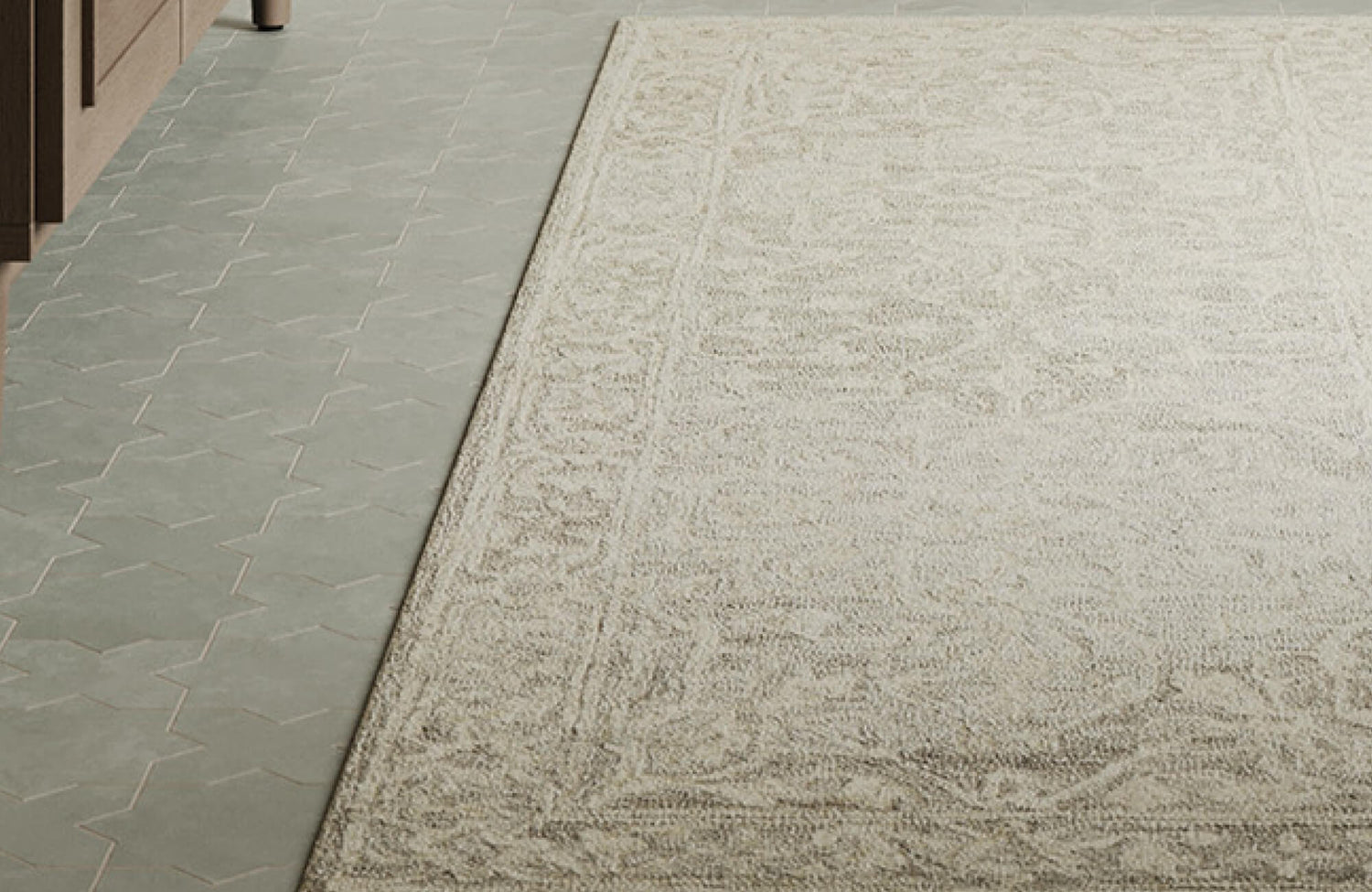
Wool area rugs contribute quietly to healthier interiors by absorbing airborne pollutants and reducing particulate circulation, supporting improved indoor air quality over time. This benefit is especially valuable in modern homes where clean lines and enclosed layouts can limit natural airflow. Our Micah Rug in Cream / Dove, as shown in the picture above, enhances this function through its sustainably sourced wool-cotton blend, which minimizes shedding while maintaining warmth and breathability. Its low 0.25-inch pile and flexible weave also allow it to rest lightly within a space, reinforcing air quality benefits without trapping excess dust. Finished with subtle diamond outlines and braided fringes, the rug delivers organic texture and effortless luxury while supporting a more balanced, wellness-oriented living environment.
Reduced Chemical Processing
Many premium wool area rugs are produced with minimal chemical treatments, allowing the fiber’s natural performance properties to remain intact. Reduced reliance on volatile organic compounds supports low-emission interior standards and improves overall indoor environmental quality. This manufacturing approach aligns with modern sustainability benchmarks and green building certifications commonly applied to contemporary residential projects. Lower chemical exposure also preserves the authenticity and tactile integrity of the material. Consequently, wool rugs promote cleaner indoor ecosystems while meeting the performance expectations of modern interiors.

Spatial Definition and Sensory Balance in Open-Plan Interiors
Open-plan modern interiors require subtle spatial organization, and wool area rugs fulfill this role through proportion and placement. Their integration enhances visual order, acoustic comfort, and tactile experience.
Functional Zoning Through Proportion
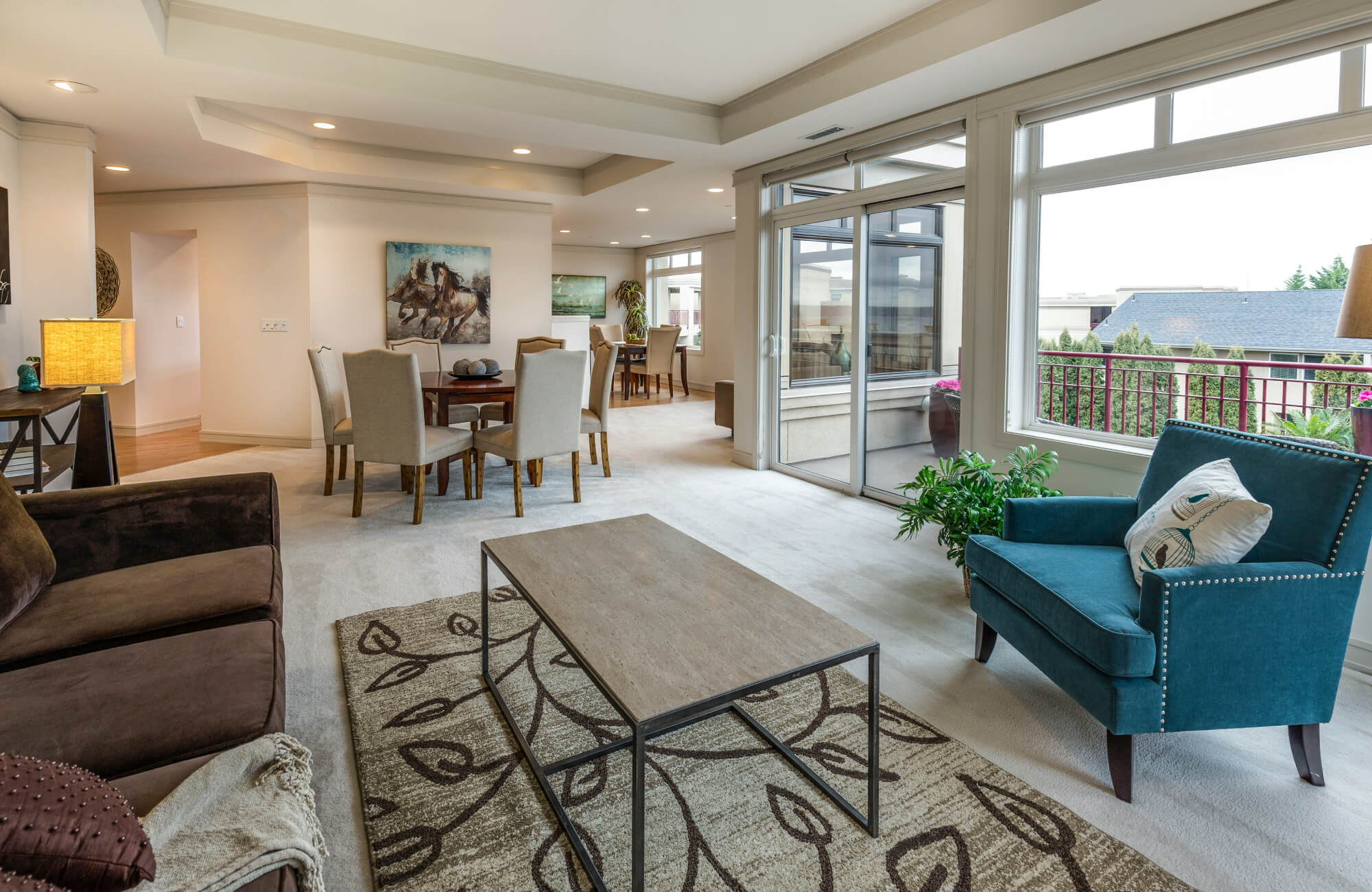
In open-plan interiors, wool area rugs play a critical role in defining functional zones while preserving visual continuity. By grounding furniture groupings, they establish clear spatial purpose without introducing architectural barriers or interrupting sightlines. As featured in the photo above, the Sweeney Rug in Khaki exemplifies this approach with its refined wool pile and understated tonal depth, anchoring dining areas while allowing surrounding wood finishes and clean-lined furnishings to remain visually dominant. Its tailored proportions and soft texture also subtly frame the table and seating, reinforcing spatial order without drawing focus away from the overall composition. This balance allows modern dining spaces to feel structured, cohesive, and effortlessly connected to adjacent living areas.
Acoustic Control and Sound Absorption
Minimalist interiors often rely on hard surfaces such as concrete, stone, and hardwood, which can amplify sound reflection and create unwanted echo in open spaces. Wool’s dense, fibrous structure absorbs airborne noise, reducing reverberation and softening overall acoustics. This natural sound-dampening quality also enhances comfort in large, open-plan living areas without the need for additional acoustic treatments. By improving sound control, wool area rugs support daily functionality in modern homes where multiple activities often occur within shared spaces. The acoustic benefit is achieved without adding visual bulk or disrupting clean design lines.
Ergonomic Comfort and Tactile Experience
Wool area rugs provide natural cushioning underfoot while maintaining a low-profile appearance that aligns with minimalist aesthetics. For instance, low-pile wool constructions offer ergonomic support that enhances comfort during daily movement without introducing visual heaviness. This balance allows modern interiors to feel more livable while remaining visually disciplined. The tactile softness of wool also offsets the rigidity of architectural materials commonly used in contemporary design. Together, these qualities contribute to a refined sensory experience that complements minimalist principles rather than competing with them.
Enduring Elegance Through Material Integrity
Wool area rugs remain a defining element in modern and minimalist interiors due to their balance of performance, durability, and refined aesthetics. Their natural fiber composition supports long-term resilience, environmental responsibility, and indoor comfort. Through precise construction and controlled design, wool rugs enhance spatial clarity without visual excess. These qualities make them an ideal flooring solution for contemporary homes prioritizing intentional design. As modern interiors continue to favor authenticity and longevity, wool area rugs stand out as a timeless and high-performing choice.
To seamlessly integrate wool rugs into a cohesive modern space, Edward Martin’s design services offer expert guidance tailored to your vision—contact us to begin creating an interior defined by timeless craftsmanship and intentional design!