Interior design is often defined by cycles of contrast, where bold expression gives way to quiet restraint, only to return again. Yet through every shift in style, brown rugs remain a constant presence, quietly anchoring interiors while trends rise and fall around them. This enduring appeal invites closer examination, especially in a design culture that increasingly questions what truly lasts versus what simply reappears.
Rather than riding the wave of nostalgia or responding to fleeting movements, brown rugs occupy a deeper role rooted in psychology, history, and material integrity. By looking at how they ground spaces emotionally, adapt across styles, perform in everyday life, and align with future-facing values, it becomes clear why brown continues to feel relevant. What follows is not just an exploration of color, but an understanding of why brown functions as a design constant rather than a passing preference.

The Psychology of Grounding and Earthy Neutrality
Brown plays a quiet yet influential role in shaping how a space feels, offering a sense of stability that registers almost instinctively. Because it is deeply rooted in nature, brown brings warmth and balance without demanding attention, allowing your interiors to feel composed rather than overstyled. At the same time, its visual weight helps anchor the room, drawing the eye downward and creating a sense of proportion that makes open layouts, high ceilings, and expansive windows feel more settled and intentional.
Beyond structure, brown also supports emotional well-being through its biophilic qualities. Earthy tones echo natural elements like soil and wood, subtly signaling safety and permanence on a subconscious level. When paired with gentle tonal variation, brown avoids visual flatness and instead introduces calming depth, which is especially valuable in technology-heavy environments. As a result, brown rugs do more than ground a space physically; they help transform it into a restorative setting where your mind can relax and reset.

Historical Context and the Evolution of the Brown Palette
Brown is not a passing trend but the foundation of textile color history itself. Long before modern dyes, you encountered brown through natural fibers and pigments, making it the original expression of authenticity, durability, and material honesty.
From Ancient Kilims to Victorian Elegance
In ancient nomadic cultures across Central Asia and the Near East, brown rugs emerged from necessity rather than decoration. You would see undyed wool, camel hair, and goat fibers creating natural tonal variation known as abrash, a quality prized for its depth and resilience. These rugs were also built to withstand harsh conditions, and their layered browns reflected both the landscape and the lives lived upon them.
As interiors grew more formal during the Victorian era, brown took on a new role rooted in elegance and restraint. Deep umbers and mahoganies anchored richly decorated rooms filled with carved wood and ornamental detail. At the same time, brown proved highly practical, concealing soot and wear in coal-heated spaces, which further reinforced its association with longevity and reliability.
The 1970s Stigma and the Modern Rebrand
Brown’s perception shifted dramatically in the late twentieth century, largely due to mass-produced synthetic carpets that lacked depth or craftsmanship. Flat, muddy tones became synonymous with dated interiors, causing you to associate brown with heaviness rather than refinement. As lighter palettes gained popularity, brown was pushed aside in favor of cleaner, more minimal neutrals.
Today, that narrative has changed. Modern brown palettes emphasize nuance, featuring shades like cognac, clay, mushroom, and espresso that reveal complexity through undertone and texture. This revival reflects a broader return to quality and material awareness, allowing you to see brown once again as a sophisticated neutral grounded in history rather than a relic of the past.

Materiality and the Role of Texture in Timelessness
Timelessness doesn’t come from color alone but from how that color lives within the material itself. With brown, texture becomes essential, allowing the hue to express depth and variation rather than appearing flat or static. When pigment and fiber work together, you get a surface that matures beautifully instead of aging visibly.
Natural Fibers and Organic Longevity
Natural fibers like undyed wool, jute, sisal, and camel hair embody material honesty, which is key to long-term appeal. Their built-in resilience and subtle tonal shifts give brown a living quality, where no two areas look exactly the same. Wool, in particular, offers elasticity and natural lanolin that helps repel dirt and moisture, while plant fibers gradually develop a patina that feels earned rather than worn.
Because the brown tone is inherent to the fiber rather than applied on top, you experience color stability even with sun exposure and daily use. Over time, the rug doesn’t lose its character but gains it, reinforcing the sense that the piece belongs in your space for decades, not just seasons.
The Rise of Performance Synthetics in Earth Tones
Modern performance materials have expanded how you can use brown rugs, especially in busy or multifunctional areas. Solution-dyed acrylics and recycled PET fibers now mimic the softness of wool while offering enhanced resistance to stains, moisture, and fading. In these materials, brown becomes essential, softening any synthetic sheen and giving the rug a more authentic, grounded presence.
This evolution is especially evident in indoor-outdoor designs, where clay, terracotta, and espresso tones feel both practical and intentional. By pairing technical durability with earthy colorways, these rugs adapt seamlessly to contemporary living, allowing you to balance everyday performance with a sense of warmth and permanence.
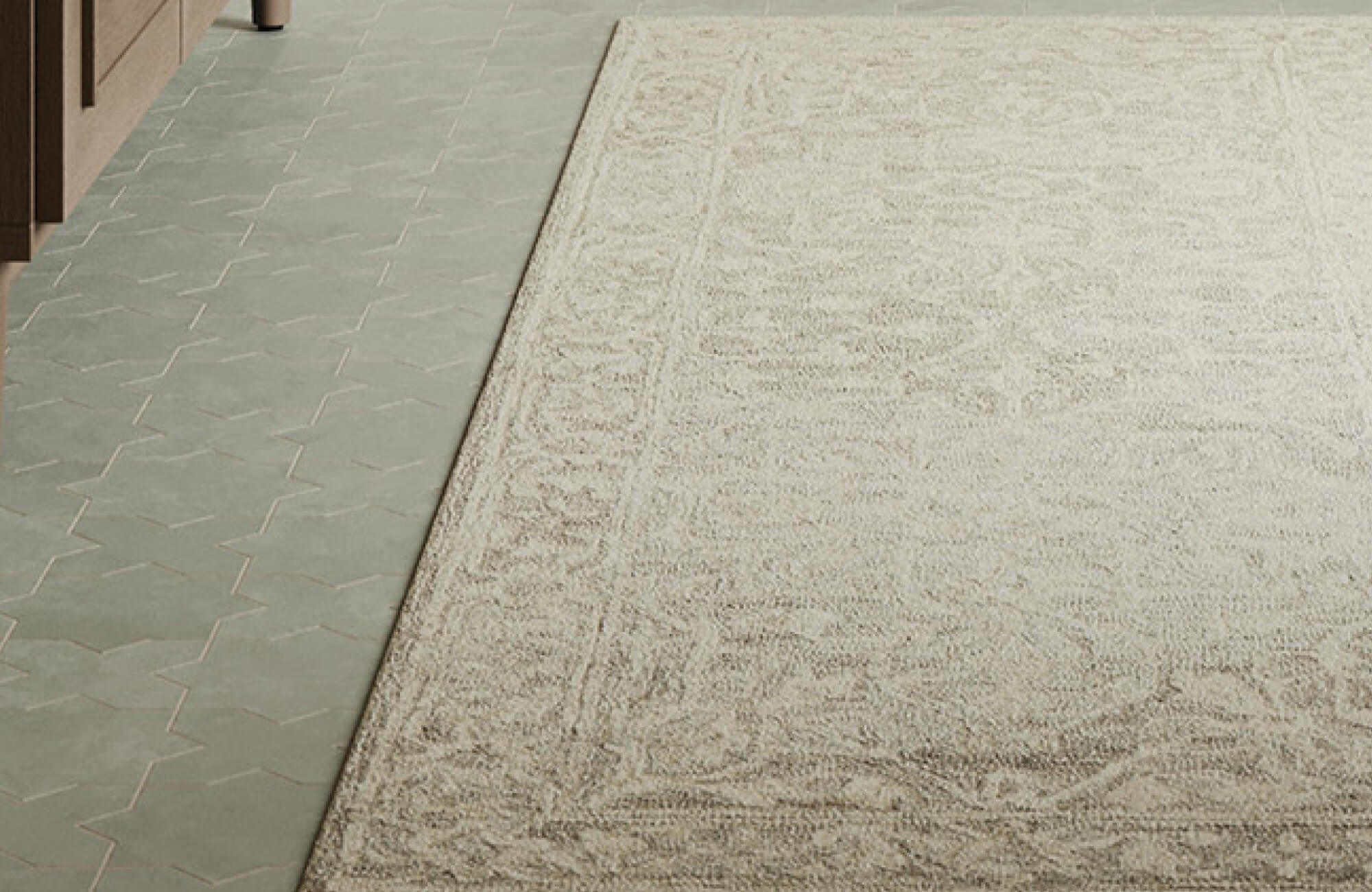
A clear example of this balance can be seen in our Broderick Rug in Coffee / Bronze, where performance-driven polypropylene is elevated through a rich, earth-toned palette. As shown in the image above, its brown and beige hues introduce warmth and depth, helping the rug feel grounded and authentic rather than overtly synthetic. This makes it especially well-suited for busy spaces where durability is essential, but visual softness and cohesion still matter.

Brown as a Versatile Chameleon Across Design Styles
Timeless design depends on flexibility, and brown rugs excel at adapting without losing their identity. Their wide tonal range allows you to move between styles effortlessly, making them a reliable foundation as tastes and trends evolve.
The Scandinavian and Japandi Influence
Within Scandinavian and Japandi interiors, lighter browns such as sand, wheat, and pale oak soften clean architectural lines. These hues temper minimalism with warmth, ensuring the space feels inviting rather than austere. As natural light shifts throughout the day, these tones respond gently, maintaining visual calm instead of stark contrast.
Texture also plays an equally important role, reinforcing principles of hygge and wabi-sabi. When you introduce a brown rug with visible weave or subtle variation, the room gains a sense of tactility and quiet imperfection. This balance allows simplicity to feel intentional, grounded, and emotionally comfortable. Our Hemlocke Indoor/Outdoor Rug in Natural Beige extends this palette seamlessly, introducing soft beige and light brown tones that mirror the warmth of pale woods while adding subtle texture underfoot, helping the space feel grounded, cohesive, and effortlessly serene.
Industrial and Masculine Sophistication
In industrial-inspired spaces, deeper browns provide a necessary counterweight to hard materials like steel, concrete, and exposed brick. Rich tones such as espresso or saddle brown anchor the room, preventing it from feeling cold or overly utilitarian. The rug also becomes the element that humanizes the structure.
This effect is especially strong when durability and texture work together. A piece like our Marroway Indoor Outdoor Rug in Brown / Black introduces bold contrast through its deep brown base and black detailing, reinforcing an industrial edge while maintaining visual balance. Its robust construction also supports heavy use, and as the surface develops character over time, the rug enhances the room’s patina rather than competing with it. The result is an interior that feels grounded, masculine, and comfortably lived-in.

Maintenance Realities and the Practicality of the Palette
Beyond visual appeal, brown rugs stand out for how effortlessly they support everyday living. Their naturally varied tones work in harmony with the realities of daily use, allowing dust, pet hair, and tracked-in debris to blend in rather than stand out. As a result, your space maintains a calm, composed appearance even between cleanings, reducing the pressure of constant upkeep.
At the same time, brown rugs age with a sense of dignity that lighter or flatter neutrals often lack. Instead of showing harsh wear patterns or obvious stains, changes in tone and texture merge into the existing palette, creating a patina that feels intentional and lived-in. Over time, this graceful aging ensures the rug remains both functional and visually grounded, making brown a practical choice that continues to perform long after trends shift.

Future-Proofing Brown Rugs in Modern Interiors
Brown’s longevity is no longer rooted solely in tradition but in how well it aligns with the future of design. As sustainability and technology continue to shape how you live, brown rugs adapt naturally, reinforcing their relevance in evolving interiors.
Sustainability as a Permanent Driver
Undyed and naturally brown fibers fit seamlessly into low-impact production methods and wellness-driven spaces. By relying on the inherent color of the material, these rugs reduce the need for chemical dyes, supporting healthier indoor environments. As you become more conscious of what enters your space, brown rugs quietly communicate responsibility through material honesty.
This alignment with sustainability also gives brown lasting credibility rather than trend-based appeal. Biodegradable fibers and ethical sourcing practices ensure that the rug’s value extends beyond aesthetics. Over time, this connection to environmental care reinforces brown as a deliberate, future-minded choice rather than a decorative afterthought.
Integration with Smart Lighting Environments
Brown rugs perform exceptionally well under dynamic lighting conditions. Their pigments remain visually stable in cool, daylight-balanced settings, preventing the washed-out effect that affects many lighter neutrals. As lighting shifts, brown maintains depth without becoming harsh or dull.
This adaptability is especially evident in pieces like our Haverford Rug in Bronze / Oat, where warm brown tones are balanced with off-white undertones. In the evening, layered lighting enhances this richness, allowing the rug to absorb and reflect ambient glow rather than compete with it. The result is a single rug that supports multiple moods, helping your space feel cohesive, intentional, and visually grounded as lighting technology continues to evolve.
The Enduring Power of Earth-Toned Foundations
Brown rugs ultimately prove timeless because they serve as foundations rather than statements. They stabilize spaces psychologically, age with visual grace, adapt effortlessly across design styles, and respond thoughtfully to evolving priorities like sustainability and smart living. Although surface trends may influence specific shades or textures, the underlying appeal of earth-toned grounding remains unchanged. In this way, brown rugs do not compete with design movements but support them, making their longevity less about fashion and more about function, balance, and enduring relevance.
When you are ready to explore how earth-toned foundations can work within your own space, having a clear point of connection matters just as much as choosing the right materials. Reaching out allows you to ask specific questions, share your goals, and gain clarity on details that turn inspiration into confident action. In that sense, a direct conversation becomes the next step, helping you translate timeless design principles into spaces that feel intentional, grounded, and uniquely your own.