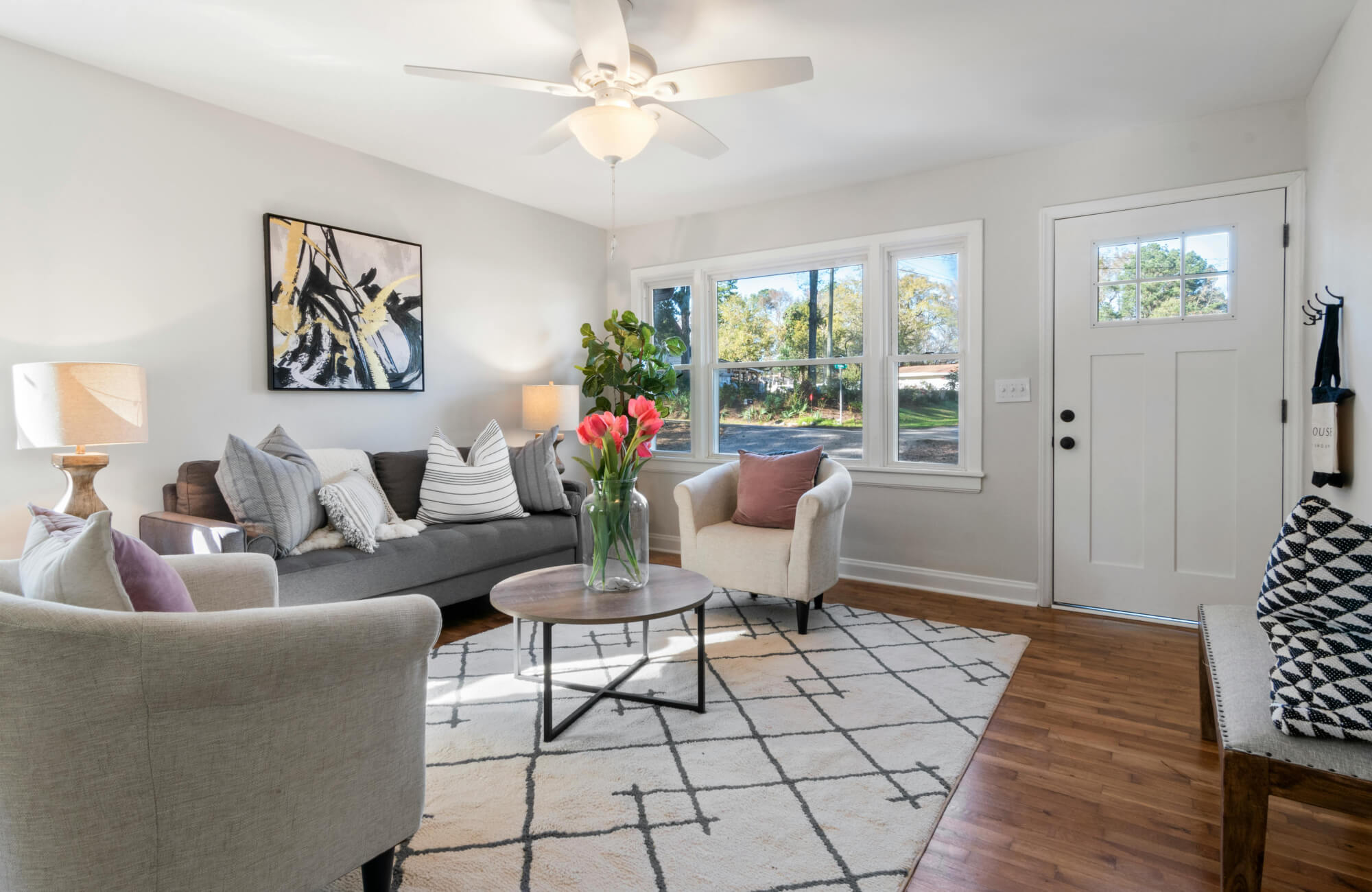
In the world of interior design, where materials, finishes, and furnishings come together to shape a living environment, wall art often emerges as the defining element that transforms a space from functional to unforgettable. While flooring, lighting, and furniture establish the foundation, it is art that introduces emotion, intention, and identity. Without it, even the most thoughtfully designed room can feel incomplete, visually flat and lacking a sense of narrative.
For those seeking premium, cohesive interiors, wall art is far more than decoration. It acts as a visual anchor, a color guide, a textural layer, and a personal statement all at once. From expansive canvases to sculptural installations and textile hangings, art has the power to shape how a room is experienced, guiding both the eye and the mood. Understanding its role is essential to achieving a space that feels curated rather than assembled.

Establishing A Powerful And Immediate Focal Point
One of the most impactful roles of wall art is its ability to command attention and establish a focal point within a room. In interior design, a focal point provides visual structure, allowing the eye to settle and understand the hierarchy of the space. Without this, rooms can feel scattered or directionless, even when filled with high-quality furnishings.
Anchoring Large Furniture Arrangements
In living rooms or bedrooms where substantial furniture pieces dominate, wall art serves as a grounding force that ties everything together. A large sofa, for instance, can feel disconnected from the surrounding environment if the wall behind it remains bare. Introducing a well-scaled artwork above it creates cohesion, visually anchoring the seating arrangement and giving it a sense of purpose.
This relationship between art and furniture is particularly important in open-plan spaces, where visual boundaries are subtle. A statement piece above a console or bed can define zones without the need for physical partitions. The result is a balanced composition where each element feels intentionally placed rather than incidental.
Guiding The Eye Upon Entering A Room
The moment someone enters a room, their gaze instinctively searches for a point of interest. Wall art fulfills this role with precision, directing attention and setting the tone for the entire space. Whether it is a bold abstract painting, an immersive mural, or a refined gallery arrangement, art acts as the first impression, shaping how the room is perceived, much like Edward Martin’s Shaded Distance Wall Art and Lowland Path Wall Art in the image above, where soft tonal variation and quiet composition immediately draw focus without overwhelming the space.
Strategically placed pieces can also influence movement within a space. By drawing the eye toward certain areas, art subtly guides how people navigate and experience the room. This level of visual choreography is what distinguishes thoughtfully designed interiors from those that simply fill space without intention.

Dictating And Unifying The Room Color Palette
Color is one of the most powerful tools in interior design, and wall art often becomes the starting point from which a palette evolves. Rather than treating art as an afterthought, integrating it early in the design process allows for a more harmonious and cohesive result.
Using Art As The Ultimate Color Foundation
A carefully chosen artwork can serve as a blueprint for the entire room’s color scheme. The tones within a painting or print can be echoed in upholstery, rugs, and decorative accents, creating a layered and unified aesthetic. This approach ensures that every element feels connected, avoiding the disjointed look that can occur when colors are selected in isolation, as seen with Edward Martin’s Quiet Study Wall Art in the image above, where its muted patterning and soft palette seamlessly inform the surrounding furnishings.
In premium interiors, this method is particularly effective because it allows for subtle sophistication. Instead of relying on obvious matching, designers can draw out secondary or muted tones from the artwork, weaving them throughout the space in a way that feels organic and refined.
Introducing High Contrast To Neutral Spaces
Neutral interiors, while elegant and timeless, can sometimes risk feeling overly restrained. Wall art introduces contrast and visual energy, preventing the space from becoming monotonous. A striking piece with deep tones or vibrant hues can instantly elevate a room dominated by soft beiges, greys, or whites.
This interplay between neutrality and contrast is essential for creating depth. Art becomes the element that breaks uniformity, adding moments of intrigue without overwhelming the overall design. The result is a space that feels both calm and dynamic, balancing restraint with expression.

Adding Crucial Texture And Dimensional Warmth
Beyond color and composition, wall art contributes an often-overlooked quality to interiors: texture. In spaces where materials such as stone, tile, or polished wood dominate, introducing varied textures on vertical surfaces enhances warmth and dimension.
Breaking Up Flat Drywall With Sculptural Art
Flat walls can feel lifeless, especially in modern interiors where clean lines and minimal detailing are prevalent. Sculptural wall art introduces depth, casting shadows and creating visual movement that evolves throughout the day as lighting changes, an effect beautifully reflected in Edward Martin’s Golden Drift Wall Art in the image above, where woven textures and dimensional detailing soften the surrounding architecture.
These three-dimensional pieces can range from metal installations to carved wood panels, each bringing a tactile quality that contrasts beautifully with smooth architectural surfaces. This added layer of complexity enriches the overall design, making the space feel more dynamic and engaging.
Warming Hard Floors With Textile Wall Hangings
In homes featuring hard flooring materials such as tile or hardwood, balancing the visual and physical coolness of these surfaces is essential. Textile wall hangings offer a solution by introducing softness and warmth at eye level. Their woven textures and organic fibers create a comforting counterpoint to sleek flooring finishes.
This approach not only enhances comfort but also contributes to acoustic improvement, subtly softening sound within the space. The result is an environment that feels more inviting and layered, where every surface contributes to shaping the overall atmosphere.

Reflecting Personal Style And Curated Character
While technical considerations such as scale and color are important, the true power of wall art lies in its ability to express individuality. It transforms a house into a home by reflecting the personality, tastes, and experiences of its occupants.
Avoiding The Mass Produced Showroom Look
In the pursuit of polished interiors, there is a risk of spaces beginning to resemble curated showrooms rather than lived-in environments. Wall art provides an opportunity to break away from this uniformity, introducing pieces that feel unique and personal, much like Edward Martin’s Northland Memory Wall Art in the image above, where its textured, handcrafted character brings a sense of individuality and quiet depth.
Selecting art that resonates on a deeper level, whether through subject matter, technique, or cultural significance, ensures that the space carries authenticity. This distinction is what elevates premium interiors, making them feel exclusive and thoughtfully composed rather than generic. For those seeking a more tailored approach, Edward Martin’s design services offer a refined way to curate interiors with intention, ensuring that every artistic element aligns seamlessly with the overall vision of the space.
Telling A Story Through Mixed Mediums
Incorporating a variety of artistic mediums adds richness and narrative depth to a space. A combination of paintings, photography, textiles, and sculptural pieces creates a layered visual story that unfolds over time. Each piece contributes a different perspective, inviting closer inspection and engagement.
This storytelling aspect is particularly valuable in larger homes or spaces designed for entertaining, where art becomes a conversation starter. It reflects not only aesthetic preferences but also experiences, travels, and influences, giving the interior a sense of history and meaning. For personalized guidance or to begin shaping a space that reflects your unique perspective, you can contact Edward Martin to explore thoughtful, design-led solutions tailored to your home.

Manipulating The Perception Of Space And Scale
Wall art also serves a strategic role in shaping how a room is perceived. Through careful selection and placement, it can alter proportions, enhance spatial flow, and create illusions that improve the overall functionality of the space.
Elongating Walls With Vertical Placements
Vertical artworks have the ability to draw the eye upward, emphasizing height and making ceilings appear taller. This technique is especially effective in rooms with limited vertical space, where enhancing the sense of openness is a priority, as demonstrated by Edward Martin’s Dusk Fold Wall Art in the image above, whose elongated composition and layered texture naturally guide the gaze upward.
By extending visual lines upward, art creates a feeling of grandeur and airiness. This subtle manipulation of perception can transform compact spaces, making them feel more expansive and refined without the need for structural changes.
Expanding Rooms With Oversized Horizontal Canvases
Conversely, horizontal artworks can stretch the visual width of a room, making it appear larger and more balanced. Oversized canvases are particularly effective in narrow spaces, where they create a sense of breadth and continuity.
This approach works seamlessly in areas such as dining rooms or hallways, where elongated compositions reinforce the natural flow of the space. The key lies in selecting pieces that complement the scale of the room, ensuring that the art enhances rather than overwhelms the environment.
The Defining Layer Of A Curated Home
In the intricate process of interior design, wall art stands as the element that brings everything together. It defines focal points, unifies color palettes, introduces texture, reflects personal identity, and even reshapes spatial perception. Without it, interiors risk feeling incomplete, no matter how refined the materials or furnishings may be.
For those seeking to create truly exceptional spaces, wall art should be approached with the same level of intention as any architectural or design decision. It is not merely an accessory but a foundational layer that elevates a room from well-designed to deeply resonant. When chosen thoughtfully and integrated seamlessly, wall art becomes the signature of a curated home, one that tells a story, evokes emotion, and leaves a lasting impression.