
)
)
)
)
)
)
)
)
Which Wallpaper Is Lucky For Home?
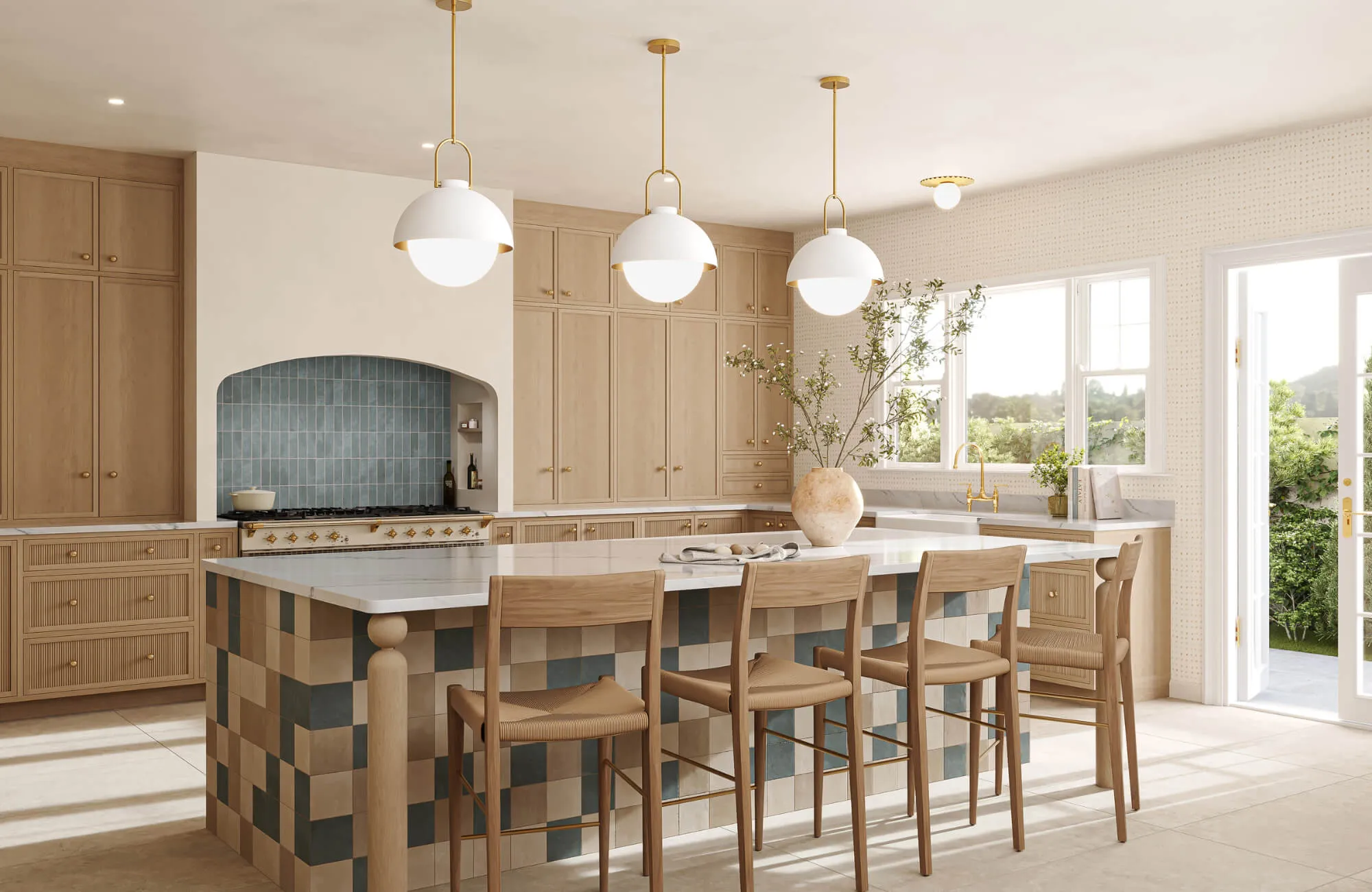
Creating a home that feels both beautiful and energetically balanced has become an essential consideration for today’s design-conscious homeowners. Beyond aesthetics, the materials, colors, and patterns you choose can subtly influence the atmosphere of your living space. Wallpaper, in particular, offers a powerful opportunity to shape not only the visual identity of a room but also its emotional and symbolic resonance. When thoughtfully selected, wallpaper can support harmony, prosperity, and well-being by aligning with time-honored design philosophies such as feng shui.
In this guide, we explore how different wallpaper styles, ranging from fluid water-inspired motifs to grounding earth tones and luminous metallic finishes, can be used to invite positive energy into your home. Whether you are curating a serene retreat or an inspiring social space, understanding the symbolic meaning behind patterns and their ideal placement can help transform your interiors into a sanctuary of balance and intention.
Activating Wealth With Water And Wavy Patterns
Water has long been associated with abundance, prosperity, and flow. In interior design, especially when guided by feng shui principles, water-inspired wallpaper can symbolize financial growth and opportunities. The gentle movement depicted in wavy patterns or flowing imagery introduces a sense of calm continuity, making it a compelling choice for those seeking to enhance wealth energy in their homes.
The Power Of Flowing Rivers And Abstract Waves
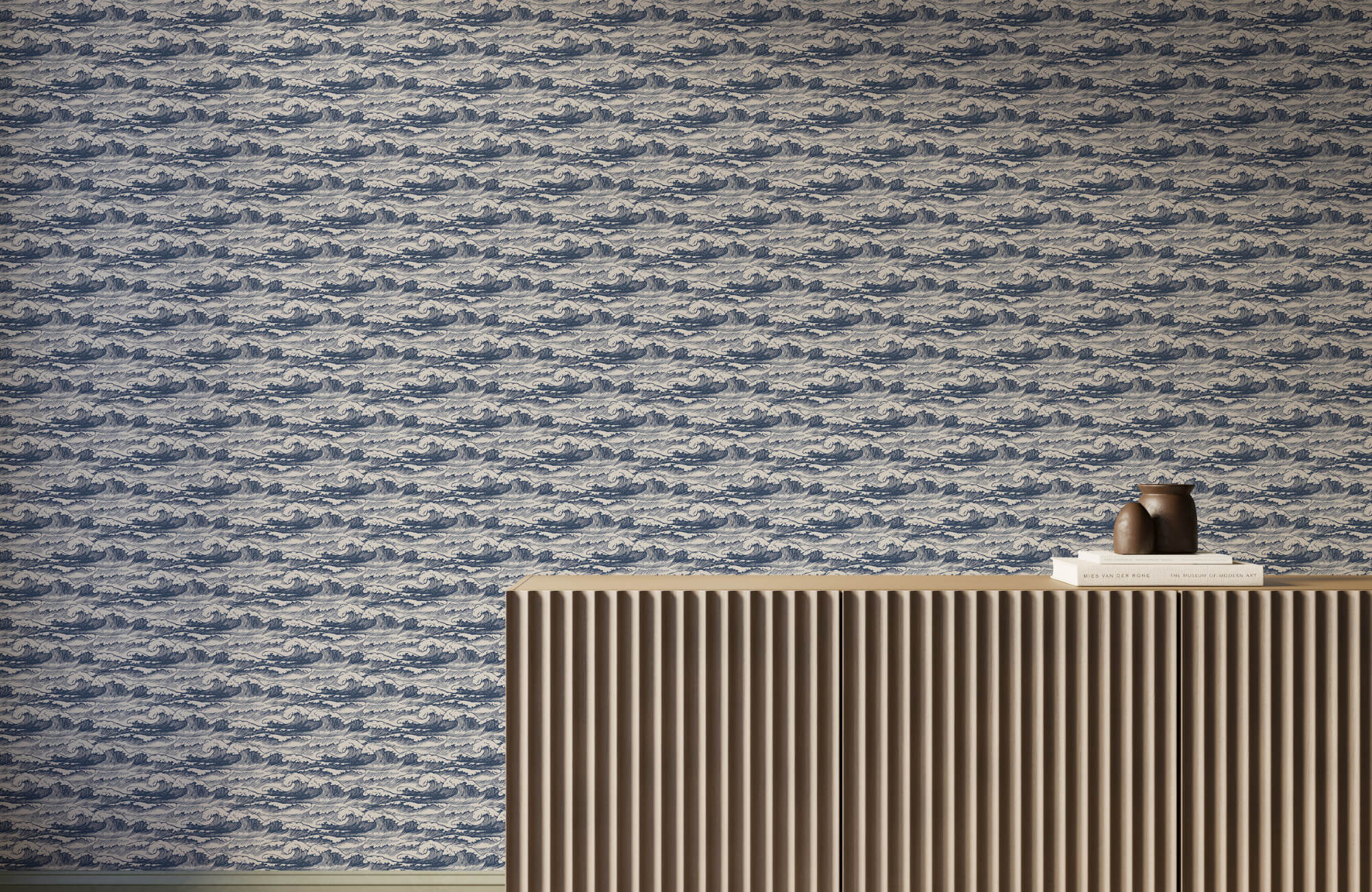
Wallpaper designs that mimic the natural rhythm of flowing rivers or abstract waves carry a sense of motion that encourages the circulation of positive energy. These patterns often feature soft curves, layered gradients, and fluid transitions that evoke tranquility while subtly energizing the space, as seen in Edward Martin’s Newport Wallpaper in Navy II, 52" x 132" in the image above. When rendered in tones of blue, teal, or even muted neutrals, they create a refined backdrop that feels both contemporary and timeless.
From a design perspective, these wallpapers pair beautifully with natural materials such as stone, wood, and linen. The interplay between fluid patterns and tactile surfaces enhances depth, making the room feel curated rather than overly styled. While these interpretations are inspired by feng shui principles, their impact may vary depending on the home and individual preferences, making it important to approach design choices with both intention and personal sensibility.
Ideal Placement In The North Sector
Placement is essential in maximizing the benefits of water-inspired wallpaper. The north sector of the home is traditionally linked to career and life path energy, making it the ideal location for these designs. Applying a flowing wave pattern in a home office, study, or entryway within this zone can help foster clarity, opportunity, and forward momentum.
To maintain balance, it is important to avoid overwhelming the space with overly dynamic patterns. Instead, opt for designs that suggest movement without appearing chaotic. Subtlety ensures that the wallpaper enhances the room’s energy without disrupting its overall harmony, allowing the symbolism of water to work in a refined and understated manner.
Inviting Health And Vitality Through Lush Botanicals
Nature-inspired interiors have gained global appeal for their ability to create calming and restorative environments. Botanical wallpaper, in particular, serves as a bridge between indoor living and the natural world, symbolizing growth, renewal, and vitality. When thoughtfully incorporated, these designs can promote physical and emotional well-being throughout the home.
Utilizing Bamboo And Upward Reaching Vines
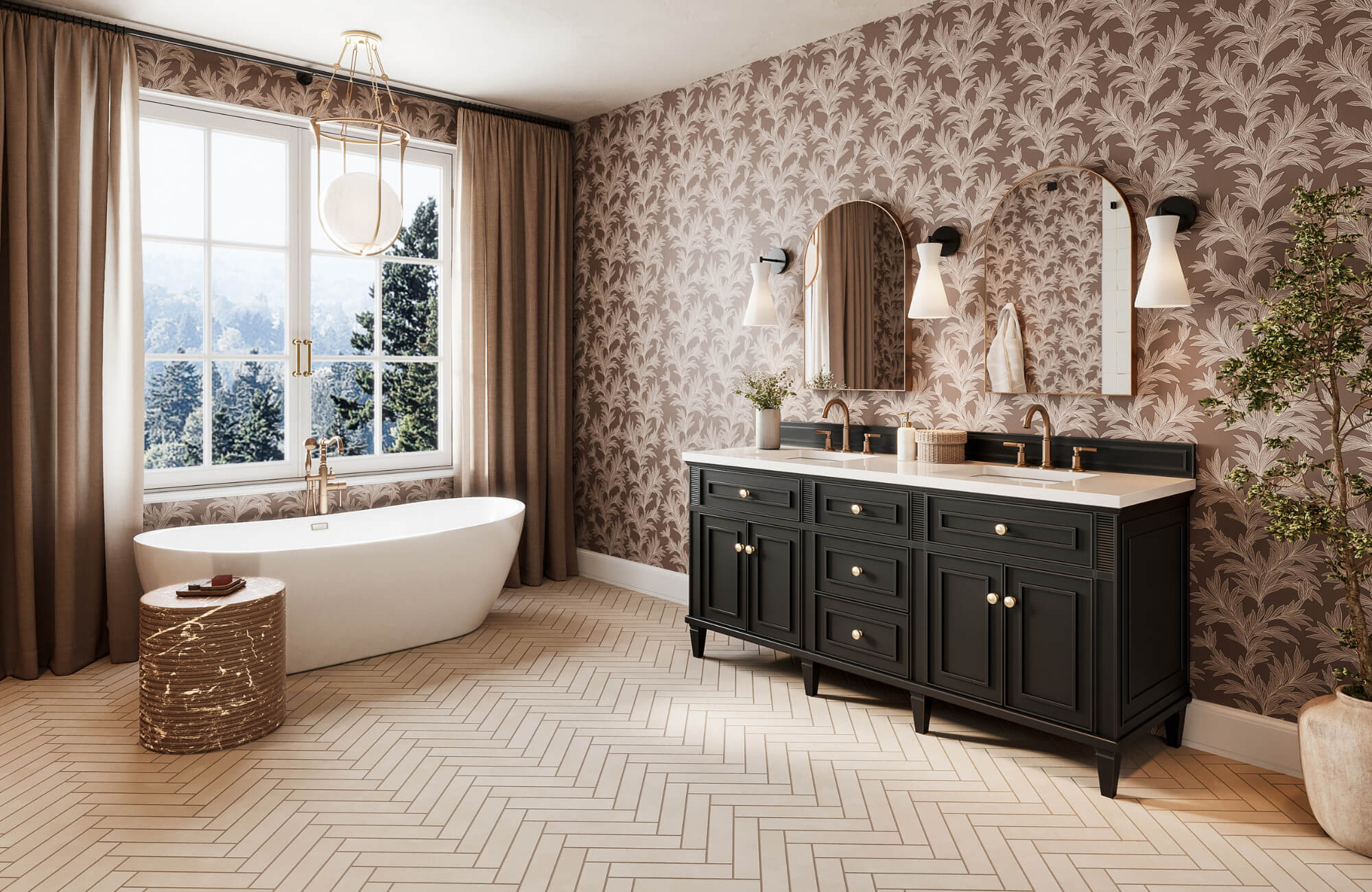
Bamboo motifs and upward-reaching vines are especially powerful symbols of resilience and steady growth. Their vertical orientation suggests progress and expansion, making them ideal for spaces where you want to encourage vitality and positive development. Designs featuring delicate leaves, layered foliage, or intricate botanical illustrations, like Edward Martin’s Bower Wallpaper in Taupe I, 52" x 132" in the image above, can introduce a sense of freshness without overwhelming the visual field.
From a styling standpoint, pairing botanical wallpaper with light wood finishes, woven textures, and soft neutral furnishings enhances its organic appeal. This combination creates an environment that feels grounded yet uplifting, aligning with the preferences of those who value both sophistication and natural beauty.
Activating The East And Southeast Rooms
The east and southeast areas of the home are associated with health, family, and wealth. Introducing botanical wallpaper in these zones can help activate these energies while reinforcing a sense of balance and renewal. Bedrooms, dining areas, and living spaces located in these sectors benefit particularly well from nature-inspired designs.
To achieve a cohesive look, consider selecting wallpapers with a harmonious color palette that complements existing furnishings. Soft greens, muted golds, and earthy undertones work especially well in these areas, creating a seamless transition between elements while maintaining a calm and inviting atmosphere.
Sparking Passion And Fame With Bold Geometric Shapes
For those looking to energize their interiors with confidence and vibrancy, geometric wallpaper offers a striking solution. Bold shapes and structured patterns introduce a sense of dynamism, making them ideal for activating areas related to recognition, passion, and personal expression.
Incorporating Triangles And Sunburst Motifs
Triangles and sunburst motifs are particularly effective in symbolizing fire energy, which is associated with visibility, passion, and achievement. These patterns often feature sharp angles, radiating lines, and bold contrasts that command attention and create a focal point within the room.
When executed in premium materials or metallic finishes, geometric wallpaper can elevate the sophistication of the space while maintaining its energetic impact. The key is to balance boldness with refinement, ensuring that the design feels intentional rather than overpowering.
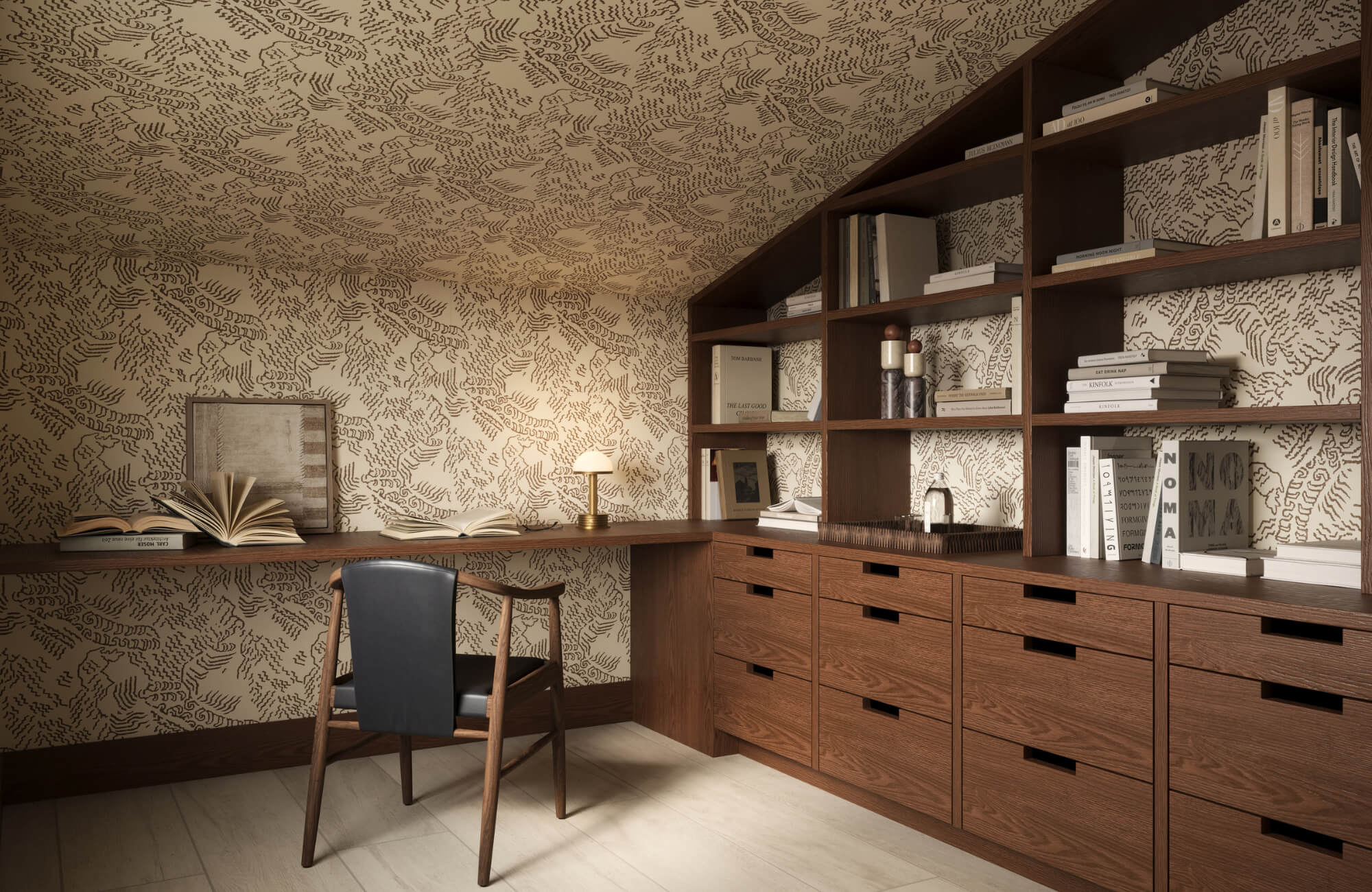
Grounding The South Sector With Edward Martin Decor
The south sector of the home is closely linked to fame and reputation, making it the ideal location for geometric wallpaper that embodies fire energy. Incorporating high-quality decor elements, such as Edward Martin’s Plateau Wallpaper in Taupe II, 52" x 132", layered with the warm glow of the Yardley Cordless Table Lamp and styled accents like the Drayton Marble Sculpture Set and Stanton Tray in the image above, can further enhance this effect by grounding the bold patterns with a sense of elegance.
Rich tones like deep reds, warm oranges, or even charcoal with metallic accents can add depth while reinforcing the symbolic connection to fire. When paired with thoughtfully selected lighting and furnishings, this approach creates a cohesive and impactful design that supports both style and intention.
Cultivating Stability And Nourishment With Earth Tones
Earth-inspired wallpaper offers a sense of grounding and stability, making it an essential element in creating a balanced home environment. These designs draw from natural landscapes and materials, promoting feelings of security, comfort, and nourishment.
The Calming Effect Of Terracotta And Ochre
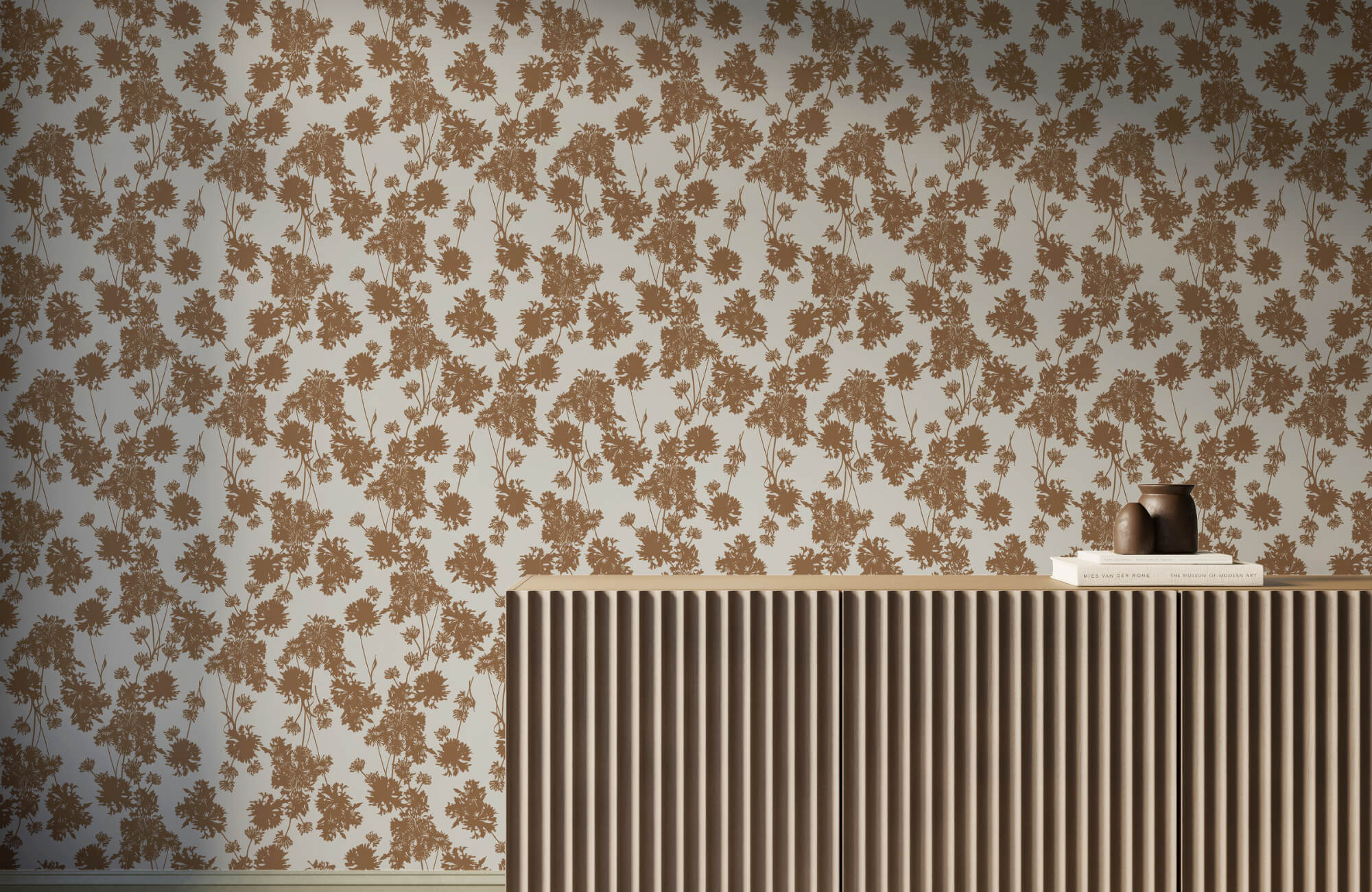
Terracotta and ochre tones bring warmth and depth to interiors, evoking the richness of natural earth. Wallpaper in these hues, such as Edward Martin’s Greensward Wallpaper in Terracotta II, 52" x 132" in the image above, can create a cocooning effect, making spaces feel more intimate and inviting. Subtle variations in tone and texture add visual interest while maintaining a soothing overall aesthetic.
These colors work particularly well in living rooms, bedrooms, and dining areas, where comfort and connection are key. When paired with soft textiles, natural wood, and understated decor, earth-toned wallpaper creates a harmonious environment that feels both luxurious and grounded.
Utilizing Square And Rectangular Lattice Patterns
Patterns featuring squares and rectangles reinforce the symbolism of stability and structure. Lattice designs, in particular, offer a refined way to introduce geometric order without overwhelming the space. Their repetitive nature creates a sense of rhythm, contributing to a balanced and cohesive interior.
Choosing high-quality wallpaper with embossed or textured finishes can enhance the tactile experience, adding depth and sophistication. This approach aligns well with a premium design philosophy, where attention to detail and material quality are paramount.
Attracting Helpful People With Metallic And Circular Designs
Metallic wallpaper introduces a sense of elegance and refinement while symbolizing clarity, precision, and supportive energy. Circular motifs further enhance this effect by representing unity and completeness, making them an ideal choice for fostering connections and attracting helpful influences.
The Sophistication Of Gold Leaf And Silver Accents
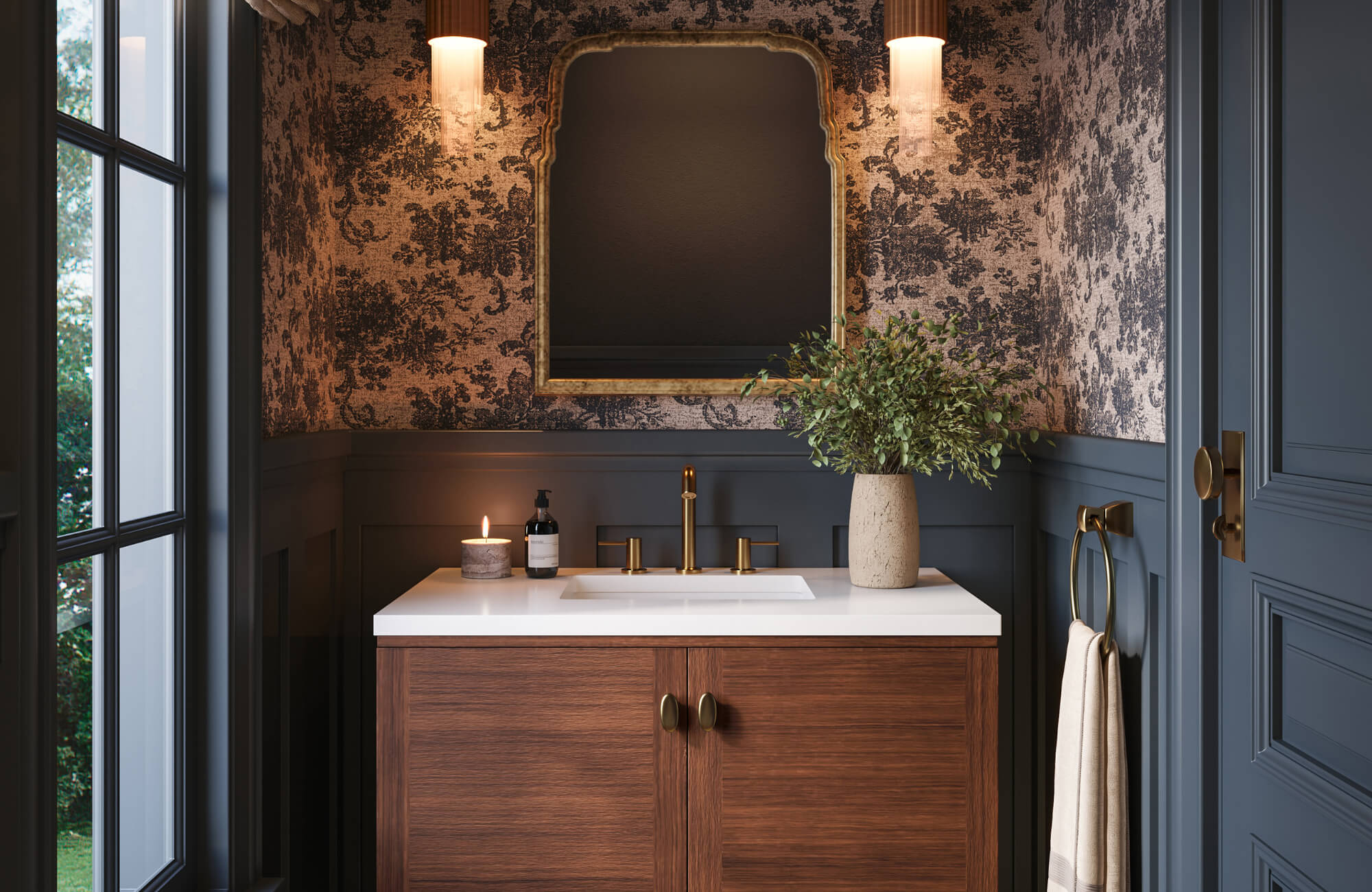
Gold leaf and silver accents bring a luminous quality to wallpaper, reflecting light and adding a subtle sense of luxury. These finishes can range from delicate, understated patterns to more pronounced designs that serve as statement features, as reflected in Edward Martin’s Brocade Wallpaper in Black/Tan II, 52" x 132" paired with the Clementine Mirror in Antiqued Gold Leaf in the image above. The key is to select a style that complements the overall aesthetic of the space while enhancing its energy.
When integrated thoughtfully, metallic wallpaper can elevate even the simplest interiors, creating a polished and cohesive look. Pairing these designs with neutral furnishings and soft lighting ensures that the metallic elements remain sophisticated rather than overpowering.
Placing Metallic Wallpaper In The Northwest
The northwest sector of the home is associated with helpful people, mentors, and travel opportunities. Applying metallic wallpaper in this area can help activate these energies, creating an environment that supports connection and guidance.
Spaces such as guest rooms, offices, or entryways are particularly well-suited for this application. By combining metallic finishes with circular or flowing patterns, you can create a design that feels both dynamic and harmonious, reinforcing the symbolic intention behind the placement.
Curating A Harmonious And Prosperous Sanctuary
Choosing the right wallpaper for your home goes beyond visual appeal; it is an opportunity to shape the energy and atmosphere of your living space in meaningful ways. By understanding the symbolism behind different patterns and colors, and placing them thoughtfully within your home, you can create an environment that supports prosperity, health, passion, stability, and connection.
From the calming flow of water-inspired designs to the grounding warmth of earth tones and the refined elegance of metallic finishes, each wallpaper style offers its own unique contribution to a harmonious interior. With Edward Martin’s design services, these elements can be thoughtfully curated into a cohesive vision that reflects both beauty and intention. To further refine your space with expert insight, you may contact Edward Martin for personalized guidance tailored to your home.
Follow us on Instagram
@EDWARD.MARTIN
)
)
)
)
)
)
)
)
)
)
)
)
)
)
)
)