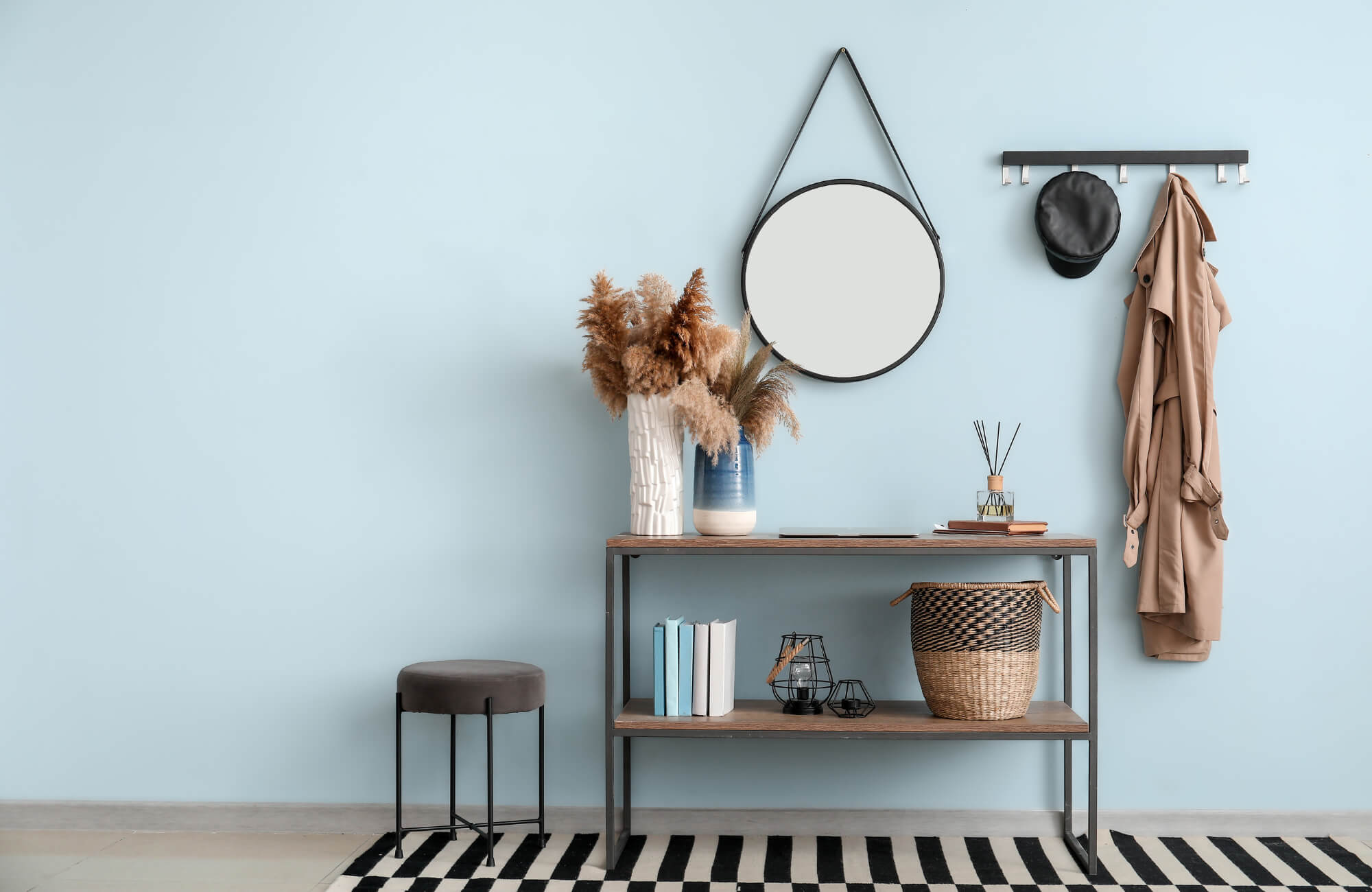
A well-chosen rug doesn’t just complete a room, it defines it. Neutral rugs, with their understated elegance and tonal restraint, offer far more than subtlety. They serve as design chameleons, seamlessly adapting to a wide range of aesthetics, from modern minimalism to time-honored traditional.
But their appeal isn’t limited to looks. Neutral rugs are a practical investment, especially when crafted from advanced performance fibers, known for their resilience, stain resistance, and tactile comfort. In this article, we’ll explore why a beautiful neutral rug from Edward Martin isn’t just a smart addition; it’s a lasting foundation for inspired living.

The Enduring Appeal of Neutral Rugs in Modern Decor
Thanks to their quiet sophistication and design flexibility, neutral rugs continue to shape how we define and experience interior spaces. From seamlessly blending with a range of styles to bringing balance and flow to a room, these understated pieces do far more than meet the eye.
Versatility Across Design Styles
At their core, neutral rugs remain a timeless choice due to their ability to complement a broad spectrum of design aesthetics, ranging from Scandinavian minimalism and rustic farmhouse to transitional and industrial interiors. Their muted tones, such as oatmeal, dove gray, ecru, and greige, blend effortlessly with both vibrant and restrained color palettes.
Moreover, textural variety adds to this adaptability. For instance, low-pile flatweaves bring a clean, modern edge, while high-pile hand-knotted wool options introduce softness and warmth. In mid-century modern spaces, a neutral rug with subtle geometric texture adds depth without competing with iconic silhouettes. Likewise, light-toned jute or sisal works beautifully in bohemian or coastal settings, delivering organic texture while maintaining design cohesion.
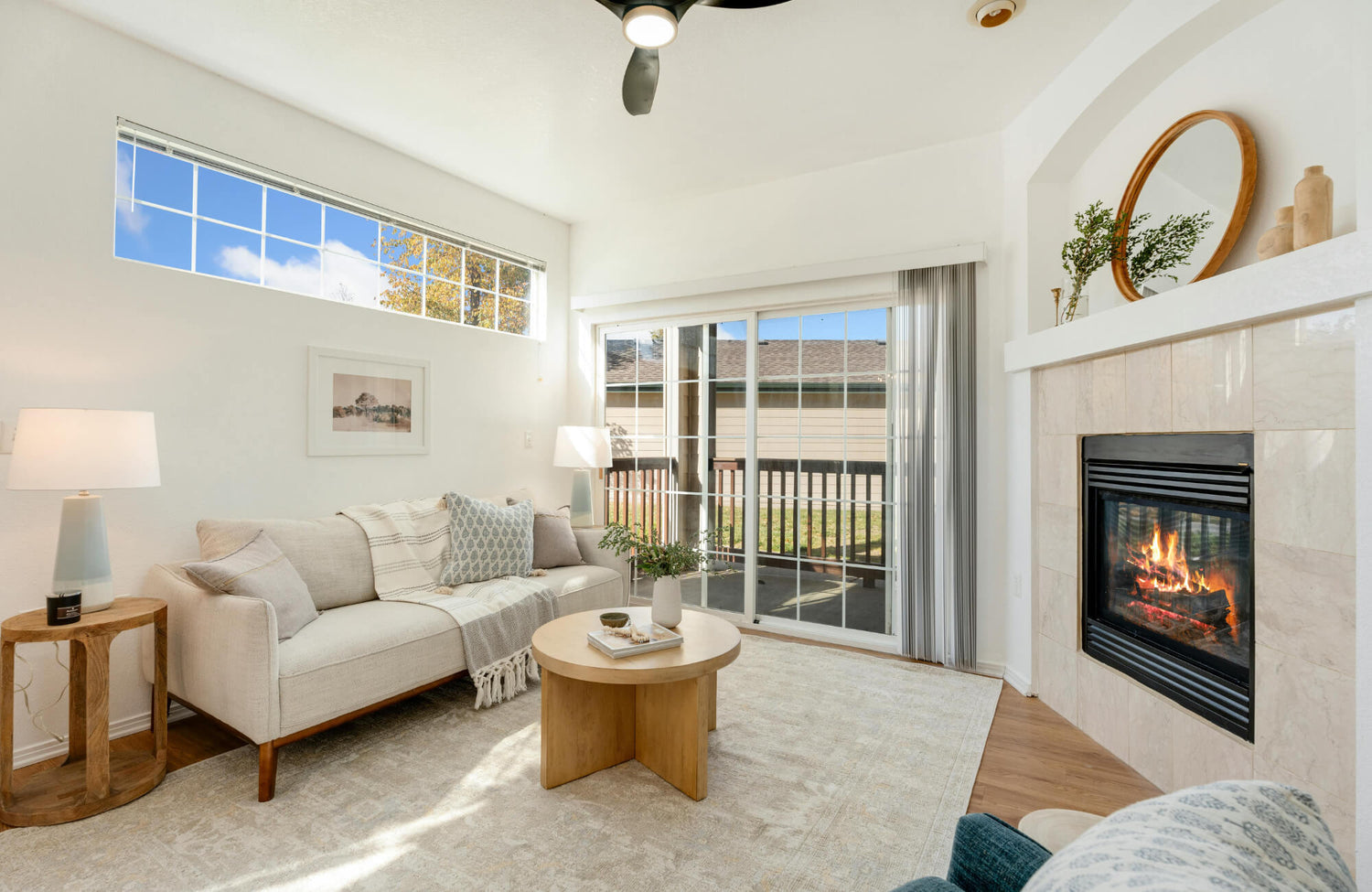
A prime example of this flexible appeal is Edward Martin’s Pascal Polyester Face Rug in Platinum / Mist. As shown in the photo above, its weathered pattern and cool neutral tones ground the space while allowing surrounding furniture and decor to shine. Durable and easy to maintain, it’s well-suited for households seeking performance and polish, making it a reliable foundation for evolving design.
Creating a Cohesive and Harmonious Space
In addition to their stylistic versatility, neutral rugs are instrumental in promoting visual harmony throughout a home. This is especially important in open-concept layouts, where consistent transitions between zones help maintain a cohesive feel. Their calming hues also foster a serene environment and serve as subtle connectors between spaces like living, dining, and entry areas.
Furthermore, design techniques such as abrash dyeing or heathered yarns add dimension and prevent monotony. When paired with furnishings in similar tones, these rugs become a unifying element that visually anchors the space. This approach is especially effective in biophilic design, where natural textures and neutral palettes evoke warmth, grounding, and a deeper sense of well-being.

Maximizing Space and Light with Neutral Tones
Neutral rugs do more than ground a room; they help shape how spacious and luminous it feels. By working in tandem with light and layout, they subtly influence the atmosphere and flow of a space.
Expanding Visual Dimensions
One effective approach involves using light-toned neutral rugs, such as ivory, beige, taupe, or silvery gray, which reflect more light than darker alternatives, making rooms feel larger and more open. When placed strategically, they can also elongate narrow corridors, widen compact spaces, or lift low ceilings. As a result, they are especially effective in small apartments or areas with limited natural light.
This visual expansion is rooted in core design principles like luminance and Light Reflectance Value (LRV). Pale rugs bounce light around the room, reducing visual weight and reinforcing a sense of continuity. When paired with similarly toned walls and furnishings, they also create a cohesive, expansive aesthetic that encourages the eye to move fluidly throughout the space.
In addition, texture is a major contributor to supporting this openness. For example, low-pile or flatweave constructions maintain the illusion of uninterrupted flooring, while high-pile rugs with tonal variation introduce softness and depth without adding visual clutter. A great example is Edward Martin’s Liddy Polyester Pile Rug in Cream / Dove, as displayed in the picture above, which enhances perceived space through soft contrast and geometric texture, balancing tactile comfort with light-reflective efficiency to keep the room airy and grounded.
Enhancing Natural and Artificial Illumination
Beyond scale, neutral rugs also affect how light interacts with a space. In naturally bright interiors, pale rugs amplify sunlight, reducing the need for artificial illumination. Furthermore, cool-toned options like pale ash or sand can subtly enhance the crispness of daylight by aligning with its blue undertones, creating a fresher, more invigorating effect.
When it comes to artificial lighting, neutral rugs contribute to more even and diffuse illumination. Whether under the warmth of incandescent bulbs or the sharp clarity of LED fixtures, their reflective surfaces soften harsh shadows and reduce glare. This quality also makes them especially valuable in layered lighting schemes used in professionally designed interiors.
Moreover, material choice enhances this performance. Wool offers natural luster and resilience, while viscose and silk blends provide a subtle sheen that reacts dynamically to directional lighting. These light-responsive properties are particularly beneficial in formal settings or multifunctional spaces where ambiance and control are crucial to the overall experience.

The Practical Advantages of Choosing Neutral Rugs
While neutral rugs are often chosen for their style, their real strength lies in how effortlessly they fit into everyday life. From durability to long-term value, they offer practical advantages that make them a smart and lasting addition to any home.
Effortless Maintenance and Longevity
From a practical standpoint, neutral rugs excel in everyday environments thanks to their ability to disguise wear. Mid-toned shades like stone, flax, and mushroom conceal dust, pet hair, and minor stains more effectively than bright white or deep-colored rugs, making them ideal for busy areas like family rooms and open-plan spaces.
In addition, modern fibers further enhance their practicality. Many are crafted from solution-dyed polypropylene, PET, or wool blends engineered for stain resistance and easy cleaning. Wool’s naturally crimped structure, for example, provides resilience against crushing and soiling, while protective finishes like Scotchgard™ create a barrier without altering the rug’s appearance or texture.
Moreover, construction directly influences ease of care. Low-pile or looped rugs resist matting and trap less debris, which simplifies vacuuming. When deeper cleaning is required, their varied tones help mask wear patterns and cleaning marks, allowing the rug to maintain its visual integrity over time. For best results regarding care, maintenance, or general upkeep, it’s always advisable to follow the manufacturer’s guidelines.
A Smart Long-Term Decor Investment
Beyond daily performance, what truly sets neutral rugs apart is their design longevity. Free from fast-fading trends, their timeless tones serve as a flexible foundation for evolving styles, from simple accessory swaps to complete room updates. This adaptability reduces the need for frequent replacements and aligns with sustainable design values.
Furthermore, high-quality options, such as those made from New Zealand wool, hand-knotted viscose, or artisanal flatweaves, may carry a higher upfront cost, but they deliver long-term value through exceptional craftsmanship and durability. In resale or staging scenarios, their broad visual appeal also enhances perceived property value.
Ultimately, neutral rugs are considered “evergreen assets” by design professionals. They transition easily across layouts, lighting conditions, and color palettes, making them a reliable solution through moves, remodels, and style refreshes. Whether your aesthetic evolves or your needs shift, a well-chosen neutral rug offers enduring support and timeless character.

Layering Textures and Adding Depth with Neutrals
Neutral rugs may seem understated at first glance, but their impact lies in the details. With the right textures and tones, they add depth, warmth, and just the right foundation for layered, expressive design.
The Power of Subtle Texture
At first glance, neutral rugs may appear understated, but they are far from plain. Instead of relying on color, they use texture to create visual interest. By varying fiber type, pile height, weave, and construction techniques, such as hand-knotting, loop-and-cut, or high-low carving, these rugs produce tone-on-tone designs that feel both refined and dimensional.
Additionally, material choice is essential in enhancing this effect. Wool’s matte finish and natural insulation offer a dense, cozy feel underfoot, while silk or viscose accents introduce a soft sheen that catches light throughout the day. Meanwhile, flatweaves in jute, sisal, or cotton bring organic texture that suits both rustic and coastal interiors, all while preserving the rug’s neutral aesthetic.
As a result, these subtle variations prevent minimalist or monochromatic spaces from feeling sterile. They add movement, tactile richness, and a sense of depth. Beyond aesthetics, this layered approach also supports biophilic design principles by incorporating natural materials and textures that foster comfort and well-being.
Building a Foundation for Accent Colors
In addition to adding depth through texture, neutral rugs also serve as a highly adaptable base for color layering. Their restrained tones allow bold or seasonal accents, such as pillows, artwork, or upholstery, to shine without competing for attention.
Moreover, the undertones within a neutral rug can be used strategically to support specific color families. For instance, cool grays pair seamlessly with blues, charcoals, and jewel tones, while warm beiges or camel hues work beautifully with earthy shades like terracotta, olive, or rust. Designers also often use these undertones to ensure harmony across all layers, for example, matching a blush-toned velvet chair with a greige rug, or balancing rich navy accents with a sandy sisal foundation.
A perfect illustration of this design flexibility is Edward Martin’s Bowie Wool Blend Rug in Sand / Graphite. As featured in the photo above, its linear graphite pattern set against a warm, textured base introduces structure without overpowering the surrounding decor. This subtle contrast allows materials like sculptural ceramics, dark wood furniture, or woven accessories to take center stage. Ultimately, it’s this quiet versatility that enables neutral rugs to anchor evolving interiors with effortless sophistication.

Styling Tips and Placement for Neutral Rugs
Even the most beautiful neutral rug won’t reach its full potential without the right placement and styling. To truly enhance a space, it’s all about choosing the right proportions and layering it thoughtfully with the surrounding decor.
Choosing the Right Size and Shape
An important first consideration is a rug’s size and shape, which are critical to achieving both visual balance and functional flow. While neutral rugs are often selected for their subtle aesthetic, their dimensions ultimately shape how cohesively a space comes together. Rugs that are too small can leave furniture looking disconnected, while overly large ones may overwhelm the layout and compress openness.
As a helpful rule of thumb, living room rugs should accommodate at least the front legs of seating pieces, typically 8'x10' or larger. Meanwhile, in open-concept spaces, going up to a 9'x12' or 10'x14' rug can effectively define distinct zones without interrupting visual continuity. In dining areas, it’s important that the rug extends at least 24 inches beyond the table edges, allowing chairs to slide out easily. Similarly, in bedrooms, placing a rug under two-thirds of the bed ensures balance and comfort without requiring full-floor coverage.
The shape of the rug can also influence the flow of the room. For instance, rectangular options suit most traditional layouts, but round or oval rugs can soften sharp architecture and feel especially at home beneath circular dining tables or in entryways. For more utilitarian areas like hallways or galley kitchens, runners offer both style and protection, especially when chosen in warm tones or textural neutrals that subtly elevate the space.
Layering with Other Decor Elements
Once the foundational rug is properly placed, the next step is layering complementary elements to enhance depth and interest. Thanks to their understated presence, neutral rugs serve as ideal backdrops for surrounding materials and tones to shine without visual competition.
One particularly effective approach is textile layering. Incorporating materials like velvet, bouclé, linen, or leather adds contrast and tactile richness that echoes the rug’s texture. A jute rug, for example, naturally pairs with linen drapery and raw wood finishes, while a silk-blend rug beautifully complements polished accents like mirrored furniture or metallic decor.
Moreover, neutral rugs provide an ideal platform for color exploration. Whether you’re building contrast with bold navy or rust accents or embracing tonal harmony with a cool greige or ivory base, these rugs enable experimentation without disrupting cohesion. Designers often further amplify this effect by using layered lighting, ambient, task, and accent, to highlight surface texture and draw attention to the rug’s materiality.
For example, Edward Martin’s Leticia Wool Blend Rug in Ash brings this strategy to life. As shown in the photo above, its chunky wool loops add visual and tactile depth while maintaining a soft, neutral palette. The result is a surface that supports a wide range of furnishings, from matte ceramics and rich leathers to natural wood, bridging styles with ease and intention.
To help guide these layered choices, Edward Martin offers a personalized design consultation service. From curated samples and one-on-one expert guidance to post-installation follow-ups, this support ensures every detail—rugs, textiles, finishes—works together in harmony from concept to completion.
If you're looking for tailored guidance, contact us! Whether you're coordinating a new scheme or refining an existing space, our experts can help you confidently select pieces that align with your design vision and lifestyle.
Timeless by Design, Grounded in Purpose
Neutral rugs do more than tie a room together; they shape how it feels, functions, and evolves over time. With their ability to reflect light, expand perceived space, and adapt to shifting styles, these rugs offer a quiet yet enduring foundation for intentional living.
When you're ready to invest in a piece that brings both lasting beauty and versatility, explore Edward Martin’s curated collection, where every neutral rug is crafted to elevate your home with clarity and purpose!