
)
)
)
)
)
)
)
)
Why Black And White Tiles Are Making A Huge Comeback
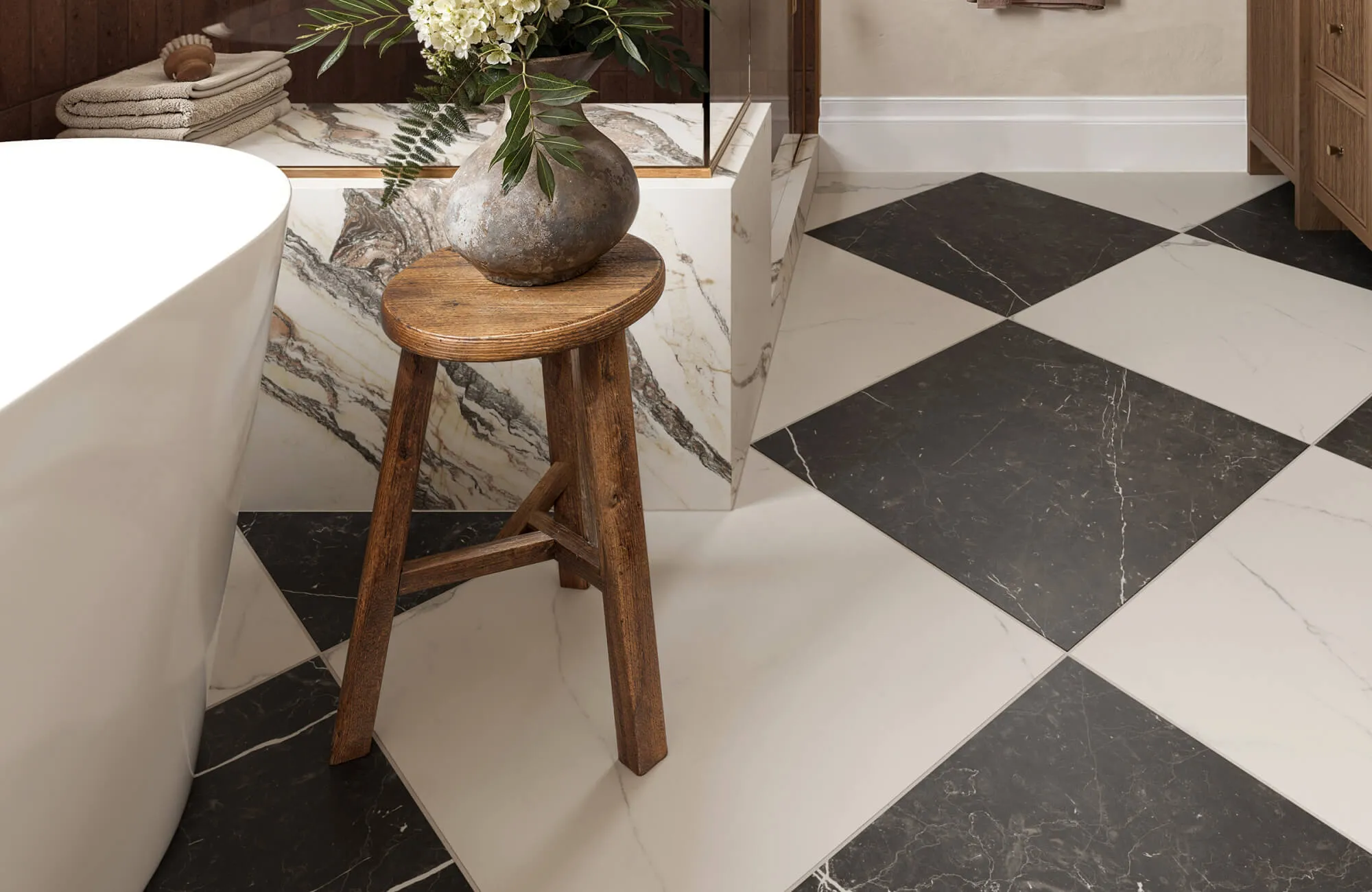
Timeless, elegant, and effortlessly refined, black and white tiles are once again captivating the world of interior design. The interplay between shadow and light creates a balance that feels both classic and contemporary, transforming everyday interiors into works of architectural art. Each surface, from polished marble to matte porcelain, becomes a canvas of contrast—expressing sophistication through simplicity and structure. This enduring color pairing transcends fleeting trends, offering a visual harmony that speaks to both modern minimalism and vintage grandeur. As craftsmanship meets innovation, black and white tiles redefine luxury through precision, balance, and timeless design integrity.
Historical Revival
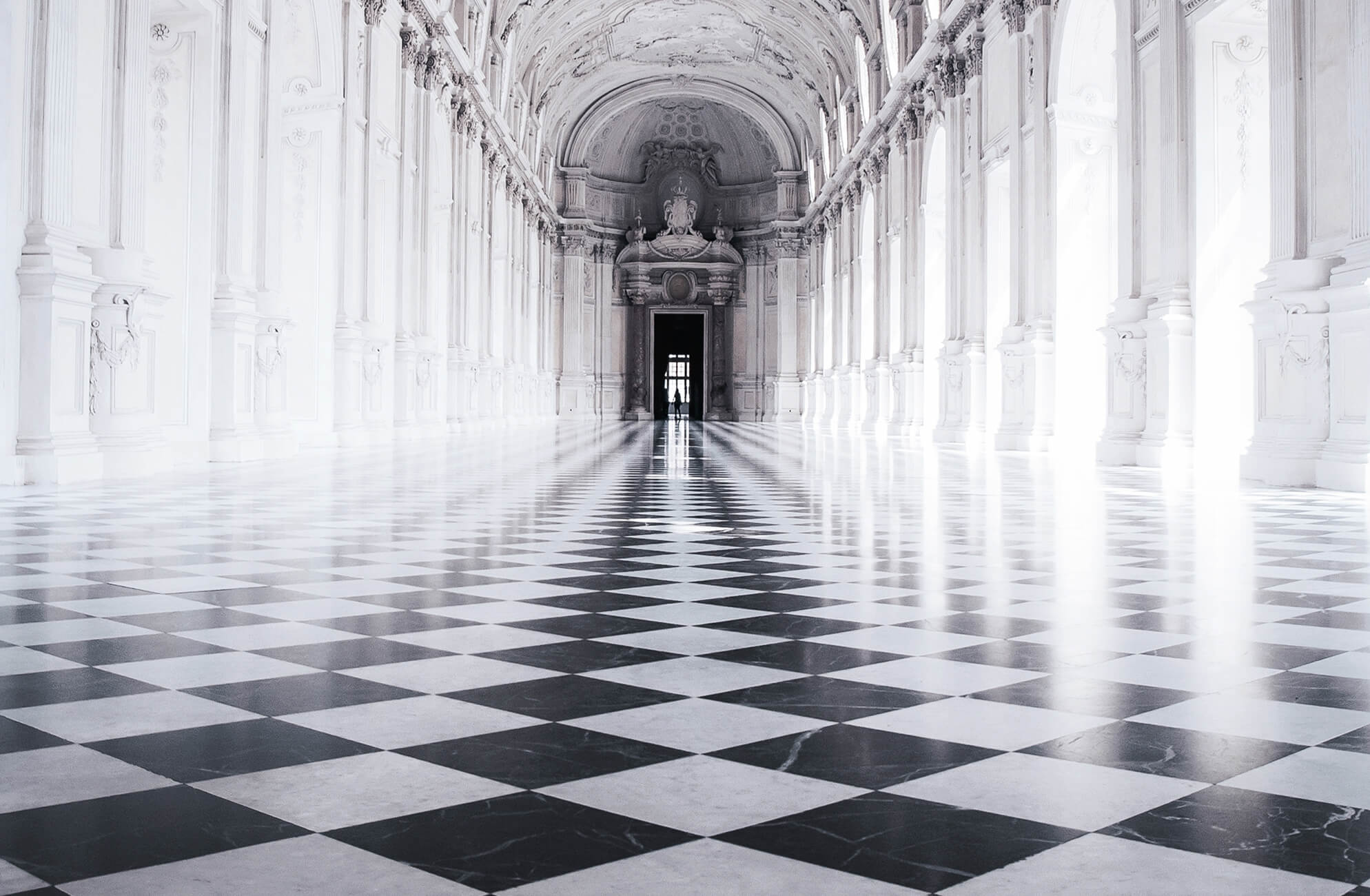
The renewed fascination with black and white tiles reflects a broader return to design authenticity, where historical patterns meet contemporary craftsmanship. By reinterpreting the geometric precision of past eras through modern materials, designers are preserving heritage while crafting interiors that feel fresh, functional, and timeless.
From Victorian Geometry to Art Deco Glamour
Victorian interiors introduced the first wave of patterned tile artistry, with hexagonal mosaics and octagonal forms setting a precedent for visual order. As styles evolved into the Art Deco period, these patterns grew bolder, embracing checkerboard layouts and basketweave arrangements that exuded symmetry and refinement. These historic foundations still guide modern design, now realized in rectified porcelain formats that deliver unmatched precision and ease of maintenance. Moreover, the shift from handcrafted ceramics to technologically refined porcelain retains classic charm while heightening practicality. Each new interpretation pays homage to the past while meeting the demands of contemporary living, ensuring that this design language continues to endure.
Modern Classicism and the Return to Craft
Today’s revival of craft-oriented design has reignited appreciation for tactile materials and human-centered detailing. Hand-glazed ceramics, once viewed as nostalgic, now embody authenticity and warmth that industrial production cannot replicate. Their subtle imperfections and layered glazes bring individuality to modern interiors, creating a balance between art and architecture. This renewed craftsmanship also transforms utilitarian surfaces into visual focal points that merge heritage and innovation. By pairing traditional artistry with contemporary precision, designers achieve a timeless equilibrium that feels intimate yet structured. The outcome is a design philosophy rooted in both character and endurance.
Visual Dynamics and Spatial Perception
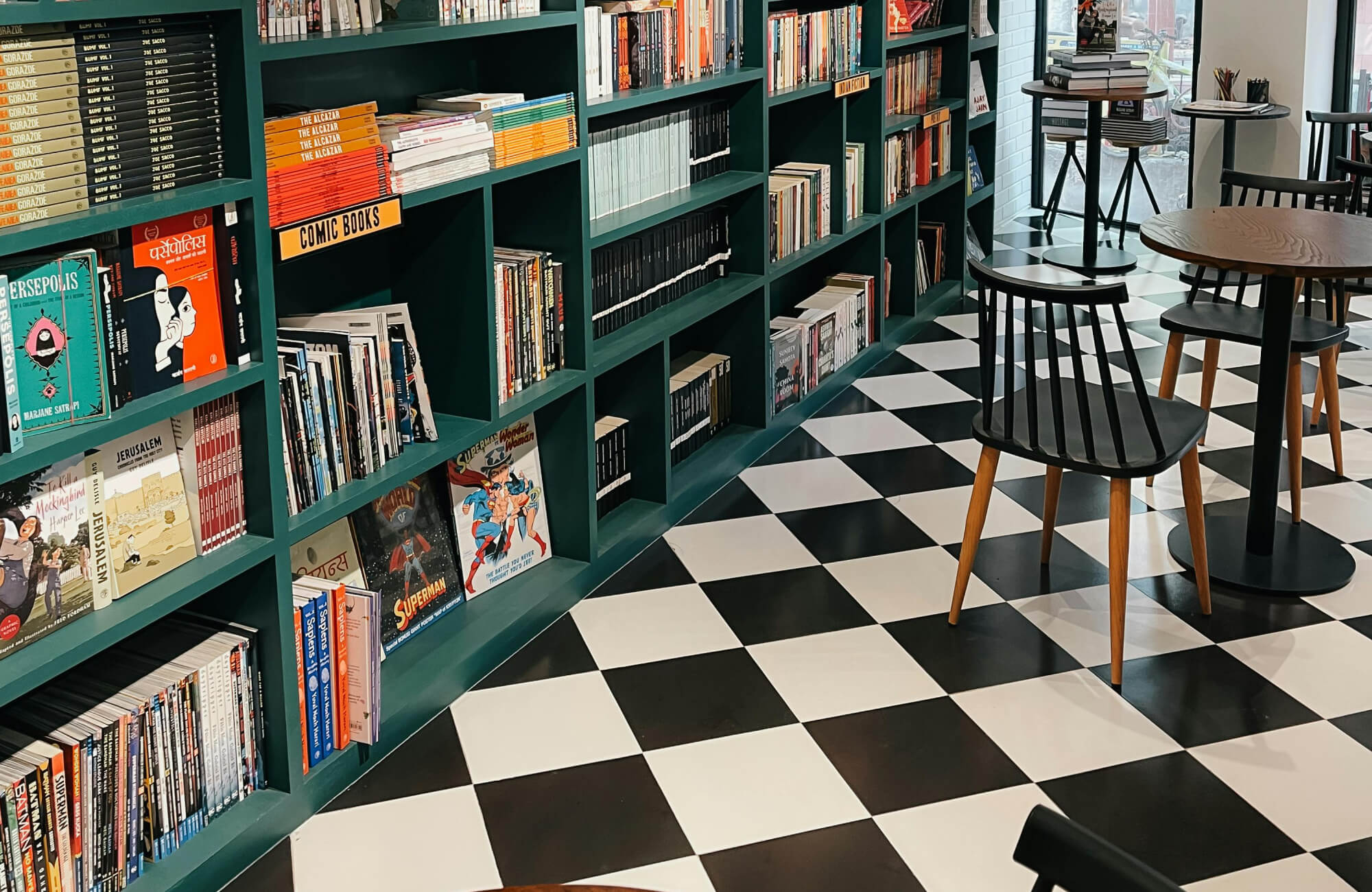
The interplay between black and white tiles does more than create visual contrast—it manipulates perception, balance, and flow within a space. Through thoughtful orientation and tonal interplay, designers are crafting environments that feel expansive, cohesive, and intuitively harmonious.
The Optical Power of Contrast
Contrast lies at the core of what makes monochrome design so visually compelling. High-reflectance white tiles amplify brightness and depth, while black tiles ground the space and emphasize architectural structure. When used together, they produce a visual rhythm that highlights spatial boundaries with elegant precision. Designers also often use this interplay to accentuate focal points such as feature walls, kitchen backsplashes, or flooring transitions. The calibration between light and dark not only shapes perception but also brings emotional clarity and dimension to an interior. The result is a sculpted, timeless aesthetic that feels both grounded and elevated.
Pattern Orientation and Spatial Flow
Beyond color, orientation and patterning shape how a space is experienced. For instance, diagonal checkerboards create dynamic movement, while vertical herringbone arrangements introduce graceful upward flow. These geometric decisions also help define function and direction through visual hierarchy rather than physical division. Coordinated grout tones and proportional layouts further enhance rhythm and continuity. Every angle and transition is intentional, guiding the eye naturally from one surface to the next. The effect is an environment that feels expansive, balanced, and architecturally fluid.
Material Innovation and Technological Advancements
The evolution of tile production has transformed black and white design into a sophisticated marriage of art and science. With advanced printing, composition, and surface technology, these tiles deliver exceptional realism, performance, and endurance.
High-Definition Surface Printing and Textural Realism
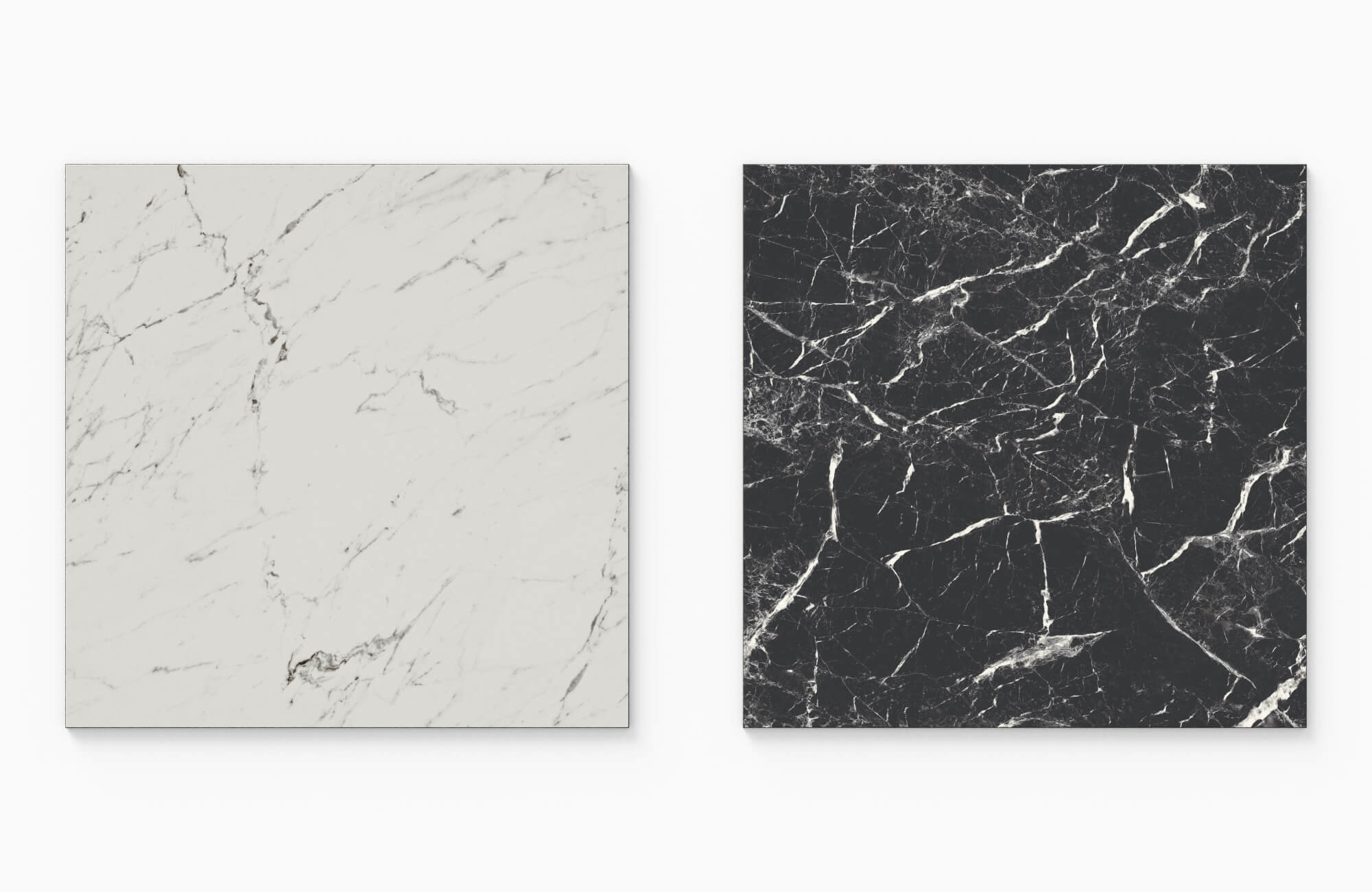
Digital inkjet printing has revolutionized tile aesthetics, reproducing the nuanced veining of marble and the organic textures of natural stone with stunning accuracy. These surfaces achieve luxury appeal while offering the practicality of porcelain—water-resistant, heat-tolerant, and low-maintenance. Designers can also choose from glossy reflective finishes to tactile matte coatings to set the tone of a space precisely. In addition, subtle micro-textures enhance slip resistance without sacrificing visual refinement. The convergence of artistry and engineering ensures longevity, transforming simple tile surfaces into enduring design statements.
A striking example of this artistry is Edward Martin’s Blair 24x24 Checkerboard Polished Porcelain Tile in White Carrara and Marmo Black, as displayed in the picture above. Its high-definition veining captures the depth and nuance of genuine marble, pairing luminous white Carrara tones with the bold sophistication of Marmo Black. This lifelike realism also exemplifies how modern printing technology can replicate nature’s complexity with remarkable precision, delivering the opulence of marble in a durable, low-maintenance porcelain form.
In modern interiors, this technology allows timeless black and white tile design to remain both functional and breathtaking.
Precision Engineering and Performance Enhancement
Technological refinement now defines tile performance. Rectified edges, in particular, allow for nearly seamless alignment, emphasizing spatial fluidity and visual continuity. Protective nanoseal coatings also reinforce tile surfaces, resisting bacteria, moisture, and daily wear. This fusion of precision and practicality ensures interiors remain beautiful and durable even in busy areas. Slip-resistant glazes and scratch-proof finishes add further functionality without compromising elegance. These advancements confirm that black and white tile designs can achieve both striking aesthetics and exceptional longevity.
Design Versatility Across Styles and Applications
Few design palettes offer the universal adaptability of black and white. Their balance of neutrality and contrast enables effortless integration into minimalist, transitional, or statement-making interiors.
Minimalist Modernism and Scandinavian Restraint
In minimalist interiors, the crisp precision of black and white brings serenity through structured simplicity. When matte black floors meet glossy white walls, they create a delicate balance of contrast and light diffusion that evokes Scandinavian calm. To soften this interplay, natural accents such as pale oak, brushed steel, and linen textures introduce warmth without disturbing the overall order. Through this restraint, the palette draws attention to craftsmanship, proportion, and texture as the essence of design. Each finish flows naturally into the next, establishing a quiet dialogue between light, material, and form. Together, these elements culminate in an aesthetic that is both tranquil and powerful—rooted in function, clarity, and timeless elegance.
Transitional Elegance and Maximalist Drama
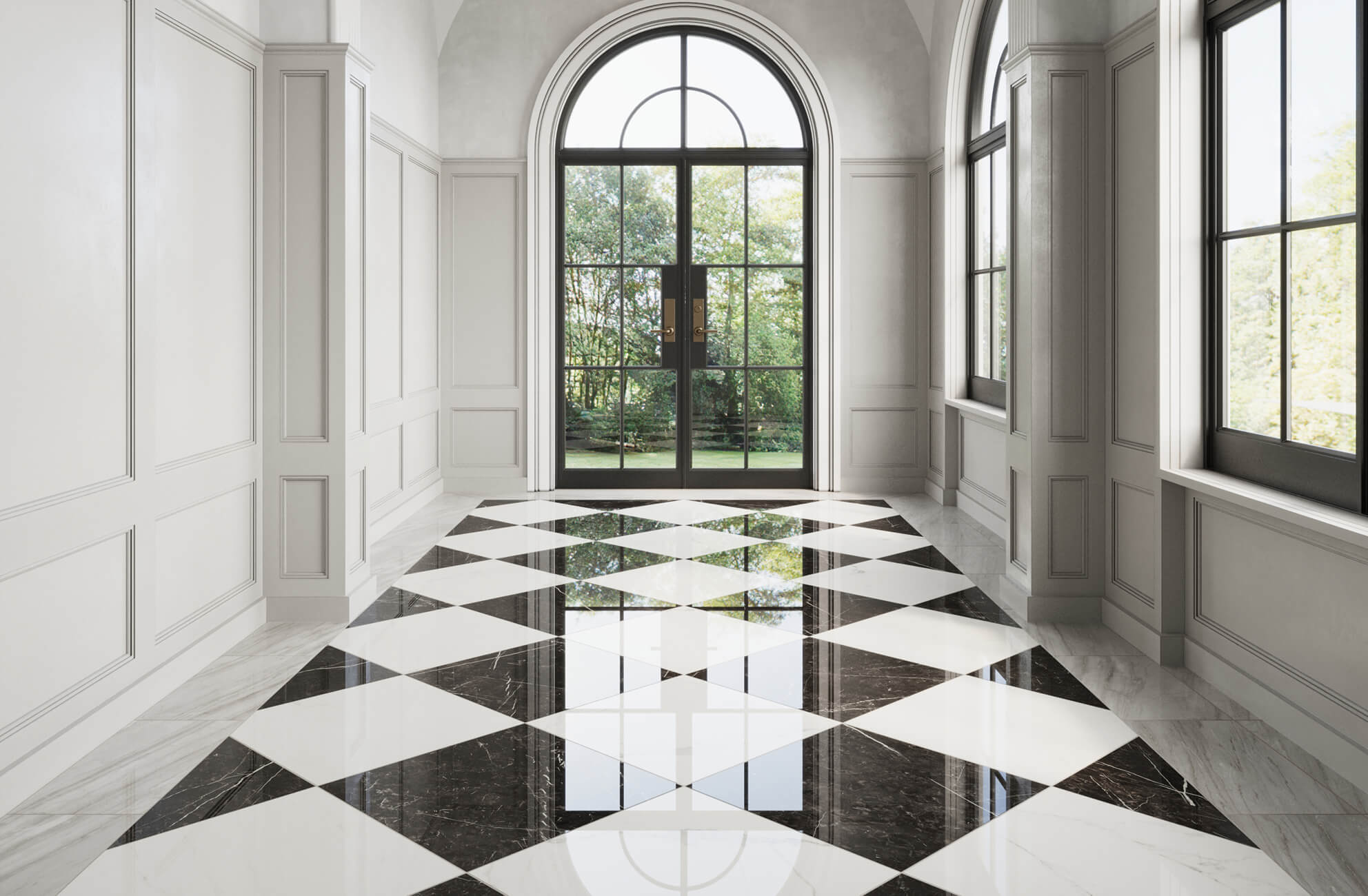
For those seeking a bolder expression, black and white tiles lend themselves effortlessly to dramatic, high-impact interiors. From checkerboard marble floors to geometric mosaics and metallic accents, these elements establish the foundation for luxurious contrast. When paired with reflective surfaces or sculptural lighting, the palette also deepens in dimension, creating a sense of theatrical movement. Through these layered compositions, tradition and innovation converge as modern geometry meets classic glamour. The result is a refined harmony where precision of form brings unity to even the most expressive details.
Such compositions transform simple interiors into sophisticated design statements full of rhythm, warmth, and timeless appeal. This aesthetic finds exquisite expression in Edward Martin’s Leona 24x24 Checkerboard Polished Porcelain Tile in Calacatta and Nero Marquina. Featured in a grand, light-filled entryway photo above, its polished surface mirrors the elegance of natural marble while amplifying the dramatic interplay of light and shadow. The result is a space that feels both stately and modern—where timeless geometry and luxurious finish converge to create a breathtaking sense of depth and sophistication.
Global Inspirations and Cultural Fusion
The universal language of black and white design draws inspiration from cultures across the world. Japanese minimalism. For instance, favors subdued contrasts that promote calm and contemplation, while Moroccan zellige tiles embrace complexity through handcrafted geometry. Meanwhile, European influences, from Parisian chic to Mediterranean luxury, showcase intricate inlays and marble finishes that have stood the test of time. Each global reference adds narrative depth and artistry to monochrome interiors. When fused with contemporary precision, these influences create culturally layered environments rich in personality. This global design dialogue ensures black and white tile design remains both universal and deeply individual.
To help you visualize these timeless patterns in real-world spaces, Edward Martin’s augmented reality (AR) tool offers an immersive way to explore design possibilities with precision and ease. With just a few taps, you can preview various tile layouts, finishes, and scales directly within your own environments, bridging imagination and implementation. This interactive experience brings each monochrome concept to life, revealing how light, texture, and geometry transform a space before any installation begins.
The Psychology of Monochrome Harmony
The enduring appeal of black and white design extends beyond visual beauty; it connects to the human desire for balance, clarity, and order. The harmony of opposites—light and shadow—creates emotional stability and timeless sophistication.
Emotional Resonance and Mood Regulation
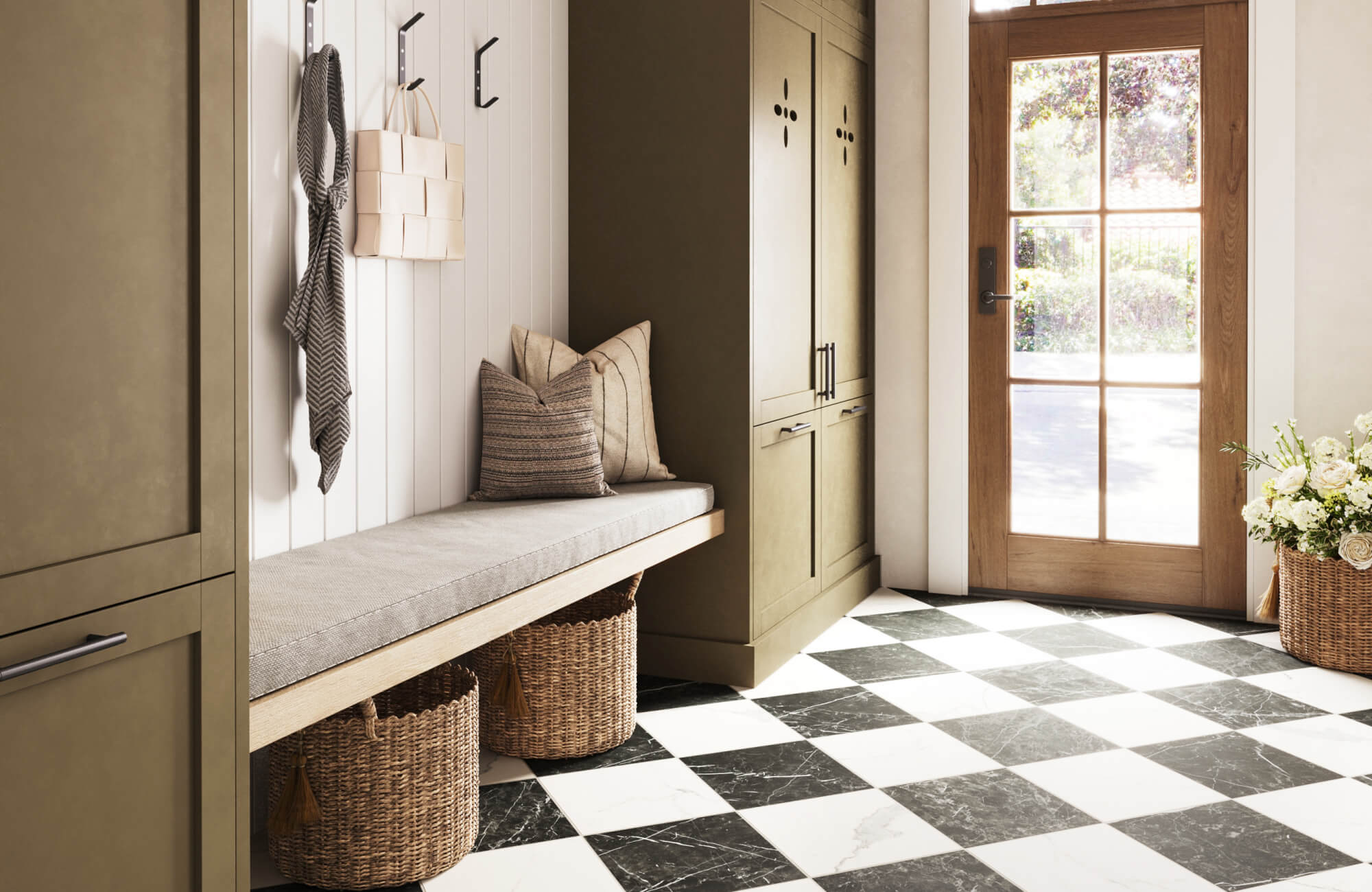
White embodies purity, renewal, and openness, while black conveys strength, focus, and grounding. When balanced, these tones create calm confidence and spatial equilibrium. This emotional duality also transforms interiors into havens of composure and introspection. By removing unnecessary visual noise, monochrome design allows the mind to rest, think, and breathe. The aesthetic’s simplicity encourages mindfulness and presence within one’s surroundings. In this way, black and white tile interiors transcend style—they become an experience of visual serenity and emotional clarity.
This sense of calm sophistication comes to life in our Leona 12x12 Checkerboard Matte Porcelain Tile in Calacatta and Nero Marquina. As displayed in the photo above, its soft matte finish and balanced contrast between warm white and deep black create an atmosphere of grounded tranquility. Paired with natural textures and gentle light, the design embodies emotional harmony, proving that monochrome interiors can feel both timeless and deeply comforting.
Sensory Minimalism and Cognitive Clarity
Monochrome interiors promote cognitive ease through visual rhythm and structural order, allowing the eye to rest while the mind finds balance. The repetition of pattern and tone then establishes a gentle flow that aligns with the brain’s natural preference for symmetry. Building on this sense of harmony, textural layering, such as matte porcelain set against polished stone, introduces tactile richness without overwhelming the senses. Through this careful contrast, simplicity gains depth, engaging both intellect and emotion to create a space that feels deliberately composed. In the end, this refined design language embodies timeless sophistication, fostering focus, calm, and equilibrium within black-and-white tile interiors.
Sustainability, Durability, and Long-Term Value
The return of black and white tile design aligns seamlessly with sustainable and future-focused architecture. Its enduring style and durable materials make it as environmentally sound as it is visually refined.
Eco-Conscious Production and Material Efficiency
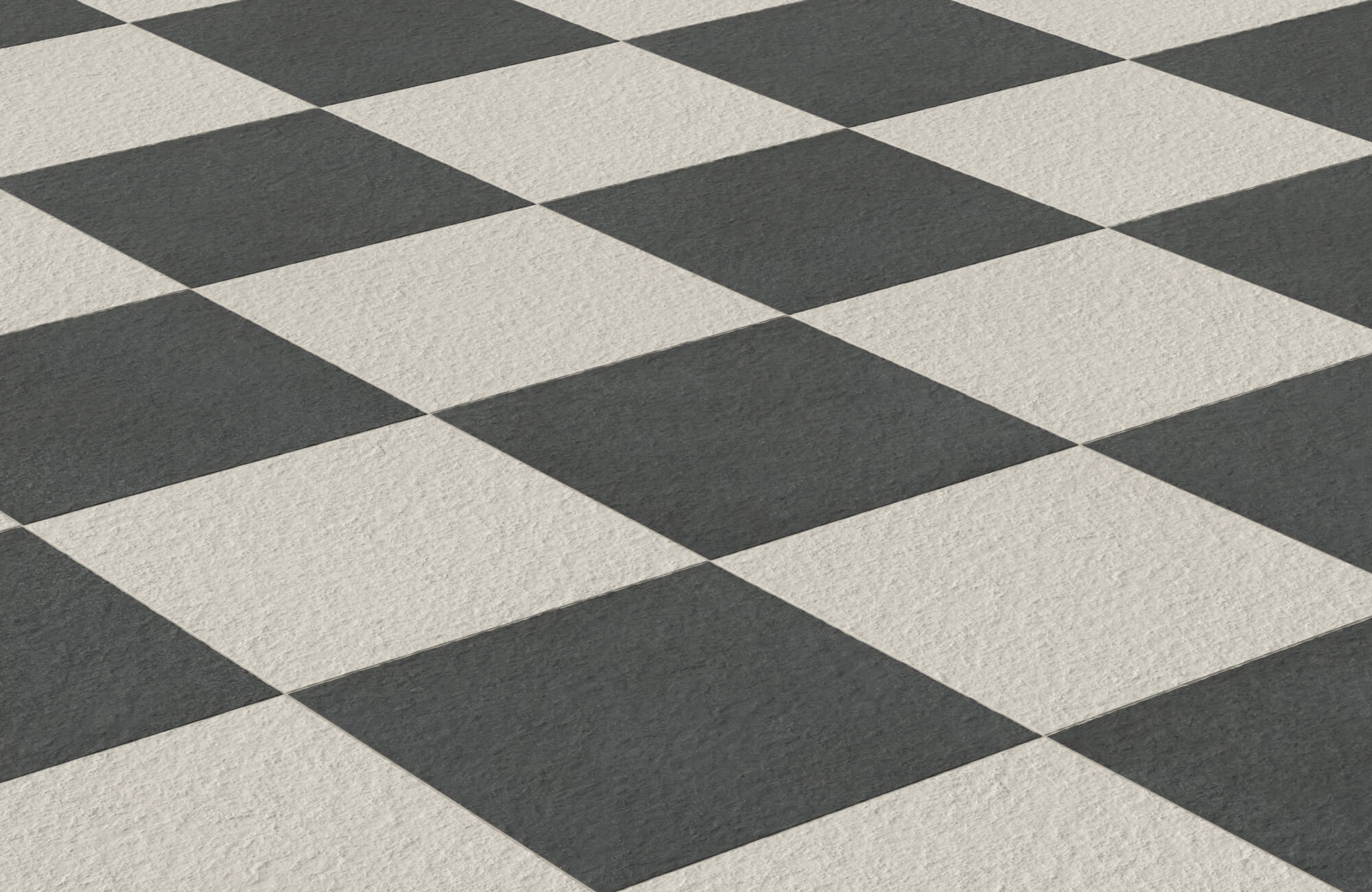
Modern manufacturing has embraced eco-friendly methods without compromising design excellence. Recycled clay, water recovery systems, and low-emission kilns now define sustainable tile production. Neutral colorways also reduce the need for frequent remodels, ensuring designs remain relevant for decades. In addition, non-toxic, low-VOC glazes further improve indoor air quality and occupant well-being. Each tile thus represents both artistic permanence and environmental stewardship. This balance between ecology and design makes black and white tile design a model of responsible sophistication.
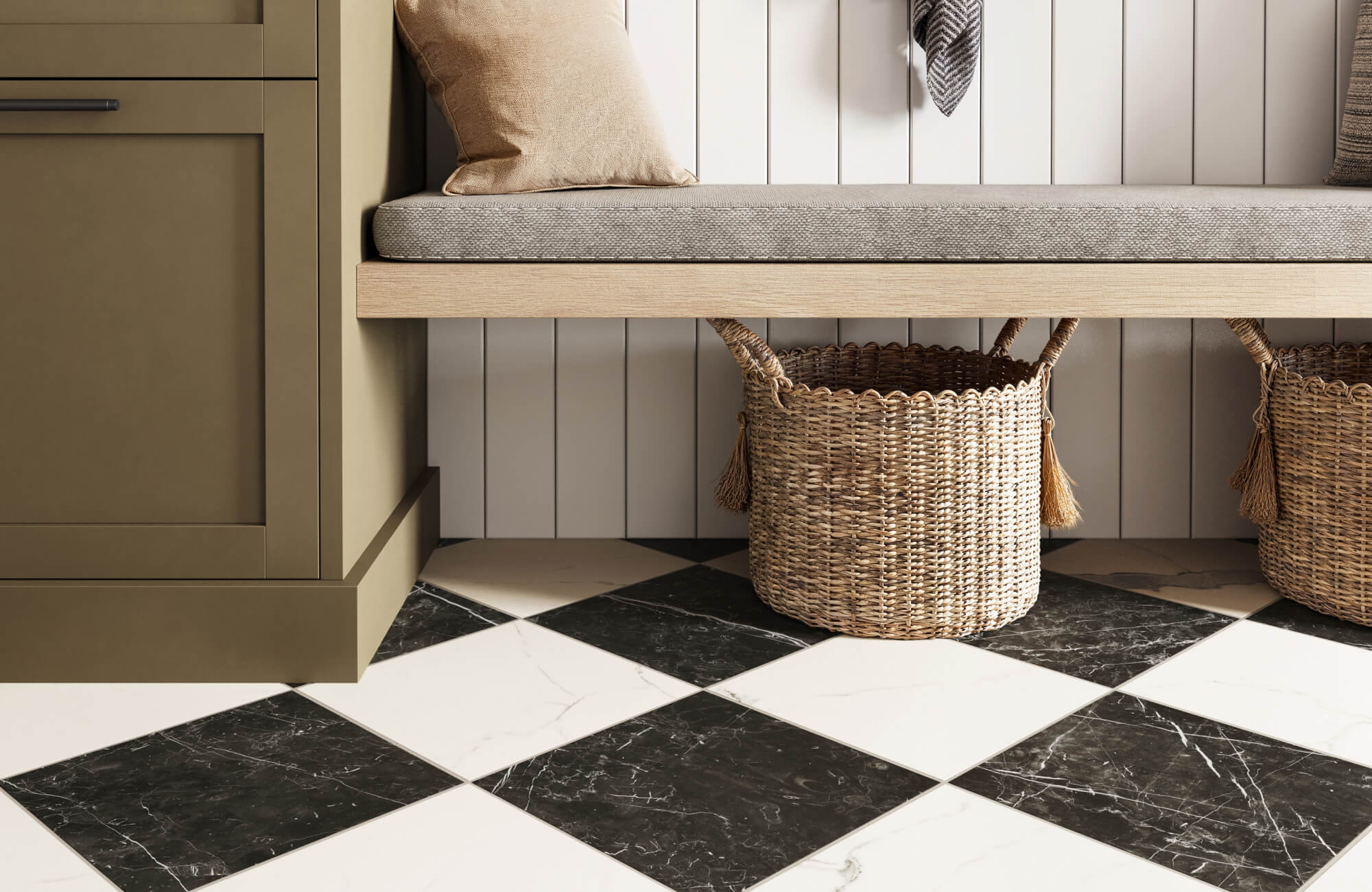
A testament to this commitment, as featured in the photo above, is the Palmer 12x12 Checkerboard Raw Porcelain Tile in White and Nero, crafted with 95% locally sourced materials and up to 45% recycled content. Its unpolished surface celebrates raw authenticity, reducing processing while preserving tactile beauty. By pairing refined design with responsible production, it embodies how sustainability and craftsmanship can coexist in perfect balance—ensuring timeless style with minimal environmental impact.
Lifecycle Performance and Maintenance Longevity
Porcelain’s high-density structure provides exceptional resistance to moisture, wear, and temperature changes, forming the foundation of its remarkable durability. Because of this inherent strength, it offers a long service life with minimal maintenance, making it both cost-efficient and environmentally responsible. Its non-porous surface further prevents bacterial growth, ensuring lasting hygiene and reliability in any setting. Moreover, easy, chemical-free cleaning helps preserve its natural luster while minimizing environmental impact over time. Together, these qualities explain the growing preference for black and white tiles as both practical and enduring design choices. With longevity and style seamlessly intertwined, they embody a sustainable vision for modern living.
Market Influence and Real Estate Appeal
Black and white tile interiors are not only design-forward but also economically advantageous. Their universal appeal and timeless quality continue to enhance property value across markets and demographics.
Visual Marketability in Digital Listings
High-contrast interiors photograph beautifully, translating their sophistication directly to digital audiences. For instance, crisp whites expand perceived dimensions, while deep blacks add definition and allure. The result is imagery that conveys elegance, cleanliness, and architectural precision—key elements in visual marketing. These interiors also resonate with both classic and modern tastes, making them universally desirable. Their photographic clarity reinforces a sense of order and luxury, capturing attention instantly. In a competitive real estate market, such imagery creates immediate impact and emotional connection.
Resale Value and Broad Demographic Appeal
Timeless design never loses relevance, and black-and-white tiles perfectly embody that principle. Their adaptability bridges stylistic generations, appealing equally to traditionalists, modernists, and those who favor transitional spaces. This versatility also reduces the need for frequent renovations, preserving both aesthetic consistency and long-term value. Moreover, buyers increasingly recognize the practical and visual strength of monochrome interiors as hallmarks of quality and sophistication. Because of their neutrality, these designs welcome personalization while maintaining a cohesive visual identity. In the end, black-and-white spaces stand as both beautiful expressions of style and enduring investments in lasting design.
The Everlasting Elegance of Black and White Tiles
Black and white tile design endures because it embodies the perfect synthesis of beauty, balance, and longevity. Its refined geometry and timeless palette establish interiors that feel grounded, serene, and architecturally complete. Innovations in surface technology have also elevated it from classic to cutting-edge, ensuring that its elegance is matched by performance. Beyond aesthetics, it nurtures calm, focus, and clarity—qualities increasingly valued in modern living. Its adaptability allows it to evolve gracefully across styles, cultures, and eras without losing relevance. Ultimately, black and white tiles stand as a masterpiece of enduring sophistication, proving that true design integrity never fades; it simply evolves.
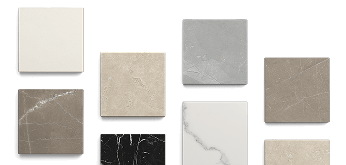
For those inspired to bring this timeless aesthetic into their own spaces, Edward Martin invites you to request tile samples and experience the craftsmanship, texture, and finish firsthand. This simple step transforms inspiration into reality, helping you visualize how each design harmonizes with your unique interior vision!
Follow us on Instagram
@EDWARD.MARTIN
)
)
)
)
)
)
)
)
)
)
)
)
)
)
)
)