
)
)
)
)
)
)
)
)
Which Rugs Are Non-Toxic?
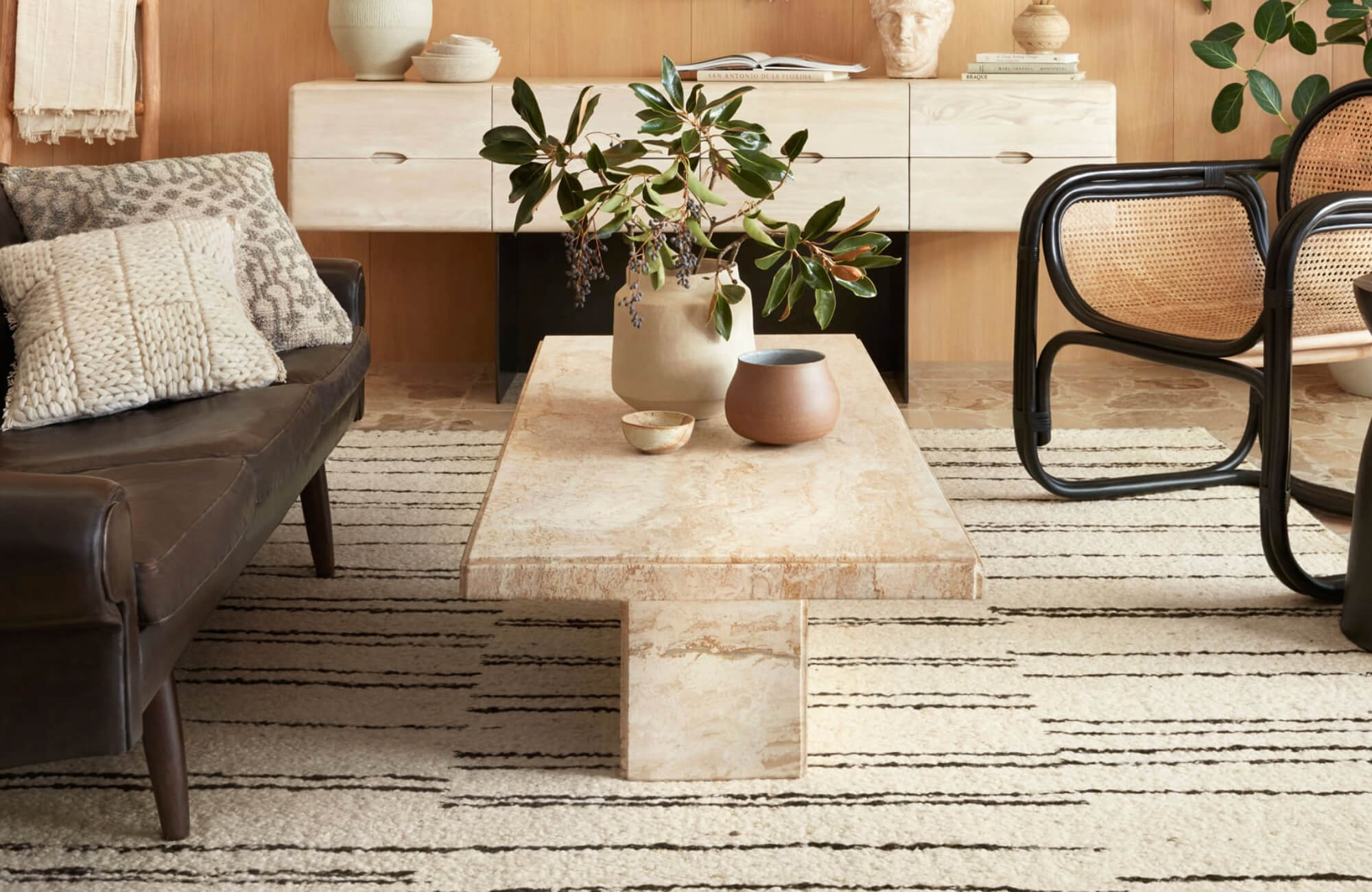
Not every rug is as harmless as it looks. Beneath the surface, many rugs contain synthetic dyes, chemical-laced backings, or treatments that can release toxins into your home. For those trying to create a safer, healthier space, especially in bedrooms, nurseries, or pet areas, knowing what to look for matters. The good news? Non-toxic rugs are out there, and they’re not limited to one style or price point. In this article, we’ll explore which materials are safest, where toxins typically hide, and how to shop smarter so you can feel confident about what’s underfoot.
What Makes a Rug Non-Toxic?
Not all rugs are created equal when it comes to indoor air quality and material safety. A non-toxic rug is one that’s made without harmful chemicals, synthetic glues, or heavy treatments, and is certified by third-party organizations that test for emissions and fiber content.
Key Materials to Look For
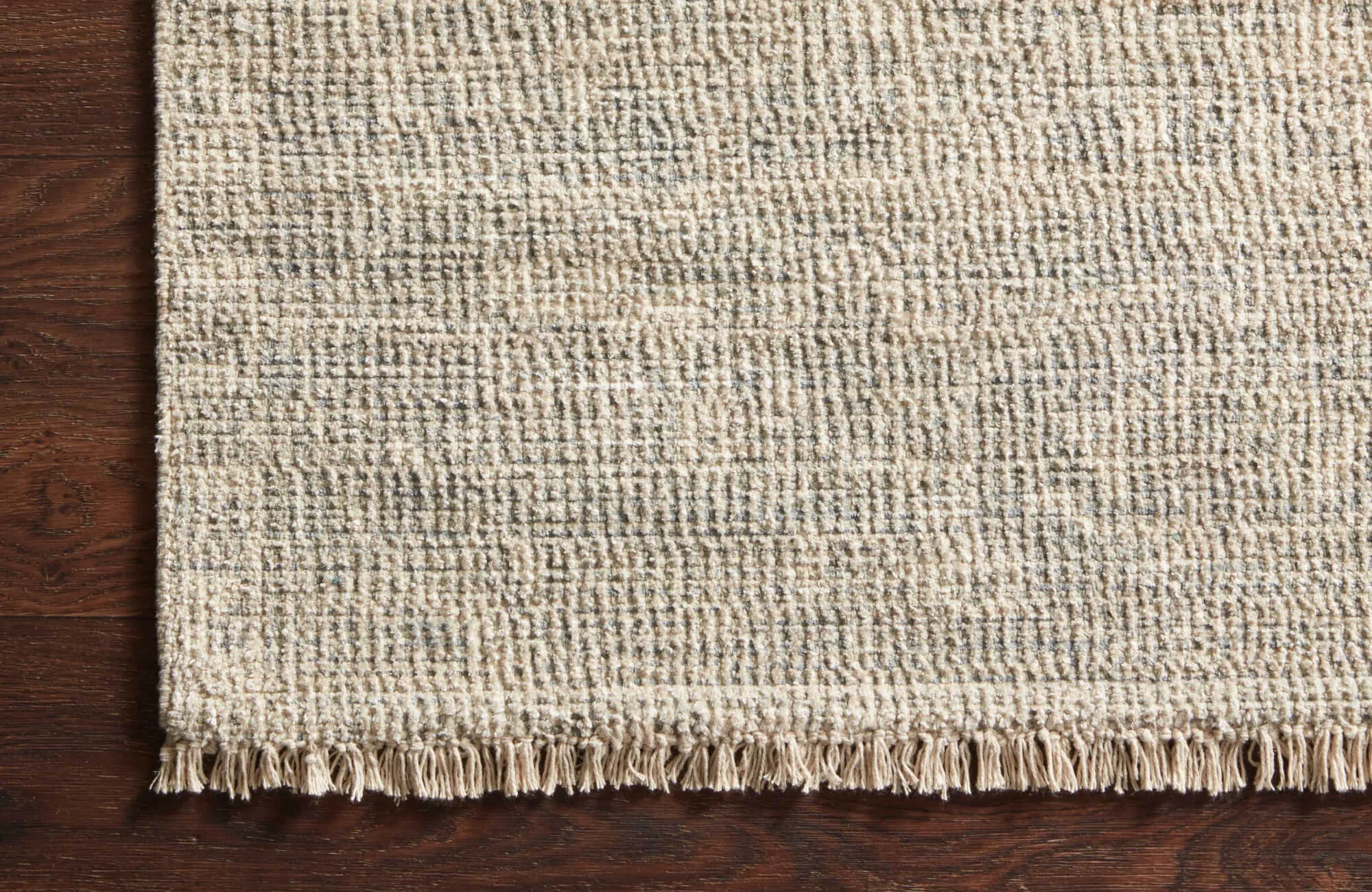
Natural fibers like wool, jute, and cotton are often the safest bets for non-toxic rugs. These materials are renewable, biodegradable, and typically processed with fewer chemicals than synthetic alternatives. Wool, such as our Bowie Wool Blend Rug in Sand / Graphite above in particular, naturally resists staining and doesn’t require heavy chemical treatments. Undyed or plant-dyed options further reduce potential exposure to harmful substances.
VOCs, Glues, and Synthetic Backings
Many mass-produced rugs are assembled with glues or backings that emit VOCs (volatile organic compounds), which can pollute indoor air and cause irritation or long-term health effects. Synthetic latex, PVC, and adhesives are common culprits, especially in budget or machine-made options. These substances can release off-gas fumes for weeks or even months after installation. Rugs labeled “low-VOC” or “VOC-free” offer a safer option, particularly in nurseries or bedrooms. Choosing sewn or woven rugs instead of glued constructions also helps reduce off-gassing risk.
Certifications That Actually Matter
Look for trusted third-party certifications when shopping for a truly non-toxic rug. GOTS (Global Organic Textile Standard) ensures organic fiber content and restricts toxic dyes or finishes. OEKO-TEX® Standard 100 tests for harmful substances, including VOCs, phthalates, and formaldehyde. Greenguard Gold certifies that a product meets strict chemical emissions limits, making it a strong choice for households concerned about indoor air quality. These labels help cut through the noise of vague “eco-friendly” marketing and verify real safety standards.
Best Types of Non-Toxic Rugs by Material
When choosing a rug for health and safety, the material matters just as much as the manufacturing process. Natural fibers like wool, cotton, and jute are generally safer, but not all are created equal, especially when treatments, dyes, or synthetic backings enter the picture.
Wool Rugs
Untreated wool is one of the most durable and naturally non-toxic rug options available. It resists stains, repels moisture, and even deters dust mites without the need for harsh chemical treatments. Its dense fiber structure also makes it flame-resistant by nature, which eliminates the need for synthetic fire retardants. Look for hand-woven or hand-tufted wool rugs without added stain guards, mothproofing sprays, or synthetic glues. These can introduce unwanted VOCs or allergens, even if the fiber itself is safe.
Still, not all wool rugs are automatically non-toxic. Some are blended with synthetic fibers or feature backings that rely on latex or adhesives. Additionally, wool that’s been heavily dyed or chemically washed can off-gas or irritate sensitive individuals. If you want to stay on the safe side, choose rugs labeled as undyed or plant-dyed, and ask brands whether the wool is certified by OEKO-TEX® or other third-party bodies. Transparency is key to knowing when wool is truly the safest choice.
Cotton Rugs
Cotton rugs, especially those made with GOTS-certified organic cotton, offer a breathable, lightweight, and chemical-free alternative for households that want softness without synthetic additives. Organic cotton is grown without pesticides and processed without harmful bleaches or dyes, making it a reliable choice for nurseries, bedrooms, or sensitive spaces. These rugs are typically easier to wash, and they don’t trap dust or allergens as easily as heavier weaves. Flat-woven cotton options, like kilims, are also often stitched instead of glued, which cuts down on exposure to VOCs. If softness and simplicity are your priority, cotton checks a lot of boxes.
Still, regular (non-organic) cotton can be heavily processed with chemical bleaches, softeners, or synthetic dyes. Many machine-made cotton rugs also come with synthetic backing or glue that introduces toxins, undermining the fiber’s natural appeal. To ensure you’re getting the cleanest option, verify whether the cotton is organic and what finishing processes were used. Also, watch out for mass-produced rugs that tout “natural cotton” but lack transparency about production. Labels like GOTS or OEKO-TEX® help confirm that what feels safe actually is.
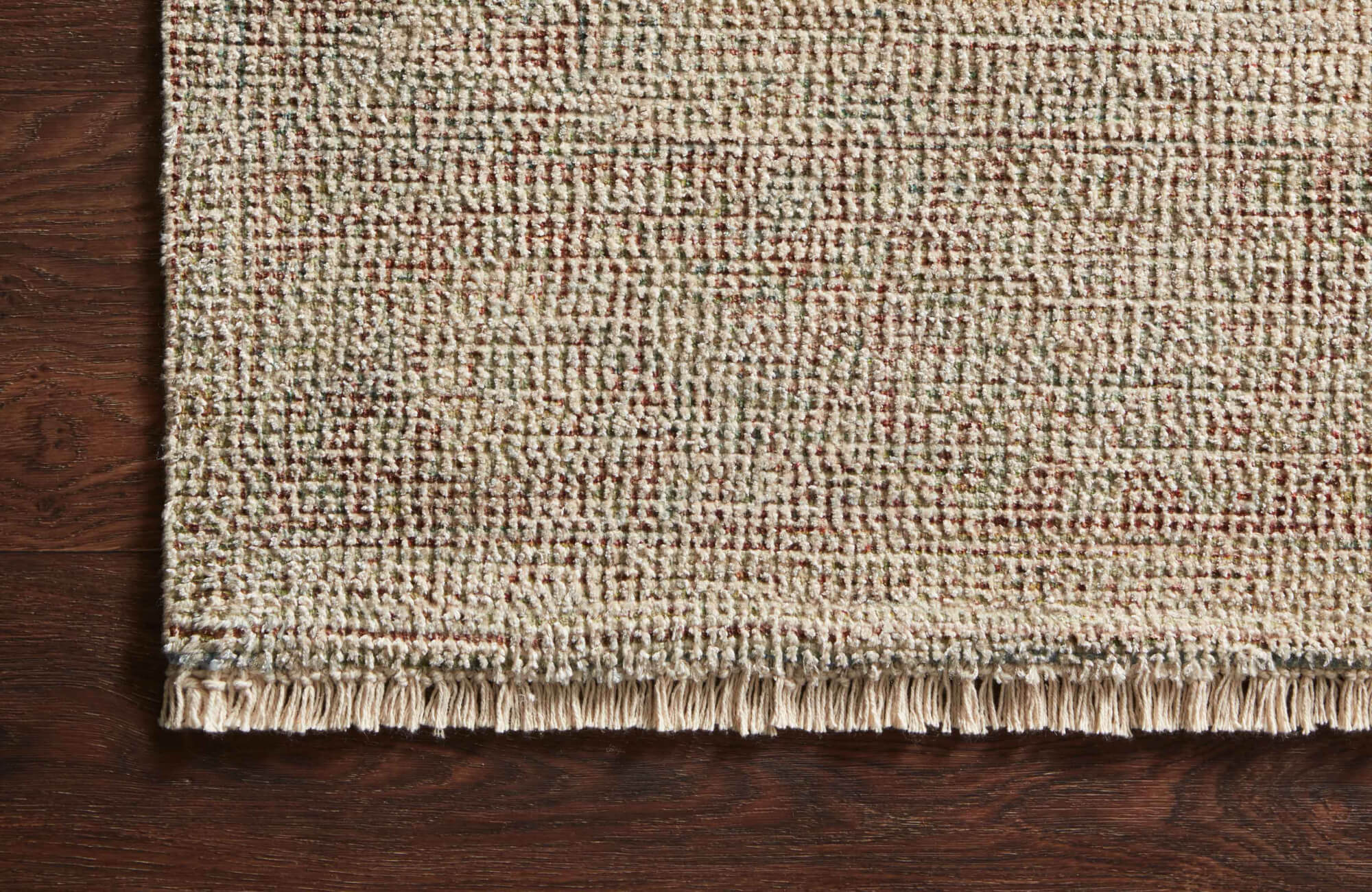
If you're looking for something that blends softness with a clean material profile, cotton blends can be a great alternative. Our Marcela Cotton Blend Rug in Sage / Sand above is hand-woven in India using a mix of cotton, wool, rayon, and polyester for added texture and comfort. While it’s not 100% organic, it offers a thoughtful balance between feel, function, and design. It’s a smart pick for those who want an approachable style without going fully synthetic.
Jute, Sisal, and Other Plant-Based Fibers
Jute, sisal, and similar natural fibers are an excellent non-toxic option if you're after an earthy texture and environmental sustainability. These materials are fast-growing and biodegradable, making them both renewable and low-impact. When left undyed and untreated, jute and sisal produce a warm, rustic feel without introducing off-gassing chemicals. They’re often woven without glues or synthetic padding, especially in hand-braided or flat-weave styles. Plus, they work well in spaces like entryways or living rooms where durability matters more than softness.
That said, plant-based rugs can still come with caveats. Some commercial jute and sisal rugs include synthetic latex backing or are treated with stain repellents, which offsets their eco-friendly value. These fibers also tend to absorb moisture easily, which means mold or mildew can become an issue in damp areas if not properly cared for. To stay on the safe side, opt for rugs labeled as untreated and unbacked, or pair them with a natural rubber rug pad for added safety. If you’re looking for a plastic-free, VOC-free option with tactile charm, this category delivers; just be sure to check the fine print.
Recycled & Upcycled Rugs
Recycled and upcycled rugs can be a sustainable way to reduce waste while adding unique style to your space, especially when they’re made from safe, post-consumer textiles or PET fibers from plastic bottles. Many of these rugs are surprisingly durable and UV-resistant, making them great for indoor-outdoor areas. When processed without harsh chemicals, they offer a non-toxic alternative that blends eco-awareness with everyday function. Flat-woven recycled rugs also tend to avoid glue-based construction, making them easier on indoor air quality. For budget-conscious buyers who want sustainability without compromising health, this category can work well.
However, not all recycled rugs are inherently non-toxic. Some contain unknown fiber blends or are produced overseas without regulation on dye or adhesive safety. Rugs made from reclaimed synthetic textiles may still carry chemical residues or microplastics. It’s best to look for rugs that specify their recycling process and hold certifications like OEKO-TEX® or GRS (Global Recycled Standard). Recycled doesn’t always mean clean, but when done right, it’s a strong contender for both health and the planet.
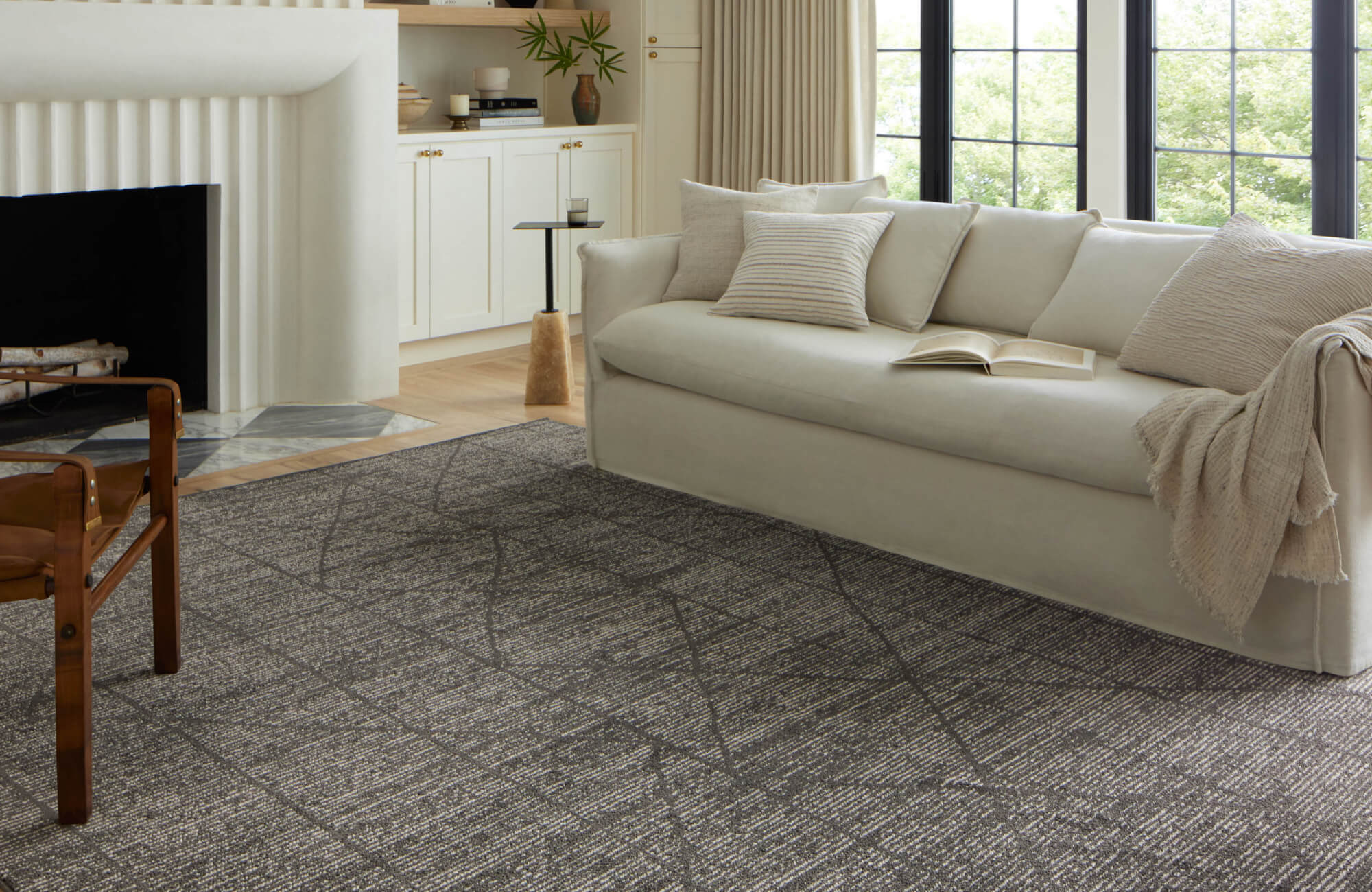
Where Do Toxins Commonly Lurk in Rugs?
Even when the rug fiber is safe, hidden toxins can still make their way into your home through backings, treatments, and finishes. Many rugs contain adhesives or coatings that release VOCs over time, especially in enclosed spaces. Below are some of the most common sources of unwanted chemicals in rugs and what to look out for.
Synthetic Rubber or Latex Backings
Many rugs use synthetic latex or rubber backings to keep them in place, but these often contain VOCs (volatile organic compounds) and phthalates that can off-gas into your home. These emissions can contribute to indoor air pollution, especially in tightly sealed rooms or newly furnished spaces. Cheaper rugs are more likely to rely on petroleum-based compounds for their backings, making them riskier for sensitive individuals. Natural latex can be a safer alternative, but it’s not always clearly labeled. When shopping, check for transparency in the backing materials or opt for rugs without adhesives altogether.
Dyes and Stain Treatments
Vibrant colors and stain resistance might sound appealing, but they often come at a cost. Some synthetic dyes, like AZO dyes, can release harmful amines, while stain treatments may include PFAS, also known as “forever chemicals.” These substances don’t easily break down and have been linked to environmental and health concerns. Even trace amounts can be absorbed through skin or released into the air over time. Look for rugs that use natural or plant-based dyes and clearly state they’re free from PFAS or harmful stain guards.
Flame Retardants and Pesticides
While flame retardants are sometimes added to meet fire safety standards, they can contain chemicals linked to hormone disruption and respiratory issues. Rugs made from wool naturally resist fire and usually don’t need these additives, unlike many synthetic versions. Pesticides can also show up in non-organic natural fiber rugs, especially cotton or wool, if not responsibly sourced. These treatments might not be visible, but they linger in the materials. To avoid them, choose rugs that are certified organic or explicitly marked free of added retardants.
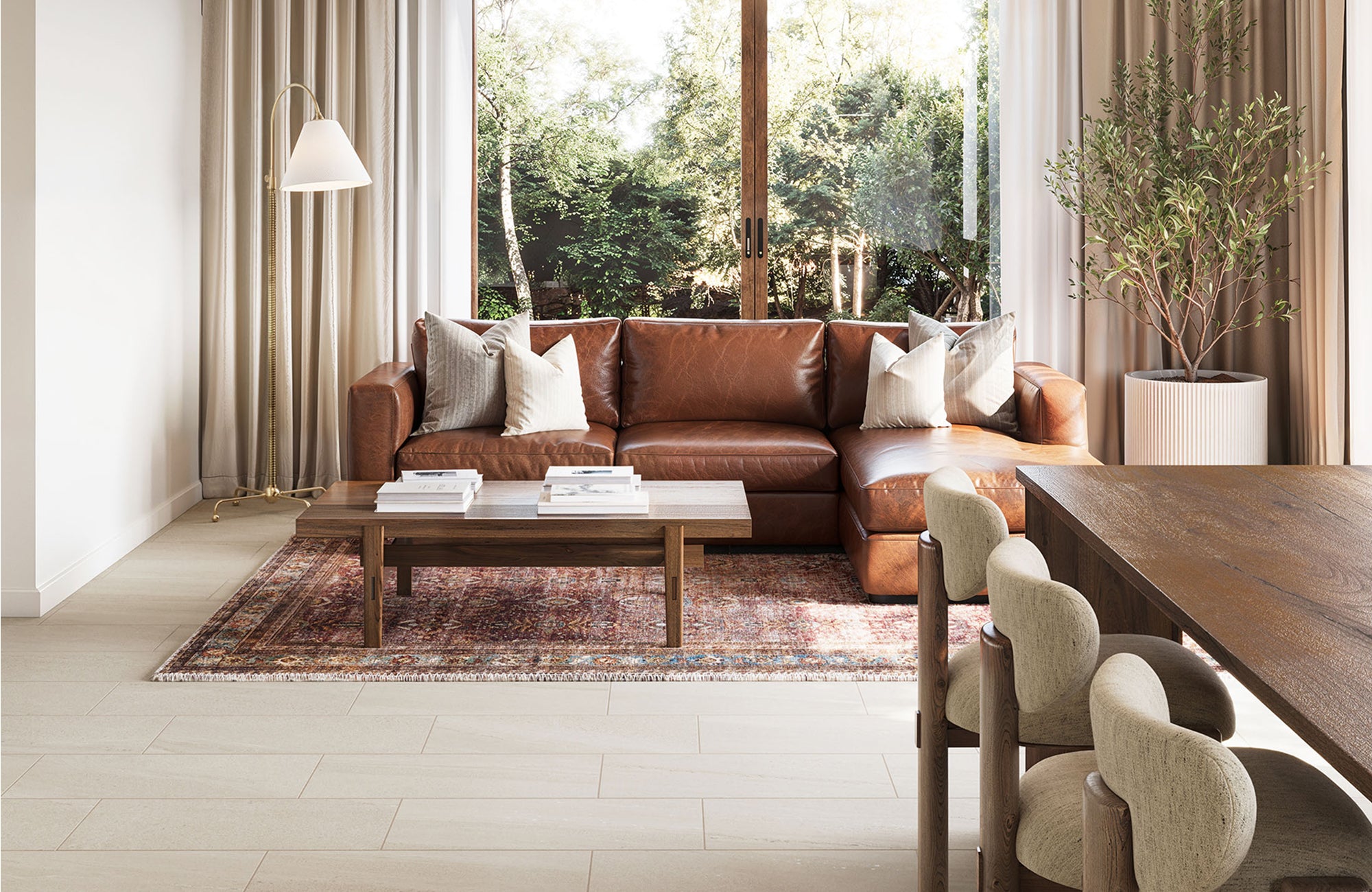
Best Non-Toxic Rug Brands to Explore
With so many labels claiming to be “natural” or “eco-friendly,” it’s important to look past the marketing. The best non-toxic rug brands back their promises with certifications, transparent sourcing, and clear ingredient lists.
Brands With Certified Materials
Some of the most trustworthy rug brands lead with third-party certifications like GOTS, OEKO-TEX, or Greenguard. These labels prove that their materials and manufacturing methods meet strict safety and environmental standards. From wool and cotton to backing adhesives, every part of the rug is tested for harmful substances. Companies with certifications on product pages make it easier for shoppers to make informed decisions. When transparency is part of the brand’s foundation, it’s a good sign you're avoiding hidden toxins.
These companies often go beyond the bare minimum. Many invest in responsible farming, natural dyes, and ethical labor practices. That means you're not just getting a safe rug, you’re supporting a supply chain that values sustainability at every level. Some even offer detailed documentation of testing results or partnerships with organic cooperatives. This level of accountability helps reduce the risk of greenwashing and gives more weight to claims of being “non-toxic.”
Small Makers and Artisan Rugs
Handwoven rugs from artisan weavers often use age-old techniques that skip synthetic chemicals entirely. These rugs are commonly made with wool, jute, or cotton, dyed with natural pigments, and finished without chemical treatments. Smaller workshops may not always have third-party certifications, but many provide detailed information about their process and materials. Look for brands or marketplaces that connect directly with artisans and emphasize traceability. In many cases, these rugs are safer not because of labels but because of the integrity of traditional craftsmanship.
What also sets these makers apart is their minimal processing and close-knit sourcing. Rugs are often made start-to-finish in one region, reducing exposure to unknown additives or mass production shortcuts. You’ll also find more one-of-a-kind pieces, which add warmth and story to your space. Supporting artisan weavers helps preserve low-impact production methods and keeps traditional techniques alive. Just be sure to confirm the absence of synthetic backings or finishes if safety is your top priority.
Direct-to-Consumer Eco-Friendly Companies
Newer DTC brands are rethinking rug design from the ground up, combining non-toxic materials with sleek, modern aesthetics. Companies like Ruggable, Armadillo, or The Citizenry focus on low-VOC materials, natural dyes, and biodegradable packaging. These brands often offer full transparency about their materials and manufacturing, sometimes even down to the farms where the wool was sourced. Many are also GOTS or OEKO-TEX certified and highlight their carbon offsets or fair-trade partnerships. If you're looking for a safer rug that still feels design-forward, these brands hit that balance well.
Their direct-to-consumer model also allows for better quality control and fewer middlemen. Since they oversee everything from design to delivery, there’s a higher chance of consistency and lower risk of harmful additives slipping in. These companies also tend to be more responsive to consumer concerns about chemicals, often publishing FAQs or ingredient disclosures online. That clarity, paired with real sustainability practices, makes DTC brands a reliable option for modern shoppers who care about both health and style.
p>
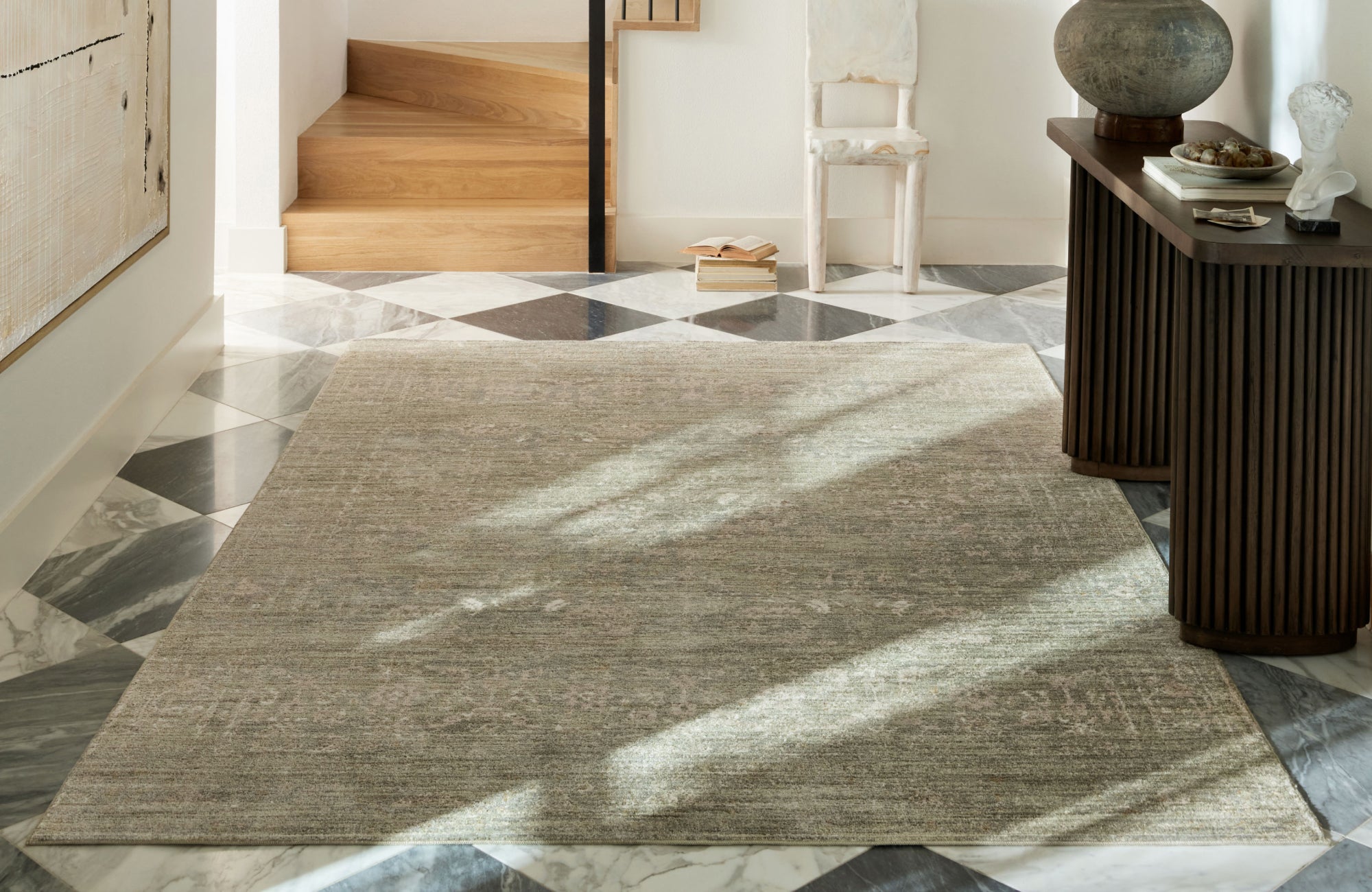
Are Synthetic Rugs Ever a Safe Option?
While natural rugs get most of the spotlight in low-tox living, not every synthetic option is a red flag. Some newer materials are designed with low VOC emissions, fewer harsh chemicals, and even recycled content that reduces environmental impact. The key is knowing which synthetics are made with safety in mind and which ones cut corners.
Recycled PET Rugs and Their Pros
Recycled PET (polyethylene terephthalate) rugs are made from post-consumer plastic bottles and offer an eco-friendlier alternative to traditional synthetics. These rugs are often soft underfoot, easy to clean, and resistant to stains and mildew, making them a practical choice for busy homes. They’re also known to off-gas less than petroleum-based options, especially when produced without added chemical treatments. While they’re not biodegradable, many are crafted with environmental transparency and safety in mind. For those who want durability without the harsh chemical tradeoff, PET rugs can strike a solid balance.
Low-VOC Synthetic Options
Some modern synthetic rugs are explicitly manufactured to meet low-VOC standards, reducing the risk of indoor air pollution. Brands may use water-based adhesives, avoid chemical flame retardants, and follow third-party emission testing to meet safety thresholds. These rugs can be especially useful in areas that require moisture resistance or heavy use, like basements or entryways. As with any rug, checking for certifications like Greenguard or OEKO-TEX helps confirm these claims. While they’re not perfect, low-VOC synthetics are far safer than legacy options that relied on phthalates or formaldehyde-based treatments.
When Synthetic Might Be the Smarter Pick
In certain rooms like playrooms, kitchens, or outdoor areas, synthetic rugs, like our McGowan Polyester & Polypropylene Pile Rug in Moss / Sand above, offer practical benefits that natural options may not. They’re often more stain-resistant, easier to hose down or machine wash, and better at handling moisture and dirt. For homes with pets or allergies, a tightly woven synthetic rug can also limit dander and dust buildup. If you choose a version without chemical-laden backings or finishes, it can be a safer, longer-lasting option. The goal isn’t to avoid synthetics entirely—it’s to choose them smartly.
Do Non-Toxic Rugs Cost More?
Non-toxic rugs often come with a higher upfront price due to the use of natural fibers, safer dyes, and certified production processes. Materials like GOTS-certified cotton, untreated wool, or handmade artisan construction all add to the cost. However, this price often reflects better durability, ethical sourcing, and long-term value. You're paying not just for a rug, but for peace of mind in terms of health and environmental impact.
That said, there are still affordable non-toxic options, especially in smaller sizes or from brands that focus on direct-to-consumer models. Machine-washable cotton rugs, recycled PET options, or simple jute designs can be both safe and budget-friendly. Look for transparency in materials and certifications rather than assuming all low-cost rugs are unsafe. With a little research, it’s possible to find rugs that meet both your wellness standards and your budget.
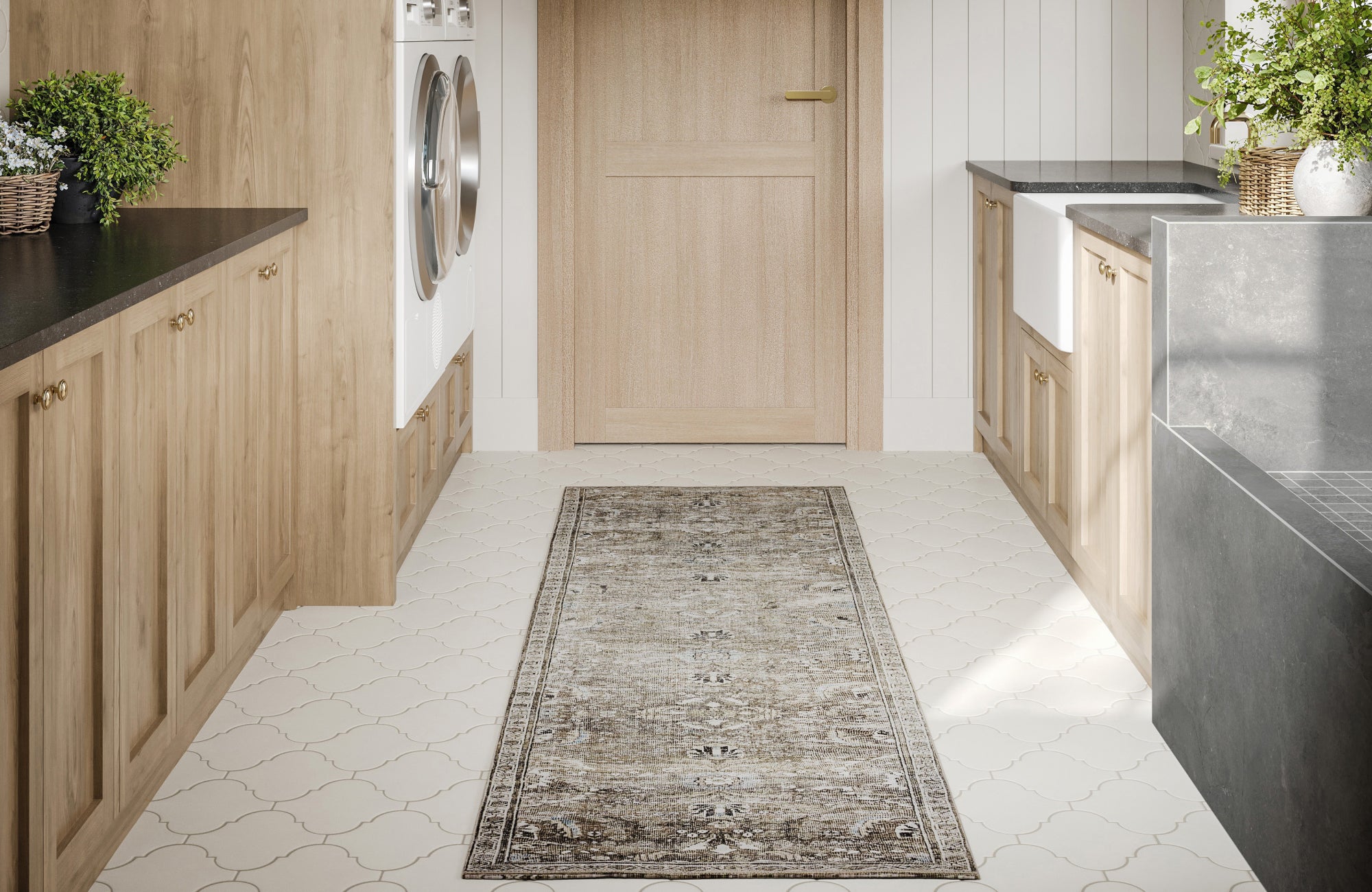
Tips for Choosing a Non-Toxic Rug for Your Home
Choosing a non-toxic rug isn’t just about spotting the right material; it’s about knowing what to ask, what to avoid, and how to match the rug to your space’s needs. With so many rugs labeled “eco” or “natural,” it’s easy to assume they’re all safe. But without clear certifications or transparency, the label can be misleading.
Ask About Certifications and Materials
When buying a rug, always look for third-party certifications like GOTS, OEKO-TEX, or Greenguard Gold, which ensure that the product has passed safety standards for harmful chemicals. Brands that truly prioritize non-toxicity will list their materials clearly, such as organic cotton, natural latex, or untreated wool. Don’t hesitate to ask sellers for details if something is unclear or missing from the product description. Transparency is often a good sign of product safety and integrity. If a brand can’t or won’t give specifics, it’s best to move on.
Be Wary of ‘Eco’ Language Without Details
Many rugs are labeled “natural,” “green,” or “eco-friendly,” but those words aren’t regulated and don’t always mean the product is non-toxic. Greenwashing happens when brands use environmental buzzwords without backing them up with actual standards or tests. Watch out for vague language with no certifications, especially if the price seems too good to be true. Also, be cautious of rugs made from “blended” materials, as these often combine natural fibers with synthetics or chemical-based backing. Always dig deeper than the label before deciding.
Consider Room Use and Exposure
Not all rooms carry the same level of exposure, so consider who will use the space and how often. In bedrooms, nurseries, or areas where pets lie on the floor, choosing a truly non-toxic rug is more important since contact and air exposure are constant. In higher-moisture areas like kitchens or mudrooms, opt for plant-based or washable rugs that resist mildew without using harmful treatments. Thinking about use and exposure helps you prioritize which rooms need the safest materials versus where a budget-friendly or recycled option might still be okay.
Making the Healthiest Rug Choice for Your Space
Choosing a non-toxic rug involves more than just picking a fiber labeled “natural.” It’s about understanding what’s beneath the surface—literally. From VOC-emitting backings to misleading “eco” claims, the small details can make a big impact on your indoor air quality and overall well-being. Whether you're drawn to organic wool, plant-based jute, or responsibly made synthetics, the safest rugs are those backed by transparency, third-party testing, and ethical craftsmanship.
If you're still unsure about which options are safest for your home or want help comparing styles and certifications, our Edward Martin design consultation team is here to help. We can walk you through your best material choices based on room use, allergy concerns, and sustainability goals, making it easier to find a rug that’s as safe as it is stylish.
Follow us on Instagram
@EDWARD.MARTIN
)
)
)
)
)
)
)
)
)
)
)
)
)
)
)
)