
)
)
)
)
)
)
)
)
Should A Bathroom Vanity Be Against A Wall?
When designing a bathroom, one of the key layout decisions we all face is where to place the vanity. Traditionally, vanities are installed against a wall, and for good reason; it’s practical, space-saving, and often more cost-effective. As bathroom design continues to evolve, many people are exploring alternative vanity placements that offer greater openness, flexibility, and visual appeal. In this article, we’ll explore the benefits and limitations of wall-mounted versus non-wall vanity setups to help you choose the most suitable option for your space.
Layout Efficiency and Space Planning
Vanity placement has a direct influence on how functional and comfortable a bathroom feels. Before diving into style or installation, it’s important to understand how this single choice shapes the overall layout.
Maximizing Floor Space
Placing a vanity against a wall is often one of the most effective ways to maintain an open, functional layout. In bathrooms with limited square footage, this positioning helps keep the center of the room clear, making it easier to move between fixtures without feeling cramped. By sitting flush along one side, the vanity helps maintain the room’s natural flow; a useful advantage in narrow or compact bathrooms where space is at a premium.
Room Zoning and Movement
Positioning the vanity along a wall naturally supports the division of the bathroom into functional zones. It helps separate dry areas, such as the grooming or sink space, from wet areas like showers or tubs. This clear distinction also enhances both usability and cleanliness, creating a more structured and intentional layout. With defined zones, the room feels more organized, and daily routines tend to flow more efficiently.
Fitting Within Building Constraints
In many homes, existing plumbing and electrical points are already positioned within or behind walls. By placing the vanity close to these utility lines, installation becomes far simpler and more budget-friendly. This alignment minimizes the need for expensive rerouting while ensuring your bathroom remains fully functional.
Plumbing Access and Installation Practicalities
Beyond visual design, vanity placement plays a major role in how straightforward and affordable your installation will be. It also affects how easily the space can be maintained over time.
Simplifying Water Line and Drain Access
Wall-adjacent vanities typically align with existing plumbing, making both installation and servicing more efficient. Because the pipes don’t need to be extended or rerouted through the floor or freestanding units, the setup remains less complex. This can also translate into lower labor costs and fewer future complications.
Wall Stability for Mounting Fixtures
Another practical benefit of placing the vanity along a wall is structural support. Walls offer a solid surface for securing heavier elements, such as stone countertops, vessel sinks, or wall-mounted faucets. In contrast, vanities located away from the wall may need reinforced flooring or custom bracing to ensure stability.
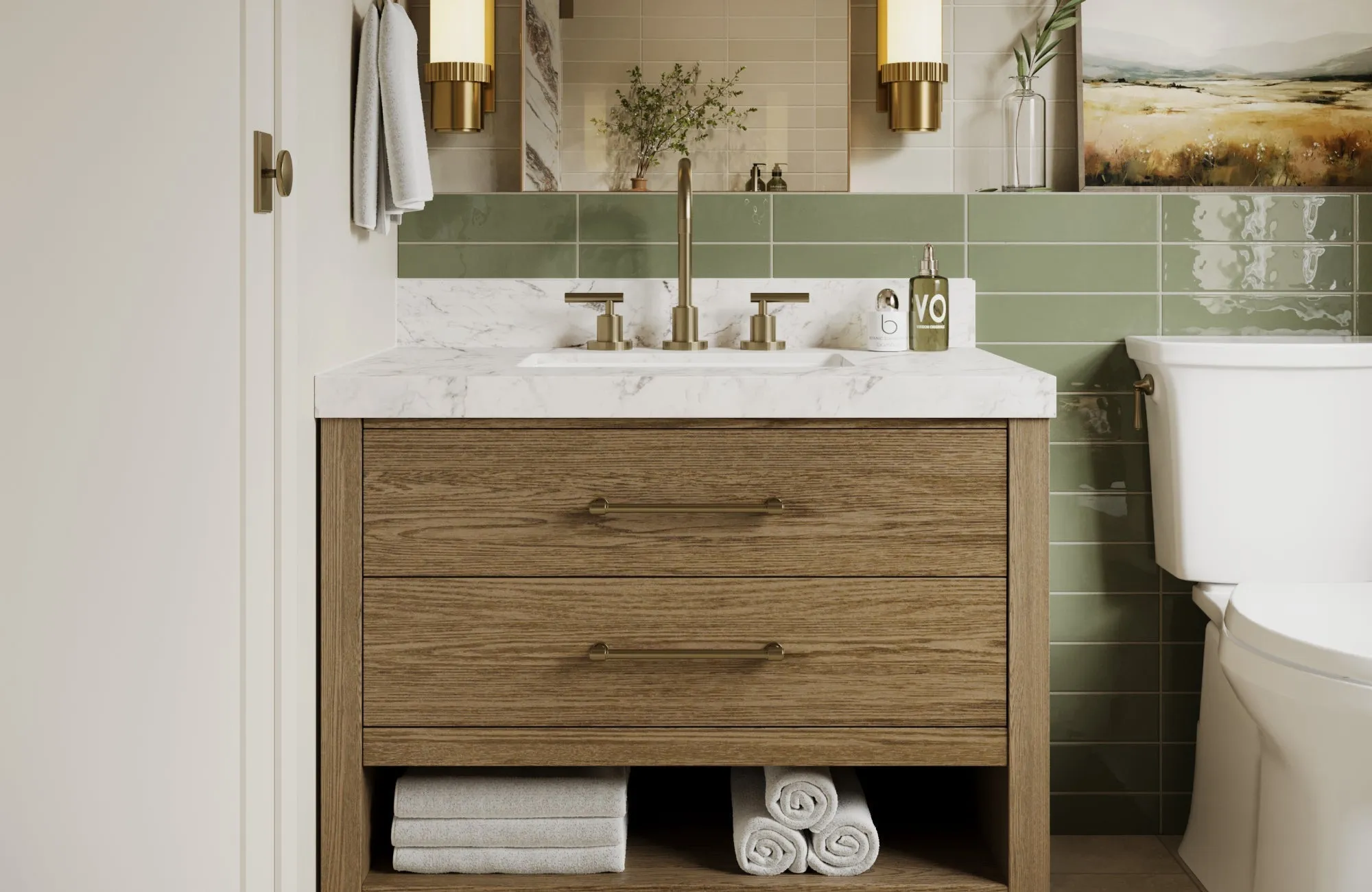
This kind of reliable wall support is equally useful when installing pieces like Edward Martin’s Sasha 36" Single Vanity in Mid Century Walnut with a 3 cm White Zeus Quartz Top, as featured in the photo above. Its substantial quartz surface and integrated plumbing fixtures benefit from the stability and anchoring a wall provides. Paired with wall-mounted lighting and a large mirror, the vanity creates a cohesive setup that’s not only visually balanced but also securely installed, highlighting the advantages of wall placement in both design and function.
Ease of Maintenance and Repairs
When shut-off valves, P-traps, and drain lines are all accessible from the wall, maintenance becomes much easier. Wall-based vanities often allow technicians or homeowners to access components without removing cabinetry or fixtures. This means faster repairs and fewer disruptions if something needs attention.
Style and Design Versatility
While practicality often takes the lead, style is what gives a bathroom its character. Where you place the vanity influences the look and feel of the entire space.
Traditional vs. Contemporary Appeal
Wall-mounted vanities are a staple of traditional and transitional design. They provide a clean, familiar structure that works well with a range of materials and finishes. On the other hand, floating or centrally placed vanities lend themselves to more modern and minimalist styles. These setups often emphasize openness, symmetry, and creative use of negative space.
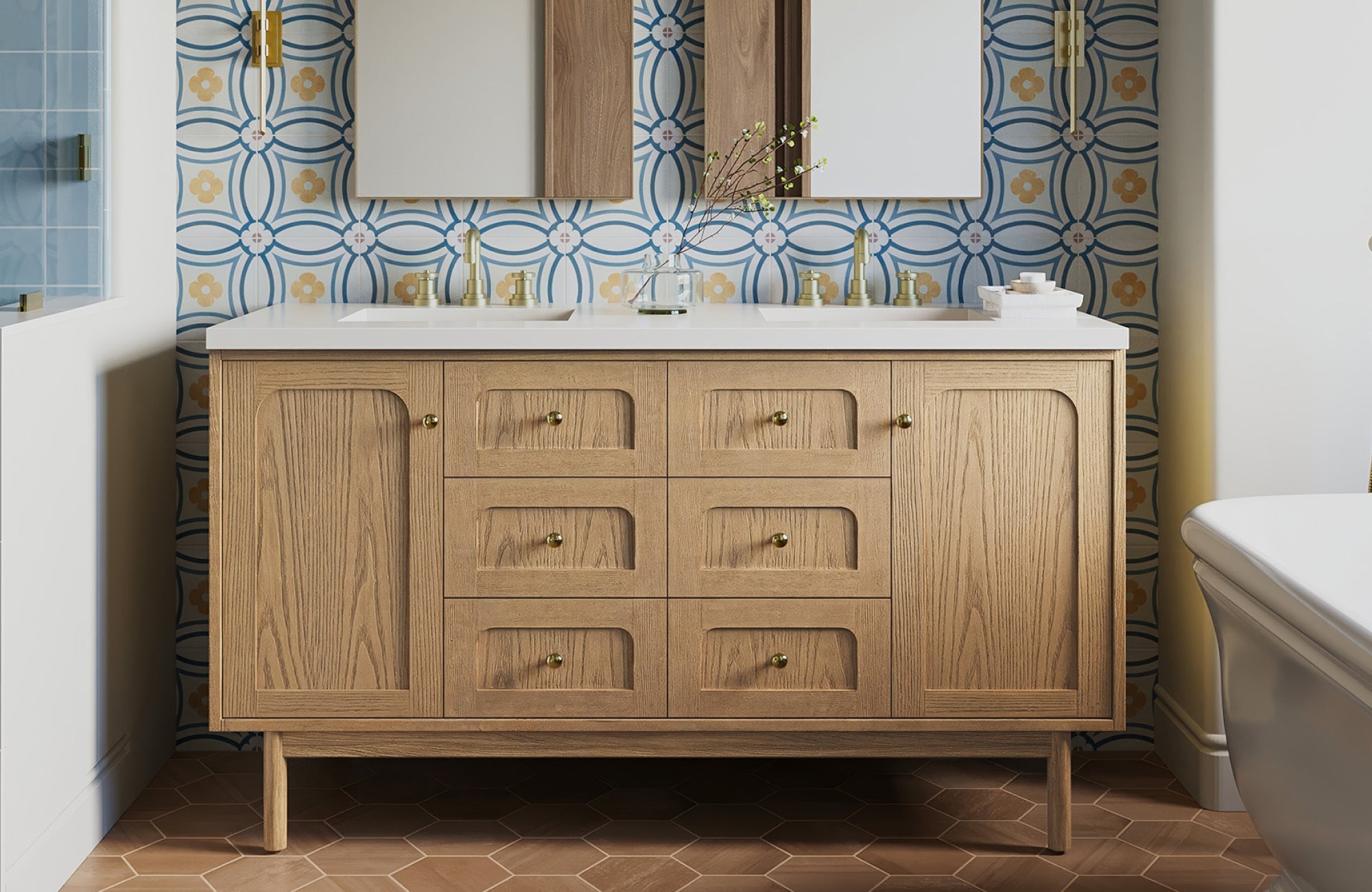
A great example of traditional styling grounded in practicality is Edward Martin’s Abigail 60" Double Vanity in Light Natural Oak with a 3 cm White Zeus Quartz Top, as featured in the photo above. Its warm oak finish, detailed cabinetry, and classic layout complement the decorative tiled alcove and arched mirrors, reinforcing the sense of balance and timeless charm. The vanity’s wall-mounted placement not only enhances the room’s visual symmetry but also supports the structured elegance that defines traditional and transitional design.
Visual Balance and Symmetry
A vanity that runs along a wall naturally supports visual alignment. When paired with mirrors and lighting fixtures above, it creates a balanced focal point. Freestanding or central vanities can be effective, but they require more deliberate planning. Without the natural framing that a wall provides, it takes extra effort to avoid an unbalanced or visually disjointed result.
Customization and Statement Pieces
For those aiming to make a design statement, stepping away from the wall opens up more options. A centrally located vanity can act as a centerpiece, offering opportunities to experiment with unconventional shapes, finishes, or lighting accents. These layouts offer more room for creative expression, often transforming the vanity into a striking focal point within the space.
Storage and Functionality Considerations
Beyond design, a vanity should make daily routines easier. Its location directly impacts how well it supports storage, accessibility, and convenience.
Cabinet Depth and Accessibility
Vanities placed against a wall can often accommodate deeper drawers or cabinets. This extra storage capacity is ideal for organizing grooming tools, personal care items, and household supplies. Just as important, this layout keeps everything easily accessible without obstructing movement or creating tight corners.
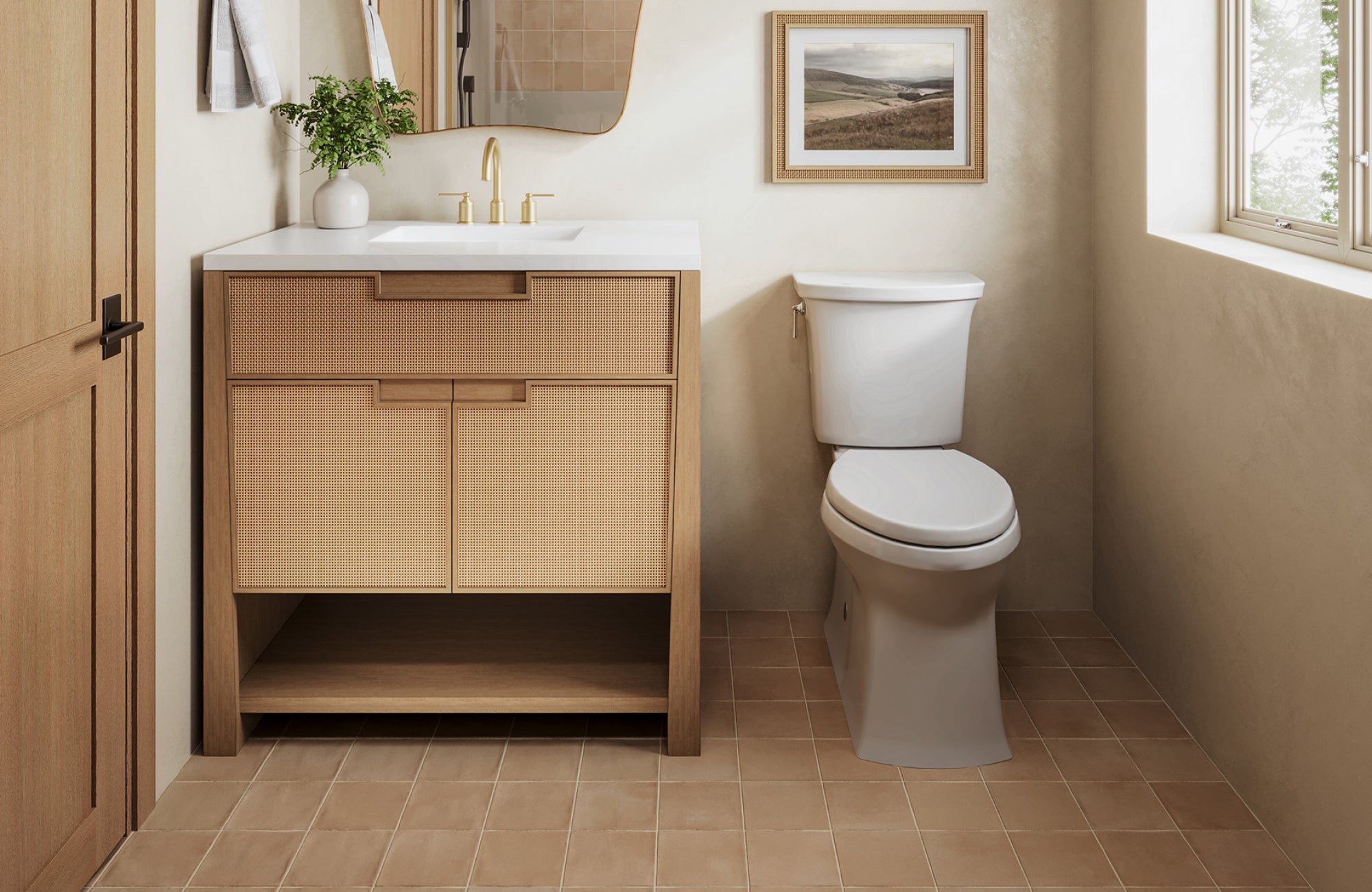
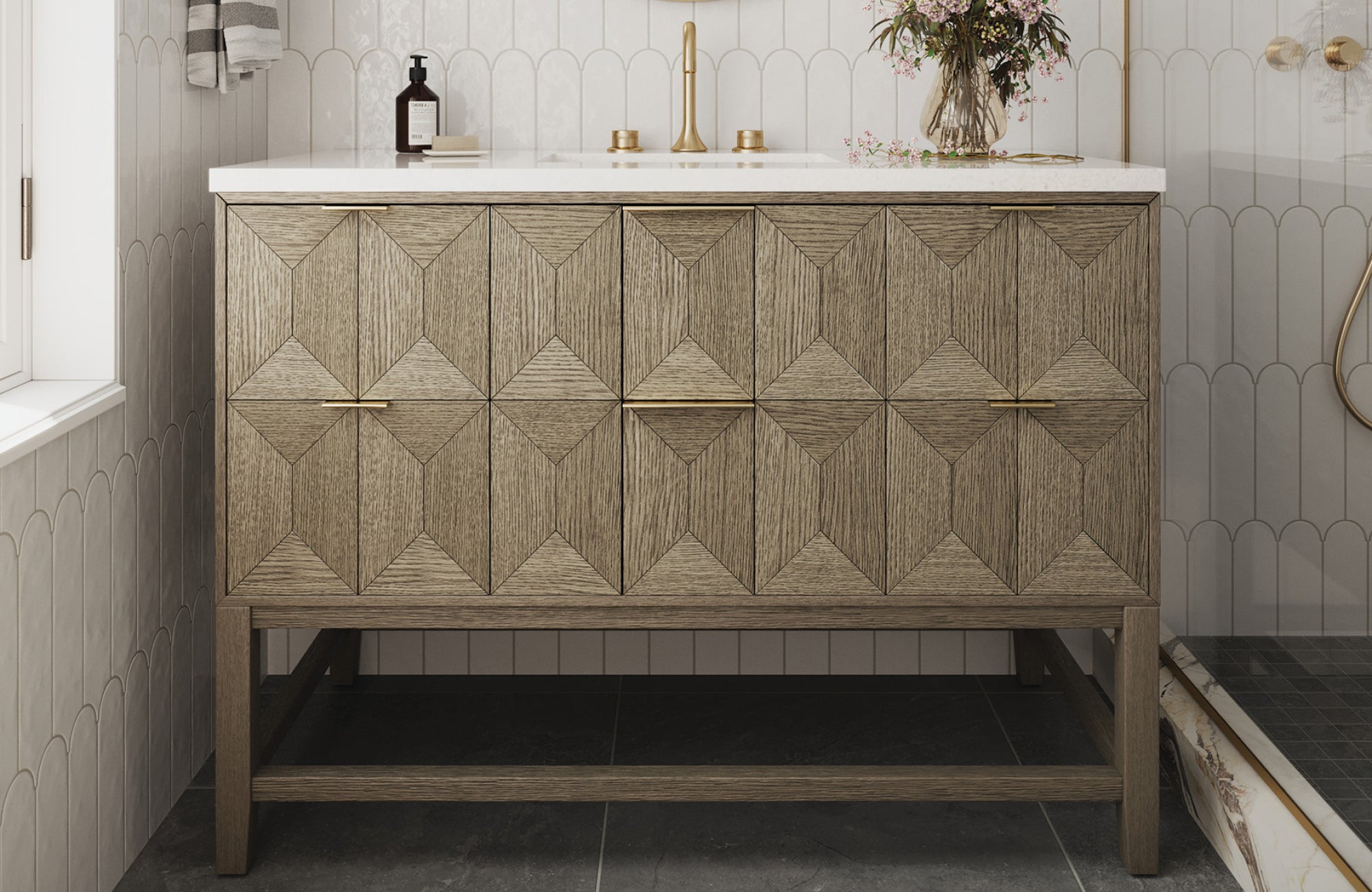
That practicality is reflected in Edward Martin’s Gwen 48" Single Vanity in Pebble Oak with a 3 cm White Zeus Quartz Top, as displayed in the photo above. Its generous cabinet depth provides plenty of internal space, while its positioning against the wall ensures that the surrounding area remains open and easy to navigate. This blend of smart design and efficient layout demonstrates how a well-positioned vanity can seamlessly meet storage needs while enhancing everyday comfort.
Integrating Electrical Outlets and Features
Wall placement also simplifies the integration of built-in features. Whether you need outlets for hair tools, a backlit mirror, or charging ports, proximity to the wall makes electrical installation more straightforward and safer. With wall access, wires and outlets can be neatly tucked away, maintaining a clean appearance while supporting modern needs.
Counter Space Efficiency
A wall-mounted vanity tends to make better use of the counter surface. It allows you to place the vanity flush against room edges or in corners, which maximizes usable space while keeping countertops free of clutter. This can be useful in bathrooms that see daily, multi-user activity.
Cleaning and Maintenance Demands
With constant use and exposure to moisture, bathroom surfaces require regular upkeep. Where you position the vanity can also make that routine easier or more challenging. Keep in mind that results may vary depending on your bathroom’s layout, plumbing, and ventilation. Always consult a professional to ensure the chosen placement aligns with both function and long-term maintenance needs.
Cleaning Around and Under the Vanity
Wall-adjacent or wall-mounted vanities are typically easier to clean around. They minimize exposed floor areas that collect dust, and they often sit flush with the wall, leaving fewer crevices where dirt can gather. In contrast, freestanding vanities with open sides may require extra time and effort to clean beneath and behind.
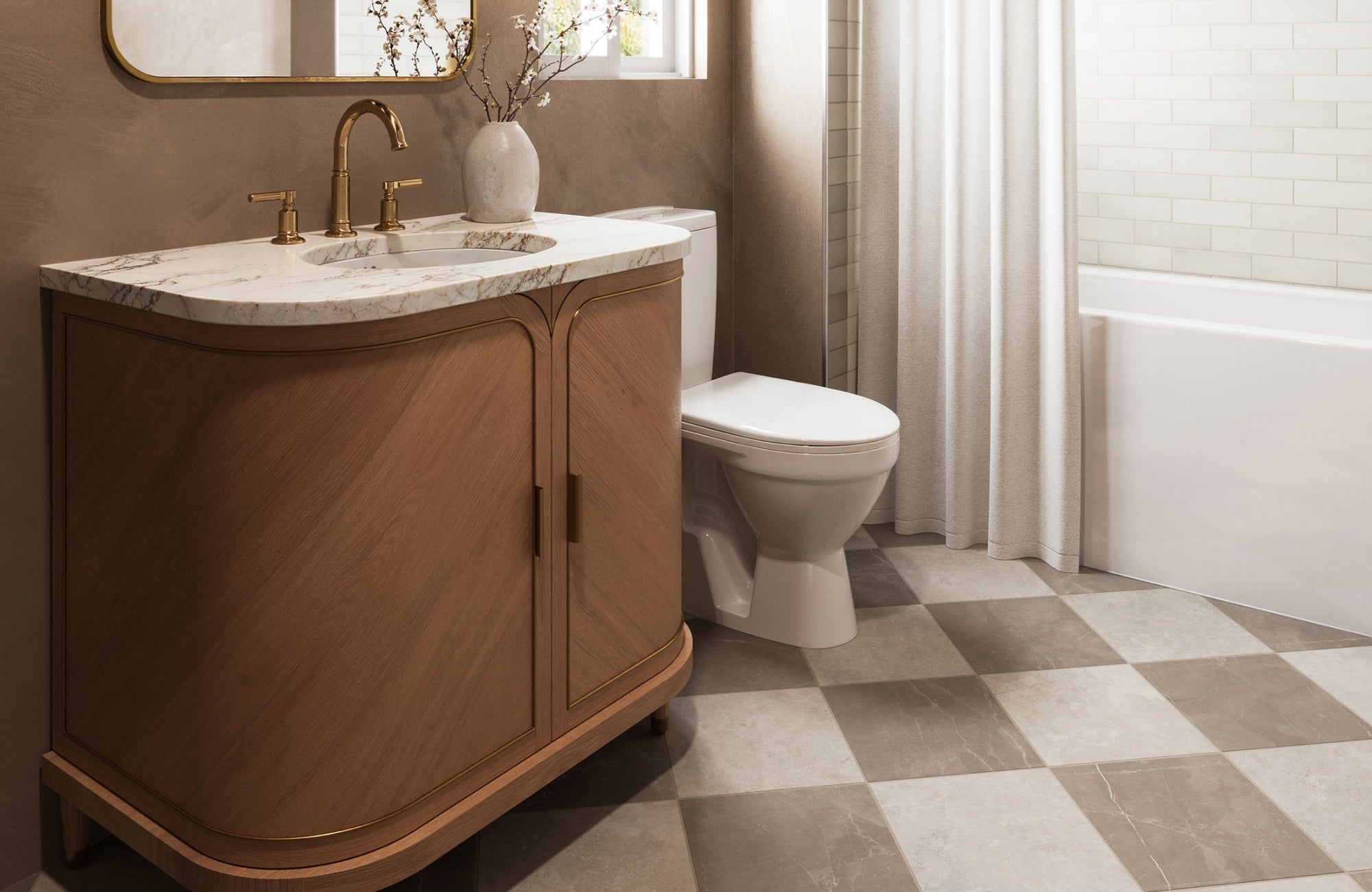
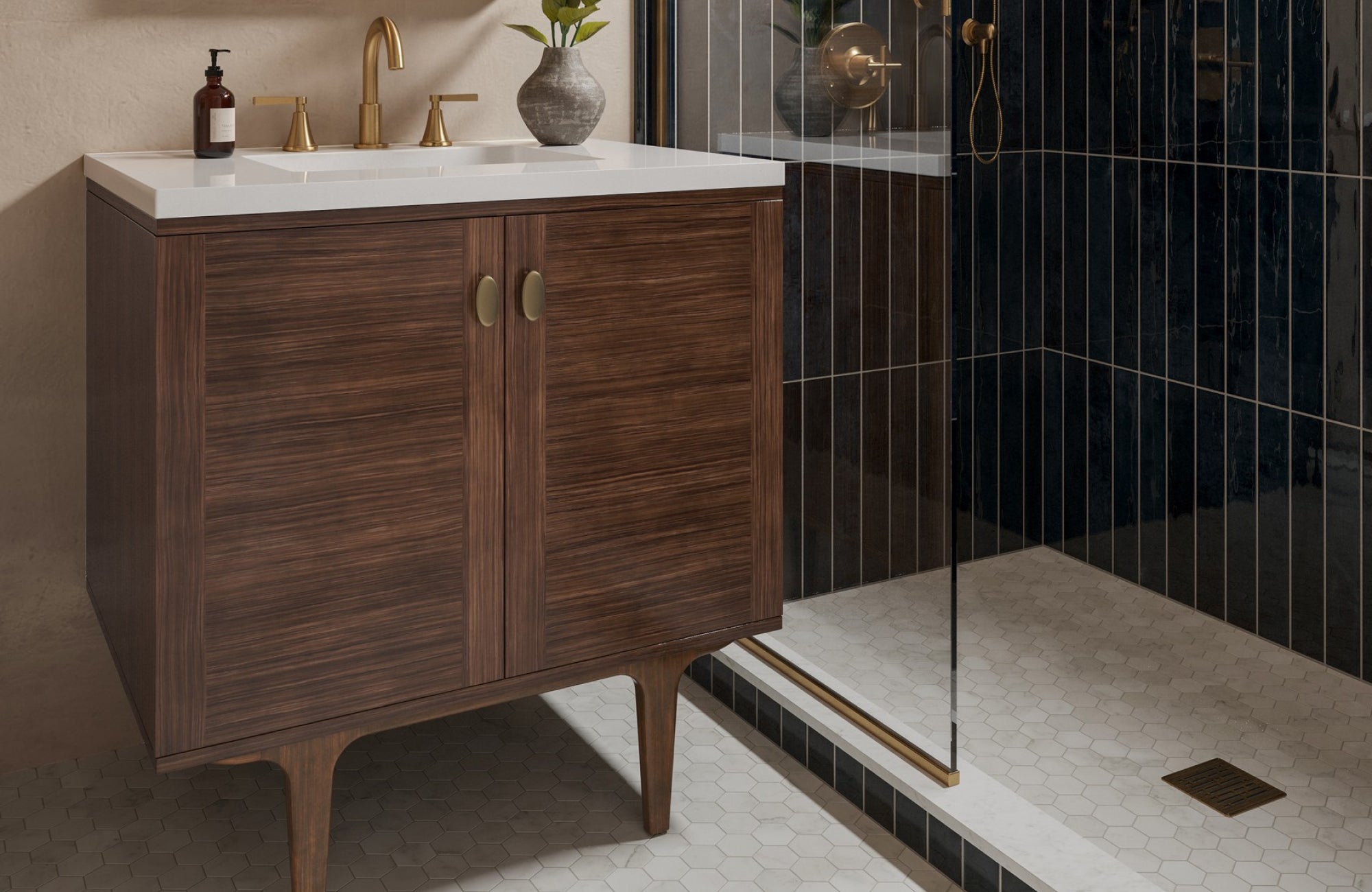
This is especially true with pieces like Edward Martin’s Demi 30" Single Vanity in Mid-Century Walnut with a 3 cm White Zeus Quartz Top, as displayed in the photo above. With its elevated legs and freestanding design, more floor space is left exposed underneath, which can collect debris if not cleaned regularly. While the look is stylish and timeless, it does call for more attention during routine maintenance, an important consideration when balancing aesthetics with everyday upkeep.
Protecting Walls and Floors
When installed against a wall, a vanity helps shield nearby surfaces from splashes and spills. This added protection reduces the wear on walls and flooring over time. Freestanding vanities, especially those positioned centrally, expose more surrounding surfaces, often requiring water-resistant finishes and more consistent maintenance.
Long-Term Wear and Surface Durability
Vanities located near a wall are usually farther from high-humidity areas such as showers or tubs. This positioning helps preserve the materials, especially wood or laminates, which can be sensitive to moisture over time. Reduced exposure to steam and splashing also contributes to the vanity’s durability and longevity.
Situational Scenarios and Custom Needs
Although placing a vanity against a wall is often the practical choice, some bathrooms are better served by stepping outside that norm. Here are a few situations where a wall-free setup might be the more effective option.
Open-Concept or Luxury Layouts
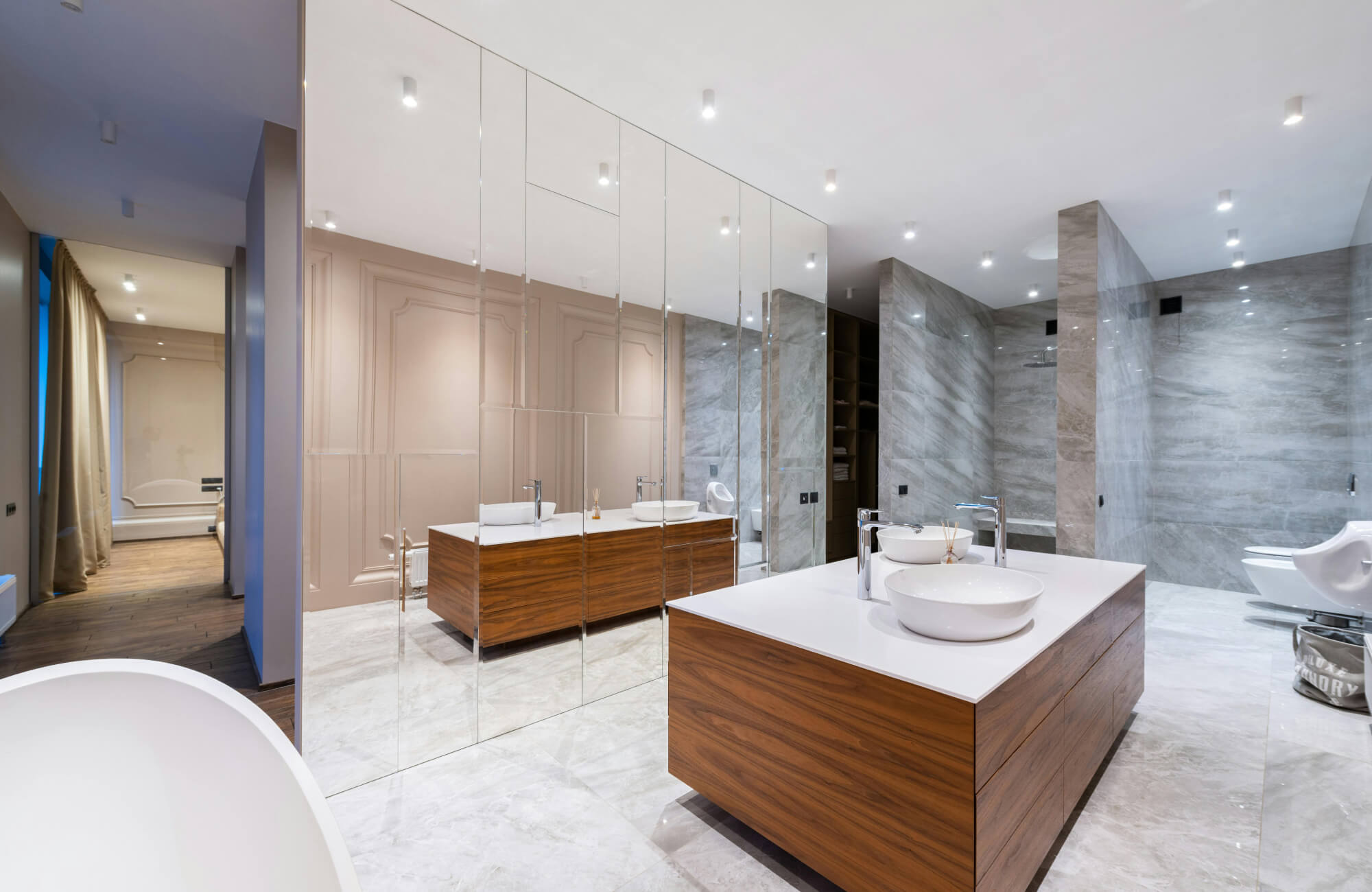
In larger bathrooms, particularly those found in luxury homes or modern renovations, vanities are sometimes placed in the center of the room. This open-concept layout creates a sense of spaciousness and often features other elements such as freestanding tubs or floating mirrors. While less common, these setups can also provide a more resort-like experience.
Shared or Multi-User Bathrooms
In homes with shared bathrooms, especially those used by multiple family members at once, alternative vanity configurations can make the space more functional. Double vanities installed back-to-back or at opposing ends of a large room provide separation and privacy. These custom layouts are easier to execute when not limited to wall space.
Creative Renovations or Adaptive Reuse
In some cases, you're working with a nontraditional space, such as a converted closet, an underutilized hallway, or a repurposed attic. In these situations, standard vanity placements may not be practical. A freestanding or centrally positioned vanity can offer the flexibility to navigate unusual dimensions or structural quirks while still creating a layout that feels both functional and visually balanced.
Choosing the Right Vanity Placement for Your Bathroom
Ultimately, there’s no one-size-fits-all answer to whether a bathroom vanity should be against a wall. For many spaces, wall placement offers clear benefits; it's efficient, easy to install, and supports everyday functionality. However, certain layouts, design preferences, or architectural quirks might justify a more unconventional approach. Whether you stick with a tried-and-true setup or explore a freestanding option, the key is to choose a placement that supports your routine, complements your space, and aligns with your overall vision. When thoughtfully considered, the right vanity location can elevate both the form and function of your bathroom.
If you're not sure where to start or need guidance refining your vision, our team is ready to assist. Reach out to us or book a complimentary design consultation to explore vanity options, layout ideas, and tailored solutions that suit your space and style!
Follow us on Instagram
@EDWARD.MARTIN
)
)
)
)
)
)
)
)
)
)
)
)
)
)
)
)