Lighting is the silent architect of every interior, sculpting atmosphere, enhancing functionality, and defining the emotional tone of a space. Whether you're illuminating a cozy reading nook, a sleek modern kitchen, or an expansive open-concept living area, the right lighting design transforms how a room is experienced and enjoyed. From high-efficiency LED ceiling fixtures to decorative pendant lights and intelligent smart lighting systems, today’s lighting choices are as diverse as the spaces they serve.
Navigating this variety requires a thoughtful understanding of light output, fixture compatibility, color performance, and control technologies. This guide explores what to consider when buying lighting, empowering you to create visually striking, energy-efficient environments that balance beauty, comfort, and performance.

Define the Lighting Purpose Based on Space Requirements
Establishing how a space will be used is the first step in determining its lighting needs. When light is tailored to the room’s function, it elevates usability while supporting a seamless and inviting atmosphere.
Ambient Lighting for Overall Room Illumination
Ambient lighting, commonly referred to as general lighting, serves as the foundational layer that fills a space with consistent brightness. To achieve this uniform illumination, homeowners often use fixtures such as flush-mount ceiling lights in hallways, pendant lights in kitchens, or decorative chandeliers in dining rooms.
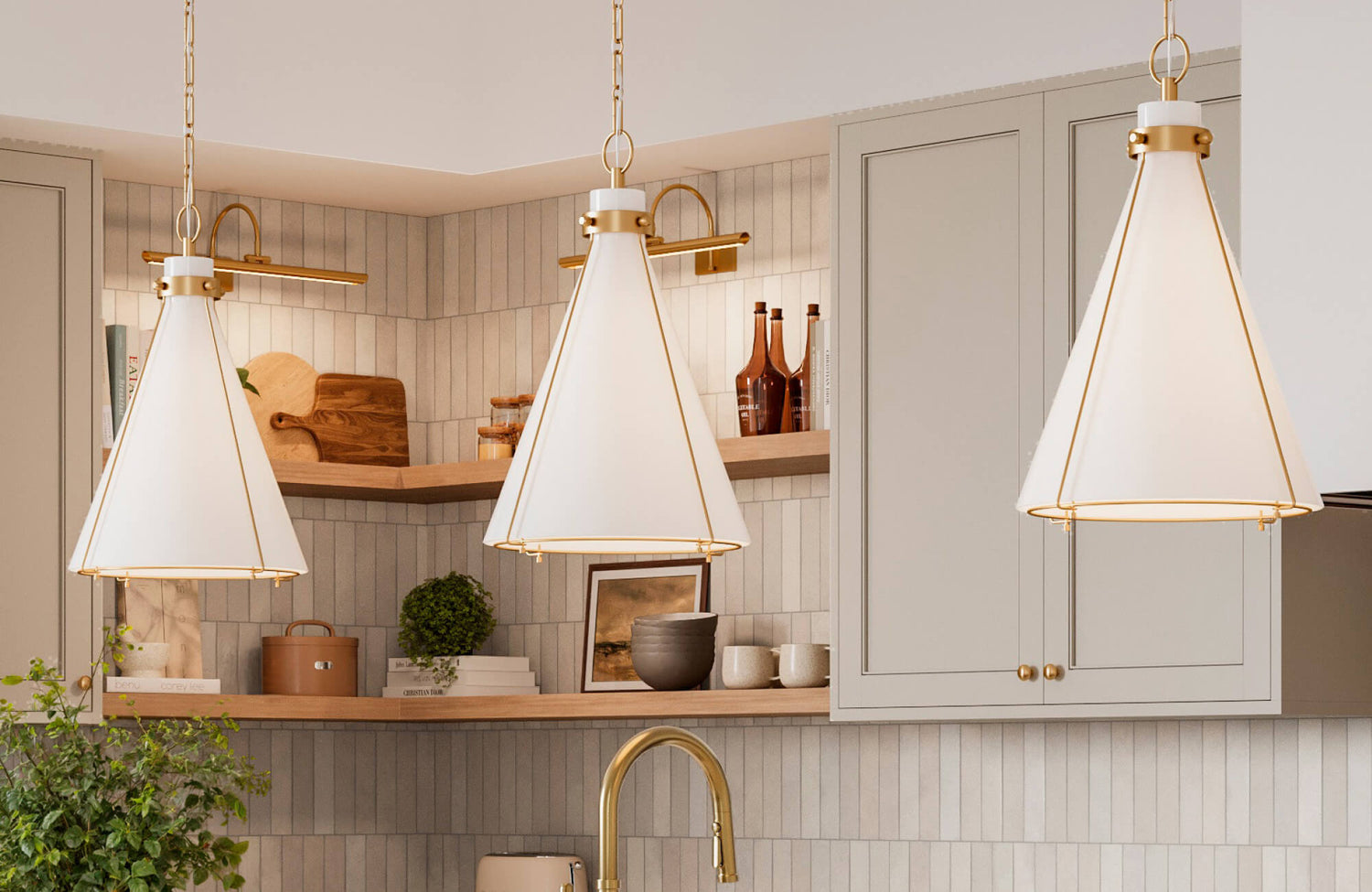
Meanwhile, in open-concept kitchens, large-scale pendant lights, like Edward Martin’s Phineas Pendant in Historic Bronze, not only provide even overhead lighting but also act as visual anchors that define zones within the room. With its opal glass dome and vintage-inspired chain suspension, this Phineas Pendant casts a soft, diffused glow that eliminates harsh shadows while complementing the warmth of natural materials like wood and stone.
As displayed in the picture above, its balanced proportions and substantial scale make it ideal for kitchen islands where both functional illumination and design impact are needed. By anchoring a room with a reliable light foundation, ambient lighting supports the comfort and functionality of every other lighting layer that follows.
Task Lighting for Focused Functionality
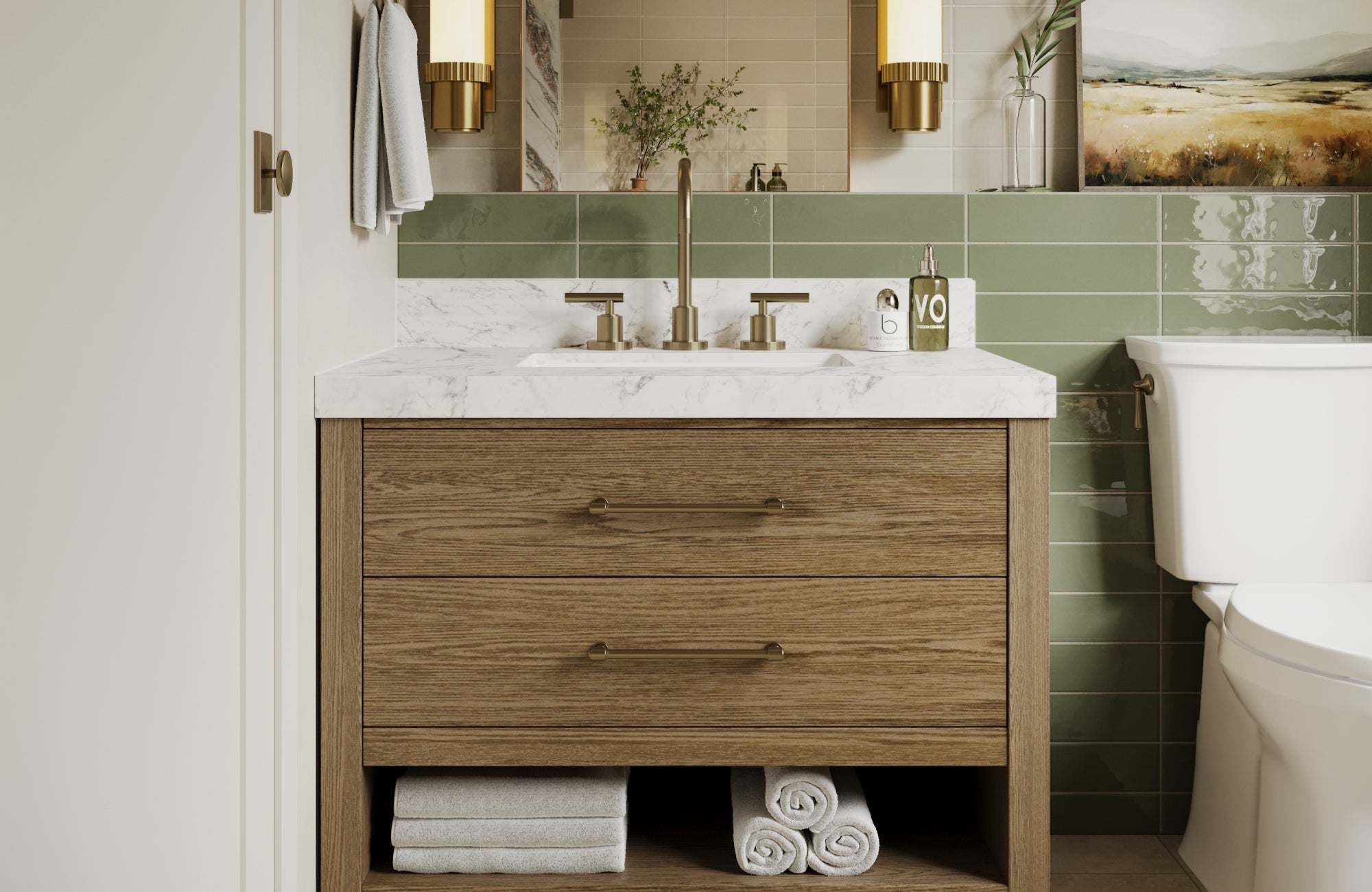
In areas where detailed activities take place, task lighting provides the targeted illumination necessary for clarity and precision. Fixtures such as under-cabinet LED strips in kitchens, adjustable desk lamps in home offices, and bathroom vanity sconces, like the Nicholson Wall Sconce in Aged Brass, reduce shadows and enhance visibility at close range.
Similarly, pendant lights installed above kitchen islands not only add a stylish focal point but also deliver the downward-directed light that supports food preparation or casual dining. To accommodate different times of day and intensity needs, dimmable task lights provide flexibility without compromising visibility.
Moreover, opting for high CRI LED task lighting enhances contrast and sharpness, which is especially useful in areas where color accuracy matters. When properly placed, task lighting complements general lighting by ensuring that each activity zone is sufficiently bright and ergonomically supported.
Accent Lighting for Visual Interest and Depth
Accent lighting introduces dimension and character by emphasizing specific features such as artwork, textures, or architectural elements. Wall sconces that cast light upward, picture lights like the McAvoy 24" Picture Light in Aged Brass that evenly illuminate framed art, and focused recessed fixtures are common tools used to create this visual layering.
These fixtures work best when their output is significantly brighter, typically three times more luminous than the surrounding ambient light, drawing the eye to the intended focal point. Adjustable beam angles and dimming controls also offer even greater precision, allowing designers to fine-tune light positioning and intensity for maximum effect.
In addition to enhancing the overall visual experience, accent lighting contributes to mood setting by creating pockets of light and shadow. By incorporating accent lighting into a layered lighting scheme, interiors feel more dynamic, balanced, and thoughtfully designed.

Measure Light Output and Optimize for Energy Efficiency
Effective lighting isn’t just about brightness—it’s also about delivering the right amount of light with the least amount of energy. This requires careful evaluation of output, power consumption, and technology to ensure optimal performance with long-term cost savings.
Lumens vs. Watts
In modern lighting design, brightness is measured by lumens rather than watts, as wattage only reflects energy use, not light output. LED lighting technology excels in this regard, offering higher lumen-per-watt efficacy than outdated incandescent or halogen alternatives.
For example, a 10-watt LED can produce the same illumination as a traditional 60-watt bulb, dramatically reducing energy usage while maintaining visual performance. Different spaces require tailored brightness levels—kitchens often benefit from 7,000 to 9,000 lumens, while bedrooms typically function well with 1,500 to 3,000.
When you use lumen measurements instead of wattage estimates, you’re better equipped to create an environment that is both adequately lit and energy-conscious. This shift not only ensures lighting effectiveness but also aligns with broader sustainability goals.
LED Technology and Efficacy Ratings
LED lighting has emerged as the most efficient and versatile solution available today, offering exceptional output, longevity, and adaptability. High-efficacy LED fixtures can deliver up to 120 lumens per watt, significantly outperforming compact fluorescent and incandescent bulbs.
This superior efficiency is complemented by extended operational life—many LEDs last between 25,000 and 50,000 hours, reducing maintenance and replacement needs. In addition, most LED systems are compatible with dimmers, enabling users to tailor light intensity to specific tasks or moods while conserving energy.
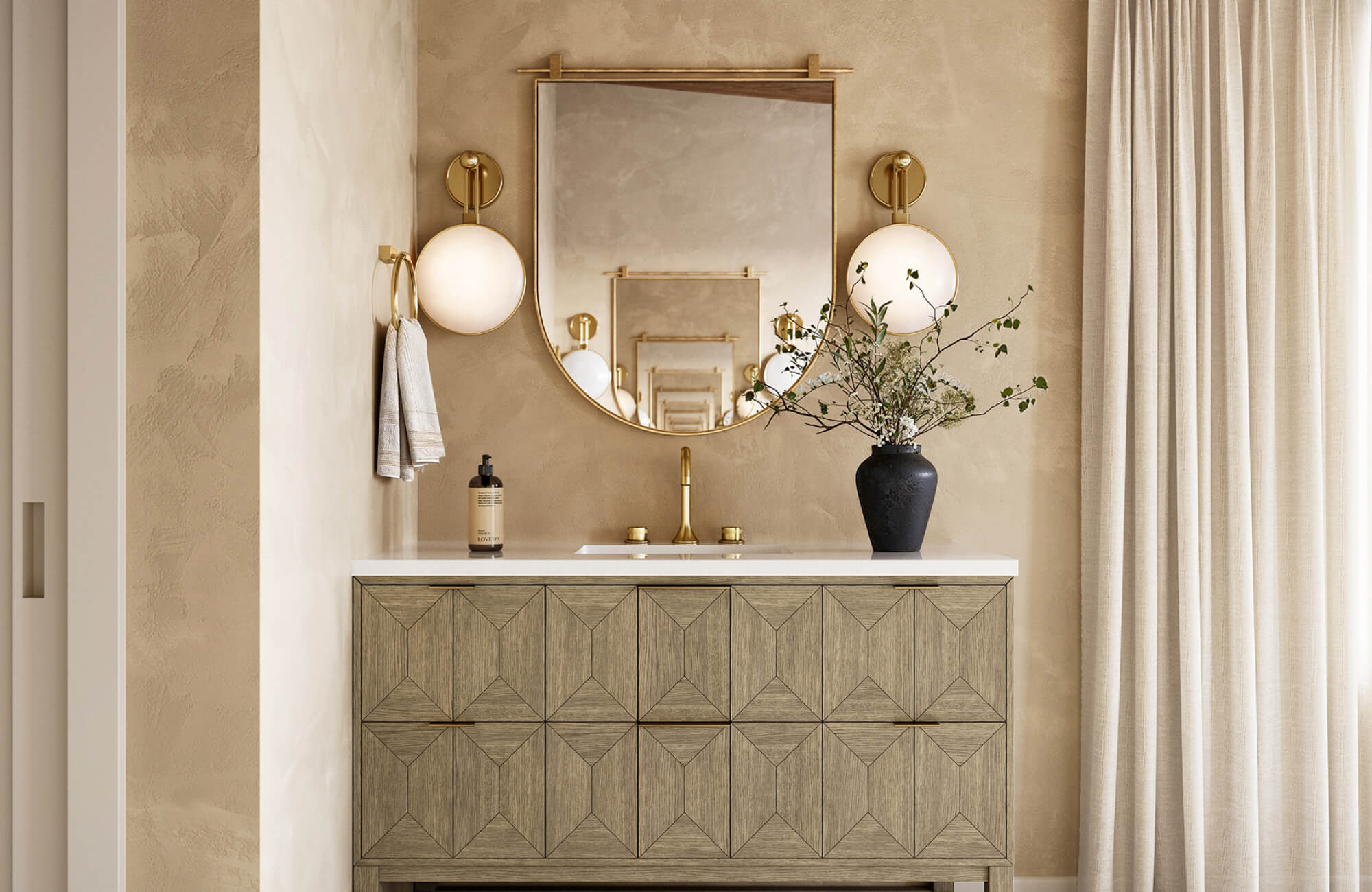
Stylish LED-compatible fixtures, such as the Ezekiel Wall Sconce in Vintage Brass, as shown in the photo above, combine performance with timeless aesthetics. With its clear glass shade and refined profile, this Ezekiel sconce is ideal for hallways, bathrooms, or transitional spaces, offering focused yet energy-efficient illumination that seamlessly supports both design and sustainability goals.
Energy Consumption and Cost of Ownership
Beyond initial purchase price, the true value of lighting lies in its total cost of ownership, which includes long-term energy use, replacement frequency, and maintenance demands. LED fixtures, due to their low energy draw and extended lifespan, help reduce utility bills and minimize downtime, especially in high-use zones like kitchens or offices.
To forecast these savings, consumers can calculate kilowatt-hour consumption based on fixture wattage and estimated daily use, then multiply by local electricity rates. This provides a clear picture of annual operating costs and allows for smarter purchasing decisions.
Choosing high-efficacy fixtures also contributes to reduced carbon emissions and environmental impact. Over time, prioritizing energy efficiency ensures both economic and ecological returns that far outweigh initial expenditures.

Select the Right Color Temperature and Color Rendering Quality
The quality of light affects how colors appear, how spaces feel, and how comfortable we are within them. Understanding color temperature and CRI helps ensure that your lighting supports both aesthetic goals and visual comfort in every application.
Kelvin Ratings and Visual Warmth
Color temperature, expressed in Kelvins, determines whether a light appears warm, neutral, or cool, and should be selected based on both the function and the atmosphere of a room. For example, lower Kelvin ratings between 2700K and 3000K emit a soft, amber glow that enhances relaxation, making them ideal for bedrooms, living rooms, and hospitality spaces.
On the other hand, mid-range temperatures around 3500K to 4100K offer neutral white light that suits kitchens, bathrooms, and transitional zones, while higher Kelvin ratings in the 5000K to 6500K range produce crisp, daylight-like illumination that enhances focus and productivity in workspaces or garages.
Matching color temperature to room function ensures that lighting supports human behavior while maintaining design cohesion. A consistent Kelvin strategy across connected spaces also prevents visual dissonance and promotes a smooth, unified appearance.
High CRI Lighting for Accurate Color Fidelity
The Color Rendering Index (CRI) measures how accurately a light source reveals the colors of objects compared to natural sunlight, with values closer to 100 indicating superior color accuracy. High CRI lighting, particularly those rated 90 or above, is essential in areas where color fidelity matters, such as dressing rooms, art studios, and food preparation zones.
When lighting accurately renders textures, tones, and contrasts, it enhances everything from fabric color to skin tone, ultimately improving both visual quality and user experience. Fortunately, modern LED fixtures now deliver high CRI performance without sacrificing energy efficiency or lifespan.
This combination of clarity and performance makes high CRI lighting especially well-suited for premium residential interiors, galleries, and retail spaces where visual integrity is a priority. By prioritizing CRI, buyers ensure that lighting does justice to the materials, finishes, and colors within their space.
Color Consistency Across Fixtures
In addition to individual performance, uniformity across fixtures is essential to maintaining a polished and professional lighting design. When fixtures differ in color temperature or CRI, particularly when sourced from different manufacturers, they can introduce unwanted shifts or inconsistencies in light tone.
These discrepancies become especially noticeable in open-concept layouts or adjacent rooms where multiple light sources overlap. Choosing fixtures from the same product family, or those with tight binning tolerances, helps ensure visual harmony. Integrated LED systems also typically offer better consistency due to factory calibration and controlled component quality.
By prioritizing color matching during the design phase, you can avoid mismatched lighting and achieve a more seamless, refined aesthetic.

Match Fixture Design and Construction to Application Needs
Beyond light output, a fixture’s structure and material must align with environmental demands and architectural context. Selecting well-constructed, appropriately mounted fixtures ensures safety, longevity, and visual cohesion.
Mounting Type and Structural Suitability
Fixture mounting should be guided by ceiling height, room volume, and the role the light will play within the overall design. For instance, flush-mount or semi-flush lights are ideal for rooms with lower ceilings, such as hallways, entryways, and bedrooms, where vertical clearance is limited.
In contrast, pendant lighting and multi-tier chandeliers suit high ceilings in areas like foyers, staircases, or open-plan kitchens where vertical emphasis enhances the room’s proportions. Recessed downlights are also a popular choice for creating a clean, modern ceiling profile while offering flexible placement for general or task lighting.
Spaces like stairwells or vaulted ceilings benefit from elongated suspension fixtures that add visual interest and effective illumination from above. Selecting the right mounting style balances aesthetics with functionality and ensures light is distributed where it’s needed most.
Material Selection and Environmental Durability
Material composition significantly impacts a fixture’s performance and durability, especially in moisture-prone or outdoor environments. For example, powder-coated aluminum and marine-grade stainless steel are ideal for bathrooms, patios, or coastal properties due to their corrosion resistance.
On the other hand, decorative materials like fabric, wood, or frosted glass add visual texture but are best suited to dry, climate-controlled interiors. Always verify whether a fixture is UL listed for damp or wet locations if it will be exposed to humidity or direct water contact.
Selecting robust materials minimizes maintenance demands and protects against premature wear, preserving both function and appearance over time. A careful match between material and environment also ensures lighting remains reliable, safe, and visually consistent.
Electrical Compatibility and Dimming Support
Electrical compatibility is essential for safe installation and smooth performance, particularly when integrating advanced LED or smart lighting fixtures. Some fixtures require specific drivers, voltage levels, or dimmer types to avoid flickering, buzzing, or shortened lifespan.
To prevent these issues, it’s important to determine whether a fixture supports trailing-edge dimming, 0–10V control, or smart switch integration before committing to a purchase. In some cases, older homes may also lack the neutral wiring needed for certain smart dimmers, necessitating additional infrastructure upgrades.
By ensuring alignment between fixture requirements and your home’s electrical capabilities, you can avoid costly rewiring and installation delays. With compatibility confirmed from the outset, the result is a seamless lighting system that performs as intended and supports future upgrades.

Integrate Smart Lighting and Control Systems
Smart lighting offers unprecedented control, personalization, and automation that align with modern living standards. Integrating these technologies not only enhances comfort and usability but also contributes to long-term energy efficiency.
Wireless Connectivity and Ecosystem Integration
Smart lighting systems use wireless protocols like Zigbee, Z-Wave, Wi-Fi, and Bluetooth, allowing seamless integration with modern smart home platforms. These systems are often compatible with voice assistants such as Amazon Alexa, Google Assistant, and Apple HomeKit, making lighting control more convenient and hands-free.
Through these integrations, you can control lighting via apps, voice commands, or automations that respond to time, location, or behavior. Fixtures within the same ecosystem also synchronize for unified control and easier customization across rooms and zones.
Additionally, firmware updates extend functionality and improve performance over time, future-proofing your investment. By choosing a platform-compatible lighting system, you can ensure a smooth setup and an intuitive, user-friendly experience.
Scene Creation, Scheduling, and Remote Access
With smart lighting, homeowners can design preset scenes that match specific moods, tasks, or times of day, such as “morning routine,” “evening unwind,” or “dinner party.” Scheduling options automate these scenes based on clock settings, sunrise/sunset data, or occupancy, reducing manual input and saving energy. Mobile apps also provide remote access, allowing users to control lighting while away from home for added security and convenience.
These dynamic features offer a level of personalization that traditional switches and timers can’t match. By adapting to daily routines and preferences, smart scenes optimize comfort while reinforcing energy-efficient practices. The result is a lighting system that illuminates and intelligently enhances daily life.
Sensors and Adaptive Lighting Technologies
Advanced lighting systems now incorporate motion sensors, daylight sensors, and circadian rhythm programming to adapt automatically to changing needs. For example, occupancy sensors are ideal for busy or utility areas, activating lights only when motion is detected and conserving energy when the space is empty. Similarly, daylight harvesting systems adjust artificial lighting levels in response to available natural light, maintaining optimal brightness while reducing energy waste.
In addition, circadian lighting mimics the natural shifts of daylight throughout the day, promoting focus in the morning and relaxation in the evening. Together, these technologies enhance wellness, productivity, and energy savings by aligning lighting output with human behavior and environmental conditions. By implementing adaptive systems, users gain a smarter, more responsive lighting ecosystem tailored to their needs.
Elevating Interior Design with the Perfect Lighting Choice
Choosing the right lighting is a balance of form, function, and technology—each element working together to shape a space that feels both intentional and inviting. From high CRI LED task lights to ambient chandeliers and adaptive smart lighting systems, the possibilities are as practical as they are beautiful. With a deeper understanding of light output, color temperature, fixture materials, and control options, you can design with confidence and precision. Thoughtfully curated lighting not only enhances your home’s design but also supports energy efficiency, comfort, and long-term value.
To help bring your vision to life, Edward Martin offers personalized lighting design services that guide you through every detail, from fixture selection to layout recommendations. For tailored expertise or product assistance, we invite you to contact us and connect with our knowledgeable design team!