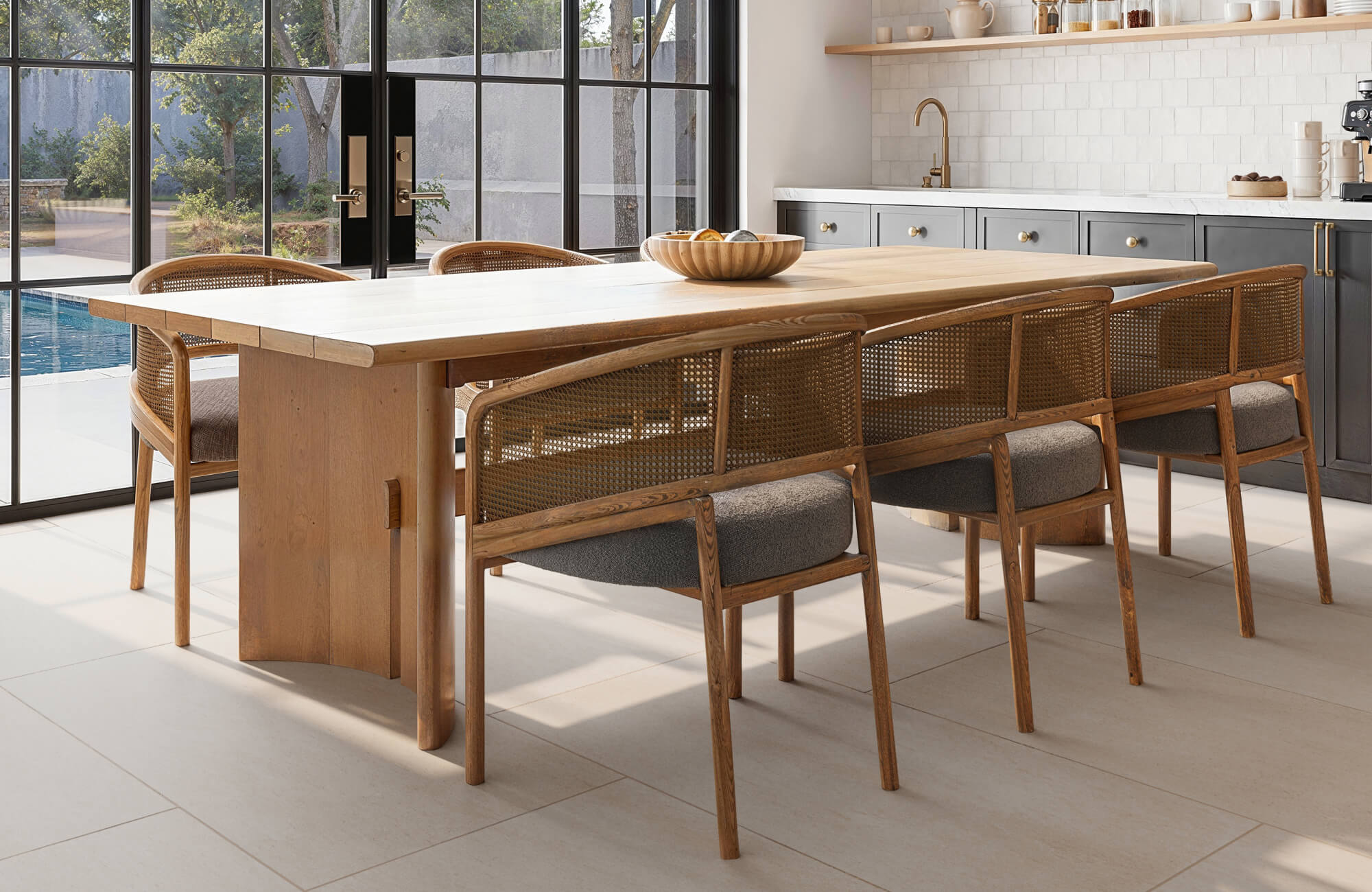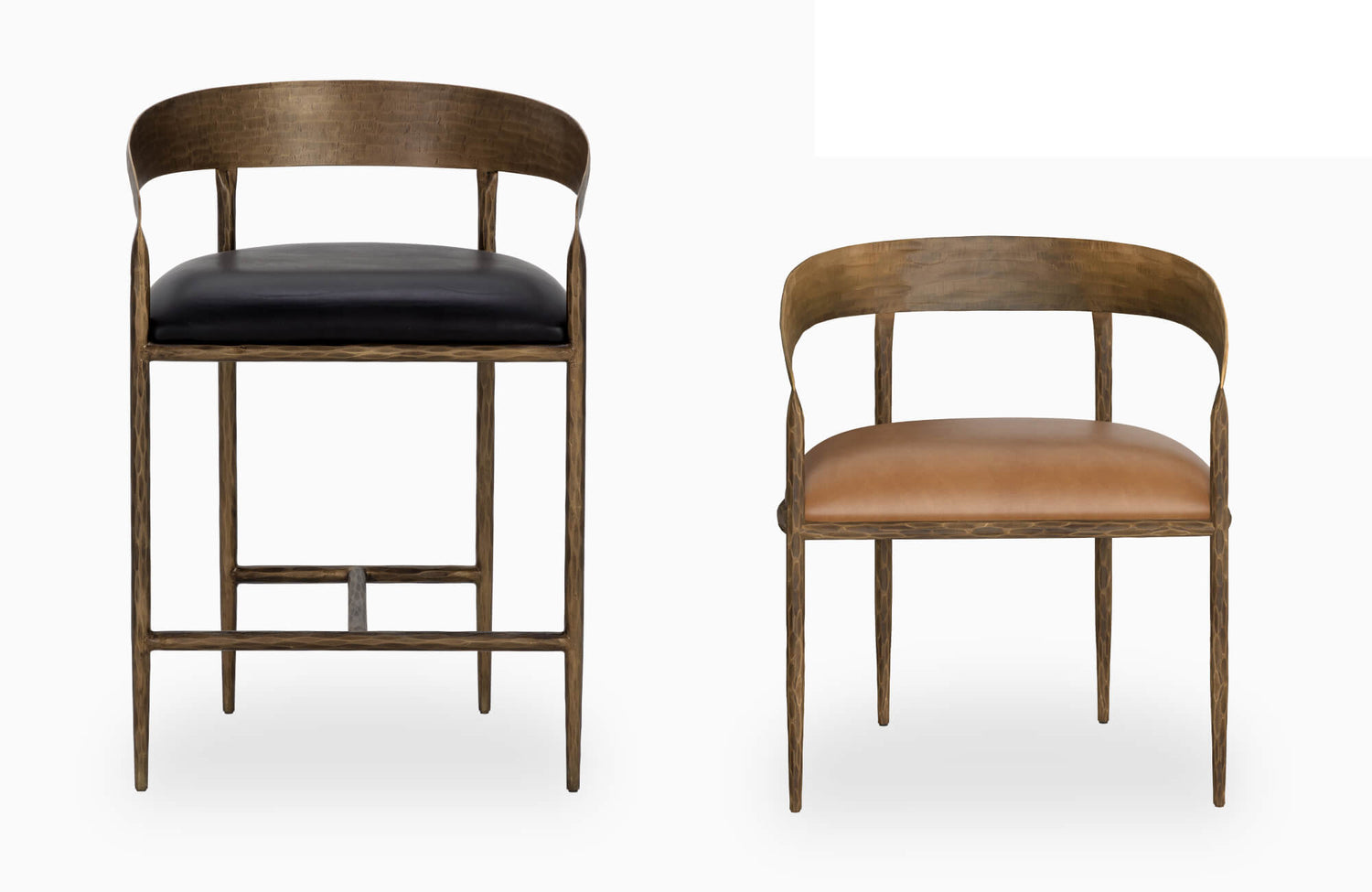
Bar height dining chairs can instantly change how a dining space feels, not just visually but functionally. Their elevated profile brings a sense of energy and modernity, yet that same height can introduce challenges if it is not aligned with how the space is used. As a result, choosing between bar height and traditional dining chairs is less about preference and more about purpose.
To make the right decision, it helps to look beyond trends and consider how height, layout, lifestyle, and comfort intersect. When these factors are carefully balanced, bar height seating can enhance openness, social interaction, and flexibility. When they are overlooked, however, the same chairs can feel awkward or impractical. Understanding when bar height dining chairs truly work allows you to create a space that feels intentional rather than forced.

How Table Height Dictates the Right Chair Choice
The success of any bar-height dining setup begins with how accurately the chair height aligns with the table or counter. Although visual appeal may draw you in initially, comfort is determined by precise vertical spacing that allows your body to sit naturally and move without strain. When the distance between the seat and the tabletop falls within the proper range, your posture stays upright, your legs have room to move, and everyday use feels effortless rather than forced. Conversely, even slight miscalculations can lead to tension in your shoulders, restricted circulation, or an awkward reach that becomes increasingly noticeable over time.
Equally important is recognizing how different surface heights demand specific seating solutions. Bar-height tables require chairs built to match their elevation, just as counter-height surfaces call for lower seating. Mixing these heights disrupts balance and quickly undermines usability, no matter how well the pieces look together. By measuring both the table and chair accurately, accounting for cushioning, and ensuring features like footrests are properly placed, you create a setup that feels stable, supportive, and intuitive. Once these height relationships are correct, everything else, from comfort to visual harmony, naturally falls into place.
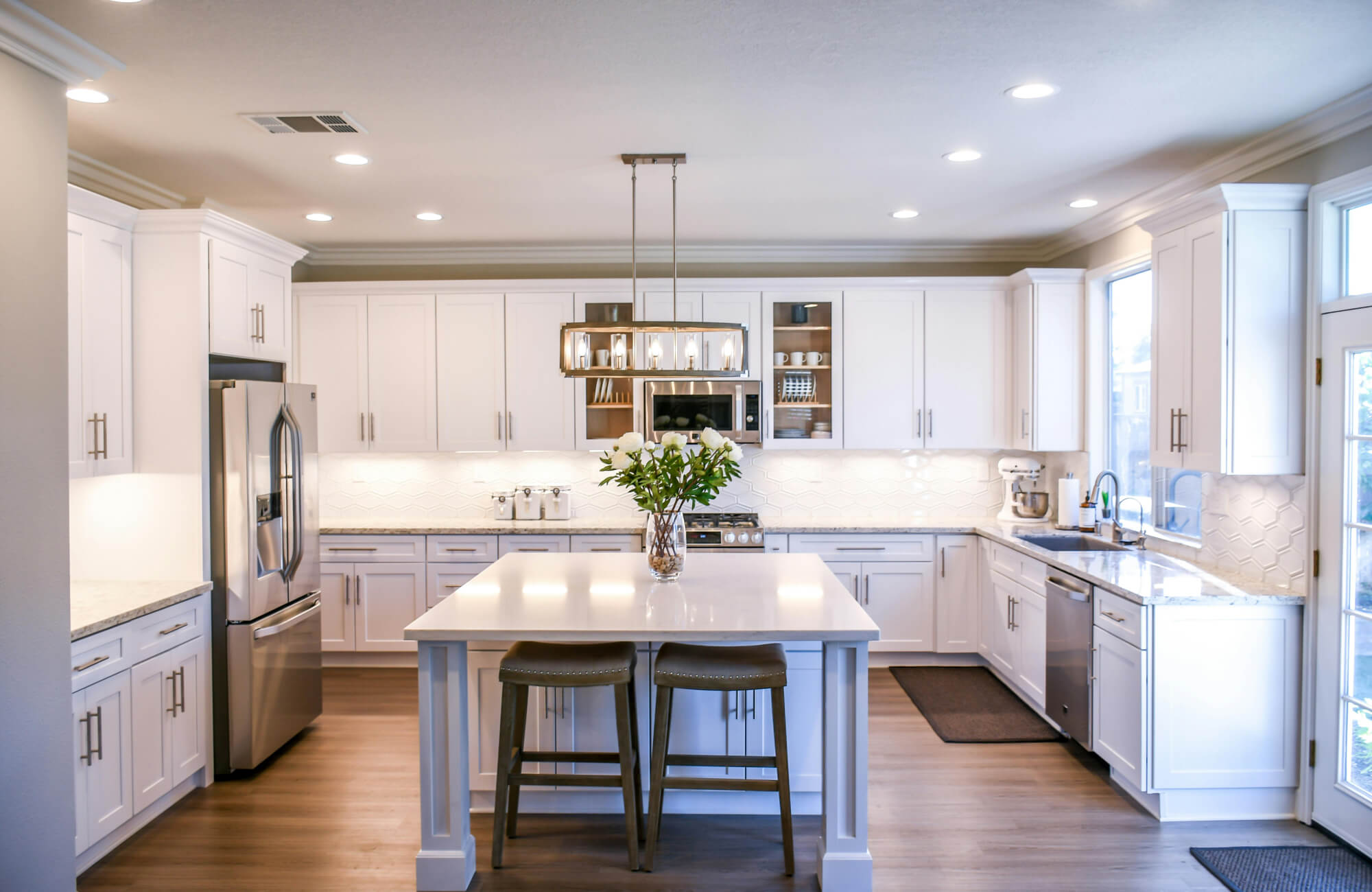
In a kitchen like the one shown above, where the island is designed at counter height, seating such as our Shaw Counter Stool in Bergen Olive offers the correct proportions for both comfort and function. Its seat height aligns naturally with the island surface, allowing you to sit without overreaching or perching awkwardly. The integrated footrest further supports proper posture, reinforcing how the right chair height transforms the island from a visual centerpiece into a space that’s genuinely comfortable for everyday use.

Using Bar Height Seating to Define Open Floor Plans
Open floor plans thrive on light and flexibility, but without visual cues, different functions can easily blur together. Bar height seating introduces a subtle sense of order by creating a clear shift in elevation that helps your eye distinguish between zones such as the kitchen, dining, and living areas. Because these chairs rise above standard seating without forming solid barriers, they establish boundaries while preserving openness, allowing light and sightlines to move freely through the space.
At the same time, the design and materiality of bar height seating play a key role in maintaining balance. Slim profiles and open forms prevent the seating from visually crowding the room, while thoughtful material choices signal transitions without feeling abrupt. When finishes contrast gently with the kitchen but connects to nearby furnishings, the seating becomes a bridge rather than a divider. In this way, bar height seating functions as a quiet organizing element, giving open floor plans clarity and structure without sacrificing the airy, connected feel that defines them.
Seating choices that emphasize clean lines and strong contrast further reinforce this sense of definition. A piece like our Grant Counter Stool in Black, seen in the image above, adds visual weight at the island without interrupting flow, using its dark finish to anchor the kitchen zone against lighter surrounding surfaces. Its streamlined frame also allows it to define the seating area clearly while still feeling open, demonstrating how bar height seating can organize space through form and finish rather than physical separation.

Lifestyle and Entertaining Habits That Favor Bar Height Chairs
Bar height dining chairs are especially well-suited to lifestyles that value flexibility, movement, and informal connection. Because they encourage a more upright, engaged posture, they naturally support casual dining moments such as quick meals, coffee chats, or hosting friends for drinks. The elevated seating also keeps you visually connected to others in the space, making conversations feel more fluid, whether guests are seated or standing. As a result, the dining area feels less rigid and more adaptable to how social interactions naturally unfold.
In addition, bar height seating aligns well with spaces that serve multiple purposes throughout the day. The raised surface easily transitions from dining to shared activities like puzzles, laptop work, or buffet-style gatherings, all without requiring constant rearrangement. At the same time, the semi-active posture encourages natural circulation, allowing people to move in and out of the space comfortably. This balance of engagement and ease makes bar height chairs an ideal choice when your dining area functions as a social hub rather than a place reserved solely for long, formal meals.
A more relaxed interpretation of bar height seating can make the space feel just as welcoming as it is functional. Our Savannah Counter Stool in Cream, featured above, introduces a soft, approachable element at the island, encouraging longer conversations and everyday use without sacrificing the benefits of elevated seating. Its light upholstery also balances the structured posture of bar height chairs, reinforcing how this seating style can support both casual entertaining and comfortable daily routines.

Design Styles That Naturally Pair With Bar Height Seating
Bar height seating works best when it feels intentionally connected to the overall design of the room. Because these chairs sit higher and draw more visual attention, their form, material, and detailing should reinforce the interior style rather than compete with it.
Industrial and Modern Foundations
In industrial and modern interiors, bar height seating often feels like a natural extension of the architecture. Exposed metal frames, visible welds, and slim silhouettes echo materials such as concrete, brick, and steel, allowing the chairs to feel structural rather than decorative. Clean lines and restrained detailing also help the seating blend seamlessly into open layouts without overwhelming the space.
At the same time, finishes like matte black, brushed steel, or polished metal maintain visual clarity. Low backs or backless designs further preserve sightlines, reinforcing the open, uncluttered feel that defines modern and industrial environments.
Transitional Comfort with Elevated Form
For spaces that balance contemporary lines with traditional warmth, transitional bar height seating offers a refined middle ground. Chairs with gently curved backs, padded seats, or subtle wood detailing soften the taller profile while maintaining visual alignment with bar height surfaces.
A design such as our Genevieve Counter Stool in Light Oak, displayed in the picture above, brings this balance into focus, pairing clean lines with a warm wood finish that complements both modern cabinetry and classic architectural details. Its light oak tone introduces softness while preserving the streamlined silhouette that transitional spaces rely on.
Material Blending and Upholstered Softness
Blending materials is an effective way to integrate bar height seating into residential interiors. Wood frames paired with metal footrests or upholstered seats accented by warm metals introduce depth while keeping the design cohesive. These combinations help elevated seating feel intentional rather than overly commercial.
Upholstery further softens the visual impact of height by adding texture and warmth. In kitchens dominated by hard surfaces, fabric or leather creates balance and improves acoustics, making the space feel calmer and more comfortable. When materials echo finishes used elsewhere in the room, bar height seating becomes a seamless part of the overall design rather than a standalone feature.

Comfort, Accessibility, and Ergonomic Considerations
Because bar height chairs lift your body higher than standard seating, comfort depends heavily on thoughtful ergonomics. Their elevation changes how you sit, move, and get in and out of the chair, making support and accessibility especially important.
Who Bar Height Chairs Are Best For
Bar height seating tends to work best if you’re comfortable with a more upright, engaged posture. The elevated seat opens the hip angle slightly, which can reduce lower back compression and help you stay alert rather than slouched. If you naturally prefer active seating or frequently alternate between sitting and standing, this posture often feels intuitive rather than forced.
Your height also plays a role in how comfortable bar height chairs feel. If you’re taller, the proportions usually align more naturally with your body, making it easier to maintain balance and comfort. This same logic extends to outdoor entertaining areas, where bar-height seating supports casual lounging and easy movement. A standout design like our Darcy Outdoor Counter Stool in Cream, seen above, complements this use by offering an elevated seat that feels relaxed yet supportive, making it well-suited for patios or outdoor counters where lingering conversations and quick transitions are part of the experience.
The Essential Role of Footrests and Back Support
At bar height, your feet rarely reach the floor, which makes footrests essential rather than optional. A properly positioned footrest supports your legs, reduces pressure along the backs of your thighs, and helps maintain healthy circulation. Without that support, discomfort tends to build quickly, even during short periods of sitting.
Back support also becomes increasingly important as sitting time extends. Although backless bar stools work well for brief use, chairs with supportive backs allow you to relax your core slightly without collapsing your posture. Our Vivian Counter Stool in Black demonstrates how integrated back support and a stable footrest work together to extend comfort, making elevated seating feel secure and intentional rather than restrictive.
Accessibility and Ease of Movement
Getting into and out of a bar height chair requires more effort than sitting in a standard dining chair. If you value ease of movement, especially during busy gatherings or daily routines, chairs with stable frames and well-placed footrests make the transition smoother and more secure. Swivel designs can also reduce strain by allowing you to turn without shifting the chair itself.
That said, bar height seating may feel less accessible if you have mobility concerns or prefer a grounded, fully supported sitting experience. In those situations, the added height can feel restrictive rather than freeing. Understanding how your body moves and rests throughout the day also helps you decide whether bar height seating enhances comfort or introduces unnecessary strain.

Situations Where Traditional Dining Chairs Are Better
Although bar height seating excels in casual and social settings, it isn’t always the most practical choice. In certain households and dining environments, traditional dining chairs provide greater comfort, safety, and long-term usability.
Accessibility and Safety for Seniors and Children
Traditional dining chairs offer a grounded seating experience that’s easier to navigate if stability and balance are a concern. With all four legs firmly on the floor and a lower seat height, getting in and out of the chair feels intuitive rather than effortful. This reduces strain on joints and minimizes the risk of missteps during everyday use.
That same sense of security is especially valuable for children. Standard-height chairs eliminate the need to climb or balance at an elevated level, lowering the likelihood of tipping or falls. A design like our Shaffer Dining Chair in Tan Leather, featured above, reinforces this stability while adding comfort through its supportive seat and back, making it well-suited for households where safety, durability, and ease of use matter just as much as style.
Extended Dining and Formal Rituals
Traditional dining chairs are better suited for moments when comfort matters over time. Their lower height allows your feet to rest flat on the floor, promoting full-body relaxation and reducing fatigue during longer meals. This grounded posture makes it easier to settle in without constantly adjusting your position.
They also align naturally with formal dining routines. Whether the table is used for long family dinners, homework sessions, or extended conversations, traditional chairs support focus and comfort. Chairs with supportive backs and well-proportioned seats, such as our Bower Dining Chair in Brown, exemplify how traditional dining seating encourages lingering, making it ideal for spaces designed around connection rather than movement.
Choosing Bar Height Dining Chairs
You should choose bar height dining chairs when your table or counter is designed for their elevation, and your space benefits from a more casual, flexible seating experience. They work best in open layouts where visual definition is needed, in spaces that prioritize social interaction over long formal meals, and in settings where an upright, active posture feels natural and comfortable. When matched correctly to table height, room proportions, and daily habits, bar height dining chairs enhance both function and flow, making them a purposeful choice rather than a stylistic risk.
If you’re still weighing whether bar height dining chairs are the right fit for your space, getting personalized guidance can make the decision much easier. Speaking with an expert allows you to confirm measurements, compare seating options, and ensure your choice aligns with both your space and lifestyle. You can reach out directly through our contact page to get tailored advice, ask specific questions about your dining setup, and move forward with confidence knowing your seating choice is both practical and well considered.