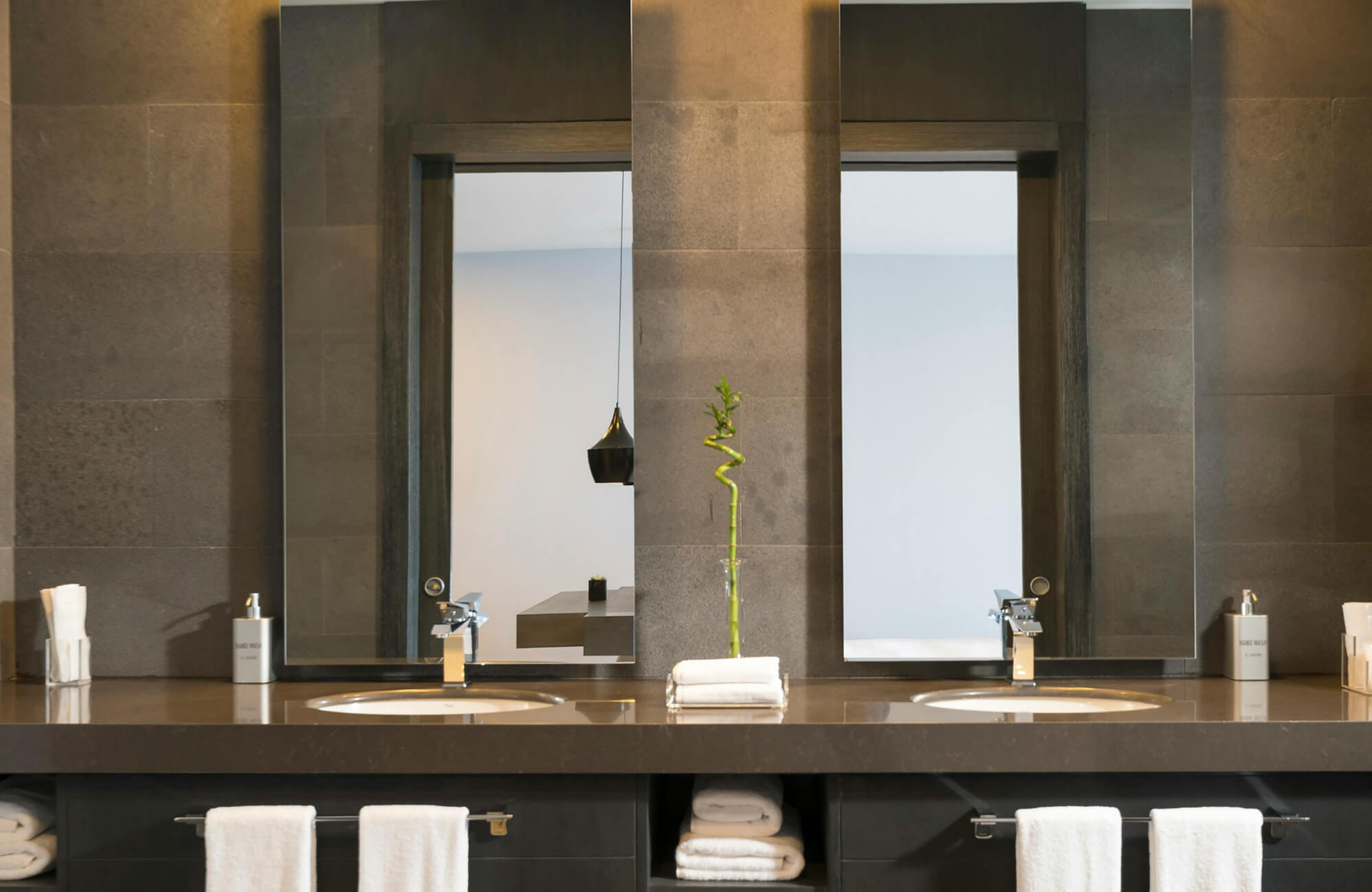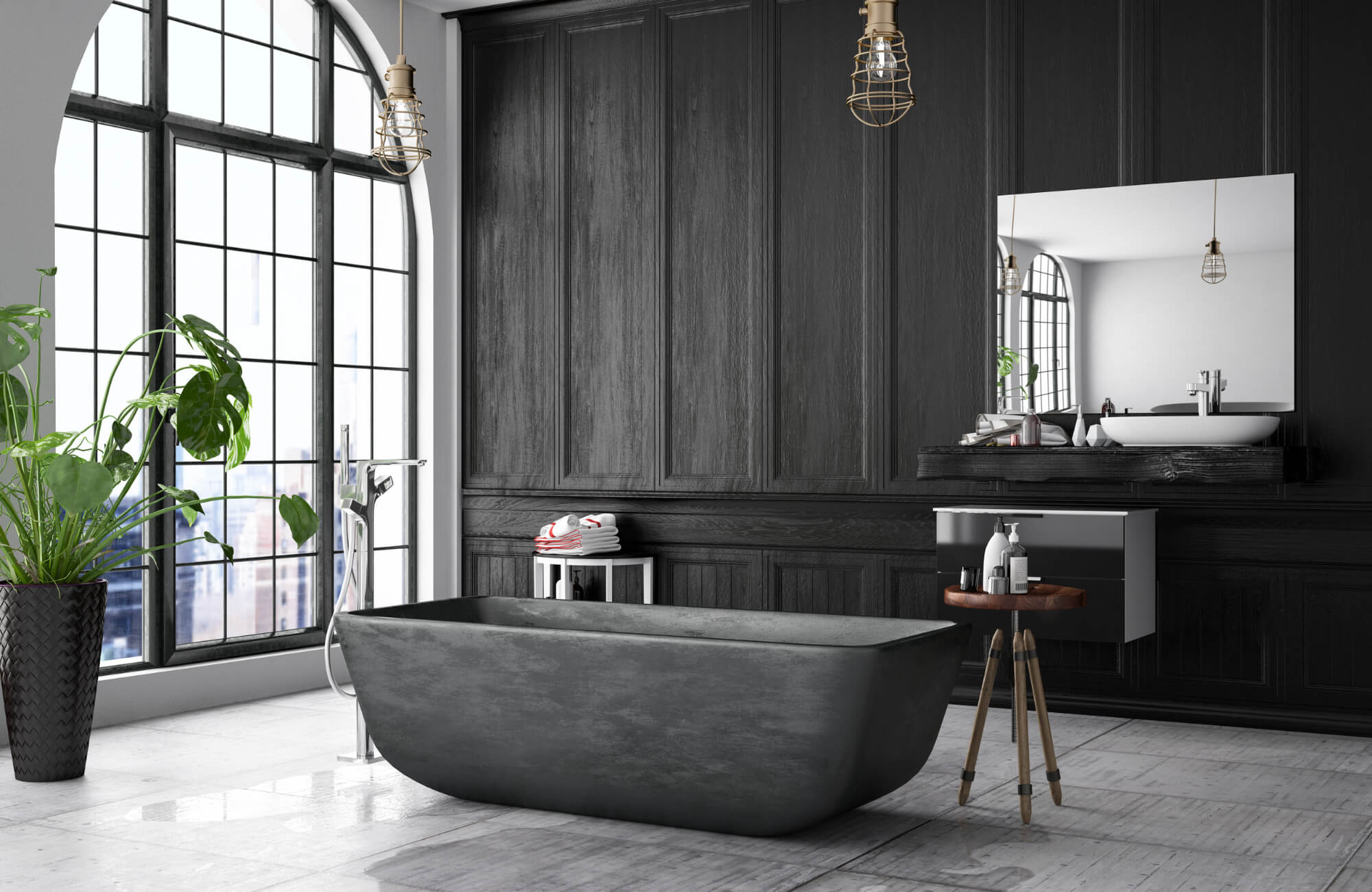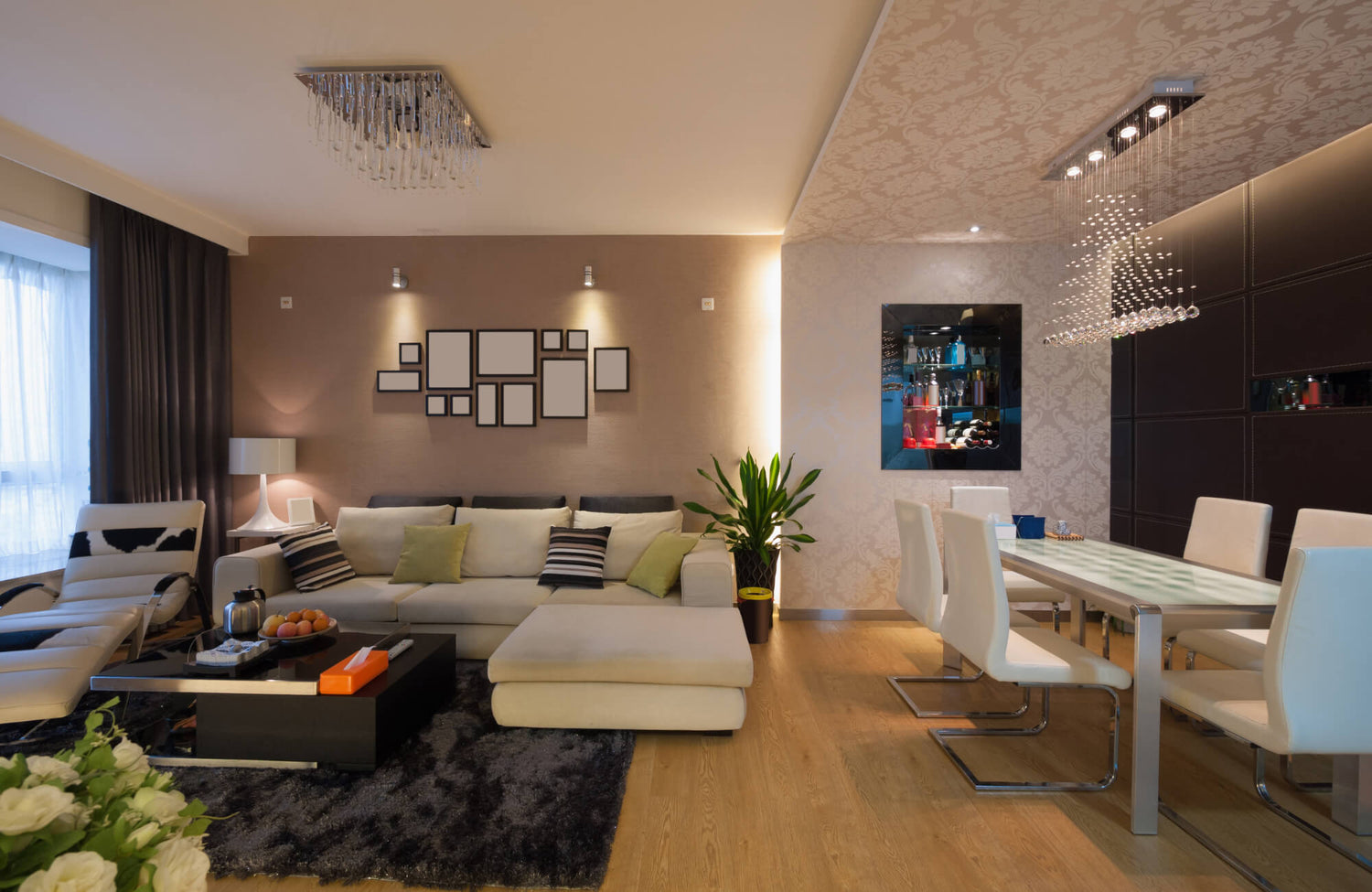
Lighting is more than just illumination; it's an art form that transforms a house into a home. The strategic use of light can dramatically alter the ambiance, highlight architectural features, and even influence your mood. Far too often, however, homeowners settle for a single overhead light, missing out on the incredible potential that layered lighting offers.
This blog will unlock the secrets to creating dynamic and inviting spaces through the masterful art of layering light. We'll explore how different types of lighting work together to craft an environment that is both functional and aesthetically pleasing, ensuring every corner of your home shines with purpose and style.

Understanding Ambient Lighting
Every lighting plan begins with a foundation, and ambient lighting sets the stage. It provides the overall illumination that makes a room functional and welcoming, creating the backdrop for all other layers.
Overhead Fixtures and Their Impact
Overhead fixtures, such as chandeliers, flush mounts, and recessed downlights, are the most common sources of ambient light. Their placement and output significantly influence both the perception of space and visual comfort. For example, recessed can lights spaced according to the room’s ceiling height and lumen requirements can eliminate dark corners while avoiding excessive overlap that leads to glare.
Similarly, a central chandelier with a dimmable driver offers flexibility, allowing the homeowner to modulate brightness for different occasions. The choice of fixture size, diffuser material, and beam angle also affects light distribution, ensuring an even wash across the room rather than harsh hotspots. In settings like an entryway, a statement fixture such as Edward Martin’s Rosa Rounded Pendant in Aged Brass, shown above, demonstrates how sculptural form and warm metallic tones can enhance both illumination and style, blending functionality with timeless design.
Maximizing Daylight
Daylight is the most efficient and psychologically beneficial form of ambient lighting. Studies show that exposure to natural light supports circadian rhythm regulation and enhances overall well-being. Strategically placed windows, clerestories, and skylights maximize daylight penetration while minimizing issues like glare and solar heat gain. Design strategies such as using low-emissivity (low-E) glazing and light-colored interior finishes can amplify reflectance, spreading daylight more evenly across a space. Motorized shades or smart glass technologies further allow fine-tuned control, ensuring that daylight remains a dynamic yet comfortable contributor to the ambient layer.

The Role of Task Lighting
Once the foundation is in place, the next step is adding focus. Task lighting builds on ambient light by targeting specific areas, ensuring clarity and comfort for activities like cooking, reading, or working.
Targeted Illumination for Functionality
Effective task lighting depends on positioning, intensity, and color temperature. For instance, under-cabinet LED strips in a kitchen reduce shadows on countertops, ensuring safe food preparation. In home offices, desk lamps with adjustable arms and 3000K–4000K output create focused light that supports reading and digital work without glare.
Measured in foot-candles, optimal task lighting levels often range from 50 to 100 foot-candles depending on the activity, significantly higher than ambient standards. This focused illumination not only improves visibility but also reduces visual fatigue, supporting long-term comfort and productivity. A refined example of this balance comes through Edward Martin’s Fenton Wall Sconce in Light Antique Brass, shown above, which combines directional precision with a warm metallic finish to deliver both utility and style in equal measure.
Choosing the Right Fixtures for Your Needs
Selecting the appropriate fixture involves evaluating both functional requirements and design integration. Pendant lights suspended over kitchen islands, vanity sconces with proper CRI (Color Rendering Index), or directional recessed downlights can all serve as task lighting solutions. Energy-efficient LEDs with dimmable drivers offer flexibility, allowing homeowners to fine-tune brightness for varying tasks throughout the day. Beam spread is equally important, narrow beams concentrate light for detail work, while broader spreads illuminate larger task zones without over-lighting the surrounding space. Fixture design should also account for glare control, often achieved through diffusers, baffles, or shielding.

Adding Depth and Drama with Accent Lighting
With both general and task illumination established, accent lighting steps in to elevate the experience. This layer introduces contrast, highlights focal points, and adds dimension that transforms a flatly lit space into one with character.
Spotlighting Features and Art
Accent lighting is most effective when used to highlight architectural elements, artwork, or decorative objects. Adjustable track heads and recessed gimbal fixtures, for example, can be aimed at wall-mounted art to achieve a recommended 30-degree angle, minimizing glare and shadow distortion.
For sculptures or textured surfaces, narrow-beam spotlights emphasize depth and surface detail, while wall washers can create an even glow that enhances scale. High-CRI (Color Rendering Index) lamps are essential here, as they ensure that colors remain true-to-life and details are faithfully rendered under artificial light. A thoughtful example of this technique is Edward Martin’s Vicente Picture Light in Aged Old Bronze, visible above, designed to cast a clean, focused beam across framed artwork or shelving while enhancing the overall composition of the room.
Creating Ambiance and Mood
Beyond highlighting features, accent lighting shapes the emotional character of a room. Cove lighting, toe-kick LEDs, and concealed strip lights add layers of glow that soften transitions and create an inviting atmosphere. Dimmable systems allow dynamic control, brightening niches for drama or lowering intensity for a more intimate setting. Accent lighting also benefits from careful consideration of color temperature: warmer tones (2700K–3000K) promote relaxation, while slightly cooler options can energize hospitality or retail environments. By strategically layering accents with ambient and task sources, designers achieve balanced scenes that adapt to multiple functions and moods.

The Finishing Touch with Decorative Lighting
After balance and depth are achieved, decorative lighting brings personality to the mix. This final layer unites function and artistry, acting as both illumination and statement-making design.
Sculptural Fixtures as Art
Chandeliers, pendants, and statement sconces often act as focal points, drawing the eye and contributing to the room’s visual hierarchy. These sculptural fixtures are not merely sources of light but also three-dimensional design elements that reinforce architectural style. For example, a multi-tier chandelier with crystal diffusers refracts light into dynamic patterns, while a minimalist LED pendant provides a sleek counterpoint in contemporary interiors.
Materiality, whether polished brass, hand-blown glass, or matte black metal, further influences the fixture’s artistic impact, allowing it to serve as an integrated piece of functional art within the overall composition. Among these, Edward Martin’s Barnes 14" Pendant in Aged Antique Distressed Bronze, featured above, makes a striking statement with its bold globe silhouette and mixed-metal detailing, lending both sculptural presence and timeless character to a kitchen or dining room.
Adding Personality and Warmth
Decorative lighting also injects individuality and a sense of hospitality into a space. Warm color temperatures in the 2700K range create a welcoming glow, softening the environment and making it more inviting. Layering decorative fixtures with dimmable controls allows homeowners to adjust intensity, shifting from a bright social atmosphere to a more intimate setting. Beyond color and brightness, scale and placement also shape personality: oversized pendants above a dining table convey drama, while clustered mini-pendants in an entryway suggest playfulness and charm.
Edward Martin’s design consultation service offers expert guidance to help customers make confident style choices, ensuring every fixture aligns with their project needs. For personalized recommendations, product questions, or assistance with selecting the right tile, rug, or furniture to complement your lighting plan, simply contact Edward Martin for tailored support.
Bringing It All Together: A Balanced Lighting Strategy
Layering light is both art and science, achieved by integrating ambient, task, accent, and decorative sources into a cohesive system. Each layer contributes distinct qualities: ambient ensures baseline visibility, task delivers precision, accent introduces contrast, and decorative adds character.
Thoughtful control of lumens, color temperature, and beam spread ensures flexibility and visual comfort, while placement techniques enhance both form and function. A well-executed plan not only elevates design but also supports daily living with efficiency and ease. Explore your own spaces with this layered approach and discover the transformative impact of expert lighting design!