
)
)
)
)
)
)
)
)
How Can Mirrors Be Used To Reflect And Amplify Natural Light?
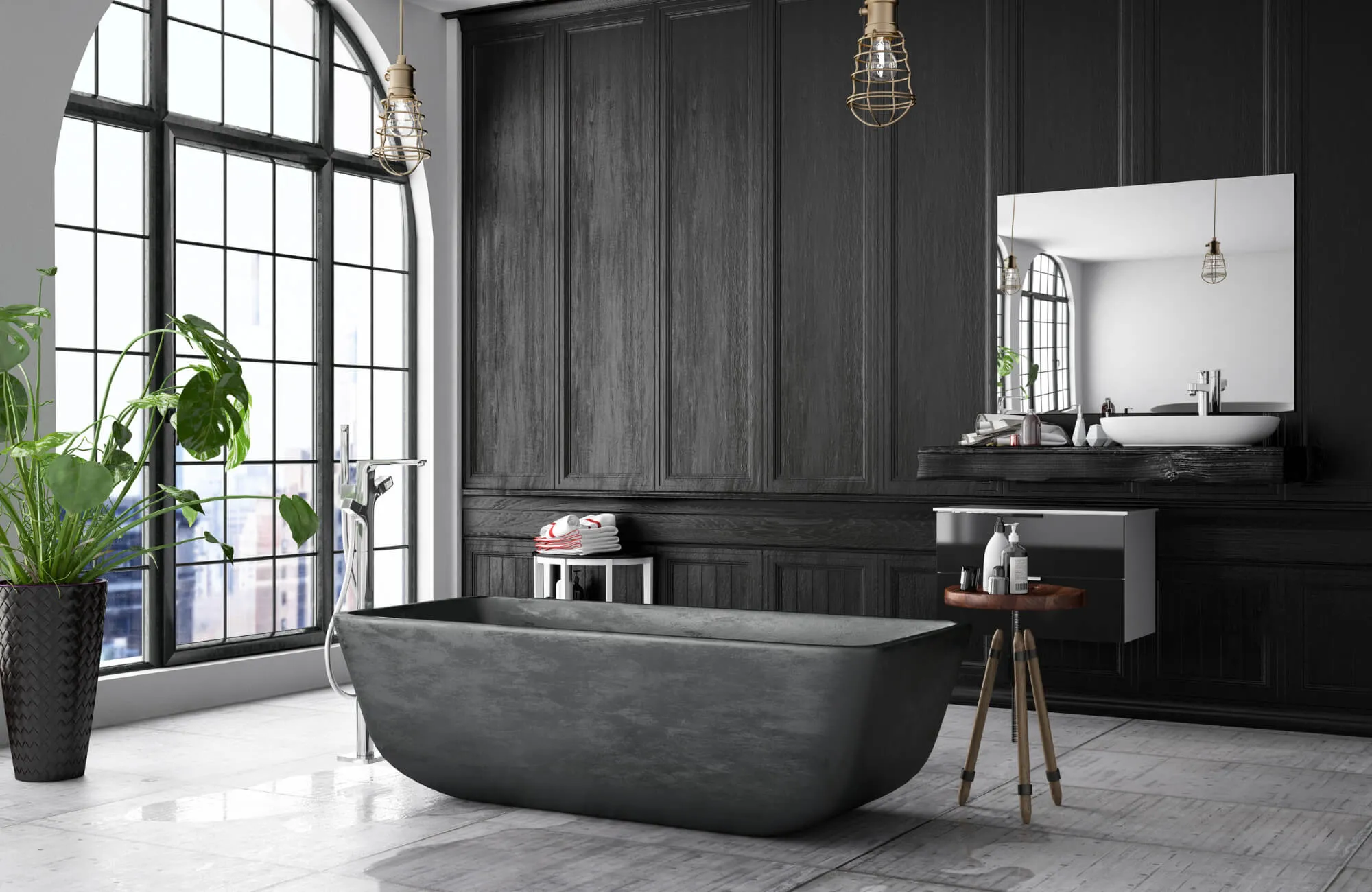
Mirrors are one of the most effective design tools for maximizing natural light, as their reflective surfaces can redirect sunlight deeper into a space and brighten shadowed areas. When positioned strategically, such as opposite windows or near glass doors, they amplify daylight penetration, reducing the need for artificial lighting and enhancing energy efficiency.
Beyond functionality, mirrors also expand visual depth, making interiors feel more open and balanced. For homeowners, designers, and professionals alike, understanding placement, scale, and framing is key to achieving optimal results. Below, we’ll discuss how mirrors can be used to reflect and amplify natural light.
Understanding the Science of Reflection
Before deciding where or how to use mirrors, it helps to understand the science behind their effect. Reflection isn’t just a design trick, it’s a predictable principle of physics that guides how light moves through a space.
The Angle of Incidence and Reflection
At its core, reflection follows the law of physics stating that the angle of incidence equals the angle of reflection. This means that light striking a mirror at a specific angle will bounce off at the same angle on the opposite side of the normal (a line perpendicular to the surface). In practical terms, this principle explains why placing a mirror directly across from a window ensures that daylight is projected deeper into a room.
Correct alignment requires precision; even slight misplacement alters the trajectory of light, reducing efficiency. Within this setting, as seen above, Edward Martin’s Clancy Small Arch Mirror in Antique Brass exemplifies how a carefully crafted design can channel light with both accuracy and elegance, uniting scientific principle with timeless style.
Maximizing Light from Different Sources
Mirrors do more than redirect natural daylight, they can also enhance artificial illumination. Positioning reflective surfaces near pendant lights, sconces, or recessed fixtures multiplies perceived brightness without increasing wattage. High-quality glass with a silvered or aluminum backing offers superior reflectivity, ensuring minimal light absorption. In design practice, mirrors amplify not only visible light but also the color temperature and diffusion pattern of the source, creating more uniform illumination throughout the space.
The Illusion of Space and Brightness
Beyond measurable physics, reflection influences spatial perception on a psychological level. By bouncing light across walls and ceilings, mirrors reduce harsh contrast and eliminate shadow-heavy corners. This visual softening creates the impression of expanded square footage, a technique often used in compact urban interiors. The interplay of reflection and brightness also enhances surface finishes, glossy paint, metallic accents, and textured fabrics all appear more vibrant under redirected light. When strategically applied, these optical effects increase both comfort and design sophistication.
Strategic Placement for Maximum Impact
With the basics of reflection in mind, the next step is learning how to position mirrors for the best results. Placement can dramatically influence brightness, depth, and overall atmosphere in a room.
Placing Mirrors Opposite Windows
Positioning mirrors directly opposite windows is one of the most effective techniques for maximizing daylight. This alignment allows incoming sunlight to reflect deeper into the interior, effectively doubling the perceived window area.
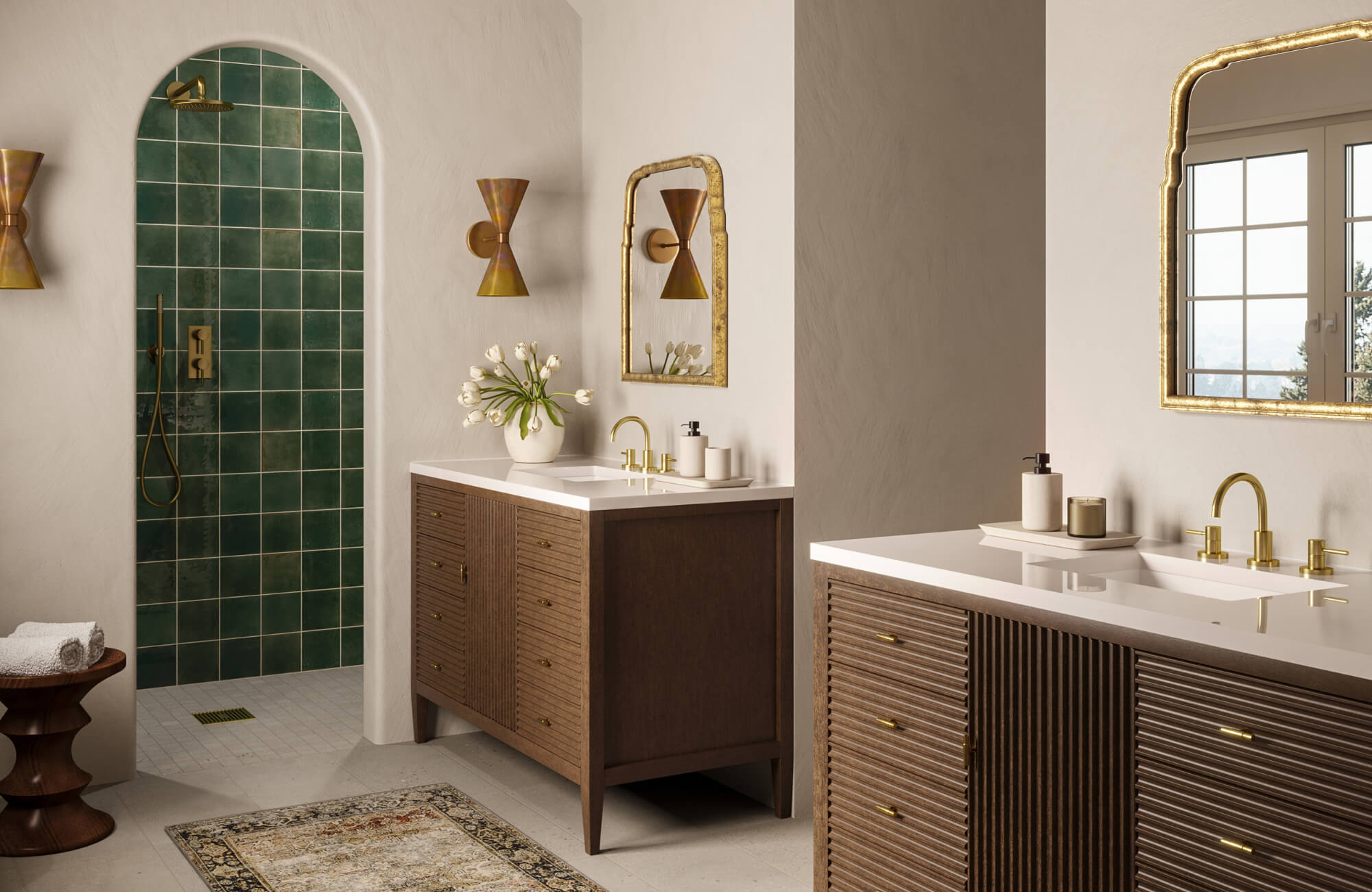
By thoughtfully considering scale and orientation, designers can extend the reach of natural light to otherwise dim zones while also framing outdoor views as a visual focal point. In this context, as shown above, Edward Martin’s Clementine Mirror in Antiqued Gold Leaf brings architectural depth and character to the wall, while amplifying brightness in a way that enriches the room’s atmosphere.
Mirror Placement on Adjacent Walls
Installing mirrors on walls adjacent to windows introduces a different kind of light movement, angled reflection. Instead of directly projecting light, adjacent placement diffuses it across multiple surfaces, softening contrasts and creating a layered lighting effect. This technique is particularly effective in balancing brightness throughout the room, reducing glare, and enhancing visual comfort. It also adds dynamic interplay between natural light and architectural features, emphasizing depth and structure.
Leveraging Light in Darker Rooms
In rooms with limited or no natural light, mirrors can still serve as powerful tools by maximizing artificial illumination. Placing them near wall sconces, floor lamps, or ceiling fixtures expands the effective coverage of each light source, minimizing dark spots and enhancing overall brightness. For spaces with only one small window, positioning a mirror adjacent to or diagonally across from the opening multiplies the available daylight. In both cases, high-quality reflective glass ensures minimal distortion, preserving clarity while amplifying luminance.
Choosing the Right Mirror for Your Space
Of course, even the smartest placement depends on selecting the right mirror. Size, shape, and framing all affect how a piece interacts with both light and design elements around it.
Selecting Mirror Size and Shape
The dimensions and geometry of a mirror directly influence how light is reflected and how the room is perceived. Large-scale mirrors, such as full-length or oversized wall designs, maximize reflective surface area, spreading light across wider zones and visually expanding square footage. Conversely, smaller accent mirrors are more effective for targeted reflections, emphasizing architectural details or furnishings.
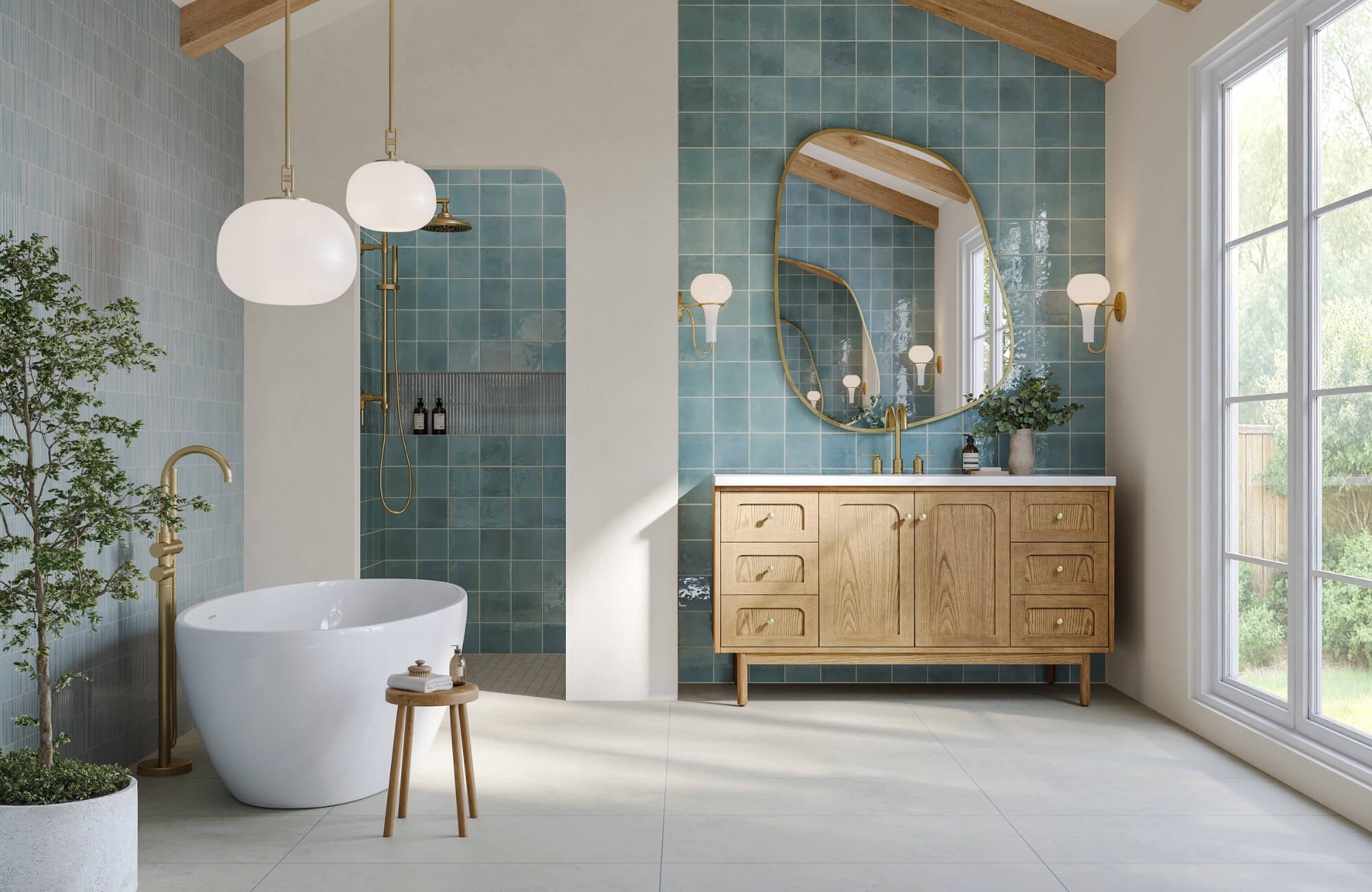
Shapes matter as well: rectangular mirrors reinforce linear sightlines, round styles soften rigid layouts, and irregular organic forms introduce sculptural contrast. Highlighting this approach, in the example above, Edward Martin’s Shirley Large Mirror in Antique Brass Iron reveals how an asymmetrical form can introduce bold artistic presence while continuing to elevate the flow of natural light.
The Impact of Frame and Finish
A mirror’s frame is more than decorative, it determines how the piece integrates with surrounding finishes and affects overall reflectivity. Metallic frames in polished brass, chrome, or nickel subtly bounce light while adding luster, whereas matte or wood finishes absorb more illumination, creating balance in already bright spaces. The frame’s thickness also influences the effect: slim profiles minimize visual interruption, while bold, wide frames turn the mirror into a statement feature. Finish selection should align with both functional needs, such as resistance to humidity in bathrooms, and the broader design palette.
Using Mirror Sets and Galleries
Multiple mirrors arranged in sets or gallery-style installations provide versatility in shaping light movement. By staggering smaller mirrors along a wall, designers can create a rhythm of reflections that diffuse illumination more evenly than a single large surface. Galleries also introduce layered focal points, drawing the eye across the space and enhancing visual complexity. In open-plan interiors, coordinated sets can define zones while maintaining brightness, effectively blending decorative artistry with practical light enhancement.
Incorporating Mirrors into Room Layouts
Once you’ve chosen the right mirror, it’s time to see how it works within specific rooms. Different layouts call for different strategies, whether you’re brightening a living room, a bedroom, or a bathroom.
Living Room and Dining Room Strategies
In communal areas, mirrors can amplify natural light while highlighting focal features. A large mirror placed behind a sofa or above a fireplace reflects windows, extending daylight reach across seating zones. In dining rooms, positioning a mirror along one wall creates visual depth and a sense of grandeur, often making the table appear more expansive. When aligned with chandeliers or pendant fixtures, mirrors also multiply the effect of artificial lighting, elevating ambience for gatherings.
Bedroom and Entryway Accents
In more personal or transitional spaces, mirrors serve as both functional tools and design enhancers. Full-length mirrors in bedrooms support practical use while brightening corners that typically lack direct daylight. In entryways, a mirror positioned opposite a doorway or console reflects incoming light, making compact foyers feel open and inviting. Scale is important here: oversized mirrors expand narrow halls, while smaller, decorative options emphasize style without overwhelming the layout.
Making a Bathroom Feel Brighter
Bathrooms often present lighting challenges due to limited window size or interior placement. Installing a generously sized mirror above the vanity not only improves task lighting but also disperses available daylight throughout the room. In spaces with minimal natural light, pairing mirrors with wall-mounted sconces ensures even luminance across the face, reducing shadows caused by overhead-only fixtures.
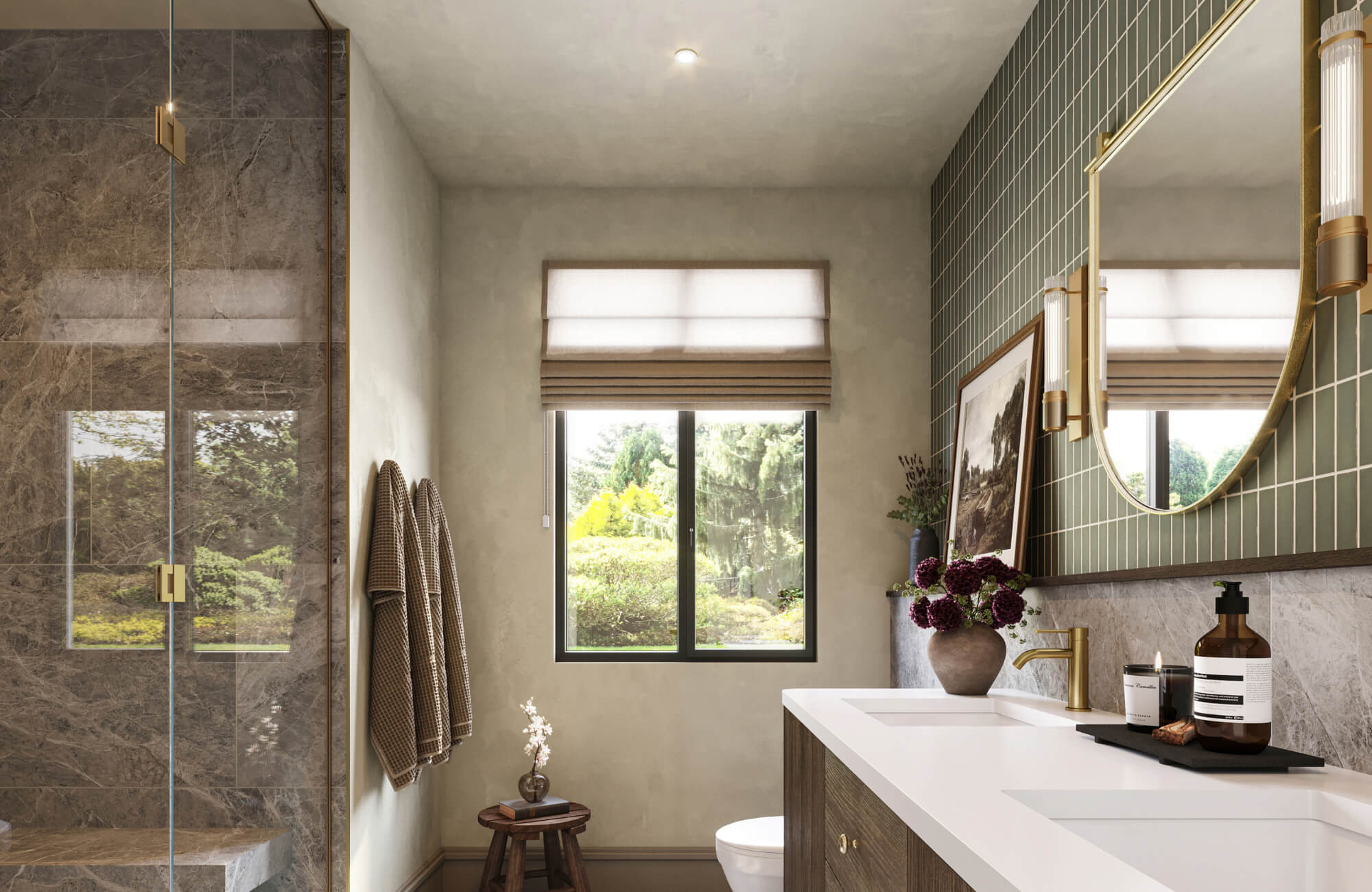
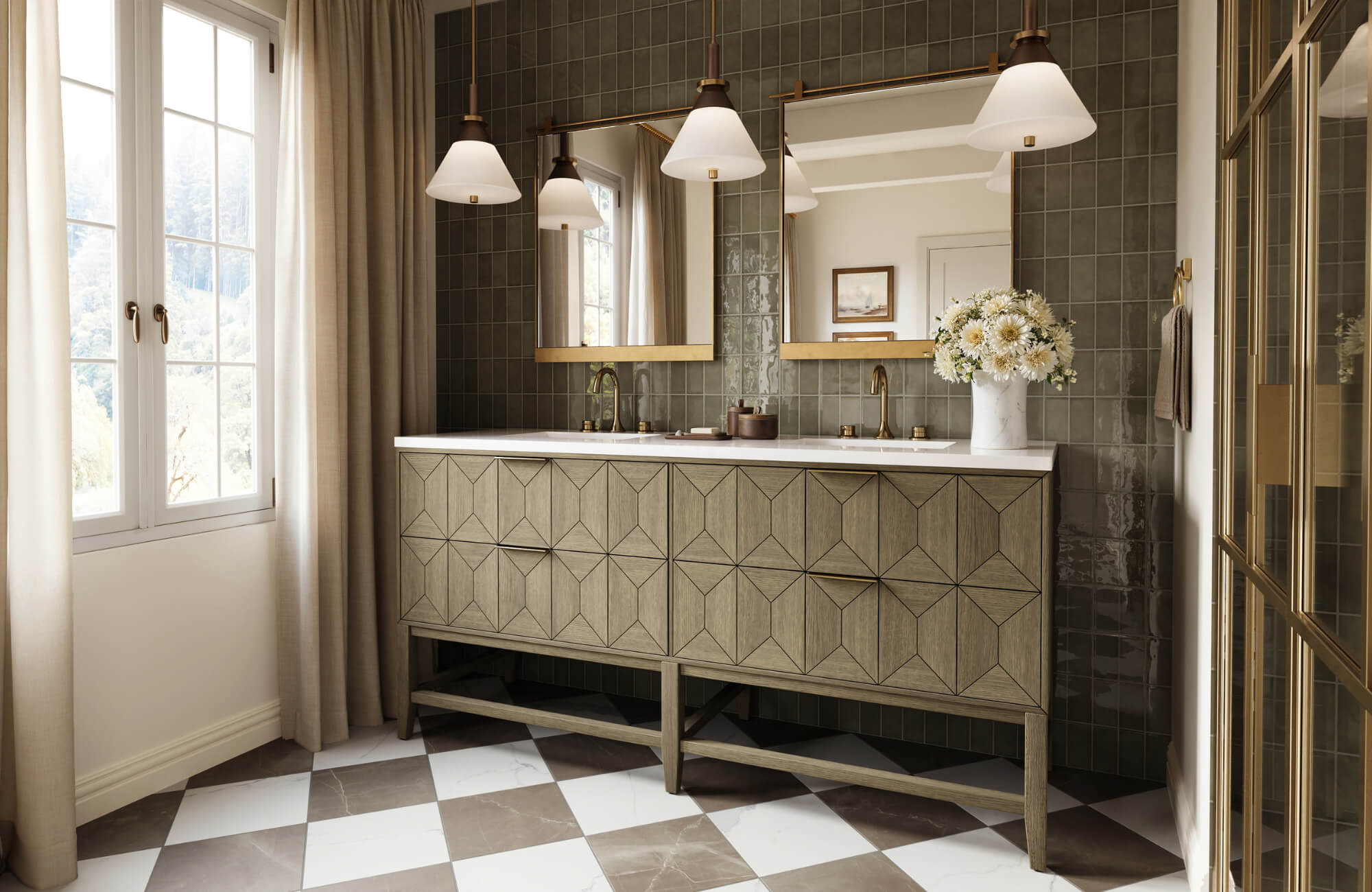
Frameless or beveled-edge designs further maximize reflectivity, contributing to a cleaner, more expansive feel in compact bathrooms. Serving as an example, featured above, Edward Martin’s Clancy Small Mirror in Antique Brass shows how a refined, structured frame can bring both elegance and enhanced light diffusion to the bathroom setting.
Simple Tips for Maintaining Your Mirrors
Designing with mirrors doesn’t end at installation, keeping them clear and well-preserved ensures their impact lasts. Regular care and smart upgrades help maintain both beauty and performance over time.
The Best Cleaning Practices
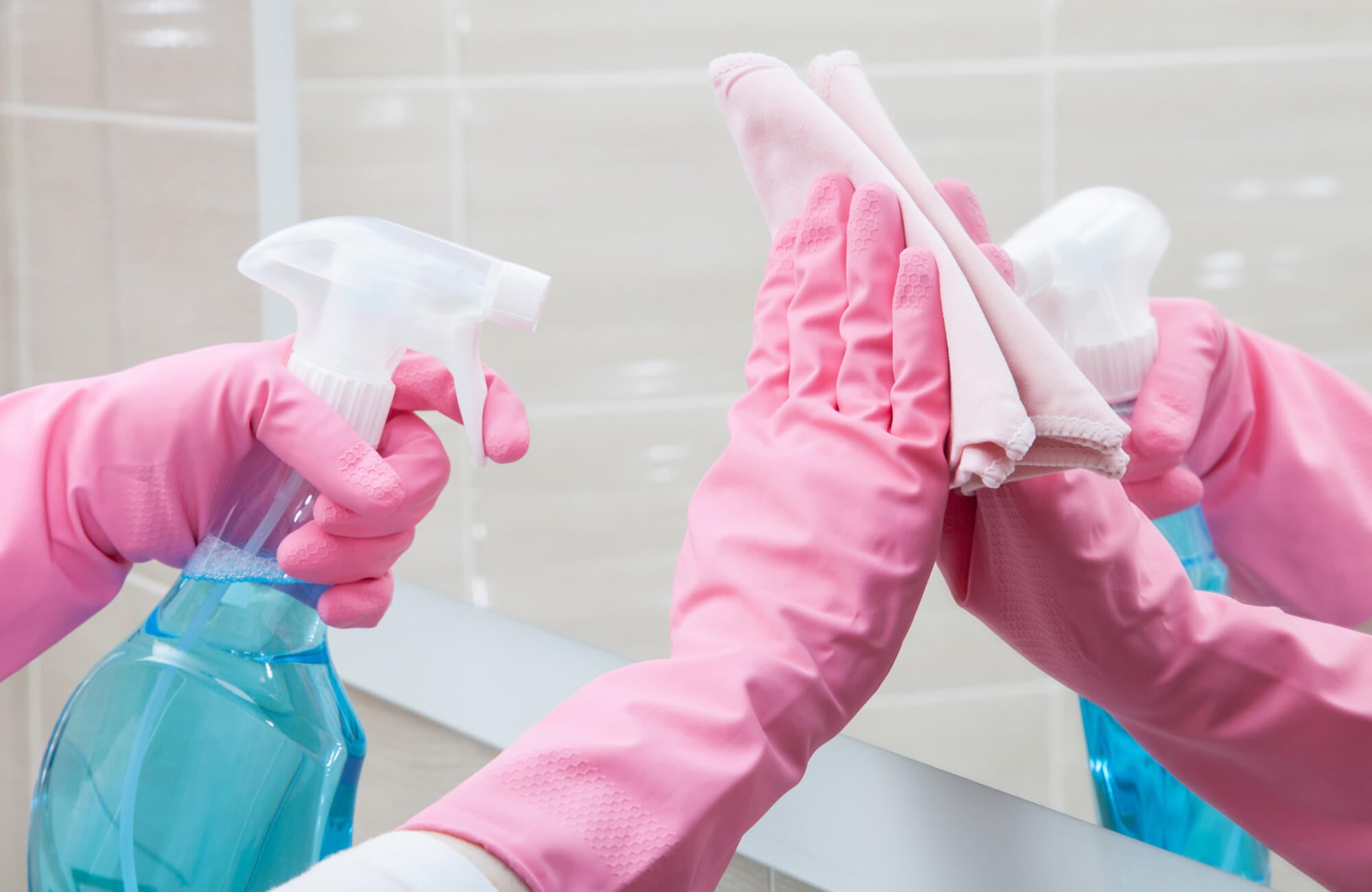
Cleaning mirrors requires more than a quick wipe, using the right technique and materials prevents streaks and surface wear. A microfiber cloth paired with a pH-neutral glass cleaner or a solution of distilled water and vinegar is most effective. Sprays should be applied directly to the cloth, not the mirror, to prevent liquid from seeping behind the glass and damaging the silver backing. Circular or S-pattern motions reduce streaking, while gentle pressure avoids scratching the reflective surface. To keep finishes performing as intended, always follow the manufacturer’s care guidelines, which provide the most reliable direction for long-term upkeep.
Protecting Your Mirrors
Prevention is equally important to maintenance. Mirrors placed in humid environments, such as bathrooms, benefit from adequate ventilation or a protective coating to reduce the risk of desilvering over time. Avoid placing them where direct sunlight hits for prolonged periods, as UV exposure can gradually degrade backing materials and cause discoloration. Using secure mounting hardware ensures stability, preventing stress cracks or warping from uneven support.
When to Consider an Upgrade
Even with proper care, some mirrors eventually lose clarity or show visible deterioration, such as black spots along the edges from moisture damage. At this stage, replacement may be more effective than repair, especially when upgraded designs can improve reflectivity and style. Modern manufacturing techniques offer higher-quality coatings, shatter-resistant safety glass, and integrated features such as LED backlighting, all of which enhance both function and aesthetic appeal. Considering an upgrade allows you to refresh interiors while benefiting from improved durability and performance.
Creating a More Luminous Home With Mirrors
Mirrors are much more than simple decorative pieces; they are dynamic tools that can completely transform a space. By understanding how to strategically select and place them, you can dramatically increase the amount of natural light in your home, making every room feel larger, brighter, and more inviting.
For those seeking expert direction, Edward Martin’s design consultation service offers tailored guidance to help you make confident style choices. If you’d like personalized suggestions, have product-related questions, or need assistance with tile, rug, or furniture selections, simply contact Edward Martin. Our team is here to provide expert support, ensuring that every detail of your home design shines with clarity and confidence!
Follow us on Instagram
@EDWARD.MARTIN
)
)
)
)
)
)
)
)
)
)
)
)
)
)
)
)