
)
)
)
)
)
)
)
)
What Wall Light Styles Are Trending Right Now?
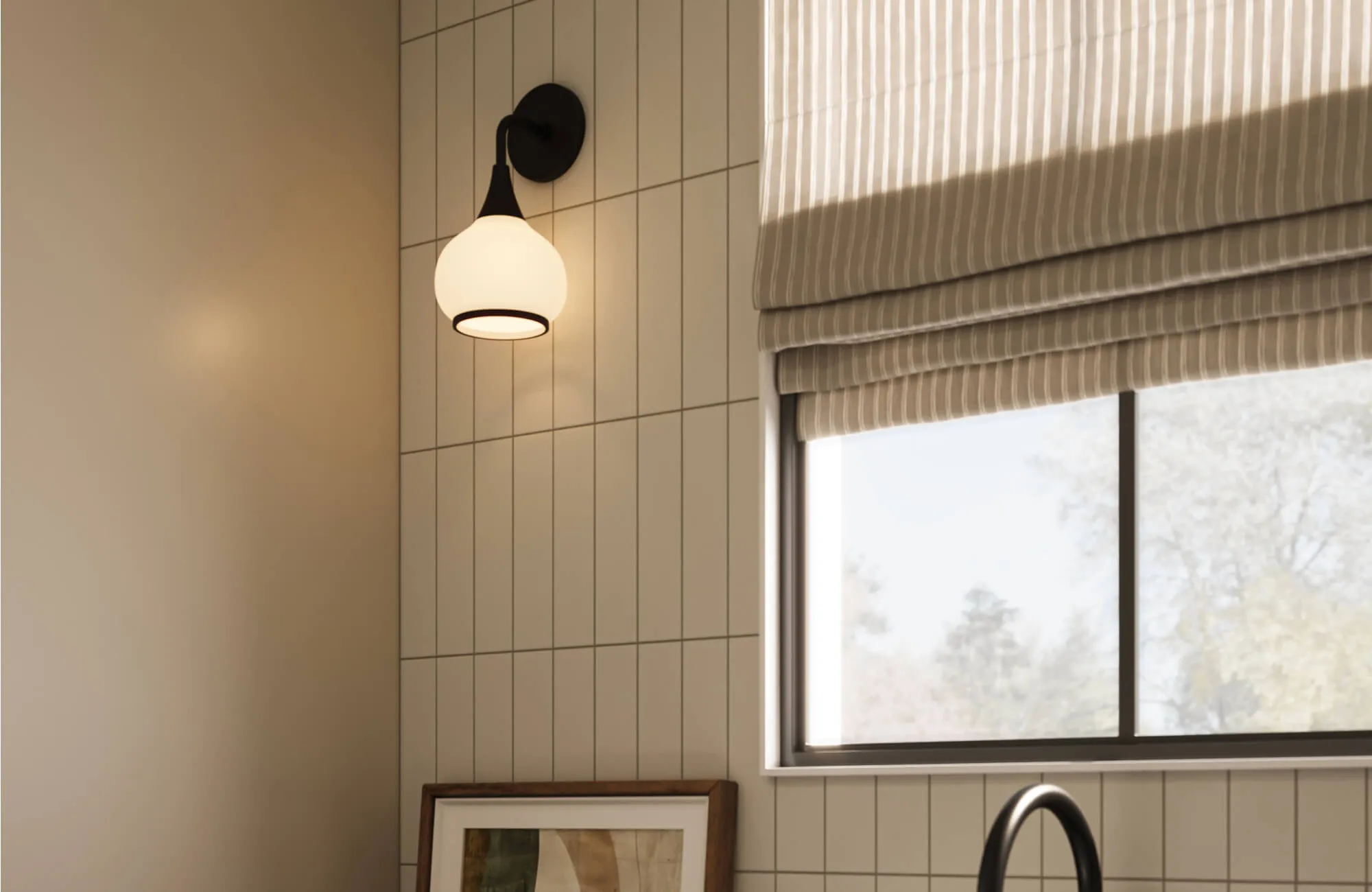
Wall lights have evolved into essential design elements that shape atmosphere, define architectural character, and support layered lighting strategies. Rather than serving purely functional roles, today’s wall lighting solutions blend form, materiality, and advanced lighting technology to elevate interior spaces. This shift reflects growing awareness of how light affects spatial perception, visual comfort, and long-term design value. From sculptural fixtures to integrated LED systems, wall lights are now specified with the same intention as furniture or millwork. Understanding current wall light trends requires examining both aesthetic direction and performance-driven innovation. Together, these insights reveal how modern wall lighting enhances interiors with precision and personality.
Sculptural and Art-Driven Wall Lights
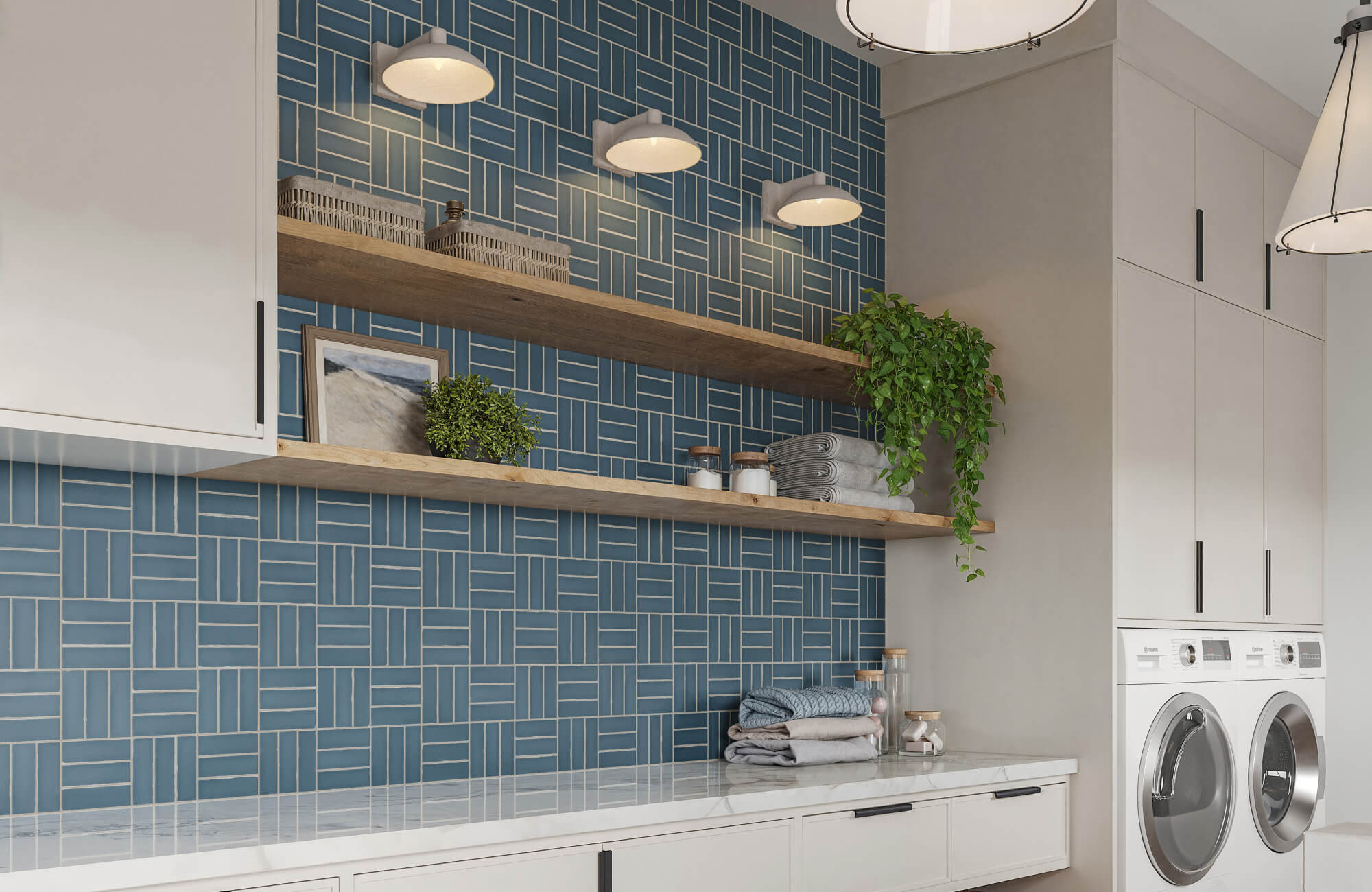
Wall lights are increasingly designed as sculptural elements that contribute as much visual presence as illumination, allowing walls to function as curated design surfaces. This shift reflects a broader emphasis on expressive materials and architectural lighting that enhances atmosphere while supporting layered lighting strategies.
Material-Led Design: Plaster, Ceramic, and Cast Forms
Plaster and ceramic wall sconces have gained momentum because their tactile surfaces introduce subtle texture that softens otherwise clean-lined interiors. As light grazes these matte finishes, gentle shadowing emerges, adding dimensionality even when illumination levels remain low. This material-driven approach also aligns naturally with Japandi, organic modern, and minimalist spaces where visual restraint is balanced by craftsmanship. To preserve this sculptural integrity, many designs incorporate integrated LED light engines concealed within the fixture body. By directing light indirectly, these systems minimize glare while allowing the form itself to remain the focal point. Consequently, plaster and ceramic wall lights are often specified for ambient lighting in bedrooms, hallways, and living areas where comfort is paramount.
Diffused Illumination and Visual Comfort
Beyond form, visual comfort plays a decisive role in the appeal of sculptural wall lighting. Frosted lenses and opal acrylic diffusers, for instance, are commonly used to soften light output and eliminate harsh hotspots. This diffusion also creates a more even luminance gradient across the wall surface, which the eye perceives as calmer and more inviting. In addition, high-quality fixtures typically specify LEDs with a color rendering index (CRI) above 90 to ensure accurate reproduction of materials and skin tones. When paired with warm color temperatures between 2700K and 3000K, the resulting glow feels distinctly residential rather than commercial. Together, these characteristics make sculptural wall sconces ideal for low-glare architectural lighting applications.
Scale, Proportion, and Wall Integration
Scale and proportion play a critical role in how sculptural wall lights are perceived within a space. Oversized wall sconces can anchor large wall expanses, preventing minimalist interiors from feeling sparse or underdeveloped. In contrast, smaller sculptural fixtures work best when grouped or aligned rhythmically along corridors or feature walls. Proper wall integration also ensures that the fixture feels intentional rather than applied, particularly when coordinating with millwork or architectural recesses. Designers often consider mounting height carefully to maintain ergonomic sightlines and balanced visual weight. When scale and placement are resolved thoughtfully, sculptural wall lighting enhances both spatial harmony and architectural presence.
Statement Glass Wall Lights with Decorative Optics
Glass wall lights are returning as statement pieces, valued for their ability to combine luminous performance with decorative impact. This renewed interest reflects a desire for fixtures that enhance visual layering while introducing depth, sparkle, and material contrast.
Ribbed, Fluted, and Prismatic Glass Effects
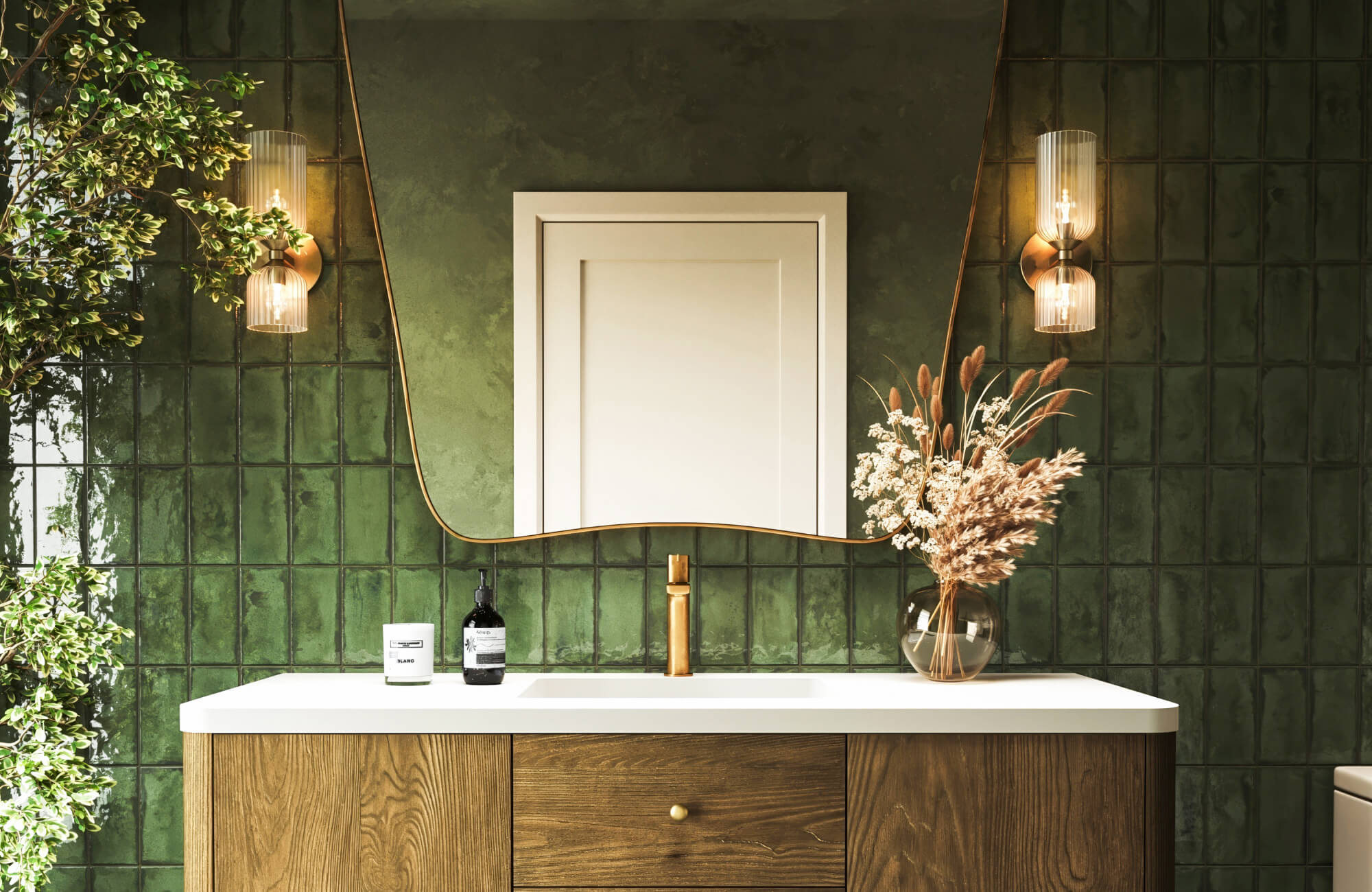
Textured glass wall sconces manipulate light by refracting and diffusing it across multiple surfaces, creating depth without relying on excessive brightness. Ribbed and fluted glass patterns, on the other hand, soften illumination while introducing vertical rhythm that visually elongates wall planes. As light passes through these textures, walls gain movement and dimensionality rather than appearing flat or static.
This effect is clearly demonstrated in Edward Martin’s Madison 12" Socket Wall/Vanity Light in Brushed Gold with Clear Ribbed Glass, as displayed in the photo above, where the ribbed glass diffuses light evenly while maintaining clarity and sparkle. The brushed gold finish further enhances the warm glow, reinforcing how textured glass and warm metals work together to elevate bathroom and vanity lighting. Because the emphasis is on optical refinement rather than high output, fixtures like this perform best as accent or vanity lighting within a layered lighting design.
Performance Considerations and Ratings
While decorative glass wall lights excel visually, their performance must be evaluated carefully. Textured diffusers, for example, naturally reduce total lumen output, which can affect overall light levels if used alone. For this reason, proper spacing and supplemental lighting become critical during specification. In bathrooms and kitchens, damp-rated construction also ensures reliable operation in humid conditions. Sealed LED assemblies further protect internal components while preserving optical clarity over time. When performance and aesthetics are balanced thoughtfully, glass wall lights deliver both durability and visual sophistication.
Light Refraction as a Tool for Spatial Depth
Light refraction through decorative glass can subtly influence how depth and dimension are perceived within a room. As light bends through ribbed or prismatic surfaces, it creates layered highlights that visually expand wall planes. This effect is especially valuable in smaller rooms where added depth enhances spatial comfort. Rather than relying on brightness alone, designers also use refracted light to introduce complexity and movement. The resulting glow shifts gently as the viewer moves through the space, reinforcing a dynamic visual experience. When used intentionally, refractive glass wall lighting becomes an architectural tool rather than a purely decorative element.
Architectural Linear and Integrated LED Wall Lights
Architectural wall lighting emphasizes precision and restraint, allowing light to articulate space without visual clutter. Linear integrated LED wall lights support this approach by aligning seamlessly with contemporary interiors and architectural detailing.
Wall-Wash, Graze, and Directional Optics
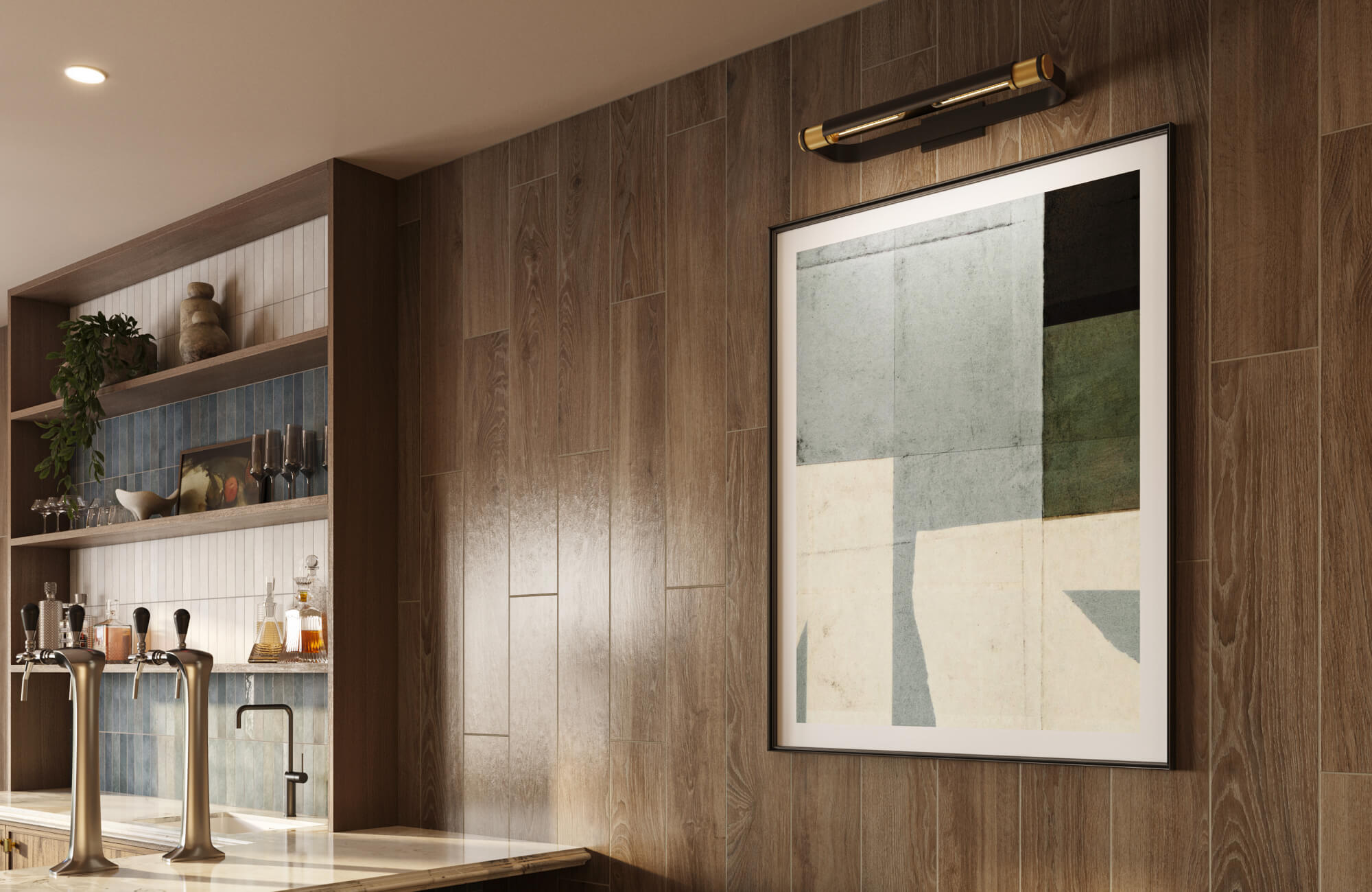
Linear wall lights are frequently specified to achieve controlled wall-wash or directional lighting effects that enhance vertical surfaces without overwhelming the space. When positioned close to the wall plane, these fixtures deliver focused illumination that highlights artwork while minimizing spill light and glare. This approach is evident in the Ernest Picture Light in Aged Brass/Distressed Bronze, where the elongated profile directs light evenly across the artwork below. In the image above, the fixture’s placement creates a subtle grazing effect on the wood-look wall surface, adding depth and texture beyond the framed piece itself. The warm aged brass and distressed bronze finish further softens the light, preventing harsh contrast against the surrounding materials. As a result, picture lights like this function as both directional accent lighting and an integral part of a layered, architectural lighting scheme.
Driver Technology and Light Control
Equally important to form is the control infrastructure behind integrated LED wall lighting. Modern fixtures commonly incorporate 0–10V or ELV-compatible drivers for smooth, flicker-free dimming. This capability also allows light levels to adapt seamlessly to different times of day and activities. Increasingly, tunable white technology is specified to shift color temperature dynamically. Such flexibility supports circadian lighting strategies and personalized ambiance control. Proper driver selection ultimately ensures long-term performance, compatibility, and energy efficiency.
Alignment with Millwork and Architectural Elements
Architectural wall lights are most effective when aligned precisely with surrounding architectural elements. Linear fixtures, for instance, often echo the dimensions of cabinetry, paneling, or shelving to reinforce clean visual lines. This alignment strengthens spatial order and prevents lighting from appearing visually disconnected. Integrated LED wall lights are also frequently recessed or surface-mounted to maintain flush transitions. When these considerations are addressed early in the design phase, lighting integrates seamlessly with surrounding surfaces, preserving clean reveal lines and delivering controlled, intentional shadowing.
Warm Metals and Elevated Finish Trends
Finish selection now plays a strategic role in defining the visual tone of wall lighting. Warm metallic finishes, in particular, contribute to interiors that feel refined, cohesive, and enduring.
Brass, Bronze, and Soft Gold Finishes
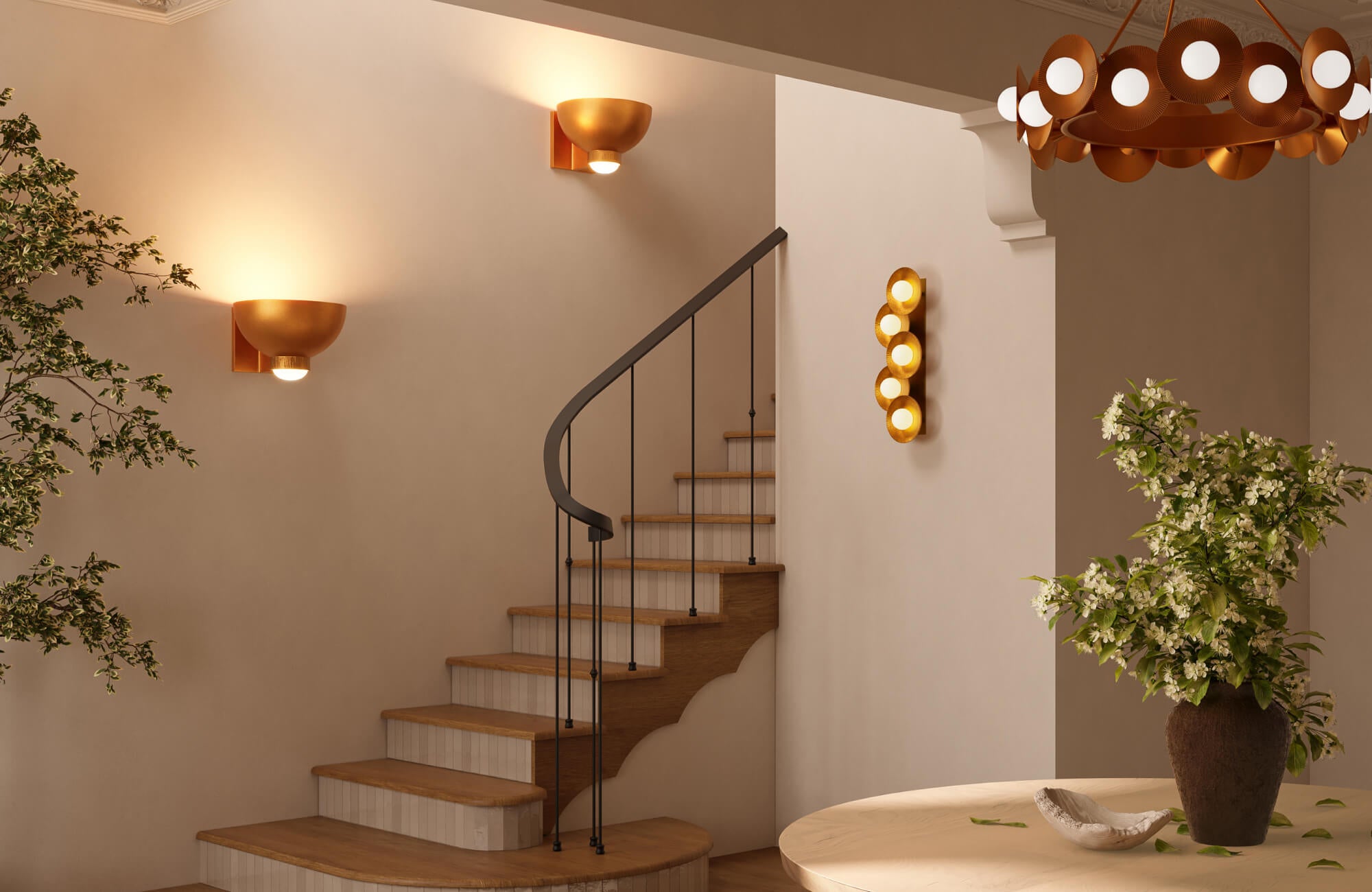
Warm metallic finishes such as brass, bronze, and soft gold continue to define elevated wall lighting by introducing richness without excessive shine. In the image featured above, our Perez Wall Sconce in Vintage Gold Leaf along the stair wall exemplifies how soft gold tones enhance architectural transitions while maintaining visual warmth. Its gently reflective surface catches light subtly, reinforcing a welcoming glow that complements both plaster walls and wood stair treads. This restrained sheen also prevents glare while allowing the finish to read as luxurious and intentional. Similarly, the wall light positioned near the table, such as the Cressida 5-Light Wall Sconce in Vintage Gold Leaf, demonstrates how clustered light points in the same finish can add sculptural impact and visual rhythm. Together, these fixtures show how vintage gold finishes create cohesion across wall lighting while elevating circulation zones and gathering spaces alike.
Durability, Coatings, and Maintenance
Beyond aesthetics, finish durability directly impacts long-term satisfaction. For instance, advanced PVD and powder-coated finishes offer superior resistance to corrosion and surface wear. These treatments also help maintain consistent coloration even in high-use environments. Satin and brushed textures further reduce the visibility of fingerprints and minor abrasions. As a result, fixtures retain their refined appearance with minimal upkeep. Durable finishes therefore support both visual longevity and practical performance.
Finish Temperature and Interaction with Light Color
The perceived warmth of a metal finish is directly influenced by the color temperature of the light source. Brass and bronze finishes appear richer under warm white illumination, enhancing their depth and tonal variation. Cooler light temperatures, on the other hand, can flatten these finishes, reducing their intended visual impact. Designers, therefore, coordinate LED color temperature with finish selection to preserve material integrity. This interaction is especially important in layered lighting environments where multiple light sources coexist. When finish and light color are harmonized, wall lighting achieves a more cohesive and luxurious appearance.
Flexible and Non-Permanent Wall Lighting Solutions
Flexibility has become an essential consideration in wall lighting, particularly as living spaces evolve more frequently. Non-permanent solutions respond to this need by offering adaptability without sacrificing design quality.
Plug-In Wall Sconces and Adjustable Designs
Plug-in wall sconces deliver the visual presence of hardwired fixtures while simplifying installation. This convenience makes them especially appealing for renters and renovation projects. Many designs also incorporate swing arms or pivoting heads to provide directional control. Such adjustability supports both ambient illumination and focused task lighting. Integrated dimmers further enhance usability by allowing precise light modulation. Together, these features create versatile wall lighting solutions with professional-level aesthetics.
Creative Placement and Layered Lighting
Wall lights are increasingly positioned in unexpected locations to enhance spatial depth. When placed near shelving or artwork, they draw attention to architectural moments that might otherwise go unnoticed. This strategy also adds visual rhythm and reinforces layered lighting design. By reducing dependence on overhead fixtures, wall-mounted lighting improves overall comfort. In addition, subtle accent lighting helps define zones within open-plan layouts. Through thoughtful placement, wall lights become integral to both function and atmosphere.
Installation Constraints and Electrical Planning
Flexible wall lighting still requires careful consideration of electrical planning to ensure safe and effective use. Plug-in wall sconces must be positioned near outlets to avoid visible cord runs that disrupt visual flow. Cord management solutions, such as fabric-wrapped cables or surface-mounted raceways, also help maintain a refined appearance. Moreover, load limits and dimmer compatibility should be evaluated to prevent performance issues. In renovation settings, these considerations allow designers to achieve layered lighting without invasive construction. Thoughtful planning ensures flexibility without compromising professional lighting standards.
Lighting That Defines Modern Walls
Today’s wall light trends reflect a refined balance between visual expression, technical performance, and spatial intention. From sculptural plaster wall sconces to integrated LED architectural lighting, modern wall fixtures now play a central role in shaping atmosphere and enhancing interior architecture. Advances in diffusion, driver technology, and finish durability also ensure that aesthetic appeal is supported by long-term performance and visual comfort. Meanwhile, flexible solutions such as plug-in wall sconces and adjustable designs respond to evolving lifestyles without compromising design integrity. Together, these trending wall light styles demonstrate how thoughtful lighting design elevates both functionality and timeless interior appeal.
Edward Martin’s design services further support this approach to modern wall lighting by helping homeowners and designers translate inspiration into cohesive, well-executed interiors. Through expert guidance on lighting placement, finishes, and layered illumination strategies, our team ensures each space balances visual impact with long-term performance. To explore tailored lighting solutions and elevate your project with confidence, contact us today!
Follow us on Instagram
@EDWARD.MARTIN
)
)
)
)
)
)
)
)
)
)
)
)
)
)
)
)