Choosing the right rug color is one of the most visually impactful decisions a homeowner can make, yet it is often underestimated in terms of daily maintenance. Blue rugs, especially deep navy and indigo tones, have surged in popularity thanks to their ability to ground a space, convey calm, and add sophistication without feeling stark. However, many homeowners and interior design enthusiasts hesitate before committing to blue because of one practical concern: will it show lint, dust, and pet hair too easily?
The short answer is that a blue rug can highlight debris, but the extent depends heavily on shade, material, construction, and lifestyle factors. Understanding how color contrast, fiber behavior, and pattern selection work together allows you to enjoy the elegance of a blue rug without constant frustration. With informed choices and realistic maintenance habits, blue rugs can remain both stylish and livable, even in homes with pets and high foot fall.

Understanding Why Dark Blue Highlights Debris
Color plays a powerful role in how the eye perceives cleanliness. While blue is often associated with serenity and depth, darker blues behave similarly to black or charcoal when it comes to contrast. This visual contrast is the primary reason debris becomes more noticeable, not necessarily because the rug attracts more mess, but because it reveals it more clearly.
The High Contrast Of Navy Against White Fur
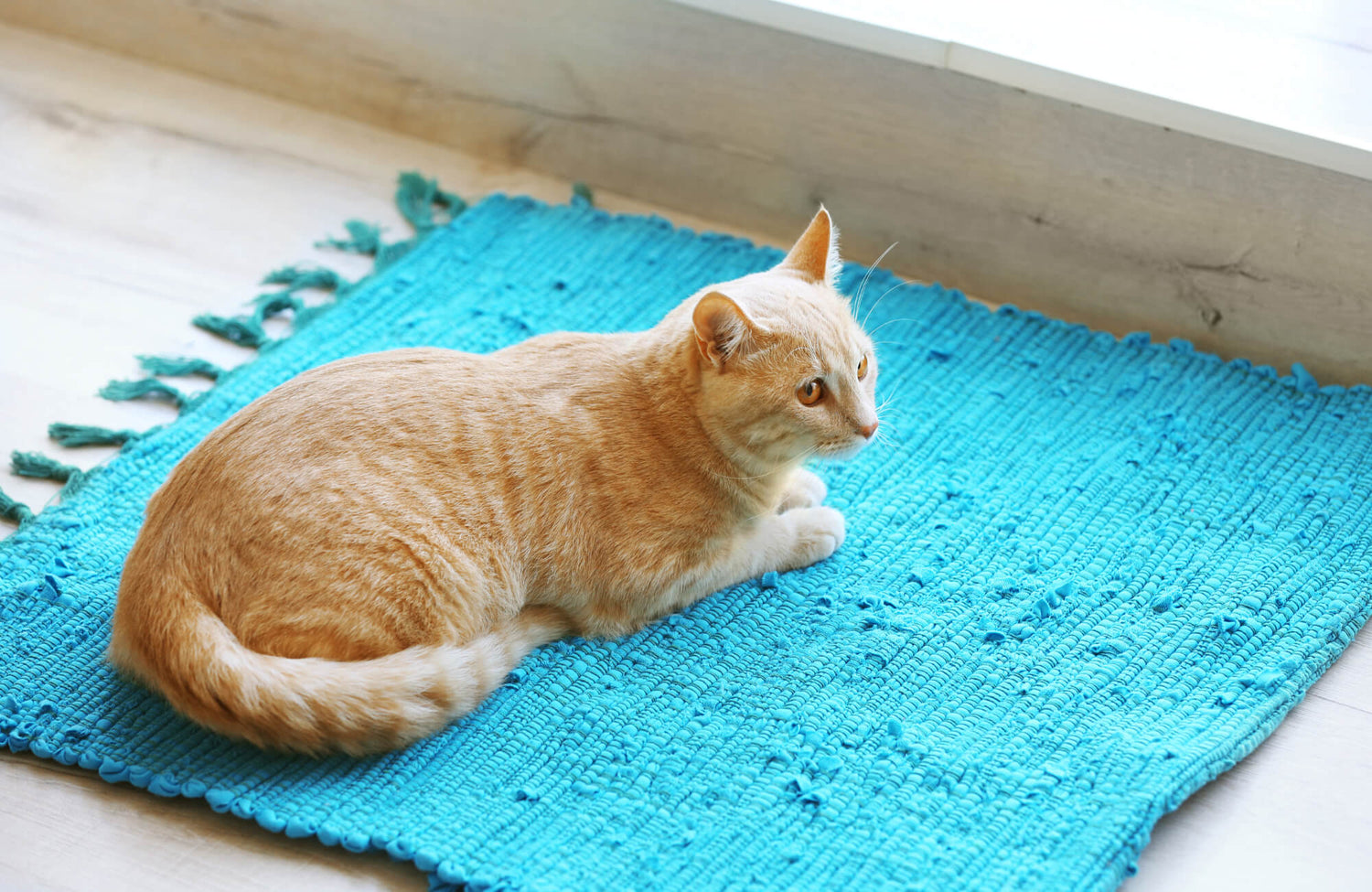
Navy blue rugs are particularly unforgiving in households with light-colored pets. White or cream fur stands out sharply against a dark background, creating immediate visual tension. Even a small amount of shedding can appear amplified because the eye naturally detects high-contrast differences. The same principle applies to light lint, dust, or fabric fibers from clothing and throws.
This effect is purely visual rather than functional. A navy rug does not accumulate more pet hair than a beige or gray rug, but it displays that hair more distinctly. For homeowners who value a pristine appearance or have pets that shed heavily, this contrast can create the impression of constant mess, even shortly after cleaning.
Comparing Light Blue Versus Dark Blue Hues
Light blue rugs offer a more forgiving alternative while retaining the calming aesthetic associated with blue. Softer shades such as sky blue, powder blue, or muted denim tones reduce contrast with common household debris, allowing dust, crumbs, and pet hair to blend in more naturally. This effect is especially noticeable in layered designs like Edward Martin’s Hutchinson Rug in Marine / Peach, where gentle color variation softens visual contrast, as seen in the image above.
Medium blues, including slate or steel blue, often strike the best balance. They provide depth and visual interest without the stark contrast of navy, making them well suited for transitional or coastal-inspired interiors. These hues feel relaxed yet refined, offering a lived-in look that prioritizes comfort over formality.
Identifying Your Primary Household Mess Sources
Before selecting a blue rug, it is important to consider what type of debris your household produces most often. Homes with shedding pets face different challenges than those with children, heavy foot movement, or seasonal dust. A household with a white dog may struggle more with dark blue rugs, while a home without pets may find them relatively easy to maintain.
Lifestyle awareness is key. A formal living room used primarily for entertaining can easily support a darker blue rug, while a family room or open-plan space may benefit from lighter blues or patterned designs that visually absorb everyday wear.

How Material Choice Impacts Lint Retention
Beyond color, the rug’s material plays a critical role in how lint and pet hair behave on its surface. Fiber type influences static electricity, texture, and how easily debris can be removed during routine cleaning.
Why Wool Repels Dust Better Than Synthetics
Wool is widely regarded as one of the best rug materials for managing lint and pet hair. Its natural fibers contain lanolin, which helps repel dust and reduces static buildup, preventing debris from clinging stubbornly to the surface. This quality makes routine vacuuming more efficient and less frequent, a benefit that becomes evident in wool styles like Edward Martin’s Mallory Rug in Ocean shown in the image above.
In blue rugs, wool’s naturally matte finish further diffuses light, softening the appearance of minor debris. Even when pet hair is present, it tends to rest on the surface rather than becoming embedded, preserving a clean, polished look with minimal effort.
The Static Trap Of Synthetic Fibers
Synthetic materials such as polypropylene, polyester, and nylon are popular for their affordability and stain resistance, but they often generate static electricity. Static causes lint, hair, and dust to cling tightly to the fibers, especially in dry climates or during winter months.
Dark blue synthetic rugs are particularly prone to this issue. Pet hair can appear woven into the rug even when it is only lightly attached. While regular vacuuming helps, homeowners may find themselves cleaning more frequently to maintain a tidy appearance.
Pile Height Differences In Trapping Debris
Pile height further influences how visible and manageable debris becomes. Low-pile rugs tend to show lint more clearly on the surface, especially in solid dark colors, but they are easier to clean thoroughly. High-pile or plush rugs can disguise small debris initially, yet they often trap hair deeper within the fibers, making removal more difficult over time.
For blue rugs, a medium pile often provides the best compromise. It offers enough texture to soften contrast while remaining practical for routine maintenance. Flatweave blue rugs, while stylish and modern, can be less forgiving if they are dark and solid in color.

Using Pattern To Disguise Pet Hair And Dust
Pattern is one of the most effective tools for reducing the visibility of lint and pet hair. While solid blue rugs can be striking, they leave little room for visual forgiveness.
Hiding Mess With Intricate Oriental Designs
Traditional Oriental and Persian-inspired patterns excel at disguising everyday debris through layered motifs and tonal complexity. The interplay of blues with creams, grays, and muted neutrals creates visual movement that distracts from lint and pet hair. This effect is well illustrated by Edward Martin’s Pascal Rug in Lake, where the intricate detailing visible in the image above helps imperfections recede into the design.
These patterned rugs are particularly well suited to homes that prioritize warmth and character. Rather than showing wear, they develop a patina over time, allowing everyday living to enhance their appeal instead of detracting from it.
The Forgiving Nature Of Distressed Vintage Styles
Distressed and vintage-style rugs have become increasingly popular in contemporary interiors. Their intentionally worn appearance, faded blues, and tonal variation make them exceptionally forgiving. Lint and pet hair visually recede into the design, reducing the pressure to maintain a spotless surface at all times.
This style works especially well in family rooms, dining areas, and open-concept spaces where practicality must coexist with aesthetics. Distressed blue rugs provide the elegance of color without the high-maintenance expectations of a solid, saturated hue.
Why Solid Color Rugs Are A Risky Choice
Solid blue rugs, particularly in dark shades, offer no visual camouflage. Every piece of lint, hair, or dust particle becomes part of the visual field. While these rugs can look stunning in minimalist or modern spaces, they require consistent upkeep and are best reserved for low-movement areas or homes without shedding pets.
Homeowners who love solid blue rugs should consider lighter shades, textured weaves, or subtle tonal variations to reduce their maintenance burden without sacrificing design intent.

Maintenance Routines For Keeping Blue Rugs Clean
Even the most thoughtfully chosen rug benefits from proper care. Establishing a realistic maintenance routine ensures that a blue rug remains an asset rather than a source of frustration.
Selecting The Best Vacuum Tools For The Job
Vacuum choice matters more than many homeowners realize. Rugs that show lint and pet hair easily benefit from vacuums equipped with adjustable height settings and brush roll controls. A vacuum that is too aggressive can push hair deeper into the fibers, while one that is too gentle may fail to lift debris effectively.
For blue rugs, especially darker ones, consistent vacuuming in multiple directions helps lift hair that settles along the pile. Attachments designed for pet hair can further improve results, particularly along edges and in high-use zones.
Combating Static Electricity In Dry Seasons
Static buildup intensifies lint problems, especially on synthetic blue rugs. Increasing indoor humidity during dry seasons can significantly reduce static cling. Simple measures such as using a humidifier or lightly misting the air before vacuuming can make a noticeable difference.
Anti-static sprays formulated for rugs are another option, though they should be used sparingly and tested in an inconspicuous area. Natural fiber rugs generally require fewer interventions, reinforcing their long-term value despite higher upfront costs.
Quick Daily Fixes Between Deep Cleans
Between thorough cleanings, quick touch-ups help maintain a fresh appearance. Handheld vacuums, rubber brooms, or carpet rakes can remove visible pet hair in minutes, making them especially effective on blue rugs where even small accumulations are noticeable. For those weighing style and upkeep or deciding which materials best suit their space, Edward Martin’s design consultation service offers expert guidance and personalized recommendations tailored to specific project needs, from rugs to tile and furniture selections.
Developing a habit of brief, frequent maintenance prevents debris from building up and becoming harder to remove, keeping the rug looking consistently polished without demanding excessive time or effort. If questions arise along the way, whether about product performance or design coordination, customers can always contact Edward Martin for knowledgeable support and clarity.
Smart Choices For A Stylish Home
A blue rug does not inherently doom a homeowner to constant cleaning, but it does demand thoughtful selection and realistic expectations. Darker blues emphasize contrast, making lint and pet hair more visible, while lighter shades and patterned designs offer built-in forgiveness. Material choice, pile height, and lifestyle considerations further influence how manageable a blue rug will be over time.
For homeowners and interior design enthusiasts who value both beauty and practicality, the key lies in balance. Choosing the right shade of blue, pairing it with a suitable fiber, and committing to simple maintenance routines allows the rug to enhance the space rather than complicate daily life. When approached strategically, a blue rug can remain a timeless, elegant foundation that supports both style and comfort in a well-lived home.