
)
)
)
)
)
)
)
)
How To Choose Durable Materials For A Kitchen Upgrade?
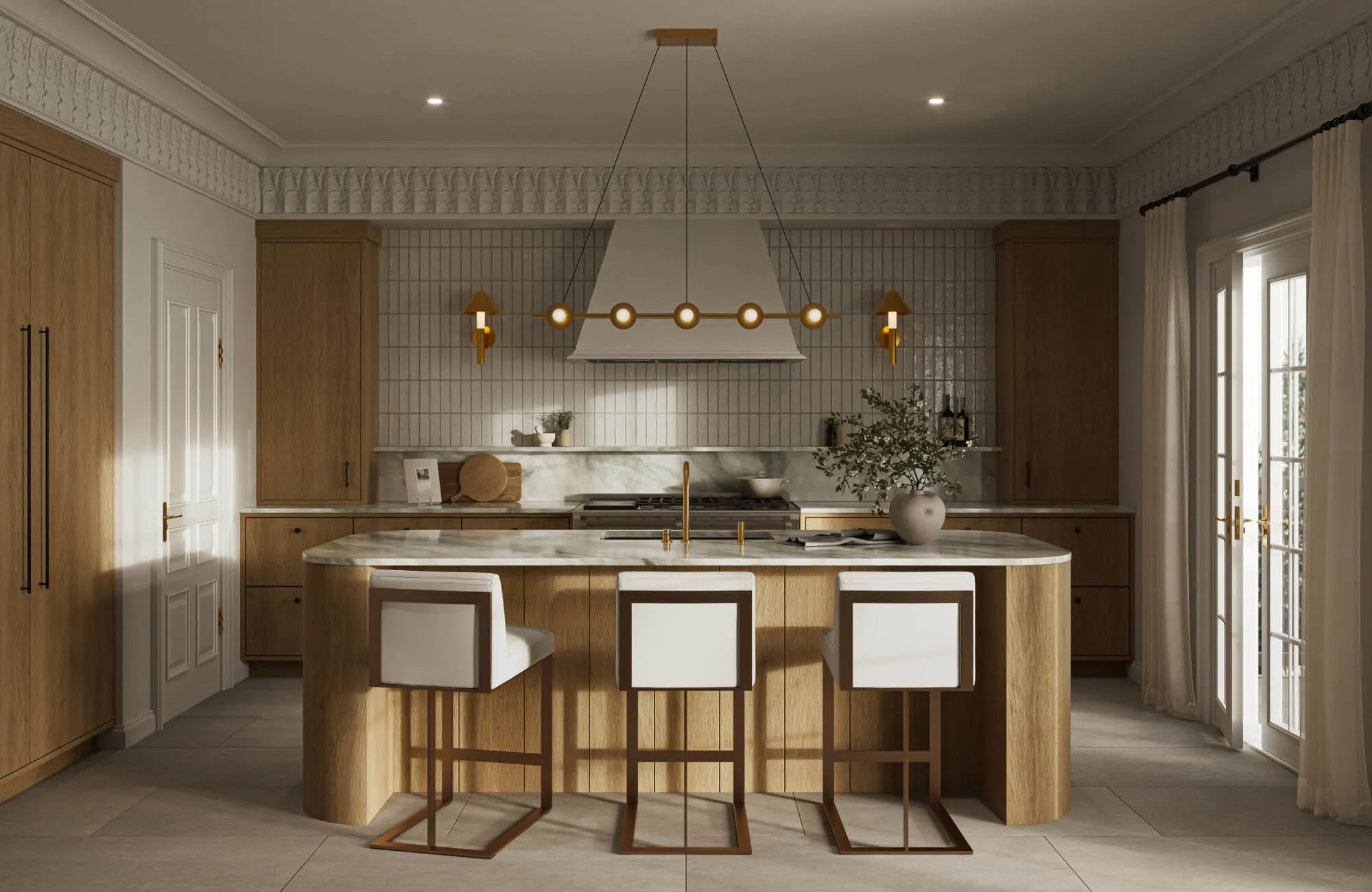
Upgrading your kitchen is not just a visual decision—it is a long-term commitment to performance, comfort, and reliability. Every surface, fixture, and furnishing in a kitchen is exposed to heat, moisture, movement, and daily interaction, which means durability must guide each material choice from the start. When materials are selected without considering real-world use, even the most attractive upgrades can deteriorate quickly.
This article breaks durability down into practical, kitchen-specific decisions, focusing on tiles, lighting, seating, rugs, and high-wear hardware. By understanding how materials respond to stress, maintenance, and repeated use, you can make informed choices that protect your investment, reduce future repairs, and ensure your kitchen continues to function and look its best for years.
Tiles
Tiles play a critical role in how well your kitchen stands up to moisture, heat, and everyday wear. When material, finish, and installation are chosen with durability in mind, tile surfaces remain both functional and visually consistent for years. To help you make confident choices, you can use our augmented reality (AR) tool to see how different tiles will look on your floors, walls, or backsplash in your own kitchen before committing.
Floor Tile
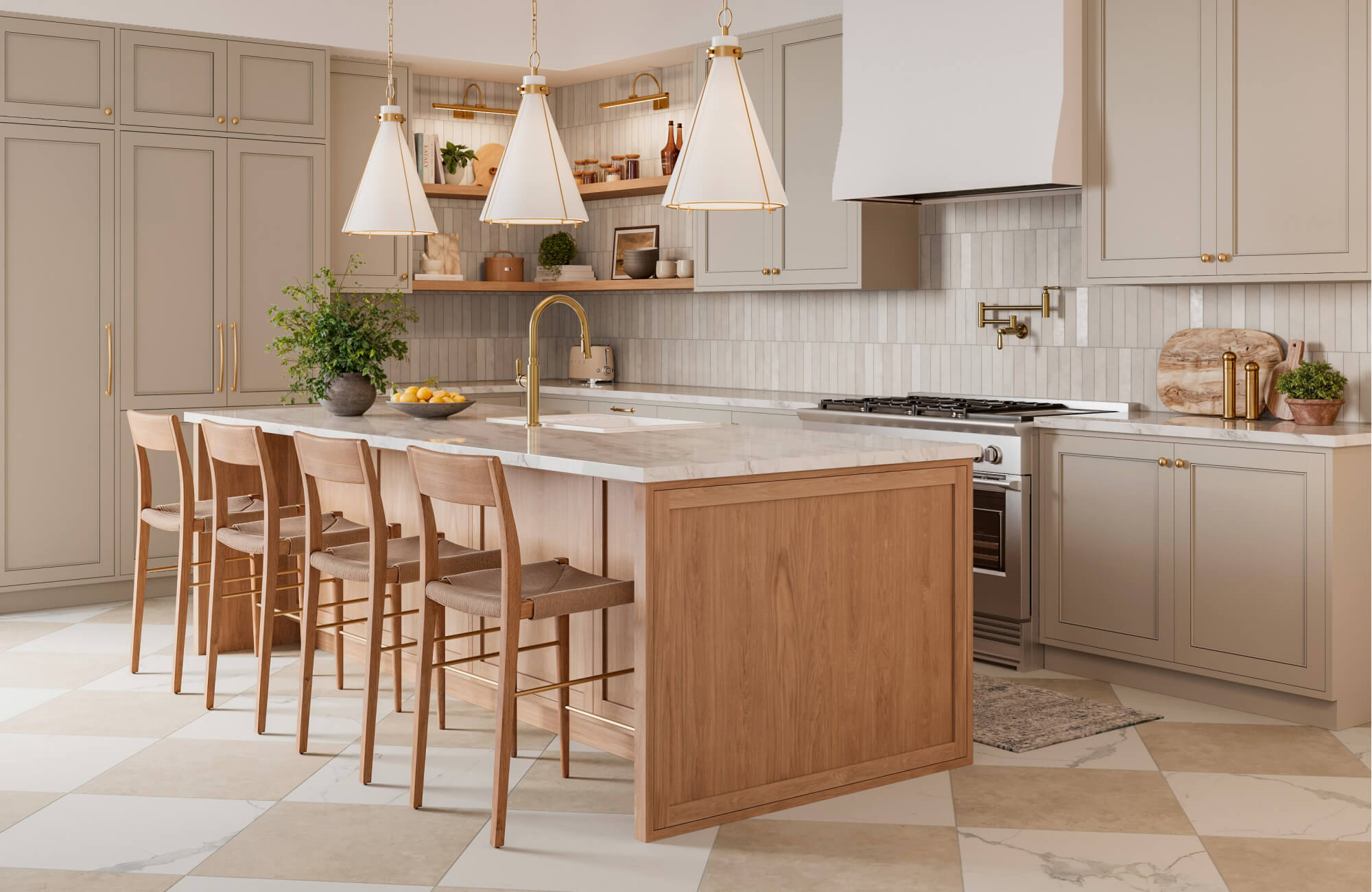
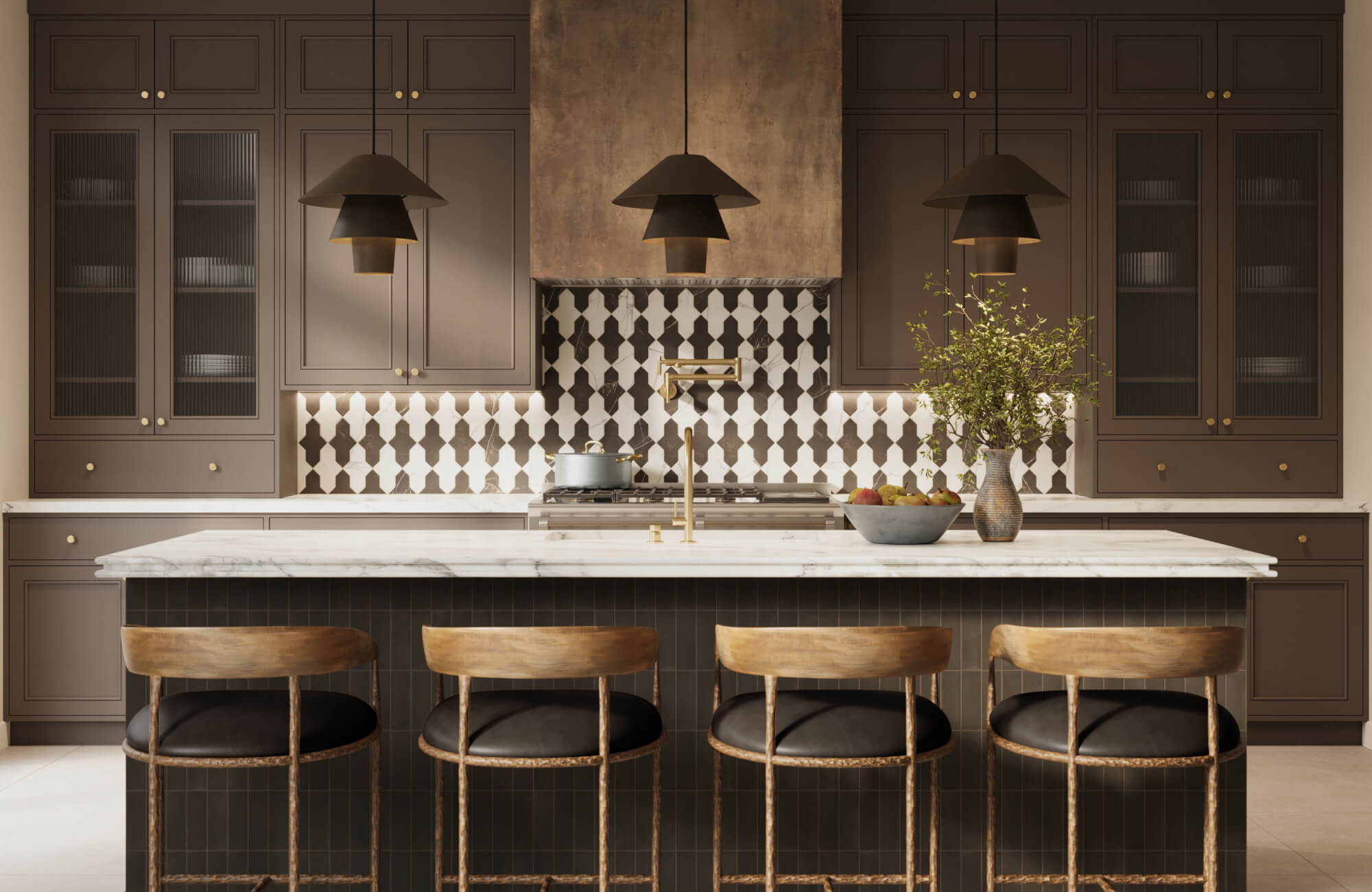
Kitchen floors absorb some of the heaviest use, from constant walking to the occasional dropped pan, which makes material density a critical factor. Porcelain tile stands out in these conditions because it is fired at higher temperatures, resulting in a harder, non-porous surface that resists chipping and surface erosion far better than softer alternatives. This durability is especially valuable in large format designs like our Leona 24x24 Checkerboard Matte Porcelain Tile in Calacatta and Marfil, shown in the image above, where consistent performance across wider spans helps preserve both the structural integrity and visual clarity of the pattern. When you select porcelain tiles engineered for high abrasion resistance like this, the floor maintains its finish even along the most traveled paths between the sink, range, and refrigerator.
Beyond the tile itself, long-term performance also depends on how the surface is finished and maintained. Slip-resistant porcelain textures improve safety without making cleaning more difficult, which is especially important in an area prone to spills. At the same time, grout choice influences how the floor ages, as narrow joints and stain-resistant formulations help prevent discoloration and reduce the need for aggressive cleaning that can gradually wear down both grout and tile.
Wall and Backsplash
Wall and backsplash tiles face a different set of challenges, including steam, grease, and repeated temperature changes from cooking. These conditions demand materials with low water absorption that protect the wall beneath from moisture damage. Aside from porcelain, ceramic tile is also a reliable choice in these areas because it handles heat and humidity well while offering a wide range of finishes that support both durability and design flexibility. When tiles resist absorption, they stay bonded and prevent hidden deterioration that can loosen surfaces over time.
Finish and installation quality are equally important for long-term durability. Smooth, glazed surfaces make it easier to wipe away grease before it hardens, reducing buildup that can compromise both appearance and adhesion. Proper setting materials and expansion allowances also allow tiles to move slightly with temperature changes, ensuring they remain secure and intact even after years of exposure to heat and moisture.
As a finishing layer, backsplash tiles also play a key role in defining the kitchen’s overall character. Elongated wall tiles like our Juliet 2.5x10 Matte Porcelain Tile in Pearl offer a clean, linear look that pairs well with neutral cabinetry and warm metal accents, as seen in the same photo above. Their subtle matte finish reflects light softly without glare, helping the backsplash remain visually refined while still delivering the moisture resistance and durability required in busy cooking zones.
Lighting Materials
Kitchen lighting must perform reliably in an environment filled with heat, grease, and frequent interaction. When fixtures are made from durable materials and finished properly, they maintain both function and appearance with minimal maintenance.
Pendant and Linear Lights
Pendant and linear lights installed over kitchen islands are continuously exposed to rising heat and airborne grease from cooking below. Over time, these conditions can discolor finishes or degrade poorly protected materials. Fixtures made from materials such as powder-coated steel, anodized aluminum, stainless steel, or solid brass with protective coatings perform better in this environment, as they resist fading, staining, and surface breakdown. These materials also allow both pendant and linear lights to maintain their appearance while making routine cleaning easier and less abrasive.
In addition, construction and mounting quality play a major role in long-term performance. Whether you select individual pendants or a linear fixture, proper weight distribution and secure anchoring reduce stress on ceiling connections caused by daily movement or temperature changes. This added stability helps prevent loosening, sagging, or electrical issues, ensuring island lighting remains reliable and visually consistent for years.
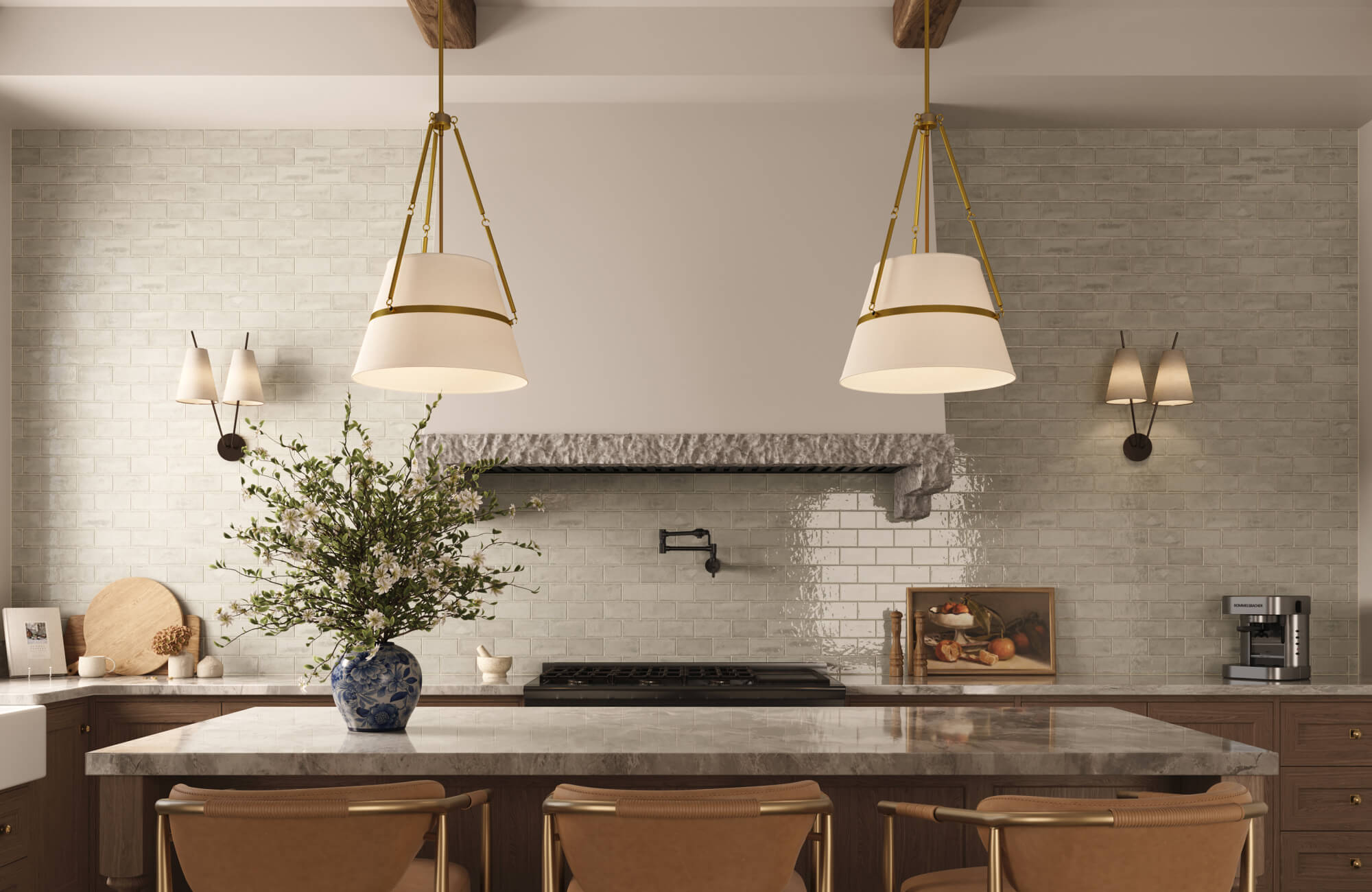
Beyond durability, island lighting also contributes significantly to the kitchen’s overall aesthetic. Well-balanced fixtures like our Matthew 18" 1 Light Pendant in Aged Gold/White Linen, featured in the picture above, combine solid construction with refined materials, allowing them to hold up to demanding conditions while still serving as a focal point above the island. The contrast between warm metal finishes and soft fabric shades also helps diffuse light evenly, creating a welcoming atmosphere without sacrificing performance in a busy cooking zone.
Wall Sconces
Wall-mounted lighting experiences a different kind of wear, largely from repeated contact and routine cleaning. Oils from hands, splashes from cooking, and exposure to cleaning agents can quickly degrade inferior finishes. Materials such as powder-coated steel, brushed or satin-finished brass, anodized aluminum, and sealed glass are better suited for these conditions because they resist fingerprints, scratching, and surface breakdown, allowing the fixture to retain a clean, refined appearance despite frequent handling. Finishes like old bronze, as seen in our Freeman Wall Sconce in Old Bronze (displayed in the same image above), are particularly effective in this role, as their deeper tones and protective coatings help mask minor wear while maintaining visual depth along kitchen walls.
As finishes remain intact, light output stays consistent and visually appealing. When materials resist peeling, tarnishing, or chemical damage, maintenance also becomes straightforward rather than constant. This reliability ensures wall sconces continue to complement your kitchen’s design long-term without becoming a source of frustration or premature replacement.
Chairs
Kitchen island chairs experience more wear than most seating because they are used daily and often repositioned. Choosing durable materials ensures your seating remains comfortable, stable, and visually consistent over time.
Frame Strength and Structural Stability
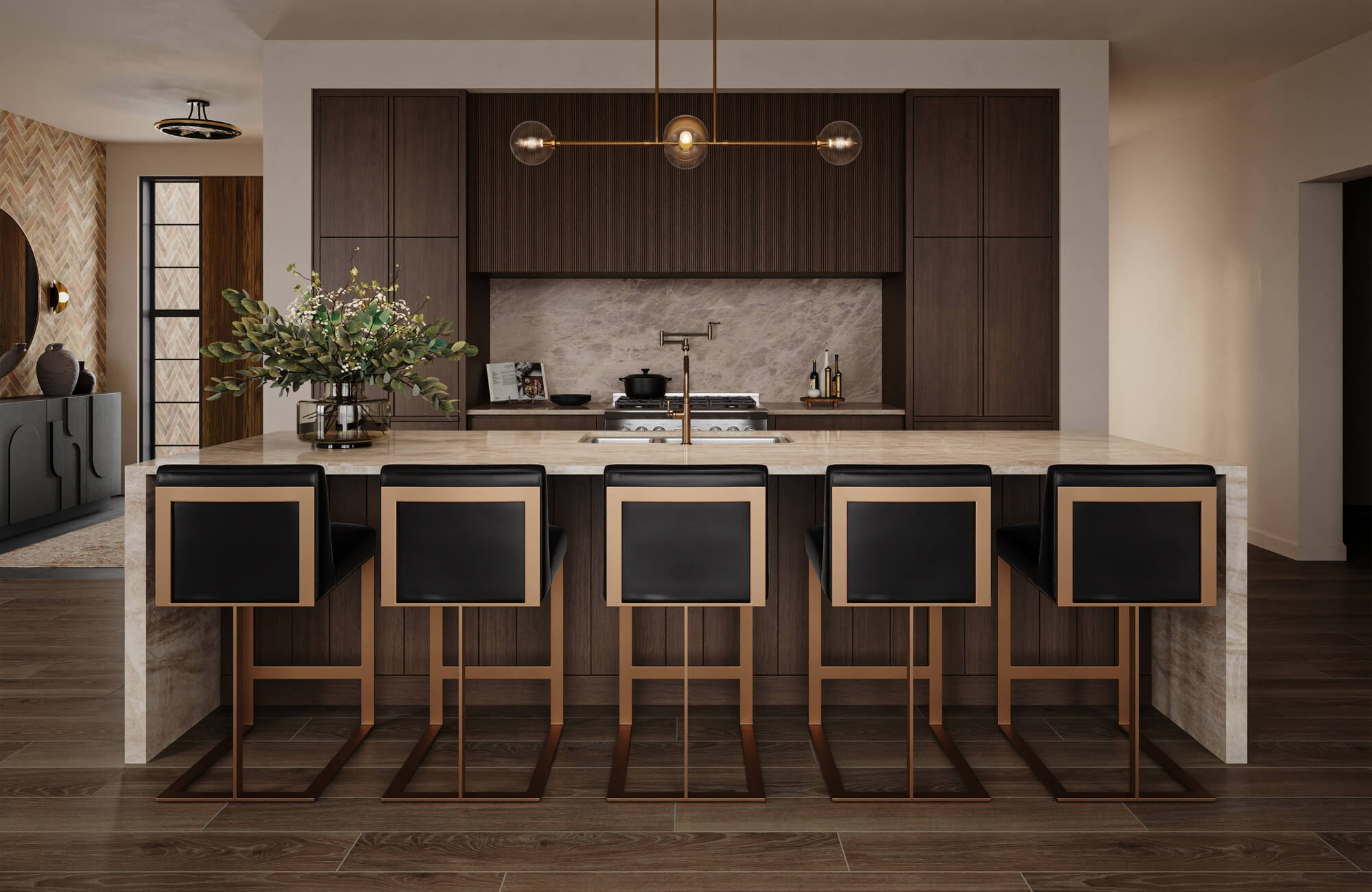
Every time you sit, shift, or lean, stress transfers directly into the chair frame. Materials that lack strength eventually loosen at the joints, leading to wobbling and structural fatigue. When you choose chairs built from solid wood, metal, or reinforced composite frames, that stress is distributed evenly, allowing the chair to maintain its stability through repeated use. Designs like our Grant Counter Stool in Black, shown above, which feature a streamlined metal frame, offer added rigidity while maintaining a clean, modern profile well suited to busy kitchen islands.
Upholstery and Finish Resistance
Island seating is inevitably exposed to spills, crumbs, and abrasion from frequent movement, which makes material selection especially important. Upholstery options such as performance fabrics, vinyl, faux leather, and sealed leather resist absorption, helping prevent stains and odor buildup over time. Upholstered designs like our Kenzie Counter Stool in Napa Cognac benefit from sealed leather treatments that offer the look and comfort of natural leather while adding a protective barrier against everyday kitchen messes. For non-upholstered seating, molded polypropylene, sealed wood, or powder-coated metal surfaces allow spills to be wiped away quickly without damaging the finish or compromising comfort.
At the same time, finish durability strongly influences how well chairs age visually. Protective coatings that resist scratching, chipping, and discoloration help seating maintain a cohesive appearance even with daily use. When resilience and comfort are balanced through the right materials, island chairs remain inviting and functional while reducing the need for frequent replacement.
Rugs
Rugs can soften the feel of a kitchen, but they must be chosen carefully to survive spills, moisture, and constant use. When materials are suited for kitchen conditions, rugs enhance comfort without becoming a maintenance burden or safety concern.
Fiber Composition and Stain Resistance
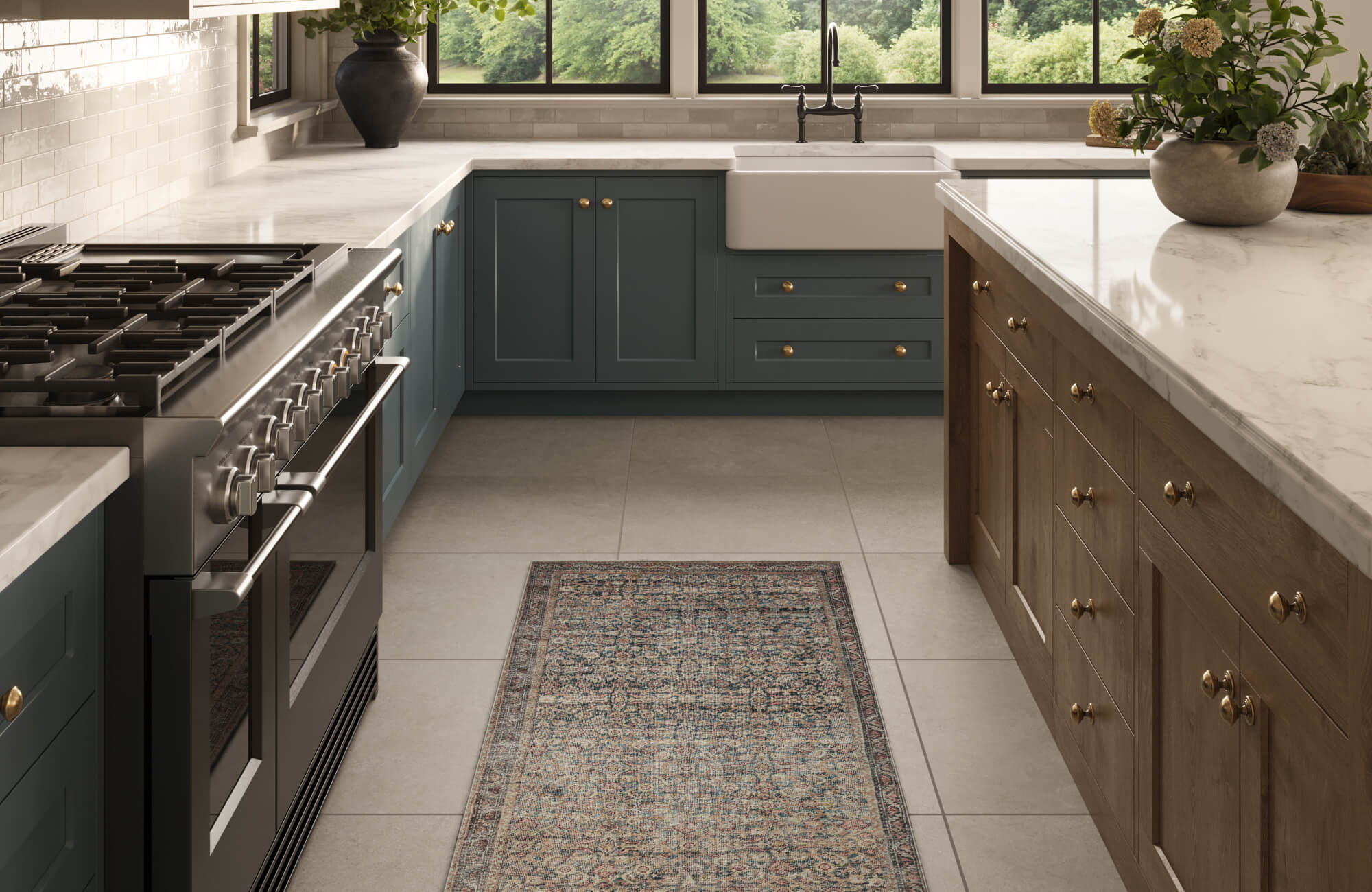
Kitchen rugs are regularly exposed to food spills and moisture, which makes fiber choice especially important. Materials such as polypropylene, nylon, and other performance-grade synthetic fibers are well-suited for busy kitchen environments because they resist staining and dry quickly after cleaning. These fibers also prevent odors and discoloration from setting in, even with frequent washing. Rugs like our Georgette Rug in Navy / Rose, featured above, use durable synthetic fibers that balance softness with stain resistance, allowing them to hold their color and structure even in busy kitchen zones.
Construction also affects how a rug handles daily use. Low-pile designs limit debris from becoming trapped while reducing the risk of edges curling upward. This not only improves safety but also allows the rug to sit flat and stable, even after frequent cleaning cycles, making it a practical and durable addition to busy kitchen areas.
Backing Materials and Floor Protection
The backing beneath a kitchen rug plays a critical role in both safety and durability. Materials such as natural rubber, latex blends, and thermoplastic elastomer backings provide reliable grip while remaining breathable enough to allow moisture to evaporate rather than becoming trapped against the floor. This balance also helps prevent water damage to underlying surfaces while keeping the rug securely in place during everyday movement.
At the same time, durable backings minimize friction that can gradually wear down floor finishes. When the rug stays stable without sticking, bunching, or sliding, it acts as a protective layer rather than a source of abrasion. With the right backing material, your rug delivers everyday comfort while supporting the long-term durability of the kitchen beneath it.
Hardware and Fixtures
Hardware and fixtures may appear minor, yet they experience some of the highest levels of daily interaction in your kitchen. From cabinet pulls and knobs to faucets and handles, these components are touched, cleaned, and exposed to moisture and oils on a constant basis. Materials such as solid brass, stainless steel, zinc alloys, and bronze perform well in these conditions, especially when paired with properly bonded finishes like PVD, powder coating, or electroplating. When metals are solid, and finishes are durable, hardware resists corrosion, surface wear, and visual breakdown, allowing your kitchen to maintain a cohesive and polished appearance even under constant use.
Beyond surface durability, the internal mechanics of fixtures are equally important to long-term performance. Hinges, drawer slides, and other moving components must operate smoothly through thousands of cycles without loosening or misalignment. High-quality steel mechanisms, soft-close systems, and reinforced mounting hardware distribute stress evenly, reducing strain on surrounding cabinetry. When these systems are engineered for longevity, they prevent secondary damage and support not only daily convenience but also the overall lifespan and reliability of your kitchen.
Choosing Materials That Truly Last in a Kitchen Environment
Choosing durable materials for a kitchen upgrade comes down to aligning performance with daily reality. When you prioritize materials that withstand moisture, heat, movement, and frequent cleaning while also considering construction quality and long-term maintenance, you create a kitchen that remains functional, safe, and visually consistent over time. Rather than chasing trends, durability-focused decisions ensure that every element, from floors to fixtures, supports a kitchen that works as hard as you do and continues to deliver value long after the upgrade is complete.
To further support these long-term decisions, our design services provide expert guidance that helps you translate durability goals into cohesive, well-planned selections. By working through layout, material pairings, and finish compatibility, you can ensure that each choice not only performs under real kitchen conditions but also fits seamlessly into your overall design. This added layer of professional insight helps reduce costly mistakes, align aesthetics with function, and create a kitchen environment that truly stands the test of time.
Follow us on Instagram
@EDWARD.MARTIN
)
)
)
)
)
)
)
)
)
)
)
)
)
)
)
)