Choosing where to hang a long mirror involves more than simply finding an empty wall. Its placement affects how light moves through a room, how proportions are perceived, and how comfortably the space functions. A well-positioned mirror can visually open up tight areas or reinforce structure in larger rooms. In this article, we explore where long mirrors work best throughout the home, showing how thoughtful positioning improves daily routines, visual balance, and overall comfort.

Entryway Placement for Function and First Impressions
The entryway is often the first place we suggest because it naturally connects everyday movement with visual clarity. When positioned thoughtfully, a long mirror supports quick checks before leaving while helping the space feel more open, organized, and composed.
Near the Door Without Blocking Movement
Placing a mirror on a wall beside the door, rather than directly behind it, allows you to check your reflection as you enter or leave without needing to adjust your position. Keeping the mirror slightly offset from door swings and primary walking paths helps the entryway feel comfortable and easy to move through. When positioned this way, the mirror feels naturally integrated into the layout rather than added on as an afterthought.
Opposite a Natural or Artificial Light Source
Placing a long mirror across from a window or a well-positioned light source can make a space feel noticeably brighter. This is especially helpful in entryways with limited natural light, where a mirror helps spread illumination more evenly. For example, a piece like Edward Martin’s Raelynn Wall Mirror in Iron Matte Black works well in this position because its clean frame allows light to reflect without visual distraction. Observing how light changes throughout the day ensures the mirror enhances brightness without causing glare or harsh reflections, supporting a comfortable and welcoming atmosphere.
Integrated With Entry Furniture
Pairing a long mirror with a console table, bench, or slim storage unit helps visually anchor the entry. This combination signals purpose and keeps the mirror from feeling like an afterthought. Aligning the mirror’s vertical center with the furniture below creates balance and gives the entry a finished, intentional look. It also helps define the entry as a distinct zone, even in open floor plans where boundaries are less obvious.

Bedroom Mirror Placement for Proportion and Comfort
In bedrooms, mirror placement should support daily routines while preserving comfort and rest. Thoughtful positioning helps the mirror feel useful and balanced without overpowering the room or disrupting its calm, relaxed atmosphere.
Positioned Near the Closet
Placing a long mirror near the closet supports everyday routines without taking over the room. Choosing a wall that aligns with natural movement through the space helps the mirror feel practical rather than intrusive. For instance, a piece like Edward Martin’s Esmeralda Floor Mirror in Iron Matte Black works well near a closet because it offers full visibility while staying visually understated. This approach also keeps the bedroom comfortable and calm while still allowing the mirror to serve a clear, everyday purpose.
Avoiding Direct Reflection of the Bed
Many people find mirrors that face the bed distracting or visually unsettling. By choosing a side wall or an area partially shielded by furniture, you maintain openness without constant reflection. This approach supports a more relaxed environment while still benefiting from a full-length view. It also keeps visual focus on the bed as the room’s central element rather than on reflections.
Adjusting Perceived Room Size
Vertical mirrors can subtly shape the overall feel of a bedroom. When ceilings are low, a taller mirror draws the eye upward and creates a stronger sense of height. In narrower rooms, placing the mirror on a longer wall helps stretch the visual width, making the space feel more comfortable. When ceilings are low, a taller mirror draws the eye upward and helps create a stronger sense of height.

Living Room Placement to Enhance Light and Scale
In living rooms, a long mirror is most effective when it supports existing focal points instead of drawing attention away from them. When treated as part of the overall design, the mirror can enhance light and scale while contributing to the room’s visual balance rather than serving a purely functional role.
Between Architectural Elements
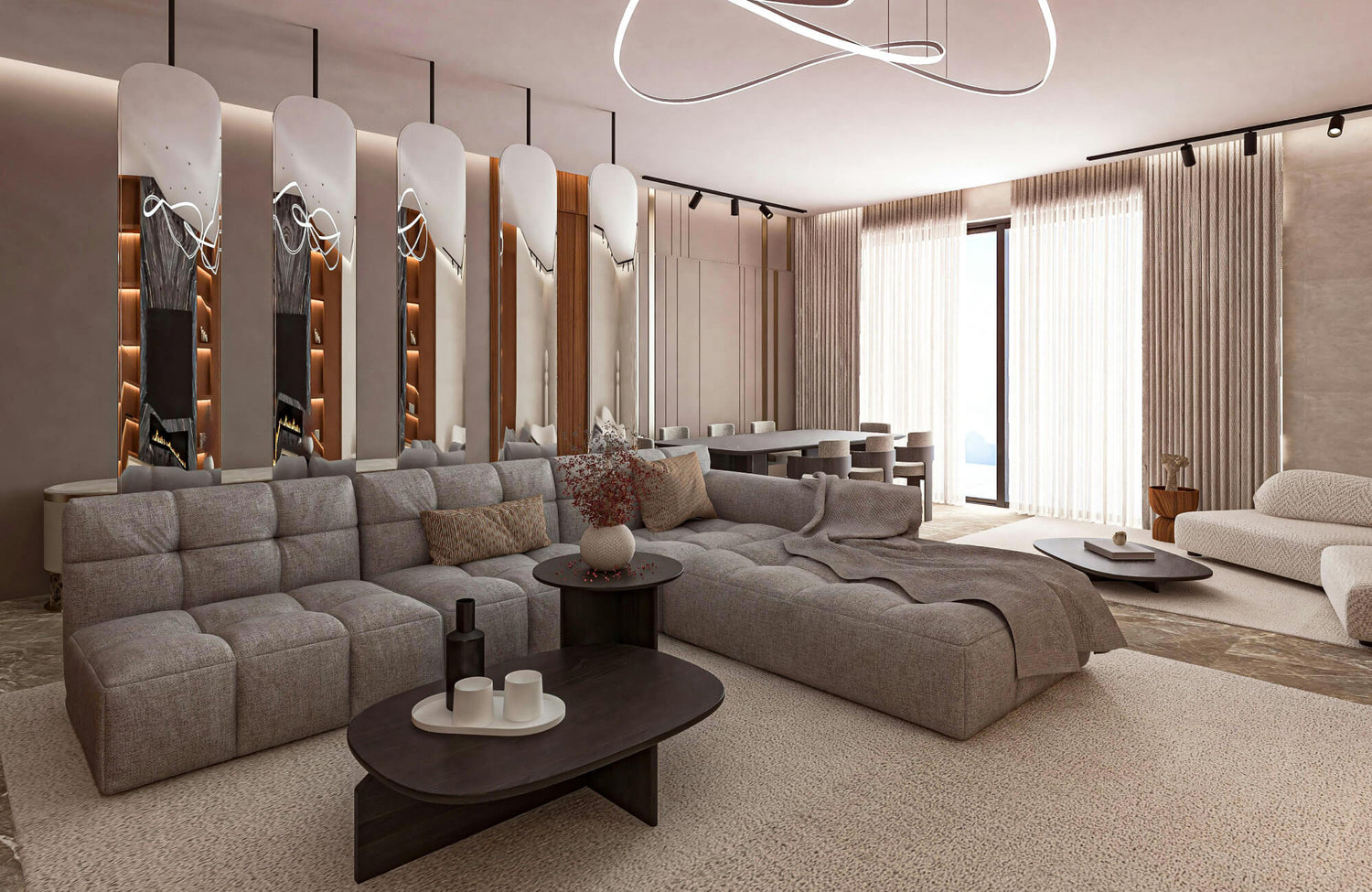
Placing a long mirror between windows, shelving units, or structural details helps it feel intentional. This placement respects existing lines in the room and reinforces symmetry. When centered properly, the mirror adds depth without disrupting the room’s balance. For example, a piece like our Raelynn Wall Mirror in Polished Brasscan echo surrounding finishes while creating continuity that allows the mirror to blend seamlessly into the surrounding architecture.
Alongside Large Furniture
Placing a long mirror beside a sofa or tall cabinet can add depth without overwhelming the room. Allowing part of the mirror to extend beyond the furniture height helps it feel connected while remaining visible. This creates a subtle visual layering, allowing the mirror to blend into the overall composition rather than stand apart from it.
Reflecting Views Rather Than Objects
Hanging a long mirror to reflect greenery, the sky, or a calm area of the room adds depth without drawing attention to clutter. Taking time to observe what the mirror captures before final placement helps ensure the reflection feels intentional. Ideally, the mirror should support the room’s atmosphere and overall balance rather than draw focus to visually busy areas.

Hallway and Transitional Space Optimization
Hallways are often overlooked, yet they are ideal for long mirrors because they benefit greatly from added depth and light. With thoughtful placement, a purely functional passage can feel more open, balanced, and welcoming.
Lengthwise Placement for Narrow Areas
Hanging a long mirror parallel to the hallway wall helps visually widen tight spaces. Mounting it at eye level keeps reflections comfortable and prevents distortion. The goal is to enhance openness without making the hallway feel endless or disorienting. Choosing a frame that suits the hallway’s scale also helps the mirror feel proportionate rather than overpowering.
Creating a Visual Endpoint
Placing a mirror at the end of a hallway gives the space a sense of completion. This placement draws the eye forward and makes the hallway feel purposeful rather than like leftover space. Pairing it with soft lighting helps maintain warmth and balance, while also softening reflections for a more inviting finish. Together, these elements create a visual pause that makes the hallway feel considered rather than transitional.
Secure and Considerate Mounting
Because hallways are used frequently, secure installation is equally important. Using proper wall anchors and positioning the mirror where it is less likely to be brushed against helps maintain stability and ease of use. This approach supports safety, maintains a visually clean space, and helps ensure the mirror remains secure over time, even in narrow corridors. Taking these precautions also reduces unnecessary wear and the risk of accidental damage.

Bathroom Placement Beyond the Vanity
Bathrooms naturally rely on mirrors, but long mirrors can play more than one role when placed thoughtfully. With the right positioning, they can enhance the space functions while feeling open, balanced, and uncluttered.
Near Dressing and Towel Areas
A full-length mirror near towel storage or changing zones supports outfit checks without interfering with sink use. This placement keeps the vanity area clear while still offering full visibility. For example, Edward Martin’s Esmeralda Floor Mirror in Polished Brass works well in these areas by adding full height without feeling visually heavy. Moisture-resistant mounting methods help extend the mirror’s longevity in humid conditions, while good airflow supports both the mirror and surrounding finishes.
Side Wall Placement in Shared Bathrooms
In shared bathrooms, placing a long mirror on a side wall reduces overlap in use. This allows one person to use the vanity while another checks their appearance elsewhere. The result is a smoother morning routine, making the space feel more efficient and comfortable to share. Thoughtful spacing also helps maintain privacy without sacrificing functionality.
Coordinating With Bathroom Lighting
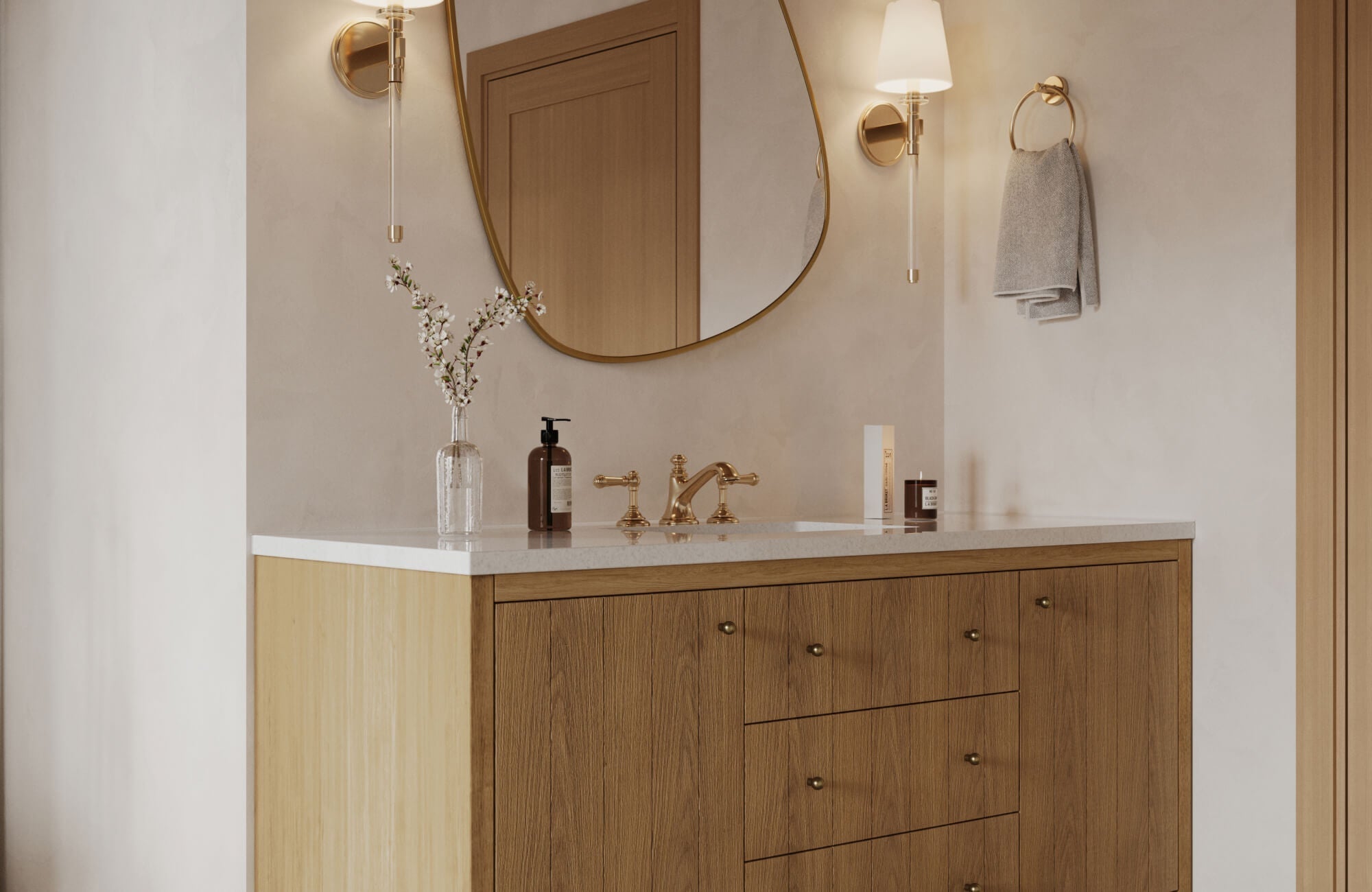
Lighting has a strong impact on how a mirror functions in a bathroom. Placing long mirrors where lighting is even and soft helps avoid harsh shadows and uneven reflections. This creates a more comfortable viewing experience and helps the mirror to blend naturally into the space without drawing unnecessary attention.

Design Driven Placement by Style and Architecture
Beyond basic function, mirror placement can also reinforce architectural character and design intent. Considering how mirrors relate to structure, symmetry, and visual rhythm helps create a space that feels more cohesive and thoughtfully composed.
Highlighting Architectural Features
When aligned with arches, moldings, or ceiling lines, a mirror becomes part of the architecture. Centering it within these elements helps the room feel cohesive. This approach works especially well in spaces with strong structural details. It allows the mirror to enhance existing features rather than compete with them.
Using Mirrors as Visual Statements
In some rooms, a long mirror can serve the role typically filled by artwork. Choosing a prominent wall allows the mirror to stand on its own without competing for attention. Framing and spacing play a key role in making this feel intentional rather than oversized. This approach works particularly well when the mirror complements the room’s materials and finishes.
Balancing Symmetry and Offset Placement
Symmetrical mirror placement often creates a sense of calm and order, while a slightly offset placement can feel more relaxed or contemporary. Taking time to view both options before mounting helps determine which approach suits the room’s character. The most effective choice is one that supports the overall design without forcing balance, allowing the mirror to feel intentional and well integrated.
Finding the Right Place for a Long Mirror
The best place to hang a long mirror is wherever it supports how you use a space while improving its sense of light, balance, and proportion. Whether placed in an entryway, bedroom, hallway, or shared area, the right location feels natural within the room’s layout and daily flow. By considering function, lighting, scale, and surrounding architecture, you can choose a placement that enhances both usability and overall comfort throughout the home.
If you’d like guidance tailored to your space, our design services can help identify the most effective mirror placement based on your layout, lighting, and everyday use. You’re welcome to contact us to explore personalized design support and professional recommendations.