
)
)
)
)
)
)
)
)
What Type Of Tile Is Best For Outdoors?
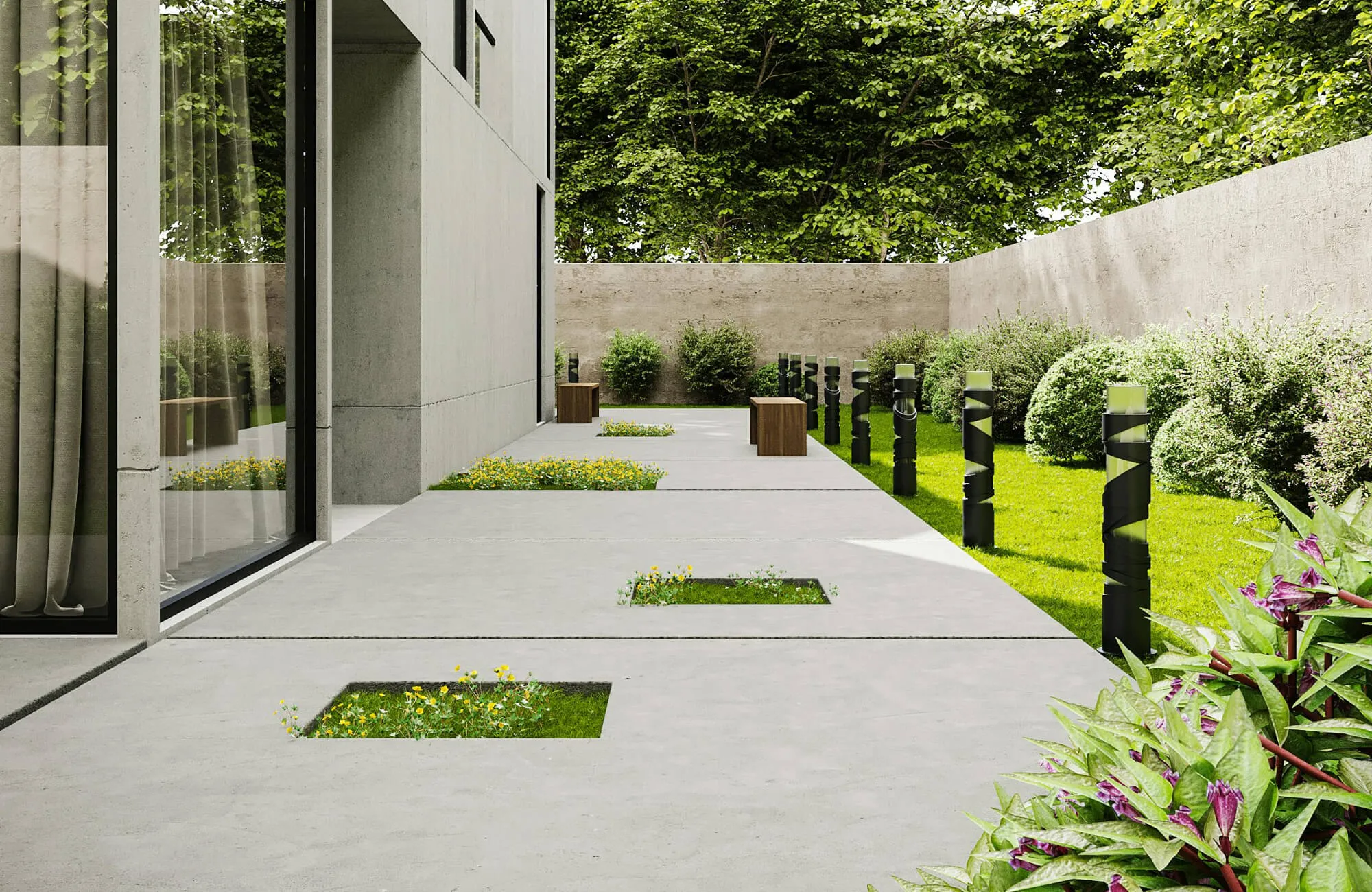
When you begin exploring tile options for an outdoor space, it quickly becomes clear that appearance alone is not enough. Outdoor tile must perform under conditions that indoor surfaces never encounter, including ongoing moisture exposure, temperature fluctuations, direct sunlight, and regular use. These elements can quickly highlight the limitations of materials that are not designed for exterior environments. When the right tile is selected, it provides a secure footing, maintains its integrity over time, and preserves a consistent appearance through changing seasons.
When making your decision, focus on how a tile performs after installation, not just how it looks in a showroom. By understanding how different materials respond to environmental stress, climate conditions, and maintenance demands, you can make choices that align with your outdoor setting. Considering performance requirements, material characteristics, and long-term care helps ensure the tile you choose supports the space reliably and effectively.
Outdoor Tile Performance Requirements
Outdoor tiles must withstand conditions that consistently test their durability and surface stability. When evaluating whether a tile is suitable for outdoor use, it is important to consider how it responds to moisture exposure, structural load, and natural movement over time. These elements largely determine whether the tile maintains its performance or begins to deteriorate prematurely.
Slip Resistance Ratings
Slip resistance plays a safety role in outdoor safety, particularly in spaces where moisture is common. Measurements such as COF or DCOF help indicate how much traction a tile provides underfoot, offering a useful reference when comparing surfaces for exterior use. In areas like steps, patios, and walkways, higher traction reduces the likelihood of slipping when surfaces become wet. Textured finishes contribute to this performance by providing a subtle grip that supports stability without compromising walking comfort.
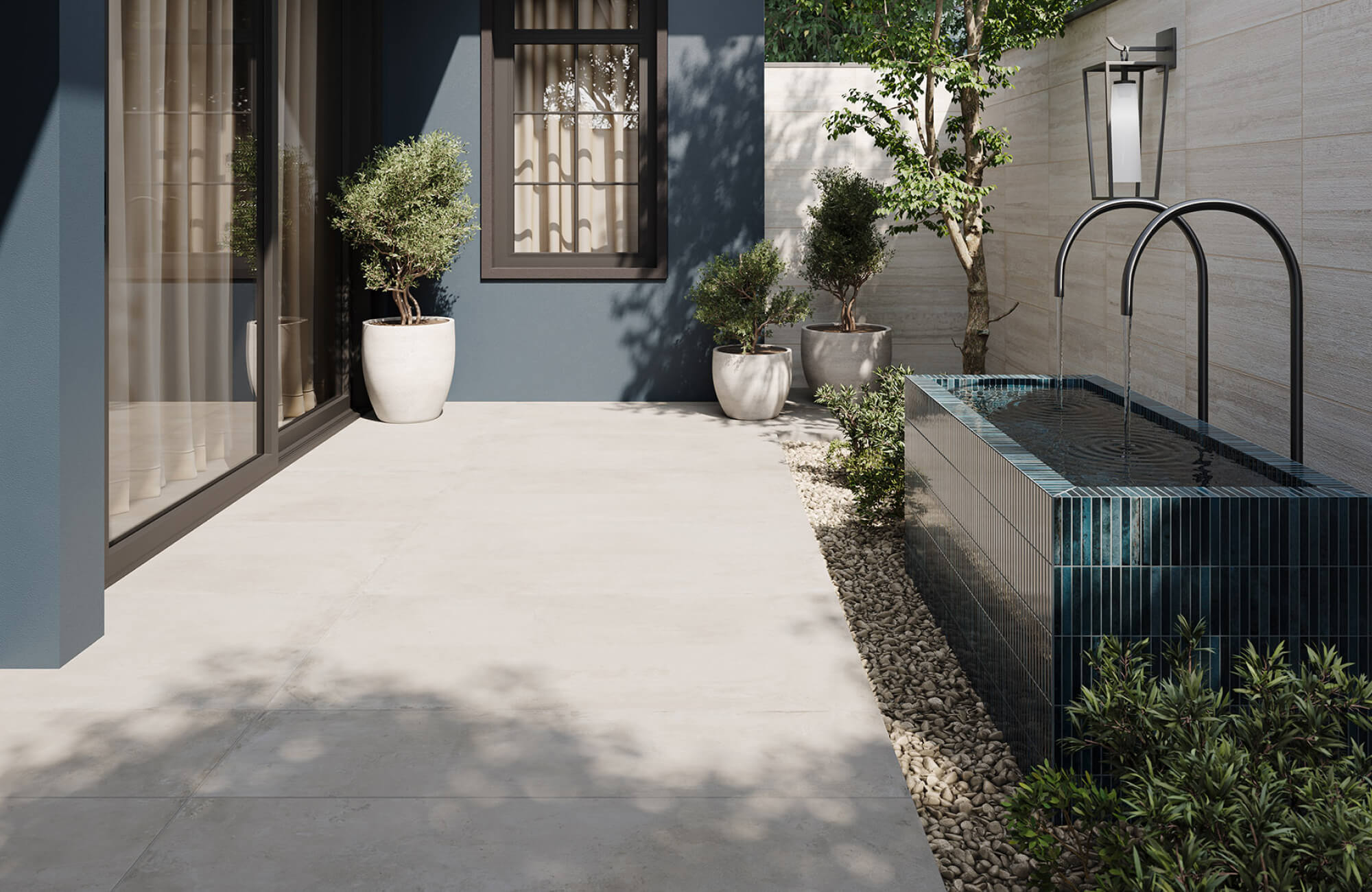
This approach is illustrated with Edward Martin’s Ramsey 12x48 Grip Porcelain 2cm Paver Tile in Putty, as featured in the photo above, where the textured surface is paired with an outdoor setting that includes a nearby water feature. Its grip finish demonstrates how slip-resistant surfaces can maintain both safety and visual continuity in moisture-prone outdoor spaces, reinforcing why traction should be a key consideration when selecting outdoor tile.
Water Absorption Levels
Water absorption has a direct impact on how well tile performs in outdoor environments. Tiles with higher porosity absorb more moisture, which can expand during temperature changes and eventually cause cracking or surface damage. In contrast, tiles with low absorption rates limit moisture penetration, helping them remain stable through seasonal shifts. As a result, this characteristic becomes especially important in regions that experience regular rainfall or periodic freezing conditions.
Load Bearing Strength
Outdoor tile must be able to support weight without bending, cracking, or breaking over time. Thicker tiles and those designed for heavier use tend to perform more reliably under outdoor furniture, grills, and regular movement. Strength ratings help indicate whether a tile can maintain its structural integrity, particularly in patios or areas near driveways where surface pressure is higher.
Best Tile Materials For Outdoor Use
Not all tile materials are suited for exterior conditions. When comparing options, it is helpful to consider how each material responds to moisture, temperature changes, and surface wear, rather than focusing on appearance.
Porcelain Tile
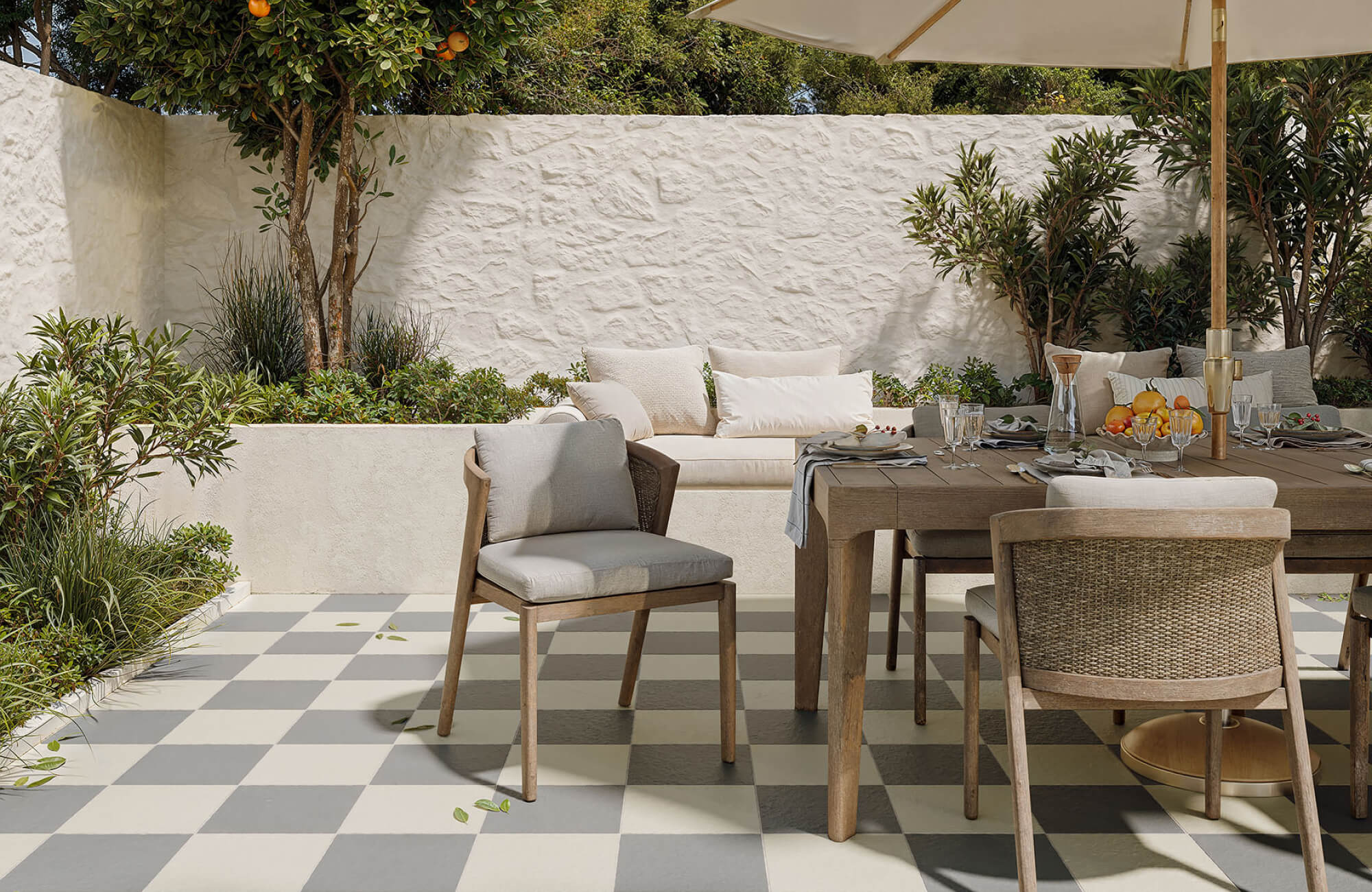
Porcelain is often considered one of the best tile choices for outdoor use because of its dense composition and low water absorption. These qualities help it resist damage caused by temperature changes and prolonged exposure to moisture. Many porcelain tiles are also manufactured with slip-resistant surfaces, making them practical for patios, walkways, and other exposed areas. As a result, porcelain performs reliably across a wide range of climates and outdoor settings.
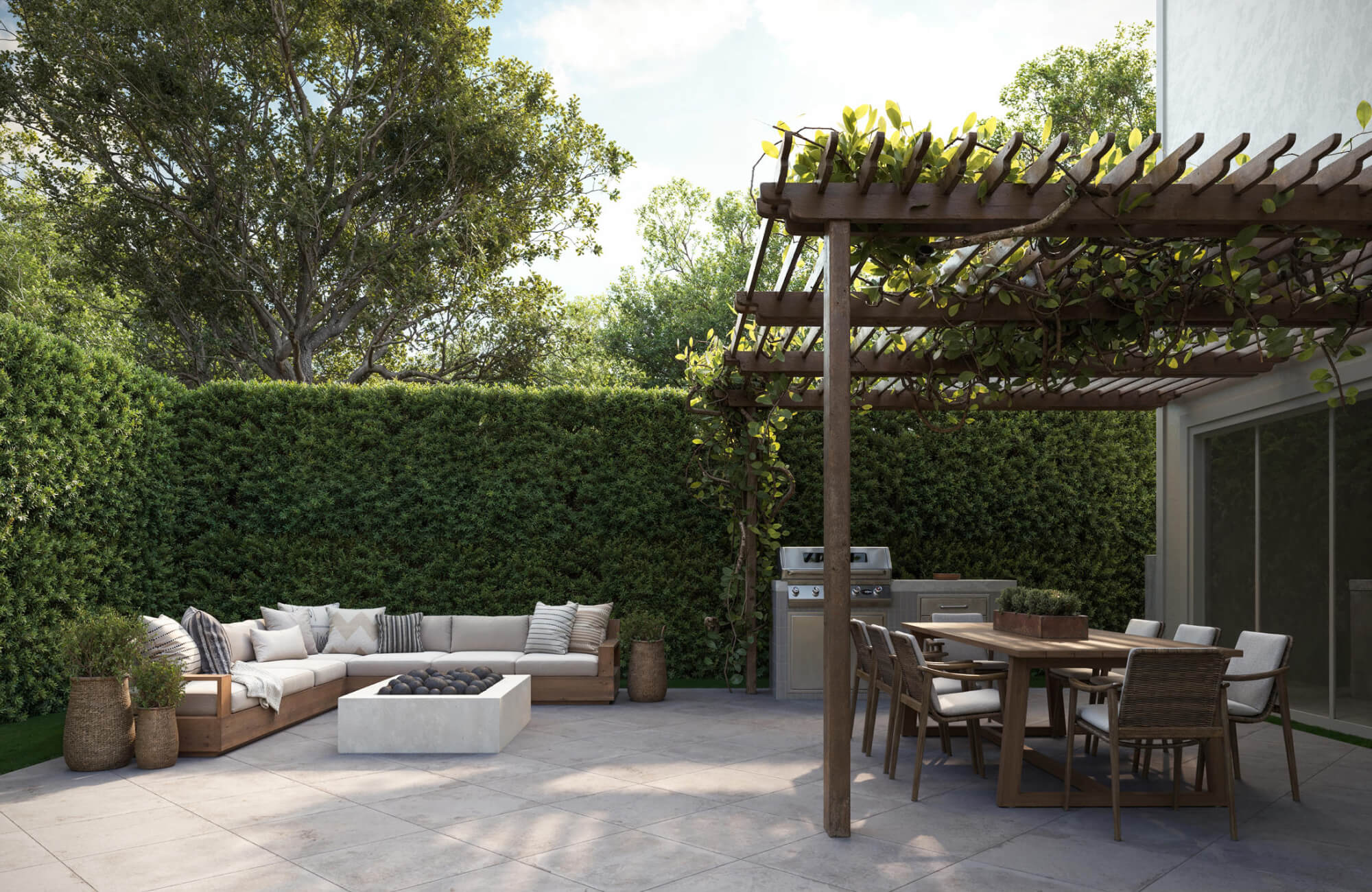
A great example is shown in Edward Martin’s Bowden 24x24 Grip Porcelain 2cm Paver Tile in Oat, as featured in the photo above, where the tile supports an outdoor dining and lounge area with both stability and visual balance. Its grip surface and substantial thickness demonstrate how porcelain can handle open-air conditions while maintaining a clean, cohesive look across larger patio spaces.
Natural Stone Tile
Natural stone is another strong option for outdoor spaces, particularly when surface texture and natural variation are desired. For example, slate naturally provides grip and resists moisture, while granite offers strength and low porosity, making it suitable for more demanding environments. By contrast, travertine and limestone offer a smoother walking surface, making them well-suited for casual outdoor areas where comfort is a priority.
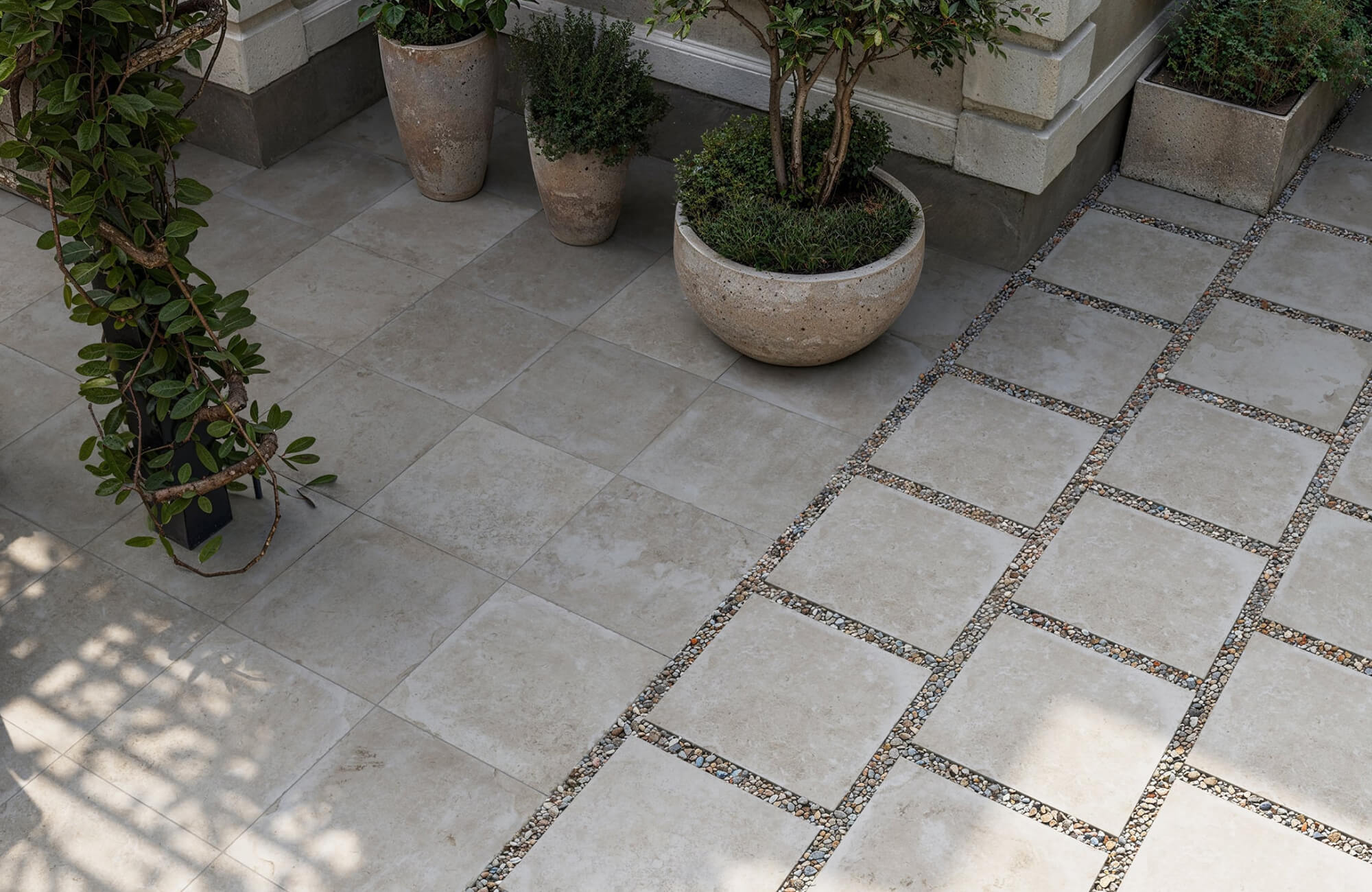
However, natural stone does have some limitations. Many stone surfaces are more porous, making them vulnerable to staining, weathering, or surface changes over time, especially in areas exposed to moisture or temperature fluctuations. For those who prefer the look of stone with more consistent performance, stone-look porcelain tile is a practical alternative. A piece like Edward Martin's Tatum 12x24 Matte Porcelain Tile in Cross-Cut Sand captures the essence of travertine with its subtle mineral layering, faint sediment swirls, and soft tonal shifts of beige, while offering the durability and lower water absorption typically associated with porcelain.
Quarry And Clay Tile
Quarry and clay tiles remain a practical choice for outdoor use, especially in warmer climates. Their fired construction creates a dense, durable surface with natural traction, making them well-suited for open-air environments. Over time, these tiles develop a subtle patina that many people associate with established outdoor spaces. For those who prefer a more natural, time-worn look, quarry and clay tiles can be a fitting outdoor solution.
Climate And Environmental Considerations
The climate where you live has a direct influence on how outdoor tile performs over time. Exposure to weather conditions affects how materials age, making it important to choose tile that suits the surrounding environment.
Freeze Thaw Zones
In colder regions, freeze-thaw cycles place significant stress on outdoor tile. Moisture that enters porous materials expands when temperatures drop, which can lead to cracking or surface failure over time. Frost-rated tiles are designed to resist this expansion, allowing them to maintain their structure through repeated temperature changes. Selecting materials with proven resistance to these conditions helps reduce long-term damage in cold-weather environments.
Hot And High UV Areas
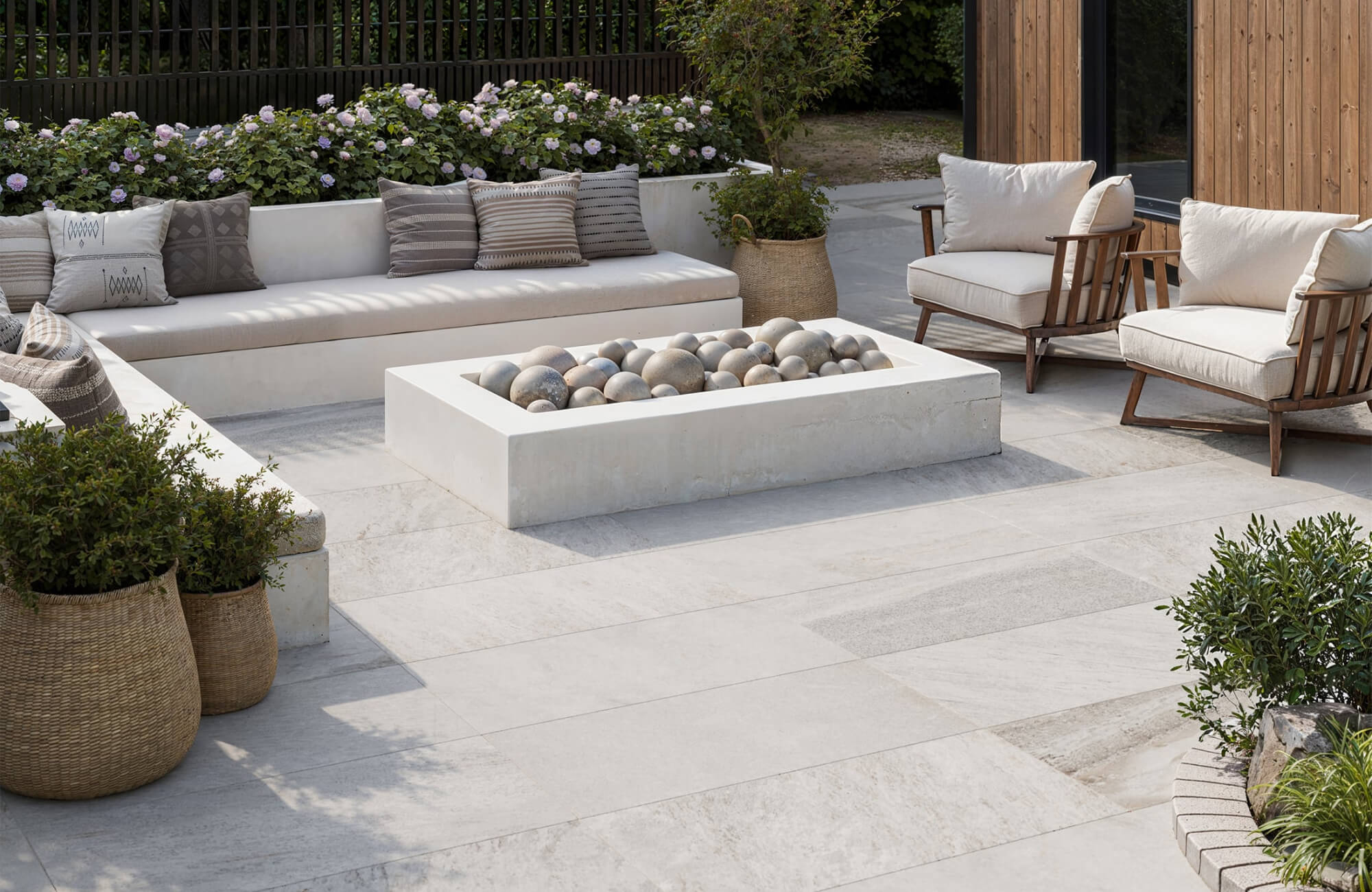
In sunny climates, heat and ultraviolet exposure influence both comfort and long-term appearance. Some surfaces retain heat, which can make them uncomfortable to walk on during peak sun hours. Lighter tones reflect more sunlight and tend to stay cooler, while UV-stable finishes help reduce fading over time. Choosing materials designed to handle prolonged sun exposure supports both usability and visual consistency.
This is illustrated with Edward Martin’s Carter 24x48 Grip Porcelain 2cm Paver Tile in Stone, as shown in the photo featured above, where the light-toned surface helps manage heat while maintaining a calm, balanced outdoor aesthetic. Its UV-stable finish and grip surface demonstrate how outdoor tile can remain comfortable underfoot and visually consistent even with sustained sun exposure, making it well-suited for patios and open-air living areas in bright climates.
Coastal And Wet Regions
Salt air and constant moisture introduce additional challenges for outdoor tile. Materials that resist staining and corrosion tend to perform more reliably near water. Low-porosity tiles help manage moisture buildup, while surfaces that resist mineral deposits remain more stable in damp environments. Selecting a tile suited to these conditions helps reduce surface wear caused by ongoing exposure to moisture and salt.
Surface Texture And Safety Planning
Surface texture plays an equally important role in how outdoor tile performs once it is installed. Looking beyond appearance, the surface finish affects how the tile supports safe movement, overall comfort, and day-to-day care.
Textured vs. Smooth Finishes
Textured tiles provide added grip, helping support safer movement in wet conditions. Smooth finishes can offer a cleaner appearance, but they require thoughtful placement to minimize the risk of slipping. Texture also influences cleaning, as deeper surface details may hold debris if not regularly maintained. Balancing traction with practicality helps ensure the surface remains both functional and comfortable to use.
Pool And Water Feature Areas
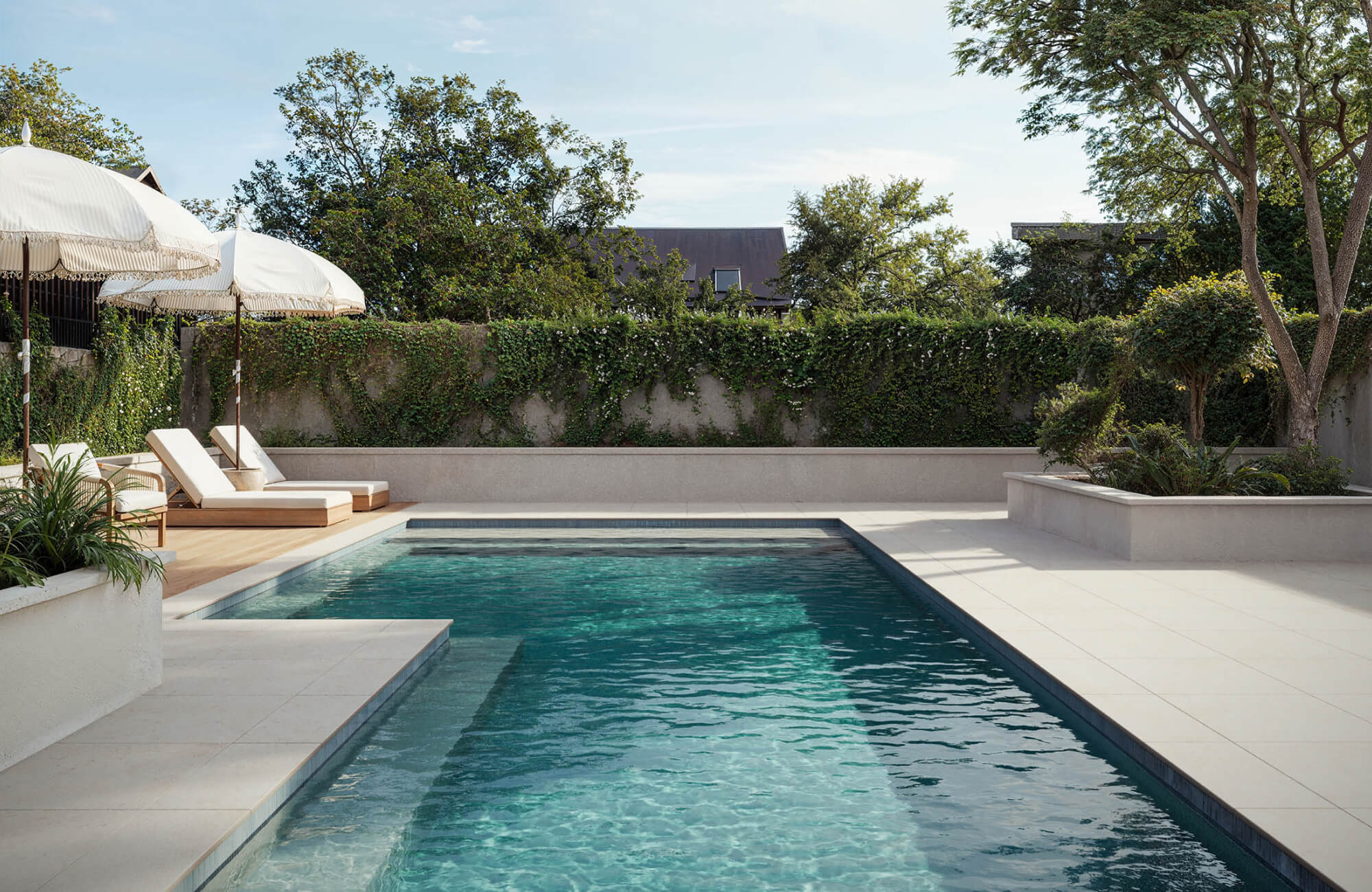
Areas around pools and water features require higher levels of traction to maintain safety. Tiles used in these spaces must handle constant moisture without becoming slick underfoot. Finishes designed for wet environments support barefoot comfort while helping reduce the risk of slips. Selecting tile specifically suited for these conditions helps create a safer and more comfortable experience around water.
This is well illustrated with Edward Martin’s Bowden 24x24 Grip Porcelain 2cm Paver Tile in Canvas, as shown in the photo featured above, where the surface surrounds a pool area exposed to frequent splashing and direct contact with water. The grip finish and substantial paver thickness demonstrate how outdoor tile can provide secure footing while maintaining a clean, cohesive look in poolside settings, reinforcing the importance of choosing materials engineered for wet conditions.
Steps And Transitions
Elevation changes require careful planning to support safety. Clear edge definition and slip-resistant nosing help guide movement and reduce the risk of missteps. Consistent layout patterns improve visual awareness, making transitions easier to navigate. Using materials and finishes that clearly distinguish level changes further supports confident movement through the space.
Design Style And Visual Integration
Outdoor tile plays an important role in shaping the overall character of an exterior space. When visual design and functional performance work together, the space feels cohesive and thoughtfully planned.
Color And Heat Reflection
Color selection influences both comfort and visual balance in outdoor spaces. Lighter shades help reduce surface heat and create a more open feel, while darker tones add visual weight and help anchor the space. Choosing colors that complement surrounding materials supports a cohesive look. Considering how sunlight interacts with color throughout the day can further enhance both comfort and appearance.
Size And Layout Patterns
Tile size influences how an outdoor space feels and functions. Larger tiles create a more streamlined appearance with fewer visible grout lines, while smaller formats provide greater flexibility around curves, steps, and edges. Proper spacing allows for natural movement and drainage without drawing attention to the joints. When the layout is planned with the scale of the space in mind, the surface feels balanced rather than visually overwhelming or too busy.
Indoor Outdoor Continuity
Using coordinated tile styles indoors and outdoors helps create a natural sense of visual flow. When materials share similar tones or textures, transitions feel more seamless while still allowing each tile to suit its specific environment. This approach can make outdoor areas feel like a true extension of the interior rather than a separate zone. Subtle variation between surfaces helps maintain continuity without sacrificing the performance needs of each space.
Installation And Maintenance Planning
Even the most suitable tile can underperform if installation and ongoing care are not properly addressed. Planning these elements early helps support long-term durability and reduces the likelihood of future issues. Because site conditions and construction details can vary, consulting with a qualified professional is often the best way to ensure proper installation and long-term performance.
Substrate And Drainage Preparation
A stable base is essential for supporting the long-term performance of outdoor tile. Proper slope directs water away from the surface, reducing pooling and minimizing stress on the tile. Waterproofing layers add an extra level of protection against moisture infiltration beneath the surface. Together, these measures help maintain the installation's integrity over time.
Grout And Joint Selection
Outdoor grout must be able to handle movement and environmental exposure. Exterior-rated grout helps resist cracking, while expansion joints allow materials to shift naturally without causing damage. Correct spacing supports durability without disrupting the overall design. Selecting the right joint materials also helps manage stress caused by temperature changes and settling.
Long-Term Maintenance Needs
Maintenance requirements vary depending on the tile material and grout used. Some surfaces may require periodic sealing, while others only need regular cleaning to remain in good condition. It is important to follow the manufacturer’s recommendations for both tile and grout, as proper care guidance helps preserve performance and appearance over time. Understanding these requirements upfront makes it easier to select materials that align with your expectations for upkeep.
Choosing The Right Outdoor Tile With Confidence
Choosing outdoor tile becomes more straightforward when performance, environmental conditions, and design are considered together. Matching material properties to climate and intended use helps support safety, comfort, and long-term durability. By paying attention to how a surface performs after installation, rather than focusing only on its initial appearance, you can make a decision that remains reliable over time. The best outdoor tile provides a stable footing, integrates naturally with its surroundings, and withstands everyday outdoor use without demanding constant attention.
If you would like guidance tailored to your specific space, reaching out for professional input can be helpful. Our design service can assist with material selection, layout planning, and performance considerations to ensure the tile you choose works well for both your environment and your goals. Contact us to explore design support and get clarity before moving forward with your outdoor tile project.
Follow us on Instagram
@EDWARD.MARTIN
)
)
)
)
)
)
)
)
)
)
)
)
)
)
)
)