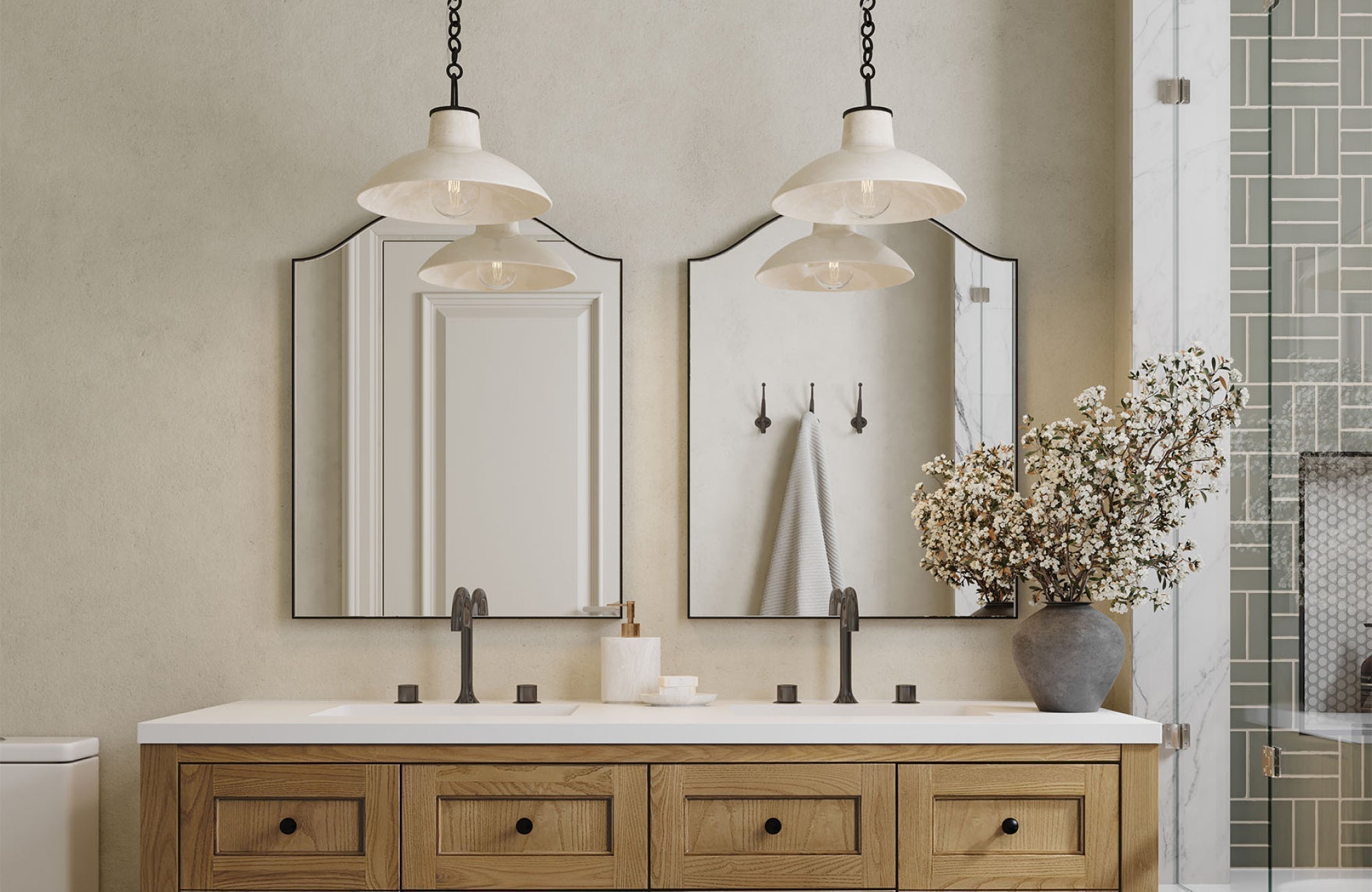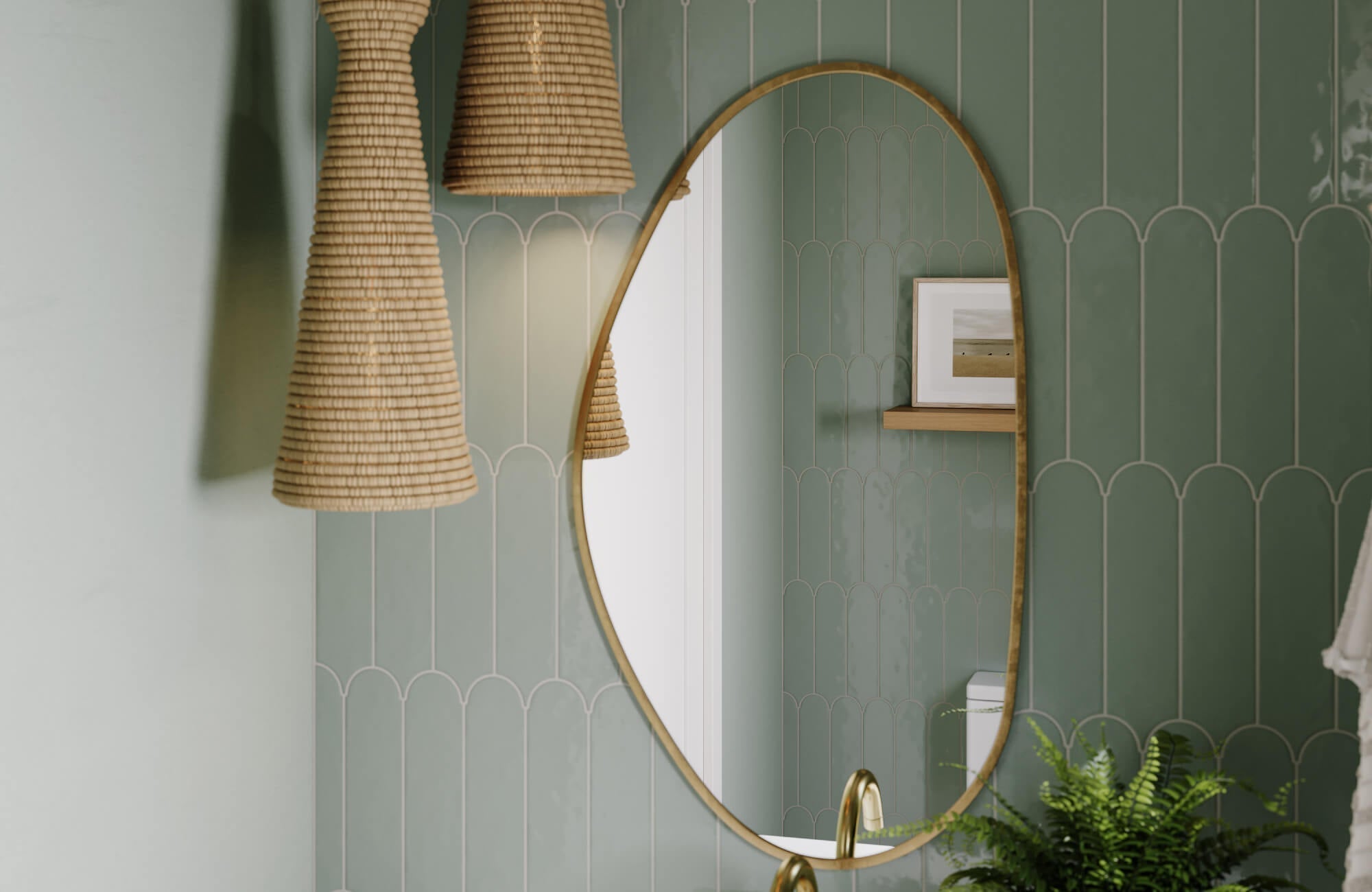
Lighting might not always take center stage in office planning, but it quietly shapes how we think, work, and feel throughout the day. From overlooked desk corners to glare-filled conference rooms, the wrong setup can chip away at focus and comfort without us even noticing.
In this article, we’ll break down the different types of lighting used in workspaces, explore how brightness and placement impact productivity, and share practical tips for creating a setup that truly supports your daily workflow. Whether you work solo or manage a shared space, thoughtful lighting design makes a noticeable difference.

Why Lighting Matters for Productivity
Ever notice how a dim office can make you feel sluggish, while a bright, well-lit space helps you stay sharp? Lighting has a direct effect on your energy, focus, and even your mood, often more than we realize. It’s one of those behind-the-scenes factors that quietly shape your entire workday.
The Link Between Light and Brain Function
Our brains are wired to respond to natural light patterns, and the right lighting during work hours helps regulate focus, energy levels, and alertness. Exposure to bright, cool light during the day can reinforce your circadian rhythm, which helps you stay awake and engaged. When lighting is too dim or warm for daytime tasks, your body may start to wind down instead of staying productive. On the flip side, overly harsh lighting can overstimulate you, making it hard to concentrate over time. The goal is to mimic natural daylight as closely as possible to keep your mind sharp and steady.
Lighting and Eye Strain
Poor lighting, whether too dim, too bright, or poorly placed, can put strain on your eyes, especially during long hours at a screen or desk. Eye strain often leads to headaches, blurry vision, or general fatigue, which quickly drags down focus and productivity. When you're squinting or adjusting your posture to see better, your body also begins to tire faster. A well-lit workspace helps prevent this by ensuring even, comfortable illumination without harsh glare or deep shadows. The key is balancing brightness across the space and complementing screens with indirect task lighting.
Mood, Morale, and Performance
Lighting doesn’t just affect your body; it plays a role in how you feel while you work. Spaces with warm, dim lighting can feel cozy but also slow-paced, while brighter, natural-feeling light can boost motivation and overall energy. Studies have shown that well-lit environments often lead to improved morale and fewer errors, especially in team settings. When lighting feels thoughtful and intentional, it helps people feel more comfortable and engaged with their work. In many ways, good lighting silently supports a positive, high-functioning workplace.

Types of Office Lighting Explained
Not all lighting in a workspace serves the same purpose. From general overhead lights to focused task lamps and natural sunlight, each plays a unique role in shaping how productive and comfortable a space feels. Below, we’ll walk through the main types of lighting and how they function within an office environment.
Overhead Lighting (Ambient Light)
Overhead lighting is the most common source of illumination in offices, typically provided by ceiling fixtures like pendants, recessed lights, fluorescent panels, or LED troffers. It creates a baseline level of brightness that helps people navigate and work without harsh contrast or dark corners. While it’s essential for coverage, ambient lighting can sometimes feel flat or overly clinical, especially in spaces that rely solely on it. Too much glare or uneven distribution may cause discomfort over time. The best setups pair overhead lighting with other sources to soften the effect and improve comfort.
Task Lighting for Focus Work
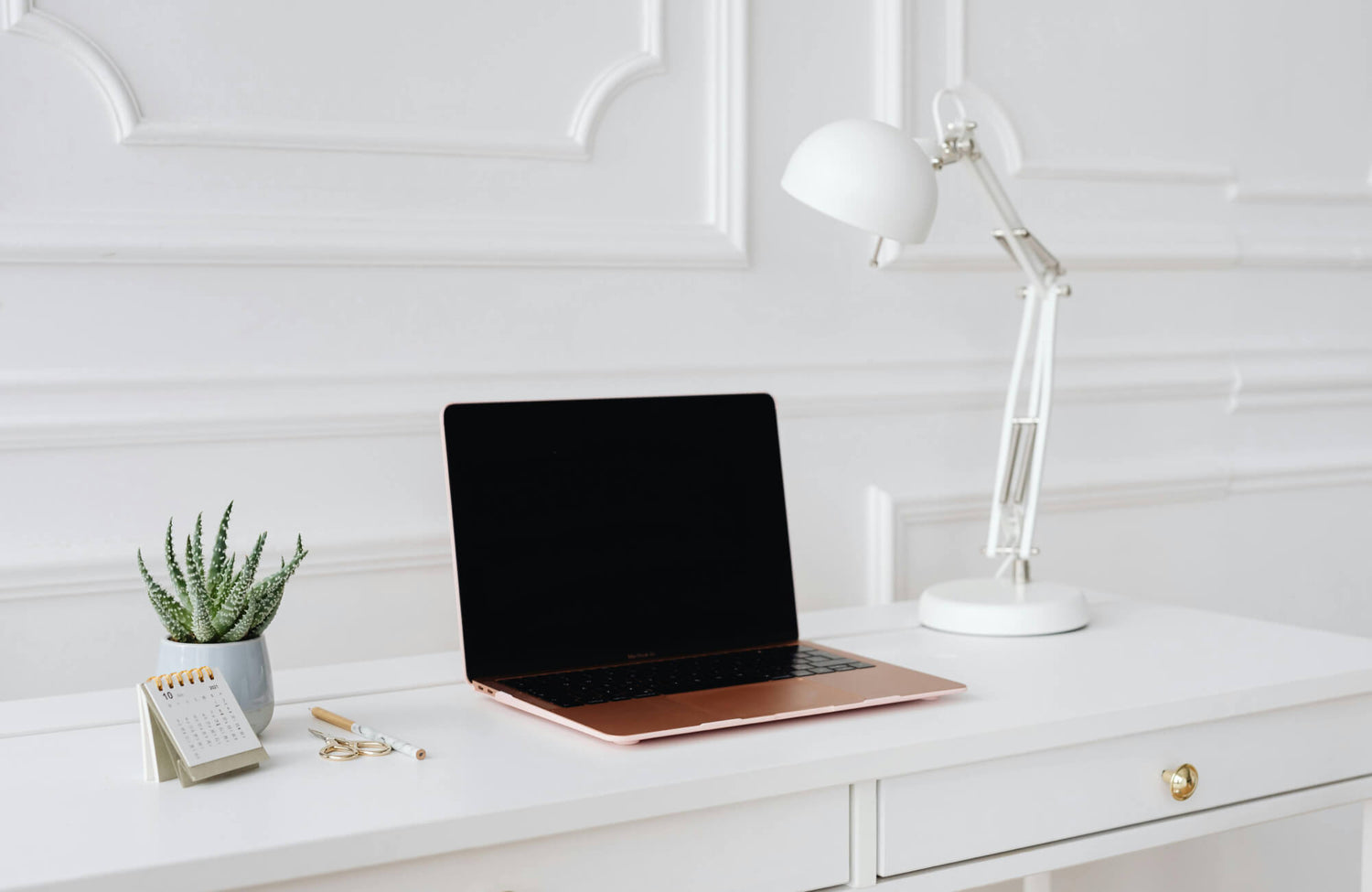
Task lighting adds precision and comfort where it’s needed most at desks, workstations, or areas where detail matters. This includes adjustable desk lamps, picture lights, such as our Vicente Picture Light in Aged Old Bronze above, or focused LED strips that direct light without spilling across the whole room. These lights reduce strain by helping you concentrate on specific activities like reading, writing, or working on a screen. They’re especially helpful in shared spaces where ambient light may not be enough for everyone’s needs. Plus, being able to control your own light source can support better focus and reduce distractions.
Natural Light and Window Positioning
Natural daylight plays a vital role in supporting mental and physical well-being in the workplace. Sunlight helps regulate your body’s internal clock, improving alertness during the day and promoting restful sleep at night. It also boosts vitamin D levels and supports a better mood, which can lead to increased productivity. Office layouts that prioritize window access and thoughtful desk placement can make a big difference in how energized and comfortable employees feel. When possible, working near a window offers both visual relief and a quiet connection to the outdoors.

Best Light Color Temperatures for Workspaces
The color temperature of your lighting affects how alert, relaxed, or focused people feel throughout the day. While some tones promote clarity and concentration, others are better for creating a calm or collaborative environment. Below, we’ll break down which light colors work best in different areas of the office.
Cool White Light (4000K–5000K)
Cool white light strikes a solid balance between brightness and clarity, making it a top choice for work zones that require alertness and detail. It helps reduce eye strain during long tasks and supports sustained focus, especially in areas where precision matters. Offices often rely on this temperature for overhead or task lighting because it mimics natural midday light without being too harsh. The tone feels clean and neutral, which helps maintain energy levels during slow afternoons. If your workspace includes computers, design tools, or paperwork, cool white light keeps things clear and comfortable.
Warm Light (2700K–3000K)
Warm lighting leans into comfort and calm, making it ideal for lounges, break areas, or more casual meeting spaces. It creates a cozy, welcoming atmosphere that encourages relaxation and informal conversation. While it’s not the best for highly focused tasks, it’s great for reducing mental fatigue during off-task moments. Using warm lighting in the right places helps balance the sharper tones found in task or ambient lighting. It’s a subtle way to let employees mentally shift gears between deep work and downtime.
Daylight Bulbs (5000K–6500K)
Daylight bulbs offer the highest intensity and closest match to natural sunlight, often used in spaces that lack windows or need visual clarity. They’re particularly useful in design studios, art departments, or any setting where color accuracy is key. However, too much daylight-style lighting can become overwhelming, especially in rooms with glossy surfaces or screens. It may lead to glare, visual fatigue, or restlessness if not properly diffused. For most offices, a little goes a long way—strategically placed daylight bulbs can elevate performance without becoming a distraction.

Lighting Placement and Glare Control Tips
Proper placement of lighting fixtures is just as important as the type of light itself. A well-thought-out layout can minimize glare, eliminate harsh shadows, and make your workspace feel more balanced and functional. In here, we’ll cover smart strategies to keep your lighting practical, comfortable, and adaptable throughout the day.
Avoiding Shadows on Desks and Screens
Shadows can be a subtle but serious distraction in office settings, especially when they fall across desks, keyboards, or screens. One simple solution is to position task lighting at an angle, typically opposite your dominant hand, to avoid casting shadows while you work. Desk lamps with adjustable necks or gooseneck arms make it easier to direct light exactly where it’s needed. It's also helpful to avoid placing your desk directly under a single overhead spotlight that creates strong contrast. Soft, angled lighting tends to offer better coverage and less interference with your tasks.
Layering multiple light sources can also help prevent unwanted shadow zones. For instance, pairing ambient ceiling light with focused task lamps ensures a more even spread across the workspace. This kind of layering fills in the gaps without over-illuminating or creating reflective hot spots on screens. In shared offices, make sure each desk has its own adjustable lighting to cater to individual needs. Reducing shadows doesn’t require more light; just smarter positioning.
Diffused Light vs. Harsh Spotlights
Diffuse lighting spreads light more evenly, softening shadows and reducing eye strain, which makes it ideal for long hours at a desk. Fixtures with frosted covers, fabric shades, or wall washers bounce light in a way that avoids harsh reflections and overly bright zones. This kind of gentle, layered lighting helps create a calming and focused work atmosphere. In contrast, harsh spotlights can cast tight beams that feel intense and disorienting, especially when aimed at desks or reflective surfaces. When your eyes have to constantly adjust between bright and dim areas, focus suffers.
A well-designed office lighting plan avoids relying solely on point-source lighting like bare bulbs or direct downlights. Instead, think about combining ambient light with strategically placed task fixtures and wall-mounted accents. This layered approach not only improves visual comfort but also makes the workspace feel warmer and more professional. You can still highlight key areas without overwhelming the room. Ultimately, diffused lighting supports both focus and aesthetics better than intense, isolated beams.
Adjustable Fixtures for Flexibility
Workspaces aren't static, and your lighting shouldn’t be either. Adjustable fixtures like swing-arm lamps, under-cabinet lights, or ceiling track systems give you the freedom to adapt to different tasks throughout the day. These options allow you to brighten up specific zones when needed or dial things down during screen-heavy work. They’re also useful in open offices, where personalized control over light can reduce distractions and eye fatigue. Flexibility becomes especially important if multiple people share the same area or shift between desk work and meetings.
Dimmers and smart lighting controls also play a big role in adaptability. Being able to lower brightness for video calls or gradually shift color temperature throughout the day helps keep your body and mind aligned with natural rhythms. Zoning strategies like separating task, ambient, and accent lighting further improve control and reduce energy waste. Rather than relying on one-size-fits-all fixtures, investing in adjustable lighting turns your office into a more user-friendly and productive space. Thoughtful control is just as important as light quality itself.

Common Lighting Mistakes That Hurt Productivity
Even with the right intentions, lighting choices in the workplace can sometimes backfire. From relying too heavily on one light source to overlooking individual needs, small missteps can lead to eye strain, fatigue, and reduced focus.
Relying Solely on Overhead Fluorescents
Fluorescent ceiling lights are a standard in many offices, but on their own, they often create cold, uneven lighting. The glare and flicker can lead to eye strain over time, especially when paired with reflective desks or screen-based work. These lights also tend to wash out colors and make spaces feel sterile or uninspired. The fix isn’t to remove them entirely but to supplement with softer task lighting at each desk. This creates a more balanced environment that supports both visibility and comfort.
Using the Wrong Bulb Color or Wattage
Lighting that’s too dim or too warm can make it hard to concentrate, while overly bright or cool-toned bulbs may feel harsh and draining. Using the wrong bulb type for the task at hand can throw off your ability to stay alert, especially in focus-heavy environments. For instance, warm light might be relaxing but is better suited for lounges or break rooms than workstations. Matching color temperature and brightness to the activity helps improve performance and reduce eye fatigue. It's a simple but often overlooked way to fine-tune your workspace.
Ignoring Personalized Lighting Needs
Every person and every task has slightly different lighting requirements, so a one-size-fits-all setup rarely works well. Some people may prefer more light when reading or writing, while others need a dimmer environment to work on screens. Ignoring those preferences can lead to reduced comfort and performance, especially in shared or open-plan offices. Adjustable fixtures, personal desk lamps, or zoning controls give individuals the power to tailor lighting to their needs. When lighting adapts to people, not the other way around, productivity tends to follow.
The Role of Lighting in a Truly Functional Office
Lighting might seem like a background detail, but it plays a quiet, consistent role in how we focus, move through tasks, and feel throughout the day. Whether you're dealing with eye strain, sluggish afternoons, or uninspired spaces, a smarter lighting setup can quietly reshape the way your workspace works for you.
If you're planning a refresh or starting from scratch, our Design Consultation Team can help you figure out what really fits functionally and visually. From fixture types to layout strategy, we’ll work with your goals and space to create lighting that actually supports how you work.