A decorative tray can instantly make an everyday surface feel more organized, styled, and intentional. Whether you place one on a coffee table, dresser, entryway console, bathroom counter, or kitchen island, the right mix of items can add function and character without making the area feel crowded.
In this article, you’ll learn what to put on a decorative tray based on its location, purpose, and overall look. From everyday essentials and decorative accents to natural textures, seasonal details, and spacing tips, these ideas will help you create a tray arrangement that feels balanced, useful, and easy to live with.

Start With the Tray’s Purpose
Before choosing what to put on a decorative tray, decide whether it needs to organize daily essentials, style a surface, or do a bit of both. A clear purpose makes each item feel intentional and helps you avoid adding pieces just because they look attractive on their own.
Everyday Function
For a tray you use every day, start with the items you naturally reach for in that area. On a living room coffee table, this might include remotes, coasters, reading glasses, a candle, or a small dish for matches; on a bedside table, it could hold hand cream, jewelry, a book, or a catchall bowl. The goal is to keep useful items close while making them look tidy and intentional. A ceramic dish can hold rings or earrings neatly, while a decorative box can conceal remotes, chargers, or other small pieces that might otherwise distract from the room.
Visual Anchor
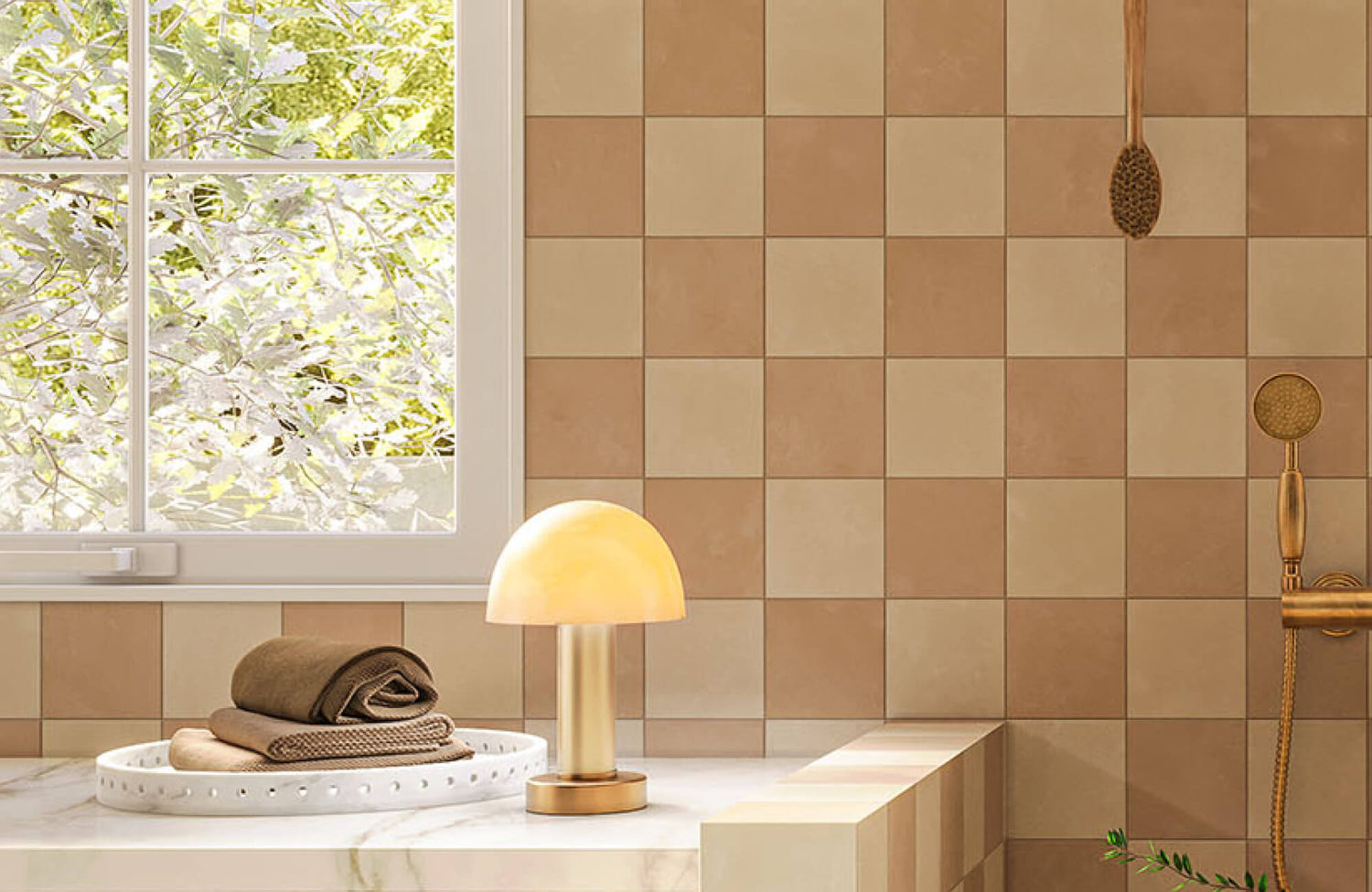
A decorative tray, like our Talbot White Marble Tray, can also act as a visual anchor, especially on larger surfaces that feel unfinished. Instead of spreading candles, books, bowls, and small objects across a table, the tray gathers them into one defined area. This makes the arrangement easier to read at a glance. For example, a coffee table with a tray, candle, vase, and book often looks more composed than the same items placed separately around the surface. The tray gives the objects a shared boundary, which helps the whole display feel deliberate.
Room-Specific Use
What you put on a decorative tray should change depending on where the tray sits. In a living room, choose pieces that support comfort and conversation, such as coasters, a candle, a small bowl, or a stack of books. In an entryway, focus on quick-access items like keys, sunglasses, a wallet tray, or a small dish for coins.
In a bathroom, a tray can hold soap, lotion, perfume, cotton rounds, or rolled washcloths. In a bedroom, it can organize jewelry, fragrance bottles, a candle, or a small vase. Thinking by room keeps the tray useful instead of purely decorative.

Layer Items With Height and Shape
After deciding the tray’s purpose, choose items that add dimension through height, shape, and visual weight. A balanced mix of tall, medium, and low pieces can make even a simple tray arrangement feel complete and intentional.
Tall Pieces
Start with one taller item to give the tray a clear focal point. A vase with stems, a candlestick, a small potted plant, a sculptural object, or a slim table lamp can draw the eye upward and keep the arrangement from feeling too low. Just make sure the height suits the tray and the furniture beneath it. A tall vase may look right on a console table, while a smaller tray may only need a taper candle, bud vase, or compact plant to add height without overwhelming the surface.
Medium Accents
Medium-height items create a smooth transition between the taller focal piece and the smaller details around it. Decorative boxes, stacked books, lidded jars, framed photos, small bowls, and ceramic vessels can add structure while making the tray feel more layered. Books are especially useful because they create a base for smaller objects and add a sense of height without crowding the tray. For example, a candle placed on a book often feels more intentional than one set alone in the center, while a decorative box like our Fletcher Box Set can add height and discreetly hold small items inside.
Low Details
Low-profile pieces complete the tray without drawing attention away from the focal point. Coasters, matchbooks, a shallow candle, wooden beads, shells, crystals, a small dish, or a low bowl can add texture and fill the arrangement while keeping the surface easy to read. Use these smaller details sparingly so the tray does not feel cluttered. One small bowl or a simple strand of beads can add enough interest, while too many tiny pieces can make the arrangement look busy instead of polished.

Use Practical Items That Still Look Beautiful
A decorative tray does not have to hold only display pieces; it can also keep daily essentials within easy reach. By choosing useful items with pleasing shapes, finishes, or materials, you can make the tray feel both practical and polished.
Living Room Essentials
For a coffee table or side table, a useful tray, like our Stanton Tray, might hold remotes, coasters, a candle, a match striker, a small bowl, or a book. These are pieces you may already keep nearby, but placing them on a tray makes them feel organized rather than scattered. For less attractive items, use a lidded box or tuck them beneath a book to keep the arrangement clean. A small bowl can also hold loose pieces like earbuds, game pieces, or reading glasses, making the space easier to tidy at the end of the day.
Entryway Catchalls
An entryway tray can help you manage the items you carry in and out of the house. Keys, sunglasses, wallets, mail, and small accessories can all sit neatly on a tray near the door. This gives those pieces a consistent place to land and helps prevent them from spreading across the console.
However, entryway trays need to be cleared regularly. Because they are used often, they can quickly collect receipts, old envelopes, or items that belong somewhere else. Keep only what you actually need near the door, then remove anything that no longer serves a purpose.
Bathroom Staples
On a bathroom counter, a tray can make everyday products look more refined. Place hand soap, lotion, perfume bottles, cotton rounds in a jar, a small plant, or neatly rolled washcloths on the tray. The arrangement keeps necessities contained while making the counter easier to wipe down.
Choose materials that can handle moisture. Ceramic, resin, glass, metal, or sealed wood often work better than delicate materials in bathrooms. If the tray sits near a sink, leave enough space between items so water does not collect around the bases.

Add Natural Elements for Warmth and Texture
Natural elements help a decorative tray feel more relaxed and less staged, especially when paired with harder materials like metal, glass, stone, or lacquer. Greenery, wood, ceramic, or stone can add warmth and texture while making the surface feel more lived-in.
Greenery and Florals
Fresh flowers, dried stems, eucalyptus, olive branches, herbs, or a small potted plant can bring life to a decorative tray. Greenery adds height and movement, while flowers introduce color and softness; even a single stem in a bud vase can make the arrangement feel more complete. For easier upkeep, dried stems or faux greenery can work just as well. Just keep the scale in mind, since a large bouquet can overwhelm the tray, while a small bundle of stems adds a natural touch without taking over the arrangement.
Wood and Woven Details
Wood and woven accents add warmth, especially in rooms with smooth or glossy finishes. Wooden beads, a small carved bowl, rattan coasters, a woven box, or a compact basket can introduce texture without relying on bold color. This works especially well in neutral, coastal, rustic, or organic modern spaces. A woven box can also be practical, giving you a place to store matches, keys, or small accessories while still adding a natural detail to the tray.
Stone and Ceramic Pieces
Stone and ceramic pieces add weight, texture, and character to a decorative tray. Marble bowls, clay vessels, ceramic vases, stone objects, or handmade pottery can make the arrangement feel collected rather than overly matched, especially when their surfaces show subtle variation. These pieces are also useful when you want the tray to look polished without feeling too formal. A small ceramic bowl can hold jewelry, a stone dish can hold matches, and a clay vase can display a few stems, giving each item both a practical role and a decorative purpose.

Refresh the Tray by Season or Mood
A decorative tray is easy to update by changing a few small pieces, such as colors, textures, or accents, to suit the season or mood of the room. Keeping these changes subtle helps the arrangement feel fresh without looking overly themed or disconnected from your home.
Spring and Summer
For spring and summer, choose lighter pieces that give the tray a fresh, relaxed feel. Fresh flowers, citrus, linen coasters, pale candles, shells, clear glass vessels, and woven accents can bring brightness to the arrangement without making it feel heavy. Scent can also help set the mood subtly. A candle with citrus, linen, herbal, or floral notes can make the tray feel more seasonal, while an open layout keeps the arrangement airy and easy to enjoy.
Fall and Winter
For fall and winter, shift toward warmer colors and richer textures. Amber glass, brass accents, pinecones, dark candles, small pumpkins, evergreen sprigs, wood bowls, and textured ceramics can all help create a cozier look. These items work especially well on coffee tables, consoles, and dining room surfaces.
Soft lighting is also useful during cooler months. A candle or small lantern can make the tray feel inviting without adding too much visual weight. Pair it with one natural element, such as greenery or a wood bowl, to keep the display grounded.
Subtle Holiday Touches
Holiday styling works best when you add only one or two seasonal accents to the tray. An ornament bowl, ribboned candle, greenery, ceramic tree, or small decorative figure can add a festive touch without making the arrangement feel overdone. To keep the look refined, maintain the tray’s main structure and simply swap one detail for a seasonal piece. For example, keep the main candle, vase, box, or bowl in place, then add a small holiday accent so the tray feels updated but still connected to the rest of the room.

Choose the Right Mix Without Overcrowding the Tray
Knowing what to put on a decorative tray also means knowing what to leave out. A balanced mix of color, scale, and open space helps each piece stand out while keeping the tray organized and practical for everyday use.
Color Connection
Choose tray items that repeat or complement colors already found in the room. Brass can echo cabinet hardware or lamp bases, black can connect with picture frames, and wood tones can relate to nearby furniture or flooring, making the tray feel integrated rather than separate. Not every item needs to match exactly. A tray often feels more natural when it combines a small range of related tones, such as a cream candle, wood bowl, green stems, and brass accent that work together without looking overly coordinated.
Scale Control
The items on a tray should suit both the tray’s size and the surface beneath it. A large coffee table tray can hold books, a vase, a candle, and a bowl, while a small nightstand tray may only need perfume, jewelry, and a small dish to feel complete. It also helps to consider what surrounds the tray. Taller pieces work well beneath a mirror or artwork, while lower objects are better near a television or seating area where a clear view matters.
Breathing Room
Leave some visible space between objects so the tray feels styled rather than crowded. Open space helps each piece stand out and makes the arrangement easier to clean, move, or adjust, especially if you use the tray every day. A simple approach is to place the main pieces first, then add only what improves the arrangement. If an item does not contribute function, height, texture, color, or meaning, it may be better left off.
Choosing the Best Items for Your Decorative Tray
Put a mix of useful and decorative items on a decorative tray, such as coasters, candles, books, bowls, greenery, soap, lotion, jewelry, or small sculptural objects. These pieces can add function, texture, height, and personality while keeping the surface organized. To make the arrangement feel polished, choose items that suit the tray’s purpose, vary their height and shape, and leave enough open space between each piece.
If you need help selecting the right decorative tray or styling it with your existing decor, contact us to learn more about our design services and create a look that feels organized, personal, and complete.