Decorative bowls may seem like small accents, but they can have a noticeable effect on how finished, layered, and intentional a room feels. Whether placed on a coffee table, dining table, console, shelf, or vanity, they help shape the visual composition of a space by adding form, texture, color, and a clear point of interest.
Beyond their decorative value, these pieces can also serve practical and seasonal purposes. They can hold everyday essentials, display natural fillers, soften angular furniture, introduce material contrast, or connect different colors and finishes throughout a room. As a result, decorative bowls offer one of the simplest ways to make an interior feel more organized, expressive, and thoughtfully designed.

Denwick Breccia Marble Small Bowl makes an elegant accent for modern, organic, and contemporary interiors
Creating A Focal Point On Tables And Consoles
Decorative bowls are often used to give horizontal surfaces a clear visual anchor, especially in areas that feel empty or unfinished. Through shape, scale, texture, and material contrast, they help organize surrounding objects and make a tabletop arrangement feel more intentional.
Coffee Table Styling With Decorative Bowls
On a coffee table, a decorative bowl can serve as the visual center of the arrangement, giving the surface a grounded and organized appearance. Rather than scattering several small accessories across the table, you can use a bowl to create a contained focal point that feels more deliberate. This works especially well on larger coffee tables, where an empty surface can appear unfinished, or on smaller tables, where too many separate objects can quickly create visual clutter.
For a layered look, place the bowl on top of stacked design books, beside a candle, or within a tray to create varying heights and textures. A round bowl can soften the straight lines of a rectangular coffee table, while an elongated or oval bowl can echo the proportions of a narrow surface. If the bowl is decorative enough, it can be left empty as a sculptural object; however, it can also hold small natural fillers, decorative beads, or seasonal accents as long as the arrangement remains clean and restrained.
Dining Table Centerpieces That Feel Effortless
A large decorative bowl can make a dining table feel styled without the formality or upkeep of a floral arrangement. Although flowers often introduce height, color, and softness, they may not always suit everyday living or a more understated interior. A well-chosen bowl offers a lower-profile centerpiece that keeps sightlines open, making it especially practical for dining spaces where conversation and visual ease are important.
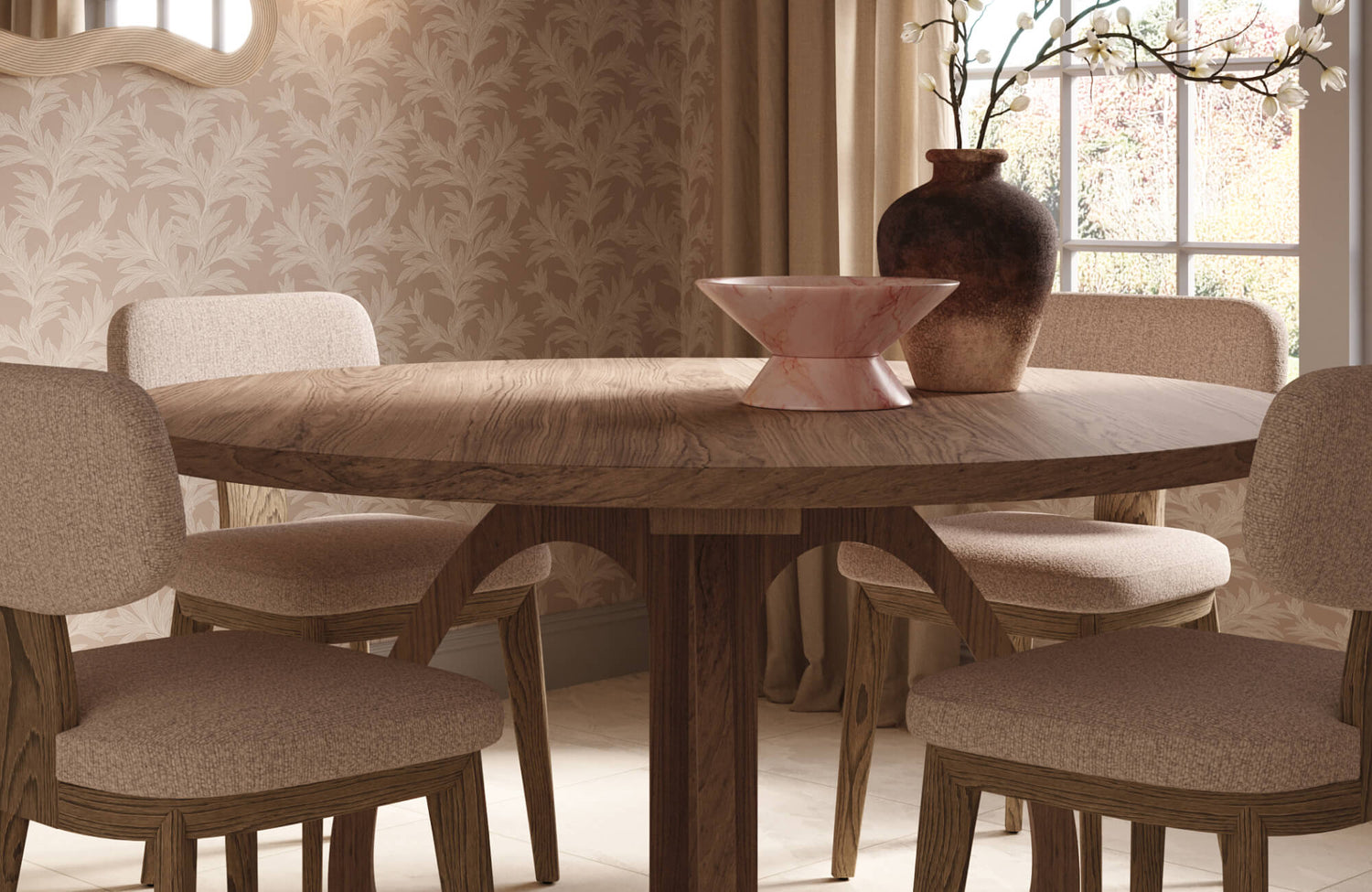
For casual elegance, fill the bowl with fruit, moss spheres, decorative beads, or sculptural natural elements that complement the room’s materials. A wood bowl filled with pears or citrus can bring warmth to a kitchen-adjacent dining area, while a stoneware or ceramic bowl with neutral fillers can create a quieter tablescape. For a more sculptural approach, the Denwick Breccia Marble Small Bowl, seen in the image above, can be displayed on its own to highlight its dark marble veining, raised pedestal base, and refined silhouette, making it especially fitting for dining spaces that favor understated luxury. Scale is also important, so choose a bowl wide enough to feel intentional at the center of the table but low enough to preserve openness.
Entryway And Console Table Anchors
In entryways and on console tables, decorative bowls can help create a welcoming first impression while giving narrow surfaces a sense of completion. These areas are often positioned beneath mirrors, artwork, or lighting fixtures, so a bowl can act as a visual anchor that connects the tabletop arrangement to the vertical features above it. Placing it near a table lamp, vase, framed artwork, or mirror can create a balanced vignette rather than a surface that feels loosely assembled.
In addition to its decorative role, an entryway bowl can offer light functionality by holding keys, loose change, or other small essentials. However, because this area is highly visible, the bowl should remain shallow, attractive, and uncluttered. Choosing a ceramic, wood, stone, or metal bowl with enough visual weight allows it to stay useful while still contributing to the overall design.

The refined yet understated design of Denwick Travertine Small Bowl makes it a versatile decorative accent for console tables, kitchen islands, and shelves in organic modern, Mediterranean, and contemporary interiors
Adding Texture And Material Contrast To A Room
Decorative bowls can introduce tactile variety in spaces that feel too flat, polished, or repetitive. By using materials such as ceramic, wood, metal, and glass, they help create contrast against furniture, countertops, shelving, and surrounding decor. This makes them especially useful for connecting different finishes in a room while adding depth without requiring large decorative changes.
Ceramic Bowls For Soft Organic Character
Ceramic bowls are often used in interior design to add softness, craft, and organic character to a room. Their appeal comes from subtle curves, hand-formed silhouettes, matte surfaces, reactive glazing, and slight imperfections that make a space feel more relaxed and human. Unlike highly polished accessories, ceramic pieces introduce a grounded quality that works well with natural textiles, warm woods, stone surfaces, and neutral palettes.
In organic modern, coastal, rustic, and transitional interiors, ceramic bowls can help bridge refined design and casual comfort. A matte white ceramic bowl can brighten a console without feeling glossy, while a speckled stoneware bowl can add depth to a wood coffee table or open shelf. For the most cohesive result, choose a ceramic bowl that relates to the room’s existing finishes, whether through color, curve, glaze, or handcrafted surface detail.
Wood Bowls For Natural Warmth
Wood bowls are especially effective in interiors that need warmth, texture, and a stronger connection to natural materials. Their grain patterns, tonal variation, and organic surfaces can soften rooms dominated by stone, metal, glass, or lacquered furniture. Because wood has visual warmth, it can make a highly polished or modern space feel more approachable without changing the overall design direction.
In living rooms, a wood bowl can add depth to a coffee table, media console, or built-in shelf, especially when paired with books, woven accents, or ceramic objects. In kitchens and dining rooms, it can feel both decorative and functional, whether used to hold fruit, bread, or natural fillers. Lighter woods such as oak, ash, or maple can feel airy and casual, while darker woods such as walnut or acacia can create a richer, more sophisticated effect.
Metal And Glass Bowls For Refined Contrast
Metal and glass bowls bring a different kind of material contrast because they introduce reflection, sheen, and visual lightness. Metal bowls can add polish and structure, making them useful in modern, transitional, glam, or contemporary interiors. Finishes such as brass, bronze, nickel, pewter, or matte black can also connect with lighting, cabinet hardware, mirror frames, or furniture legs.
Glass bowls are ideal when a room needs brightness without additional visual weight. Clear, smoked, frosted, or textured glass can reflect light and make a surface feel more open, which is especially helpful on smaller tables, narrow consoles, or shelves. Because metal and glass can feel cooler or more formal than ceramic and wood, they are most effective when balanced with softer materials nearby, such as linen, books, greenery, woven textures, or natural wood.

Ziven Bowl in Blue draws the eye with its artistic silhouette and vibrant finish, making it a striking centerpiece for eclectic, coastal, and contemporary interiors looking to introduce color, texture, and handcrafted character
Displaying Seasonal And Natural Accents
Decorative bowls make it easy to refresh a room throughout the year without replacing larger furnishings or committing to a full styling update. Because their contents can be changed seasonally, they offer a flexible way to introduce color, texture, scent, and natural detail while keeping the overall design cohesive.
Spring And Summer Bowl Styling
In spring and summer, decorative bowls can bring a lighter, fresher quality to coffee tables, kitchen islands, dining tables, and consoles. Lemons, limes, shells, pale wood beads, woven orbs, small greenery clippings, or white ceramic spheres can create a bright seasonal accent without overwhelming the surface. These elements work especially well in coastal, organic modern, farmhouse, and casual transitional interiors where natural materials and soft color shifts feel appropriate.
The goal is to keep the arrangement airy rather than densely packed. A shallow bowl filled with a few lemons or shells can feel more refined than an overfilled vessel, while a wide wood or ceramic bowl with light-colored beads can add texture without becoming visually heavy. To maintain cohesion, choose fillers that repeat colors already found in nearby textiles, artwork, or rugs, such as soft white, pale tan, muted green, or sun-washed yellow.
Fall And Winter Bowl Arrangements
During fall and winter, decorative bowls can help make interiors feel warmer, richer, and more layered. Pinecones, dried oranges, acorns, cinnamon sticks, ornaments, walnuts, dark decorative spheres, or small sculptural objects can create a seasonal display with deeper color and stronger texture. These fillers add visual weight, making them especially effective in living rooms, dining areas, and entryways where a cozier atmosphere is desired.
Richer bowl materials can also strengthen the seasonal effect. Wood, bronze, stoneware, dark ceramic, or aged metal bowls help support autumnal and winter palettes, especially when paired with warm lighting, wool textiles, leather accents, or darker furniture finishes. To keep the look elevated, avoid mixing too many seasonal motifs in one bowl and instead choose a focused palette, such as dried orange with cinnamon, pinecones with wood beads, or matte ornaments with evergreen accents.
Natural Fillers For Year-Round Styling
Some decorative bowl fillers work well beyond a single season because they rely on natural texture rather than holiday-specific themes. Moss, river stones, driftwood, seed pods, neutral spheres, shells, carved wood beads, and preserved botanicals can add organic detail throughout the year. These materials are especially useful when you want a styled surface that feels fresh but not tied to a specific celebration or time of year.
Year-round fillers should also connect clearly with the room’s existing color palette and material story. River stones can complement stone countertops or cool gray upholstery, while driftwood can echo light wood furniture, woven baskets, or coastal artwork. You can achieve the best results by matching filler scale to bowl depth and diameter, allowing the contents to appear collected rather than crowded.

The bold black-and-cream hues of Henslow Porcelain Bowl adds visual interest and texture, making it a distinctive accent for eclectic, modern, and globally inspired interiors
Enhancing Color And Shape In Interior Styling
Decorative bowls can introduce color, shape, and movement in a subtle but impactful way. In interior styling, they are often used to soften rigid furniture lines, repeat accent colors, and create visual rhythm across a room. Because they are smaller than furniture or large artwork, they allow you to experiment with form and color without overwhelming the overall scheme.
Rounded Forms That Soften Angular Furniture
Curved decorative bowls are especially effective in rooms with square tables, clean-lined consoles, boxy cabinets, or strong architectural edges. When a room contains many straight lines, the eye can move too quickly across the space, making the design feel rigid or overly structured. A round, oval, or irregular bowl introduces contrast through curvature, creating a gentler visual break that makes the room feel more approachable.
This technique works particularly well on rectangular coffee tables, long dining tables, linear sideboards, and floating shelves. A wide, shallow bowl can soften the hard plane of a stone or wood tabletop, while an organic, asymmetrical bowl can make a minimalist console feel less severe. Irregular shapes can also add a handcrafted quality, allowing the bowl to become a quiet counterpoint to the room’s architecture.
Accent Colors Used In Small Doses
Decorative bowls are useful for introducing accent colors in controlled, manageable amounts. A small bowl in blue, green, terracotta, black, brass, or white can add character to a room without requiring a major change to upholstery, wall color, or flooring. This makes bowls especially helpful for those who want to test a new color direction or strengthen an existing palette with a single, intentional detail.
For the strongest design connection, repeat the bowl’s color elsewhere in the room. A blue ceramic bowl can relate to artwork or patterned pillows, while a terracotta bowl can echo warm wood tones, clay planters, or a muted area rug. The finish also affects the mood, with matte colors feeling softer and more organic, glossy finishes appearing brighter, and darker accents adding definition to neutral rooms.
Sculptural Bowls As Standalone Objects
Some decorative bowls are designed to be displayed empty because their shape, finish, or silhouette already provides enough visual interest. These pieces function almost like small-scale sculpture, contributing form, shadow, and material presence without needing fillers. In minimalist, modern, or luxury interiors, an empty sculptural bowl can feel more refined than one filled with decorative objects, especially when the room relies on restraint and negative space.
The success of a sculptural bowl also depends on proportion and placement. A dramatic low-profile bowl can sit beautifully at the center of a dining table, while a tall or irregular vessel may work better on a console, pedestal, or open shelf where its outline can be appreciated. Materials such as stoneware, marble, cast metal, glass, resin, or carved wood can enhance the sculptural effect and give the room depth, sophistication, and a clear point of focus.

Hawthorne Porcelain Bowl introduces handcrafted character into this console, complemented by the Redmont Desk Lamp that adds warmth and sculptural contrast through its sleek metallic finish and ambient glow
Styling Decorative Bowls Across Different Rooms
Decorative bowls can work in nearly every room, but their purpose changes depending on the space. In shared areas, they often create visual interest and support layered styling, while in private or task-focused rooms, they can add both softness and practical organization. Choosing the right size, material, and placement helps each bowl feel appropriate to the room instead of simply decorative.
Living Room
In the living room, decorative bowls are often used to complete coffee tables, shelves, media consoles, and side tables. Because these surfaces are highly visible, a bowl can help organize the styling composition by creating a central point of interest. On a coffee table, it can be layered with books, candles, greenery, or a small sculptural object to create depth without making the arrangement feel crowded.
For open shelving or media consoles, bowls can break up rows of books, framed photos, and rectangular storage pieces. A low ceramic bowl can soften a shelf with many straight lines, while a wood or metal bowl can add material contrast beside lamps, vases, or decorative boxes. In the image above, the Hawthorne Porcelain Bowl brings this idea to life with its rounded form and bold circular pattern, adding visual movement to the console while balancing the lamp, mirror, and sculptural accents around it. To keep the room uncluttered, leave negative space around the bowl and limit the number of fillers or accessories nearby.
Kitchen And Dining Room
In kitchens and dining rooms, decorative bowls can feel both stylish and appropriate because they naturally relate to food, gathering, and hospitality. A large bowl on a kitchen island can hold fruit, bread, herbs, or seasonal produce, while a dining table bowl can serve as a relaxed centerpiece. These uses allow the bowl to feel connected to the function of the room rather than appearing purely ornamental.
Larger bowls typically work best on islands, dining tables, and sideboards where they have enough surface area to feel proportionate. Smaller bowls can be used on open shelving, countertops, or breakfast nooks to hold citrus, decorative beads, wrapped treats, or small natural fillers. A simple bowl of lemons, pears, linen-wrapped bread, or neutral decorative spheres can also add color and texture while preserving a polished, functional atmosphere.
Bedroom And Bathroom
In bedrooms and bathrooms, decorative bowls are most effective when they combine softness with organization. These are more personal spaces, so bowls should feel calm, compact, and purposeful rather than oversized or visually dominant. On a dresser, vanity, or nightstand, a small bowl can hold jewelry, watches, hair clips, or other daily items while keeping the surface tidy.
In bathrooms and powder rooms, bowls can hold cotton rounds, wrapped soaps, bath salts, or folded guest towels in a more refined way. Moisture-resistant materials such as ceramic, stone, glass, resin, or sealed metal are better suited to these spaces because they are easier to clean and more durable around humidity. With compact sizing, smooth textures, and thoughtful placement, decorative bowls can make bedrooms and bathrooms feel more organized, polished, and quietly luxurious.
Decorative Bowls Bring Function, Beauty, and Balance To Interior Design
Decorative bowls are used in interior design to style surfaces, organize small items, introduce texture, display seasonal accents, and create visual balance throughout the space. They can function as sculptural centerpieces, practical catchalls, material contrasts, or subtle color accents, depending on the room and the way they are styled. Moreover, when chosen with the right scale, finish, and purpose, a decorative bowl can connect furniture, lighting, textiles, and accessories into a more cohesive design story. Ultimately, these versatile pieces prove that even a small accent can make a room feel more polished, personal, and intentionally complete.
For help choosing decorative bowls that suit your surfaces, color palette, and styling needs, our team can guide you toward pieces that feel both beautiful and purposeful. Whether you are finishing a coffee table, styling an entryway console, or adding a refined accent to a dining table, you can contact us for personalized support in creating a more polished and cohesive interior.