Outdoor throw pillows add comfort, improve support, and complete the look of a patio or outdoor living area. However, choosing the right size matters just as much as selecting the fabric or color because pillow dimensions affect furniture balance, usability, maintenance, and overall appearance. The best outdoor throw pillow size depends on how you use the space, the scale of your furniture, and the comfort level you want to create.
By understanding how different sizes function outdoors, you can create seating that feels supportive and proportional without overcrowding the area. In this article, you’ll learn how common outdoor pillow sizes compare, which dimensions work best for different furniture types, and how to choose options that stay practical for your space, climate, and everyday use.

Standard Outdoor Throw Pillow Sizes
Outdoor throw pillows come in several standard dimensions, and each size changes how the pillow looks, feels, and functions. Understanding the differences between small, medium, oversized, and lumbar pillows gives you a clearer starting point before choosing the right size.
Small Accent Pillows
Small outdoor throw pillows usually measure 16x16 or 18x18 inches. These sizes feel lighter in scale, making them useful when you want a subtle layer of comfort without adding too much volume. A 16x16 pillow feels more decorative and compact, while an 18x18 pillow, like our Brielle 18'' x 18'' Down Pillow in Natural / Mustard, provides slightly more cushioning. The difference may seem minor, but those extra two inches can affect how full the pillow appears, especially once an insert is added.
Because of their smaller scale, these pillows are easier to lift, rotate, and store seasonally. They are also a practical choice when you want a softer touch rather than a heavily cushioned look.
Medium Everyday Sizes
Medium outdoor throw pillows are commonly around 20x20 inches, giving them enough presence without feeling bulky. They offer enough surface area for back support while remaining easy to handle. This size often works as a reliable middle ground because it does not look too minimal or too bulky. A 20x20 pillow has enough fullness to make an outdoor seat feel more finished, but it remains easy to pair with other pillow shapes if you decide to build a layered arrangement later.
For many outdoor settings, medium pillows are the easiest size to start with because they provide comfort, proportion, and flexibility in one format. They also tend to show patterns and textures more clearly than smaller pillows without becoming visually heavy.
Oversized Options
Oversized outdoor throw pillows typically measure 22x22 inches or larger. Their larger surface area gives them a fuller appearance and a stronger visual impact than standard small or medium pillows. These pillows are often chosen when you want a more relaxed and cushioned feel. Because they contain more fabric and filling, they can create a softer impression and provide broader support when used for lounging.
A piece like our Merelle 22" x 22" Down Pillow in Navy works well if you want the pillow to function as a main comfort feature rather than a small accent. However, oversized pillows naturally take up more room and create a strong visual presence. Before choosing one, consider whether your furniture has enough depth and width to support a larger pillow comfortably.
Lumbar Shapes
Lumbar pillows differ from square pillows because they are longer and narrower. Common outdoor lumbar sizes include 12x20, 14x22, and 12x24 inches, though proportions can vary by design. Their rectangular shape gives them a more focused support profile. Instead of covering a broad square area, a lumbar pillow supports a specific zone, often the lower back, while adding a horizontal line to the overall arrangement.
Lumbar pillows are also useful when you want comfort without too much bulk. Their shape introduces variety, keeps the look from feeling repetitive, and offers a practical alternative to using several square pillows.

Matching Pillow Sizes To Outdoor Furniture
The best outdoor throw pillow size often depends on the furniture’s scale, depth, and seating style. Matching pillow dimensions to the furniture helps each piece feel comfortable, proportional, and easy to use.
Sofas And Loveseats
Standard outdoor sofas and loveseats usually work best with medium-sized throw pillows ranging from 18x18 to 20x20 inches. These sizes soften the seating area without taking away too much sitting space, making them a practical fit for everyday use. For a loveseat, two 18x18 pillows often create a clean, proportional arrangement. On a full-sized sofa, 20x20 pillows typically provide a fuller look that better matches the wider frame.
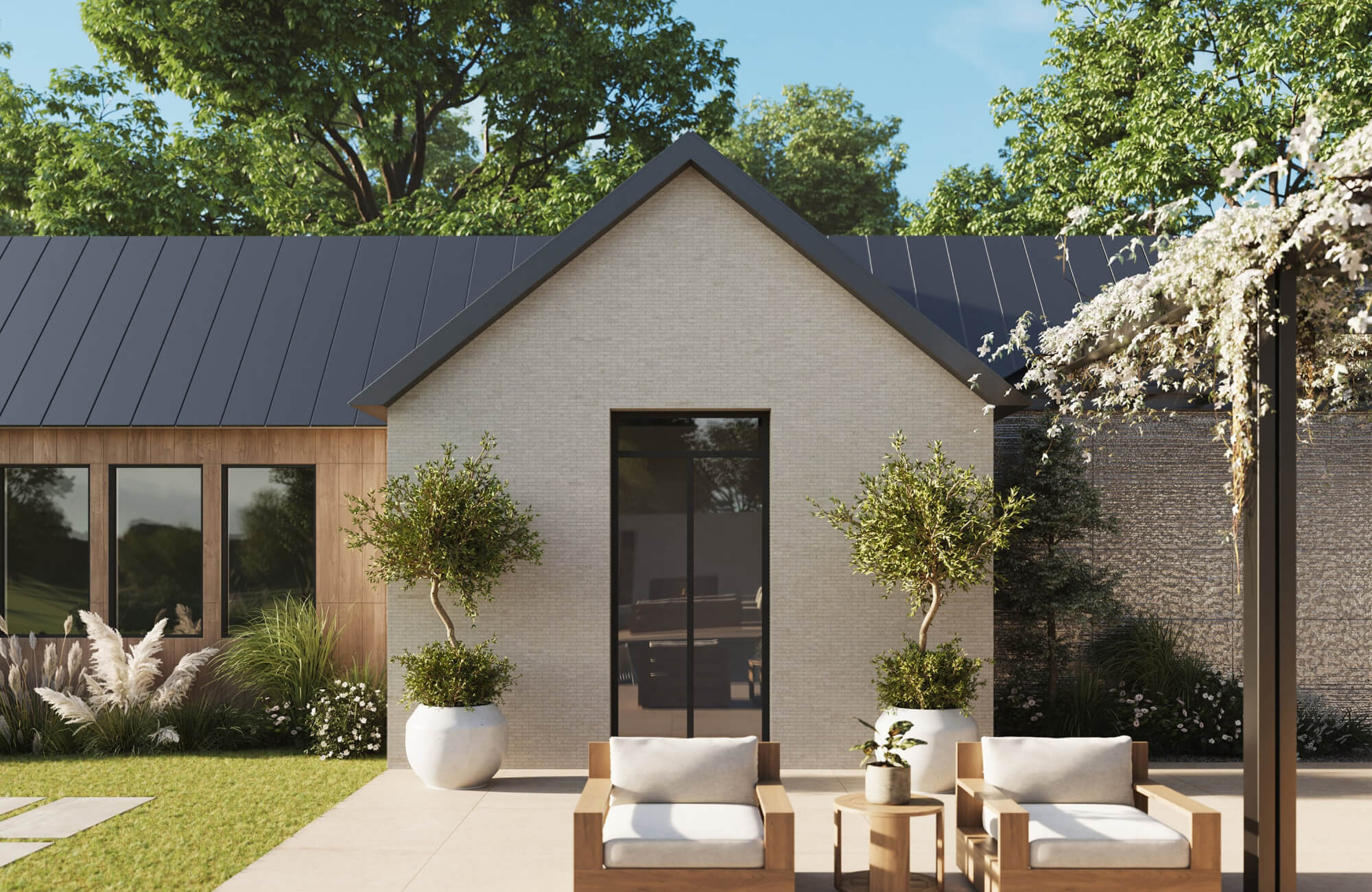
Placement also matters. Pairing medium pillows with a slimmer lumbar style can add support while keeping the seat open. The photo featured above shows this approach, where Edward Martin’s Merelle 13" x 21" Down Pillow in Ivory adds a compact cushioned layer, while the Marisette 12" x 27" Pillow Cover in Black brings in a slimmer shape for support without overwhelming the sofa.
Deep Sectionals
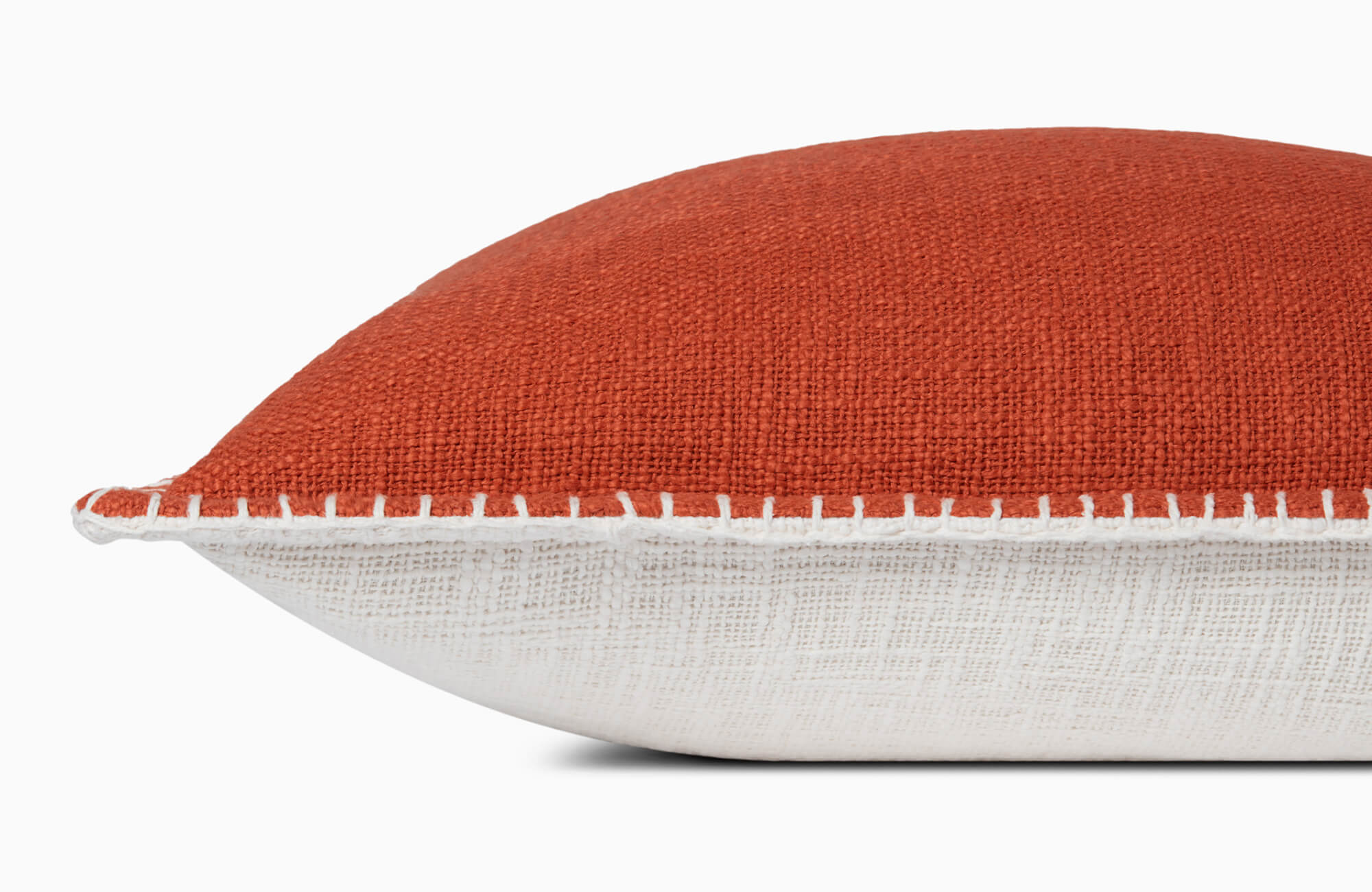
Deep outdoor sectionals usually need larger pillows because standard sizes can look too small against broader seating frames. In these layouts, 22x22 pillows like our Merelle 22" x 22" Down Pillow in Terracotta or oversized lumbar styles often feel more proportional because they help fill the deeper back area and provide better support for lounging. Smaller pillows, by comparison, may slide behind the body or fail to cushion the seat properly.
Corner areas also need careful sizing. Too many oversized pillows grouped can make the sectional difficult to use, so it is better to place larger pillows along the outer edges or wider back sections. This keeps the seating open while still creating a comfortable, layered arrangement.
Dining Seating
Outdoor dining chairs benefit from slimmer, compact pillow sizes because upright seating needs room for natural posture. In most cases, 16x16 or thinner lumbar pillows work best for dining arrangements. Large or heavily filled pillows can interfere with seating comfort during meals by pushing your back too far forward. This can make the chair feel restrictive, especially during longer gatherings outdoors. Smaller pillows provide enough cushioning to soften the seat without disrupting natural posture.
Practicality also matters more in dining areas. Compact pillows are easier to remove, rearrange, and clean after outdoor meals. Additionally, they help maintain a more streamlined appearance around the dining table, preventing the setup from looking overly crowded.
Chaise Lounges
Chaise lounges and reclining outdoor chairs require pillow sizes that support relaxation without constant adjustment. Lumbar pillows and medium rectangular cushions often perform best in these settings because they support the neck, lower back, or shoulders more precisely. Oversized square pillows can shift too easily on reclining furniture, especially when you change positions frequently. By contrast, elongated lumbar shapes stay in place more effectively and create support exactly where it is needed most.
Medium-sized pillows also work well near the headrest area of outdoor loungers. They can provide cushioning while still allowing enough room to recline comfortably. If your outdoor seating is primarily designed for sunbathing, reading, or resting, maintaining that balance between support and mobility becomes especially important.
Benches And Built-Ins
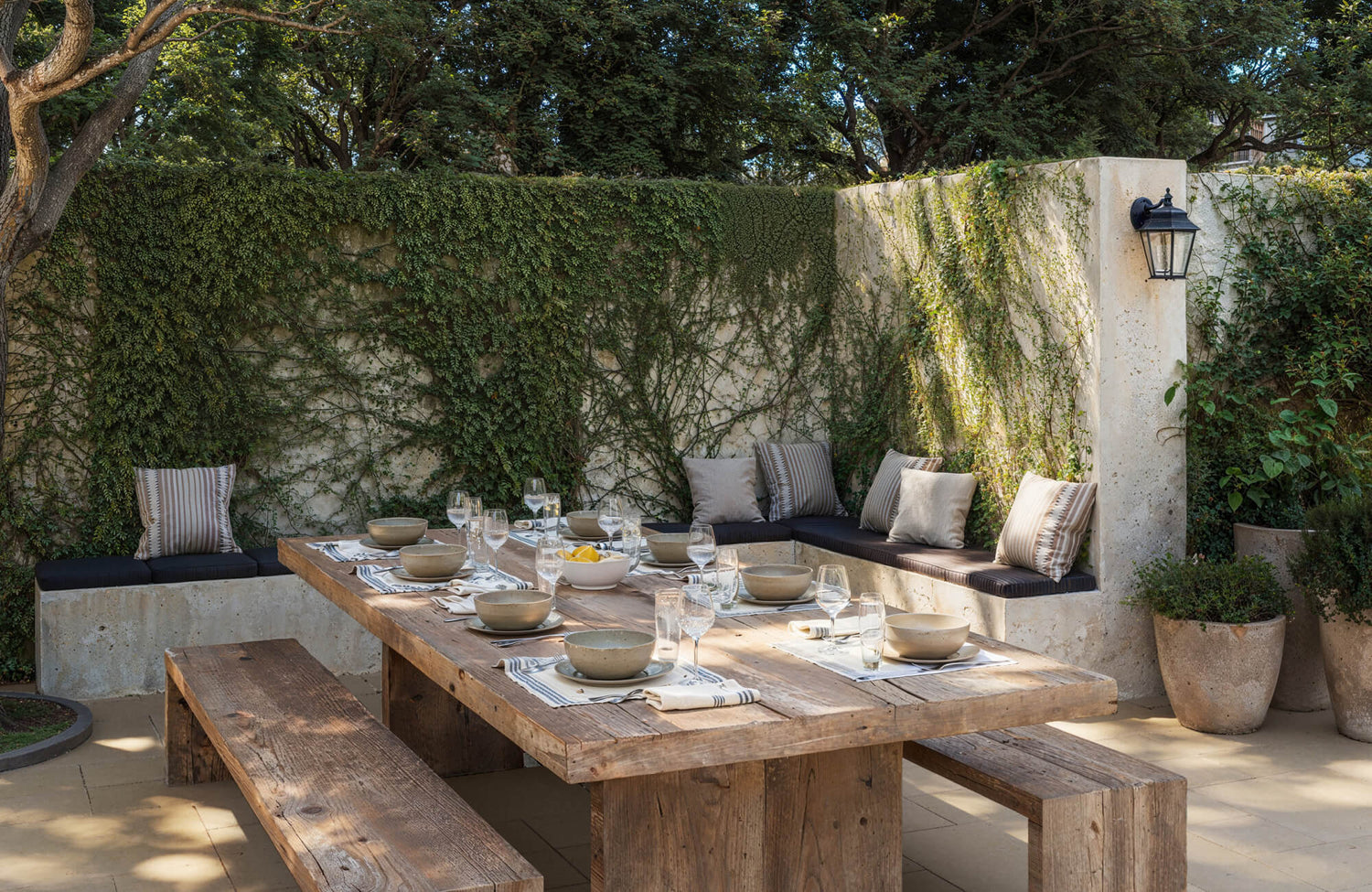
Outdoor benches and built-in seating benefit from pillow arrangements that create symmetry while preserving available seating width. Long lumbar pillows often work particularly well because they mirror the horizontal shape of the bench itself. Alternatively, evenly spaced smaller pillows can help soften rigid seating surfaces without making the area feel cluttered. For example, placing two or three 18x18 pillows across a built-in bench creates rhythm and balance while still leaving enough room for comfortable seating.
Because benches are typically more structured and less cushioned than sofas, pillow placement becomes more noticeable visually. Choosing proportions that align with the length and depth of the seating helps the arrangement feel intentional rather than randomly styled.

Selecting Pillow Sizes Based On Outdoor Space
Outdoor pillow sizes should respond to the scale of the space as much as the furniture itself. A smaller area usually calls for lighter pillow proportions, while a larger setting can handle more generous sizes without making the arrangement feel crowded.
Compact Balconies
Compact balconies benefit from smaller pillow sizes because every piece carries more visual weight in a limited area. Sizes such as 16x16 or slim lumbar pillows add comfort without making the seating feel overfilled. In this setting, restraint matters. One or two well-sized pillows usually feel more useful than several layered pieces, especially when the goal is to keep the balcony open, simple, and easy to enjoy.
Medium Patios
Medium patios allow more flexibility because they often include more than one seating type. Here, 20x20 pillows can serve as the main size, while lumbar pillows can add support or variation without making the layout feel too full. To keep the space cohesive, use related pillow sizes across sofas, chairs, and benches rather than switching between too many dimensions. This helps the patio feel connected while still allowing each seating area to have its own purpose.
Large Outdoor Living Areas
Large outdoor living areas can support bigger pillow dimensions because the surrounding space gives each seating zone more room to breathe. In these settings, 22x22 pillows or oversized lumbar styles can help seating areas feel more grounded. The key is to match the pillow scale to the size of the overall gathering area, not just the individual seat. Larger pillows help a broad furniture grouping look complete, especially when the space includes wide sofas, sectionals, or multiple conversation zones.
Poolside Setups
Poolside areas need pillow sizes that are easy to manage around water. Medium pillows and slim lumbar styles are often more practical because they are easier to reposition and keep organized around loungers, towels, and poolside seating. Bulky pillows can become inconvenient near loungers or pool chairs, especially when they need frequent repositioning. A more streamlined size keeps the area comfortable while supporting the relaxed, low-maintenance feel that poolside seating usually needs.
Covered vs. Open Areas
Covered patios can usually handle fuller pillow arrangements because the seating area is more protected and less likely to require frequent changes. Open-air spaces often work better with fewer, easier-to-manage pillows because the setup needs to stay flexible from day to day. Medium or smaller pillows are easier to bring inside, clean, and store, making them a practical choice for uncovered outdoor seating.

Layering Outdoor Pillows With Proper Proportion
Layering outdoor throw pillows is mainly about how sizes work together on the same seat. Each pillow should have a purpose, whether it anchors the arrangement, adds support, or fills a small gap without taking away too much sitting space.
Starting With The Largest Pillow
Start with the largest pillow because it sets the amount of space the arrangement will occupy. On a standard outdoor sofa, a 20x20 pillow usually provides enough coverage, while deeper sectionals or lounge seating may need a 22x22 pillow to match the larger frame. Once the largest pillow feels right for the seat depth and width, it becomes easier to add smaller pieces around it. This keeps the arrangement controlled instead of making the pillows compete for the same space.
Adding Lumbar Support
Lumbar pillows are useful in a layered setup because they add support without taking up as much room as a square pillow. Their longer shape fits across the lower back, making them especially helpful when a seat feels too deep or needs extra support. They also work well as a front layer. Placing a lumbar pillow in front of a larger square pillow adds comfort while keeping the seating area easier to use.
Limiting Pillow Quantity
The number of pillows matters as much as their size. Too many pillows can reduce sitting space, especially on loveseats, accent chairs, and narrow benches. A simple arrangement is often more practical. For example, two medium pillows may be enough for a loveseat, while a sectional can handle more pieces if they are spaced along the back rather than gathered in one corner.
Using Gradual Size Changes
Layering feels more natural when the sizes change gradually. A 22x22 pillow can pair well with a 20x20 pillow or a lumbar shape, while a very small accent pillow placed beside an oversized one may look disconnected. Keeping the size difference moderate helps each pillow relate to the next. This approach creates a layered effect without making the arrangement feel uneven or difficult to use.
Adjusting For Seasonal Use
Outdoor pillow layering can change depending on how often you use the space. During months when you entertain more, adding a few extra pillows can make seating feel more supportive and ready for guests. In wetter or windier seasons, a simpler setup is usually easier to manage. Choosing pillow sizes that are easy to remove, store, and bring back out helps the arrangement stay practical throughout the year.

Balancing Practicality With Outdoor Conditions
Outdoor throw pillow size affects more than appearance because environmental exposure influences how the pillows perform over time. Weather conditions, storage limitations, and maintenance needs all play a role in determining which sizes remain practical for everyday outdoor use.
Drying After Rain
Larger outdoor pillows tend to absorb and retain more moisture after rain or humidity exposure. Because they contain more filling and fabric surface area, drying often takes longer compared to smaller or medium-sized pillows. Medium pillows generally strike a better balance between comfort and practicality in outdoor settings. They dry faster, feel easier to handle, and are less likely to remain damp for extended periods after unexpected weather changes. If your outdoor seating is located near a pool or in an uncovered patio area, choosing manageable pillow sizes can also help simplify everyday maintenance considerably.
Managing Wind Exposure
Wind conditions can also influence which pillow sizes work best outdoors. Smaller, lightweight pillows may shift easily during strong breezes, especially on open patios or elevated balconies. Larger pillows usually stay in place more effectively because of their additional weight and fuller construction. However, oversized pillows can also become cumbersome when frequent repositioning is necessary.
Choosing pillows with balanced proportions often provides the most practical solution. Medium-sized options generally remain stable enough outdoors while still being easy to move when needed.
Storage Requirements
Outdoor pillow size directly affects storage convenience during harsh weather or offseason periods. Oversized pillows require substantially more storage space, especially when multiple cushions are involved. Smaller and medium-sized pillows are easier to stack inside storage benches, outdoor cabinets, or indoor closets. They also simplify seasonal transitions because you can reorganize and transport them more efficiently.
Before selecting oversized pillows, it helps to consider where they will be stored during extended periods of rain or colder seasons. Practical storage planning often influences long-term satisfaction more than appearance alone.
Cleaning And Handling
Medium-sized outdoor pillows are typically easier to clean and maintain regularly. Their manageable dimensions make them easier to wash, rotate, and reposition during regular use. Oversized pillows, by comparison, can feel awkward to handle once wet or heavily used. Cleaning larger covers may also require more drying space and effort after washing. If you frequently refresh your outdoor seating or rearrange pillows throughout the season, manageable sizes usually provide a smoother everyday experience.
Sun And Fabric Wear
Outdoor pillows exposed to direct sunlight gradually fade, and larger pillows expose more fabric surface area to UV rays. Smaller and medium pillows are easier to rotate, which can help reduce uneven wear in uncovered spaces. In areas with strong sun, manageable sizing can help outdoor fabrics look consistent longer. Practical durability becomes especially important in outdoor environments where pillows face constant exposure to changing weather conditions throughout the year.

Creating A Cohesive Outdoor Look With Pillow Sizing
Outdoor throw pillow sizes should work with the design style of the space, but the focus should remain on scale. When pillow dimensions are consistent with the furniture, cushions, and overall layout, the seating area feels more intentional without relying on excessive decoration.
Modern Outdoor Designs
Modern outdoor spaces usually look best with fewer pillows in larger, cleaner sizes. Instead of using several small accents, one or two 20x20 or 22x22 pillows can create enough presence while keeping the arrangement simple. A single lumbar pillow can add a smaller layer without interrupting the clean lines of the furniture. Keeping pillow sizes consistent across the seating area helps preserve the streamlined look that modern outdoor designs often need.
Relaxed Coastal Spaces
Relaxed coastal spaces can handle slightly fuller pillow sizing because the look is usually softer and more casual. Medium pillows, oversized pillows, and longer lumbar shapes can make the seating feel easygoing without appearing too arranged. The key is to keep the size progression gentle. For example, pairing 20x20 pillows with a lumbar accent feels relaxed, while mixing too many small and oversized pieces can make the setup look uneven.
Structured Traditional Layouts
Structured traditional layouts benefit from even pillow sizing and repeated placement. Matching pairs of 18x18 or 20x20 pillows can help sofas, loveseats, and chairs feel orderly without making the arrangement overly decorative. Spacing matters here because traditional layouts often rely on symmetry. When pillow sizes are consistent on each side of the furniture, the entire seating area feels balanced and easier to style.
Highlighting Patterns And Textures
Pillow size affects how much of a pattern or texture you can actually see. Larger pillows give bold prints, woven details, and textured fabrics more room to show clearly, while smaller pillows are better for subtle accents. If the pattern is large-scale, choose a pillow size with enough surface area so the design does not look cut off. For finer textures or smaller prints, compact pillows can work well because the detail remains visible without taking over the seating area.
Coordinating With Seat Cushions
Throw pillow size should relate to the thickness and scale of your existing seat cushions. Thin cushions usually pair better with smaller or medium pillows, while deeper cushions can support fuller pillow dimensions. This keeps the pillows from visually overpowering the furniture or looking too small beside the cushions. When the sizes work together, the seating feels more cohesive, comfortable, and properly scaled.
Choosing Outdoor Pillow Sizes That Feel Comfortable And Balanced
The best outdoor throw pillow size depends on your furniture scale, seating depth, layout, and exposure to the elements. For most standard outdoor sofas and loveseats, 20x20 pillows offer the best balance of comfort, proportion, and everyday usability. Smaller 16x16 or 18x18 pillows work well for compact seating and upright chairs, while larger 22x22 pillows suit deep sectionals, lounge chairs, and daybeds. When the size matches the furniture and setting, outdoor pillows can add comfort and style without making the space feel crowded.
For more guidance, you can contact us or explore our design services to find outdoor pillow sizes, colors, and arrangements that suit your space.