
)
)
)
)
)
)
)
)
What Should You Look For When Buying Dining Room Chairs?
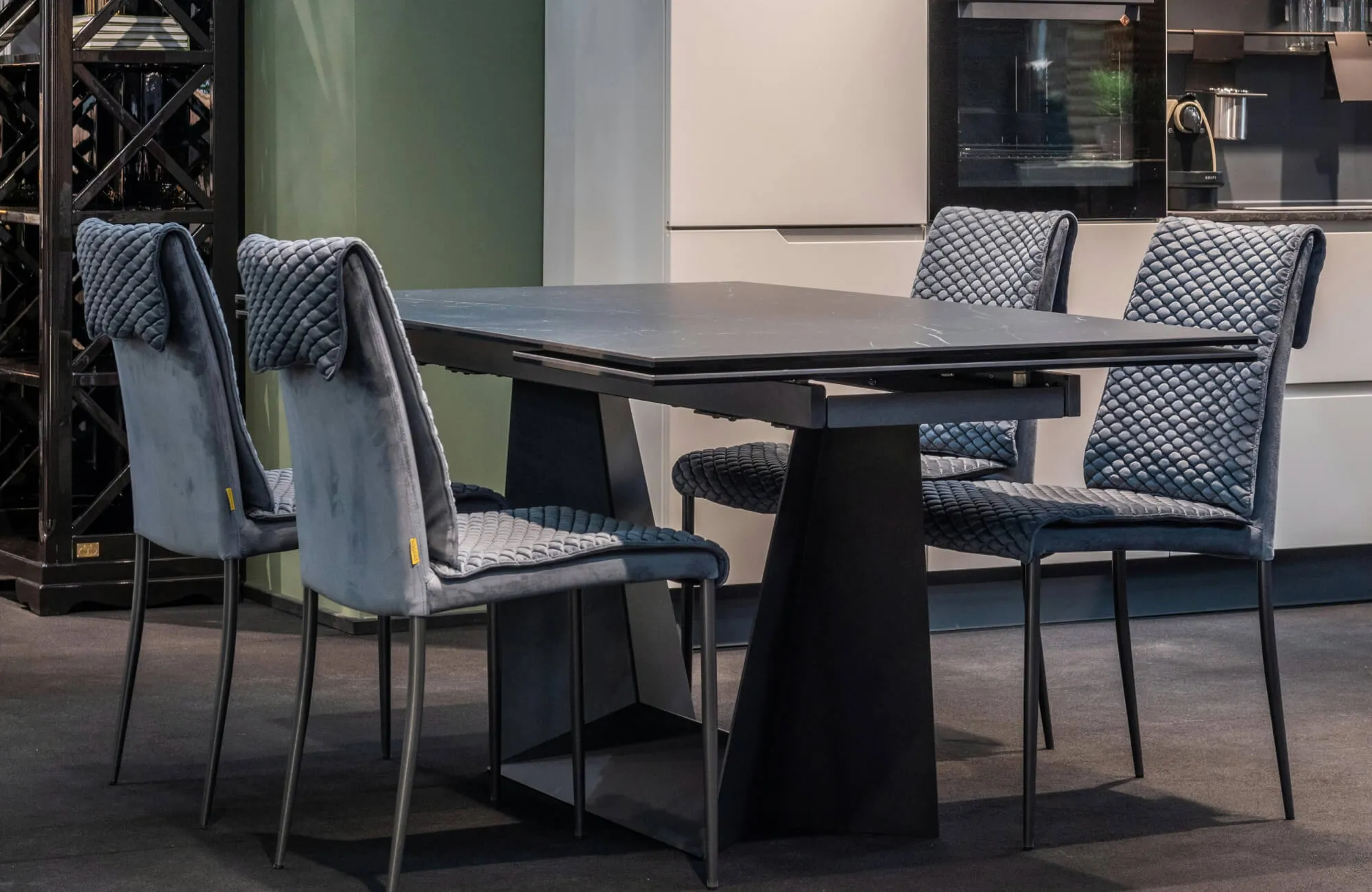
The dining room is where form, comfort, and craftsmanship converge, choosing seating as important as the table itself. Well-designed dining room chairs shape how a space feels, how long guests linger, and how effortlessly daily routines unfold around the table. From ergonomic proportions and material integrity to spatial balance and timeless design, every detail contributes to both function and refinement. Thoughtfully selected chairs also elevate the dining experience while reinforcing cohesion within the broader interior. By understanding the technical and aesthetic elements that define quality dining seating, homeowners can invest in pieces that remain beautiful, comfortable, and enduring.
Ergonomic Design and Human-Centered Comfort
Dining room chairs must support the body naturally while accommodating extended seating during meals, conversations, and everyday use. When ergonomic principles guide design, comfort becomes an inherent feature rather than an afterthought.
Seat Height, Depth, and Table Compatibility
Dining chair comfort begins with precise dimensional relationships between the seat and the dining table, as even small deviations can disrupt posture and ease of use. A standard seat height of 17 to 19 inches, for instance, pairs effectively with dining tables measuring 28 to 30 inches, creating a balanced sitting position that supports the legs without strain. This proportional alignment allows the feet to rest flat on the floor, promoting stability and reducing lower-body fatigue over time. Seat depth, generally ranging from 15 to 18 inches, also supports the thighs while preventing pressure behind the knees that could restrict circulation. When height and depth are properly coordinated, ergonomic dining room chairs encourage a relaxed posture that feels natural rather than forced.
Backrest Geometry and Lumbar Support
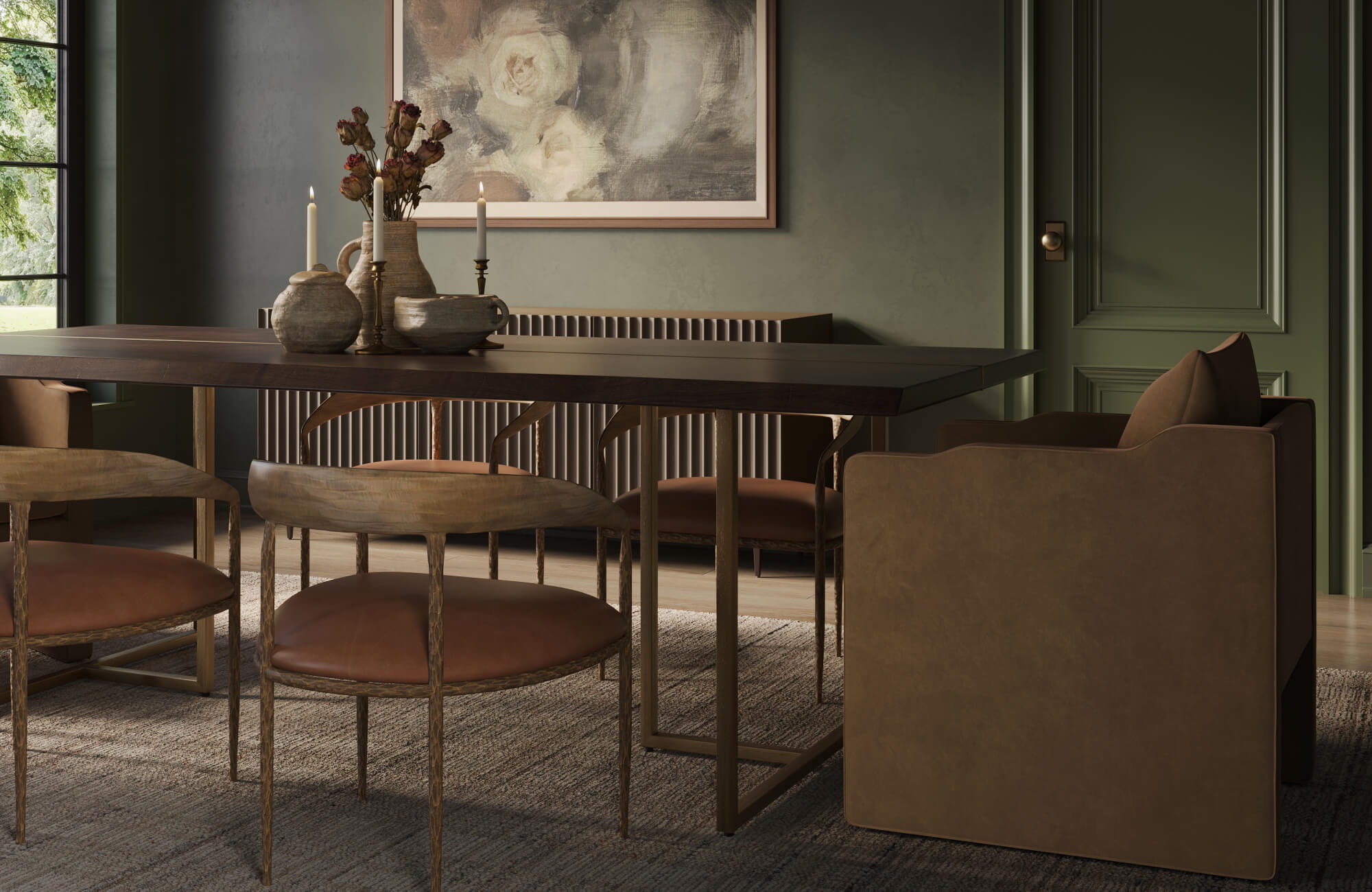
Beyond seat dimensions, backrest geometry plays a defining role in how dining chairs support the body during extended use. A recline angle between 95 and 105 degrees allows the spine to rest comfortably without encouraging slouching, while subtle curvature helps align with the natural shape of the lower back. Thoughtfully designed backs also distribute pressure evenly across the shoulders and lumbar region, reducing fatigue over time. This approach is exemplified by Edward Martin’s Leticia Outdoor Dining Chair in Cream, whose gently contoured backrest and supportive silhouette balance visual lightness with ergonomic intention. As shown in the photo above, its design offers both structure and softness, making it equally suited for long, relaxed meals and refined entertaining. By combining lumbar support with elegant form, chairs like Leticia demonstrate how comfort and aesthetics can coexist seamlessly.
Anthropometrics and Inclusive Seating Design
Beyond general ergonomics, well-designed dining chairs account for anthropometric variability to accommodate a wide spectrum of body types comfortably. Inclusive seating design considers factors such as seat width, softened front edges, and backrest height to ensure support feels natural rather than restrictive. Gently contoured or waterfall seat edges also help reduce pressure along the thighs, which is especially beneficial for taller individuals during extended seating. Moreover, slightly wider seats enhance comfort while maintaining proper posture when paired with appropriately shaped backrests. By integrating anthropometric principles into their design, dining room chairs deliver comfort that feels universally intuitive rather than tailored to a narrow user profile.
Structural Construction and Load-Bearing Performance
While comfort is immediately felt, durability reveals itself over time through consistent stability and structural integrity. Well-constructed dining room chairs rely on sound engineering to withstand daily use without loosening, warping, or fatigue.
Frame Materials and Engineering
The structural framework of a dining chair plays a fundamental role in its ability to support weight, resist movement stress, and maintain long-term durability. Solid hardwoods such as oak, ash, and beech are widely preferred because their density and tensile strength allow them to withstand repeated loading without cracking or warping. These materials also maintain dimensional stability even as chairs are regularly shifted, pulled, and repositioned during everyday use. While engineered wood or softwoods may be incorporated selectively, they often lack the resilience required for primary load-bearing components. For this reason, durable dining room chair frames rely on carefully engineered hardwood or metal construction to ensure lasting structural performance.
Joinery Methods and Reinforcement
Equally critical to material selection is the method by which individual chair components are connected and reinforced. Traditional joinery techniques, such as mortise-and-tenon or dowel construction, distribute stress evenly across joints rather than concentrating force at isolated fasteners. This balanced load transfer significantly reduces the likelihood of wobbling, loosening, or joint failure over time. Reinforced corner blocks beneath the seat further stabilize the frame by increasing rigidity where dynamic stress is most concentrated. In addition, chairs constructed with these reinforcement methods retain alignment and balance even with frequent movement and use. As a result, high-quality dining chair joinery remains one of the most reliable indicators of craftsmanship and long-term durability.
Weight Capacity Ratings and Stability Testing
Structural reliability is further validated through weight capacity ratings and stability testing standards. For example, quality dining chairs are engineered to support static and dynamic loads well beyond everyday use, often exceeding 250–300 pounds per seat. Stability testing also evaluates resistance to tipping, lateral movement, and repeated stress over time. Chairs that perform well in these assessments maintain balance even on uneven flooring. Understanding dining chair weight capacity helps ensure safety, durability, and long-term performance.
Upholstery, Cushioning Systems, and Material Performance
Material selection influences how dining chairs feel, age, and perform throughout the years of use. Upholstery and cushioning must work together to provide comfort, durability, and practical maintenance.
Cushion Density and Support
Cushion performance in dining chairs is largely determined by foam density and compression resistance, both of which influence how the seating responds to the body over time. High-quality dining chairs commonly incorporate high-density polyurethane foam rated between 1.8 and 2.5 lb/ft³, striking a balance between firmness and comfort. This density range also allows the cushion to contour gently under weight without excessive sink, which helps preserve proper posture during extended seating. Firmer cushioning is particularly well-suited for dining environments, where consistent support is preferred over the deep softness associated with lounge seating. Over time, high-density foam dining chairs retain their shape and resilience, ensuring comfort and structural integrity remain consistent with daily use.
Upholstery Types and Maintenance Considerations
Upholstery selection plays a critical role in determining both the durability and maintenance demands of dining room chairs. For instance, performance fabrics with stain-resistant finishes are especially advantageous in busy households, as they protect against spills, abrasion, and fading while maintaining a refined aesthetic. Leather dining chairs also offer a durable, elegant surface that develops character with age, though regular conditioning helps preserve suppleness and prevent drying. Moreover, faux leather provides a visually similar alternative with reduced maintenance, making it well-suited for busy or family-oriented spaces. By choosing easy-to-clean dining chair upholstery, homeowners can maintain long-term usability without compromising visual appeal.
Breathability and Thermal Comfort
Material performance extends beyond durability to include how dining chairs manage airflow and heat during use. Upholstered chairs that incorporate breathable fabrics or subtle perforation help reduce heat buildup, which becomes increasingly important during prolonged meals or gatherings. Meanwhile, natural fibers and select performance textiles promote air circulation while maintaining structural strength and visual refinement. This balance between breathability and durability enhances comfort, particularly in warmer climates or sunlit dining spaces. Chairs designed with thermal comfort in mind contribute quietly yet meaningfully to a more enjoyable dining experience.
Scale, Proportion, and Spatial Efficiency
Even the most comfortable and well-crafted chairs can feel impractical if they disrupt circulation or overwhelm the dining area. Proper scale and proportion ensure dining chairs enhance movement, comfort, and visual balance.
Spacing and Clearance Guidelines
Effective dining room layouts begin with allocating sufficient space for chairs to function comfortably. For example, allowing approximately 24 inches of table width per chair provides adequate elbow room without crowding. Additionally, maintaining a minimum of 36 inches of clearance behind each chair supports smooth seating transitions and uninterrupted circulation. In settings with open-concept designs or busy areas, extra clearance also helps preserve natural movement between spaces. By thoughtfully planning dining chair spacing, the entire area feels more relaxed, accessible, and inviting.
Visual Weight and Room Proportion
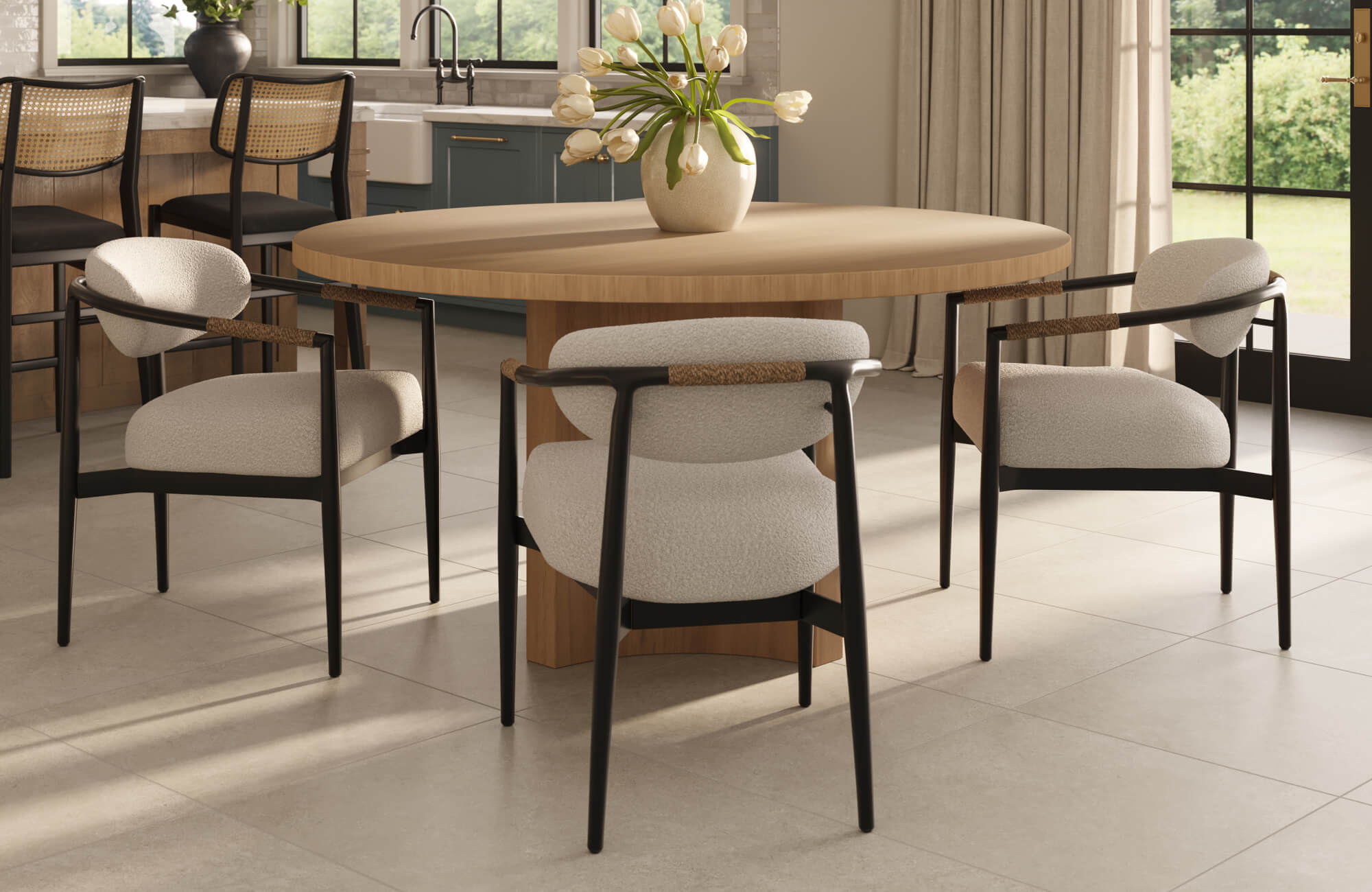
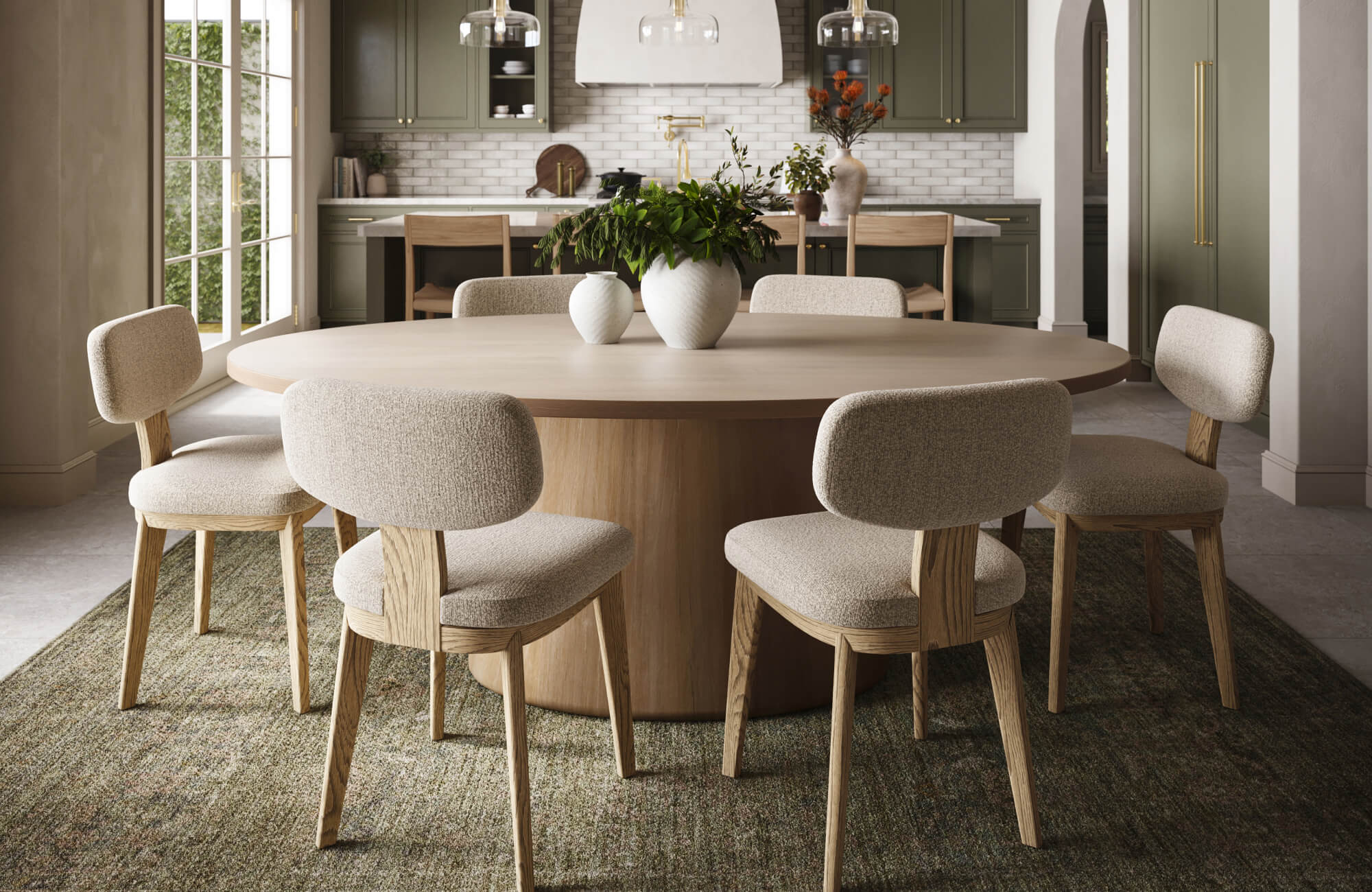
Beyond physical clearance, visual weight strongly influences how balanced and inviting a dining room feels. Chairs with softly rounded forms and subtly tapered legs help moderate visual density, allowing the space to feel grounded without appearing heavy. This balance is also especially effective in rooms anchored by substantial dining tables, where lighter silhouettes prevent the arrangement from feeling overly dense. Our Rita Dining Chairs in Taupe, Set of 2, exemplify this approach through their gently curved upholstered backs and warm wood frames, which introduce softness while maintaining structural presence. As seen in the picture above, their neutral tone and compact profile harmonize effortlessly with the table’s mass, reinforcing proportional balance across the room. By carefully aligning visual weight with room scale, chairs like Rita enhance spatial cohesion while preserving an airy, refined aesthetic.
Circulation and Chair Mobility
Spatial efficiency also depends on how easily chairs move within the dining area. Chairs with appropriately angled legs or smooth glide feet transition effortlessly across flooring without excessive resistance. Lightweight yet stable construction allows chairs to be repositioned without disrupting the room’s layout. This mobility also supports flexible seating arrangements for both everyday meals and larger gatherings. When chair movement is considered in the design phase, dining spaces feel more adaptable and user-friendly.
Design Cohesion, Style Longevity, and Versatility
Dining room chairs play a central role in defining the character and longevity of the space. Designs that balance cohesion with adaptability remain visually relevant as interiors evolve.
Coordinating with Tables and Interior Styles
Achieving design cohesion in the dining room relies on creating thoughtful relationships between chairs, tables, and surrounding architectural elements rather than relying on exact matches. Chairs that echo the table’s material warmth or contrast it with refined restraint help establish visual balance without appearing overly coordinated.
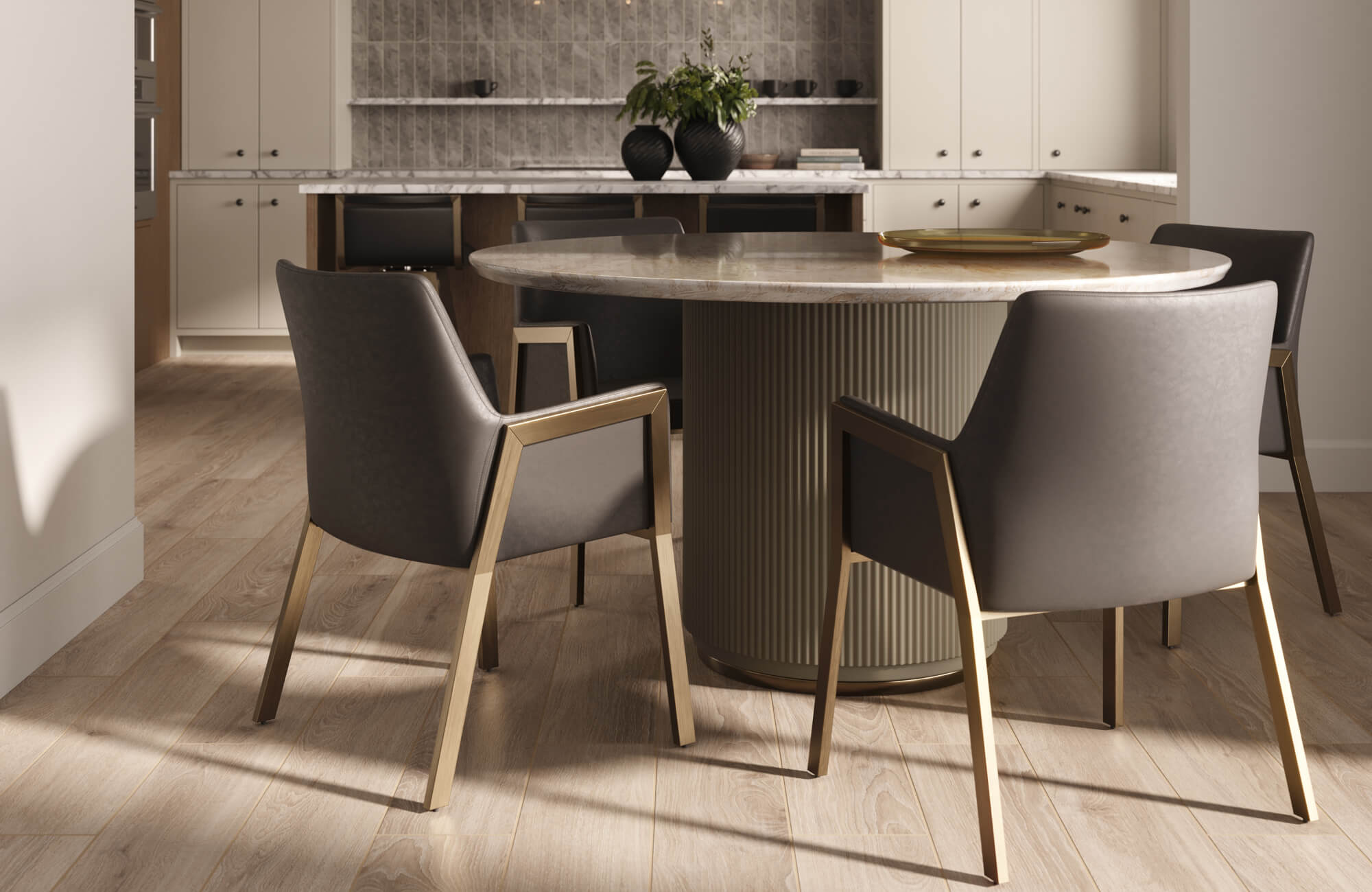
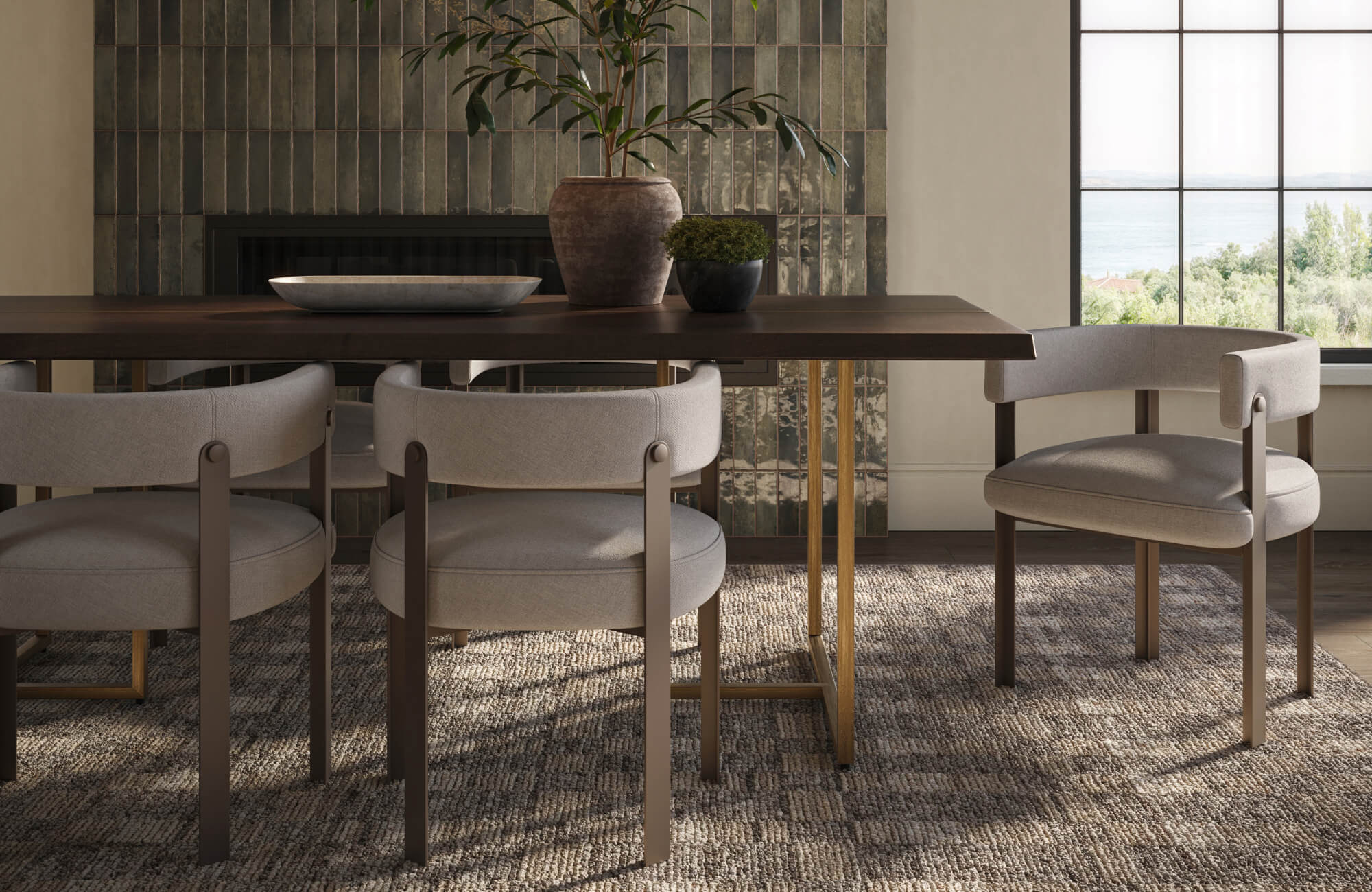
As featured in the photo above, the Elena Dining Chair in Ernst Silverstone exemplifies this approach through its tailored upholstery and clean-lined silhouette, which complement both wood and metal table finishes with quiet sophistication. Its neutral, stone-toned fabric bridges darker tabletop surfaces and lighter surrounding finishes, allowing the entire composition to feel unified. Subtle details such as the chair’s structured frame and soft upholstery also reinforce a transitional aesthetic that adapts seamlessly across modern and classic interiors. By aligning material tone, form, and proportion, chairs like Elena enhance interior continuity while preserving visual depth and flexibility.
Timeless Appeal and Multi-Room Functionality
Timeless dining chairs are defined by clean lines, balanced proportions, and restrained detailing, qualities that allow them to transcend short-lived design trends and remain visually relevant over time. Equally important, neutral finishes enhance this longevity by enabling seating to integrate seamlessly into evolving décor styles without the need for replacement. While highly ornate designs can feel striking at first, they often become visually dated as preferences shift, limiting their long-term appeal. In contrast, versatile dining chairs transition effortlessly into home offices, living rooms, or bedrooms when additional seating is needed. This adaptability not only expands functional use but also enhances overall return on investment by extending the chair’s relevance beyond the dining room.
Color Theory and Visual Continuity
Design cohesion is further strengthened through a thoughtful application of color theory, which helps dining chairs visually connect with surrounding finishes and architectural elements. Chairs that subtly echo or gently contrast nearby hues establish continuity while preventing the space from feeling overly matched. Warm wood tones introduce softness and approachability, while cooler finishes contribute to a more modern, refined atmosphere. Upholstery color also influences perceived scale, with lighter shades visually opening the room and darker tones providing a grounding presence. When color and tone are selected with intention, dining chairs enhance harmony and depth without overwhelming the overall design composition.
A Thoughtful Investment in Comfort and Design
Choosing dining room chairs is ultimately an investment in daily comfort, lasting quality, and cohesive interior design. When ergonomic precision, structural integrity, and material performance align, seating supports both function and refinement. Thoughtful attention to scale and spacing ensures the dining area remains comfortable and inviting. Timeless design choices further protect long-term value by adapting gracefully to evolving styles. By prioritizing quality dining room chairs with ergonomic support and durable construction, homeowners create a dining space that feels both elevated and enduring.
For those seeking a more tailored approach, Edward Martin’s design services offer expert guidance in selecting dining room chairs that balance ergonomic comfort, material performance, and cohesive interior style. By collaborating closely with clients, the team helps transform thoughtful selections into refined dining spaces—contact us to begin your design consultation!
Follow us on Instagram
@EDWARD.MARTIN
)
)
)
)
)
)
)
)
)
)
)
)
)
)
)
)