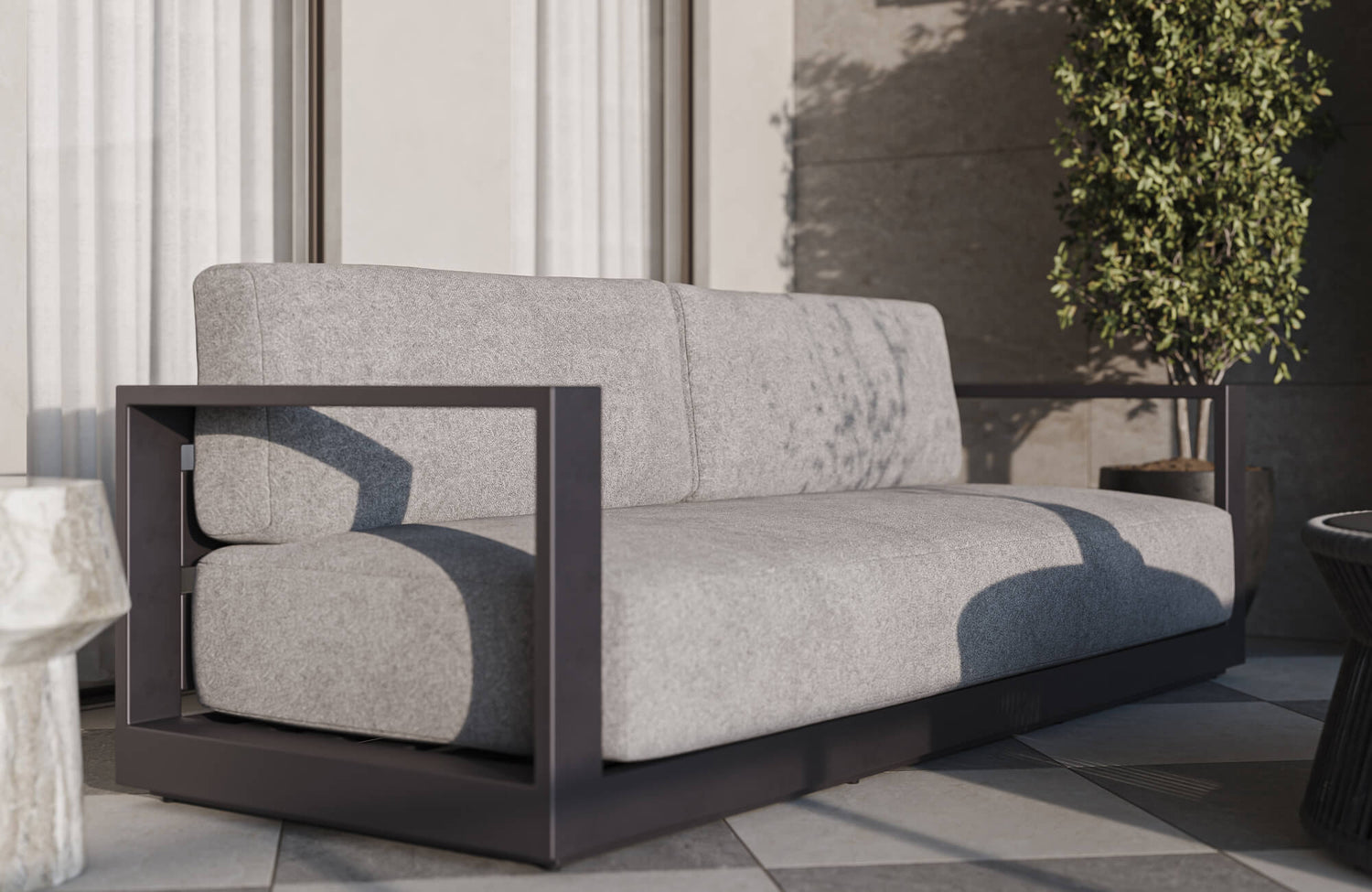
Outdoor sofas and sectionals do far more than fill an empty patio because they influence how comfortable, functional, and visually cohesive an outdoor living space feels every day. Whether furnishing a compact balcony, a covered terrace, or a large entertainment area, the right seating arrangement can completely transform how the space is used and experienced. However, selecting outdoor furniture involves more than choosing a style that looks appealing at first glance. Factors such as layout planning, material durability, weather exposure, comfort, and long-term maintenance all play a major role in determining whether the furniture will continue performing well over time.

Elysia Sofa and Elysia Mid Sofa create a relaxed outdoor retreat, pairing beautifully to bring balance, comfort, and effortless coastal charm to the patio
Understanding Outdoor Space Planning And Layout
The size and configuration of your outdoor space significantly influence which sofa or sectional will function best. Proper planning not only improves comfort and circulation but also helps create a more balanced and visually cohesive outdoor environment. Before selecting furniture, it is important to evaluate how the seating arrangement will interact with surrounding architectural features, landscaping, and daily outdoor activities.
Measuring Patio Dimensions Before Buying
Accurate measurements are essential when selecting outdoor sofas and sectionals because oversized furniture can quickly make a patio feel crowded and difficult to navigate. Even visually lightweight seating can overwhelm an outdoor area if the dimensions do not align with the available square footage. Measuring the patio beforehand allows you to determine how much seating the space can comfortably support while preserving open circulation paths and functional balance.
In addition to overall patio dimensions, it is important to account for walking clearance around furniture groupings. Outdoor layouts should typically maintain enough space for people to move comfortably between seating, dining areas, planters, and entry points without obstruction. Door swings, sliding glass panels, outdoor kitchens, fire features, and pool access points should also remain unobstructed to preserve both safety and functionality throughout the space.
Furniture proportion also plays a major role in visual balance. Deep oversized sectionals may work well in expansive patios with wide architectural lines, while smaller balconies or narrow terraces often benefit from compact sofas with slimmer arm profiles. Mapping furniture dimensions with painter’s tape or cardboard outlines before purchasing can provide a more realistic understanding of how the arrangement will function within the actual environment.
Choosing Between Sofas And Sectionals
Traditional outdoor sofas and modular sectionals serve different spatial and functional purposes, making layout planning especially important before purchasing. Outdoor sofas typically work best in smaller patios, balconies, or compact seating areas where maintaining openness and flexibility is a priority. Their more streamlined footprint allows additional room for accent chairs, side tables, or circulation space without overcrowding the patio.
Sectionals, however, are often better suited for larger outdoor environments designed around entertaining and extended lounging. Configurations such as the Riverton Outdoor 3Pc Sectional in Alessi Fawn, help establish a cohesive gathering space while providing generous seating capacity across expansive patios. Because sectionals naturally create a stronger visual presence, they are especially effective in open-concept outdoor living spaces where seating serves as the central focal point. Households that frequently entertain large groups may also benefit from modular arrangements that maximize seating efficiency, while smaller families may prefer separate sofas and lounge chairs that allow easier layout adjustments over time.
Creating Functional Conversation Zones
Furniture placement strongly influences how comfortable and inviting an outdoor seating area feels. A well-planned conversation zone encourages interaction while maintaining openness and natural movement throughout the patio. Positioning sofas and sectionals too far apart can make the arrangement feel disconnected, while overly tight layouts may feel restrictive and visually heavy.
One of the most effective approaches is arranging seating around a central focal point such as a fire table, coffee table, outdoor rug, or landscape feature. This creates a natural gathering area that visually anchors the furniture while improving accessibility between seats. In the outdoor setup above, the Elysia Sofa helps establish a relaxed and conversational layout by framing the fire feature while maintaining an open and balanced patio arrangement. Sectionals often work well in L-shaped or U-shaped configurations because they encourage face-to-face interaction without requiring excessive furniture layering. Maintaining visual breathing room around the arrangement also helps preserve a lighter and more balanced appearance, particularly in smaller patios where openness remains essential.

Vetra Coffee Table and Vetra Sofa bring a refined modern balance to this outdoor lounge, where sleek silhouettes and soft neutral tones create an inviting space for relaxed entertaining
Evaluating Weather-Resistant Materials And Construction
Outdoor furniture materials directly influence how well sofas and sectionals withstand long-term exposure to sun, moisture, temperature fluctuations, and everyday wear. Selecting weather-resistant frames, fabrics, and cushion construction not only improves durability but also reduces maintenance demands and replacement costs over time. Understanding how different materials perform in specific outdoor environments helps ensure the furniture remains both functional and visually appealing for years.
Comparing Aluminum Wood And Wicker Frames
Outdoor furniture frame materials vary significantly in durability, maintenance requirements, and visual character. Aluminum frames are among the most popular choices because they are lightweight, rust-resistant, and highly durable in humid or coastal environments. Powder-coated aluminum also resists corrosion and fading more effectively than untreated metal, making it particularly suitable for exposed patios and poolside seating areas.
Wood frames, on the other hand, offer a warmer and more organic appearance that complements natural landscapes and traditional outdoor settings. Teak remains one of the most durable outdoor hardwoods because of its dense grain structure and natural oil content, which improve moisture resistance and insect protection. However, even premium hardwoods require periodic maintenance to preserve their original color and surface condition. Without treatment, many wood species gradually weather into softer gray patinas over time.
Wicker outdoor furniture introduces a softer and more textured aesthetic, although material composition plays a critical role in performance. Synthetic resin wicker typically performs better outdoors than natural wicker because it resists moisture absorption, mildew growth, and UV deterioration more effectively. High-density polyethylene wicker woven over aluminum frames generally provides the strongest balance between structural durability and long-term weather resistance.
Understanding Outdoor Performance Fabrics
Outdoor performance fabrics are specifically engineered to withstand prolonged exposure to sunlight, moisture, dirt, and fluctuating temperatures without deteriorating quickly. Solution-dyed acrylic fabrics are widely regarded as one of the most durable options because the color pigment is integrated directly into the fiber during manufacturing rather than applied only to the surface. This process significantly improves fade resistance and helps maintain color consistency even after extended UV exposure.
Olefin fabrics also perform well in outdoor environments due to their moisture resistance, quick-drying capabilities, and lower susceptibility to mildew growth. These textiles are often softer in texture while remaining highly durable under everyday outdoor use. In addition to weather resistance, many performance fabrics now include stain-resistant treatments that simplify routine cleaning and improve long-term appearance retention. Comfort should also remain a priority because fabrics that feel overly stiff or retain excessive heat may reduce the seating area’s overall usability during extended outdoor use.
Evaluating Cushion Construction And Drainage
Cushion construction significantly affects both comfort and long-term durability in outdoor sofas and sectionals. Standard indoor foam absorbs moisture easily, which can lead to mildew growth, odor retention, and structural deterioration when exposed to outdoor conditions. Quick-dry foam, however, features an open-cell structure that allows water to drain rapidly while improving airflow throughout the cushion interior.
Ventilated cushion systems further improve moisture management by preventing water from becoming trapped beneath the seating surface. Mesh bottoms, perforated foam cores, and breathable fabric panels all contribute to faster drying times after rain or humidity exposure. Removable cushion covers also simplify seasonal cleaning and fabric replacement, while details such as zipper quality, seam construction, and cushion density help indicate whether the seating will maintain long-term support and structural integrity.

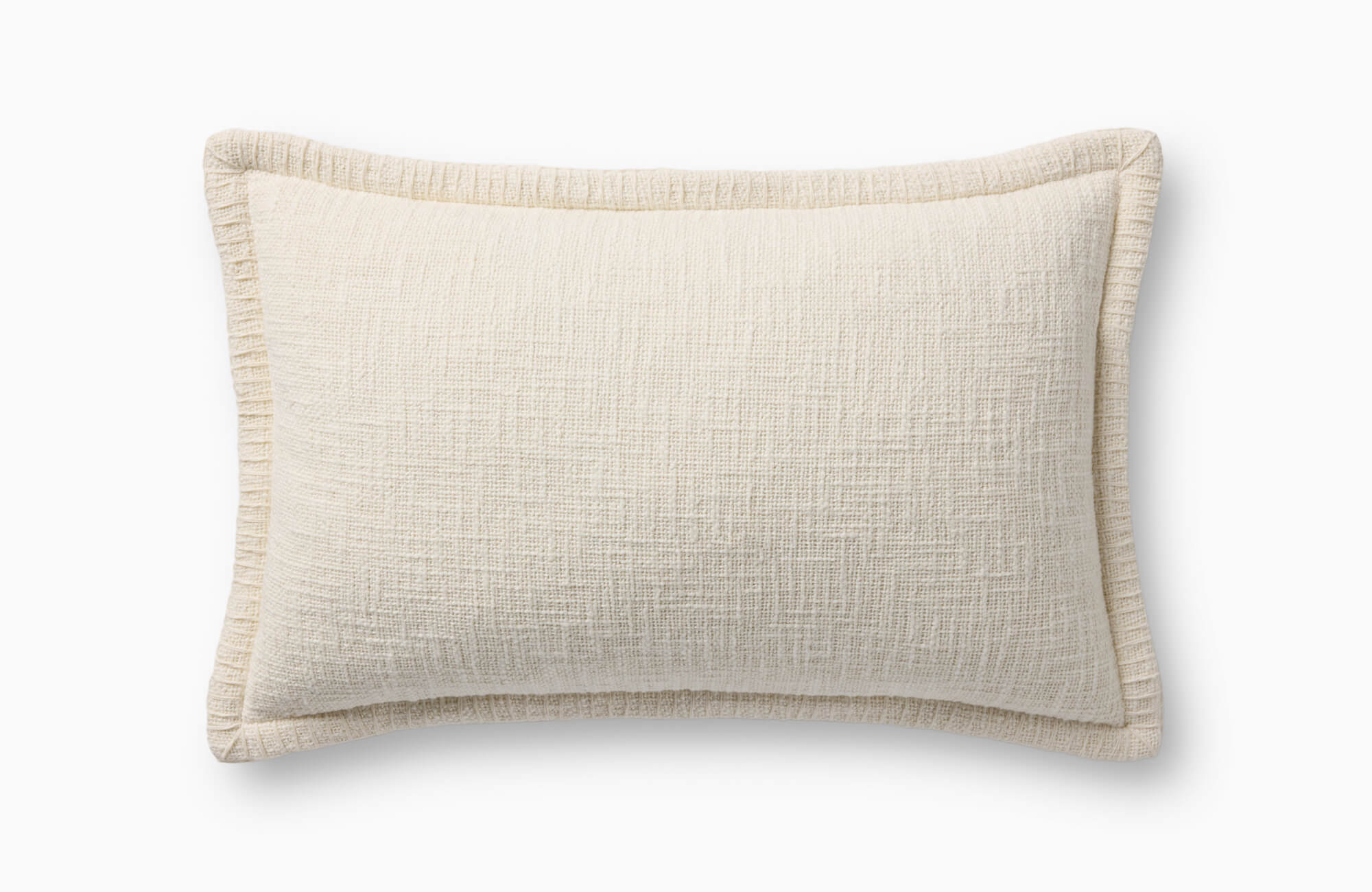
Corvin Outdoor Sofa in Cream creates a serene outdoor retreat, while the Merelle 13" x 21" Pillow Cover in Tan and Marisette 12" x 27" Pillow Cover in Black introduce layered contrast and inviting texture
Balancing Comfort And Everyday Functionality
Comfort plays a major role in determining how often outdoor seating areas are actually used. However, long-term functionality is equally important because outdoor sofas and sectionals must withstand changing weather conditions, accommodate different activities, and remain easy to maintain over time. The most successful outdoor seating arrangements balance physical comfort with practical performance, ensuring the space feels inviting without becoming difficult to manage.
Testing Seat Depth And Cushion Support
Seat proportions significantly affect how comfortable outdoor sofas and sectionals feel during extended use. Deep seating designs generally create a more relaxed lounging experience because they allow the body to recline naturally, making them ideal for casual entertaining, poolside relaxation, or outdoor family rooms. Edward Martin’s Corvin Outdoor Sofa in Cream, shown above, reflects this resort-inspired approach through its generously cushioned seat and low-profile silhouette that encourage more comfortable extended lounging. However, excessively deep seats may feel less supportive for formal conversation areas or dining-adjacent seating where a more upright posture is preferred.
Cushion density also influences both immediate comfort and long-term durability. High-resiliency foam cushions provide stronger support and maintain their shape more effectively over time, while overly soft cushions may compress quickly and lose structural integrity after repeated use. Supportive back cushions are equally important because inadequate lumbar support can reduce comfort during extended gatherings or outdoor lounging sessions.
Seat height should also align with the intended function of the patio. Lower-profile sectionals often create a relaxed resort-inspired atmosphere, whereas slightly higher seating positions improve accessibility and comfort for conversational entertaining. Testing seating ergonomics in person whenever possible helps ensure the furniture feels supportive across different body types and usage scenarios.
Considering Modular Flexibility For Changing Needs
Modular outdoor sectionals provide greater adaptability because individual components can be rearranged to accommodate different layouts and activities over time. This flexibility allows you to adjust seating configurations for larger gatherings, casual family use, or seasonal entertaining without purchasing entirely new furniture sets. In multifunctional patios, adaptable seating arrangements often improve both spatial efficiency and long-term usability.
Sectional components such as corner chairs, armless units, ottomans, and chaise extensions also allow for more customized layouts depending on the patio’s dimensions and movement flow. A large L-shaped arrangement may work well for entertaining, while separating pieces into smaller seating clusters can create a more open atmosphere for everyday use. As outdoor spaces evolve through landscaping updates or layout changes, modular seating can adapt more easily without compromising overall functionality.
Selecting Low Maintenance Features
Outdoor seating should remain practical to maintain throughout changing seasons and everyday use. Features such as removable cushion covers, stain-resistant fabrics, and lightweight frames simplify cleaning while reducing the amount of time required for routine maintenance. These details become especially important in busy outdoor environments where furniture is regularly exposed to food spills, moisture, pollen, and environmental debris.
Washable cushion covers improve long-term upkeep because they allow dirt, sunscreen residue, and mildew buildup to be addressed more efficiently. Lightweight aluminum frames also make furniture easier to reposition or store during seasonal weather changes, while performance fabrics with moisture-resistant treatments reduce the likelihood of staining and prolonged water absorption.
Simplifying maintenance routines can also help preserve the furniture’s appearance for a longer period of time. Using breathable protective covers, storing cushions during severe weather, and routinely removing debris from frame joints and cushion seams all contribute to improved longevity. Outdoor seating that combines comfort with manageable upkeep is often more likely to remain visually appealing and consistently functional over years of use.

Vela Sofa anchors this outdoor setting, while the Marroway Indoor/Outdoor Rug in Brown / Black, 7'10" x 10'9", Leticia Dining Chair in Cream, Cassian Outdoor End Table in Cream, and Lina Outdoor Coffee Table in Cream layer in warmth, texture, and relaxed sophistication
Coordinating Outdoor Sofas And Sectionals With Design Style
Outdoor seating should complement the space’s architecture and surrounding landscape rather than feel visually disconnected from the environment. Material finishes, frame silhouettes, and color palettes all contribute to how cohesive and inviting the outdoor space ultimately feels. When outdoor sofas and sectionals align with the overall design language, the patio becomes a more natural extension of the interior rather than a separate or disconnected area.
Matching Furniture Style With Architectural Design
The architectural style of a space often provides the clearest direction for selecting outdoor sofas and sectionals. Modern spaces typically benefit from streamlined silhouettes, low-profile seating, powder-coated aluminum frames, and restrained neutral palettes that reinforce clean geometric lines. Coastal-inspired properties, on the other hand, often pair well with lighter finishes, woven textures, and relaxed upholstery that contribute to a softer and more casual atmosphere.
Rustic and traditional spaces generally support warmer and more textured furniture materials. Teak frames, woven wicker, natural stone accents, and plush cushions help create a more layered and grounded appearance that complements organic architectural elements. In Mediterranean or transitional spaces, combining wood tones with softly textured fabrics can further soften outdoor environments while maintaining visual warmth and balance.
Frame detailing also influences the furniture’s stylistic impact. Thin metal frames often create a lighter and more contemporary appearance, whereas thicker woven or wood structures introduce a more substantial and relaxed visual weight. Selecting furniture that reflects the architectural rhythm of the space helps establish greater continuity between indoor and outdoor living spaces.
Choosing Outdoor Color Palettes Strategically
Color palette selection strongly affects the atmosphere and flexibility of outdoor seating arrangements. Neutral outdoor sofas and sectionals in shades such as sand, ivory, taupe, gray, or soft beige tend to create a more versatile foundation because they adapt easily to changing accessories, landscaping, and seasonal decor updates. These restrained tones also help larger seating arrangements feel lighter and less visually dominant within the patio.
Darker or earth-toned seating, such as the Lomara Outdoor Sofa in Ellor Brown, introduces greater depth and visual grounding, particularly in expansive outdoor areas with abundant natural light. Charcoal, olive, terracotta, deep brown, and muted navy upholstery can help anchor open patios while complementing surrounding stonework, wood decking, and mature landscaping. However, darker fabrics may absorb more heat in direct sunlight, making material selection especially important in warmer climates. Balancing upholstery tones with nearby greenery, hardscaping materials, and exterior finishes further strengthens visual cohesion throughout the outdoor environment.
Layering Outdoor Textures And Accessories
Textural layering helps outdoor sofas and sectionals feel more inviting by softening large seating arrangements and introducing visual depth throughout the patio. As seen above, the Vela Sofa contributes to this relaxed atmosphere through its woven detailing and streamlined silhouette, which pair naturally with the textured rug, sculptural tables, and surrounding greenery. Outdoor rugs, ceramic stools, lanterns, and planters further help define the seating zone while preventing expansive layouts from appearing overly rigid or visually flat within larger outdoor environments.
Material contrast plays an important role in maintaining balance. Pairing smooth aluminum frames with woven textiles, natural wood tables, or textured stone surfaces creates a more layered and dynamic composition without overwhelming the space. At the same time, maintaining a restrained accessory palette helps preserve openness and prevents the patio from feeling visually crowded or fragmented.

Sabine Outdoor Sofa in Cream brings softness and comfort to the patio, complemented by the rich organic texture of the Cielo Outdoor End Table, which adds warmth and sculptural contrast to the serene outdoor setting
Considering Climate And Seasonal Exposure
Climate conditions play a major role in determining how well outdoor sofas and sectionals perform over time. Constant exposure to sunlight, humidity, rain, wind, and seasonal temperature changes can gradually affect frame stability, fabric appearance, and cushion longevity if the materials are not designed for outdoor use. Selecting furniture that aligns with the local climate helps reduce maintenance demands while preserving both comfort and appearance over the long term.
Selecting Furniture For Hot And Sunny Climates
Intense sunlight and prolonged UV exposure can significantly affect outdoor furniture materials over time. Fabrics may fade, dry out, or weaken structurally, while darker frames and cushions often absorb more heat and become uncomfortable during peak daytime temperatures. Certain materials may also expand, crack, or discolor when exposed to constant thermal fluctuation in especially hot climates.
Outdoor seating designed for sunny environments typically benefits from breathable materials and UV-resistant construction. Solution-dyed acrylic fabrics, ventilated sling panels, and light-colored upholstery generally retain color more effectively while remaining cooler to the touch. Powder-coated aluminum frames also perform well because they resist heat retention more efficiently than heavier metal structures and require less maintenance in direct sun exposure. Positioning seating beneath pergolas, awnings, or shaded landscape areas can further reduce heat buildup while helping preserve long-term fabric appearance.
Preparing Outdoor Seating For Rain And Humidity
Moisture exposure presents one of the most common challenges for outdoor furniture because trapped water can lead to mildew growth, odor retention, rust, and material deterioration. Humid environments are especially demanding because fabrics and cushions may remain damp for extended periods even after rainfall ends. As a result, moisture-resistant construction becomes essential for maintaining long-term durability.
Quick-dry foam cushions, mesh ventilation panels, and breathable fabric systems help improve airflow while allowing water to drain more efficiently after storms or heavy condensation. Synthetic resin wicker and powder-coated aluminum frames also resist moisture damage more effectively than untreated natural materials. Covered patios generally provide greater protection against prolonged rainfall, while uncovered spaces often benefit from protective furniture covers and elevated frame construction that improves drainage and airflow.
Understanding Seasonal Storage And Protection
Seasonal weather changes often require additional furniture protection to maintain long-term condition and appearance. In colder climates, freezing temperatures, snow accumulation, and ice can gradually weaken certain materials if outdoor seating remains fully exposed year-round. Strong winds and severe storms may also place stress on lightweight frames and unsecured cushions during transitional weather seasons.
Protective covers provide one of the simplest ways to shield outdoor sofas and sectionals from debris, UV exposure, and excess moisture during periods of inactivity. Breathable covers are generally preferable because they reduce condensation buildup while still protecting the furniture from rain and environmental debris. However, covers should fit properly to avoid trapping moisture beneath the fabric surface.
In regions with severe winters or prolonged off-seasons, storing cushions indoors can significantly extend fabric and foam longevity. Sectional components that can be stacked or partially disassembled also simplify seasonal storage and improve protection during extreme weather conditions. Establishing a consistent maintenance and storage routine helps preserve both structural integrity and visual appearance over many years of outdoor use.

Kova Sofa pairs airy woven detailing with clean contemporary lines, creating a refined outdoor piece that feels both relaxed and effortlessly sophisticated
Comparing Long-Term Value Before Purchasing
Outdoor sofas and sectionals represent a significant investment, which makes long-term value just as important as immediate visual appeal. Although comfort, color, and overall style often influence initial purchasing decisions, factors such as frame construction, material durability, cushion engineering, and replacement flexibility ultimately determine how well the furniture performs over time. High-quality outdoor seating typically features reinforced joinery, corrosion-resistant hardware, resilient cushion cores, and weather-resistant fabrics that maintain both structural stability and visual appearance despite constant environmental exposure. Evaluating these construction details carefully before purchasing can help prevent premature deterioration, recurring maintenance issues, and costly furniture replacement after only a few seasons of use.
In addition, warranty coverage and replacement accessibility provide valuable insight into the furniture’s expected longevity. Outdoor sofas and sectionals with separate warranties for frames, fabrics, and cushions often indicate stronger manufacturing confidence and clearer long-term support. Modular seating systems also offer greater practicality because individual cushions, covers, or sectional components can often be replaced independently instead of requiring an entirely new furniture set. This flexibility becomes especially useful as outdoor spaces evolve or as certain components naturally experience wear over time.
Although lower-priced outdoor furniture may appear financially appealing initially, inexpensive materials frequently lead to fading, structural instability, moisture damage, or cushion compression much sooner than higher-quality alternatives. As a result, long-term value should be evaluated through overall lifespan, durability, and maintenance performance rather than upfront cost alone. Outdoor sofas and sectionals that maintain comfort, appearance, and structural integrity over many years often provide greater practical and financial value while creating a more reliable and visually cohesive outdoor living environment.
Investing In Outdoor Sofas And Sectionals That Deliver Long-Term Comfort And Durability
Choosing the right outdoor sofas and sectionals ultimately requires balancing comfort, durability, functionality, and visual cohesion rather than focusing on appearance alone. Carefully evaluating layout dimensions, weather-resistant materials, cushion construction, maintenance requirements, and climate suitability helps ensure the furniture performs well in everyday outdoor conditions while maintaining long-term structural integrity. In addition, selecting seating that complements the space’s architectural style and surrounding landscape creates a more unified and inviting outdoor environment. As a result, investing in well-constructed outdoor furniture that aligns with both practical needs and design goals can create a comfortable, adaptable, and visually enduring outdoor living space that remains enjoyable for many years.
For those looking to refine their outdoor living spaces further, selecting high-quality outdoor sofas and sectionals can feel much more manageable with expert guidance and personalized recommendations. Our team can help you explore durable materials, seating configurations, and design options that best suit your layout, climate conditions, and aesthetic preferences. To learn more about our outdoor furniture collections or receive assistance with your project, please visit our Contact Us page and connect with us!