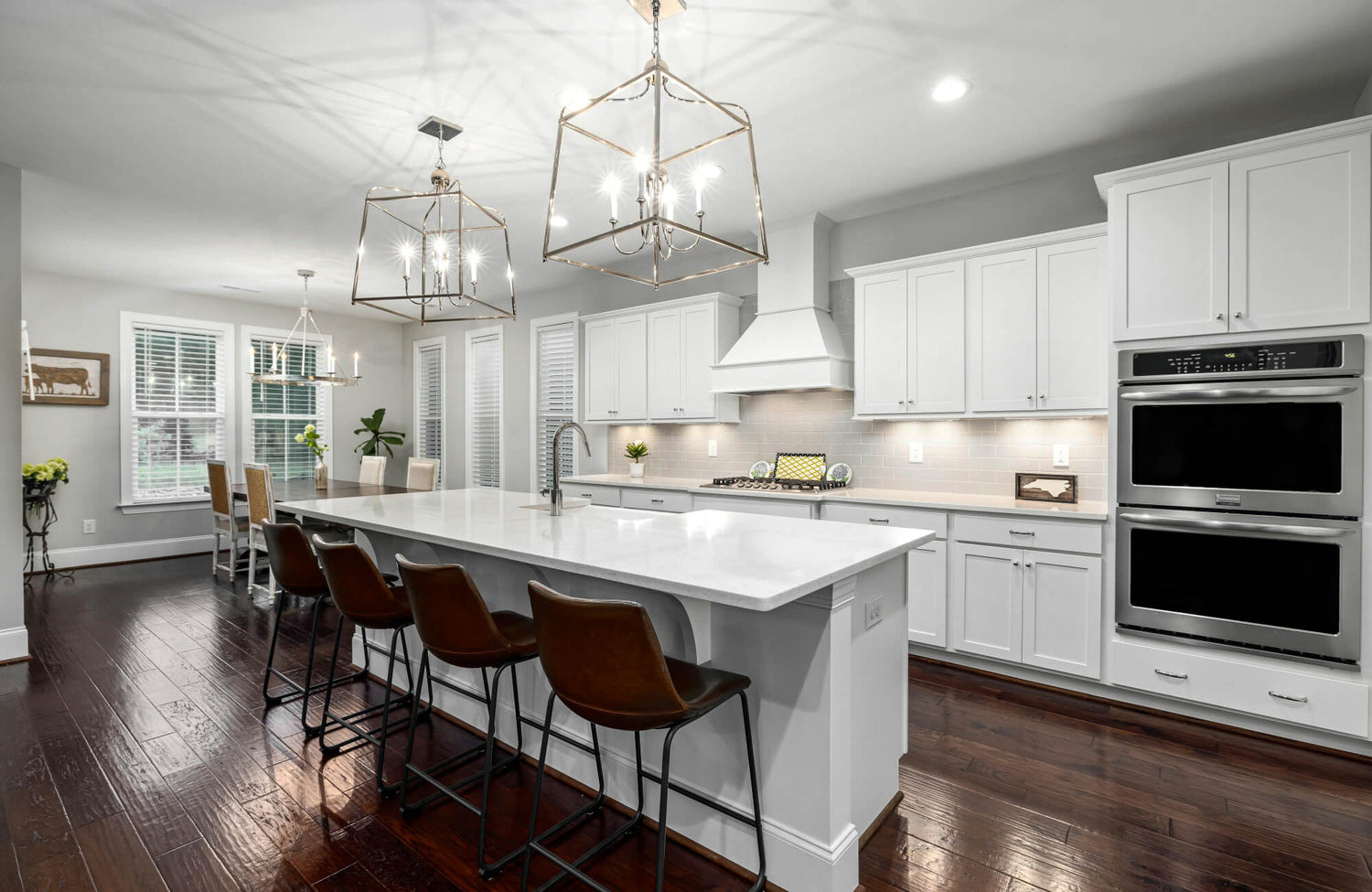
If you’ve ever lingered at your kitchen island longer than planned, you already know how much seating matters. The choice between kitchen stools with backs and backless stools quietly affects comfort, movement, and how the space gets used day to day. In this blog, we’ll look at how each option performs in real kitchens, focusing on comfort, layout, and lifestyle so the choice feels practical, not overthought.

Comfort And Everyday Use At The Kitchen Island
Comfort at the kitchen island often depends on how the space is actually used throughout the day, not just how it looks in photos. Sitting posture, support, and how long someone stays seated all play a role in whether stools with backs or backless stools feel better over time.
How Sitting Time Changes Comfort Needs At The Island
The amount of time spent sitting at the kitchen island tends to shape comfort more than people initially expect. Short sits, like quick breakfasts or casual check-ins, usually do not demand much support because the body is constantly shifting. As sitting time increases, however, posture becomes more fixed, which can make certain stool styles feel less forgiving. Over longer stretches, the body naturally looks for stability and relief from holding itself upright. This is where comfort differences start to become noticeable rather than theoretical. How often and how long the island is used should guide expectations around seating comfort.
Why Back Support Matters During Longer Seating
Back support becomes more noticeable when island seating is used for extended activities, such as working on a laptop, sharing meals, or having lingering conversations. With a backrest, the body has something to lean into, which reduces the effort needed to stay upright. This can make longer seating feel more relaxed and less physically demanding. Without that support, muscles in the back and core stay engaged, which is not always uncomfortable, but it does become tiring over time. For households that treat the island as more than a pass-through spot, this difference tends to show up quickly. Comfort shifts from a short-term feeling to a longer-term consideration.
A great example of this is our Grant Counter Stool in Black above, which offers support without turning island seating into something overly formal. Its low-profile back gives the body a place to settle during longer sits, while still allowing easy movement in and out. The open brass frame keeps the stool visually light, so the island does not feel weighed down. An integrated footrest helps reduce pressure over time, making lingering at the counter feel more comfortable.
When Backless Stools Still Feel Comfortable Enough
Backless stools can still feel comfortable in many situations, especially when the kitchen island is used in shorter intervals. Because there is no backrest, the body is free to move, turn, or adjust position easily, which can actually feel more natural for brief seating. This flexibility works well for casual use, where sitting is temporary rather than sustained. In busy kitchens, people often stand up, move around, or shift seats frequently, which reduces the need for support. In those cases, backless stools do not feel like a compromise. They simply match the rhythm of how the space is used.
How Body Position Differs Between Backed And Backless Seating
Body position naturally changes depending on whether a stool has a back or not. With backless stools, the body stays more upright and active, which can feel energizing for short periods. Backed stools, on the other hand, encourage a more settled posture where weight is distributed more evenly. Neither position is inherently better, but each supports a different type of use. For example, active, in-and-out seating benefits from freedom of movement, while longer stays benefit from added support. Understanding how the body reacts in each position helps clarify which option feels right for everyday life.

Space And Visual Openness In Kitchen Layouts
The way kitchen stools are designed can quietly shape how open or enclosed a kitchen feels, especially around the island. Beyond function, stool backs and silhouettes influence sightlines, visual weight, and how easily the eye moves through the space.
How Stool Backs Add Visual Weight To The Island Area
Stools with backs naturally introduce more visual presence because they extend upward into the sightline. This added height can make the island feel more anchored, although it also means the seating becomes more noticeable within the room. In kitchens where cabinetry, lighting, and finishes already carry visual weight, backed stools can amplify that effect. That is not necessarily a drawback, but it does shift how dominant the island feels. The key is recognizing that stool backs add structure as well as mass. In some layouts, that presence feels intentional, while in others it can start to feel heavy.
Backless Stools And Maintaining Open Sightlines
Backless stools tend to keep sightlines clearer because they sit lower and tuck neatly under the counter. This allows the eye to travel across the kitchen without interruption, which helps the space feel more open and fluid. In kitchens that connect directly to living or dining areas, this openness often feels especially important. Because the seating stays visually quiet, other design elements have more room to breathe. The island remains defined without becoming a visual barrier. For many layouts, this subtlety supports a lighter, more relaxed atmosphere.
When Backed Stools Still Work In Open-Plan Kitchens
Even in open-plan kitchens, stools with backs can still feel at home when their scale and placement are thoughtfully considered. If the island is well proportioned to the room, backed stools often help reinforce it as a natural gathering point rather than something that blends into the background. The added height can also introduce a subtle sense of separation between the kitchen and nearby living areas, without visually closing the space off. This can be especially helpful in larger layouts where a bit of definition adds clarity. As long as the stools are not oversized for the island, they add presence without interrupting movement. The overall effect feels intentional and grounded rather than heavy.
Visual Balance Between Seating And Cabinetry
Seating always reads in relation to the cabinetry around it, which is why balance matters more than the stool design alone. For example, tall or highly detailed cabinets paired with bulky stools can make the space feel visually top-heavy. Simpler cabinetry, on the other hand, often allows stools with backs to stand out without overwhelming the room. Backless stools naturally recede, which lets cabinetry and countertops take the lead instead. Looking at how all the vertical elements work together helps avoid visual tension. When seating and cabinetry feel in sync, the kitchen reads as more cohesive and settled.

How Counter Height And Island Depth Influence Stool Choice
Counter height and island depth quietly shape how comfortable seating feels once stools are in place. While stool style often gets the most attention, proportions play an equally important role in whether the space feels easy to use or slightly constrained. Looking at how these elements work together helps prevent seating choices that look good but feel awkward in practice.
Why Island Depth Matters More Than People Expect
Island depth plays a much bigger role in seating comfort than most people initially realize, because it determines how naturally the body can sit at the counter. When an island has enough depth, stools can sit slightly farther back, which creates a more relaxed and balanced seating position. This extra space also keeps knees, legs, and stools from crowding nearby walkways. In contrast, shallower islands tend to pull seating closer to surrounding areas, which can make even attractive stools feel awkward to use. Over time, that lack of breathing room becomes noticeable in everyday routines. Paying attention to depth early on helps avoid seating that feels forced once the kitchen is in use.
Backed Stools And Clearance Behind The Seat
Stools with backs naturally require more clearance because the backrest extends beyond the seat and affects how people move in and out of the space. When there is enough room behind the stool, sitting down and standing up feel effortless rather than cramped. In kitchens where space is limited, however, that extra depth can push stools into walking paths or against nearby cabinetry. This is where layout and stool design need to work together instead of competing. With proper clearance, backed stools feel supportive and comfortable rather than bulky. Without it, they can quickly become a daily inconvenience.
A great example of this is our Genevieve Counter Stool in Light Oak, seen above, which balances back support with a light, breathable footprint. Its gently steam-bent backrest provides structure without extending too far into the room, making it well-suited for islands where clearance matters. The open oak frame and woven rope seat keep the stool visually slim, so it supports comfort without crowding circulation paths. It illustrates how back seating can feel intentional and easy to live with when proportions are thoughtfully handled.
When Shallow Islands Limit Stool Options
Shallow islands tend to narrow seating choices, even though that limitation is not always obvious at first glance. Because there is less surface depth to absorb the footprint of a stool, larger or bulkier designs can overwhelm the space. This often leads to seating that feels visually heavy or physically intrusive once the kitchen is in use. In these situations, restraint becomes more important than style alone. Choosing stools that stay closer to the counter helps preserve flow and usability. The island remains functional without feeling crowded or overdesigned.
Backless Stools In Tighter Kitchen Layouts
In tighter kitchen layouts, backless stools often feel like a natural solution because they take up less visual and physical space. Without a backrest, they slide neatly under the counter, which keeps walkways clearer and movement easier throughout the kitchen. This flexibility becomes especially valuable in busy households where the island is used throughout the day. Backless seating also allows the space to adapt more easily when stools are not needed. Rather than feeling fixed in place, the seating stays responsive to how the kitchen is actually used. That adaptability often makes the kitchen feel more comfortable overall.
Avoiding Cramped Seating At The Counter
Cramped seating often happens when the relationship between stool size, island depth, and circulation space is not fully considered. When stools push too far into walkways, movement around the kitchen can start to feel restricted and awkward. This not only affects comfort at the counter but also changes how welcoming the space feels during everyday use. Choosing stools that suit the island’s proportions helps keep sightlines clear and walking flowing smoothly. It allows seating to feel supported rather than squeezed in. When spacing feels intentional, the kitchen becomes easier to move through and far more pleasant to spend time in.

Style Impact And How Each Stool Type Shapes The Kitchen Look
Beyond comfort and layout, kitchen stools play a quiet but meaningful role in how the space looks and feels overall. Whether stools include backs or stay backless can influence visual rhythm, balance, and how much attention the island draws. Below, we’ll look at how each stool type shapes the kitchen aesthetic without letting seating take over the design.
Backed Stools As A Visual Design Element
Stools with backs naturally read as a stronger visual element because they rise above the counter line and occupy more vertical space. This added height can help define the island as a gathering zone, especially in kitchens where the island serves as a central feature. Because the backs are visible from across the room, they tend to introduce a sense of structure and intention. In more open kitchens, this presence can feel grounding rather than distracting. At the same time, backed stools ask the rest of the kitchen to stay visually calm so the space does not feel overly busy. When used thoughtfully, they contribute to a composed, well-defined look.
Backless Stools For Streamlined, Minimal Kitchens
Backless stools tend to fade into the background, which makes them a natural fit for kitchens that prioritize simplicity. Because they sit lower and tuck neatly under the counter, they help keep sightlines open and surfaces uninterrupted. This approach works well when the island itself is meant to stand out through material or form rather than seating. Backless stools support a clean, uncluttered appearance without drawing attention away from cabinetry or countertops. Over time, this restraint helps the kitchen feel lighter and easier on the eyes. The result is a space that feels intentional without feeling styled too heavily.
How Stool Profiles Affect Visual Flow
The overall shape and profile of a stool can influence how smoothly the eye moves through the kitchen. Taller, more sculptural stools tend to create pauses in the visual flow, which can work well in larger spaces that benefit from definition. Lower-profile stools, on the other hand, allow the eye to move across the island without interruption. This difference becomes especially noticeable in open-plan layouts where the kitchen connects directly to living or dining areas. Choosing a stool profile that matches the scale of the room helps everything feel more proportional. When profiles are well matched, the kitchen reads as cohesive rather than segmented.
A great example of this can be seen in our Shaffer Counter Stool in Charcoal Black Leather, shown above, where the elongated frame and gently curved back create visual rhythm without overpowering the island. The slim profile allows the eye to move across the counter smoothly, even though the stool itself has presence. Its open metal base keeps the seating from feeling boxed in, which helps maintain balance in kitchens with darker cabinetry or patterned surfaces. Rather than interrupting the flow, the stool reinforces it by echoing the room’s vertical and horizontal lines.

Flexibility, Storage, And Ease Of Movement
How kitchen stools move, store, and adapt often matters just as much as how they look. In everyday kitchens, seating needs to shift easily between meals, quick tasks, and social moments without getting in the way. Here, we’ll look at how stools with backs and backless stools compare when flexibility and movement come into play.
Tucking Stools Under The Counter Cleanly
Backless stools are usually easier to tuck fully under the counter, which helps keep the kitchen looking neat when seating is not in use. Because there is no backrest to clear the counter edge, they slide in more smoothly and take up less visual space. This can be especially helpful in kitchens where maintaining open walkways matters. Stools with backs often sit slightly farther out, even when pushed in, which can subtly change how open the island feels. That said, backed stools can still work well when the island depth allows for it. The key is understanding how much visibility you are comfortable with when the stools are at rest.
Moving Seating For Cleaning And Entertaining
When it comes to cleaning or hosting, how easily stools move makes a noticeable difference. Backless stools are typically lighter and simpler to lift, which makes sweeping, mopping, or rearranging feel less like a chore. They can also be shifted quickly when extra standing room is needed around the island. Stools with backs may take a bit more effort to move, especially if they are larger or more structured. However, they tend to stay in place once set, which can feel reassuring in busy kitchens. Choosing between them often comes down to how frequently the space needs to change.
Backless Stools In Multi-Use Kitchens
In kitchens that serve multiple purposes throughout the day, backless stools often feel easier to live with. They can move between the island, a nearby counter, or even another room without disrupting the flow of the space. Because they tuck away neatly, they allow the island to shift between seating and work surface as needed. This flexibility suits households where the kitchen doubles as a homework area, prep zone, or casual gathering spot. Backless stools support that adaptability without drawing attention to themselves. Over time, this makes the kitchen feel more responsive to daily routines.
When Backed Stools Feel More Permanent
Stools with backs tend to feel more permanent once they are placed, which can be a benefit in certain kitchens. In spaces where the island is primarily used for sitting and gathering, this sense of stability can feel appropriate. The stools establish a clear seating zone that does not constantly shift. Because they take up more space, they naturally signal that the island is meant to be used in a specific way. This can help organize the room visually and functionally. For households that prefer consistency over flexibility, backed stools often feel like the better fit.

Choosing Based On Lifestyle, Not Just Appearance
When deciding between stools with backs and backless stools, lifestyle often matters more than first impressions. How the kitchen is used day to day, who uses it, and how often seating comes into play all influence which option will feel right over time. Looking beyond appearance helps ensure the choice supports real routines rather than just the initial look.
Family Kitchens And Everyday Meals
In family kitchens, stools tend to be used often and for longer stretches of time, whether it’s for quick breakfasts, homework, or casual dinners. Backed stools can feel more comfortable in these settings because they offer support during longer sits. They also help define the island as a regular gathering spot, which suits households where the kitchen is always active. That said, backless stools can still work if meals are shorter and the island is not the main dining space. The key is thinking about how often people linger at the counter.
Entertaining-Focused Kitchens And Social Seating
In kitchens designed for entertaining, flexibility often takes priority over constant comfort. Backless stools make it easier for guests to slide in and out, move around the island, or stand and mingle without feeling confined. This keeps the space feeling social rather than structured. Stools with backs can work too, especially when the island functions like a bar or lounge area where guests tend to stay put. However, too many backed stools can sometimes make the setup feel formal. Matching the seating style to how people naturally move and gather helps the kitchen feel relaxed during events.
Smaller Households And Occasional Use
For smaller households or kitchens where island seating is used only occasionally, backless stools often feel sufficient. They stay out of the way when not needed and do not visually dominate the space. Because use is lighter, the lack of back support is less likely to become an issue over time. Backed stools can still be a good choice if comfort is a priority, even with limited use. In these situations, the decision often comes down to how permanent you want the seating to feel. Occasional use tends to favor simpler, less imposing options.
Balancing Comfort With Flexibility
Many kitchens fall somewhere between everyday use and occasional seating, which is where balance becomes important. Backed stools offer comfort, while backless stools provide flexibility, and neither option has to fully replace the other. In some layouts, using fewer stools with backs alongside lighter designs can create a middle ground. This approach allows the kitchen to adapt without sacrificing comfort entirely. Thinking about how often people sit, move, or tuck stools away helps clarify which balance makes sense. A thoughtful mix often feels more practical than committing to one extreme.
Finding The Stool Style That Works For Your Kitchen Long Term
Choosing between kitchen stools with backs or backless stools is less about finding a single “better” option and more about understanding how your kitchen actually functions day to day. Comfort, movement, visual openness, and how often the island is used all shape which style feels right over time. In many kitchens, the best choice is the one that supports real routines rather than just the initial look. When seating aligns with how the space is lived in, the kitchen naturally feels easier and more comfortable.
If you are weighing these decisions and want a clearer direction, our personalized design consultation can help bring everything together. Working with a design expert allows you to look at seating, island proportions, layout, and daily use as one complete picture. This makes it easier to choose stools that fit your kitchen now and still feel right years from now. With the right guidance, the decision becomes confident instead of second-guessed.