A well-chosen rug does more than soften your steps—it sets the tone, defines the space, and elevates the entire design of a room with quiet authority. For homeowners, designers, and style-conscious decorators, selecting a rug color that harmonizes effortlessly with any décor is both an art and a science. The most versatile rug colors transcend fleeting trends, offering timeless elegance and adaptability across styles, from modern minimalism to rustic charm.
When thoughtfully selected, a rug becomes the visual thread that ties together furniture, lighting, and architecture with subtle sophistication. This article unveils the most universally flattering rug colors, carefully curated for their enduring appeal and unmatched flexibility. Whether you're styling a serene bedroom, an open-concept living space, or a cozy reading nook, discover the best rug color that goes with everything, crafted to complement, never compete.

Neutral Rug Colors
Neutral rug colors remain the most consistently recommended option due to their understated elegance and ability to seamlessly anchor a wide range of interiors. Their muted chromatic profiles allow them to blend effortlessly into both classic and modern spaces, providing a reliable base for evolving décor.
Beige and Greige Rugs
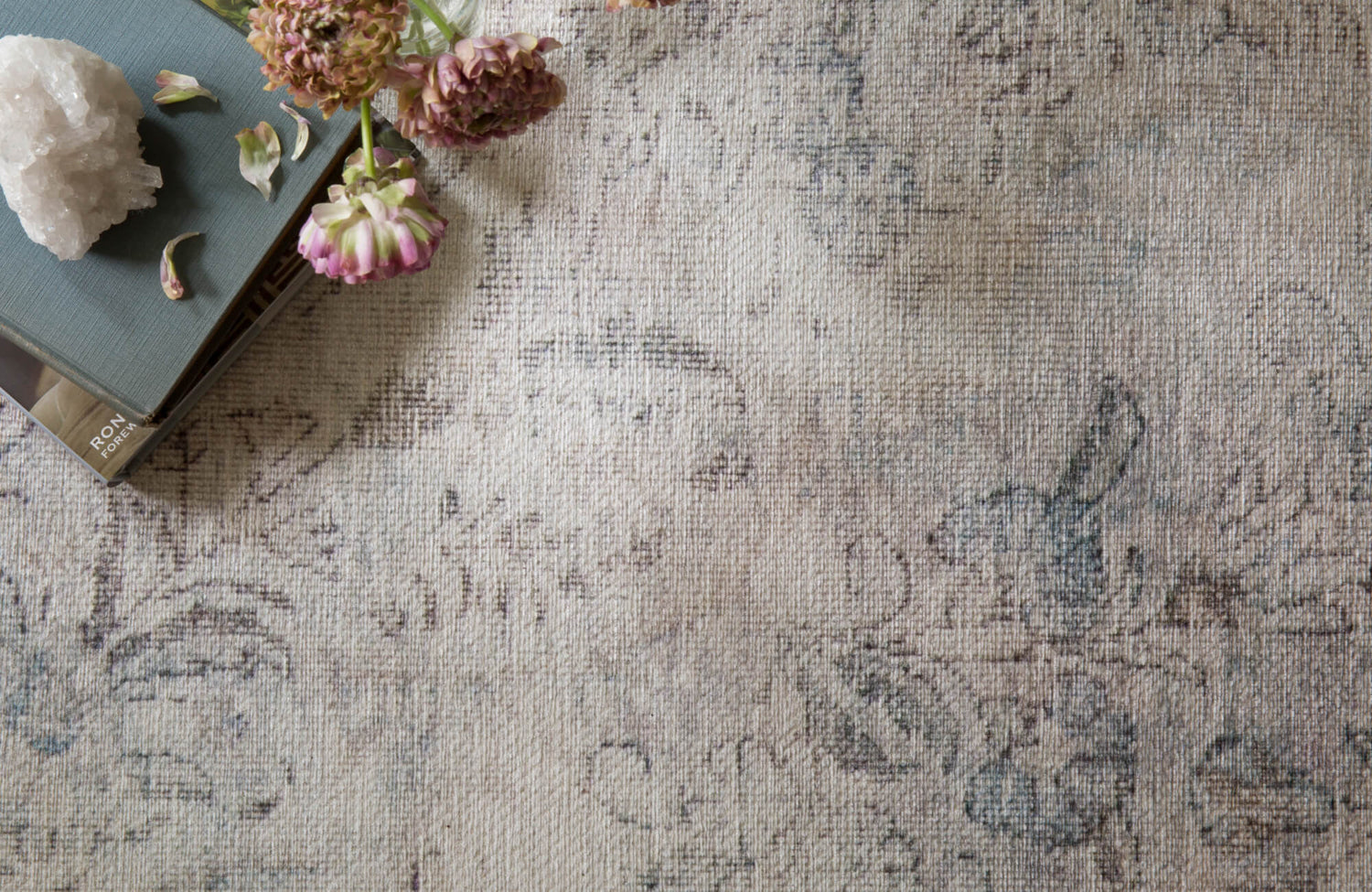
Beige rugs, with their warm, sandy undertones, introduce an inviting softness that works beautifully with natural materials like leather, oak, and linen. A standout example, as displayed in the photo, is the Everson Wool Blend Rug in Pearl, which brings a refined, textural charm to interiors while offering a versatile foundation for both modern and traditional spaces.
Greige, a refined blend of gray and beige, brings a unique cool-warm neutrality, making it an ideal choice for spaces where tones shift seasonally or stylistically. These colors provide the flexibility to layer bold or muted accent pieces without creating visual discord.
Often available in resilient wool or high-performance synthetic blends, beige and greige rugs suit busy areas while maintaining their visual appeal. Their light-diffusing properties also make them effective in smaller or dimly lit rooms, subtly enhancing openness. As a neutral area rug that goes with everything, beige and greige remain among the most versatile choices available.
Ivory and Off-White Rugs
Ivory and off-white rugs contribute to an airy, spacious feel, offering a clean backdrop that elevates both bold and soft interior palettes. Their adaptability allows them to integrate seamlessly into a range of styles, from Scandinavian minimalism to coastal chic and transitional elegance. These tones also often feature subtle patterning or textural play, adding interest without overpowering the space.
Thanks to advancements in fiber technology, many off-white rugs now come in stain-resistant or indoor-outdoor materials, making them more practical than ever. The brightness they lend to interiors is particularly valuable in darker or smaller rooms, where they enhance perceived light. For anyone seeking a light-colored rug that matches all décor, ivory and off-white provide timeless appeal with modern functionality.
Light Gray Rugs
Light gray rugs offer a quiet sophistication that adapts beautifully to evolving décor themes, acting as a bridge between color extremes. Their cool, muted tones harmonize effortlessly with both vibrant and subdued color palettes, adding balance without demanding attention. This versatility makes them especially effective in industrial, minimalist, and contemporary settings, where they pair well with elements like brushed steel, matte black, and raw wood.
To complement these aesthetics, textiles often include looped wool blends or low-pile synthetics, offering durability along with a sleek aesthetic. The chameleon-like quality of gray also allows it to shift subtly in tone based on surrounding light and color, enhancing spatial cohesion. For those in search of a versatile modern rug color, light gray remains a cornerstone choice in interior design.

Earth Tone Rugs
Earth-toned rugs resonate with the natural world, bringing warmth and grounded elegance to interiors while adapting gracefully to varied design elements. These organic hues pair beautifully with both rustic and refined aesthetics, offering a tactile connection to nature within a curated space.
Terracotta and Clay Rugs
Terracotta rugs, inspired by sun-baked ceramic tones, infuse rooms with a rich, earthy depth that evokes warmth and authenticity. Clay rugs offer a slightly softer take, blending mineral pigments into muted hues that work beautifully with textured neutrals and handcrafted surfaces. These colors are also especially effective in bohemian, Mediterranean, or southwestern interiors, where they echo natural materials like jute, leather, and stone.
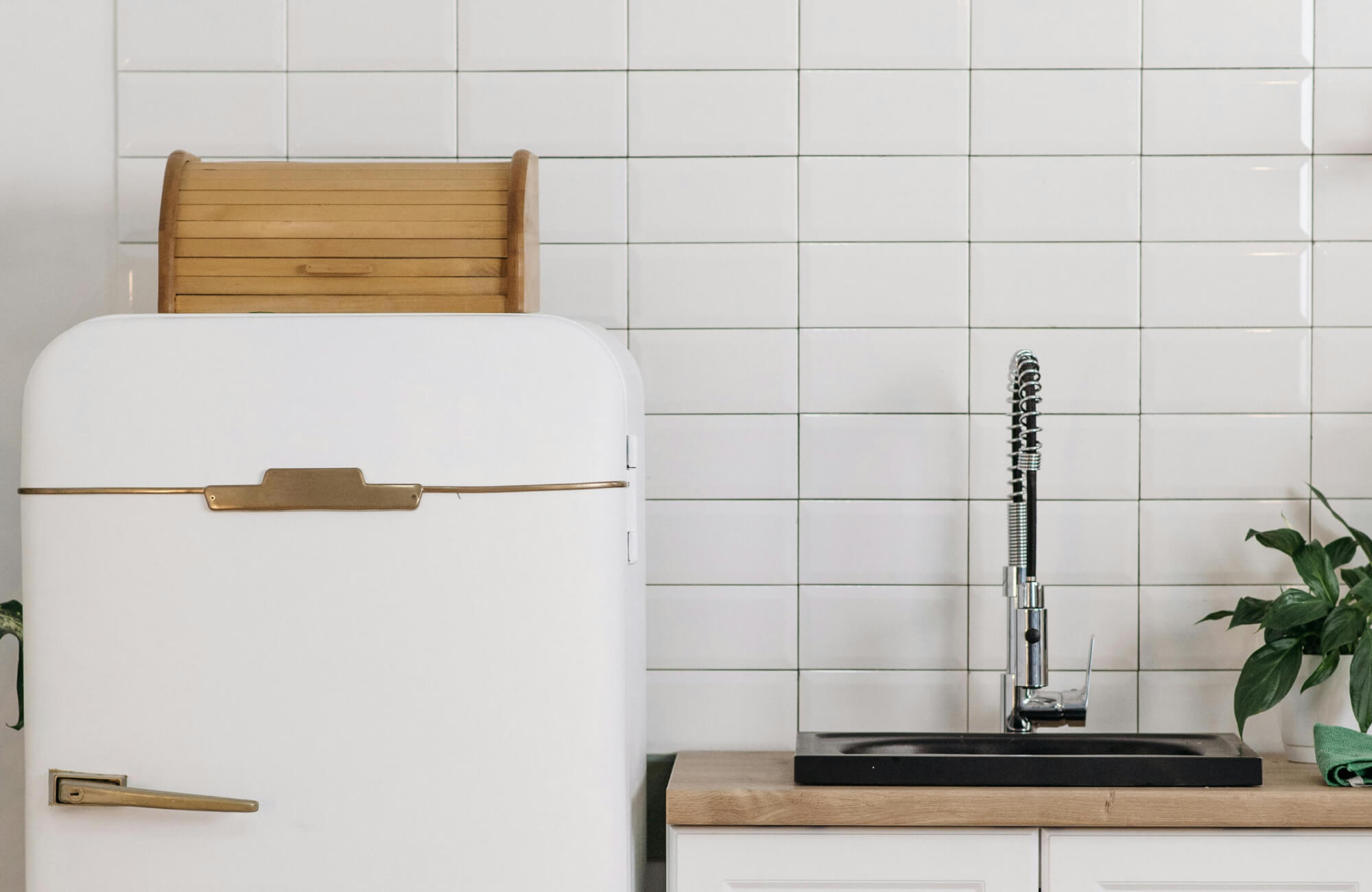
While traditional examples are often flat-woven or kilim in construction, contemporary options bring similar warmth in more accessible forms. A striking example, as displayed in the picture above, is Edward Martin’s Pascal Polyester Face Rug in Terracotta / Multi, which channels the layered, timeworn look of vintage textiles through modern fabrication. Its intricate medallion motifs and deep, sunbaked tones also add inviting contrast in clean, minimalist spaces, perfectly demonstrated in a white, wood-accented kitchen where the rug becomes a soft focal point without disrupting the flow.
Olive and Sage Green Rugs
Olive and sage green rugs bring subtle botanical tones into interiors, adding a layer of calm that aligns with biophilic design principles. These muted greens work exceptionally well with other natural hues such as ochre, beige, and charcoal, creating a cohesive palette grounded in nature. Their presence introduces color without overwhelming a space, making them ideal for layering into neutral-heavy or texturally rich designs. Available in hand-tufted wool or cotton flatweaves, these rugs also offer durability while maintaining a relaxed visual tone. Their ability to tie together diverse materials, from metals to wood, makes them adaptable to many room styles. For a green rug that matches various design themes, olive and sage are enduring favorites.
Sandstone and Mocha Rugs
Sandstone rugs offer light, sun-washed tones that reflect the hues of desert landscapes, creating a serene foundation for coastal, farmhouse, or Mediterranean interiors. In contrast, mocha rugs introduce deep, earthy brown tones that provide contrast and warmth without the starkness of black. These colors blend effortlessly with natural flooring materials such as slate, tile, or reclaimed wood. They are also frequently found in organic textures like jute, sisal, or hand-spun wool, enhancing both their durability and tactile appeal. In addition, their balanced tones help bridge light and dark furnishings, contributing to an environment of visual harmony. When seeking a natural tone rug compatible with multiple flooring types, sandstone and mocha offer practical elegance.

Monochromatic Rugs
Monochromatic rugs use subtle variations of a single hue to create depth, movement, and textural interest, all while maintaining cohesive color harmony. Their restrained palettes lend themselves well to minimalist and modern spaces where clean design is essential.
Gradient and Ombre Styles
Gradient rugs transition smoothly between light and dark values within a single color, creating a dynamic flow that draws the eye naturally through a space. Ombre patterns in shades like steel gray, ocean blue, or soft taupe allow designers to introduce complexity without disrupting the room’s color story. These rugs also enhance visual movement and can make small spaces feel larger by elongating the field of vision. Crafted using techniques such as space-dyeing or digital weaving, they achieve seamless color transitions with exceptional precision. Moreover, their nuanced palette allows them to complement both monochrome and colorful interiors. For a tone-on-tone rug that matches everything, gradient styles provide sophisticated flexibility.
Textural Monochrome
Textural monochrome rugs rely on the interplay of materials and construction techniques to create visual dimension within a single hue. Loop and cut-pile combinations, high-low pile structures, and silk-blend fibers introduce contrast through sheen and texture rather than color. This approach makes them work beautifully in spaces that emphasize material richness, such as modern rustic or high-end minimalist interiors. Their understated elegance allows furniture, artwork, and lighting to stand out without competition. Often seen in hand-knotted or machine-tufted constructions, they also provide enhanced durability. Altogether, a textured monochromatic rug offers a refined way to introduce interest without altering a space’s foundational palette.

Muted Blues and Soft Greys
Muted blues and soft greys offer a serene color presence that integrates easily with varied furnishings and finishes. Their understated quality and undertone versatility make them favorites for creating calm, cohesive interiors across multiple design styles.
Slate and Powder Blue Rugs
Slate blue rugs introduce cool sophistication with a whisper of gray, making them exceptionally easy to pair with neutral or natural finishes. Similarly, powder blue adds a delicate freshness, evoking calm without overwhelming a room’s existing palette. Together, these hues are especially suited to restful environments like bedrooms, nurseries, or reading nooks. Available in soft wool or viscose textures, they also reflect light gently, enhancing a room's softness.
A perfect example is the Lafferty Wool Blend Rug in Ocean, which balances its powdery blue field with tactile ivory linework and tribal-inspired motifs. As shown in the photo above, its quiet geometry and textural variation ground the room without overpowering natural wood tones or leather accents, making it an ideal blue rug that complements every style with quiet, thoughtful design.
Mist and Dove Gray Rugs
Mist and dove gray rugs bring subtle cool tones into a space without veering into starkness, offering just enough contrast to define a room’s structure. With undertones that can lean blue, green, or lavender, they work across a variety of complementary palettes, adapting easily to different design moods. These colors are also often found in sophisticated weaves and luxurious materials that highlight their tonal depth, further enhancing their visual appeal. In addition, their ability to enhance ambient lighting while grounding furnishings makes them particularly well-suited for multipurpose or shared spaces, where balance is key. The quiet complexity of these hues allows them to recede when needed or serve as a gentle focal point, depending on the room’s composition.
Blue-Grey Hybrids
Blue-grey rugs exist at the intersection of color and neutrality, providing just enough pigment to create atmosphere while maintaining compatibility with diverse finishes. This hybrid quality allows them to shift visually depending on lighting and nearby materials, enhancing their flexibility. These rugs also often feature in transitional or contemporary interiors where subtle sophistication is key. To support both form and function, hand-tufted or knotted variations provide both luxury and resilience, adding to their functional appeal. Their chameleon-like tone pairs well with everything from marble countertops to warm walnut furniture, making them especially adaptable. As a result, a blue-gray rug offers both function and refined beauty with universal appeal.

Black-and-White Rugs
Black-and-white rugs deliver visual precision and contrast, acting as graphic anchors while maintaining chromatic neutrality. Their striking simplicity makes them ideal for defining space and enhancing architectural features in a wide range of interiors.
Geometric and Abstract Patterns
Black-and-white rugs featuring geometric or abstract designs create rhythm and movement, providing visual order in large or open spaces. These patterns help delineate zones without relying on multiple colors, keeping the overall palette clean and cohesive. Particularly effective in mid-century, minimalist, or urban interiors, they also provide a crisp foundation for bold furnishings or art, allowing statement pieces to stand out. Materials like hand-tufted wool or durable synthetics add resilience and texture, further enhancing their practicality. In addition, these designs enhance line work and symmetry within architectural environments, contributing to a sense of structure and balance.
Tribal and Global-Inspired Prints
Global-style black-and-white rugs borrow from centuries-old motifs while keeping the palette streamlined for modern compatibility. From Moroccan trellis to Berber or Navajo patterns, these rugs add cultural depth and artisan appeal. The simplicity of the black-and-white format also allows for easy layering with bolder accents or natural textures. Often handwoven in wool or cotton, they offer both authenticity and comfort, making them a meaningful yet practical addition to a wide range of interiors.
Minimalist Flatweaves
Minimalist flatweave rugs in black and white emphasize clarity, function, and easy maintenance. With their low profile and linear design, they complement sleek furniture and busy zones without drawing attention away from key design elements. Crafted from cotton, polypropylene, or eco-friendly PET yarns, they offer a lightweight, durable solution for busy homes. Their clean lines and repetitive patterns also enhance modern layouts and make small spaces feel more structured. Ideal for dining rooms, hallways, or offices, they provide practical beauty, making them a go-to for everyday style and function.
Choosing the Perfect Rug Color for Every Style and Space
The most versatile rug colors are those that quietly enhance a room without overwhelming it, offering balance, cohesion, and lasting visual appeal. From grounded earth tones and elegant neutrals to soft cool hues and bold black-and-white contrasts, these palettes adapt gracefully to any setting. Selecting a rug with thoughtful attention to undertone, material, and surrounding finishes also ensures harmony that endures beyond seasonal trends. When integrated with care, the right rug becomes an effortless anchor, unifying the space while allowing your personal style to shine. No matter the room or design direction, a well-chosen rug color remains one of the most powerful tools in creating a beautiful, cohesive home.
For tailored guidance in choosing the perfect rug for your home, explore Edward Martin's design services or reach out via the contact us page, where expert support meets timeless craftsmanship to bring your vision to life. No matter the room or design direction, a well-chosen rug color remains one of the most powerful tools in creating a beautiful, cohesive home.