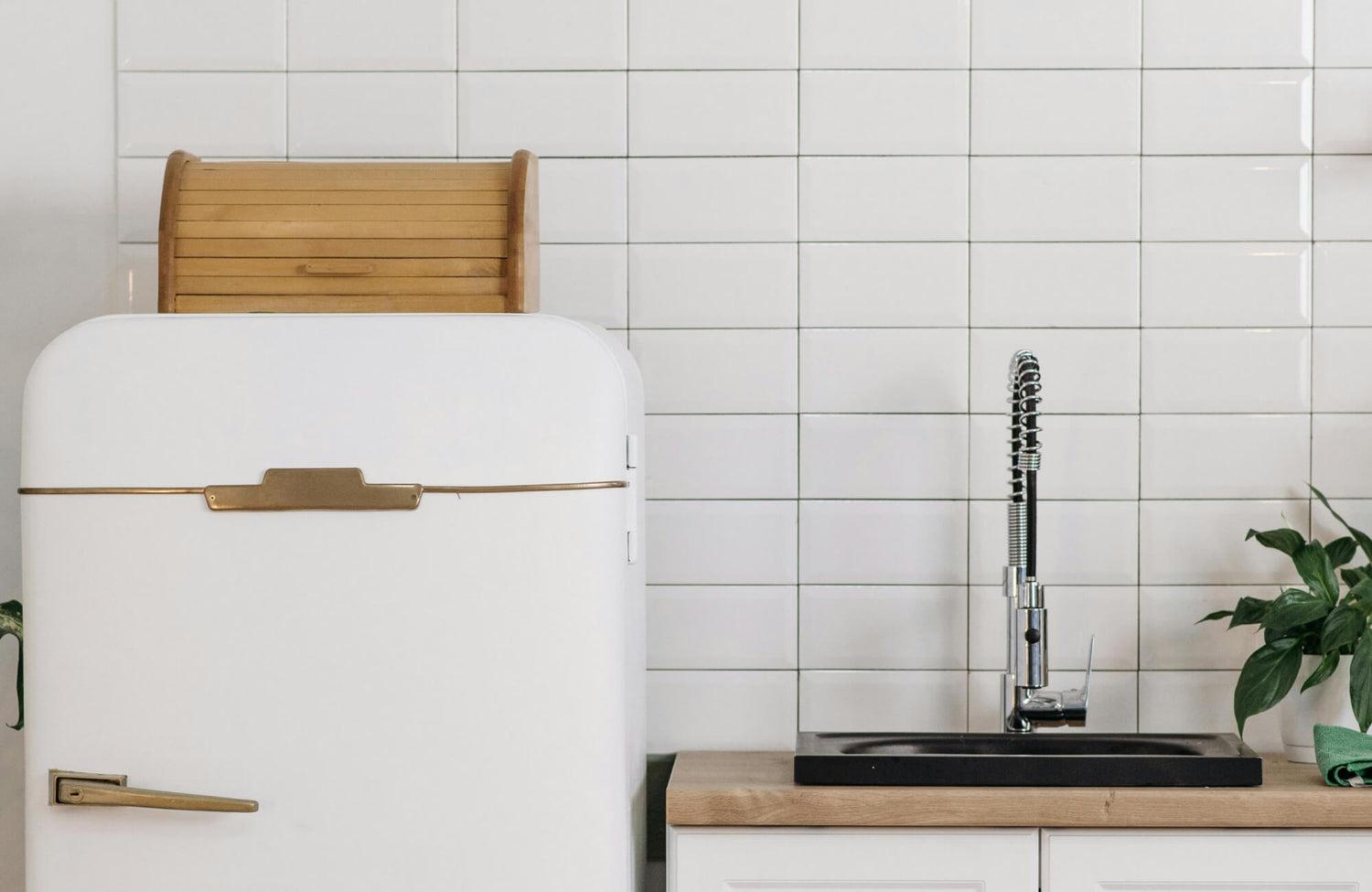
There’s an enduring beauty in white tiles—a purity that elevates kitchen spaces with light, clarity, and quiet sophistication. They adapt gracefully, whether in sleek contemporary interiors or warm, traditional kitchens, always offering a sense of balance and refinement. While their appearance may seem simple, their true value lies in their versatility and performance. Among available materials, ceramic tiles bring a perfect union of form and function, delivering reliable strength, durability, and design flexibility.
For homeowners and designers aiming to combine timeless elegance with practical surface solutions, white ceramic kitchen tiles emerge as a compelling option. In this article, we will explore how they compare in durability, aesthetics, maintenance, cost, and environmental impact, equipping you with insights to make a confident, well-informed decision.

Performance and Durability of White Ceramic Tiles
White ceramic tiles meet many of the challenges of kitchen environments with strength and stability, offering a reliable and enduring surface, particularly on vertical applications such as backsplashes and accent walls.
Material Engineering and Composition
White ceramic tiles are crafted from a refined blend of clay, feldspar, and sand, which is kiln-fired at high temperatures to form a solid and resilient body. Once coated with a glazed finish, the surface becomes impermeable, effectively resisting moisture, oils, and food-based stains. These tiles also commonly meet ANSI A137.1 standards, ensuring they’re well-suited for kitchen applications where performance is non-negotiable.
With a PEI (Porcelain Enamel Institute) rating of III or higher, they withstand moderate to heavy daily use without showing signs of wear. Their low porosity inhibits mold and bacterial growth, making them an excellent option for hygienic food prep areas. The uniformity in size and finish also supports precise installation with minimal layout disruption.
Thermal and Impact Resistance
White ceramic kitchen tiles perform exceptionally well in zones exposed to fluctuating temperatures, such as near ovens, stovetops, and dishwashers. Their ability to resist thermal shock ensures that sudden changes in heat or cold won’t cause cracks or surface damage. Alongside thermal resilience, ceramic’s inherent hardness also allows it to withstand impact from dropped cookware or utensils without denting or chipping.
When installed over a properly prepared substrate in areas not subject to constant foot movement, ceramic tiles perform well behind appliances or on decorative surfaces exposed to heat, such as wall spaces near ovens or ranges. These performance traits contribute to their longevity, particularly in high-use kitchens. The result is a material that’s both functionally and structurally sound for long-term application.
Slip Resistance and Safety Standards
In kitchens, where spills are inevitable, surface safety is paramount. Many white ceramic tiles are designed with matte or textured finishes to improve traction and reduce the risk of slips. Tiles rated for flooring often meet or exceed ADA (Americans with Disabilities Act) standards for slip resistance, ensuring safer movement, even when wet. For enhanced safety, anti-slip coatings or textured glazes can also be incorporated into the surface during production.
While these safety features enhance usability, ceramic tiles are ideally suited for vertical surfaces around sinks, refrigerators, and dishwashers, rather than for primary flooring applications in busy kitchen areas. By balancing safety with style, white ceramic tiles fulfill both aesthetic and practical expectations in kitchen design.

Design Flexibility
More than just functional, white ceramic tiles bring exceptional design flexibility to kitchen walls and backsplashes, serving as a clean canvas that enhances both vertical style and structure.
Reflective Qualities and Spatial Perception
With their high Light Reflectance Value (LRV), white ceramic tiles enhance the brightness of kitchen interiors by amplifying both natural and artificial light. This reflective quality makes compact or enclosed kitchens feel more open and airy, creating a visually expansive atmosphere.
Glossy finishes maximize this effect, bouncing light across surfaces, while matte finishes offer a subtler, contemporary tone. The enhanced luminosity not only improves the visual appeal but also contributes to energy efficiency by reducing reliance on artificial lighting. This makes white ceramic kitchen tiles especially beneficial for spaces with limited daylight. As a result, they serve both functional and aesthetic purposes with minimal compromise.
Surface Finish and Texture Options
Available in finishes ranging from glossy and satin to matte and textured, white ceramic tiles offer a wide spectrum of visual and tactile experiences. Glossy surfaces, for instance, deliver a sleek, modern appeal that pairs well with stainless steel appliances and high-gloss cabinetry.
In contrast, matte finishes introduce a softer, more organic touch that aligns beautifully with rustic, coastal, or Scandinavian-inspired kitchens. A striking example is Edward Martin’s Zayne 12x36 Matte Ceramic Tile in Blocks, as displayed in the photo above. Its oversized format and subtle block pattern also add architectural interest without overpowering the space. The matte finish complements its clean geometry, making it an ideal backdrop for modern bathrooms, spa-like showers, or minimalist feature walls.
Textured options, such as handmade or stone-effect tiles, add dimension and uniqueness without straying from a clean design palette. These finishes allow homeowners to tailor the visual tone of their kitchens without sacrificing functionality. Such versatility also ensures that white ceramic tiles remain relevant across evolving interior trends.
Modular Shapes and Laying Patterns
White ceramic tiles are produced in a variety of shapes, from classic squares and rectangles to geometric profiles like hexagons, scallops, and arabesques, enabling unique layout possibilities. Creative laying patterns such as herringbone, chevron, basketweave, or stacked vertical arrangements help define zones, create focal points, or visually elongate a room.
These configurations can add architectural interest and enhance the visual rhythm of kitchen walls, accent panels, and backsplashes, allowing creative layout options without relying on floor placement. Modular shapes also allow for better integration with features like backsplashes, kitchen islands, and statement walls. By combining shape, size, and orientation, designers can craft highly personalized kitchen aesthetics. This creative potential makes white ceramic tiles both a visual and structural asset.
To help bring these design possibilities to life, Edward Martin offers an augmented reality (AR) tool that allows you to visualize tile styles, like white ceramic, directly within your kitchen environment. This intuitive tool empowers homeowners and designers to experiment with patterns, finishes, and layouts in real time, making it easier to confidently plan and personalize their space before installation begins.

Maintenance and Hygiene
In a space where cleanliness is critical, white ceramic tiles shine when used on walls and backsplashes, offering surfaces that are easy to clean, maintain, and sanitize in high-splash zones. For best results, always follow the manufacturer’s care guidelines to ensure tile surfaces and finishes remain in optimal condition over time.
Non-Porous Glaze and Stain Resistance
The glazed surface of white ceramic tiles acts as a protective barrier that resists staining from food, oils, and acidic spills. Because the glaze is non-porous, it doesn’t absorb liquids or odors, keeping the kitchen environment more hygienic and easier to maintain. Unlike porous materials such as natural stone, ceramic tiles do not require routine sealing, reducing long-term maintenance efforts.
This resistance to absorption also prevents discoloration over time, helping the tile retain its bright, clean appearance. Their easy-clean surface simplifies daily upkeep, especially in high-use zones like behind cooktops or sinks. With consistent care, ceramic tiles remain pristine for years, even in busy kitchens.
A perfect example of this performance, as shown in the photo above, is the Madilyn 3x12 Glossy Ceramic Tile in Pearl, which combines a luminous finish with a durable glazed surface to offer both beauty and everyday practicality. Its non-porous qualities also make it particularly well-suited for backsplashes and walls where moisture and food splatter are common, all while contributing to a polished, elevated kitchen design.
Grout Formulation and Color Strategy
While the tiles themselves are stain-resistant, grout selection plays a crucial role in long-term cleanliness and appearance. Traditional cement-based grouts are more porous and can discolor over time, particularly when used with white tiles. Conversely, modern epoxy grouts offer superior performance, with high resistance to moisture, staining, and microbial growth.
Choosing tinted grout, such as light gray or beige, can also help conceal dirt and wear without compromising the overall brightness of the installation. Additionally, antimicrobial grout additives and sealing agents further enhance hygiene and water resistance. When grout is thoughtfully selected and maintained, white ceramic tile installations stay both functional and visually appealing.
Efficient Cleaning and Maintenance Routine
Cleaning white ceramic tiles is straightforward, especially when using non-abrasive, pH-neutral cleaners that preserve the integrity of the glazed surface. For daily maintenance, a soft mop or microfiber cloth effectively removes spills and dirt, helping maintain a polished appearance. Avoiding harsh chemical cleaners and abrasive tools also helps prevent dulling or scratching the glaze.
For periodic deep cleaning, gentle alkaline solutions can be used to remove built-up grease or residue, particularly in cooking zones. When it comes to grout, applying a penetrating sealant once or twice a year helps resist staining and moisture infiltration. Taken together, these maintenance practices keep kitchen surfaces both sanitary and aesthetically consistent.

Cost and Long-Term Value
Their durability on vertical surfaces and timeless design ensure lasting value and minimal replacement needs for areas such as backsplashes, feature walls, and light-use zones.
Installation and Material Costs
White ceramic tiles typically range from $2 to $7 per square foot, offering a balance between affordability and high-quality performance. Installation costs vary between $5 and $10 per square foot, depending on factors such as tile size, pattern complexity, and local labor rates. For homeowners seeking additional savings, peel-and-stick formats or mesh-mounted mosaics present viable DIY project options.
Larger tile formats can further reduce grout lines and installation time, which helps lower total labor expenses while contributing to a sleek, modern finish. Despite their relatively low price point, ceramic tiles provide resilience, water resistance, and aesthetic appeal that rival more premium materials. As a result, they’re an excellent choice for kitchen upgrades with tight budgets or expansive surface areas.
Lifespan and Durability Over Time
Once installed, white ceramic tiles can last well over two decades without significant wear or performance loss. Their resistance to scratching, staining, and UV exposure allows them to retain their original appearance even in busy kitchens. Unlike laminate or vinyl, ceramic does not warp or discolor when exposed to heat, steam, or direct sunlight, making it especially effective for vertical installations in kitchens.
Their longevity also eliminates the need for frequent replacement, reducing overall lifecycle costs. Additionally, their ability to withstand household cleaners and frequent use enhances their reputation for long-term durability. This exceptional lifespan makes ceramic a solid investment for homeowners focused on quality and value.
Resale and Renovation Value
In real estate, white ceramic tile installations are widely viewed as attractive features that signal cleanliness, durability, and updated design. Buyers often appreciate the neutral palette, which makes it easier to personalize the space with cabinetry, countertops, and accessories. The tile’s timeless appeal also reduces the need for cosmetic upgrades before listing the home, saving time and renovation costs.
For those updating older kitchens, replacing dated surfaces with white ceramic tile can provide an instant refresh with broad market appeal. The long-lasting nature of ceramic further reassures potential buyers of the home’s value and upkeep. In competitive markets, white ceramic tile can be a subtle yet powerful differentiator.

White vs. Other Tile Colors
While ceramic tiles in blue, black, brown, and grey offer distinctive visual appeal, their performance, maintenance, and environmental impact can vary depending on color and finish. Comparing these options helps clarify why white ceramic tiles continue to lead as a functional and eco-conscious choice in modern kitchen design.
White vs. Black
White ceramic tiles instantly lift a space; their clean, reflective surfaces enhance natural light, making rooms feel larger, brighter, and more serene. Whether styled in a classic vertical stack or a contemporary textured layout, white tiles provide a versatile canvas that complements virtually any aesthetic, from coastal minimalism to tailored traditional.
By contrast, black ceramic tiles bring mood and richness to the room. They ground the space with a bold elegance and are ideal for creating high-impact features or accent walls. While they may require a bit more maintenance to keep their polished finish looking pristine, their dramatic effect is undeniable, especially when paired with warm metallic fixtures and natural materials.
A perfect example is our Jaden 2.5x16 Glossy Ceramic Tile in Ink, as featured in the photo above. Its elongated shape and deep, glossy finish add dimension and luxury without overwhelming the space. The result is a kitchen that feels rich, curated, and inviting.
Still, for everyday versatility and a timeless appeal that brightens every corner, white ceramic tiles remain a favorite choice among designers and homeowners alike.
White vs. Blue
Blue ceramic tiles provide vibrant color options and coastal or Mediterranean aesthetics, but often require more pigment-intensive glazes that may contain synthetic dyes or higher energy usage during manufacturing. White ceramic tiles, by comparison, typically involve fewer colorants, making them a cleaner production choice with fewer chemical additives. Additionally, white tile surfaces better reflect light, which helps reduce HVAC strain and improve energy efficiency in sunlit kitchens.
Blue tiles can fade more noticeably over time when exposed to strong UV light, particularly in bright or window-rich spaces. Maintenance-wise, blue tile can be less forgiving with water spots or soap residue, especially in lighter shades. In terms of sustainability and lifecycle performance, white ceramic tile holds a clear advantage in both environmental and functional aspects.
White vs. Brown
Brown ceramic tiles are often chosen for their earthy, rustic charm and their ability to mask dirt and wear. However, darker shades like chocolate or espresso brown can make kitchen interiors feel heavier, requiring careful lighting and complementary finishes to maintain balance.
White ceramic tiles, in contrast, promote visual openness and brightness, enhancing the perceived size and cleanliness of the space. While brown tiles are somewhat more forgiving with debris and stains, white tiles offer easier detection of spills, particularly important in food prep zones where hygiene is critical.
Brown ceramic tiles also frequently come in textured finishes that may trap dirt more easily than the smooth, glazed surfaces of most white ceramic kitchen tiles. Ultimately, while brown tiles offer concealment benefits, white tiles deliver superior clarity, brightness, and sanitary reassurance.
White vs. Grey
Grey ceramic tiles are highly versatile, bridging both warm and cool palettes with ease, and are frequently used in contemporary kitchen designs. A great example is the Olivia 4x16 Glossy Ceramic Tile in Dove, which offers a soft, elegant shade of grey that pairs beautifully with white cabinetry and natural wood accents. Its glossy surface reflects light gently, making it a sophisticated option for those seeking subtle contrast without sacrificing brightness.
However, darker greys can reduce light reflectance, creating a cooler, moodier tone that may require strategic lighting to maintain warmth. White ceramic kitchen tiles, by contrast, naturally enhance brightness and cleanliness, offering a neutral foundation that works equally well with bold or soft accents. Though grey tiles mask minor dirt and smudges effectively, they may struggle to hide calcium buildup or light cooking stains, especially on matte finishes.
White tiles, particularly with modern low-maintenance grouts, are easier to clean and maintain without sacrificing aesthetic value. Both options are popular, but white tiles offer better adaptability across changing design trends and household needs.
Why White Ceramic Tiles Remain a Leading Choice for Kitchens
From vertical design flexibility to long-term surface durability, white ceramic tiles continue to meet the aesthetic and functional demands of modern kitchen environments, particularly on backsplashes, accent walls, and decorative areas not subject to heavy use. Their ability to reflect light, resist stains, and adapt to evolving interior trends makes them both a practical and timeless option. Compared to darker or more saturated hues, they offer superior ease of maintenance and a cleaner, brighter visual experience. Their eco-friendly manufacturing and extended lifecycle further enhance their value for sustainability-minded homeowners. Altogether, white ceramic kitchen tiles deliver a seamless blend of form, function, and longevity.
For those exploring design possibilities firsthand, Edward Martin makes the process even more accessible with the option to request tile samples. Sampling allows you to assess finishes, colors, and surface quality directly in your kitchen's lighting and layout, bringing confidence and clarity to every design decision.