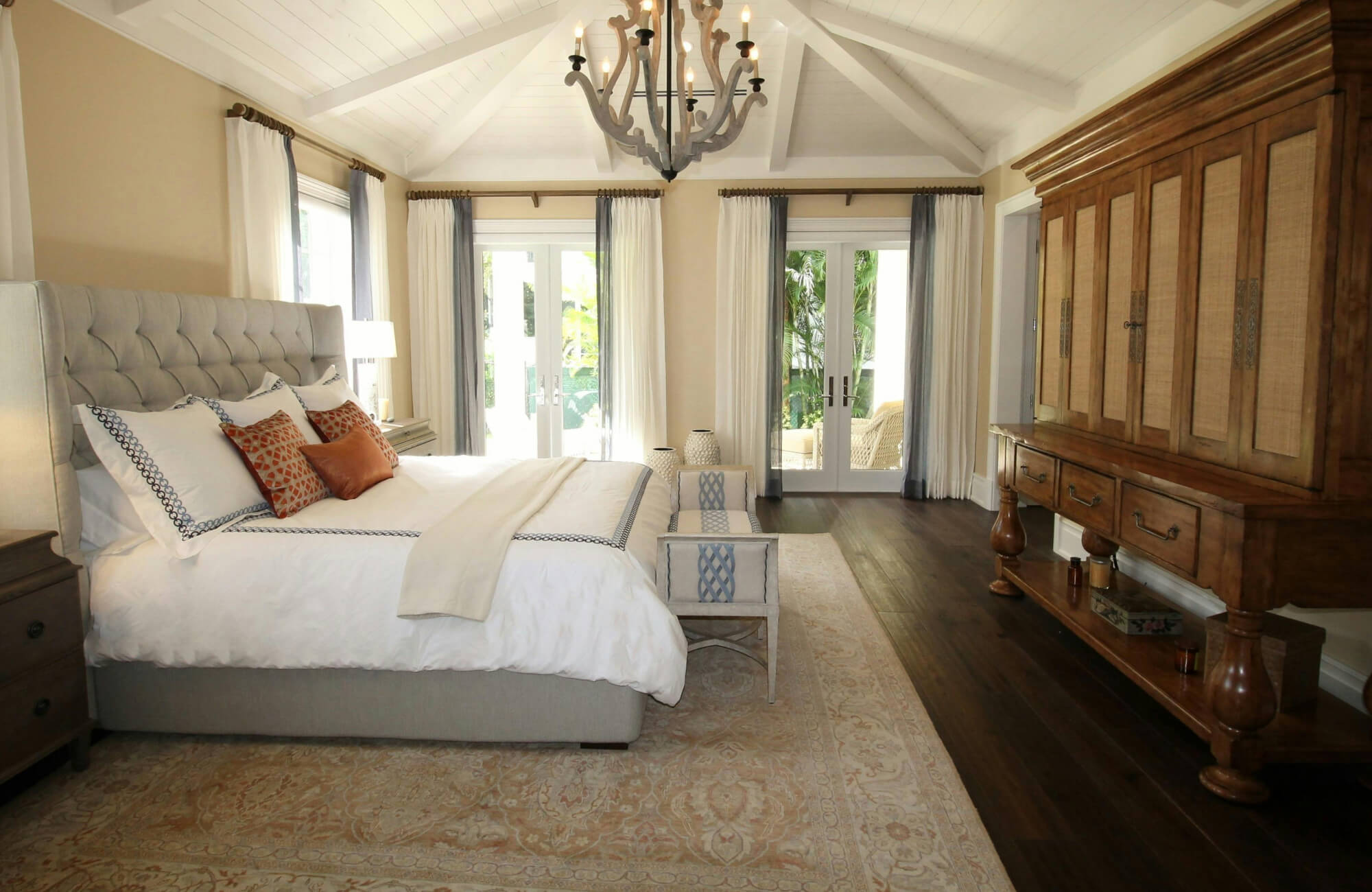
When choosing a 9x12 area rug, the material is just as important as the design. The fiber you select dictates everything from the rug’s texture and durability to its cleaning requirements and overall lifespan. Understanding the properties of different materials helps you make a choice that not only complements your decor but also fits your lifestyle, ensuring your investment stands the test of time.
This article will break down the most popular materials for large area rugs, covering natural fibers, synthetics, and a few eco-friendly options. We'll explore the unique characteristics of each, helping you navigate the pros and cons to find the perfect 9x12 rug for any room in your home.

The Versatility of Natural Fibers
Natural fibers have long been a foundation of rug-making, valued for their beauty, resilience, and timeless appeal. Each material brings its own strengths, from warmth to texture.
Luxurious and Durable Wool
Wool remains the gold standard in high-quality area rugs due to its natural crimp, which enhances resilience and helps fibers spring back under foot movement. Its lanolin content provides inherent stain and soil resistance, while its excellent insulating properties regulate temperature and absorb sound.
Hand-knotted and tufted wool rugs are particularly valued for their longevity, often lasting decades with proper care. Featured above, the Sweeney Wool Pile Rug in Graphite from Edward Martin reflects these qualities beautifully, combining a dense pile and refined texture that embody both strength and sophistication, ideal for elevating contemporary interiors.
Soft and Sustainable Jute
Harvested from the stalks of the jute plant, this fiber is both biodegradable and renewable, making it a popular choice for eco-conscious homeowners. Jute’s natural sheen and chunky weave deliver visual texture, lending warmth to casual, rustic, or coastal spaces. While softer underfoot than sisal, jute rugs are best suited for low-activity areas since the fibers are less resilient and more prone to moisture absorption.
The Classic Comfort of Cotton
Cotton offers a lightweight, breathable alternative that is easy to dye, enabling vibrant colors and versatile patterns. Its soft hand makes it especially suitable for bedrooms, children’s rooms, and other relaxed environments. Cotton rugs are typically flat-woven, such as dhurries or kilims, which provide flexibility and ease of maintenance. Although not as durable as wool, cotton’s affordability and machine-washable qualities make it a practical option for casual, family-friendly spaces.

The Practicality of Synthetic Fibers
While natural options offer tradition and character, synthetic fibers provide modern solutions for busy households. Their engineered performance makes them especially useful in high-demand spaces.
Resilient and Vibrant Polypropylene
Polypropylene is one of the most widely used rug fibers due to its exceptional resistance to moisture, fading, and mildew. Solution-dyed during manufacturing, the fiber locks in color at a molecular level, ensuring vibrant patterns that withstand prolonged UV exposure. Lightweight yet durable, polypropylene rugs are also often power-loomed, making them an economical option for busy indoor areas and outdoor patios.
The Durability of Nylon
Nylon is highly valued for its tensile strength and elasticity, which allow rug fibers to retain shape under heavy furniture and frequent foot movement. It offers excellent abrasion resistance, making it suitable for commercial-grade applications. Nylon also accepts dye uniformly, enabling rich, saturated hues that remain colorfast over time. Advanced treatments further enhance its stain resistance, extending its practical life cycle in demanding environments.
Soft and Stain-Resistant Polyester
Polyester combines comfort and functionality, offering a plush hand-feel along with strong stain resistance. Its hydrophobic molecular structure repels water-based spills, making cleanup straightforward and minimizing permanent staining. While not as resilient as nylon, polyester maintains vibrant coloration and is often used in shag or high-pile constructions to create a luxurious look at an accessible price point.
Edward Martin’s Hutchinson Polyester Face Rug in Burgundy / Khaki demonstrates this balance in the photo shown above, with its richly layered pattern and warm tones showing how polyester can provide everyday practicality without sacrificing visual appeal.

The Unique Character of Blended Materials
Building on both natural and synthetic strengths, blended materials strike a balance between comfort, durability, and style. These combinations open new possibilities in design and performance.
Marrying Softness and Durability
One of the key advantages of fiber blending is the ability to pair the plush hand of materials like cotton or polyester with the structural strength of wool or nylon. This synergy results in rugs that feel comfortable underfoot yet withstand everyday wear. For example, wool-polyester blends maintain softness while reinforcing pile integrity, extending a rug’s usable lifespan.
The Best of Both Worlds
Blended constructions also allow designers to optimize performance across different environments. Natural fibers like jute or wool provide breathability and thermal regulation, while synthetics such as polypropylene add moisture resistance and colorfastness.
With its soft neutral tones and detailed motif, as displayed above, the Marcela Cotton Blend Rug in Natural / Opal from Edward Martin illustrates how blended fibers merge everyday practicality with timeless elegance, making it a versatile option for spaces that demand both beauty and function.
Creating a Shimmering Finish
Blending fibers is not only practical but also enhances visual impact. Combining matte-textured fibers such as wool with lustrous ones like viscose or silk produces a subtle sheen that changes with light and movement. This interplay creates depth and dimension in the rug’s surface, elevating both traditional and contemporary designs with a touch of elegance.

Considerations for Your Lifestyle
With so many materials available, the best choice ultimately depends on how you live day to day. Matching fiber qualities to your household needs ensures a rug that works as beautifully as it looks.
Best Rugs for Busy Areas
In entryways, living rooms, or dining spaces, durability is paramount. Wool rugs are a strong contender, thanks to their natural resilience and soil resistance, while nylon and polypropylene offer excellent abrasion resistance at a more accessible price point.
Edward Martin’s Pascal Polyester Face Rug in Spice / Cobalt, as featured in the picture above, captures this balance perfectly, pairing durable synthetic construction with bold patterning and vibrant color, an ideal choice for areas where style must withstand constant activity.
Ideal Rugs for Homes with Pets and Kids
Households with pets or young children benefit from rugs that balance softness with stain resistance. Solution-dyed polypropylene and polyester are highly practical, repelling spills and maintaining vibrant colors even after frequent cleaning. Indoor-outdoor rugs, often made of synthetic fibers, also provide additional peace of mind since they can be spot-cleaned or even hosed down without damage. Avoid delicate fibers like silk or viscose, which are prone to staining and wear.
The Best Choice for a Bedroom
Bedrooms call for comfort and a sense of warmth, making plush materials ideal. Wool delivers a luxurious yet durable option, while cotton flatweaves provide a softer, breathable surface that works well underfoot in relaxed settings. For a more indulgent feel, shag or high-pile polyester rugs create a cozy atmosphere without the maintenance demands of delicate fibers. Here, performance needs are typically lower, allowing you to prioritize texture and tactile comfort.
Making the Perfect Choice for Your Home
In the end, the choice of material in a 9x12 area rug directly influences its performance, comfort, and aesthetic impact. Wool provides resilience and natural soil resistance, jute and cotton introduce organic texture and breathability, while synthetics like polypropylene, nylon, and polyester deliver colorfastness, stain resistance, and affordability.
To simplify the decision-making process, Edward Martin offers a design consultation service, giving customers expert guidance tailored to their individual projects and helping them make confident, informed choices. For further support, you can always contact Edward Martin for personalized recommendations, product questions, or assistance with selecting rugs, tiles, or furniture that best fit your home!