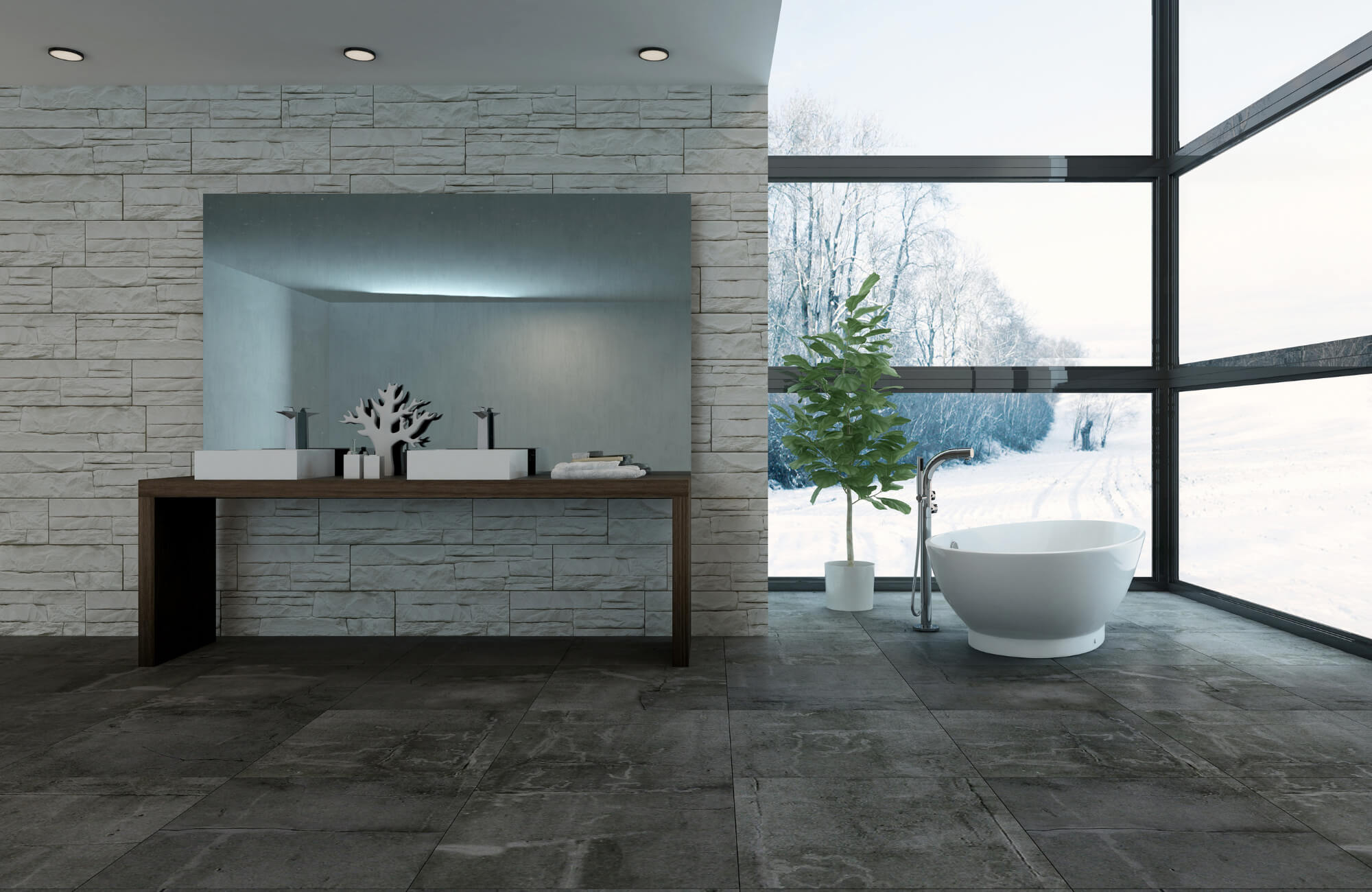
A bathroom vanity backsplash is one of those features that often sparks debate. To some, it is an indispensable shield against water damage and daily wear. To others, it is a purely decorative flourish that adds personality but isn’t strictly necessary. The truth lies somewhere in between, and the decision depends on how your bathroom functions, how much maintenance you want to take on, and the atmosphere you want to create.

Water Exposure and Wall Protection
Water is the most persistent force in a bathroom, and even small splashes can create lasting problems if they reach vulnerable walls. By examining how and where water moves around your vanity, you can decide if a backsplash is a safeguard or simply an added detail.
Frequency of Sink Use and Proximity to the Wall
How often you use your sink directly influences whether a backsplash becomes essential. In a busy family or shared bathroom, constant handwashing, face rinsing, or tooth brushing means the wall behind the vanity is under frequent assault from water. Those tiny splashes also accumulate quickly, leaving streaks, softening paint, or encouraging dampness that becomes difficult to manage over time. By contrast, a rarely used guest bath with only occasional visitors may never generate enough exposure to warrant protective coverage, making a backsplash feel unnecessary.
At the same time, the layout of your vanity plays an equally important role. If your faucet is set close to the wall or your countertop is shallow, splashes almost always land directly where the wall and counter meet. Wall-mounted faucets magnify this effect since they send water toward a vertical surface with little buffer. On the other hand, if your sink is positioned farther forward on a deep counter, there is often enough distance to absorb splash impact, and the wall may remain largely untouched. A double vanity such as our Maxine 72" Double Vanity in Black Wash Oak Veneer with Carrara Marble Top illustrates this balance beautifully. As seen in the image above, its generous depth and white marble surface help contain splashes, while the black finish adds timeless style. Together, usage frequency and vanity design create the foundation for deciding whether wall protection is optional or essential.
Wall Material Sensitivity and Water Intrusion
Not all walls react to water in the same way. A painted drywall surface can quickly show bubbling, staining, or peeling when exposed to even minimal moisture. In comparison, finishes such as tile, sealed stone, or waterproof wall panels provide natural resistance, shrugging off splashes without long-term harm. If your vanity sits against a more delicate wall finish, a backsplash acts as a protective shield that preserves both appearance and structure. Choosing a statement piece like our Demi 60" Single Vanity in Mid-Century Walnut with 3 cm White Zeus Quartz Top shows how style and practicality can work together. The warm brown tone adds richness and character, while a backsplash ensures that both the vanity and adjacent walls remain protected over time.
But it isn’t just visible splashes that matter. Water often moves in subtle ways, seeping into cracks, seams, or porous materials through what’s known as capillary action. Even when no puddle forms, moisture can slowly migrate upward or inward, weakening the surface from within. Once trapped, that hidden dampness compromises adhesives, softens drywall, and eventually fosters conditions for mold. A backsplash, properly sealed and installed, interrupts this process by creating a non-porous barrier that keeps water out of vulnerable areas.
Long-Term Moisture Consequences
The most concerning risk of ignoring water exposure is the damage you don’t see right away. Over time, splashes that penetrate the wall surface can create pockets of trapped moisture. These dark, damp spaces behind a vanity are ideal breeding grounds for mildew and mold, which not only cause unpleasant odors but also jeopardize indoor air quality. Structural decay is another possibility, as wet drywall loses its strength and begins to crumble.
Installing a backsplash helps you keep this threat in check by containing water on the surface, where it can be quickly wiped away. Instead of worrying about what might be happening behind the wall, you gain a practical layer of defense. With this protection in place, you reduce the risk of expensive repairs, giving you more peace of mind as you use your bathroom daily.

The Impact on Long-Term Maintenance and Durability
A backsplash does far more than catch the occasional splash—it directly influences how much upkeep your bathroom will demand over time. By limiting moisture exposure at the most vulnerable points, it prevents mold from taking root in seams and joints where dampness often lingers. Without this protection, even the best caulking eventually breaks down, allowing water to seep into cabinetry edges and wall surfaces. Once moisture infiltrates these areas, swelling, warping, and hidden damage follow, making repairs both costly and inconvenient. A backsplash creates a sturdy barrier, keeping these risky zones sealed and intact.
Beyond protection, a backsplash also simplifies cleaning and preserves the look of your bathroom. Everyday splashes of soap, toothpaste, and water can leave behind residue that painted or textured walls quickly absorb, leading to stains and repeated touch-ups. In contrast, non-porous backsplash materials like tile, quartz, or glass resist staining and wipe clean with minimal effort. This not only reduces the time you spend maintaining your bathroom but also prevents the gradual erosion that water and cleaning products inflict on unprotected finishes. Pairing this kind of protection with a well-crafted piece, such as our Abigail 36" Single Vanity in Light Natural Oak with 3 cm White Zeus Quartz Top, shown in the photo above, ensures both the vanity and surrounding surfaces maintain their natural beauty and strength over time.
Over the long term, this protective and practical role translates into lasting durability. Surfaces remain smooth and polished, cabinetry avoids structural decline, and wall finishes hold their integrity for years instead of wearing down prematurely. In essence, a backsplash functions as an investment in longevity: it keeps your bathroom looking fresh, minimizes the need for costly repairs, and allows you to enjoy the space without the constant worry of hidden moisture damage.

Bathroom Size and Layout
The size and arrangement of your bathroom strongly influence whether a backsplash is a necessity or simply a stylistic choice. Smaller spaces amplify splash risks, while larger layouts shift the backsplash into more of a design element.
Compact Bathrooms and Splash Management
In a compact bathroom, every inch counts, and the sink is often positioned close to walls or other fixtures. This tight arrangement makes it almost inevitable that water will hit nearby surfaces. The closer proximity also leaves less margin for error, meaning even small splashes can cause visible streaks or hidden damage. For this reason, a backsplash becomes less of an option and more of a protective measure, ensuring that you don’t need to constantly repaint or repair walls in an already crowded space. Single sink vanities are a smart choice in these layouts, maximizing functionality without overwhelming the room, and when paired with a backsplash, they create a practical yet polished focal point that feels intentional and well-proportioned. Our Gemma 55" Single Vanity in Satin Black Veneer with Carrara Marble Top, displayed in the picture above, reflects this balance beautifully. Its slim profile saves space, while the marble top and black finish provide a refined look that works seamlessly with backsplash protection.
When the vanity is tucked into a corner or aligned against two walls, the splash zone extends beyond the back surface. Both side walls are exposed to daily use, which multiplies the risk of damage. In these scenarios, a wraparound backsplash provides complete coverage, shielding the wall on multiple sides and preventing uneven wear. Without it, one side of the vanity may remain protected while the other gradually deteriorates, disrupting both function and appearance.
Spacious Master Suites and Design Flexibility
In a larger bathroom, the story changes. With generous counter depth and distance between the sink and wall, splashes rarely travel far enough to cause real harm. Added ventilation and natural airflow in spacious master suites also help walls dry quickly, reducing concerns about mold or staining. In this area, a backsplash becomes more of an optional element, allowing you to decide whether to prioritize practicality or aesthetics. Double sink vanities are especially common in this space, adding both convenience and symmetry, and they create a natural focal point that can be enhanced or softened with a backsplash, depending on your design vision. A piece like our Colton 72" Double Vanity in Sable with 3 cm White Zeus Quartz Top embodies this sense of scale and refinement, pairing its expansive size with a deep brown finish and crisp quartz surface to elevate the entire room.
The additional space also opens opportunities for creative design choices. A backsplash can be used to dramatic effect, extending up the wall to create a striking feature, or it can serve as a subtle accent that frames the vanity. On the other hand, if your preference leans toward a clean, minimalist look, you might choose to forgo a backsplash entirely, letting the wall finish take center stage. In these expansive layouts, the backsplash becomes a flexible design tool rather than a functional necessity.

Bathroom Design and Visual Balance
A backsplash is more than a line of defense against water. It can define the personality of your bathroom, setting the visual tone and anchoring the vanity within the overall design.
Continuity, Contrast, and Cohesion
One of the most effective ways to use a backsplash is by extending the same material from your countertop up the wall. This seamless continuation creates a sleek, modern look that feels intentional and refined. It also eliminates visual breaks and highlights the clean geometry of the vanity, giving your bathroom a polished, custom-built feel.
On the other hand, choosing a backsplash in a contrasting material or color turns it into a design statement. A patterned tile, bold stone, or textured finish can immediately draw the eye, transforming the vanity wall into a focal point. This approach works especially well when the rest of the bathroom leans neutral, as the backsplash provides an injection of character without overwhelming the space. At the same time, it serves a functional role by acting as a buffer between wall treatments and water exposure, tying design and durability together.
Elevating Design Narrative and Scale
Every bathroom tells a story, and the backsplash can be the detail that reinforces that narrative. If your vision is minimalist, a simple slab or thin strip maintains a restrained aesthetic. If you lean toward luxury, full-height marble or intricate mosaic tiling can broadcast sophistication. Bohemian-inspired spaces also embrace colorful, hand-painted tiles, while classic bathrooms benefit from timeless subway tile or neutral stone. By aligning your backsplash with the design style you want to express, you create harmony between practicality and artistry.
Scale also matters. A tall backsplash that extends several feet upward can elongate the walls, making ceilings appear higher and the room more open. A shorter backsplash emphasizes the horizontal line of the vanity, grounding the design and keeping attention focused on the countertop. The proportions you choose should complement your bathroom’s architecture so the space feels balanced rather than overwhelmed or underdressed. This balance is well illustrated by our Royce 72" Double Vanity in Chestnut with 3 cm White Zeus Quartz Top, featured in the image above, where the expansive floating double sink design and warm brown finish create a strong horizontal anchor that pairs seamlessly with backsplashes of varying heights to achieve both cohesion and impact.

Personal Lifestyle and Aesthetic Preference
Your lifestyle and design preferences ultimately determine whether a backsplash feels essential or optional. If your bathroom is a hub of daily activity, shared by family members or used frequently throughout the day, durability and ease of cleaning quickly rise to the top of your priorities. In these situations, a backsplash becomes less of a design choice and more of a necessity. It also keeps walls from being overwhelmed by splashes, spills, and messes, while ensuring that the vanity area remains functional and hygienic despite heavy use.
On the other hand, if your bathroom functions as a retreat or a space meant to evoke calm, your perspective may shift. Minimalist or spa-inspired designs often value uninterrupted surfaces and visual simplicity, which means you might forgo a backsplash in favor of high-quality waterproof paint, seamless plaster, or cladding that withstands the occasional splash. In such cases, atmosphere takes precedence over protection, allowing you to achieve the serene look you prefer without compromising functionality. Our Holly 48" Single Vanity in Sunwashed Oak with 3 cm White Zeus Quartz Top, displayed above, embodies this philosophy, as its light brown finish introduces warmth and texture, while the clean quartz surface reinforces the calm, spa-like mood of the space.
Personal expression also plays a central role in the decision. A backsplash can act as a bold design signature, adding pattern, texture, or color to define your space, or it can serve as a subtle shield, chosen to blend quietly into the background. This flexibility allows you to reflect your lifestyle, whether it’s family-centered, fashion-forward, or grounded in minimalism. Looking ahead, even if you do not feel a backsplash is vital now, including one can be a smart move for future marketability. Buyers often view it as a mark of quality, and timeless materials such as stone or neutral tile tend to appeal to a wide range of tastes. In this way, your decision balances personal preference with long-term value, ensuring your bathroom serves both your needs today and potential expectations tomorrow.
Aesthetic Value and Timeless Appeal
A backsplash ultimately represents the intersection of function and design. It protects walls from hidden damage, simplifies maintenance, and enhances the overall aesthetic, yet it also gives you the freedom to decide how much emphasis it deserves. Just as important as the backsplash, however, is a well-chosen vanity—one that anchors the bathroom with both style and durability while tying the entire design together. Whether you opt for a bold backsplash, a seamless extension of your countertop, or keep it understated, pairing it with the right vanity ensures your bathroom feels cohesive and thoughtfully balanced. In doing so, the space becomes more than utilitarian; it transforms into a reflection of your needs today and a timeless design you will continue to appreciate for years to come.
If you’re considering a new bathroom vanity, our team can help you explore pieces with style and durability, ensuring the design feels cohesive and long-lasting. Visit our Contact Us page to connect with us and explore how to achieve a vanity that balances timeless style with everyday function!