The art you choose for your walls does far more than fill empty space—it defines atmosphere, reflects personal taste, and elevates the overall design narrative of your home. Whether you are designing a serene minimalist retreat or a richly layered traditional interior, wall art serves as a defining element in shaping how a room feels and functions. The right piece can anchor a space, create visual balance, and introduce texture, movement, and emotion in a way that furniture and decor alone cannot achieve.
For a global audience of design-conscious homeowners, selecting wall art is not simply about preference but about thoughtful curation. It involves understanding architectural proportions, aligning with interior styles, and harmonizing with materials such as tiles, rugs, lighting, and furnishings. When done well, wall art transforms a room into a cohesive and intentional environment that feels both refined and deeply personal.

Understanding The Architectural Context Of Your Walls
Before selecting any artwork, it is important to step back and assess the architectural foundation of your space. Walls are not isolated surfaces—they are shaped by proportions, structural details, and surrounding elements that influence how art is perceived. By understanding these underlying factors, you can make more intentional choices that feel integrated rather than incidental.
Scaling Art To Match Wall Proportions
Scale is one of the most critical yet frequently overlooked aspects of selecting wall art. A small artwork on a large wall can appear insignificant, while an oversized piece in a compact room may feel overwhelming. The goal is to create a visual balance that complements the room’s proportions.
In expansive spaces with high ceilings, large-scale artworks or thoughtfully arranged gallery walls help maintain visual presence. These pieces draw the eye upward and prevent the space from feeling empty, much like Edward Martin’s Quiet Study Wall Art in the image above, which anchors the wall while remaining proportionate to the surrounding furniture. In contrast, smaller rooms benefit from more restrained compositions, where art enhances rather than dominates the environment. The relationship between furniture and art also matters. A general principle is that artwork should span a significant portion of the width of the furniture beneath it, creating a cohesive visual connection. This ensures that the wall composition feels intentional rather than incidental.
Balancing Art With Existing Millwork And Windows
Architectural features such as wainscoting, paneling, and windows introduce natural divisions within a wall. These elements should guide the placement of art rather than be treated as obstacles. Aligning artwork with these structural lines creates harmony and reinforces the overall design.
For example, placing art within panel sections or centering pieces between windows maintains symmetry and order. In more contemporary interiors, slightly asymmetrical placements can add visual interest, but they should still feel anchored within the architectural context. Lighting also contributes here. Natural light from windows can enhance certain artworks while potentially washing out others. Understanding how light interacts with your walls ensures that the chosen art remains impactful throughout the day.

Matching Art Styles To Interior Design Aesthetics
Once the architectural framework is established, the next step is to consider how your art aligns with the overall design language of your home. Each interior style carries its own visual rhythm, and artwork should enhance that narrative rather than disrupt it. Thoughtfully pairing art styles with your space ensures a cohesive and elevated result.
Abstract Canvas For Modern Minimalist Spaces
Modern minimalist interiors are defined by clean lines, restrained palettes, and an emphasis on simplicity. In such spaces, abstract canvas art offers a compelling way to introduce visual interest without disrupting the calm atmosphere.
Abstract pieces often rely on subtle tonal variations, geometric compositions, or expressive brushwork. These qualities complement minimalist environments by adding depth while maintaining a sense of openness. Large-scale abstract canvases are particularly effective, as they can serve as focal points without cluttering the space. The absence of literal representation allows abstract art to adapt seamlessly to different settings, making it a versatile choice for contemporary homes that prioritize understated elegance.
Vintage Landscapes For Traditional And Transitional Homes
Traditional and transitional interiors often draw inspiration from history, craftsmanship, and timeless design principles. In these settings, vintage landscapes and classical artwork provide a natural complement.
These pieces evoke a sense of heritage and narrative, adding warmth and character to the space. Soft color palettes, detailed compositions, and ornate framing enhance the richness of traditional interiors, while in transitional spaces, they create a bridge between classic and contemporary elements. When paired with materials such as marble-look tiles, rich wood finishes, and layered textiles, vintage art contributes to a refined and inviting atmosphere that feels both established and current.
Textural Woven Art For Organic Modern Rooms
Organic modern interiors emphasize natural materials, tactile surfaces, and a connection to nature. In these spaces, textural woven art introduces a unique dimension that goes beyond visual appeal.
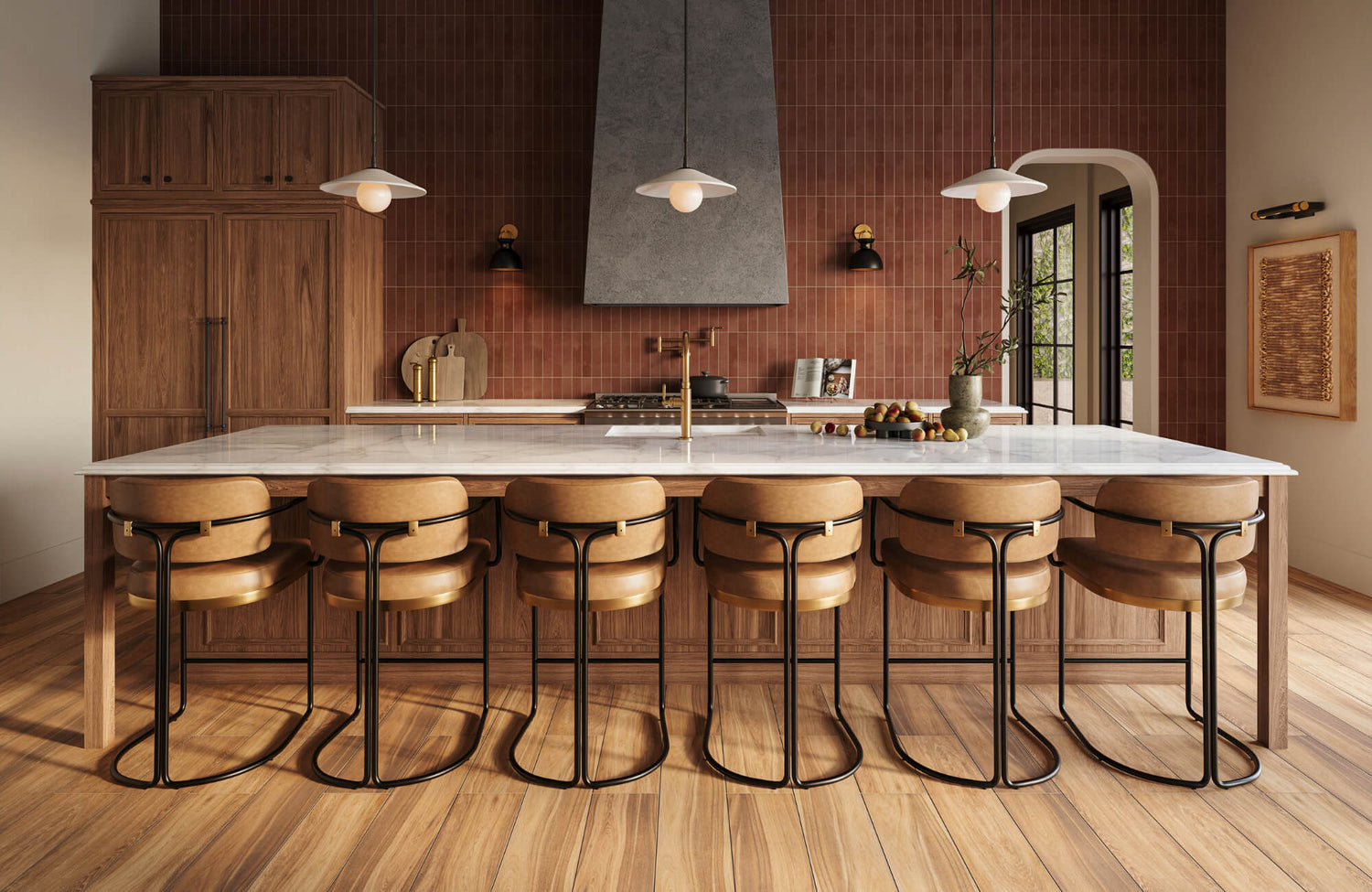
Woven pieces, often crafted from fibers like wool, jute, or cotton, add warmth and depth through their physical texture. This is evident in Edward Martin’s Golden Drift Wall Art, seen in the image above, where layered fibers bring a soft, handcrafted quality to the space. They soften hard surfaces such as stone tiles or sleek cabinetry, creating a balanced and harmonious environment. This type of art works particularly well in rooms that feature neutral palettes and layered materials, where subtle variations in texture become the defining feature of the design. The result is a space that feels grounded, calm, and effortlessly sophisticated.

Selecting The Right Framing For Your Chosen Art
With the right art style in place, attention naturally shifts to how each piece is presented. Framing is essential in defining the final look, influencing both the artwork itself and its relationship to the surrounding space. A well-chosen frame can subtly enhance or boldly transform the overall composition.
Utilizing Floater Frames For Canvas Pieces
Floater frames are a popular choice for canvas artworks, particularly in contemporary interiors. These frames create a subtle gap between the canvas and the frame, giving the impression that the artwork is floating.
This approach highlights the edges of the canvas and maintains a clean, modern aesthetic. It is especially effective for abstract or minimalist pieces, where simplicity and precision are key. Floater frames also allow the artwork to stand out without overwhelming it, making them ideal for spaces that prioritize understated design.
Using Thick Wood Frames To Add Architectural Weight
In rooms that require a stronger visual presence, thick wood frames provide a sense of structure and depth. These frames add architectural weight, making the artwork feel more substantial and grounded.
Rich wood tones can echo other elements in the space, such as flooring, furniture, or cabinetry, creating a cohesive look. Edward Martin’s Shadow Orchard Wall Art, as shown in the image above, demonstrates how a substantial wood frame can enhance both the artwork and its surroundings. In traditional or transitional interiors, these frames further emphasize the timeless quality of the piece, while in modern spaces, they introduce a layer of warmth. The key is to ensure that the frame complements both the artwork and the room, creating a seamless integration rather than a competing element.
Knowing When To Go Frameless For A Contemporary Look
In certain contexts, a frameless presentation offers the most impactful result. This approach is particularly suited to ultra-modern interiors, where clean lines and minimal detailing are essential.
Frameless art allows the piece to speak for itself, creating a direct connection between the viewer and the artwork. It works well with materials such as glass, metal, or acrylic, where the absence of a frame enhances the contemporary aesthetic. However, this approach requires careful consideration of placement and quality, as the lack of a frame leaves no room for imperfections.

Harmonizing Art With Your Existing Color Palette
Beyond form and presentation, color is what ultimately ties a room together. The tones within your artwork should interact seamlessly with your existing palette, reinforcing a sense of cohesion across all elements. When thoughtfully considered, color becomes the bridge between art, furnishings, and architectural finishes.
Drawing From Your Primary Furniture And Textiles
One of the most effective ways to select art is by drawing inspiration from existing elements such as rugs, upholstery, and decorative accents. These pieces often establish the dominant color palette of the room.
By choosing artwork that echoes these tones, you create a sense of continuity that ties the space together. This relationship is well illustrated by Edward Martin’s Borrowed Dawn Wall Art paired with the Davies Rug in Graphite / Fog in the image above, where the soft, earthy tones of both elements work in harmony. This does not mean matching colors exactly but rather complementing them in a way that feels balanced and refined. This approach works particularly well in layered interiors, where multiple materials and textures coexist harmoniously.
Deploying High Contrast Art On Neutral Walls
Neutral walls provide a versatile backdrop that allows artwork to take center stage. In such settings, high contrast art can create a striking visual impact.
Bold compositions, dramatic color contrasts, or graphic elements stand out against neutral surfaces, adding energy and interest to the space. This approach is especially effective in modern interiors, where simplicity in architecture is balanced by expressive art. The contrast not only draws attention but also defines the character of the room, making it feel dynamic and engaging.
Utilizing Monochromatic Textures For Quiet Luxury
For those who prefer a more subdued and sophisticated aesthetic, monochromatic art offers a refined alternative. These pieces rely on variations in tone and texture rather than color contrast to create depth.
In interiors that emphasize quiet luxury, such as those featuring soft stone tiles, plush textiles, and subtle lighting, monochromatic art enhances the sense of calm and elegance. The result is a space that feels cohesive, serene, and meticulously curated. This approach highlights the beauty of restraint, where every element contributes to a harmonious whole.

Curating A Collection That Tells Your Personal Story
After addressing structure, style, framing, and color, the final layer is personal expression. A well-curated art collection should go beyond aesthetics, reflecting your experiences, tastes, and perspective. This is where a space truly becomes your own, shaped by pieces that carry meaning as well as visual impact.
Mixing Mediums To Avoid A Mass Produced Aesthetic
A collection that incorporates different mediums, such as paintings, photography, textiles, and sculptural elements, creates visual interest and depth. This diversity prevents the space from feeling overly uniform or mass-produced.
By combining various forms of art, you introduce layers that invite exploration and engagement. A thoughtful pairing like Edward Martin’s Lowland Path Wall Art and Shaded Distance Wall Art, as seen in the image above, demonstrates how variation in texture and composition can create a curated, gallery-like effect. Each piece adds a distinct perspective, contributing to a richer and more dynamic environment. This approach is particularly effective in contemporary homes, where individuality and creativity are highly valued.
Investing In Statement Pieces That Anchor The Room
While smaller artworks contribute meaningfully, investing in a statement piece can define the entire room. A well-chosen focal artwork anchors the space, providing a visual center around which other elements can be arranged.
Statement pieces often feature bold compositions, unique materials, or significant scale. They draw attention and set the tone for the rest of the interior, making them a worthwhile investment for those seeking a high-impact design. When paired with complementary decor, these pieces create a sense of balance and cohesion that elevates the overall aesthetic.
Designing A Masterful And Curated Wall Display
Selecting art for your walls is both an art and a science. It calls for a thoughtful balance of proportion, style, color, and personal expression—each element working in harmony to create a space that feels intentional and complete. When approached with care, wall art does more than enhance a room; it brings depth, character, and a quiet sense of refinement that resonates throughout the home.
By understanding your architectural context, aligning art with your interior aesthetic, and choosing pieces that reflect your individuality, your walls become a canvas for storytelling. The result is not just a beautifully designed space, but one that feels layered, lived-in, and distinctly yours. If you’re looking to achieve this level of cohesion with confidence, Edward Martin’s design services provide a considered, expert approach to curating interiors with clarity and purpose. And when you’re ready to take the next step, you can contact Edward Martin to begin shaping a home that feels as elevated as it is personal.