

)
)
)
)
)
)
)
)
What Is The Rule Of Thumb For Hanging Bathroom Mirrors?
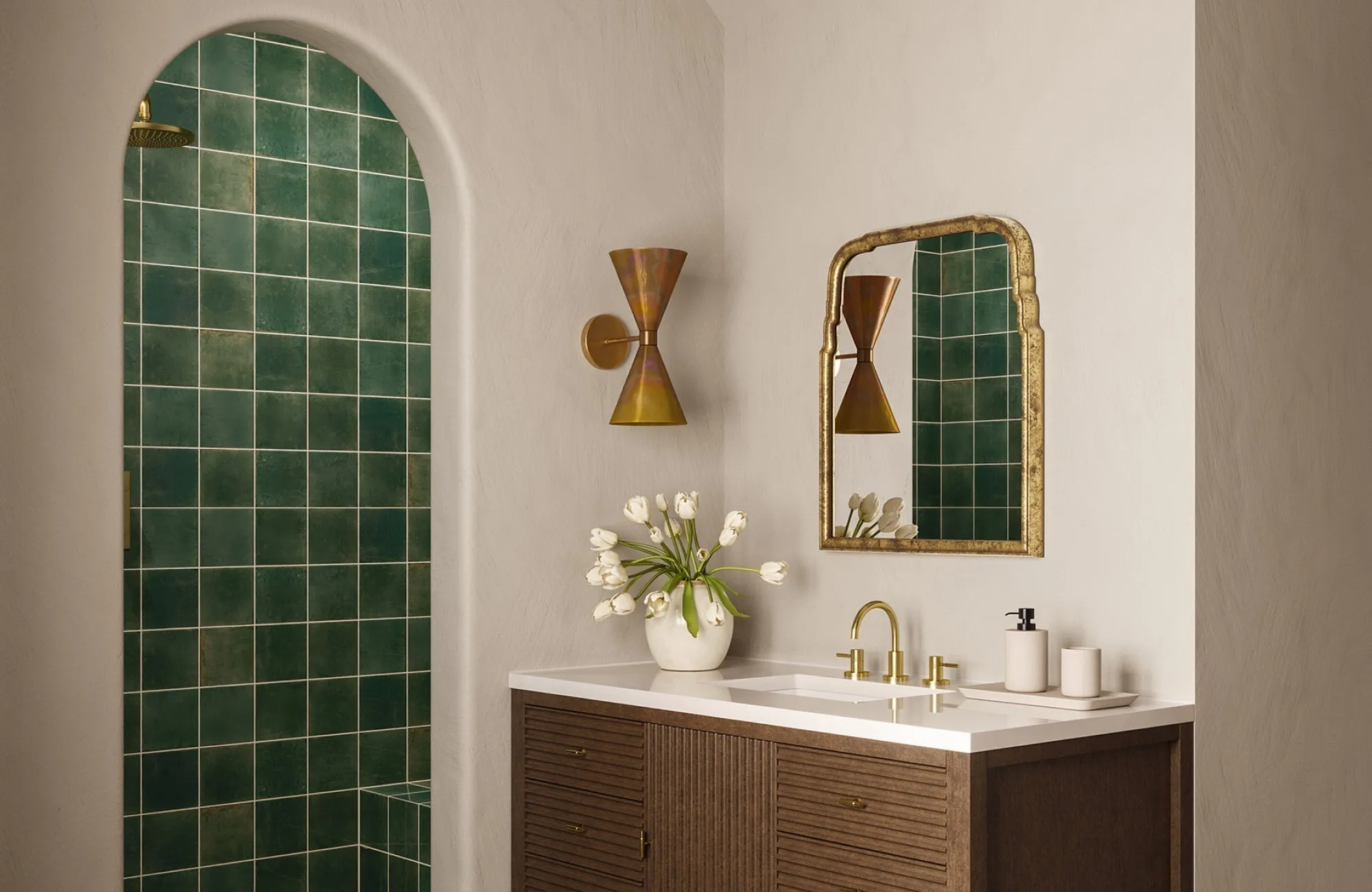
A bathroom mirror may seem like a simple detail, but the way it’s positioned has a big influence on how the room looks and how comfortable it feels to use. When you understand the rule of thumb for hanging mirrors, it not only makes grooming easier but also creates a sense of balance that improves the entire space. Knowing where to start, how to adapt for different layouts, and what details truly matter will help you approach your bathroom with confidence as you move through this article.
Basics of Standard Mirror Placement
Before we can get creative with shapes, sizes, or layouts, it’s important to understand the basic guidelines most designers follow. Knowing these fundamentals gives you a reliable starting point before tailoring the placement to your specific bathroom.
Average Height Rule
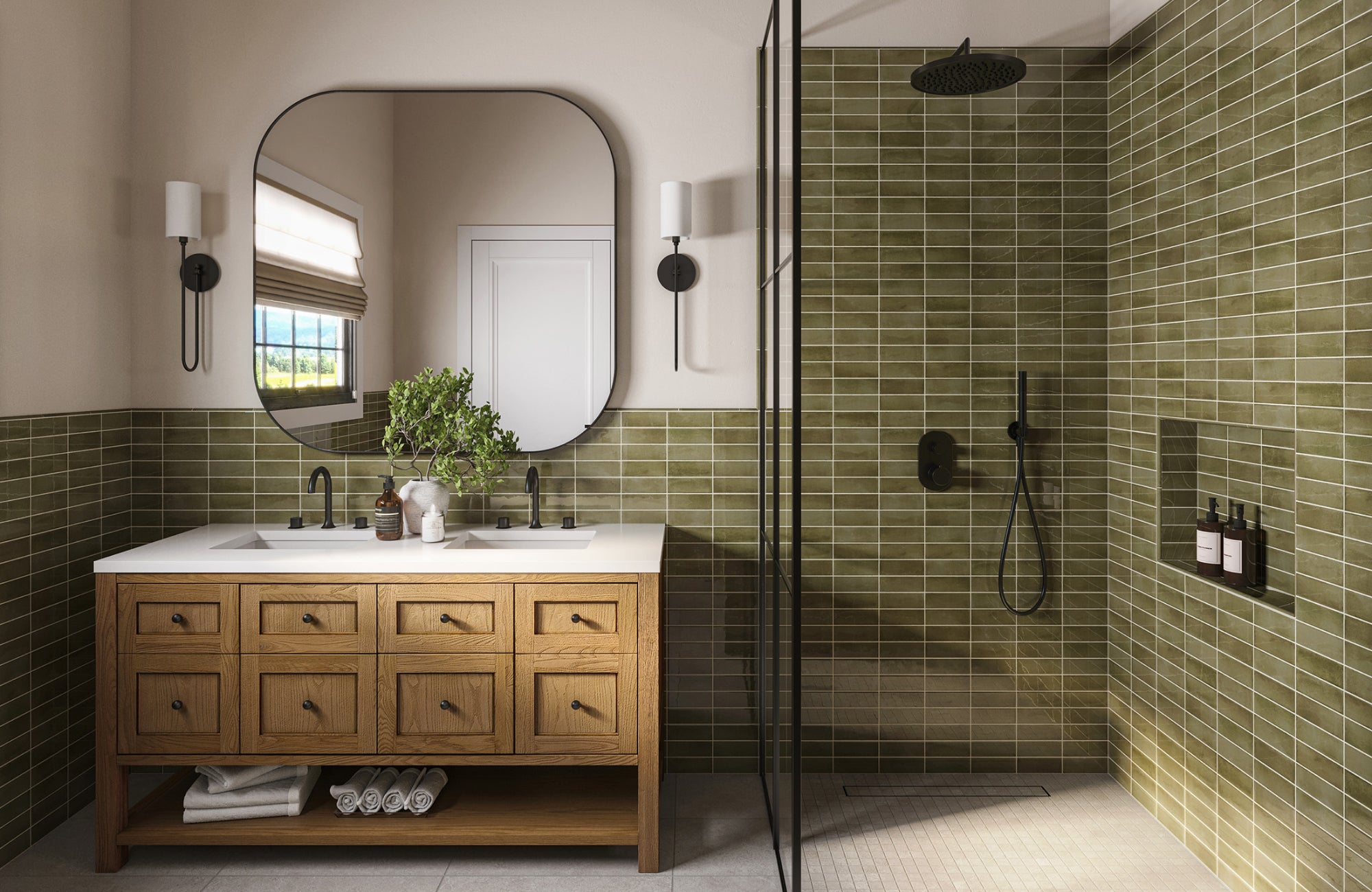
Design guidelines commonly recommend placing the center of a bathroom mirror between 57 and 65 inches from the floor. This standard aligns with the average eye level, which makes daily use more comfortable while also keeping the mirror proportionate to the wall. Additionally, when a bathroom is shared by people of different heights, selecting a midpoint within this range ensures the mirror works well for everyone without leaning too much toward one end.
In the photo shown above, Edward Martin’s Tristan Square Mirror in Rustic Black demonstrates this principle perfectly; its placement strikes a balance between practicality and proportion while enhancing the overall harmony of the vanity area.
Aligning With Eye Level
While the standard height range gives you a clear starting point, what matters most is how comfortably you can see yourself in the mirror. The midpoint should sit where your reflection feels natural to use, whether you’re brushing your teeth or applying makeup. If children use the bathroom, you might also consider a slightly lower placement or even adding a secondary mirror to make the space functional for everyone.
Considering Sink and Vanity Height
The vanity often determines where the mirror should start. Keeping the bottom edge just a few inches above the faucet creates a neat connection without leaving a distracting gap. This placement prevents water from splashing onto the mirror while keeping it close enough to feel visually tied to the sink.
How Bathroom Size and Layout Influence Mirror Placement
Not all bathrooms follow the same layout, and this often changes the best height for a mirror. Understanding how the size and arrangement of your space affect placement helps you adapt the standard rule to fit your needs.
Small Bathroom Adjustments
In smaller bathrooms, where space is limited, the placement has a big impact on the overall character of the room. For instance, choosing a mirror that spans more of the wall can widen the visual field, making the room feel less confined. In addition, positioning it a little higher helps guide the eye upward, which gives the ceiling more presence and balances the compact proportions. These adjustments create a stronger sense of openness while still keeping the mirror practical for everyday routines.
Large Bathroom Adaptations
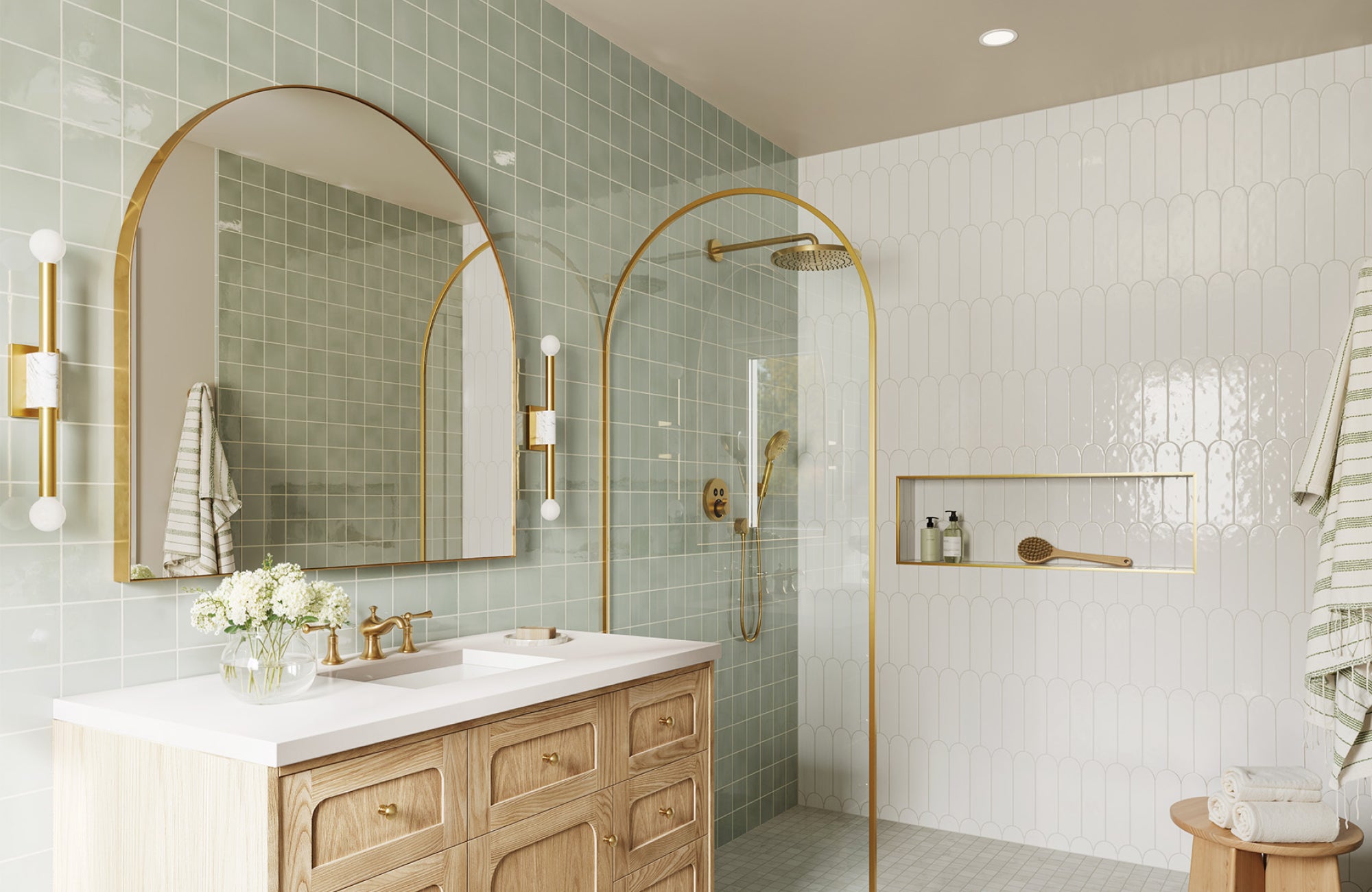
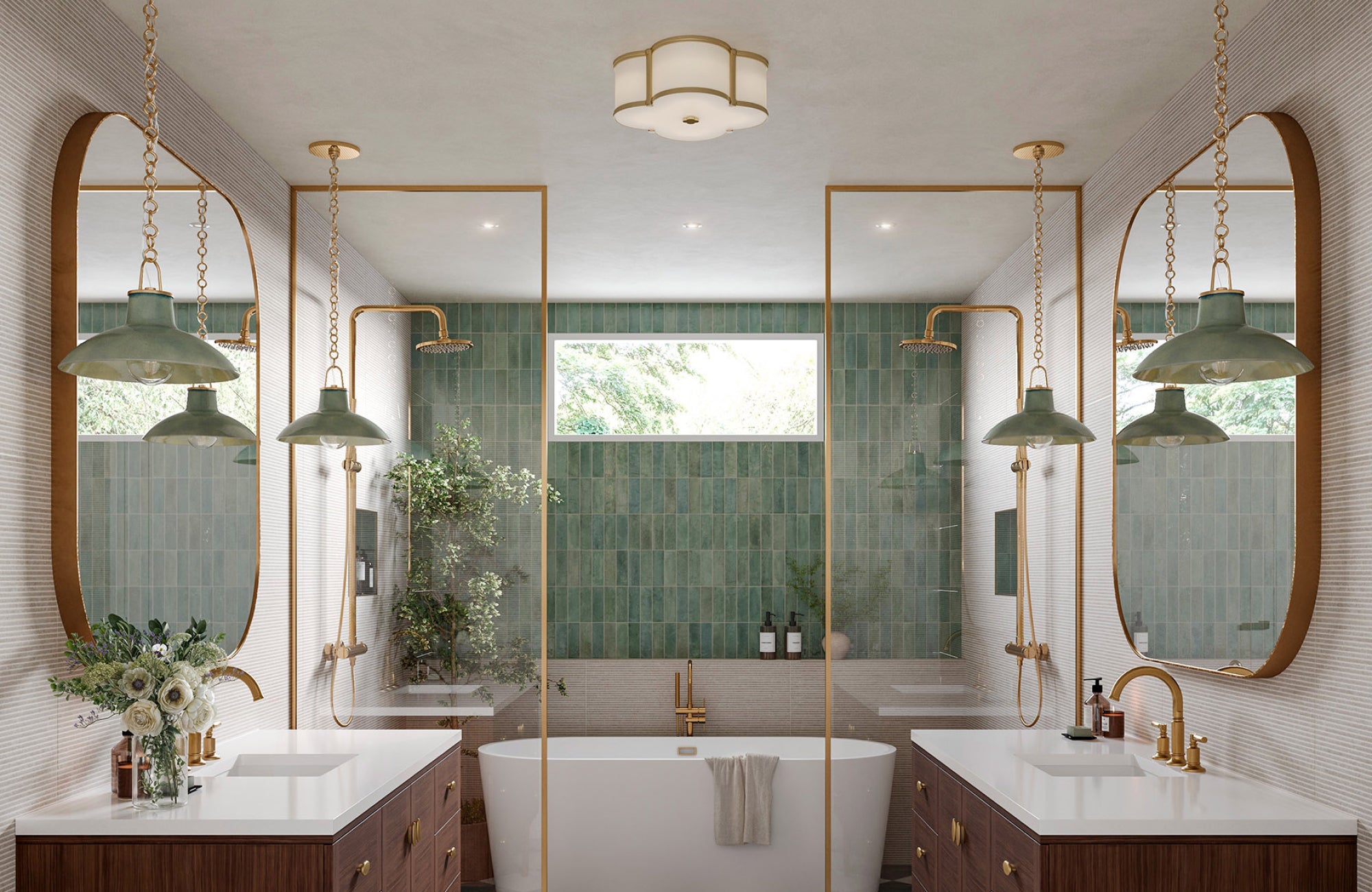
In larger bathrooms, the challenge is often the opposite of smaller spaces. Instead of feeling tight, these rooms can look sparse if the mirror is undersized. To avoid this, wider or taller mirrors are often used to anchor the vanity and keep the wall from appearing bare. When dual sinks are present, two mirrors placed at the same height can create symmetry and help the layout feel consistent with the overall scale of the room. Although the midpoint should still align close to eye level, the width and spacing of the mirrors become just as important in preserving balance and proportion.
In the photo displayed above, Edward Martin’s Esmeralda Wide Mirror in Polished Brass illustrates this approach beautifully. Its generous scale and polished frame give the vanity the weight it needs to feel proportionate within the larger room.
Odd Layout Challenges
Bathrooms with unconventional layouts often call for flexibility rather than rigid measurements. For example, a sloped ceiling might require placing the mirror slightly lower so it remains practical without conflicting with the angle above. Similarly, a window over the sink can restrict height, making a shorter or tilting mirror a better fit. In the case of an off-center vanity, aligning the mirror with the basin rather than the center of the wall creates a more intentional and balanced look. In situations like these, usability and visual flow become the guiding principles, outweighing strict adherence to standard measurements.
The Role of Lighting in Mirror Placement
Light has just as much influence on mirror placement as height and layout. Understanding how lighting affects mirror placement allows you to position it in a way that enhances brightness, minimizes shadows, and improves everyday comfort.
Natural Light Considerations
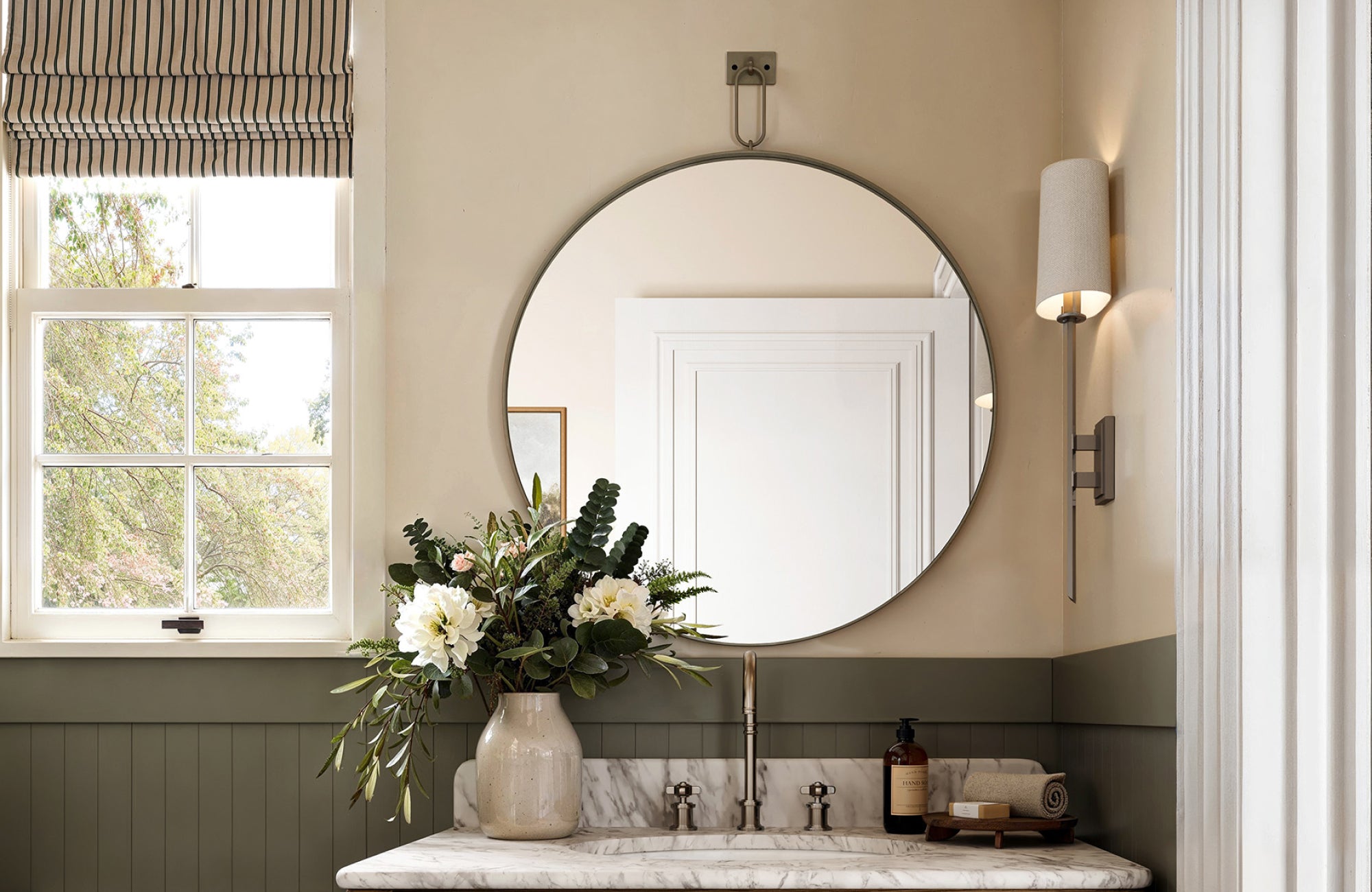
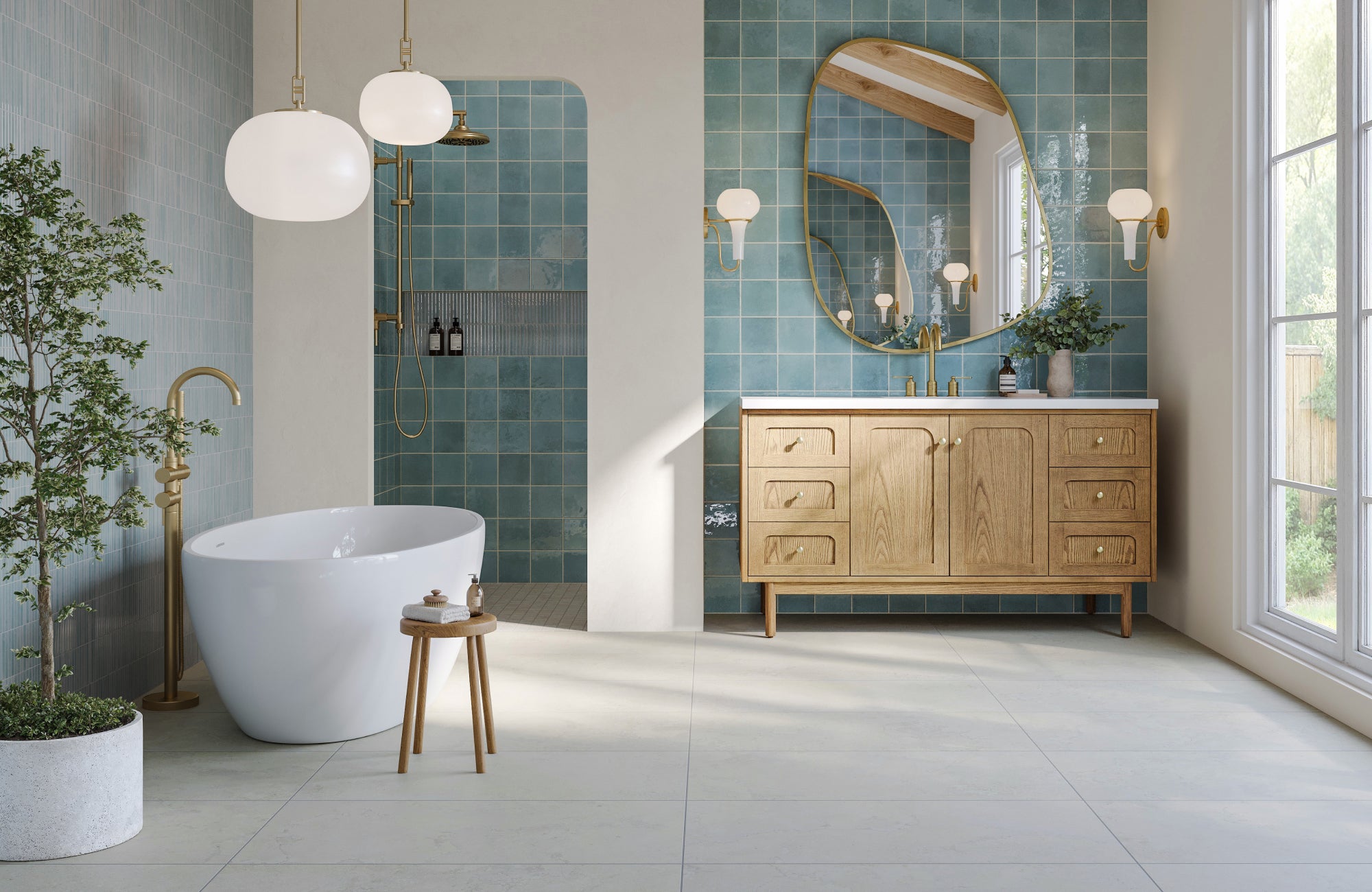
If your bathroom has windows, you can use the mirror to maximize natural light. Positioning it where sunlight reflects across the room can make the space feel warmer and more open. The key is to avoid placing the mirror where the direct glare of daylight makes it uncomfortable to use. Placing the mirror opposite a window can also help distribute daylight more evenly, reducing the need for artificial lighting during the day.
A great example is Edward Martin’s Fitz Mirror in Antique Silver, as shown in the photo above, which illustrates how a well-placed mirror can work with daylight to brighten the room while maintaining balance and comfort.
Overhead and Sconce Lighting
The relationship between mirrors and light fixtures plays a major role in how functional and comfortable the space feels. When a mirror is hung too high beneath a ceiling light, it can create unwanted shadows, while sconces placed too close may cause uneven highlights. To prevent this, the mirror’s height should be coordinated with the surrounding fixtures so that the face is evenly illuminated, making daily routines more comfortable. In many cases, setting the bottom of wall sconces around eye level also provides balanced lighting, allowing the mirror to reflect natural, even illumination across the face.
Preventing Glare and Reflections
Glare often occurs when a mirror reflects a strong light source directly back toward you, making the surface uncomfortable to use. To address this, slight adjustments in height or angle can reduce harsh reflections and create a softer, more functional view. In bathrooms with glossy tiles or metallic finishes, this consideration becomes even more important, since mirrors can amplify those reflections and overwhelm the room if not carefully positioned. Thoughtful placement also ensures the mirror enhances the light without compromising comfort.
Choosing the Right Mirror Shape and Style
The style of the mirror you choose isn’t just about aesthetics. Its shape and design directly affect where it should be placed on the wall. By understanding these differences, you can avoid awkward spacing and achieve a more balanced result.
Rectangular Mirrors
Rectangular mirrors work well with most vanities because their straight edges align neatly with counters and cabinetry. They usually follow the 57–65 inch rule without much adjustment, making them the easiest to place correctly. Their shape further supports a wide range of styles, from traditional framed pieces to clean-lined modern designs, which makes them a reliable choice when you want both function and versatility.
Round and Oval Mirrors
Circular or oval mirrors add softness but can be trickier to hang. Since their edges taper away from the center, they often look best when placed slightly higher or lower than a rectangular mirror would be. These shapes also work well in bathrooms where you want to offset sharp angles from tile or cabinetry, as they introduce contrast and movement that balance the overall lines of the room.
Framed vs Frameless Options
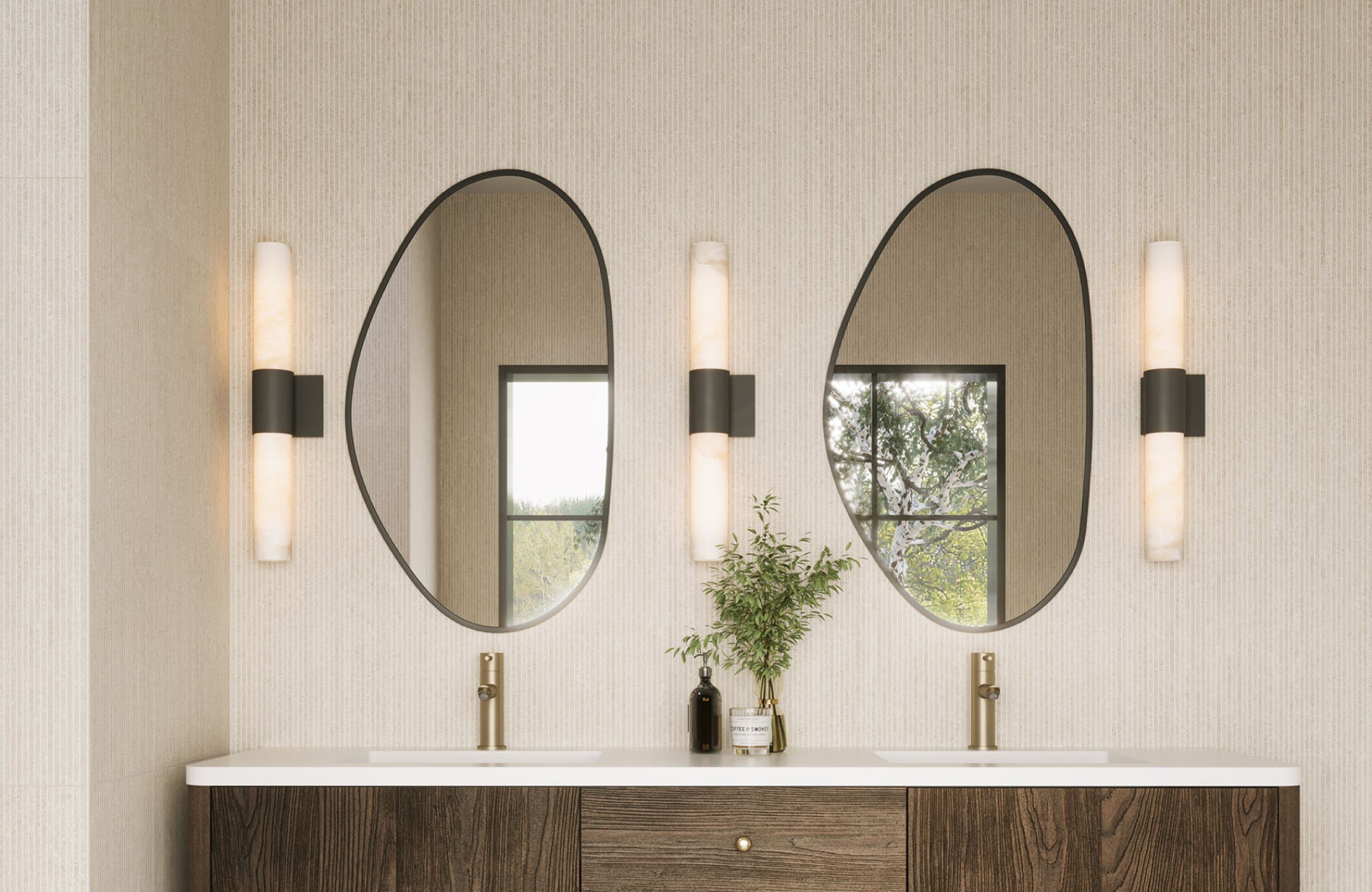
Framed mirrors bring structure and character to a bathroom, often acting as a design feature that ties together cabinetry, fixtures, and finishes. Their presence can add depth and help define the vanity area, making the mirror feel more integrated into the overall design. Frameless mirrors, on the other hand, offer a clean and minimal look that blends easily into different settings; however, they can sometimes appear less substantial in larger spaces and may lack the visual weight needed to anchor the wall.
A great example is Edward Martin’s Shirley Large Mirror in Antique Brass Iron, as featured in the photo above. The slim frame highlights the brass fixtures and adds definition to the vanity, showing how a framed mirror can enhance both cohesion and balance in the room.
Coordinating With Other Bathroom Fixtures
A bathroom mirror doesn’t exist on its own. It also needs to be in harmony with the sink, faucet, storage, and accessories around it. Getting this coordination right ensures the bathroom looks cohesive and functions smoothly.
Relation to Faucets and Sinks
Mirrors should feel visually connected to the sink below them. If they float too far above the vanity, the gap can look disconnected. Keeping the mirror close enough to feel anchored creates a natural, balanced relationship with the faucet and basin. In practice, this means the bottom edge of the mirror often lines up just a few inches above the faucet, which further reinforces the connection without risking splashes.
Spacing With Towel Bars and Shelves
Placement also matters when you have towel bars or shelves nearby. Hanging the mirror so it clears these items avoids crowding and ensures everything remains functional. A little extra attention to spacing keeps the bathroom uncluttered and easy to use. Considering reach is equally important, since a mirror that sits too close to a towel bar or shelf can make both less convenient to use.
Matching With Cabinetry and Storage
If your bathroom includes medicine cabinets or wall storage, the mirror should complement these elements rather than compete with them. Aligning edges or matching heights gives the space a sense of order and prevents it from looking mismatched. In many cases, coordinating the mirror frame with cabinetry finishes or hardware also creates continuity, tying the storage and reflection areas into one cohesive design.
Practical Tips for Measuring and Installation
Knowing the right placement is only useful if the mirror is installed securely and accurately. Careful preparation makes the process smoother and prevents unnecessary mistakes. While many installations can be done on your own, it’s always a good idea to consult a professional if you’re unsure about wall types, heavy mirrors, or the proper hardware to use.
Measuring Correctly
Start by measuring from the floor and marking a centerline where the mirror should sit. This ensures you’re not hanging it too high or too low, and it keeps the mirror aligned with the vanity. Using painter’s tape to mark the outline can help you visualize the placement before committing. Measuring from both sides of the vanity further helps prevent small misalignments that could cause the mirror to look slightly tilted after installation.
Securing With the Right Hardware
The way a mirror is mounted depends largely on its weight and design. Heavy-framed mirrors often require anchors or wall cleats for secure support, while lighter frameless options can usually be mounted with brackets. Just as important is matching the hardware to the wall itself, since drywall, plaster, and tile each demand different fastening methods. Taking the time to choose the right approach not only ensures stability but also protects the wall surface from unnecessary damage.
A great example is our Rory Mirror in Matte Black, as pictured above, which comes installation-ready with brackets and matching wall hardware, streamlining the process while ensuring both secure mounting and a polished final look
Double Checking Before Hanging
It’s always worth testing the position before drilling. Holding the mirror in place or taping paper to the wall in its dimensions can help you see how it fits. This step saves time and prevents holes in the wrong spot. Having someone hold the mirror at the intended height also lets you preview how it will look from different angles before securing it permanently.
Finding the Right Balance in Mirror Placement
Following the rule of thumb for hanging bathroom mirrors gives you a reliable foundation, but true success comes from adapting it to your space. By considering room size, lighting, style, and surrounding fixtures, you can move beyond simple guidelines to achieve a setup that feels intentional. The result is not just a functional reflection, but also a mirror placement that enhances balance, comfort, and the overall design of your bathroom.
For tailored recommendations, explore our design consultation services or contact us directly to get expert guidance on selecting and positioning the perfect mirror for your space!
Follow us on Instagram
@EDWARD.MARTIN
)
)
)
)
)
)
)
)
)
)
)
)
)
)
)
)