
)
)
)
)
)
)
)
)
Is A Solid Wood Vanity Good For A Bathroom?
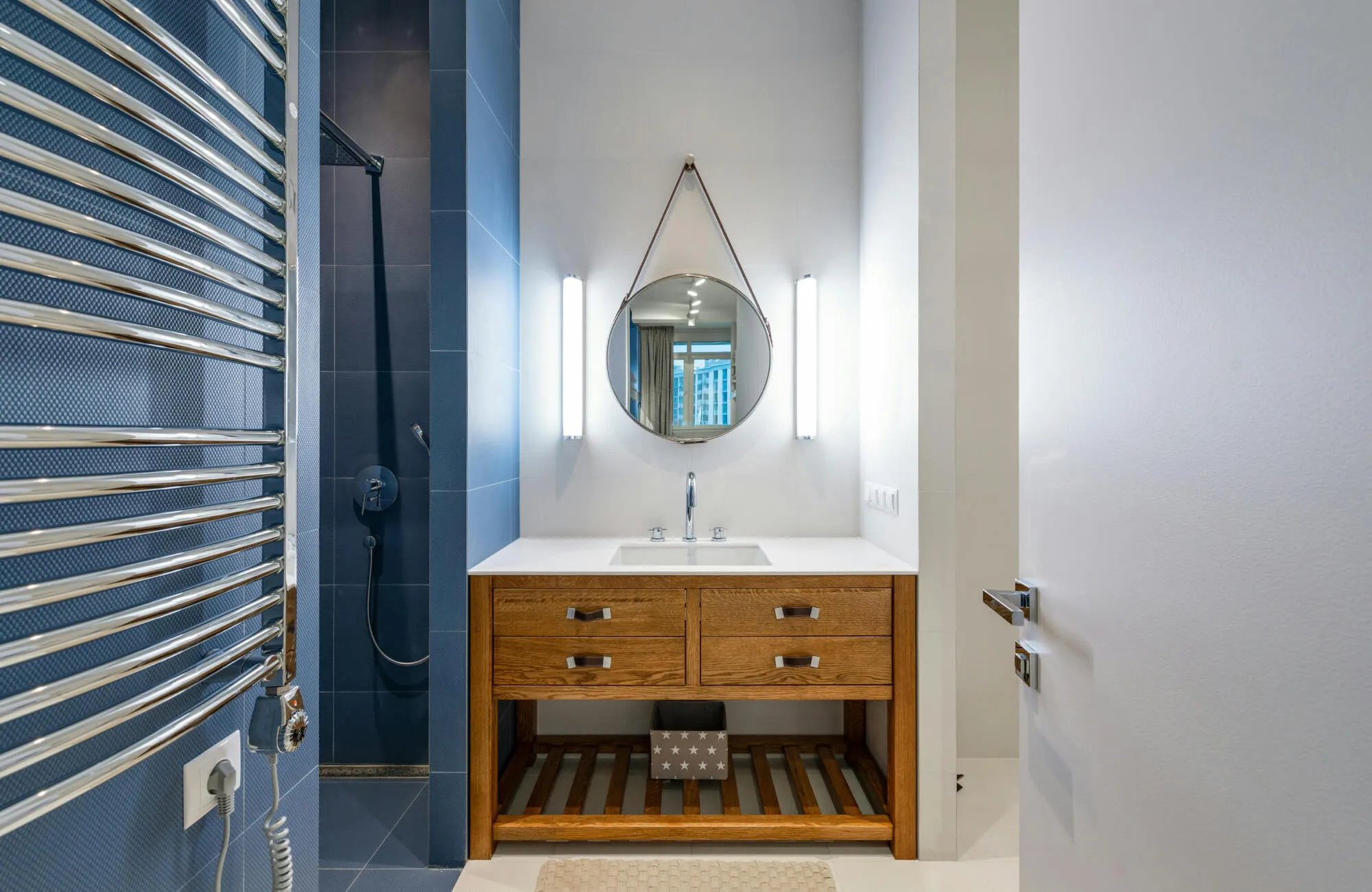
Bathrooms are among the most frequently used rooms in any home, and the vanity often sets the tone for both style and function. Choosing the right material matters, not only for appearance but also for how well it holds up to daily use. Solid wood vanities stand out for their natural beauty and craftsmanship, yet many people question whether they can truly withstand the moisture and humidity that bathrooms are known for. In this article, we’ll explore the strengths, challenges, and overall value of solid wood bathroom vanities to help you decide if they are the right choice for your space.
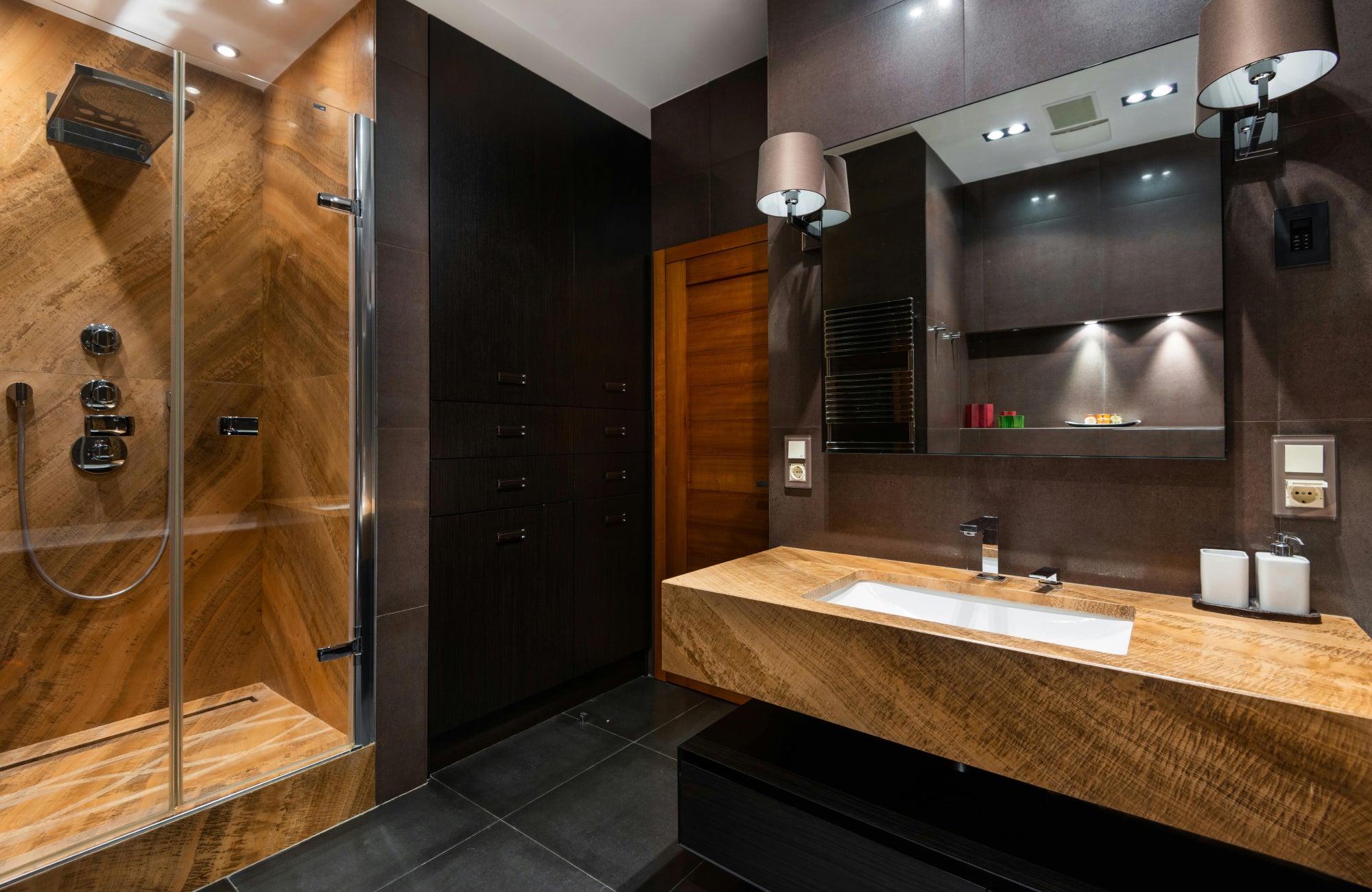
The Natural Strength of Solid Wood
Solid wood offers qualities that engineered materials simply cannot replicate. By understanding how it performs under everyday use, we can see why it remains a dependable choice for bathroom furniture and why so many homeowners continue to trust it over manufactured alternatives.
Longevity and Wear
Hardwoods such as oak, maple, and teak are valued for their resilience. These species naturally resist dents, scratches, and the wear that comes with daily use, allowing them to maintain both strength and shape over time. In a bathroom that sees constant activity, this durability also provides reassurance that the vanity will continue to perform for years. Unlike manufactured woods that may swell or weaken when exposed to moisture, solid wood retains its integrity, making it one of the most reliable choices for long-term use.
However, even solid wood has its vulnerabilities. Over the years, it may develop small cracks or splits as it responds to changes in humidity. Surfaces that are not properly sealed can also show signs of wear sooner, such as staining, fading, or subtle warping. In households where the vanity is exposed to heavy daily use, marks and scratches can accumulate, which some may appreciate as added character, while others may view it as damage. These realities do not take away from the strength of solid wood, but they remind us that its longevity depends on both its natural durability and the care it receives.
Unique Character
One of the most distinctive qualities of solid wood is the individuality it brings to a bathroom. Every piece has its grain patterns, knots, and tonal variations, creating a look that no manufactured surface can truly replicate. This uniqueness gives each vanity a sense of authenticity, transforming it from a standard fixture into a statement piece within the room.
As the years pass, solid wood also develops a gentle patina that reflects its natural aging process. Rather than diminishing its beauty, this subtle change often enhances the wood’s character, making the vanity feel even more connected to the home. For many people, this evolving appearance is part of the appeal, as it blends functionality with a timeless sense of personality.
Structural Integrity
Solid wood is also valued for the strength it brings to a bathroom vanity. Its dense composition provides a sturdy base that can easily support heavy countertops, including materials such as marble or quartz. This stability is especially important in modern bathrooms where vanities often serve as both a functional workspace and a design focal point.
Because of its durability, solid wood resists the sagging or shifting that lighter materials may experience under significant weight. This reliability not only extends the life of the vanity but also gives you confidence that the entire setup will remain secure over time. In this way, a solid wood vanity offers more than just visual appeal; it ensures structural support that contributes to the long-term performance of the bathroom as a whole as well.
How Moisture Affects Wood in Bathrooms
Although solid wood is admired for its strength, it reacts differently when placed in environments with high humidity. Bathrooms, with their frequent exposure to moisture, condensation, and limited airflow, create conditions that can influence how wood ages and performs over time. Understanding these effects is key to making the most of a solid wood vanity in such a demanding setting.
Expansion and Contraction
Wood naturally reacts to fluctuations in humidity, and bathrooms create the perfect conditions for these changes. When the air is damp, the fibers absorb moisture and expand; when the air dries out, they contract. Over time, this movement can cause doors to close less smoothly or drawers to shift slightly out of alignment. While this does not make solid wood unsuitable, it does highlight the importance of quality construction and proper installation to accommodate these natural changes.
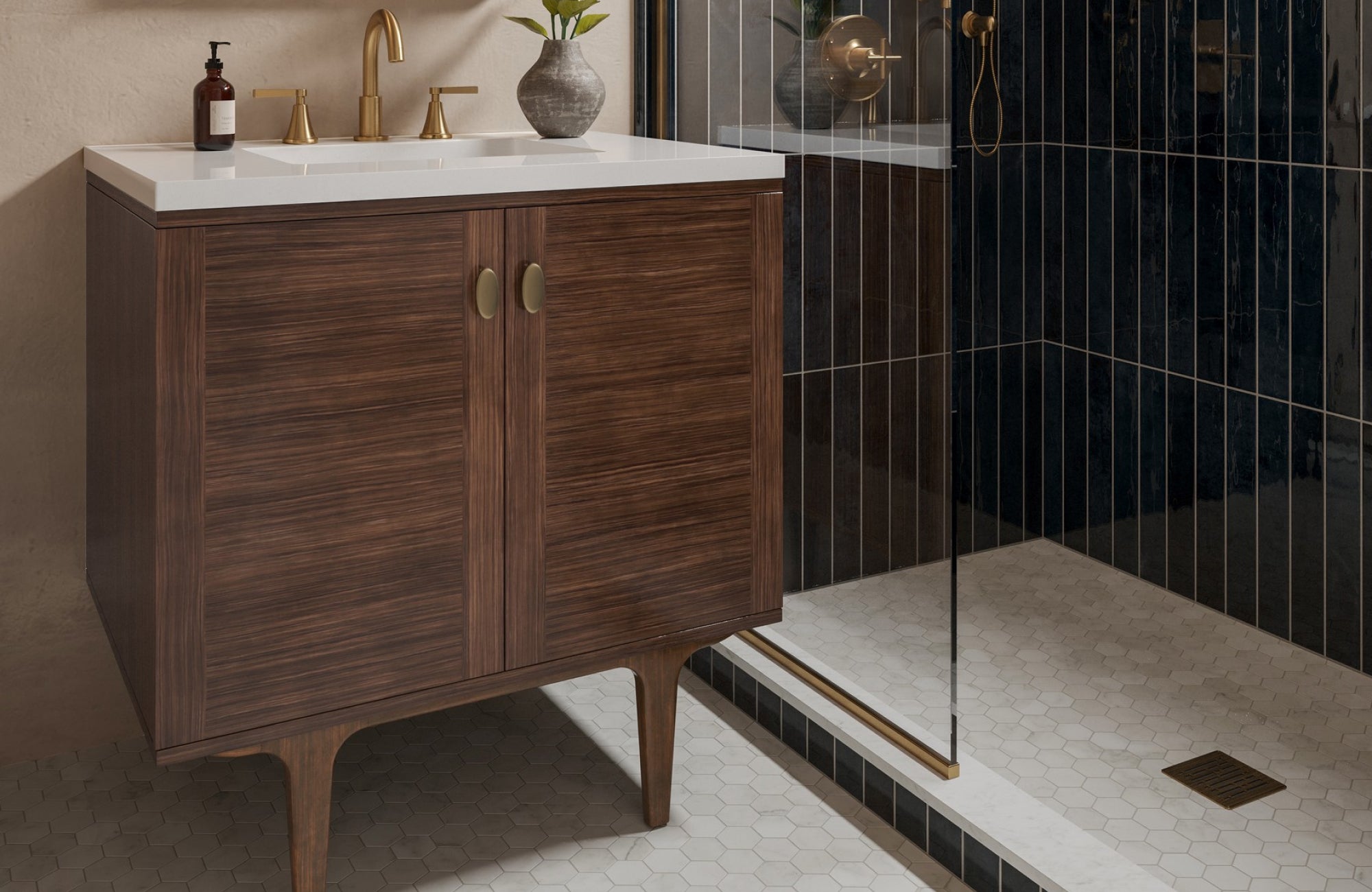
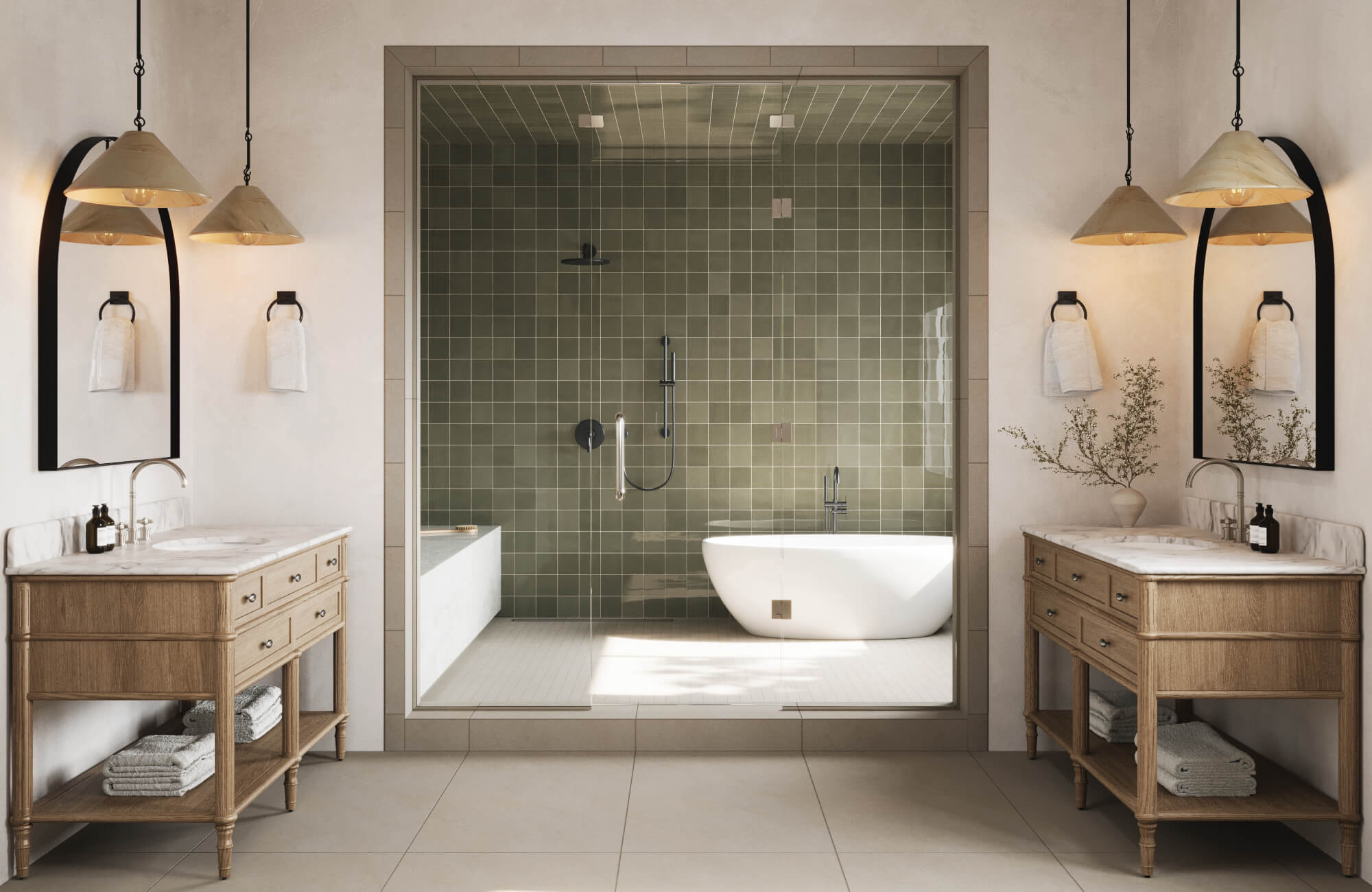
One way manufacturers address this challenge is by combining the appeal of natural wood with the stability of veneers. Edward Martin’s Demi 30" Single Vanity in Mid-Century Walnut with a 3 cm White Zeus Quartz Top, as pictured above, illustrates this approach. Its walnut veneer finish captures the richness of natural wood grain while reducing the degree of expansion and contraction that can occur in humid environments. To enhance performance further, the vanity is premiumly coated inside and out for UV and moisture resistance, helping it maintain both appearance and function over time.
For homeowners who admire the character of wood but want greater consistency in a bathroom setting, veneered vanities like Demi offer a balanced solution. They provide the warmth and authenticity of wood while minimizing the issues that can arise from constant humidity.
Risk of Warping
Poor ventilation or prolonged exposure to moisture can increase the likelihood of wood warping. When water is allowed to sit on the surface or collect around the base, the fibers gradually weaken and may bend out of shape. Even simple habits, such as leaving damp towels inside a cabinet, can also create the kind of trapped humidity that encourages distortion over time. This is why pairing a solid wood vanity with proper airflow and consistent moisture control is so important. By ensuring the bathroom remains well-ventilated, you significantly reduce the risk of warping and help the vanity maintain its form and strength for years.
Protective Treatments
Protective finishes play a key role in helping solid wood withstand the challenges of a humid bathroom. Sealants, varnishes, and specialized water-resistant coatings can create a barrier that reduces the wood’s ability to absorb moisture. Over time, these finishes may gradually wear down, but reapplying them may restore the vanity’s defense and extend its lifespan. Regular upkeep should also be viewed as simple maintenance rather than a burden, similar to polishing or conditioning wood furniture in other areas of the home. By staying consistent with these treatments, you can preserve both the beauty and durability of a solid wood vanity for many years.
Comparing Solid Wood with Other Vanity Materials
Deciding whether solid wood is the right choice for your bathroom becomes easier when it is considered alongside other common vanity materials. Each option offers distinct advantages and limitations, and understanding these differences provides a clearer perspective on which best suits your needs.
MDF and Particleboard
MDF and particleboard are often selected because of their affordability, making them attractive for budget-conscious projects. However, their performance in a bathroom is limited. These materials absorb moisture quickly, which can cause swelling, peeling, and eventually structural breakdown. Even with a fresh finish or laminate covering, they rarely withstand the constant humidity found in bathrooms. As a result, their lifespan is noticeably shorter when compared to the durability of solid wood.
Plywood
Plywood is often seen as a middle-ground option for bathroom vanities. Its layered construction gives it greater stability and resistance to moisture compared to MDF or particleboard, making it a more reliable choice in damp environments. It is also generally more affordable than solid hardwood, which adds to its appeal. However, plywood does not have the same density or natural authenticity that solid wood provides. For this reason, it is often chosen by those who want a sturdier, cost-effective alternative but are not ready to invest in solid wood.
Veneers
Veneered vanities offer an option that blends the look of natural wood with the stability of engineered materials. A thin layer of real wood is applied over a core base, creating a surface that retains the warmth and grain of hardwood while reducing the risk of warping or expansion in humid conditions. This construction also provides greater consistency in bathrooms, where moisture levels often fluctuate.
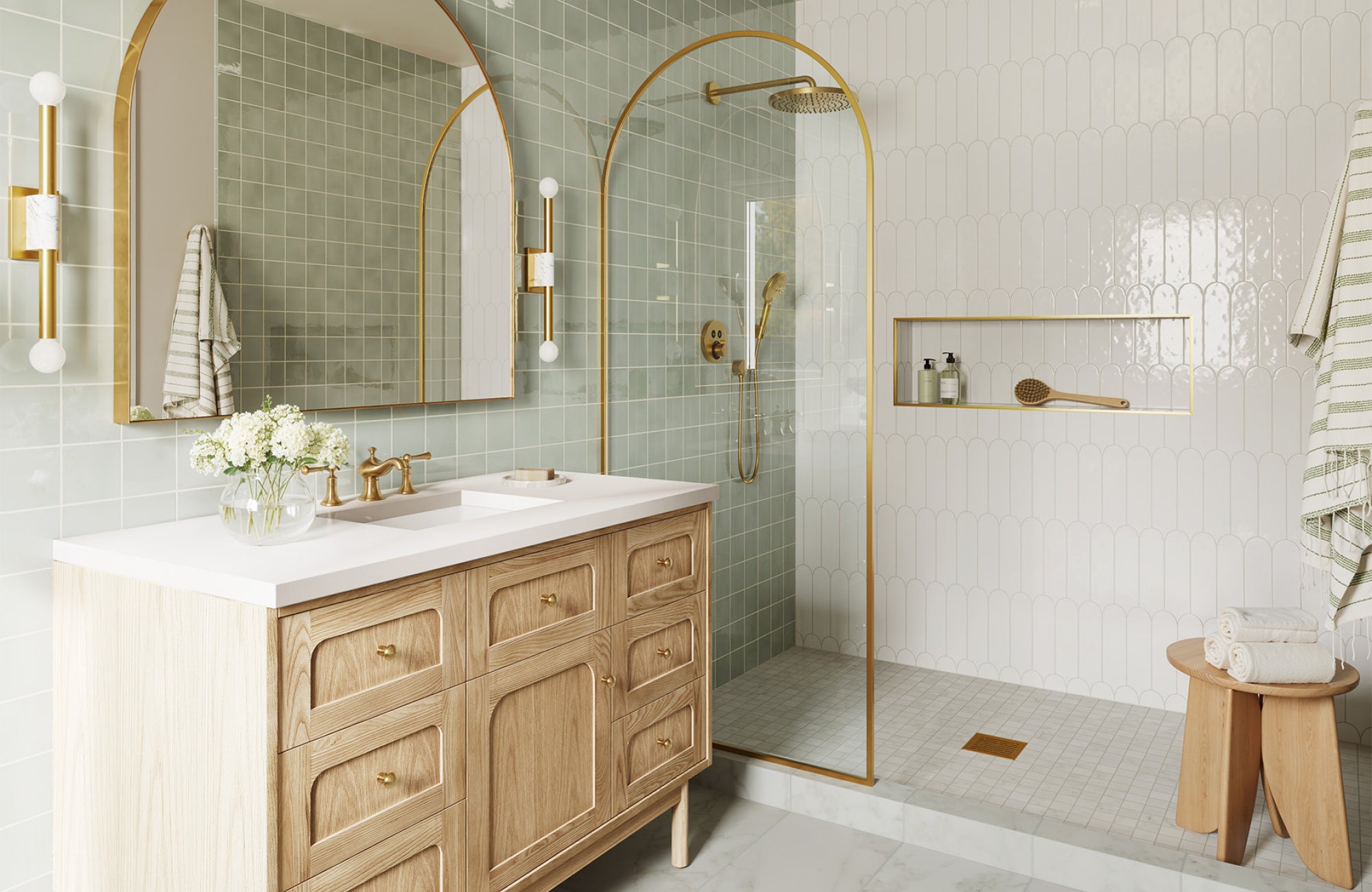
A good example of this approach is Edward Martin’s Abigail 48" Single Vanity in Light Natural Oak with a 3 cm White Zeus Quartz Top, as shown in the picture above. Finished in a light natural tone that highlights the subtle grain of cathedral ash veneers, it captures the elegance of wood while benefiting from the stability of its engineered structure. To enhance durability, the vanity is premiumly coated inside and out for lasting UV and moisture resistance, ensuring it remains both functional and beautiful in a demanding bathroom environment.
Although veneers cannot match the depth or longevity of solid wood, they deliver a practical balance of style and stability. For homeowners who want the authentic look of wood with added resistance to environmental changes, veneered vanities like Abigail can also present a thoughtful compromise.
Other Materials
In addition to wood-based vanities, options such as metal, glass, and engineered stone are also available. These materials excel in certain areas, metal and glass, for example, which are highly resistant to moisture and easy to clean. However, they often lack the warmth and character that wood naturally brings to a bathroom space. Engineered stone offers outstanding durability and a sleek appearance, yet it can sometimes feel cold or less inviting as the focal point of the room. In comparison, solid wood continues to stand out for its ability to combine natural beauty with dependable performance, making it a preferred choice for many people.
The Design Appeal of Solid Wood in Bathrooms
A vanity is more than a place for storage or daily routines; it also shapes the overall atmosphere of the bathroom. Solid wood adds a distinctive presence that few other materials can match, offering both visual warmth and a sense of timeless character.
Versatile Finishes
One of the greatest strengths of solid wood is its adaptability. It can be stained to emphasize the richness of its grain, painted to complement modern color palettes, or left natural for a rustic and organic look. This versatility allows a solid wood vanity to blend effortlessly into a wide range of bathroom designs, from traditional to sleek and contemporary.
For those who admire the beauty of wood but prefer a lower-maintenance option, veneered finishes are also worth considering. Veneers capture the authentic look of hardwood while providing added stability in humid environments. A good example is Edward Martin’s Gemma 55" Single Vanity in Washed Blonde Oak Veneer with a Carrara Marble Top, as displayed in the photo above. Its washed oak veneer highlights the natural character of wood while offering the structural consistency of an engineered base, making it both stylish and practical for a bathroom setting.
Timeless Warmth
Wood brings a natural warmth that softens the atmosphere of a bathroom. Unlike materials such as glass or metal, which can sometimes feel cold or sterile, solid wood introduces a sense of comfort and familiarity. A well-crafted wood vanity often becomes the focal point of the room, anchoring the design with balance while making the space feel more welcoming.
Customization Options
Beyond surface finishes, solid wood offers remarkable flexibility in customization. It can be shaped, carved, or built to precise dimensions, making it well-suited for bathrooms with unusual layouts or specific space requirements. For those who find mass-produced vanities too limiting, a solid wood piece can also often be tailored to fit seamlessly, combining function with a truly personalized design.
Practical Care and Maintenance Tips
Even the most durable materials require proper care, and solid wood is no exception. With consistent upkeep and a few thoughtful habits, a wood vanity can maintain both its appearance and performance for many years, even in the demanding environment of a bathroom.
Cleaning Practices
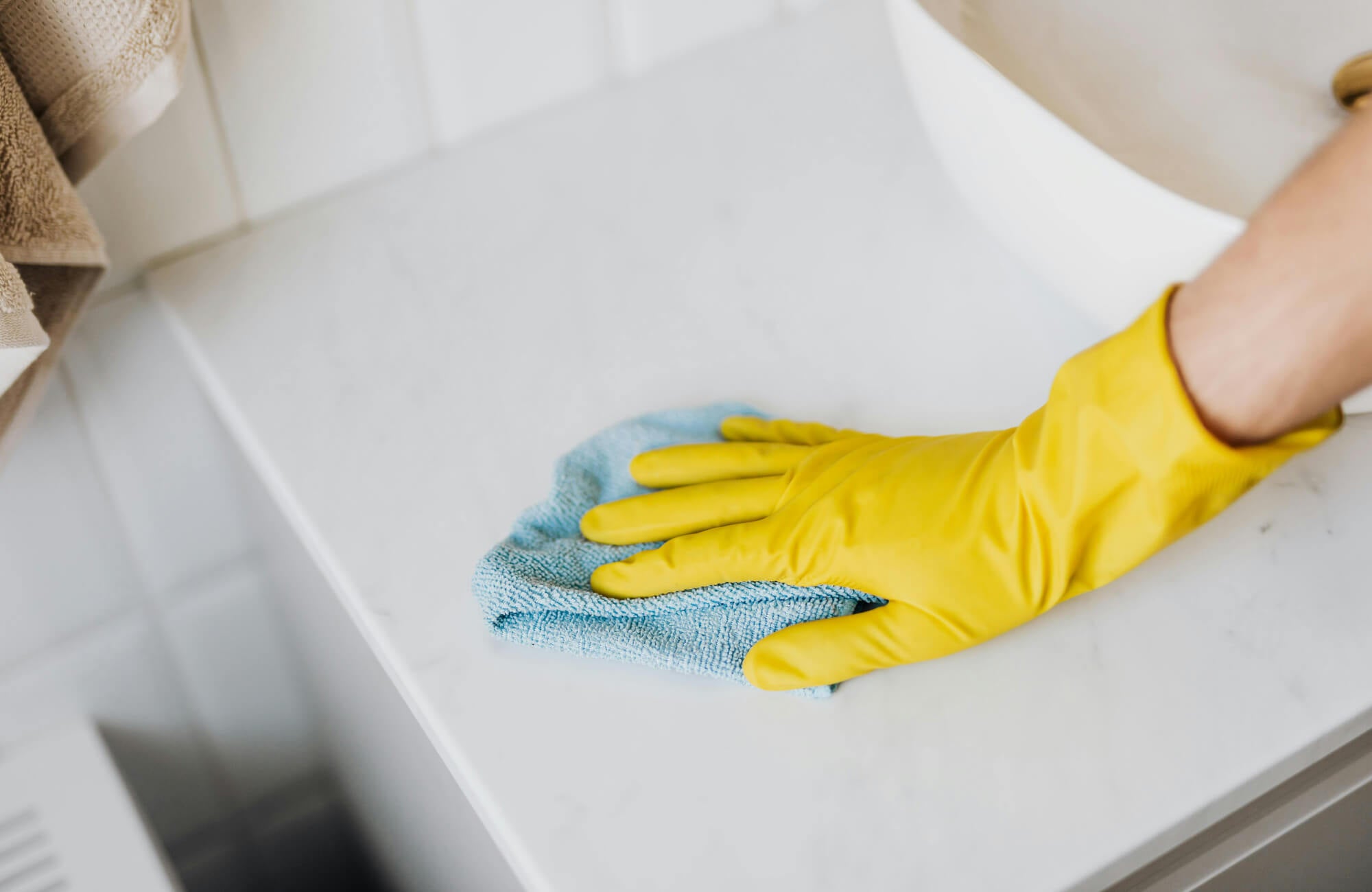
Gentle care is essential when cleaning a solid wood vanity. Harsh or abrasive products can strip away protective finishes, leaving the surface more susceptible to moisture damage. Instead, mild soap and a soft cloth are usually sufficient to keep the vanity clean while preserving its finish. Regular, careful cleaning not only maintains a polished appearance but also helps extend the life of the wood. For the best results, it is always recommended to follow the manufacturer’s care guidelines, as finishes and protective coatings may vary between products.
Ventilation and Environment
The surrounding environment has a major influence on how well solid wood holds up in a bathroom. Proper ventilation is especially important, as it helps manage the constant presence of steam and humidity. Using an exhaust fan after showers or baths, and opening windows when possible, allows excess moisture to escape and keeps the air circulating. By reducing trapped humidity, you relieve much of the stress placed on the vanity, helping it maintain both its strength and appearance over time.
Long-Term Maintenance
Over the years, a solid wood vanity may require occasional refinishing or resealing to preserve its condition. This upkeep is not needed often, but applying a fresh protective layer every few years helps the wood resist moisture and maintain its appearance. Taking these steps extends the vanity’s lifespan and ensures it continues to function reliably while contributing to the overall design of the bathroom.
Cost, Value, and Sustainability Considerations
In addition to daily performance, it is important to consider the financial and environmental implications of choosing a solid wood vanity. Looking at long-term value, overall cost, and sustainability helps create a fuller picture of what this material offers beyond everyday use.
Upfront vs Long-Term Value
Solid wood often carries a higher initial cost than engineered alternatives, but its durability helps offset that investment over time. Because it withstands daily use and moisture more effectively, it typically lasts far longer than less expensive options that may require earlier replacement. This longevity makes solid wood a cost-effective choice in the long run, offering value that extends well beyond the initial purchase price.
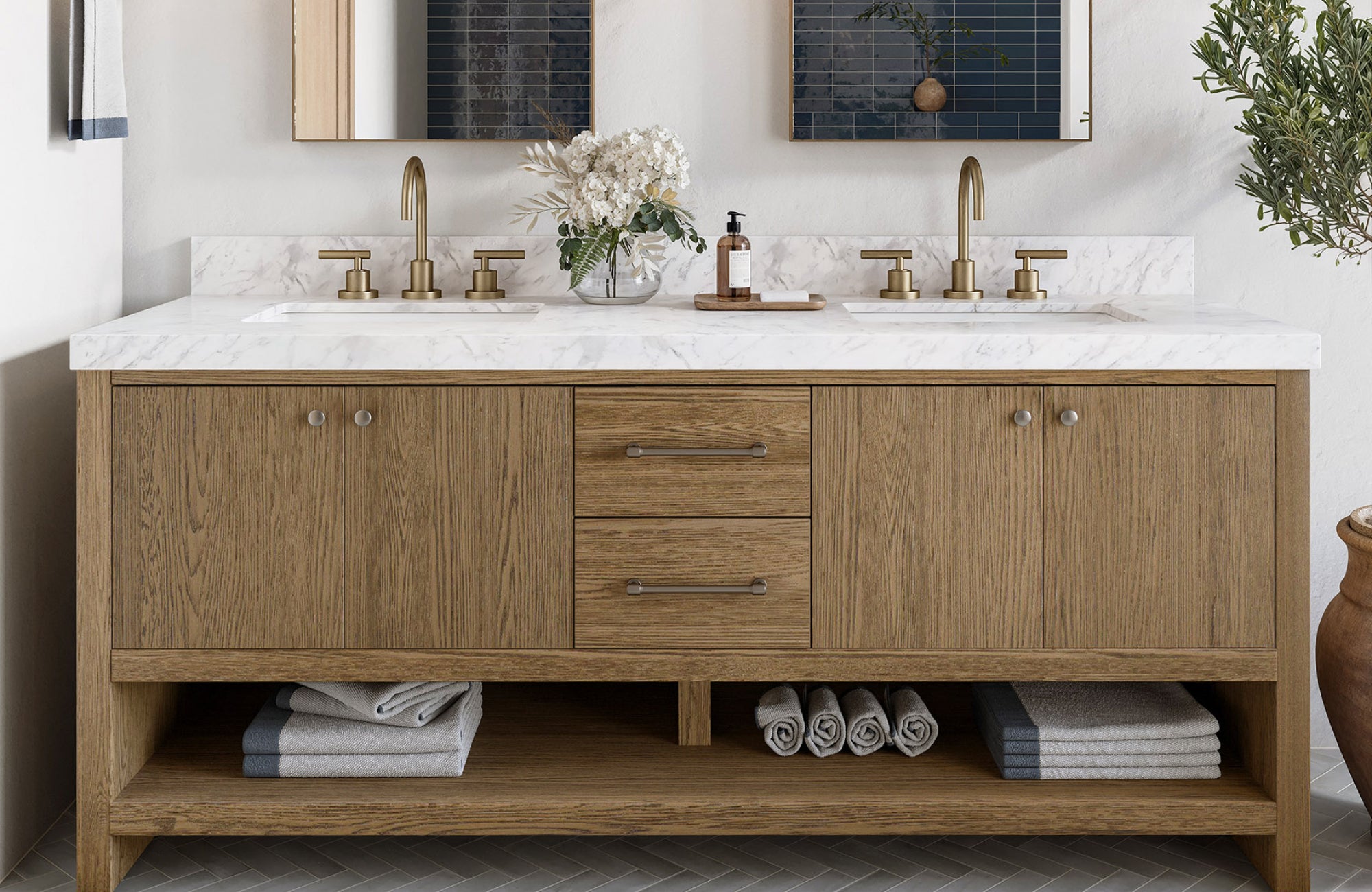
For those who like the look of wood but prefer a lower upfront cost, veneered vanities can also be a practical alternative. By applying a thin layer of real wood over a stable core, veneers capture much of the natural appeal of hardwood while keeping prices more manageable. A good example is Edward Martin’s Maxine 72" Double Vanity in Washed Natural Veneer with a Carrara Marble Top, as featured in the photo above. Its wide double-sink design highlights the authentic grain of wood veneer while providing a durable, stylish option at a more accessible price point.
Although veneers may not match the decades-long lifespan of solid hardwood, they strike a balance between affordability and style, making them an attractive choice for budget-conscious households.
Environmental Responsibility
For those mindful of sustainability, solid wood can be a responsible option when sourced carefully. Choosing products certified by organizations such as the Forest Stewardship Council ensures the wood comes from responsibly managed, renewable forests. Unlike synthetic materials that depend on adhesives and resins, natural wood has the advantage of being recyclable and biodegradable at the end of its lifespan, making it a more environmentally considerate choice.
Resale and Home Value
A carefully selected solid wood vanity can enhance your home’s resale value by adding a sense of quality and permanence. Some people often appreciate the craftsmanship and durability that natural wood represents, making the bathroom feel more refined and memorable in a competitive market. While boosting resale value may not be the primary reason for your choice, it’s also a worthwhile advantage that adds to the overall appeal of solid wood.
Making the Right Choice
A solid wood vanity can be an excellent choice for a bathroom, combining durability, natural beauty, and long-term value, provided it is properly cared for with good ventilation and occasional maintenance. While it may require more attention than other materials, its strength and timeless design make it a rewarding investment. For those who want the look of wood with added stability and lower upkeep, veneered vanities offer a practical alternative, capturing much of the same aesthetic appeal while performing well in humid environments.
If you’re considering a vanity for your space, feel free to contact us to explore options or take advantage of our design service to find the perfect fit for your home!
Follow us on Instagram
@EDWARD.MARTIN
)
)
)
)
)
)
)
)
)
)
)
)
)
)
)
)