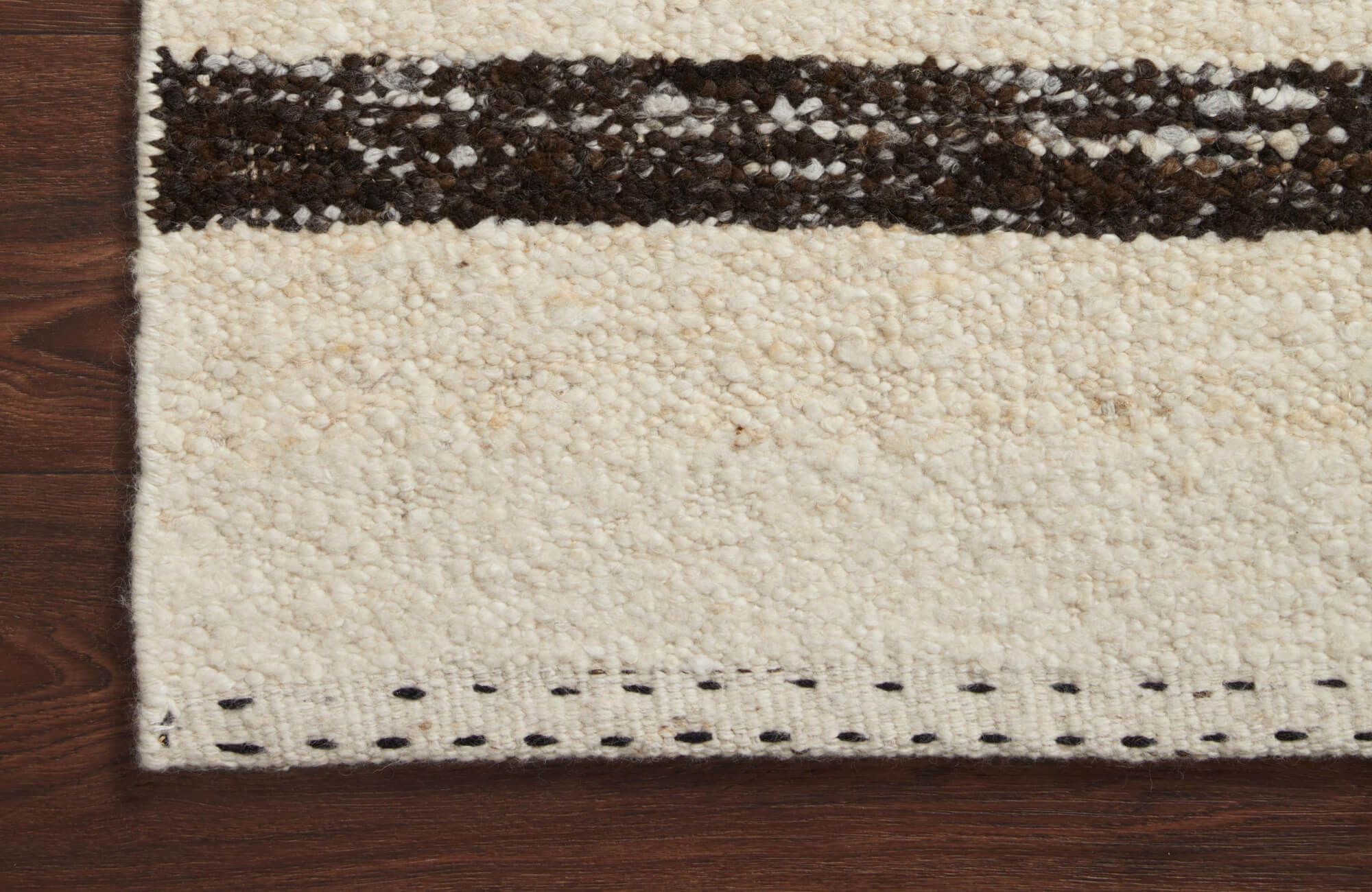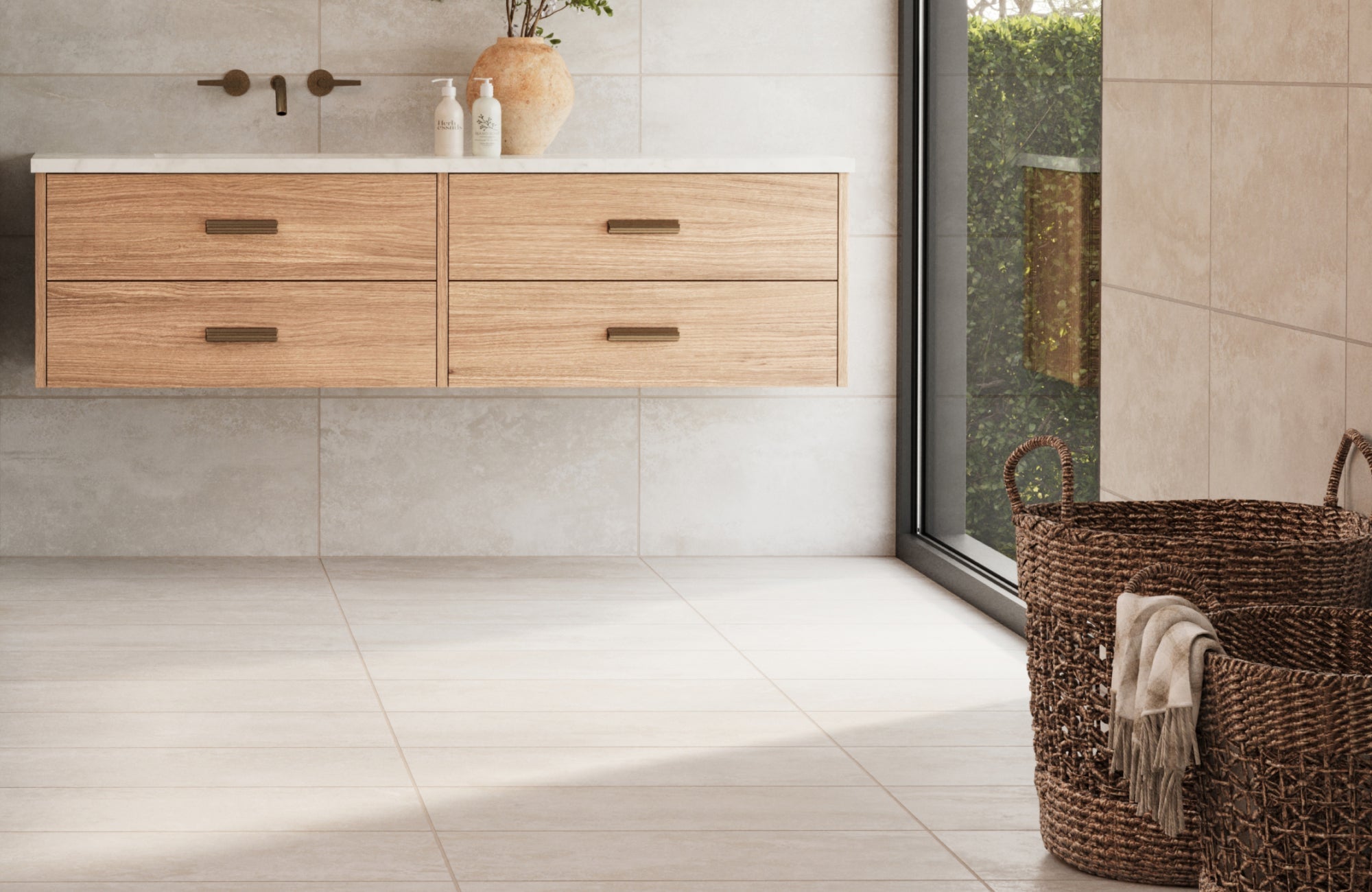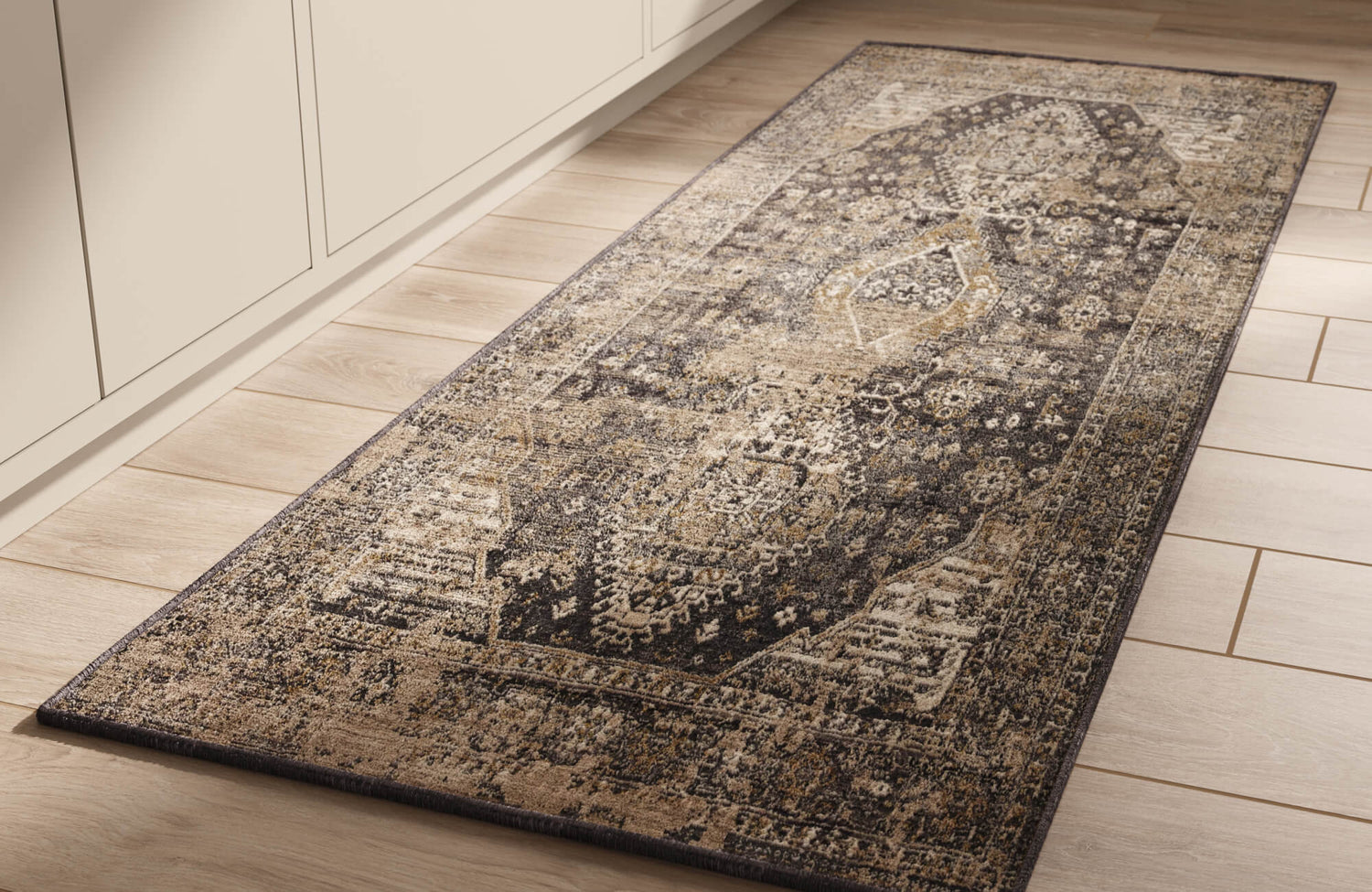
A comfortable rug can completely change how a room feels, turning hard flooring into a softer, warmer, and more inviting place to spend time. Yet comfort is about much more than simply choosing the plushest option available. The fibers, pile height, density, size, placement, and even the underlay beneath the rug all contribute to how supportive and enjoyable it feels underfoot. In this blog, we'll explore what makes a rug truly comfortable and how to choose the right combination of materials, construction, and design features for every room in your home.

Rug Fibers and Their Role in Comfort
When people think about a comfortable rug, softness is usually the first thing that comes to mind. While that certainly matters, the fibers used to make a rug play an equally important role in determining how it feels underfoot, how well it holds up over time, and how enjoyable it is to live with every day. Understanding these characteristics can help you look beyond appearance and choose a rug that delivers lasting comfort in the spaces where you use it most.
Fiber Properties That Influence Comfort and Durability
A rug's comfort starts with the physical properties of its fibers. One of the most important is resilience, which refers to a fiber's ability to recover after being compressed by footsteps, furniture, or daily use. A resilient rug maintains its shape more effectively and continues to feel supportive underfoot instead of becoming flat and worn. This is especially noticeable in living rooms, family rooms, and other areas where people spend a lot of time standing, walking, or gathering. The more resilient the fiber, the longer the rug tends to maintain its original feel and appearance.
Elasticity also contributes significantly to comfort, though it often receives less attention. Fibers with good elasticity can flex under pressure and return to their original form afterward, creating a surface that feels more forgiving and comfortable to walk on. This quality helps distribute weight more evenly, reducing the sensation of hardness beneath the rug. It also allows the rug to better withstand everyday use without developing permanent impressions from furniture or repeated movement. Together, resilience and elasticity help create the cushioned, supportive feel that many homeowners associate with a truly comfortable rug.
Temperature can influence comfort as well, particularly in bedrooms, living rooms, and other spaces where people frequently walk barefoot. Fibers with lower thermal conductivity, such as wool, naturally retain warmth and help create a cozier environment during colder months. This can make a noticeable difference on hard flooring surfaces like tile, stone, or hardwood, which often feel cool underfoot. Beyond softness alone, these thermal properties contribute to how welcoming and comfortable a room feels throughout the year. When combined with durability and resilience, they help explain why some rugs remain comfortable long after others begin to lose their appeal.
Natural vs Synthetic Fibers
Natural and synthetic fibers each offer a different approach to comfort, making the right choice largely dependent on how you plan to use the space. Natural fibers such as wool are prized for their softness, resilience, and ability to maintain their appearance over time. They also regulate moisture well and provide a naturally warm feel that many homeowners find especially inviting. For those who prioritize comfort above almost everything else, wool often sets the standard. Its combination of cushioning, durability, and warmth is difficult for many other materials to replicate.
Featured above, our Sweeney Wool Pile Rug in Khaki showcases many of the qualities that have made wool a long-standing favorite. Its wool construction delivers a soft, supportive feel underfoot while offering the resilience needed to maintain comfort through years of everyday use. The warm neutral tones also make it easy to incorporate into a variety of interiors, from relaxed living spaces to more refined settings. This balance of comfort, durability, and versatility is one of the reasons wool continues to be considered a premium rug material.
Synthetic fibers take a different approach by prioritizing durability, stain resistance, affordability, and ease of maintenance. Nylon is particularly valued for its ability to bounce back from compression, making it a strong choice for rooms that see regular daily use. Polyester offers a softer feel along with excellent color retention, while acrylic provides a wool-like texture at a more approachable price point. Although synthetic fibers may not always deliver the same natural warmth as wool, they often provide an appealing balance of comfort and practicality. Ultimately, the best choice comes down to whether your priorities lean toward luxurious softness, long-term resilience, easy care, or a combination of all three.

How Pile Height and Density Affect Comfort
Even when two rugs are made from the same material, they can feel completely different underfoot depending on their pile height and density. These characteristics influence everything from softness and cushioning to durability and maintenance requirements. Knowing how they work together can help you choose a rug that feels comfortable not just on day one, but for years to come.
The Role of Pile Height in Rug Comfort
Pile height refers to the length of a rug's fibers, and it has a direct impact on how soft and cushioned the rug feels. High-pile rugs, with fibers typically exceeding one inch, create a plush, sink-in experience that many people associate with luxury and relaxation. This makes them especially appealing in bedrooms, reading nooks, and other spaces where comfort takes priority over practicality. However, that extra softness comes with a tradeoff, as longer fibers tend to trap more dust and debris and generally require more maintenance. If your goal is maximum coziness, high-pile rugs are often hard to beat.
Medium-pile rugs strike a balance that works well in many homes. They provide noticeable cushioning underfoot while remaining easier to clean and maintain than higher-pile alternatives. This versatility makes them a popular choice for living rooms, family rooms, and dining spaces where comfort and practicality need to coexist. Their moderate fiber length also helps minimize the appearance of footprints, furniture impressions, and everyday wear. For many homeowners, medium-pile rugs offer the ideal middle ground between softness, durability, and ease of care.
Low-pile rugs take a different approach to comfort by focusing on support, smoothness, and long-term performance. While they may not provide the same plush feel as high-pile options, they often feel more structured and consistent underfoot. As seen above, our Mallory Wool Pile Rug in Ocean demonstrates how a low-pile construction can still deliver comfort without sacrificing durability. Its tightly woven wool fibers create a soft, inviting surface while helping the rug resist matting, flattening, and visible wear over time. This combination makes low-pile rugs particularly appealing in homes that prioritize both comfort and everyday practicality.
Why Pile Density Determines Durability and Support
While pile height often gets the most attention, pile density can have an even greater influence on how comfortable a rug feels over the long term. Density refers to how closely packed the fibers are, and a denser rug generally provides better support, cushioning, and structural integrity. When you walk across a high-density rug, the surface feels more substantial because there is less space between individual fibers. This helps the rug maintain its shape while creating a more comfortable experience underfoot. High-density constructions also tend to resist crushing and matting more effectively, allowing the rug to retain its original appearance for longer.
Lower-density rugs can still be comfortable, but they often feel less supportive and may show signs of wear sooner. Over time, fibers may begin to flatten, footprints can become more noticeable, and the rug may lose some of the cushioning that initially made it appealing. This doesn't necessarily mean low-density rugs are a poor choice, but they are often better suited to spaces that experience less daily activity. For homeowners looking to balance comfort, durability, and long-term value, a rug with a dense fiber construction is usually a smart investment. When paired with the right pile height, density helps create the kind of lasting comfort that makes a rug enjoyable to live with every day.

Best Rug Size and Placement for Comfort
Even the softest rug can feel out of place if the size or placement is not right for the room. A well-proportioned rug helps create visual balance, improves how a space functions, and makes everyday activities feel more comfortable. Choosing the right dimensions and positioning can often have just as much impact on comfort as the rug's material or construction.
Best Rug Sizes for Different Rooms
The most comfortable rugs are usually the ones that feel properly scaled to the room around them. In living rooms, a rug should be large enough to connect the seating area rather than floating awkwardly in the center of the space. A common guideline is to allow the rug to extend beneath at least the front legs of surrounding furniture, which helps create a more cohesive and inviting arrangement. In dining rooms, the rug should extend beyond the table far enough for chairs to remain on the surface when pulled out, preventing awkward transitions and protecting the flooring underneath. Getting the scale right often makes a room feel more finished, spacious, and comfortable to move through.
Different rooms benefit from different sizing strategies depending on how they are used. In home offices, a rug measuring 5x7 or larger typically allows both the desk and chair to remain comfortably positioned on the rug, creating a more defined and comfortable workspace. Entryways often benefit from runners that welcome guests while fitting naturally within narrower spaces. In larger bedrooms, a generously sized rug placed beneath a king-size bed can extend beyond the sides and foot of the bed, creating a softer and more luxurious experience each morning. Rather than selecting the largest rug possible, the goal is to find a size that complements the room's layout while supporting how you actually use the space.
How Placement Impacts Comfort and Functionality
Placement can completely change how a rug contributes to a room. In living areas, positioning the rug beneath a coffee table and surrounding seating helps establish a clear gathering space while making the room feel more connected. In bedrooms, placing a rug where your feet naturally land when getting out of bed adds warmth and comfort to a daily routine that many people overlook. Home offices also benefit from thoughtful placement, as a properly positioned rug can reduce noise, add cushioning, and help separate work areas from the rest of the room. Small adjustments in placement often have a surprisingly large impact on how comfortable and functional a space feels.
Safety and stability should also be considered when determining placement. A quality rug pad helps prevent shifting, bunching, and slipping while adding another layer of cushioning underfoot. This is especially valuable in homes with children, pets, or spaces that experience regular movement throughout the day. If you're unsure about the ideal rug size or placement for your room, our Personalized Design Consultation can help you create a layout that feels balanced, comfortable, and tailored to your lifestyle. Sometimes the difference between a good rug and a great one comes down to where and how it's used within the space.

Choosing Rugs for Your Lifestyle
The most comfortable rug is not necessarily the softest or most expensive one. Comfort often comes from choosing a rug that fits the way you actually live, whether that means creating a relaxing retreat, accommodating a busy household, or supporting a more environmentally conscious lifestyle. By considering how a room is used on a daily basis, you can narrow your options and find a rug that feels both practical and enjoyable for years to come.
Soft Rugs for Relaxation in Bedrooms
Bedrooms are often the spaces where comfort matters most, making softness a top priority when selecting a rug. Plush materials such as wool, cotton, sheepskin, or higher-pile constructions create a warmer and more inviting atmosphere while providing a comfortable surface to step onto each morning. Traditional rugs made from natural fibers can add both visual warmth and a luxurious feel underfoot, while more contemporary styles help create a calm and uncluttered environment. The right rug can make a bedroom feel noticeably cozier, especially in spaces with hard flooring. Placing a rug alongside or beneath the bed also helps extend that sense of comfort throughout the room rather than limiting it to one area.
Many homeowners find that bedrooms benefit from rugs that prioritize softness over maximum durability. Because these spaces typically experience less daily activity than living rooms or hallways, you can often focus more on comfort-driven materials and textures. Wool remains a popular choice because it combines cushioning, warmth, and resilience without feeling overly delicate. Layering a comfortable rug in the room can also help reduce noise and create a more restful atmosphere overall. When relaxation is the goal, few design decisions have a greater impact than choosing a rug that feels inviting every time you step onto it.
Durable Rugs for High-Use Areas
Some rooms require a different balance of comfort and performance. Living rooms, hallways, family rooms, and other frequently used spaces benefit from rugs that can withstand everyday activity without quickly showing signs of wear. Materials such as wool, nylon, and durable wool blends offer excellent resilience while still providing a comfortable surface underfoot. Lower-pile constructions are often easier to maintain and tend to hold their appearance longer, making them particularly practical in active households. The goal is to find a rug that remains comfortable without demanding constant attention or maintenance.
As shown above, our Davies Rug in Wheat / Dune demonstrates how durability and comfort can work together beautifully. Its wool-blend construction provides long-lasting performance while maintaining the softness and visual warmth many homeowners look for in a living space. The neutral sand tones make it easy to incorporate into a wide range of interiors, from casual family rooms to more refined settings. Its lower pile also helps simplify maintenance while allowing the rug to retain its appearance through years of everyday use. For spaces that need to balance comfort, practicality, and style, designs like this often offer an ideal solution.
Eco-Friendly Rugs for Sustainable Living
If sustainability is an important consideration, many comfortable rug options are also environmentally responsible. Natural materials such as wool, jute, sisal, and organic cotton come from renewable resources and often have a lower environmental impact than some synthetic alternatives. These fibers bring their own unique textures and character while supporting a more eco-conscious approach to home design. Wool, in particular, remains a favorite because it combines durability, softness, and biodegradability in a single material. Choosing renewable fibers allows you to prioritize comfort without losing sight of sustainability goals.
Beyond the materials themselves, eco-friendly rugs often encourage a longer-term mindset when furnishing a home. Durable natural fibers can remain attractive and functional for many years, reducing the need for frequent replacements. Their timeless appearance also makes them easier to incorporate into evolving design styles, helping them stay relevant as your space changes over time. For homeowners who value both comfort and responsible design choices, sustainable rug materials offer a practical way to achieve both.

Why Rug Underlay Improves Comfort and Longevity
A rug often gets most of the attention, but what sits beneath it can have a surprisingly large impact on how comfortable it feels and how well it performs over time. The right underlay adds support, improves stability, and helps protect both the rug and the flooring underneath. If you've ever wondered why some rugs feel noticeably softer, quieter, or more substantial underfoot, the underlay is often a big part of the reason.
Benefits of Using a Rug Underlay
A quality underlay can significantly improve how a rug feels every day. Adding an extra layer of cushioning beneath the surface, it creates a softer and more supportive experience underfoot while helping reduce pressure on joints during prolonged standing or walking. This added comfort is especially noticeable with thinner rugs, which may otherwise feel firm against hard flooring. Underlays can also help absorb sound, reducing noise from footsteps and making rooms feel calmer and more comfortable overall. In multi-level homes, this benefit can be particularly valuable for minimizing sound transfer between floors.
Beyond comfort, underlays play an important role in extending the life of a rug. They help prevent slipping, shifting, and bunching, reducing safety concerns while also minimizing the friction that contributes to premature wear. By absorbing some of the impact from furniture, footsteps, and daily use, underlays help rugs maintain their shape and appearance for longer periods. They also provide an added layer of protection for flooring by reducing scratches, dents, and surface damage. While they are often overlooked during the purchasing process, underlays are one of the simplest ways to improve both the comfort and longevity of a rug.
How to Choose the Right Rug Underlay
The best underlay depends on the type of rug you have and how the space is used. If maximum comfort is your goal, memory foam underlays provide substantial cushioning that can make a noticeable difference underfoot, especially beneath plush or high-pile rugs. Rubber underlays are often preferred in living rooms, hallways, and other active spaces because they offer excellent grip and stability, helping keep rugs securely in place. Felt options are another popular choice, providing a balance of cushioning and floor protection while working particularly well beneath thinner rugs. Each material offers different advantages, making it important to consider both comfort and performance when making a selection.
It's also worth thinking about the flooring beneath the rug and the role the space plays within your home. Hardwood floors, tile, and stone surfaces often benefit from additional cushioning, while areas with frequent movement may prioritize stability and slip resistance. The thickness of the underlay should complement the rug rather than overwhelm it, as too much padding can sometimes affect how the rug sits on the floor. Choosing the right combination helps the rug perform as intended while creating a more comfortable experience throughout the room. In many cases, the underlay becomes the difference between a rug that simply looks good and one that truly feels great to live with.
Comfort Looks Different In Every Home
The most comfortable rug is not defined by a single material, pile height, or construction method. Instead, it comes down to choosing a rug that aligns with how you live, how the room is used, and the kind of experience you want to create every time you step into the space. From soft wool rugs that bring warmth and cushioning to bedrooms to durable low-pile options that perform beautifully in active households, comfort is often the result of balancing materials, construction, sizing, placement, and long-term practicality. When all of these elements work together, a rug becomes more than a decorative accent—it becomes part of what makes a room feel inviting and lived in.
Whether you're furnishing a cozy bedroom retreat, a welcoming living room, or a space that needs to handle the demands of everyday life, taking the time to choose the right rug can make a noticeable difference. A thoughtfully selected rug adds warmth, improves comfort underfoot, and helps bring the entire room together visually. If you have questions about materials, sizing, placement, or finding the best rug for your specific needs, feel free to contact us. Our team is always happy to help you create a space that feels as comfortable as it looks.