
)
)
)
)
)
)
)
)
What Is The Difference Between Backlit And Lighted Mirrors?
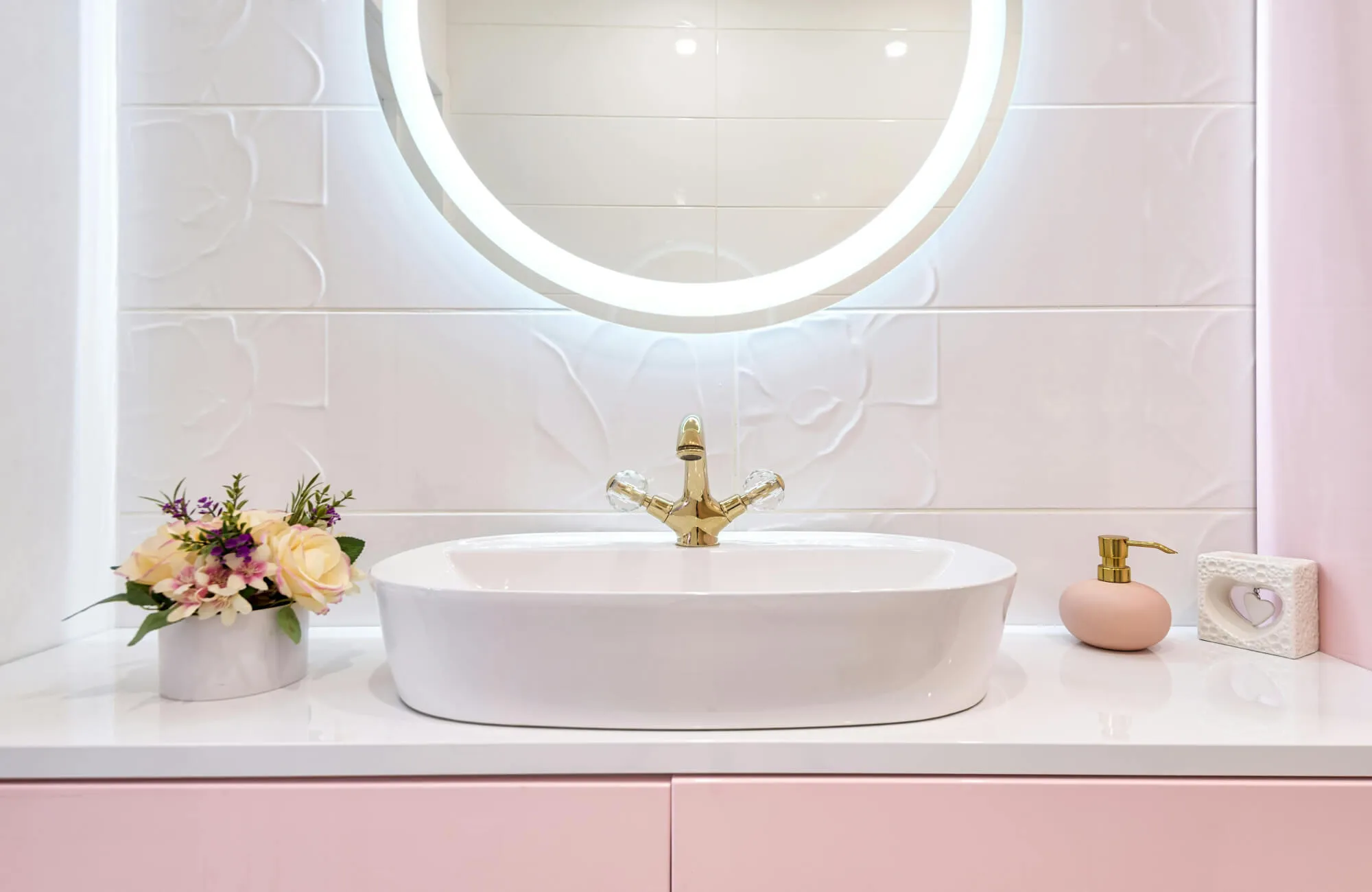
A well-chosen mirror can influence both the function and atmosphere of a room, and understanding how backlit and lighted mirrors differ helps you choose an option that truly supports your daily routine. Many people encounter these terms while exploring options for a bathroom upgrade, making it a great opportunity to understand how each design works and the unique advantages they offer. By breaking down their lighting behavior, practical uses, and overall impact on your space, this article can guide you toward a mirror that aligns with your needs and enhances your experience of your home.
How Each Mirror Produces Light
Backlit and lighted mirrors may look similar at first, but the placement and direction of their LEDs create very different lighting effects. By taking a closer look at what happens behind the glass, you can better understand how each lighting style functions and how it shapes your experience each time you step in front of the mirror.
Light Placement and Direction
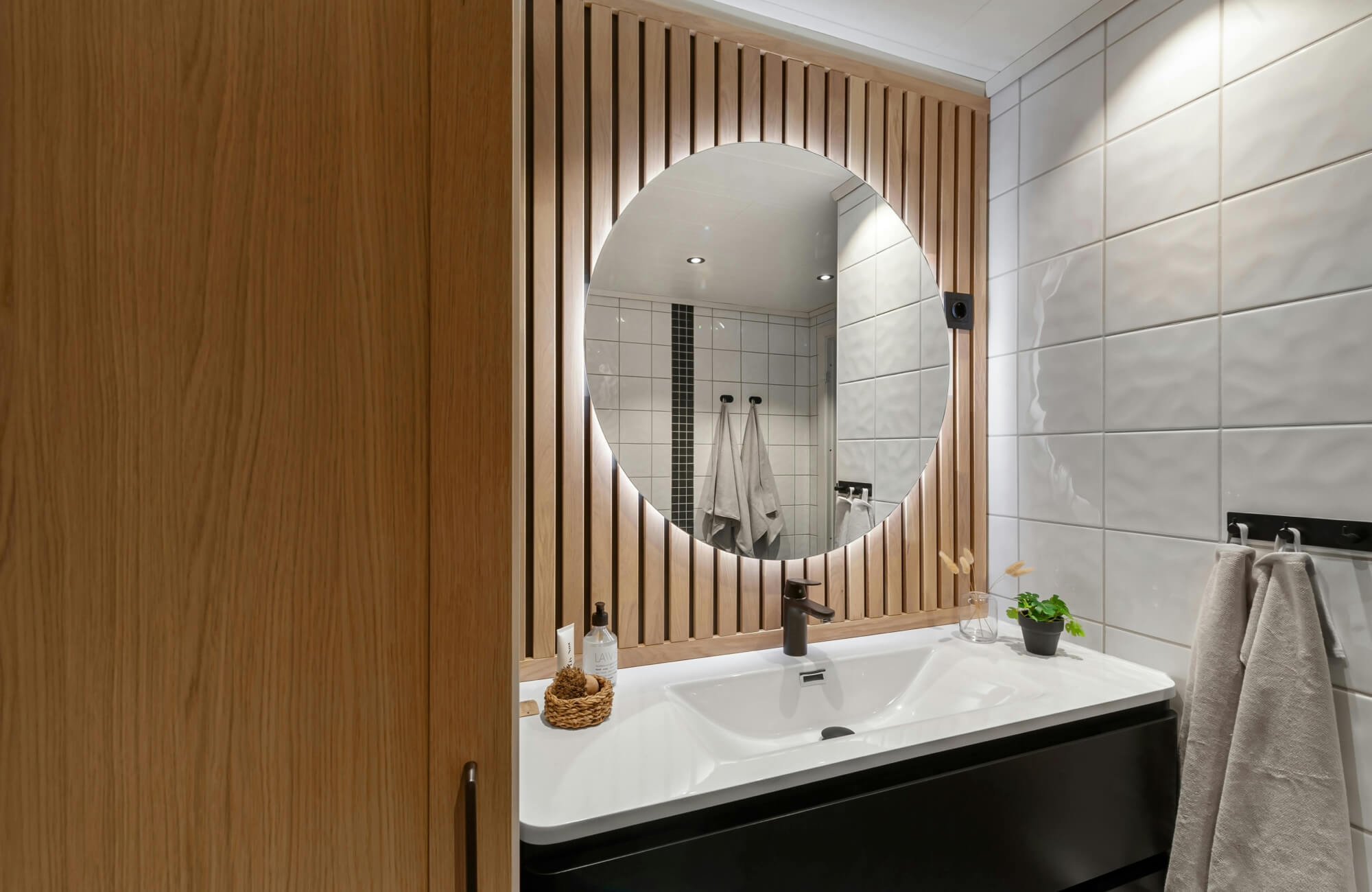
The main difference in light placement and direction is that a backlit mirror positions LEDs behind the glass to shine toward the wall, creating a soft halo around the mirror rather than illuminating your face. A lighted mirror, on the other hand, places LEDs on the front or along the edges so the light projects forward, brightening your features and providing clearer visibility for close-up tasks.
LED Configuration and Diffusion
LED placement influences how each mirror distributes light. In backlit mirrors, the LED strips sit behind the glass in continuous rows, and diffusion panels soften the glow so it spreads evenly across the wall. Lighted mirrors position LEDs closer to the surface, allowing their diffusers to direct brighter, more concentrated illumination towards you. These different configurations determine whether the mirror creates ambient wall light or focused, front-facing brightness.
Power Integration and Wiring Needs
Both mirror types rely on power, but their wiring setups influence how and where they can be installed. Backlit mirrors often require hardwiring and a small gap behind the mirror to accommodate the LED components. While lighted mirrors may offer plug-in or hardwired options, giving you more flexibility if you prefer a quicker installation or a cleaner, fully concealed setup. These differences help you determine which style fits your space and the level of electrical work you’re prepared to complete.
Visibility and Daily Grooming Performance
Lighting plays a major role in how clearly you can see yourself during everyday tasks like applying makeup or grooming. This section focuses on how each mirror type affects visibility and facial clarity when you stand in front of it.
Shadow Management
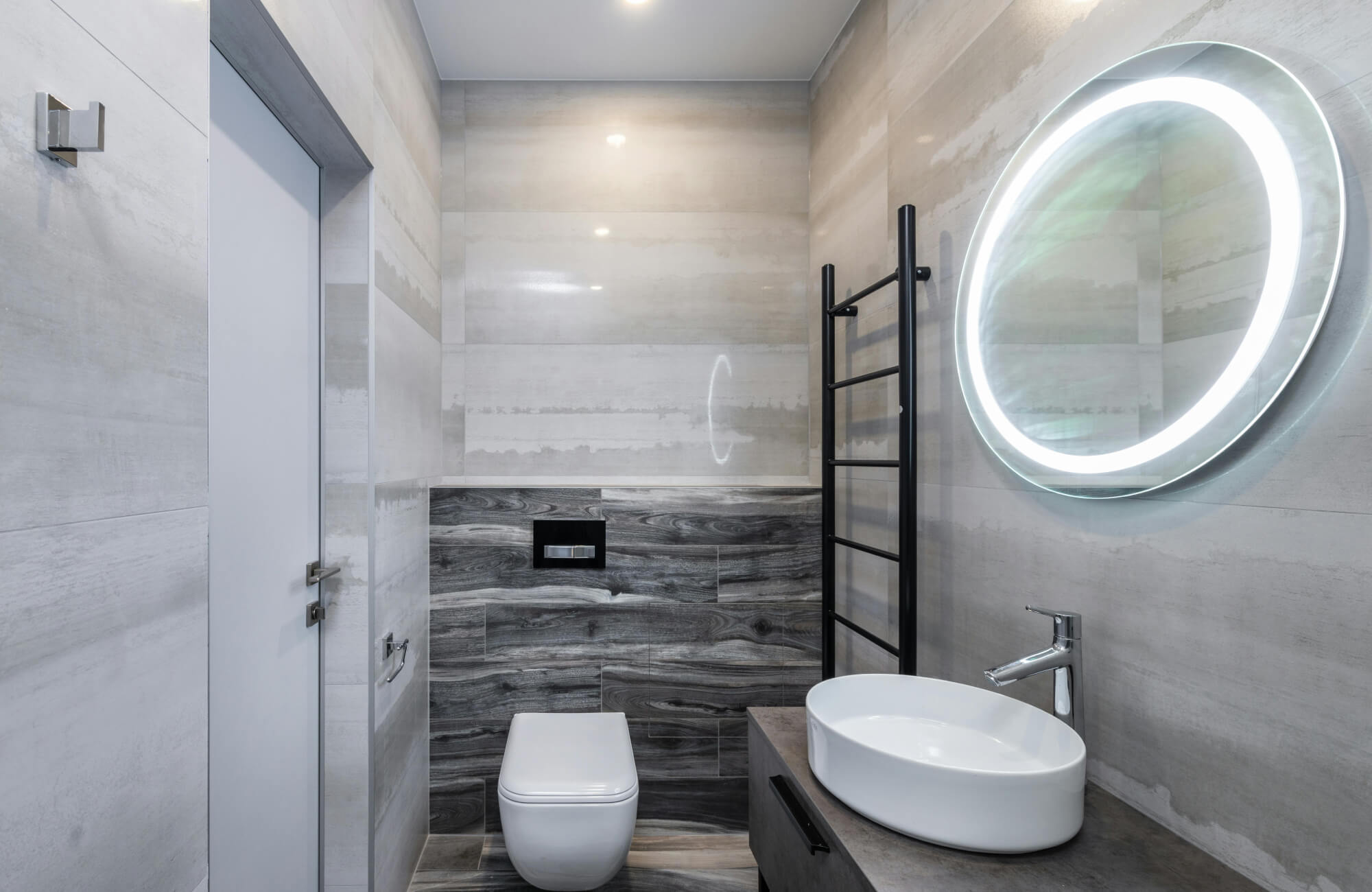
Shadows influence how accurately you can see the details of your face, which is why lighting direction plays such an important role. With forward-facing LEDs, lighted mirrors provide more even illumination, helping reduce dark areas under the eyes, around the nose, and along the jawline. As a result, they offer clearer visibility for tasks that require precision. In comparison, backlit mirrors rely on indirect wall glow, which can introduce subtle shadows during close-up use. Because of this difference, lighted mirrors generally deliver more consistent shadow control when detailed grooming is part of your routine.
Color Rendering and Tone Accuracy
Color rendering index, or CRI, affects how naturally your skin tone appears in the mirror. Because lighted mirrors direct illumination toward your face, they typically provide better color accuracy and make subtle distinctions easier to see. This helps when blending makeup, matching undertones, or evaluating textures. Backlit mirrors can still perform well if they use high-quality LEDs, but their indirect glow makes fine color variations less noticeable. Lighted mirrors, therefore, tend to deliver more consistent tone accuracy, making them the stronger option for tasks that rely on clear and accurate color representation.
Task vs Ambient Functionality
Different lighting styles serve different purposes, and this becomes clear when comparing backlit and lighted mirrors. Lighted mirrors provide focused illumination that enhances detail, making tasks such as shaving, applying makeup, or checking skin texture easier to perform. Their forward-facing light also improves contrast and clarity, which supports close-up work.
Backlit mirrors, on the other hand, contribute a softer glow that enhances the overall atmosphere of the room. They offer comfortable general visibility when paired with other light sources, although they are not designed for precision-focused grooming. Ultimately, this contrast shows how each mirror type aligns with a distinct lighting need.
Aesthetic Impact on Interior Design
Lighting affects how you see yourself, but it also shapes the character of the room around you. The way each mirror distributes light influences depth, contrast, and overall mood, giving backlit and lighted designs their own visual presence. By looking at how these mirrors interact with the surrounding space, you can better understand the atmosphere each one creates and how it contributes to the room’s style.
Creating Depth and Wall Glow
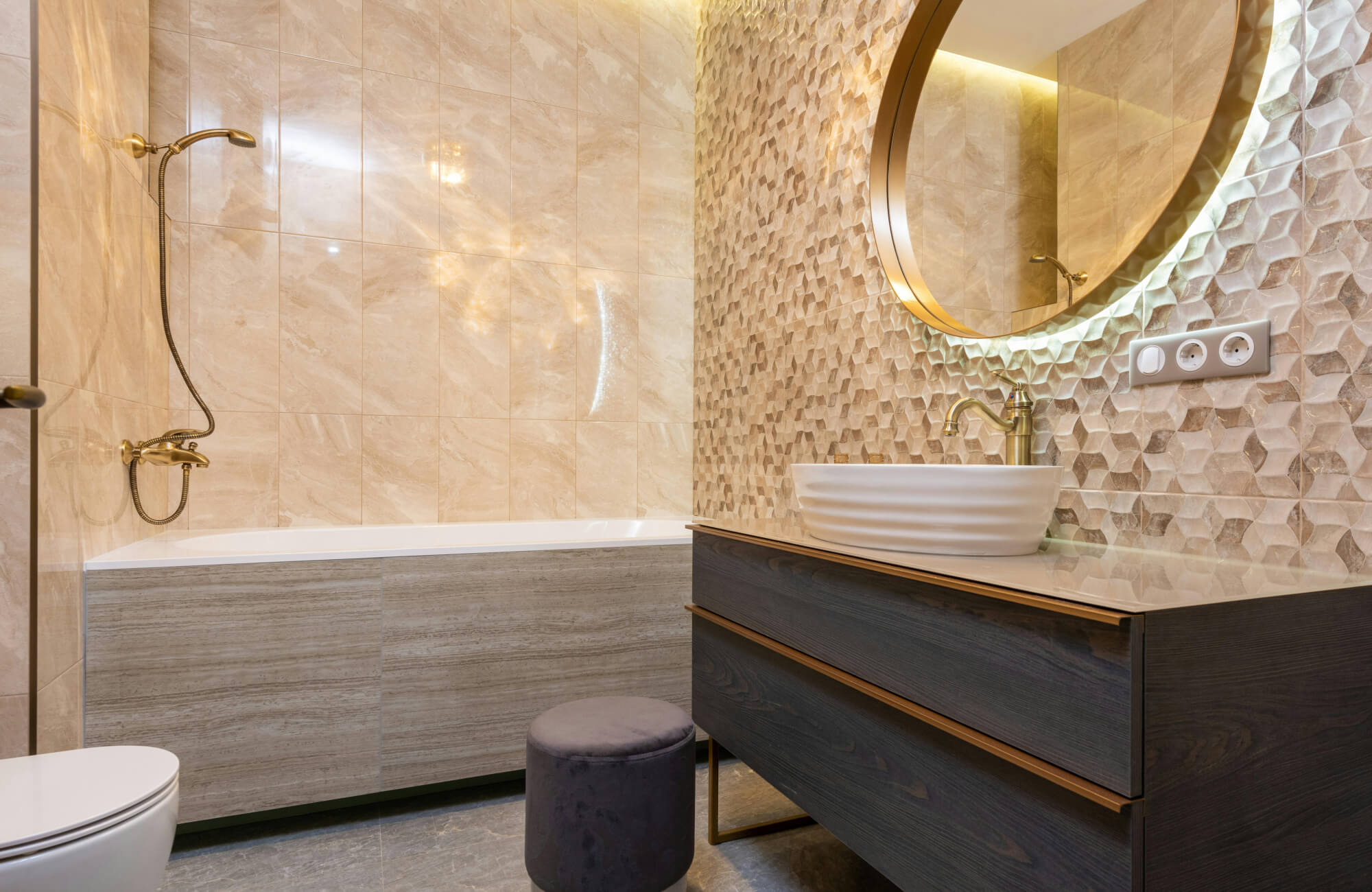
Backlit mirrors influence the room’s design by casting light from behind the glass, creating a gentle halo that adds depth and softens the overall look. This wall-glow effect can highlight textures such as tile or stone and lend a subtle floating appearance that enhances the room’s spatial feel. Lighted mirrors, in contrast, direct illumination forward, which defines the mirror’s edges more sharply and emphasizes the vanity rather than the wall surface. If you want to introduce dimension and a calm, layered atmosphere into your space, a backlit mirror offers a refined way to elevate the room’s visual character.
Highlighting Architectural Features
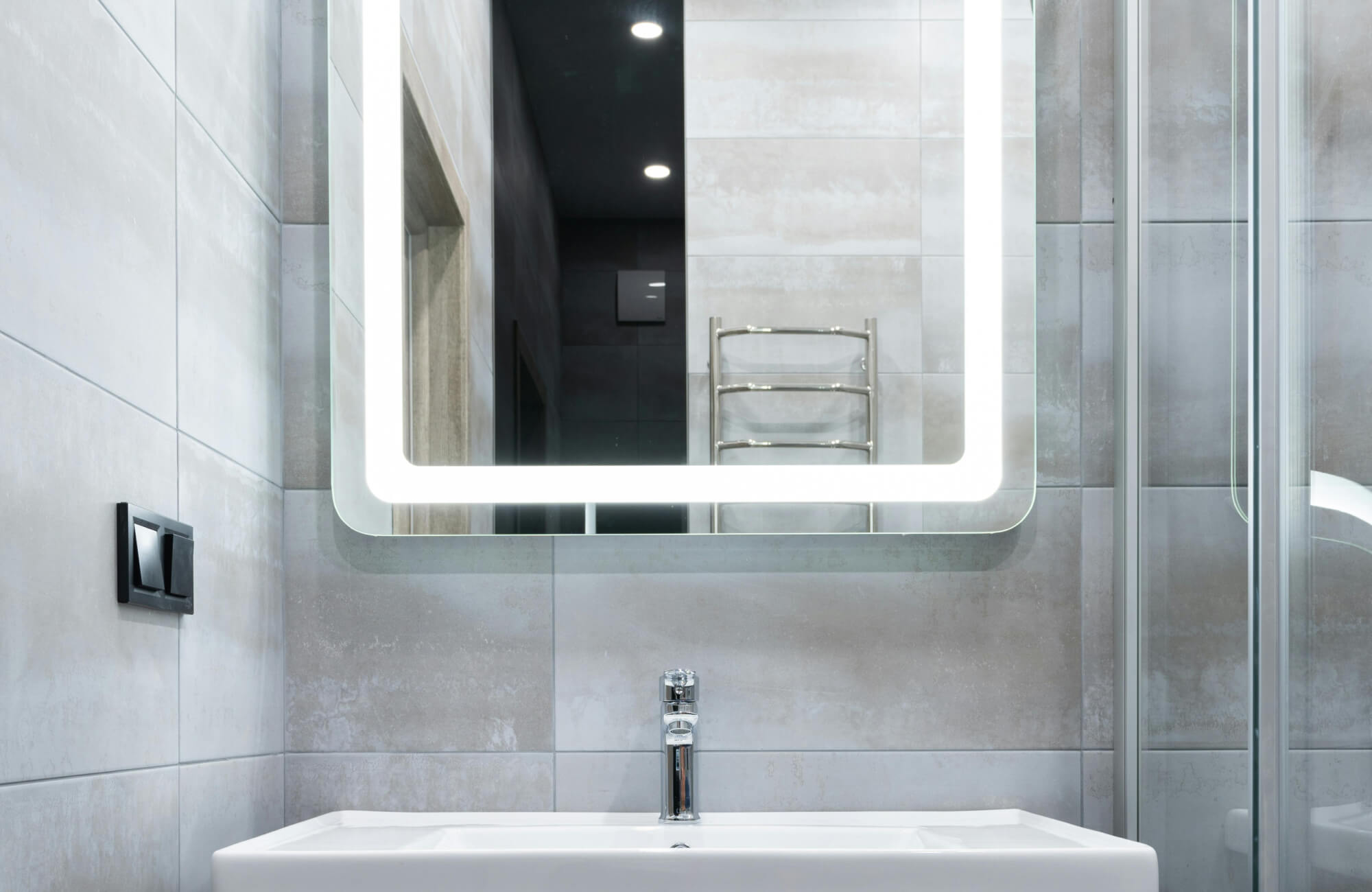
Lighted mirrors contribute to the room’s design by directing illumination forward, creating a crisp outline that draws attention to the mirror and the surrounding vanity area. This defined lighting helps reinforce clean lines in spaces with modern cabinetry or minimalist architecture, giving the room a structured, intentional look. The brightness naturally turns the mirror into a focal point, especially in interiors where symmetry and clarity shape the overall aesthetic. While backlit mirrors lean toward creating mood and softness, lighted mirrors emphasize form and architectural detail, making them well-suited for rooms that prioritize visual structure.
Styling for Different Design Themes
Different mirror types suit different design styles, and their lighting behavior plays a key role in shaping the room’s atmosphere. Backlit mirrors pair well with spa-inspired or calming interiors, as their soft wall glow supports a relaxed, soothing aesthetic. Lighted mirrors, in contrast, complement contemporary or minimalist spaces where clean lines and bright, forward illumination reinforce a modern look.
Both options can blend seamlessly with surrounding finishes, whether you prefer warm sconces, matte accents, or textured surfaces like our Shea 12.5x15 Matte Porcelain Leaf Mosaic Tile in Warm Blend, which adds depth and visual interest. By considering the mood and materials already present in your space, you can choose the mirror style that best aligns with and elevates your overall design vision.
Energy Use, Efficiency, and Lifespan
LED mirrors are often chosen for their efficiency, but backlit and lighted designs differ in how they use energy and how long their components are likely to last. By looking at their operating demands and performance over time, you can better understand what each mirror offers beyond its appearance and lighting style.
Power Consumption Differences
Backlit mirrors generally use less power because their lighting is designed to create ambient wall glow rather than strong, direct illumination. Since the light spreads softly across the surface behind them, they do not require high output. Lighted mirrors, however, need brighter LEDs to project light forward and illuminate your face effectively, which often results in higher wattage. Recognizing this distinction allows you to better anticipate long-term energy use and select the mirror that fits your efficiency preferences.
Heat Output and LED Durability
Heat plays a significant role in how long LEDs maintain their brightness and performance. Because backlit mirrors place the lighting behind the glass, they allow heat to dissipate more easily through the added ventilation space. Lighted mirrors, by contrast, position LEDs closer to the front surface, so effective thermal management is incorporated to keep temperatures stable. Each mirror type handles heat differently, which can influence long-term consistency. For those prioritizing durability, it is also worthwhile to consider how well a mirror manages heat, regardless of which lighting style you prefer.
Smart Features and Automation
Modern LED mirrors often include smart features that make energy use more efficient and convenient. Motion sensors can activate the lights as you approach, while timers and dimmers let you fine-tune brightness based on your routine. These functions can help limit unnecessary power consumption and create a more adaptable lighting setup. Whether you choose a backlit or lighted mirror, adjustable controls allow you to customize the experience without changing the mirror itself.
Installation Requirements and Space Planning
Beyond lighting quality and visual impact, practical factors determine how well each mirror integrates into your room. By considering placement, wiring access, and overall space constraints, you can ensure a smoother installation and a setup that works seamlessly with your layout.
Space Clearance and Mounting Needs
Backlit mirrors need a small gap between the mirror and the wall so the light can spread evenly, which gives them a slightly deeper profile. This added depth matters if your vanity area has limited clearance. Lighted mirrors, while different in structure, typically sit closer to the wall because their LEDs are built into the front or edge of the mirror, resulting in a slimmer installation. Both styles require secure mounting brackets, and some models can be recessed if your wall construction allows. Considering these distinctions early helps you select a mirror that fits your space without unexpected adjustments.
Electrical Accessibility
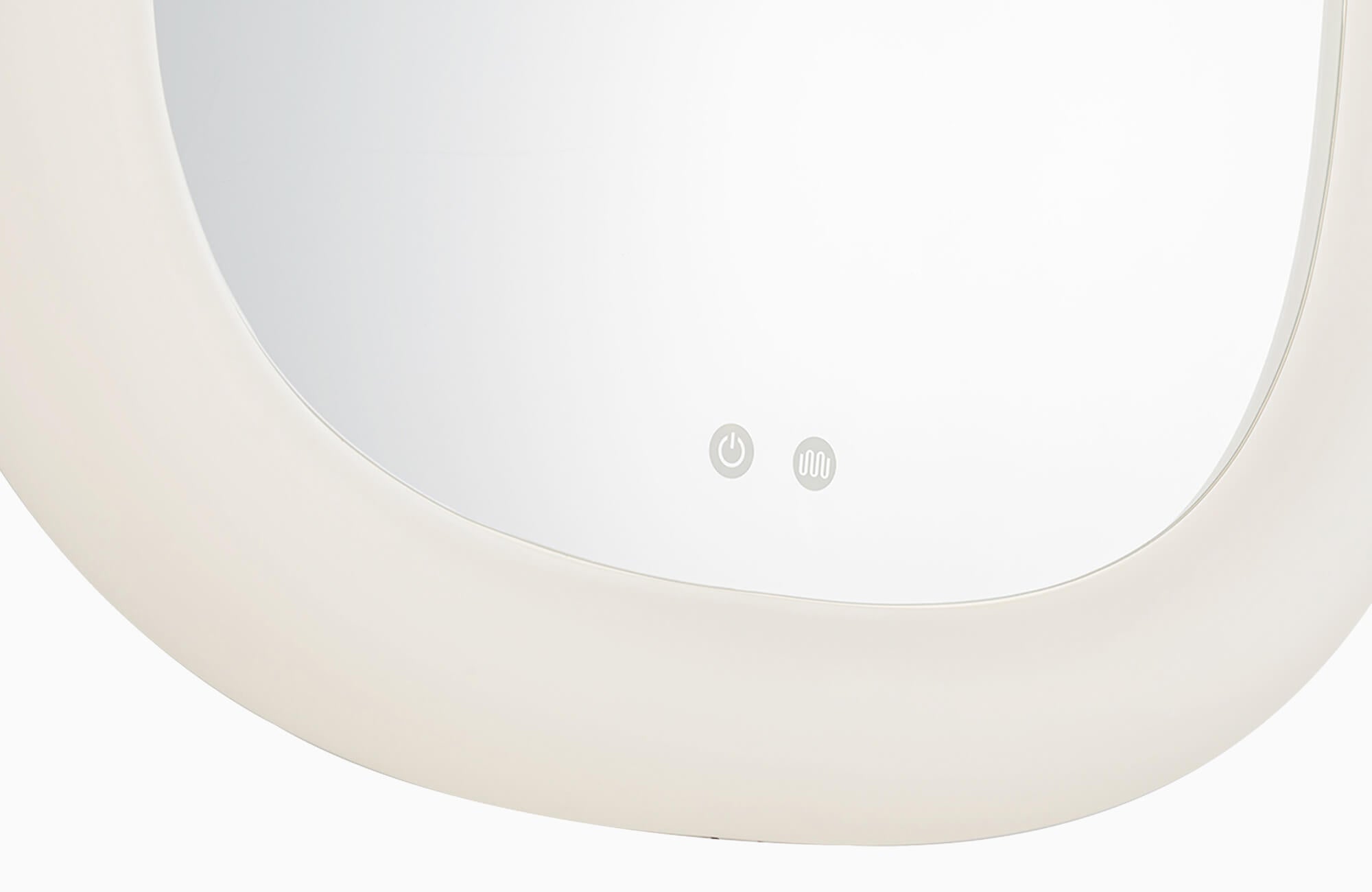
The type of power connection you choose directly affects where the mirror can be installed. Hardwired setups offer a clean, streamlined appearance, while requiring an electrical box behind the mirror to support a concealed connection. Plug-in versions provide greater flexibility and simpler installation, but the cord must be carefully managed to maintain a neat look. Some mirrors also use touch sensors or infrared switches that need open space near the bottom edge to function properly.
A piece like Edward Martin’s Jenny 37" LED Vanity Mirror in White, as shown in the photo above, illustrates how integrated lighting and touch controls benefit from proper electrical placement to ensure easy operation. Reviewing your electrical layout beforehand ensures the mirror can be placed exactly where you need it without complications.
Optimizing Placement for Best Results
Placement plays a major role in how effectively each mirror performs. To start, positioning a mirror across from a window allows natural light to blend with the LEDs, increasing overall clarity. Additionally, surrounding fixtures such as sconces or overhead lights influence how evenly the room is illuminated. Lighting accents like our Isadora Wall Sconce in Aged Brass can also contribute to a more balanced setup by adding a warm, complementary layer around your vanity.
Backlit mirrors depend more on their surroundings because their glow reflects off the wall, while lighted mirrors are less affected by nearby surfaces since their illumination projects forward. By coordinating the mirror’s lighting style with the layout and existing fixtures in your space, you can create a well-lit, comfortable environment that functions beautifully.
Maintenance, Cleaning, and Long-Term Care
Once your mirror is installed, consistent care helps maintain both its clarity and lighting performance over time. By understanding how each mirror type responds to moisture, cleaning methods, and general wear, you can keep it functioning well and looking its best for years to come. For the most accurate and safe care practices, it is always best to follow the manufacturer’s recommended guidelines.
Preventing Fog and Moisture Damage
Bathrooms expose mirrors to constant steam and humidity, so features that limit fogging are especially useful. Backlit mirrors often stay clearer because the lighting sits behind the glass, while lighted mirrors may rely more on built-in defoggers that gently warm the surface to prevent condensation. Keeping moisture away from electrical components and wiping the mirror after a hot shower both support long-term durability.
Cleaning Techniques for Light Panels
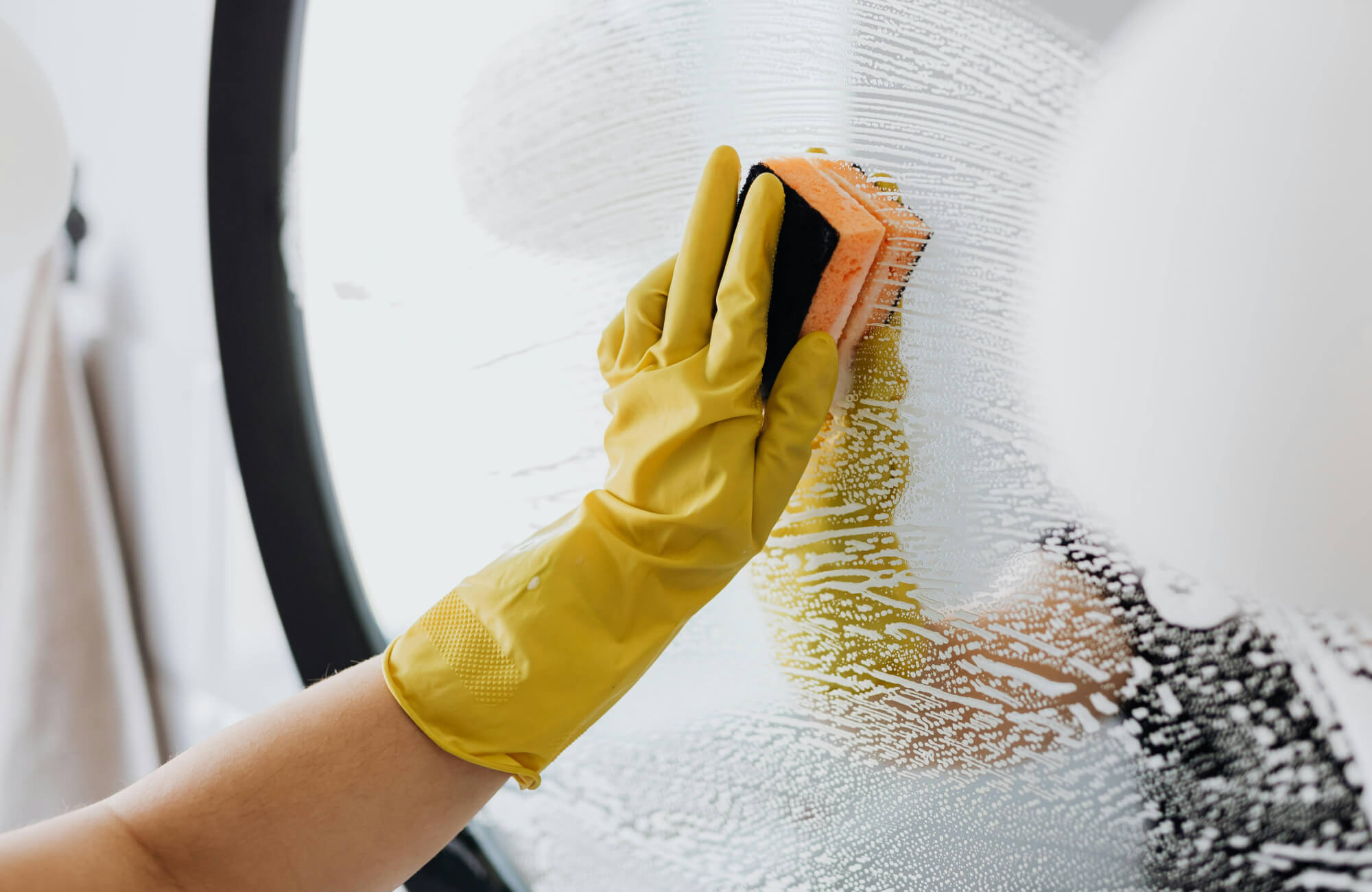
Cleaning LED mirrors requires a gentle approach to protect both the glass and the lighting components. A soft cloth and mild glass cleaner help prevent scratches, while abrasive products can damage the finish or create streaks. Front-lit mirrors benefit from careful cleaning around the light strips to preserve diffuser clarity and maintain even illumination. Keeping the frame and edges free of buildup also supports consistent brightness over time.
Troubleshooting Common Issues
When a mirror begins to flicker, dim, or display uneven lighting, several underlying causes may be at play. Loose connections or aging LEDs can affect performance, while dirt or residue on the surface may reduce brightness. Ensuring the mirror stays clean and checking accessible wiring points can help address minor concerns. If the issue continues, seeking assistance from a qualified professional ensures the mirror remains safe and functional.
Making the Right Choice for Your Home
Choosing between a backlit and a lighted mirror becomes easier once you understand how each one shapes your space. Backlit mirrors enhance atmosphere and add depth to the wall, while lighted mirrors offer the clarity and forward illumination needed for detailed grooming. The right choice depends on what you want your mirror to contribute to your daily routine and the overall feel of your bathroom. A backlit mirror suits those who prefer a calm, understated glow, while a lighted mirror is ideal for anyone who prioritizes clear facial visibility. If you would like help selecting the best option for your layout, feel free to contact us or explore our design services for personalized guidance tailored to your space.
Follow us on Instagram
@EDWARD.MARTIN
)
)
)
)
)
)
)
)
)
)
)
)
)
)
)
)