
)
)
)
)
)
)
)
)
What Are The Most Durable Dining Room Chairs For Families With Kids?
Finding dining chairs that can handle the joyful chaos of family life is no small task. Kids spill, climb, wiggle, and test the limits of every piece of furniture, which means your chairs need to do more than look good. They need to withstand daily bumps, keep their shape under pressure, and still be easy to clean when life gets messy. As you look for options that can survive everything from mealtime mishaps to homework sessions, it helps to understand exactly what makes a chair truly durable.
This article walks you through the essential features that determine how well a chair performs over time. From the materials that resist dents and stains to the construction techniques that prevent wobbling, each section reveals what actually matters when choosing kid-friendly seating. By the end, you’ll have a clear sense of which chairs stand up to real-life family use and how to select ones that will serve your space beautifully for years.
Understanding Material Durability In Real Family Environments
Understanding how different materials behave in a kid-filled space is essential when choosing dining room chairs that can truly stand the test of time. Wood, metal, and plastic each offer unique advantages, and knowing how they respond to daily bumps, spills, and constant movement allows you to make a more confident, long-lasting choice. Hardwood chairs, for instance, deliver exceptional strength and resilience because of their dense composition. They also resist dents and scratches, adapt well to changes in temperature and humidity, and can often be refinished when wear appears, giving you a furniture option that evolves with your family rather than deteriorating quickly. This repairability and natural durability make hardwood a reliable option for spaces where chairs endure steady, everyday use.
Metal and molded plastic chairs extend durability in different but equally practical ways. Because metals like steel and aluminum can handle shifting weight and active play, they excel in spaces where chairs are moved frequently throughout the day. When paired with welded joints and powder-coated finishes, metal chairs stay sturdy, rust-resistant, and visually clean despite heavy use. Meanwhile, high-quality molded plastic chairs offer surprising strength in an ultra-lightweight form. Their non-porous surfaces make cleaning effortless, and when reinforced with fiberglass or UV stabilizers, they remain tough and fade-resistant even after years of exposure and activity. Taken together, these material options each provide a dependable pathway to long-term durability, giving you the freedom to choose chairs that match both your lifestyle and the inevitable demands of family living.
Structural Integrity And Construction Methods That Actually Matter
When you look beyond the surface materials and focus on how a dining chair is built, you gain a clearer picture of what truly determines long-term stability. Even the strongest wood or metal can fail if the construction is weak, which is why joinery, reinforcement, and thoughtful weight distribution matter just as much as the material itself. Mortise-and-tenon and dowel joints lock the frame together securely, helping the chair withstand daily side-to-side movement without loosening. Reinforcement features such as corner blocks and cross-bracing also add crucial support by resisting twisting and sagging—issues that tend to appear when kids lean, climb, or shift frequently during meals. These internal elements form the structural backbone that keeps a chair steady through constant use.
Equally important are the weight limits and stability ratings that reveal how a chair performs under real-life conditions. Choosing models rated for 250 to 300 pounds ensures you have a solid safety margin, even when dealing with unpredictable movement or pressure. Design details like wider leg bases and a lower center of gravity further reduce tipping risks, which is especially important in active, kid-focused spaces. When you combine strong joinery, reliable reinforcement, and smart stability features, you end up with dining chairs built for the long haul; pieces that remain dependable, sturdy, and safe no matter how lively your household becomes.
Finishes And Fabrics Built To Resist Kid Messes
Your dining chairs should look good while still being easy to maintain, especially when kids are part of your daily routine. The right finishes and fabrics help your chairs resist stains, scratches, and constant contact.
Protective Wood and Metal Finishes
Wood finishes play a major role in how well your chairs hold up to spills, scratches, and frequent cleaning. Conversion varnish and catalyzed lacquer create durable coatings that resist moisture more effectively than traditional oil or simple lacquer finishes. Because these finishes cure into harder, more protective layers, they shield the wood from accidental bumps, dropped utensils, and repeated wipe-downs. When you’re choosing wooden chairs, opting for matte or satin finishes also helps disguise minor wear, making the chairs look cleaner and newer for longer periods.
When it comes to metal-based designs powder coating offers superior protection compared to standard paint because it forms a thicker, more resilient shell that resists chipping and scratching. A chair like our Crawford Dining Chair in Brown demonstrates this advantage well—its sturdy metal frame maintains its clean, polished look even when pushed, kicked, or bumped during busy meals. With a strong powder-coated exterior, you also get a long-lasting finish that stands up to constant handling without losing its original appeal.
Upholstery Fabrics
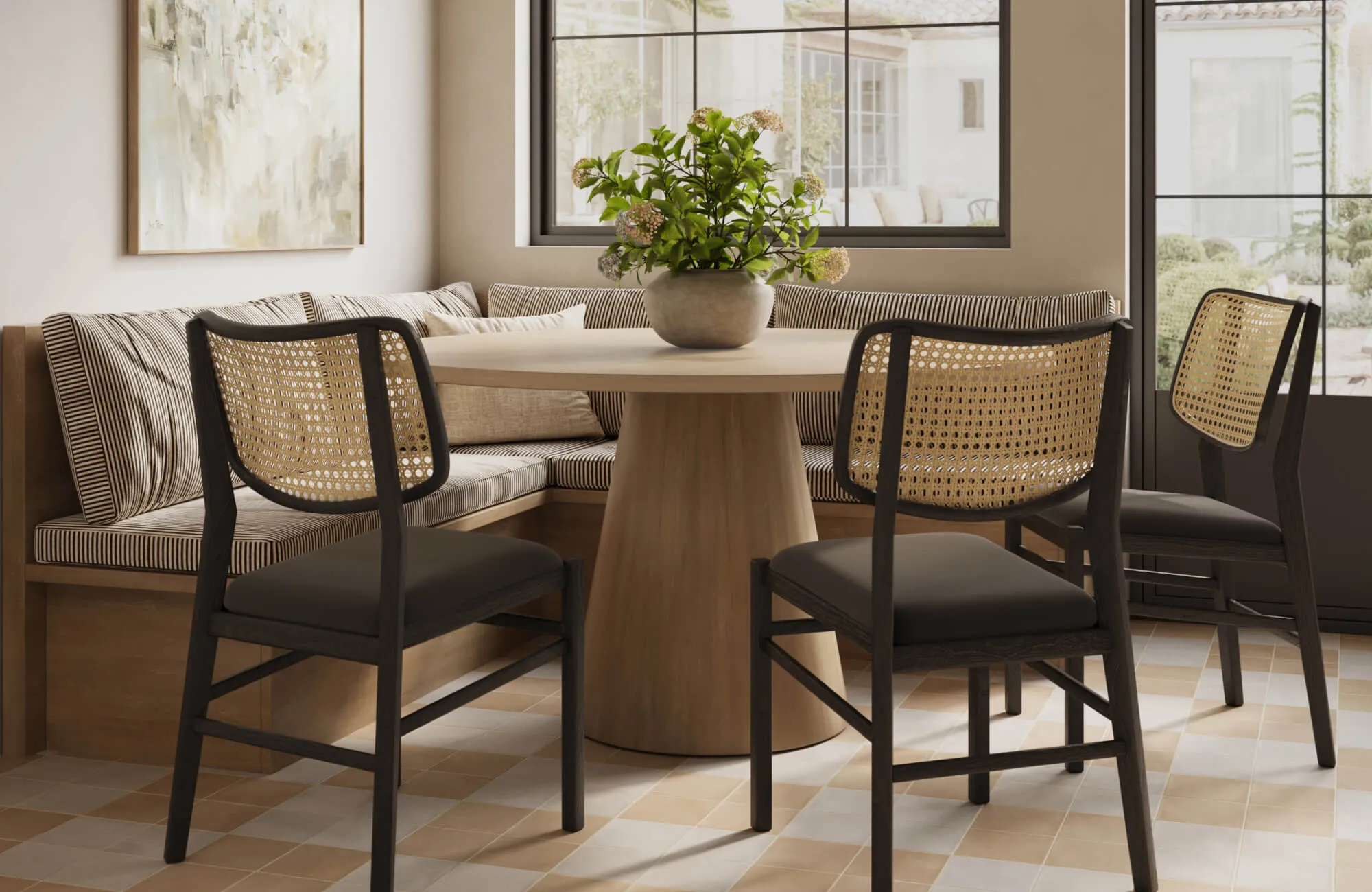
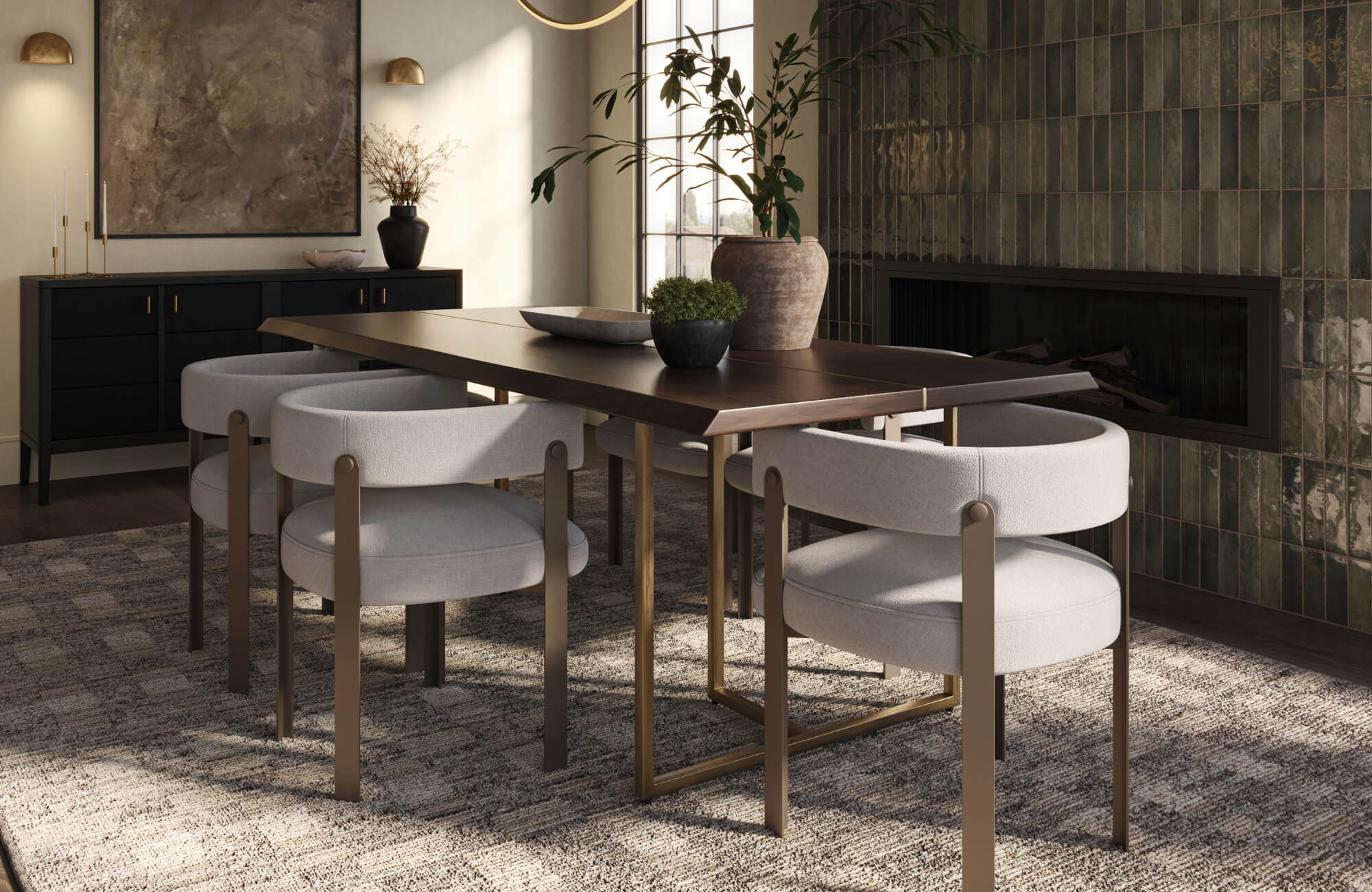
If you prefer upholstered dining chairs, performance fabrics give you the durability you need in a kid-friendly space. A great example is our Elena Dining Chair in Ernst Silverstone, which features a refined light gray fabric that pairs beautifully with the soft neutrals and warm textures seen in the dining room image above. Its durable upholstery not only complements sophisticated interiors but also stands up well to daily use.
Building on this, Crypton fabrics include built-in moisture barriers that keep spills from soaking through, giving you extra time to clean up messes without staining the cushions. Meanwhile, Revolution fabrics use solution-dyed Olefin that won’t fade and can even withstand cleaning with bleach, making it a practical option when you want both style and resilience. These fabrics also help your chairs stay fresh, vibrant, and odor-free despite everyday challenges.
Although the fabric type matters, the durability rating is just as important. A double rub rating of 30,000 or higher ensures the upholstery can handle frequent sitting, shifting, and cleaning. In busy dining areas, going above 50,000 double rubs gives you even more assurance that the fabric can stand the test of time. With the right performance material, you can enjoy soft, comfortable seating without worrying about rapid wear or staining.
Non-Upholstered Surfaces
If your top priority is fast and effortless cleaning, non-upholstered chairs offer the simplest solution. Molded plastic designs provide smooth, seamless surfaces that wipe clean in seconds, making them perfect for messy meals or creative playtime. Contoured wood seats offer similar convenience by reducing the number of crevices where food might gather, allowing you to clean them quickly with a damp cloth. These materials give you the benefit of durability while eliminating the hassle of deep cleaning fabrics.
Metal mesh chairs can also be practical if they have tightly woven designs that prevent crumbs from collecting. However, whichever style you choose, it helps to look for chairs with minimal seams, grooves, or decorative recesses. These features tend to trap debris and make cleaning more time-consuming. When you focus on smooth, uninterrupted surfaces, you get dining chairs that stay tidy with minimal effort, an essential advantage when you’re managing a lively, kid-filled space.
Functional Features That Extend Chair Lifespan In Kid-Focused Spaces
Functional features play a major role in helping your dining chairs withstand the demands of a lively family environment. Stackable or nestable designs, for example, prevent unnecessary wear by keeping chairs from rubbing against each other during storage, especially when equipped with rubber stoppers or protective glides. Chairs that tuck cleanly under the table also reduce daily bumps from people moving through the space and toys, which helps preserve both the frame and the finish.
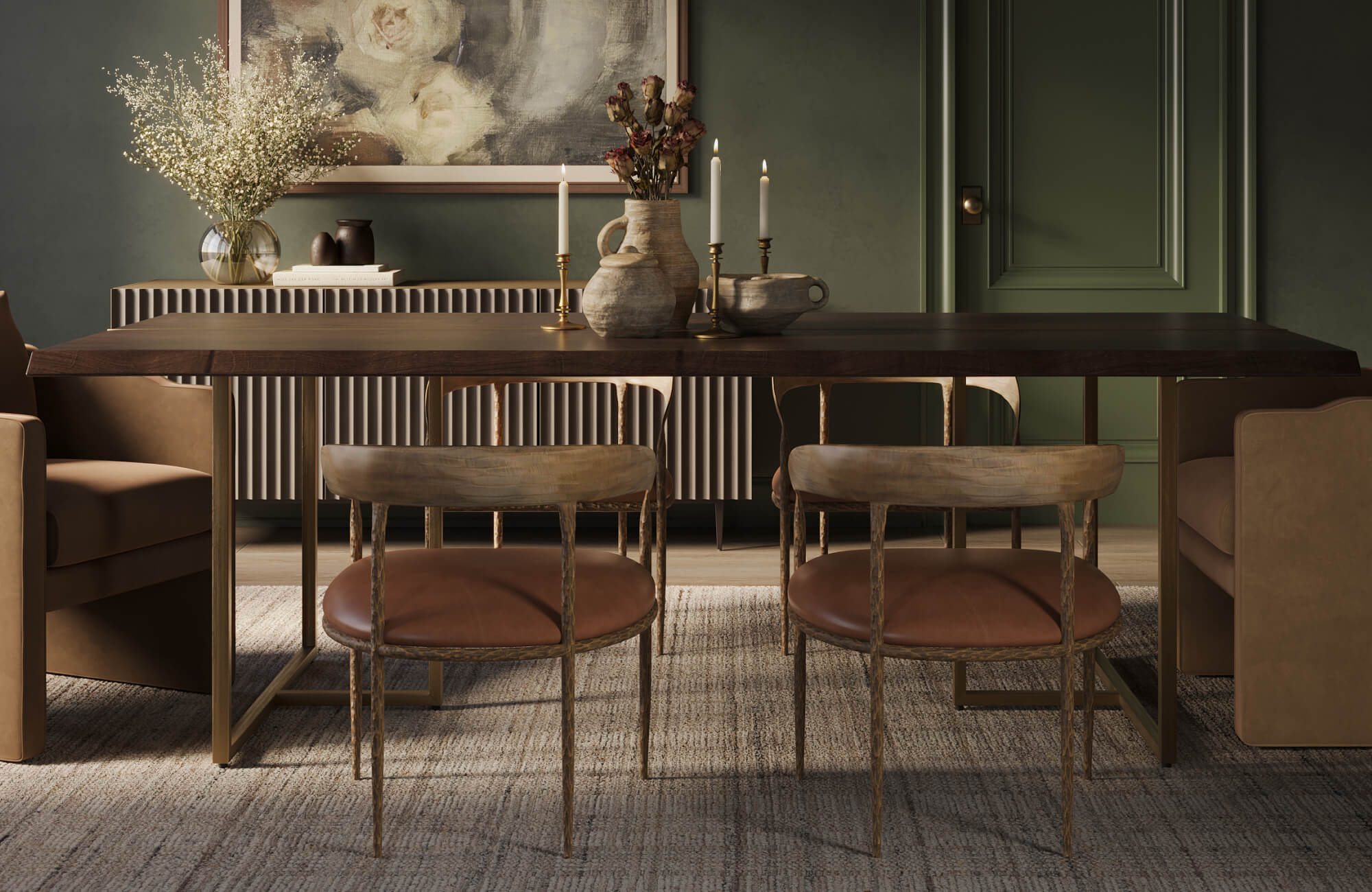
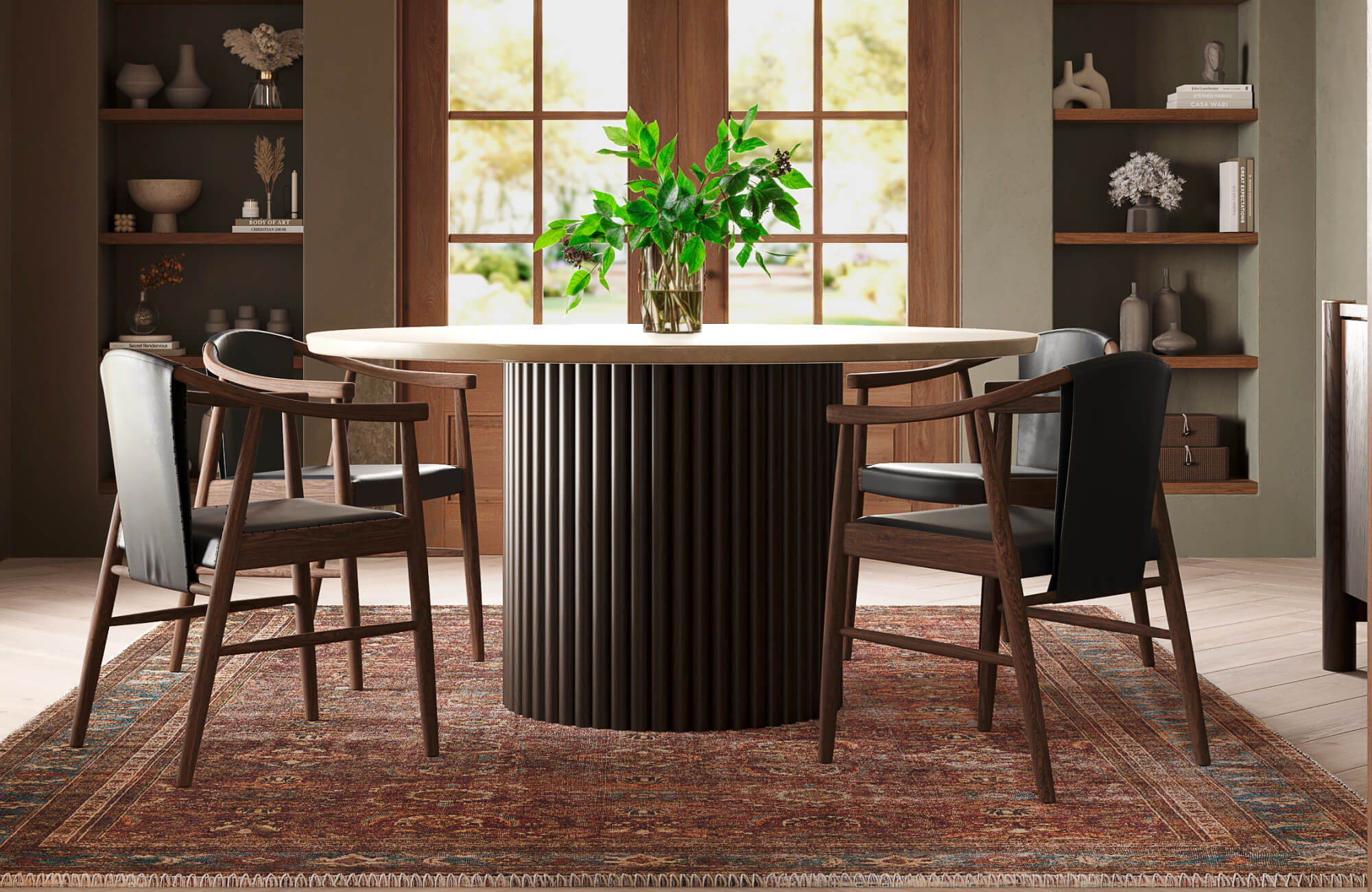
Additionally, it helps to consider whether armchairs or armless chairs better suit your routine, since armless designs typically slide in and out more easily but offer a lighter, more flexible feel that works especially well in tighter dining spaces, while armchairs offer added support that can reduce strain on the frame. A standout example is our Foster Dining Chair in Onyx Leather, displayed in the photo above, which demonstrates the advantages of an armchair design. Its supportive frame and structured armrests help maintain stability during daily use, while the sleek black leather upholstery adds durability and easy upkeep in a busy family setting.
Beyond these practical choices, models with replaceable components, such as removable cushions, screw-in glides, or interchangeable seats and backs, make upkeep far easier. Instead of replacing the entire chair, you can update or repair only the parts that experience the most wear, giving you a more sustainable and budget-friendly approach to long-term use. Equally important is the ergonomic design that many durable chairs incorporate. When a chair supports your body properly with contoured seats, wide leg bases, and balanced backrests, it naturally minimizes concentrated pressure on the joints and frame. This even weight distribution also reduces wobbling, prevents tipping, and helps the chair remain stable despite constant movement from kids.
Matching Chair Durability To Different Family Lifestyles
No two families use their dining space in the same way, which means durability depends heavily on how you live each day. When you match your chairs to your routines, space, and style preferences, you get furniture that holds up better and feels more enjoyable to use.
Large Families with Frequent Mealtime Use
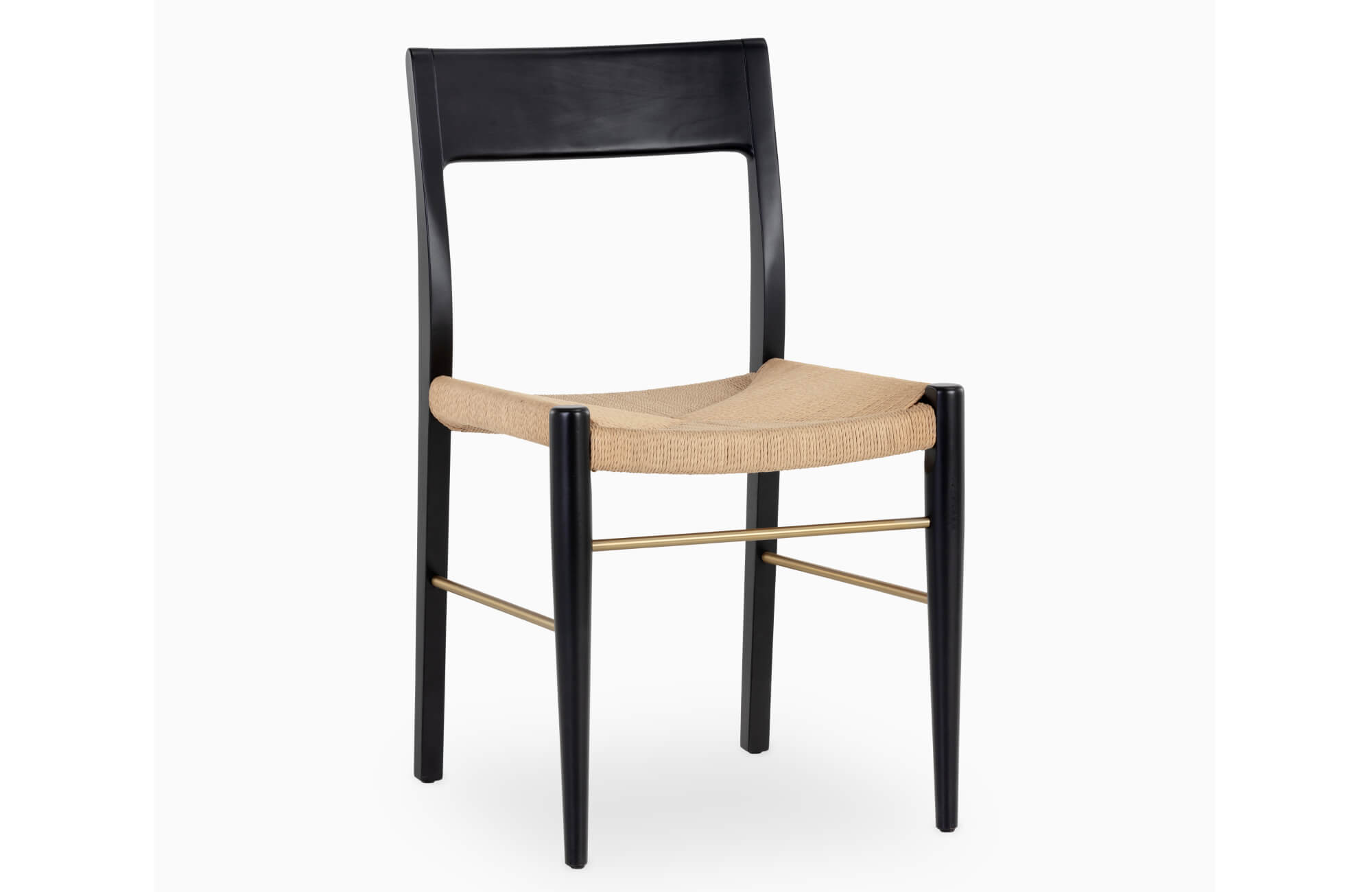
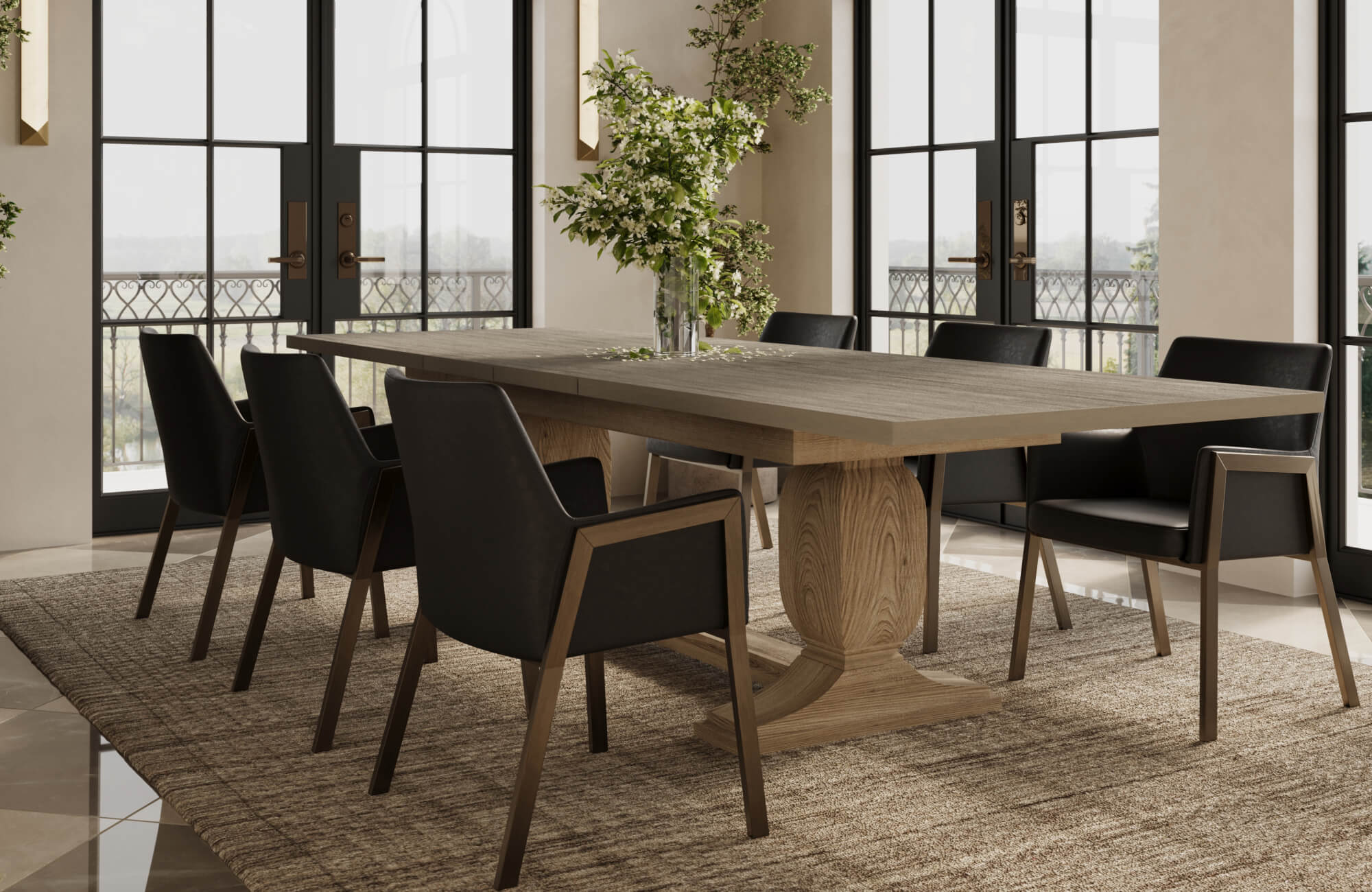
If you have a large family, your dining chairs likely see constant action from breakfast through dinner. This makes hardwood or reinforced metal chairs especially valuable, as they can handle frequent seating, shifting, and cleaning without showing rapid wear. When you choose chairs with thicker frames, protective finishes, and solid joinery, you’re preparing them to withstand the repeated use that comes from multiple daily meals. A chair like our Gideon Dining Chair in Black, featured in the image above, fits well into this category, offering a sturdy frame and a classic black finish that holds up beautifully to everyday family use, especially in busy dining rooms where chairs are constantly pulled, pushed, and cleaned.
As your household grows more active, structural enhancements like gussets, perimeter bracing, and cross-supports become essential. These features strengthen the frame from multiple angles, ensuring stability even as chairs get pulled, pushed, or leaned on repeatedly throughout the day. With the right combination of material strength and thoughtful engineering, you get dining chairs that can confidently handle the steady rhythm of a large, lively family.
Small Homes Where Chairs Double as Multipurpose Seating
In small homes, your dining chairs may need to do more than just support mealtimes. Lightweight and mobile options make it easier to shift chairs between rooms, whether you need extra seating for a home office, a craft corner, or a play area. Materials like polycarbonate or aluminum are especially helpful because they offer both durability and portability, allowing you to rearrange your space quickly without worrying about damage. These chairs also maintain their strength even with frequent movement, bumps, and daily wear.
When chairs serve multiple functions, stackability and compact design add even more value. Being able to stack or neatly tuck away chairs gives you extra space when you need it, especially in tight dining rooms or small apartments. Hybrid indoor-outdoor chairs also work well because they’re built to withstand the elements, which naturally makes them resilient to spills, crumbs, and the general chaos of daily kid activity.
Design-Focused Parents Seeking Durability Without Sacrificing Style
If you value aesthetics as much as practicality, you don’t have to settle for chairs that feel purely utilitarian. Many stylish options are designed with hidden durability features that make them perfect for spaces with children. Mid-century molded plastic chairs, for example, blend iconic curves with materials that resist stains, scratches, and impact. These designs bring a sleek, modern look to your dining room while staying easy to clean and hard to damage.
Performance-upholstered chairs offer another great compromise between beauty and resilience. With fabrics that resist moisture and staining, you can enjoy soft seating without worrying about spills. Sleek metal frames with powder-coated finishes also fit beautifully into contemporary spaces while providing long-lasting structure and protection. When you choose brands that focus on both form and function, you get chairs that elevate your dining space while still supporting the realities of life with kids.
Finding The Best Durable Chair For Your Family
The most durable dining room chairs for families with kids are the ones that successfully blend strong materials, thoughtful construction, protective finishes, and functional features that support daily living. When you choose chairs that align with your routines and the energy level of your household, you gain seating that not only withstands spills and constant movement but also remains comfortable and visually appealing over time. With the right combination of durability and practicality, you can enjoy a dining space that supports your family’s everyday moments while confidently holding up to years of real-life use.
If you’re still unsure which dining chairs will best suit your family’s needs, reaching out for personalized guidance can make your decision even easier. Our team is ready to help you compare options, understand material differences, and explore styles that fit both your space and your lifestyle. By connecting through our Contact Us page, you can get expert insights tailored to your family’s unique routines, ensuring you choose chairs that truly deliver long-lasting comfort and durability.
Follow us on Instagram
@EDWARD.MARTIN
)
)
)
)
)
)
)
)
)
)
)
)
)
)
)
)