Decorative pillows are one of the easiest ways to refresh a room without making major design changes. Because they sit at eye level on sofas, beds, and chairs, even small updates can shift the mood of a space almost instantly. Many homeowners rotate pillows throughout the year to reflect seasonal changes in color, texture, and overall atmosphere while keeping their furniture arrangement the same. In this blog, we’ll explore practical ways to rotate decorative pillows seasonally while keeping your interior balanced, cohesive, and visually inviting.

Why Rotating Decorative Pillows Can Refresh a Room Throughout the Year
Rotating decorative pillows throughout the year is one of the simplest ways homeowners can refresh their interiors without making major design changes. By switching fabrics and textures while keeping the same furniture foundation, a room can naturally reflect the mood of different seasons. When done thoughtfully, this small update keeps the space feeling intentional and well-styled rather than overly decorated.
Why Small Textile Changes Make a Noticeable Impact
Even small textile updates can shift how a room feels almost immediately. Decorative pillows sit at eye level on sofas, chairs, and beds, so they naturally draw attention and influence the visual tone of the space. When homeowners rotate pillow covers or fabrics, the change can make familiar furniture feel refreshed without replacing larger pieces. Because pillows are relatively easy to swap, they allow subtle updates that feel manageable throughout the year. These small adjustments can make a living room feel lighter and relaxed at one point, then warmer and more layered later on. Over time, this approach keeps the space feeling updated while maintaining the same overall design foundation.
How Pillows Influence the Overall Mood of a Room
Decorative pillows play a quiet but important role in shaping the atmosphere of a room. Their textures, fabrics, and arrangement help soften furniture and create a welcoming layer that ties the seating area together. When pillows are rotated periodically, the room naturally takes on a slightly different personality while still feeling cohesive. For instance, lighter materials can introduce a relaxed feeling, while richer textures can bring a sense of comfort and warmth. Because pillows are highly visible yet easy to change, they allow homeowners to adjust the mood of the space without altering the room’s larger design elements. This flexibility is one reason pillows remain a favorite styling tool for designers.
Keeping Your Core Pillow Arrangement Consistent
A consistent pillow arrangement provides structure that makes seasonal rotation feel organized rather than random. Many homeowners keep the same pillow sizes and general layout in place while simply changing the covers or textures. This approach helps the sofa or bed maintain a balanced look throughout the year. It also makes styling easier because the arrangement already complements the furniture and surrounding decor. When the foundation stays the same, seasonal updates feel more subtle and cohesive. Over time, this method allows homeowners to refresh their space regularly while keeping the overall design calm and well-composed.

Building a Versatile Pillow Base That Works Year-Round
Creating a flexible pillow base helps seasonal updates feel effortless instead of overwhelming. Many homeowners start with neutral tones, simple textures, or classic patterns that can remain in place throughout the year. This steady foundation keeps the sofa, bed, or chairs visually balanced while allowing accent pillows to rotate without disrupting the room’s overall design.
Choosing Neutral Pillow Covers as a Foundation
Neutral pillow covers often work best as the starting point for a year-round arrangement. Shades like cream, soft gray, beige, or muted taupe tend to blend easily with a wide range of interior styles and furniture finishes. Because these tones are calm and adaptable, they provide a stable backdrop when other decorative elements change throughout the year. Homeowners often appreciate how neutral pillows keep the seating area feeling polished even when additional accents are introduced. They also make it easier to experiment with different decorative pieces without worrying about clashing colors or patterns. Over time, this simple foundation allows seasonal styling to feel cohesive rather than forced.
Balancing Solid Colors and Subtle Patterns
A thoughtful mix of solid pillows and understated patterns helps create visual depth without overwhelming the space. Solid pillows provide calm structure, while subtle patterns introduce gentle variation that keeps the arrangement interesting. When these elements are balanced carefully, the pillow grouping feels layered but still refined. Designers often rely on quiet patterns such as soft stripes, delicate textures, or low-contrast motifs to add dimension without dominating the furniture. This combination allows the pillows to complement the room’s design instead of competing with it. A balanced mix like this creates a flexible foundation that can adapt easily as other decorative elements shift over time.
Selecting Pillow Sizes That Stay Consistent
Keeping pillow sizes consistent throughout the year helps maintain a sense of order in the arrangement. Many homeowners choose a few core sizes, such as larger squares for the back layer and smaller accent shapes placed in front. Once this structure is established, rotating pillow covers becomes much simpler because the layout already works well with the furniture. The arrangement continues to feel balanced even when decorative details change. Designers often rely on this approach because it keeps styling predictable while still allowing creative updates. Over time, consistent sizing helps the seating area look intentional and well-composed, no matter how often pillows are refreshed.

Choosing Seasonal Colors That Complement Your Interior
Color plays a major role when rotating decorative pillows throughout the year. Subtle shifts in tone can help a room reflect the mood of each season while still working with the space’s existing palette. When the colors feel connected to the room’s foundation, seasonal updates appear natural and cohesive rather than forced.
Warm and Rich Tones for Autumn and Winter
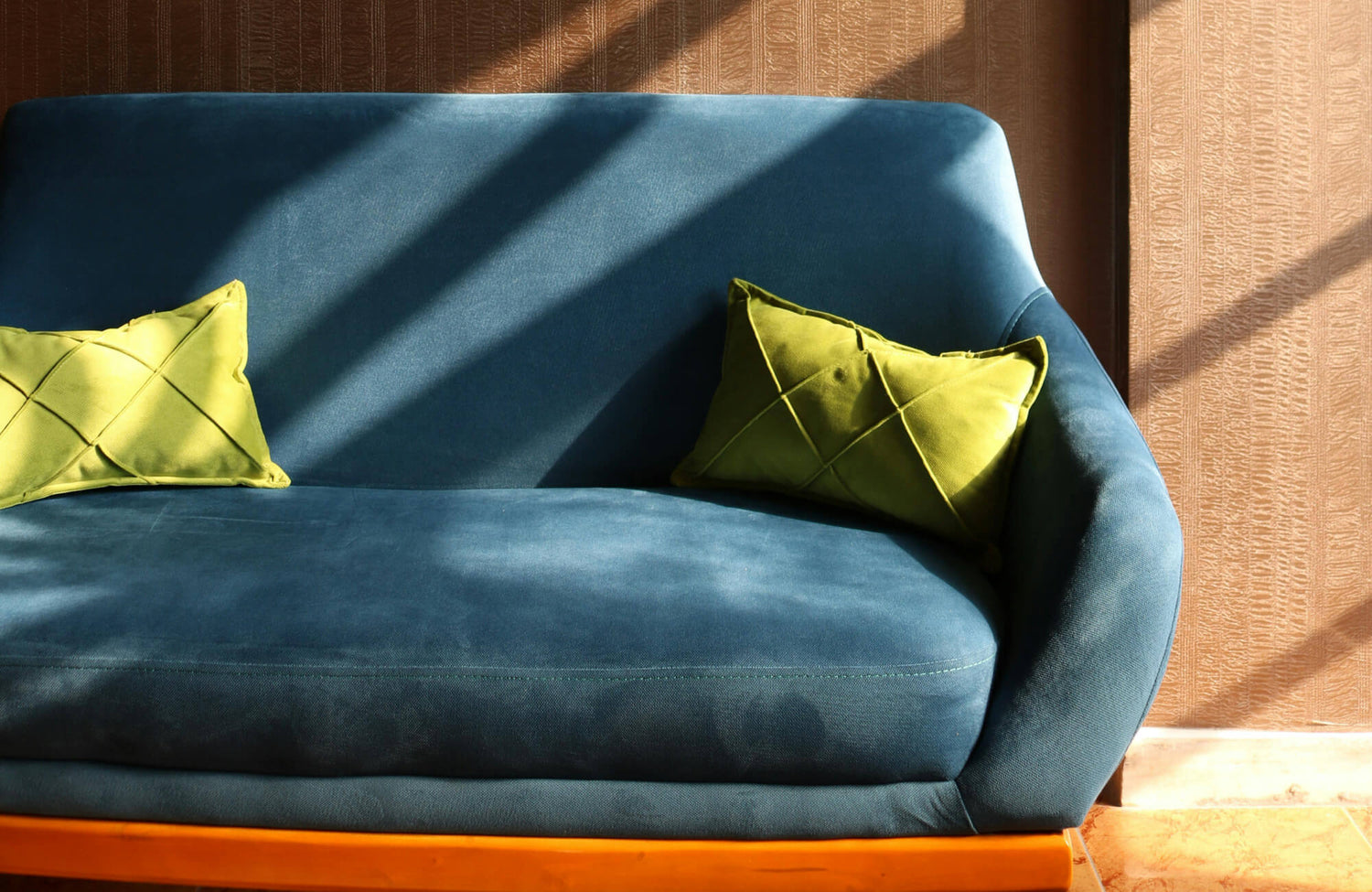
During the cooler months, decorative pillows often lean toward warmer and deeper tones that create a sense of comfort in the room. Colors such as terracotta, rust, olive, and deep navy naturally bring a richer atmosphere to sofas and chairs. These hues pair especially well with wood finishes, layered textiles, and cozy lighting that many homes feature during this time of year. At the same time, the goal is not to overwhelm the space with heavy color but to introduce warmth in a balanced way. Many homeowners keep a few neutral pillows in the arrangement so the deeper tones feel grounded rather than dominating the seating area. This approach allows seasonal color to feel inviting while still preserving the overall elegance of the room.
If you’re leaning into warmer tones during the cooler months, a piece like our Brielle 18” x 18” Down Pillow in Natural / Brown makes it easy to introduce that shift without overthinking the palette. As seen above, it pairs a soft beige linen base with a rich brown cotton flange, finished with visible hand-stitched detailing that gives it a more personal, crafted feel. That contrast brings warmth into the space while still staying grounded in neutral tones, so it blends naturally with existing décor. Filled with natural down clusters and made from organic fabrics, it adds both comfort and texture, making seasonal updates feel subtle yet thoughtfully layered.
Light and Airy Colors for Spring and Summer
As the seasons shift toward warmer weather, pillow colors often move in a lighter and more refreshing direction. Soft blues, pale greens, warm creams, and gentle pastels can instantly make a room feel brighter and more relaxed. These shades naturally reflect the airy atmosphere many homeowners enjoy during spring and summer. Instead of dramatically changing the entire arrangement, introducing a few lighter pillows can subtly shift the overall mood of the space. The seating area begins to feel more open and relaxed while the core design of the room remains intact. Over time, these gentle updates help the space feel refreshed without requiring a complete redesign.
Blending Seasonal Colors With Your Existing Decor
Seasonal pillow colors tend to work best when they connect naturally with the room’s existing design. Rather than introducing entirely new hues, many homeowners look for shades that already appear in artwork, rugs, or decorative accents. This small step helps the pillows feel like part of the room instead of temporary additions. For instance, a color found in a rug pattern or piece of wall art can easily guide the direction of seasonal updates. Because the palette remains connected, the space continues to feel balanced and cohesive. With this approach, seasonal color shifts enhance the room while still respecting the design that is already in place.

Switching Pillow Fabrics to Reflect Seasonal Comfort
While color can influence the mood of a room, fabric texture often plays an equally important role when rotating decorative pillows throughout the year. Heavier materials tend to feel comforting during cooler months, while lighter fabrics naturally suit warmer seasons. By adjusting textures rather than completely changing the design palette, homeowners can subtly shift the atmosphere of a space while keeping the room cohesive.
Cozy Textures for Cooler Months
During colder seasons, decorative pillows often feature fabrics that feel richer and more substantial. Materials such as velvet, wool blends, and chunky knits introduce warmth and visual depth to sofas and chairs. These textures naturally create a more layered look that complements the cozy atmosphere many homes embrace during this time of year. Even a few pillows in heavier fabrics can make the seating area feel more inviting and comfortable. At the same time, mixing them with smoother fabrics helps maintain balance so the arrangement does not feel overly dense. This thoughtful layering allows texture to add comfort while still keeping the room visually refined.
Lightweight Fabrics for Warmer Seasons
When temperatures begin to rise, lighter pillow fabrics can help a room feel relaxed and breathable. Materials such as linen, cotton, or soft woven blends introduce a casual softness that suits spring and summer interiors. These fabrics tend to drape more naturally, giving the seating area a fresh and effortless appearance. Homeowners often find that simply swapping a few heavier pillow covers for lighter ones can shift the atmosphere of the entire room. The space begins to feel more open and comfortable without changing the overall arrangement. Over time, this small adjustment keeps the interior aligned with the lighter feeling many people associate with warmer months.
Layering Multiple Textures for Depth
A well-styled pillow arrangement often relies on a thoughtful mix of textures rather than a single fabric type. Combining smooth surfaces with more tactile materials creates visual interest that feels natural and inviting. For example, a soft linen pillow might sit beside a woven fabric or a subtly textured cotton cover. This contrast keeps the arrangement from appearing flat while still maintaining a cohesive look. Designers frequently rely on layered textures to give seating areas a more collected and lived-in appearance. When the textures complement each other, the result feels balanced and comfortable throughout the year.
Choosing Durable Fabrics That Transition Easily Between Seasons
Some pillow fabrics work well across multiple seasons, which makes them a practical choice for homeowners who prefer subtle updates. Materials such as cotton blends, lightly woven linens, or soft textured weaves offer enough visual interest without feeling tied to a single time of year. Because these fabrics remain versatile, they can stay in the arrangement even when other pillows rotate in or out. This approach reduces the need for constant changes while still allowing seasonal updates to feel intentional. Many homeowners rely on these adaptable fabrics as part of their core pillow collection. Over time, they help create a balanced arrangement that evolves naturally with the rest of the room.
Mixing Structured and Relaxed Fabrics for Visual Balance
Another way to keep pillow arrangements visually interesting is by combining structured fabrics with softer, more relaxed materials. Structured fabrics often hold their shape and give the arrangement a polished appearance. Softer materials, on the other hand, add comfort and help the seating area feel approachable. When these two qualities appear together, the arrangement looks both styled and inviting. Designers frequently use this contrast to prevent the pillows from appearing overly formal or too casual. The balance between structure and softness helps the space feel thoughtfully layered while still remaining comfortable for everyday living.

Arranging Decorative Pillows for a Balanced Look
The way decorative pillows are arranged can influence how seasonal updates appear within a room. A thoughtful layout helps new pillows blend smoothly with existing ones so the arrangement feels styled rather than random. When sizes, shapes, and placement work together, the seating area maintains a cohesive look even as pillows rotate throughout the year.
Mixing Square, Lumbar, and Round Pillows
Combining different pillow shapes is one of the easiest ways to create visual interest in a seating arrangement. Square pillows often form the foundation because they provide structure and fill the corners of sofas or beds comfortably. From there, lumbar pillows can introduce contrast with their elongated shape while helping the arrangement feel layered. Round pillows, though used more sparingly, add softness that breaks up the straight lines created by square designs. This mix of shapes keeps the arrangement from appearing too rigid or predictable. When balanced carefully, the combination feels intentional and adds personality without overwhelming the furniture.
Creating Symmetry or Relaxed Layering
Pillow arrangements often follow either a symmetrical layout or a more relaxed layered approach. Symmetry tends to work well in interiors that lean toward a traditional or polished style, where matching pillows on each side of the furniture create a clean and orderly look. On the other hand, a relaxed arrangement can feel more casual while still maintaining balance. In these layouts, pillows might vary slightly in size or placement while still appearing cohesive as a group. Many homeowners prefer this softer approach because it feels comfortable and lived in. The key is maintaining enough structure so the arrangement still appears thoughtfully composed.
Adjusting Arrangements for Sofas, Beds, and Chairs
Different pieces of furniture naturally call for slightly different pillow arrangements. Sofas often benefit from layered groupings that include larger pillows in the back and smaller accents placed toward the front. Beds typically feature a more structured setup where pillows build gradually from sleeping pillows to decorative accents. Chairs, however, usually require a simpler approach with one or two pillows that provide comfort without overwhelming the seat. Paying attention to the scale of the furniture helps the arrangement feel balanced rather than crowded. When each piece is styled with its proportions in mind, the entire room appears more harmonious and well considered.

Storing Decorative Pillows Between Seasonal Rotations
Proper storage helps decorative pillows stay clean, organized, and ready for the next seasonal change. When pillows are stored thoughtfully, fabrics remain protected, and the rotation process becomes much easier throughout the year. A simple system for organizing covers and inserts also helps homeowners maintain the quality and appearance of their decorative textiles over time.
Organizing Pillow Covers by Season
Keeping pillow covers grouped by season can make rotating them throughout the year much more convenient. Many homeowners store covers in separate containers or labeled fabric bags so they are easy to identify when it is time to switch them out. Folding covers neatly also helps prevent wrinkles and keeps delicate fabrics in better condition. Some people prefer to store matching sets together so the entire arrangement can be recreated quickly. This small step saves time when decorating and keeps seasonal changes feeling effortless. With a clear system in place, updating pillows becomes a quick and satisfying part of refreshing the room.
Protecting Fabrics During Storage
Decorative pillow fabrics often benefit from a little extra care when they are not in use. Storing covers in breathable fabric bags or clean storage bins helps protect them from dust while still allowing air circulation. Avoiding tightly sealed plastic containers can also help prevent moisture from building up around delicate textiles. Before storing pillows, many homeowners take a moment to ensure the covers are clean so stains do not set over time. Adding a small sachet or fabric-safe freshener can keep storage spaces smelling pleasant as well. These simple precautions help fabrics maintain their color, texture, and overall appearance.
Keeping Seasonal Sets Easy to Rotate
A well-organized storage system makes seasonal pillow rotation feel simple rather than overwhelming. Many homeowners keep pillow inserts in one location while rotating only the covers, which reduces the amount of space needed for storage. Others label containers by season so they can quickly locate the correct set when the time comes to refresh the room. This approach helps avoid digging through multiple boxes when changing pillow arrangements. Keeping everything grouped and clearly marked also encourages more consistent seasonal updates. Over time, this organized routine makes decorative pillow rotation feel like a natural part of maintaining the home’s interior.
Refresh Your Space With Thoughtful Seasonal Styling
Rotating decorative pillows seasonally is a simple way to keep your home feeling fresh while maintaining a cohesive design. By adjusting colors, textures, and fabrics throughout the year, you can subtly shift the mood of a room without replacing larger furniture pieces. This thoughtful approach allows your living spaces to feel comfortable and inviting as the seasons change. When pillows are styled with intention, even small updates can make a noticeable difference in how a room feels.
If you would like help creating a pillow arrangement that complements your interior year-round, our team at Edward Martin is here to assist. Through our personalized design consultation, you can explore color palettes, textures, and styling ideas that work naturally with your furniture and décor. Our designers help you build a flexible pillow foundation that can easily adapt from season to season. With the right guidance, rotating decorative pillows becomes an effortless way to keep your home beautifully styled throughout the year.