A well-designed wall display can transform an ordinary room into a curated, visually engaging space. While framed artwork often anchors a gallery wall, the most elegant interiors rarely rely on art alone. Designers frequently incorporate lighting, mirrors, sculptural decor, and textured elements to create depth and visual interest beyond the frame.
These additions bring balance, dimension, and personality to a wall while enhancing the surrounding space with light, reflection, and material contrast. From architectural wall sconces to layered shelves and heirloom objects, the right elements can elevate a simple gallery wall into a refined focal point. In the sections ahead, we’ll explore several sophisticated ways to enhance a wall art display using beautiful design pieces that aren’t technically “art,” but contribute just as much visual impact.

Introducing Architectural Depth With Wall Sconces
Beyond decorative objects, lighting itself can become a defining element within a wall display. Wall sconces introduce both architectural structure and soft illumination, helping transform a gallery wall from a flat arrangement into a layered visual feature.
The Sculptural Appeal Of Brass And Matte Black
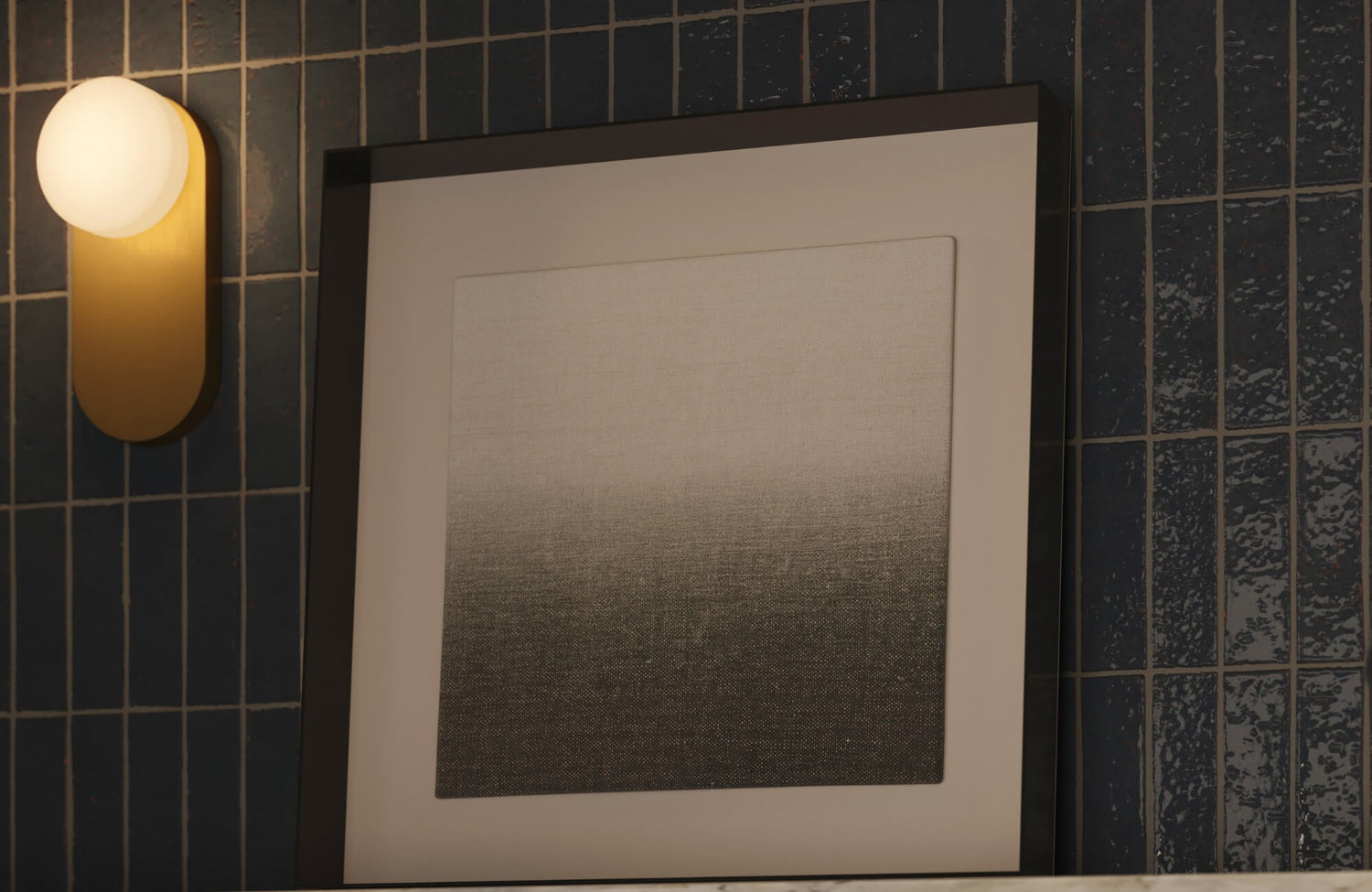
The design of the sconce itself can function as a decorative element. Finishes such as warm brass or sleek matte black introduce a sculptural quality that complements modern gallery walls. Brass sconces often lend a sense of timeless luxury, catching light subtly and adding warmth to neutral interiors. Matte black, by contrast, offers a contemporary edge and crisp visual definition against light-colored walls.
When incorporated thoughtfully, these lighting fixtures operate as both functional illumination and design accents. Their form, finish, and silhouette contribute to the visual story of the wall while reinforcing the broader aesthetic of the room.
Framing The Display With Symmetrical Lighting
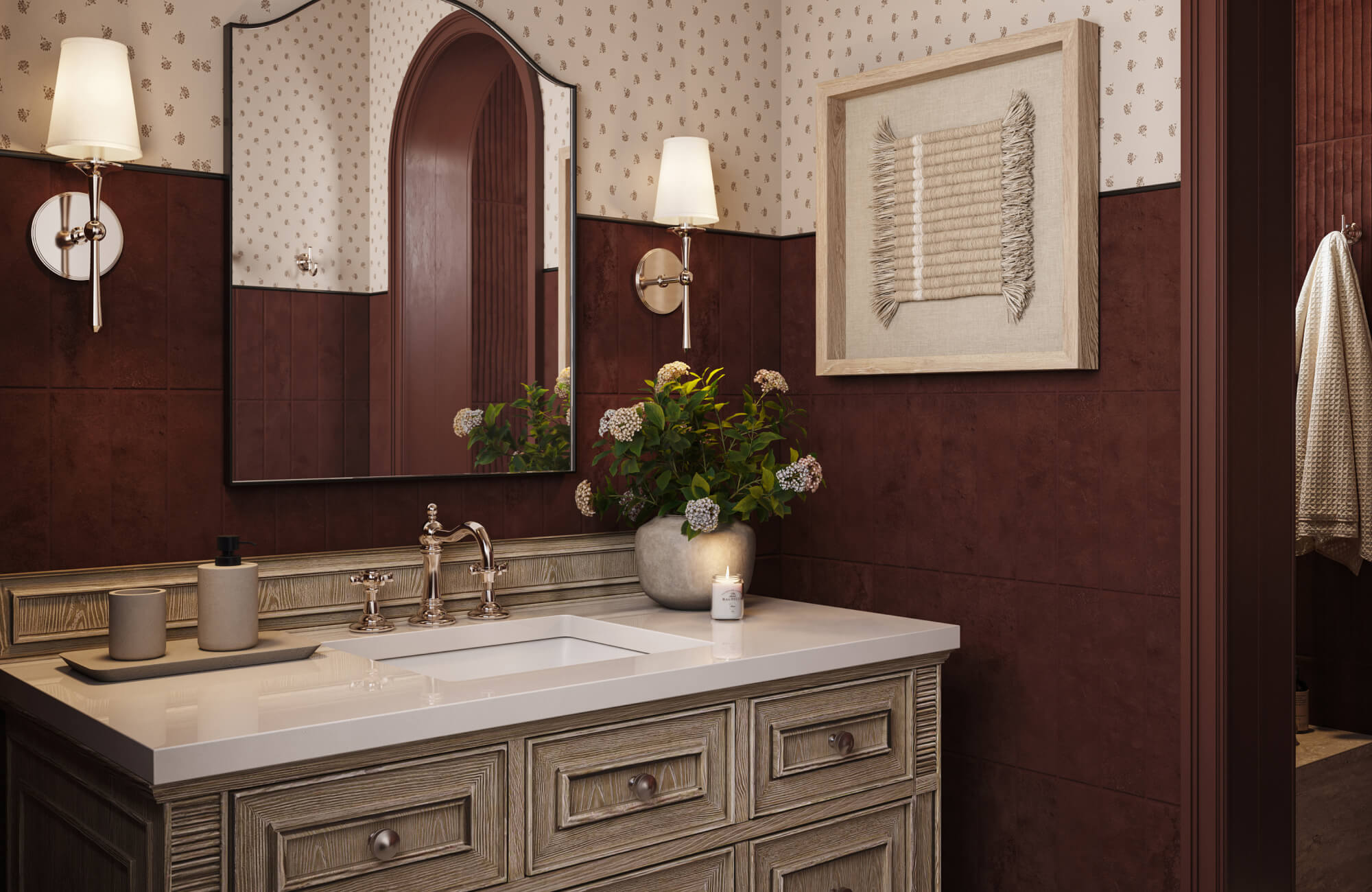
One of the most elegant ways to integrate wall sconces into a display is through symmetry. Placing a pair of sconces on either side of a central artwork or gallery grouping frames the composition and anchors the arrangement within the room. As shown in the image above, Edward Martin’s Earthbound Trace Wall Art is beautifully framed by a pair of Winifred Wall Sconce in Polished Nickel, demonstrating how balanced lighting can subtly highlight texture and form while reinforcing the structure of the display.
This technique creates visual stability while guiding the viewer’s eye inward toward the display. Symmetrical lighting also reinforces a sense of refinement and intentional design, qualities that are particularly important in sophisticated interiors. Since wall sconces require electrical wiring and proper wall support, professional installation is generally recommended to ensure safe placement and optimal lighting performance. Whether flanking a large statement piece or bracketing an arrangement of smaller frames, this balanced placement introduces architectural order to the wall.
Utilizing The Wash Of Ambient Light
Beyond their visual form, sconces enhance the ambiance of a space through soft, diffused illumination. Many designs cast light upward and downward, creating a gentle wash across the wall that subtly highlights textures and contours.
This type of ambient lighting softens the overall display and prevents the wall from appearing flat. The interplay of light and shadow introduces depth, especially when paired with objects such as mirrors, ceramics, or sculptural decor. The result is a wall display that feels atmospheric and inviting rather than purely decorative.

Expanding Space And Reflecting Light With Mirrors
While lighting adds dimension, reflective surfaces can further enhance the visual impact of a wall display. Mirrors introduce brightness, depth, and movement, making them a sophisticated addition that complements surrounding artwork and decor.
Breaking The Grid With Round And Organic Shapes
Traditional gallery walls often rely on rectangular frames arranged in a structured grid. While this layout provides order, it can sometimes feel rigid or predictable. Introducing a round mirror or organically shaped reflective piece interrupts the geometry in a visually pleasing way.
Circular mirrors soften the linear structure of framed artwork and add a sense of fluidity to the display. Their curves create contrast against straight edges, encouraging the eye to move naturally across the wall. Organic silhouettes, such as asymmetrical mirrors or softly irregular frames, further enhance this effect, contributing a modern and sophisticated aesthetic.
Amplifying Natural Light In Dark Hallways
One of the most practical advantages of incorporating mirrors into a wall display is their ability to reflect natural light. In narrow corridors or darker hallways, mirrors bounce existing light throughout the space, brightening the environment without requiring additional fixtures.
When positioned opposite a window or near a source of daylight, mirrors capture and redistribute illumination across the wall display. This subtle reflection enhances the visibility of surrounding artwork and decorative elements, allowing the entire arrangement to feel more open and expansive.
Choosing The Right Frame Finish For Contrast
The frame of a mirror can be just as influential as the mirror itself. Selecting a finish that complements or contrasts with the surrounding artwork introduces another layer of visual interest.
For example, a thin brass frame can add warmth and sophistication within a neutral gallery wall, while a black metal frame provides definition against lighter surfaces. Natural wood finishes, on the other hand, introduce organic warmth that pairs beautifully with textiles, ceramics, or woven decor elements. This effect can be seen in the image above, where Edward Martin’s Lorian Mirror in Rustic Oak adds subtle contrast while maintaining harmony with the surrounding decor. By carefully coordinating mirror frames with nearby materials and finishes, designers create a cohesive wall display that feels curated rather than random.

Adding Organic Texture Through Display Shelves And Ledges
In addition to light and reflection, texture also helps shape a visually engaging wall composition. Display shelves and picture ledges allow you to introduce layered materials and objects that bring warmth and dimension to the overall arrangement.
The Versatility Of The Floating Picture Ledge
Floating picture ledges have become a favorite among interior designers for their simplicity and versatility. Unlike traditional shelves, picture ledges are shallow and unobtrusive, designed specifically to support framed pieces and decorative objects while maintaining a clean visual profile. Within a wall display, a floating ledge can anchor the arrangement while supporting layered frames, small sculptures, and decorative accents, allowing the composition to feel curated yet flexible.
Because objects can be leaned rather than permanently mounted, the display becomes easy to refresh or rearrange over time. However, when styling ledges with heavier ceramics, sculptures, or framed pieces, it’s important that the shelf itself is securely anchored into wall studs or installed with appropriate mounting hardware to maintain stability. This thoughtful installation ensures the display remains both visually appealing and safely supported while encouraging experimentation with layered decor.
Layering Ceramics And Sculptures
Ceramic vessels, sculptural objects, and small art pieces add dimensional character when placed on display shelves. Their three-dimensional form contrasts beautifully with the flat surfaces of framed prints and photographs.
Handmade ceramics, in particular, introduce subtle irregularities and artisanal charm that enrich a gallery wall. Sculptures crafted from stone, clay, or metal add visual weight and texture, drawing the eye forward from the wall. In the image above, Edward Martin’s Silent Orchard Wall Art sits comfortably among layered decor elements, illustrating how textile-inspired artwork can complement sculptural objects while enhancing the overall depth of a styled shelf. When arranged thoughtfully, these pieces create a sense of movement that transforms the display into a curated vignette rather than a static arrangement.
Introducing Trailing Greenery For Natural Softness
Plants and greenery offer a natural counterbalance to structured gallery arrangements. Incorporating trailing plants such as pothos or ivy onto display shelves introduces softness and organic movement.
The gentle drape of greenery softens hard edges and brings life to the wall, particularly in spaces dominated by neutral tones or minimalist design. Natural elements also enhance the sense of warmth and livability within a room. Even a small amount of greenery can transform a gallery wall into a vibrant focal point that feels connected to the surrounding environment.

Incorporating Heirloom And Found Objects
Beyond curated decor pieces, personal and vintage items can add character that makes a wall display truly unique. Heirloom objects and collected finds introduce history, craftsmanship, and storytelling into the composition.
Mounting Vintage Plates And Ceramics
Decorative plates and ceramic pieces have long been used in traditional interiors as wall accents. When integrated into a modern gallery display, they offer a unique blend of heritage and contemporary design.
The circular forms of plates provide contrast against rectangular frames, while their patterns and glazes introduce color and texture. In the image above, Edward Martin’s Meadowline Wall Art demonstrates how woven textures and soft neutral tones can echo the handcrafted quality often found in vintage ceramics. Groupings of plates or ceramic pieces can create a rhythmic arrangement that complements nearby artwork without overwhelming it. Because each item carries its own history and craftsmanship, ceramic displays often feel deeply personal and timeless.
Showcasing Architectural Salvage And Carvings
Architectural salvage pieces, such as carved wood panels, antique moldings, or decorative fragments, introduce rich texture and historical character to a wall display.
These elements often feature intricate details that invite closer inspection. Their presence adds depth and narrative, connecting the modern interior to design traditions of the past. When positioned among framed artwork, architectural fragments create a striking juxtaposition between old and new, elevating the visual complexity of the display.
Adding Warmth With Woven Baskets And Textiles
Textural materials like woven baskets, fiber art, or decorative textiles offer warmth and tactile interest that contrasts beautifully with smooth frames and glass surfaces.
Natural fibers introduce an earthy quality that balances more polished elements such as mirrors or metal lighting fixtures. When arranged thoughtfully, woven pieces contribute a sense of craftsmanship and global influence. Their varied textures and patterns enrich the overall composition while maintaining a relaxed and inviting aesthetic.
Elevating Your Wall Display Beyond The Frame
An elegant wall display doesn’t have to rely on artwork alone. Thoughtfully incorporating elements like wall sconces, mirrors, sculptural objects, shelves, and textured decor can add depth, light, and personality that framed pieces alone often cannot achieve. These additions help create a more layered and visually balanced composition, turning a simple gallery wall into a refined design feature that enhances the entire room.
If you’re looking to curate a more sophisticated wall display but aren’t sure where to begin, Edward Martin offers expert design consultation to help you bring your vision together. Our team can guide you in selecting premium materials, decor, and layout ideas tailored to your space. You can also explore our contact options to connect directly with a design specialist and start creating a wall display that feels beautifully intentional and uniquely yours.