Area rugs do more than just pull a room together; they take a daily beating from shoes, furniture, spills, and sunlight. Without a little attention, even the nicest rug can start to wear out faster than you'd expect. The good news is that protecting your rug doesn’t have to be complicated or time-consuming. In this article, we’ll walk through simple, practical ways to help your rug last longer, from choosing the right size and material to using proper padding and handling everyday messes. With a few easy habits, you can keep your rug looking great without turning maintenance into a chore.

Start With the Right Size and Placement
Getting the rug size right can make a bigger difference than most people realize. When a rug is too small, it tends to slide around or leave the edges exposed, which can lead to curling, snagging, or uneven wear. You might also notice certain spots breaking down faster if the rug doesn’t cover enough of the space. A well-sized rug spreads out the pressure more evenly and stays in place better, which helps it hold up longer.
Where you place the rug and how you anchor it matter just as much. Tucking the front legs of your furniture onto the rug gives it weight and keeps it from shifting around. In more open spaces, floating the rug can still work, but only if it’s heavy enough or paired with a good pad underneath. For example, in hallways or smaller rooms, it’s best to center the rug and keep the edges clear of doors or heavy movement. These small decisions help the rug stay flat and secure, so you’re not constantly adjusting it.
It’s also worth paying attention to the edges. Curled corners or lifted ends aren’t just a trip hazard; they’re often the first parts of a rug to wear out. Keeping everything flat from edge to edge gives the whole room a more polished look and helps the rug stay in better shape. If you notice a corner starting to lift, something as simple as a corner gripper or shifting the rug slightly can make a difference. A few easy tweaks in size and placement go a long way in protecting your rug for the long haul.
As seen above, our Hutchinson Polyester Face Rug in Burgundy / Denim is a great example of smart sizing and thoughtful placement. It grounds the seating area without crowding the edges, helping reduce wear while keeping the layout visually balanced and secure.

Consider the Rug’s Material and Care Needs
Not all rugs respond the same way to wear, sunlight, or spills, so it's important to tailor your care routine based on what the rug is made of. Below, we’ll break down how different fibers hold up and what you should keep in mind when protecting them day to day.
How Wool, Jute, Synthetics, and Blends Hold Up to Wear
Wool rugs are naturally resilient and can handle years of use with the right upkeep, while jute tends to be more rigid and doesn’t hold up as well in damp or humid areas. Synthetic rugs like polypropylene or nylon are often the most forgiving—they’re tough, easy to clean, and usually budget-friendly. Blends can offer a mix of benefits but may require extra care depending on the fiber combination. Each type has its own strengths, so matching the rug to how the room is used makes a real difference.
Which Fibers Are Most Vulnerable to Spills or Sun
Natural fibers like cotton or jute tend to absorb spills quickly and fade faster in direct sunlight, especially if they’re untreated. Wool is more resistant but still needs some protection near windows or doors. Synthetic options usually hold up better under both conditions, which is why they’re often found in family rooms or near entrances. If your rug gets a lot of daylight or sits in a spill-prone area, fiber choice becomes even more important.
Cleaning Compatibility Based on Material
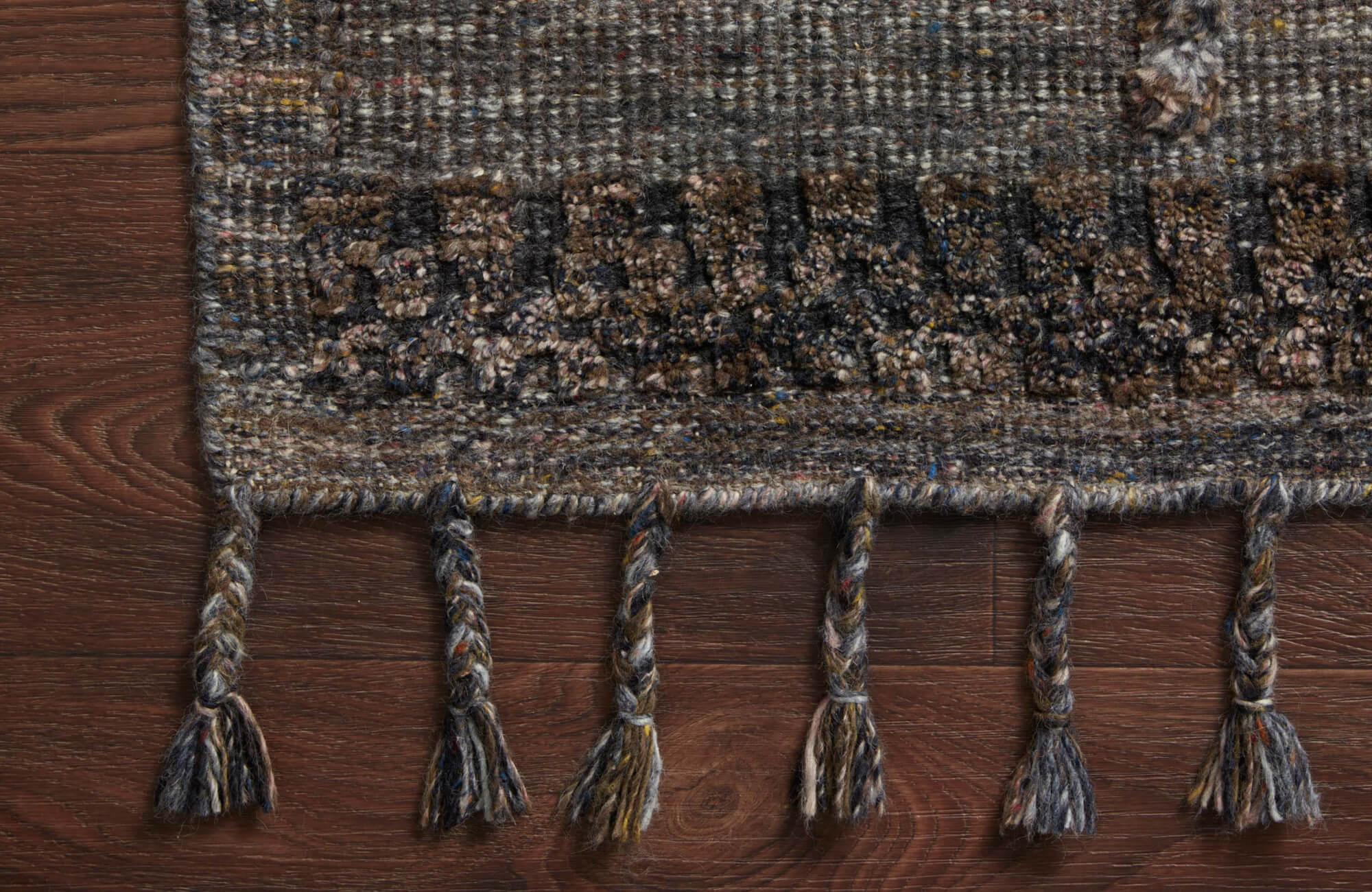
Wool rugs respond best to gentle care, think low-suction vacuums and dry cleaning methods, while synthetics, like our Haverford Polyester Pile Rug in Desert / Rust above, can handle more aggressive spot treatments and moisture. Machine-washable rugs are typically made from synthetic blends and can be a lifesaver in homes with kids or pets. On the other hand, jute and other plant-based fibers break down quickly if exposed to too much water. Always double-check care labels before cleaning, especially if the rug has mixed materials.
What to Watch for With Delicate Weaves or Antique Rugs
Older or finely woven rugs can be sensitive to nearly everything, from vacuuming to light exposure, so gentle handling is key. Their looser construction or natural dyes often don’t hold up well to modern cleaners or vigorous scrubbing. Even small mistakes, like over-vacuuming or using the wrong attachment, can cause damage. When in doubt, professional cleaning is the safer choice, especially for heirloom or vintage pieces.

Use Pads, Liners, or Underlays the Right Way
A quality rug pad or underlay isn’t just for comfort; it can significantly extend your rug’s life and protect your floors in the process. Below, we’ll look at how different pad types work, what to avoid, and how to choose the right setup based on your rug and space.
How Rug Pads Protect Both Rug and Floor
Rug pads act as a buffer between the rug and the floor, helping reduce friction that can lead to early wear or fiber breakdown. They also help keep the rug in place, preventing slips, folds, or creeping edges that can become a hassle over time. On top of that, pads can protect your flooring, especially hardwood or tile, from scratches caused by rug backing. The added cushion is a bonus, but it’s the protection and stability that matter most. Choosing a well-made pad gives you peace of mind with daily use.
Choosing Between Felt, Rubber, or Hybrid Pads
Each pad material has its own strengths. Felt offers the most cushioning and is great for larger rugs held down by furniture, while rubber adds grip to prevent slipping, especially helpful for runners or small rugs. Hybrid options combine both, giving you softness and traction in one. For instance, a felt-rubber combo works well in living rooms where both comfort and movement control are important. The right material depends on the rug’s size, weight, and how much activity the area sees.
Pad Thickness and Placement Tips
Thicker pads feel more luxurious, but they aren’t always the best choice for every room. In tight-clearance areas like doorways, a low-profile pad can help avoid awkward bunching or height issues. Also, make sure the pad is trimmed slightly smaller than the rug so it doesn’t peek out from the edges. This keeps the look clean and avoids creating trip points around the rug’s perimeter. A good fit helps both the rug and pad function as one stable surface.
When to Layer an Underlay for Added Performance
In some cases, layering an underlay beneath a rug pad can improve grip, airflow, or insulation, especially on uneven floors or over carpets. This added support can also help with sound dampening in upstairs rooms or shared living spaces. For example, a thin rubber underlay below a felt pad can keep everything locked in place without sacrificing comfort. Just be sure each layer is breathable and won’t trap moisture, which can cause damage over time. When done right, layering creates a more stable and longer-lasting setup.

Treat for Stains, Moisture, and Sun Exposure
Rugs face all kinds of daily threats, from drink spills to sun fading, and without the right protection, those small issues can turn into permanent damage.
When and How to Apply Fabric Protection Sprays
Fabric protection sprays can be a smart first line of defense, especially for rugs in busy or spill-prone areas. Look for sprays designed specifically for rugs and upholstery, and test a small area first to make sure it won’t discolor the fibers. It's best to apply protection after cleaning and let it dry completely before using the rug again. Reapplying every few months can help maintain that barrier, especially in homes with pets or kids. Just avoid using products not made for textiles; they may do more harm than good.
Sun-Facing Rooms and UV-Safe Positioning
Direct sunlight can fade colors and dry out natural fibers over time, especially in south-facing rooms or spaces with large windows. To minimize fading, rotate rugs regularly and, if possible, position them away from harsh light. UV-blocking window films or sheer curtains can also help without changing the look of the room too much. For rugs made of wool or plant-based materials, sun protection is especially important. Synthetic rugs often hold color better, but even they can start to fade if exposed for long periods.
What to Do for High-Humidity Zones
In humid climates or damp areas of the home, moisture can build up underneath rugs and cause mold, mildew, or fiber damage. Using a breathable rug pad with good airflow can help reduce that risk, especially on non-porous flooring like tile or vinyl. Also, avoid placing absorbent rugs like wool or cotton in bathrooms or basements unless you're able to lift and air them out regularly. For example, synthetic low-pile rugs may be a better fit in these areas due to their quick-drying nature. Keeping things dry underneath is just as important as cleaning what’s on top.
Spot-Cleaning vs. Deeper Treatments
Not all messes call for a full wash; spot-cleaning can go a long way when done right. Blot spills immediately using a clean cloth and avoid rubbing, which can push the stain deeper into the fibers. For deeper cleaning, always check if your rug’s material can handle moisture or if it needs a professional touch. Wool and vintage rugs often do better with dry methods, while synthetic ones can handle gentle shampooing or steam. Knowing when to treat it yourself and when to call in helps keep your rug in better shape over time.

Rotate, Clean, and Maintain Consistently
Even the most durable rug won’t last long without regular care. A few simple habits can go a long way in keeping your rug looking fresh and evenly worn. Below are some easy, low-effort ways to maintain your rug’s structure and appearance over time.
How and When to Rotate Area Rugs
Rotating your rug every few months helps prevent uneven wear, especially in spots where people walk more often or where furniture puts pressure. This small habit keeps fibers from getting crushed in the same places over and over. For example, a quick 180-degree turn can help balance out sun exposure or furniture marks. It’s an easy step that makes a noticeable difference in how your rug ages.
Vacuuming Techniques That Won’t Damage Fibers
Vacuuming regularly is key, but how you do it matters. Use a vacuum without a beater bar for delicate or high-pile rugs to avoid pulling at the fibers. For flatweaves or low-pile rugs, a gentle brush roll can be fine, especially if you're just lifting surface debris. Also, vacuum in the direction of the pile when possible to help maintain the rug’s texture.
Professional Cleaning Schedules Based on Material
Some rugs need deeper cleaning that goes beyond surface dust. Wool rugs, for example, benefit from professional cleaning once every 12–18 months, while synthetic rugs might be able to go a bit longer. Antique or handmade rugs should be handled even more carefully, ideally by a specialist. Following a cleaning schedule based on the rug’s material helps preserve both color and structure.
Simple Steps for Daily Upkeep
Small actions add up when it comes to rug care. Removing shoes at the door, shaking out small rugs, and blotting spills right away can all reduce long-term wear. Also, brushing or vacuuming pet hair regularly keeps buildup from settling into the fibers. A little daily attention helps prevent the need for bigger fixes down the road.
Protecting Your Rug the Right Way
Taking care of an area rug isn’t just about spot-cleaning now and then; it’s about thinking ahead. The choices you make when placing, padding, and maintaining your rug all contribute to how well it holds up over time. Even small habits, like rotating your rug or choosing the right material for your lifestyle, can make a noticeable difference. The good news is that once you have the right setup in place, protection becomes more of a routine than a chore.
That said, every home and layout is different; what works in one room might not be ideal in another. If you’re not sure where to start or want to help match your rug setup to your space, a quick design consultation can make things easier. We’ll help you choose the right material, placement, and protection plan so your rug not only looks great but lasts longer, too.