Knowing how to choose a rug that will last means looking beyond surface-level style. While color and softness might catch your eye, long-term value comes from the materials, construction, and craftsmanship behind the design. A truly well-made rug doesn’t just look good—it holds up to everyday use, anchors your space, and adds lasting comfort.
In this article, we’ll walk through the key signs of quality, from structural integrity and material differences to how rugs age over time. Whether you’re after a timeless hand-knotted piece or something more practical and durable, these cues can help you find a rug that’s built to stay with you.

Why Rug Quality Matters in the Long Run
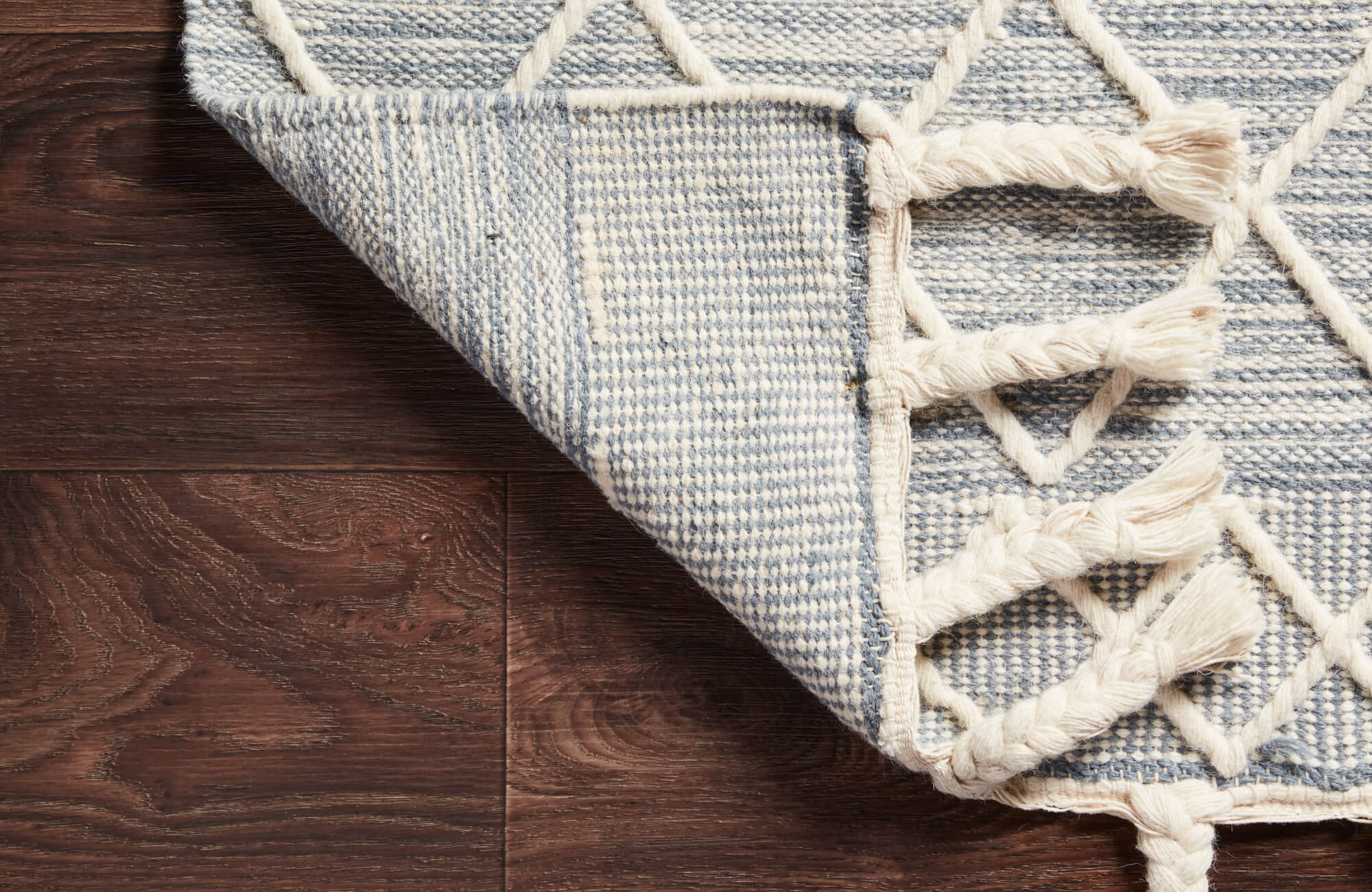
A well-made rug, as seen above with our Leticia Wool Blend Rug in Ash, doesn’t just fill space; it helps shape the way a room feels and functions every day. Whether it’s adding warmth to bare floors, pulling furniture into a cohesive layout, or simply standing up to the comings and goings of daily life, a quality rug does more than meet the eye. Strong fibers, solid construction, and reliable craftsmanship mean it won’t shed constantly, fray at the edges, or lose its shape after one season. It holds up over time, looking and feeling right even with frequent use.
Quality also plays a big role in comfort and design flexibility. A rug with the right texture and structure feels better underfoot, is easier to maintain, and often elevates the whole room without drawing too much attention to itself. It can ground bold furniture or balance out busy patterns, acting as the anchor that keeps everything in sync. And while it may cost more upfront, a good rug often outlasts cheaper alternatives, making it a smart investment that pays off with every step.

Key Material Differences That Signal Quality
When it comes to rugs, material plays a huge role in how the piece looks, feels, and holds up over time. While it's easy to assume that certain fibers like wool or cotton automatically mean quality, that’s not always the case. The source, weave, and treatment of each material can greatly affect durability, texture, and long-term value. In this section, we’ll walk through some of the most common rug materials and what they typically indicate about quality.
Wool and Silk
Wool is widely regarded as a premium rug material thanks to its softness, natural resilience, and excellent insulation. It tends to spring back after use and resists dirt more effectively than many other fibers, making it ideal for busy living areas. High-quality wool rugs are typically hand-knotted or hand-tufted, with tight, dense weaves that feel substantial underfoot. However, not all wool rugs are created equal; some may use low-grade wool that pills or sheds excessively. The fiber source and weave quality matter just as much as the label.
Silk, on the other hand, is often used as an accent fiber in high-end rugs to add sheen, delicacy, and intricate detail. Pure silk rugs are luxurious but delicate and best suited to less frequently used spaces. They usually command a higher price point due to the labor-intensive process and the material itself. While stunning in appearance, they require careful maintenance and may not hold up well to pets, moisture, or heavy furniture. A great tip is to look for silk blends if you want a look with more practical longevity.
Cotton and Jute
Cotton is often used in flatweave and casual rugs because it's soft, affordable, and easy to clean. While not as durable as wool, a well-constructed cotton rug with tight weaving can still offer years of use, especially in bedrooms or less busy rooms. High-quality cotton rugs won't feel flimsy or lose shape quickly, and they should lie flat without curling at the edges. Keep in mind that cotton does absorb stains more easily, so it may not be the best choice for busy entryways or dining rooms.
Jute and other plant-based fibers offer a natural, rustic look and eco-friendly appeal, but quality can vary widely. A good jute rug feels firm yet flexible, with smooth fibers and consistent weaving throughout. Lower-quality versions may feel rough, shed frequently, or break down more quickly with use. They're best suited for low- to medium-use areas unless blended with stronger fibers. While not the softest option, a high-quality jute rug adds a lot of texture and warmth to a space when used thoughtfully.
Nylon, Polypropylene, and Other Synthetics
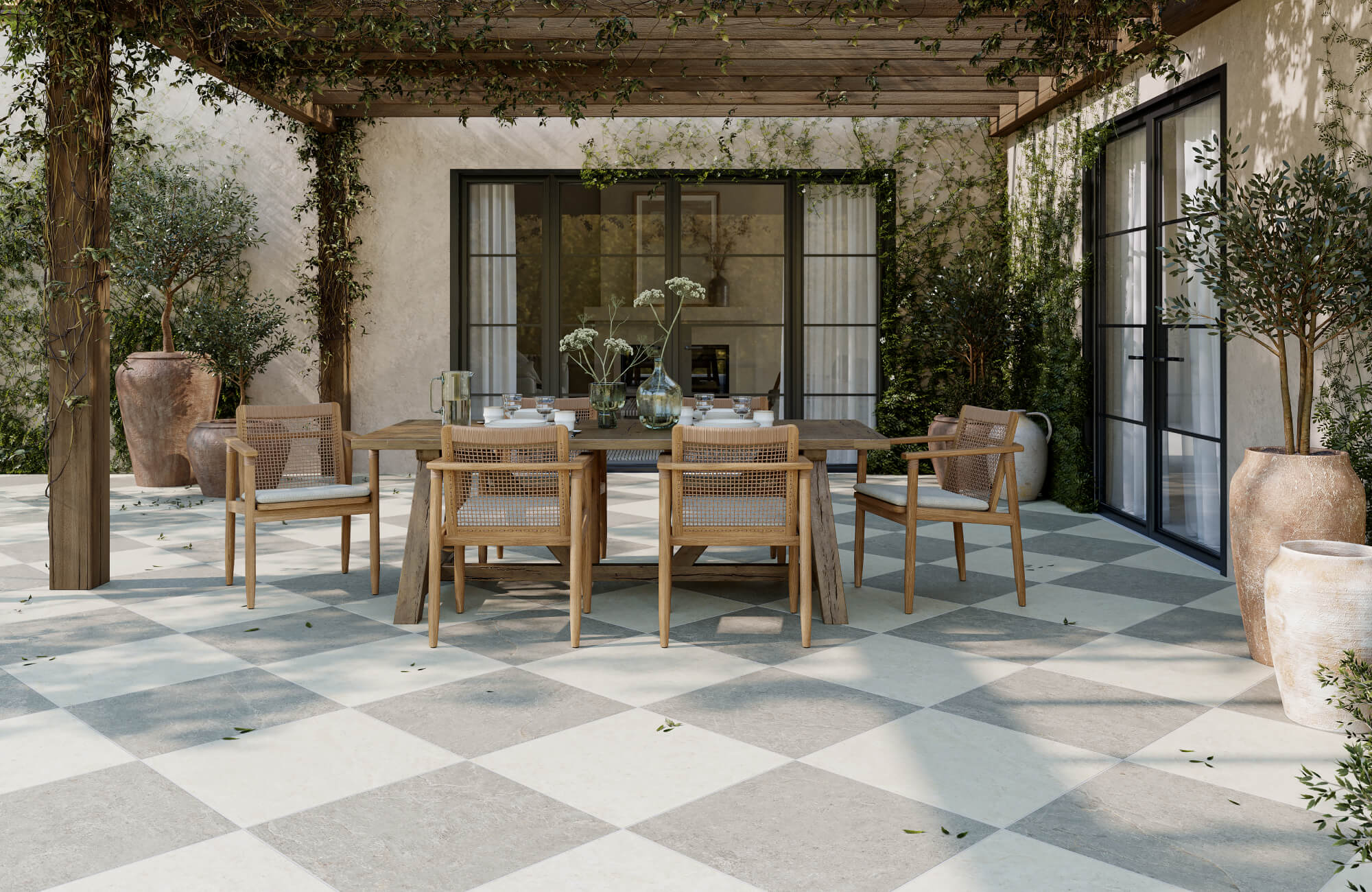
Synthetic fibers like nylon, polypropylene, and polyester, as seen above with our McGowan Polyester & Polypropylene Pile Rug in Moss / Sand, offer affordability and stain resistance, making them common in family homes or outdoor spaces. Polypropylene rugs, in particular, are praised for being budget-friendly and easy to clean, though they often lack the plush feel of natural materials. High-quality synthetics will feel soft and dense, not scratchy or overly shiny, and should hold their color over time without fading. They’re ideal for playrooms, basements, or anywhere that sees a lot of activity.
That said, the best synthetic rugs are those that mimic the structure and density of natural-fiber rugs. Look for a tight weave, even pile, and backing that doesn't easily crack or peel. While they may not have the same prestige or lifespan as wool or silk, a well-made synthetic rug can still be a solid, practical choice for the right space.

Construction Methods and Why They Matter
A rug’s construction plays a huge role in how it looks, feels, and performs over time. From hand-knotted heirlooms to quick-turn machine-made pieces, how a rug is built affects everything from texture to price to how well it holds up in daily use.
Hand-Knotted Rugs
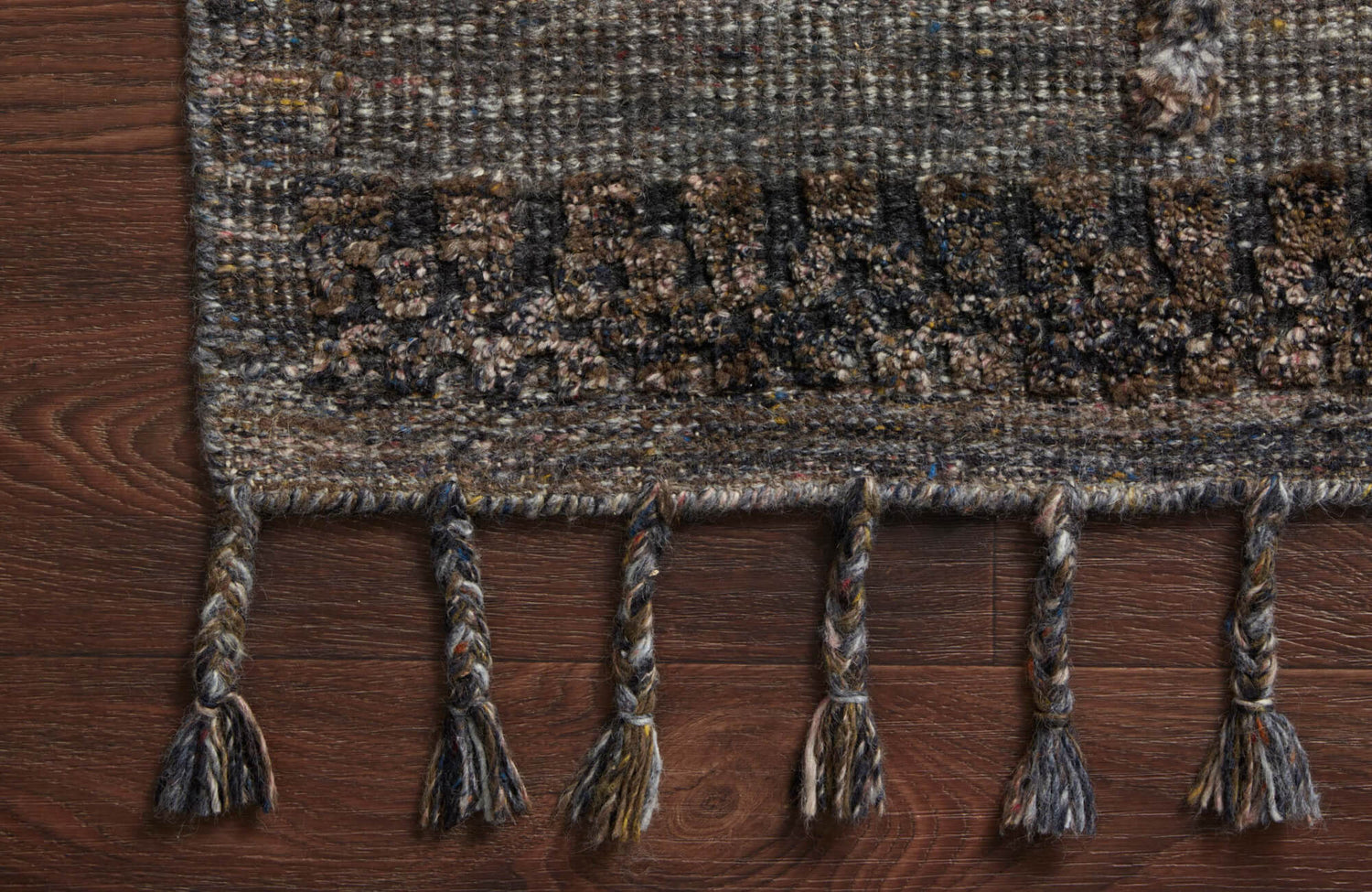
Hand-knotted rugs, such as our Micah Wool Blend Rug in Natural / Dove above, are considered the pinnacle of quality in the rug world. Each knot is tied individually by artisans, often taking months to complete a single piece, depending on the complexity and density. This method produces rugs that are extremely durable, richly textured, and full of character. You’ll often find slight variations and natural imperfections, which are part of their charm and authenticity. With proper care, a hand-knotted rug can last for generations, making it a true investment piece.
However, this level of craftsmanship comes at a higher cost, and not all hand-knotted rugs are equal. Knot count, material quality, and the weaver’s skill all play a part in the final result. Some may look visually similar to tufted or woven rugs at first glance, but their feel and performance quickly set them apart. If longevity and artistry matter, hand-knotted construction is hard to beat. Just be sure to verify the origin and materials before committing.
Hand-Tufted Rugs
Hand-tufted rugs are created using a tufting gun that punches yarn into a backing material, then secures it with adhesive and a secondary fabric layer. This process is quicker and more affordable than knotting but still allows for attractive designs and plush textures. Many hand-tufted rugs offer a similar aesthetic to hand-knotted options but at a fraction of the price. They’re a good fit for low- to medium-use areas where style is important but heirloom durability isn’t essential.
That said, hand-tufted rugs usually have a shorter lifespan and may shed more in their early use. Over time, the adhesive backing can weaken, especially in humid environments, leading to yarn loss or curling. They also lack the intricate detailing and structural integrity of knotted options. If you're seeking a good balance between price and comfort for spaces like bedrooms or guest rooms, hand-tufted rugs can deliver, as long as you’re okay with replacing them sooner.
Machine-Made Rugs
Machine-made rugs are produced on power looms and offer mass-market accessibility, often with an appealing price tag. They’re available in a wide range of styles, colors, and sizes, making them a go-to for quick room updates or temporary needs. The uniformity and speed of production allow for consistent results, especially for geometric or repeat patterns. Many newer machine-made rugs mimic the look of handmade options quite well at first glance.
However, what they gain in affordability and consistency, they lose in uniqueness and durability. Machine-made rugs often use synthetic fibers and lower-density weaving, which can lead to faster wear in busy areas. They typically don’t age as gracefully and are less likely to become a lasting part of your home. That said, with a good rug pad and light use, they can still be a smart choice for style-conscious buyers on a budget or renters looking for flexible decor options.

How to Check for Structural Integrity
Even a beautiful rug can fall apart if it’s not built well. Beyond pattern and texture, signs of quality are often found underneath—literally. From the backing to the edges, a closer inspection can tell you whether a rug is designed to last or just look good for now.
Flip Test: What the Back of the Rug Reveals
One of the easiest ways to check rug quality is by flipping it over and inspecting the back. On hand-knotted rugs, the design will usually be visible in reverse, with clearly defined knots and a lack of backing material. This tells you the rug was constructed strand by strand and has solid structural integrity. On tufted or machine-made rugs, the back may be covered with a fabric layer or show glue, which signals a faster, less durable production method.
While a covered back doesn’t always mean poor quality, it does suggest a shorter lifespan and more care during use. If the back feels stiff or uneven, it may also indicate weak adhesive or rushed assembly. A strong, well-formed base means the rug will resist sagging or breaking down over time. The flip test isn’t foolproof, but it gives you a quick way to separate true craftsmanship from surface-level appeal.
Edge Binding and Fringes
Edges tell you a lot about the lifespan of a rug. In high-quality rugs, the edge binding is often part of the weave itself, tightly stitched or wrapped to prevent fraying. Hand-knotted rugs often integrate the fringe directly into the structure of the piece, which keeps it from unraveling. Lower-quality rugs may have glued or sewn-on fringe, which can easily detach or fray with wear.
When inspecting a rug, gently tug at the fringe or run your hand along the edge to see how secure everything feels. If the edges look loose, frayed, or unevenly stitched, chances are the rug won’t hold up long under everyday use. Quality edgework not only extends the life of the rug but also adds to the overall look and finish. It's a small detail that signals a higher level of craftsmanship and care.
How the Rug Holds Its Shape
A good rug should lie flat and maintain its form over time. If it curls at the corners, bunches in the middle, or feels flimsy when handled, it might not hold up well under furniture or foot pressure. Rugs with proper weight and structure will resist shifting and won’t require constant repositioning. This is especially important in busy areas like living rooms or hallways, where rugs are often anchored by furniture or walked on daily.
Lightweight, floppy rugs may seem fine at first, but often stretch out or develop uneven wear over time. Try folding a corner toward the center; if it feels stiff and dense and returns easily to shape, that’s a good sign. Consistency in thickness and overall density usually points to a better-made piece. A rug’s ability to hold its shape is key to how it looks and performs after months or years of use.
Overall Weight and Density
Heavier rugs tend to be more durable because they’re packed with tighter weaves or thicker materials. Weight often correlates with fiber density, which affects how well a rug lays flat, resists indentations, and stays put without curling. Dense rugs also offer more insulation and padding, making them feel more comfortable underfoot. This is especially useful in rooms where you’ll be barefoot, like bedrooms or living areas.
To test this, lift a corner and feel the heft; good rugs feel balanced and substantial, not flimsy. Lightweight rugs might be cheaper and easier to move, but they’re often less equipped to handle years of wear. A little added weight usually means better quality, fewer wrinkles, and a more luxurious feel. It’s a simple but reliable cue for judging what’s built to last.
Stitching and Pattern Precision
Precise stitching and clean lines are clear signs of attention to detail. In hand-made rugs, consistent spacing between motifs and balanced symmetry (or intentional asymmetry) point to skilled craftsmanship. Even machine-made rugs should have tidy, uniform stitching without gaps, pulls, or loose threads. Irregularities, especially in geometric patterns, may indicate rushed production or lower-quality materials.
Take a closer look at borders and repeated patterns. Do they line up well and look intentional? Are any threads poking out or patterns drifting off alignment? These small visual cues tell you whether the maker took care or cut corners. It’s not just about aesthetics; it reflects the overall quality and how long the rug will keep looking sharp. Clean stitching often signals a rug that was built with durability and pride in mind.

Texture, Feel, and Pile Height Cues
Texture and softness are often the first things people notice when stepping on a rug, but they’re more than just comfort factors. High-quality rugs typically feel plush and resilient underfoot, with a noticeable density that doesn’t flatten easily. The pile should spring back when pressed, not stay matted or limp. This bounce-back is a good indicator of both material quality and craftsmanship. Whether the rug is low pile or shag, it should still feel substantial and well-built.
That said, softness alone doesn’t always equal quality; it depends on where and how the rug will be used. For example, a super soft, high-pile rug might feel great in a bedroom but struggle in a high-activity living area. Durable rugs often use tighter weaves and denser piles that feel firm but supportive, making them better suited for busy spaces. A rug can feel a little stiffer at first and still outlast a fluffier but loosely made option. Choosing based on both feel and function will help the rug stay comfortable and look good over time.
Pile height also affects how the rug performs day to day. Low-pile rugs are easier to clean, less likely to trap dirt, and tend to hold their shape better in busy areas. Higher-pile rugs add cushion and warmth but may require more upkeep to avoid flattening or matting. The best way to gauge quality is by feeling the pile’s density, not just its height, and observing how well it springs back after pressure. A good rug should offer texture and thickness that’s right for your lifestyle, not just your bare feet.

Color, Pattern, and Dye Quality
When evaluating rug quality, color and pattern clarity are more than just aesthetic choices; they often reveal how much care went into its creation. High-quality rugs, especially handmade ones, show even dye saturation and consistent tones throughout the fibers. Look closely at the design edges: sharp, well-defined patterns are a strong indicator of skilled craftsmanship. If colors appear blotchy, uneven, or overly bright in an unnatural way, it may signal cheap dye methods. True quality doesn’t just look vibrant, it looks balanced and intentional.
Natural dyes tend to create softer, more nuanced color palettes that age beautifully over time. They’re also less likely to bleed or fade when properly set, which adds to a rug’s longevity and overall value. Synthetic dyes can still be high quality, but cheap versions often lead to harsh or overly glossy finishes that feel out of place in refined spaces. Check for any color variation between the front and back of the rug; significant shifts may mean the dye wasn’t absorbed evenly. A well-dyed rug should hold its tone under light and wear without dulling prematurely.
Pattern precision matters just as much as color. On a high-quality rug, patterns are centered, symmetrical (when intended), and align cleanly across the surface. In hand-knotted rugs, even slight imperfections speak to the handmade nature, but the overall design should still feel harmonious. Misaligned motifs or fading details are often signs of shortcuts in weaving or printing. Whether traditional or modern, a good pattern adds structure and elegance that holds up as trends come and go.
How Quality Rugs Age Over Time
One of the clearest signs of a quality rug is how well it holds up, not just physically, but visually, over time. Unlike low-end rugs that flatten, unravel, or fade unevenly, well-crafted pieces tend to develop a natural patina that adds depth and beauty. This soft aging process often enhances the rug’s tones and textures, especially in materials like wool or silk. The wear appears gradual and graceful rather than harsh or patchy. Instead of looking worn out, the rug gains personality and visual richness.
You’ll also notice that better rugs retain their shape and pile integrity even in high-use areas. The design remains readable, the edges stay intact, and the rug continues to lie flat without excessive curling or stretching. While some fading is natural, especially with exposure to sunlight, a quality rug fades evenly and maintains harmony in its palette. Signs of thoughtful construction and premium materials show up the longer you own it. In short, a good rug doesn’t just last, it grows into your space.

Common Mistakes When Judging Rug Quality
It’s easy to get misled by flashy tags or trendy descriptions, but rug quality goes far deeper than surface-level buzzwords. Terms like “handmade-inspired” or “artisanal look” often point to machine-made imitations with limited craftsmanship. Just because a rug has a traditional design or textured finish doesn’t mean it’s genuinely well-made. Many rugs marketed as high-end rely on synthetic materials and mass production, so it’s important to inspect construction, feel, and longevity indicators.
Another common mistake is relying too much on price as a quality marker. Expensive doesn’t always mean better; some brand-name rugs charge for style, not durability. Likewise, affordable rugs aren’t automatically low quality if they use smart construction and durable materials. Taking the time to understand what truly signals quality can save you from regret and help you find a rug that performs and looks great over time.
When to Splurge vs. When to Save
Not every room needs the highest-end rug on the market. For heavily used areas like living rooms, hallways, or family rooms, it’s worth investing in a rug that can handle daily wear, hold its shape, and still look good after years of use. These spaces often benefit from natural fibers and dense weaves that feel great underfoot and last longer. Bedrooms or guest rooms, on the other hand, can get away with mid-range or even budget-friendly options if they’re used less often.
The trick is aligning your budget with the room’s demands. Overspending in less-used spaces may not give you a good return while cutting corners in heavy-use areas could mean replacing the rug sooner than expected. Consider the function, layout, and who uses the room daily. That balance will help you allocate your investment wisely and confidently.
Final Tips for Choosing a Rug That Will Last
Quality isn’t about checking one box; it’s about how the rug fits into your lifestyle and space. A great rug should serve both function and style, working with your design goals while standing up to everyday use. Prioritize comfort, craftsmanship, and how much upkeep you’re realistically willing to handle. Don’t get too caught up in the label or country of origin without checking feel, construction, and long-term reviews. The best rugs often reveal themselves through experience, how they age, how they feel underfoot, and how they hold up to real life. Choose the one that feels right for you and your home, not just what the tag promises.
Why Quality Makes the Difference in the Long Run
Learning how to choose a rug that will last starts with recognizing the signs of true quality. The right rug should feel substantial underfoot, stay in place through daily use, and support your room’s overall feel, without wearing out too quickly. It’s not just about thread count or price tag, but how well the rug fits into your lifestyle and holds up over time. If you’re still unsure which rug fits your space best, our design team is here to help. Book a free consultation with Edward Martin and get expert advice on selecting a rug that’s both beautiful and built to last.