
)
)
)
)
)
)
)
)
Single Vs. Double Sink Vanity: Which Is Right For Your Bathroom?
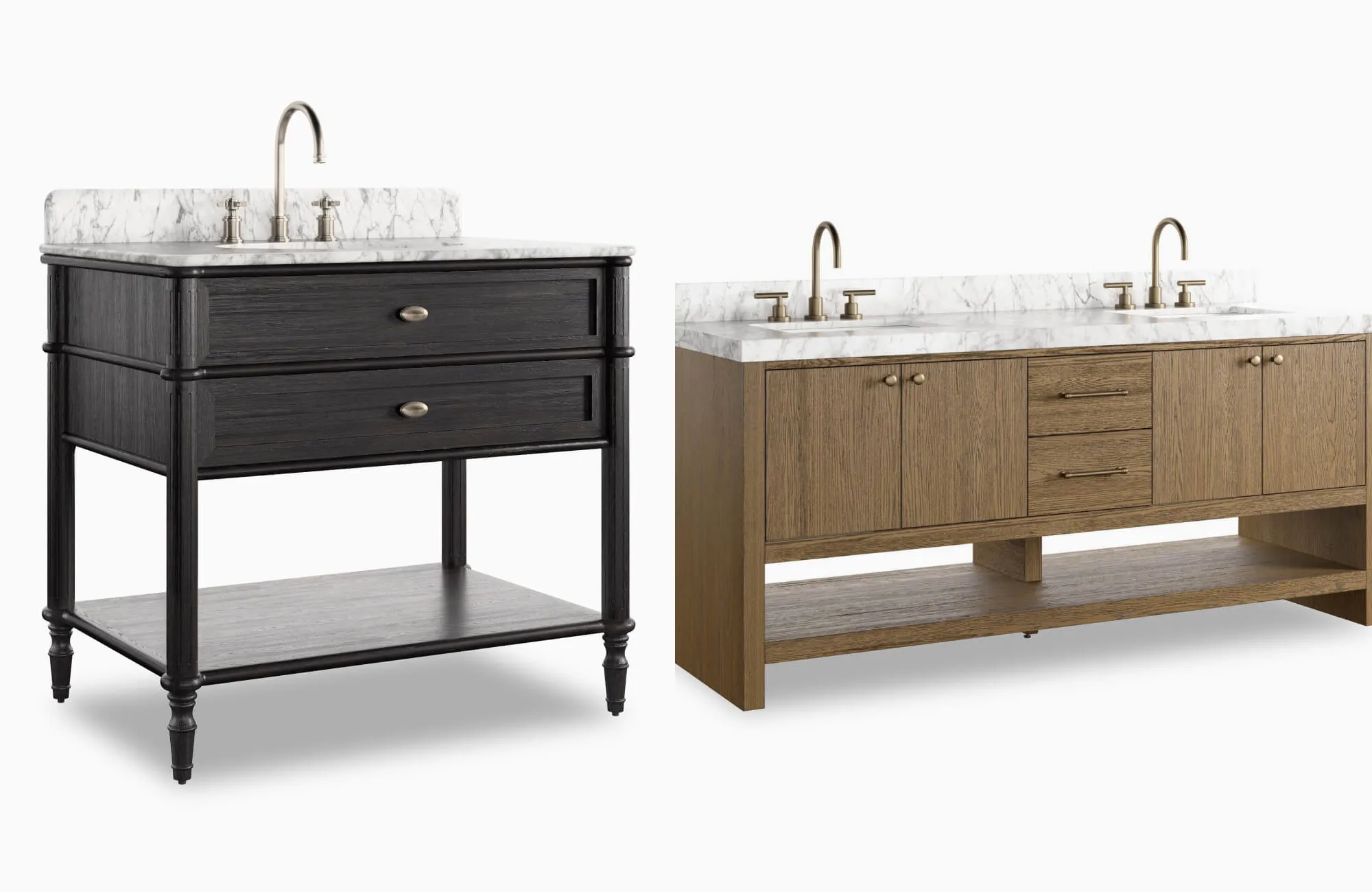
Choosing between a single or double sink vanity might seem like a small decision, but it can shape how your bathroom works day to day. From morning routines to long-term storage, the right setup needs to match your space, your schedule, and how the room is used.
In this article, we’ll walk through the key differences between the two, including size, function, storage, and lifestyle fit, so you can confidently choose what works best for your bathroom. Whether you’re updating a powder room or planning a full remodel, the right vanity setup makes all the difference in comfort and flow.
How Single and Double Sink Vanities Differ
Choosing between a single or double sink vanity comes down to more than just preference; it’s about how the structure works with your space and your routine. Below, we’ll look at how each option differs in sink configuration, countertop size, storage access, and plumbing needs to help you decide which setup fits best.
Sink Count and Countertop Size
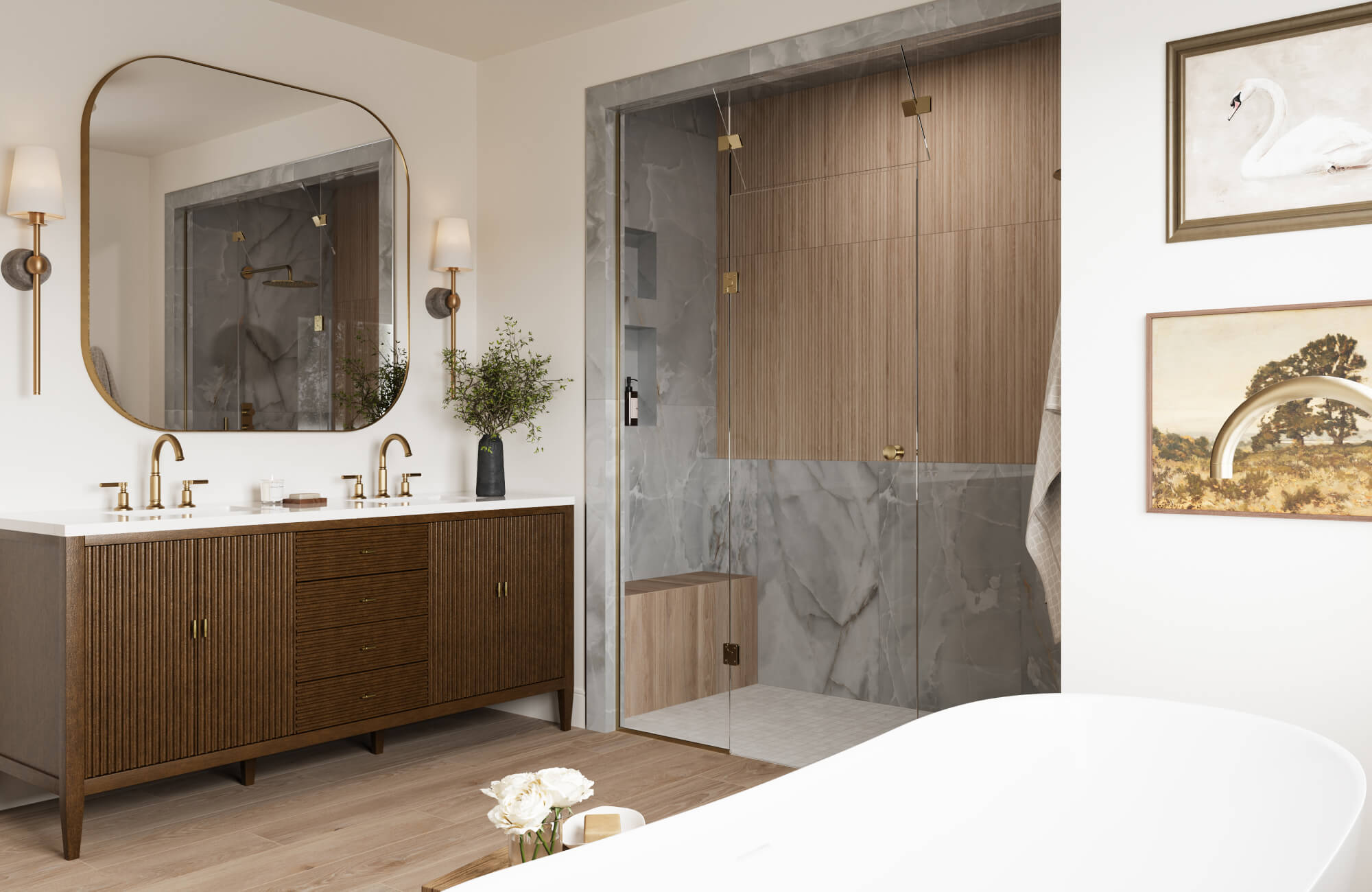
The most obvious difference lies in the number of sinks. A single sink vanity includes just one basin set into a shared countertop, which works well in compact bathrooms or where space needs to be conserved. A double sink vanity, such as our Sasha 60" Double Vanity in Mid Century Walnut with 3 cm White Zeus Quartz Top above, features two basins spaced apart, offering more individual room for couples or shared spaces. Also, the wider countertop provides more surface area for daily essentials, though it may require sacrificing wall or floor space elsewhere. For smaller bathrooms, this extra width can become more of a constraint than a benefit.
Storage Layout and Cabinet Access
Underneath the surface, storage is organized differently depending on the sink setup. Single sink vanities typically allow for more centralized storage, with uninterrupted space for drawers or shelving. In double sink vanities, plumbing for each sink can limit how drawers are placed or reduce how much usable cabinet space is available. For instance, instead of one large drawer, you might end up with two smaller ones flanking the plumbing lines. This layout still works well, but it often requires a more thoughtful approach to organizing your daily items.
Plumbing Considerations and Internal Impact
Plumbing differences aren’t just behind the wall, as mentioned earlier; they shape how much space you actually get inside the cabinet. A single sink uses one water and drain connection, keeping the plumbing compact and leaving more flexibility for storage solutions. A double sink setup, however, brings in two sets of pipes, which can cut into cabinet depth or limit drawer placement. Also, the complexity of the layout may affect future maintenance or upgrades. While it won’t necessarily be a deal-breaker, it’s something to keep in mind if you’re working with a tight space or need every inch of storage.
Key Pros and Cons of Single vs. Double Sink Vanities
Once you know the structural differences, it helps to consider how each type performs in everyday use. Here, we’ll break down the real-world benefits and drawbacks of single and double sink vanities, from how they support your morning routine to how much effort they take to clean and maintain.
Pros and Cons of a Single Sink Vanity
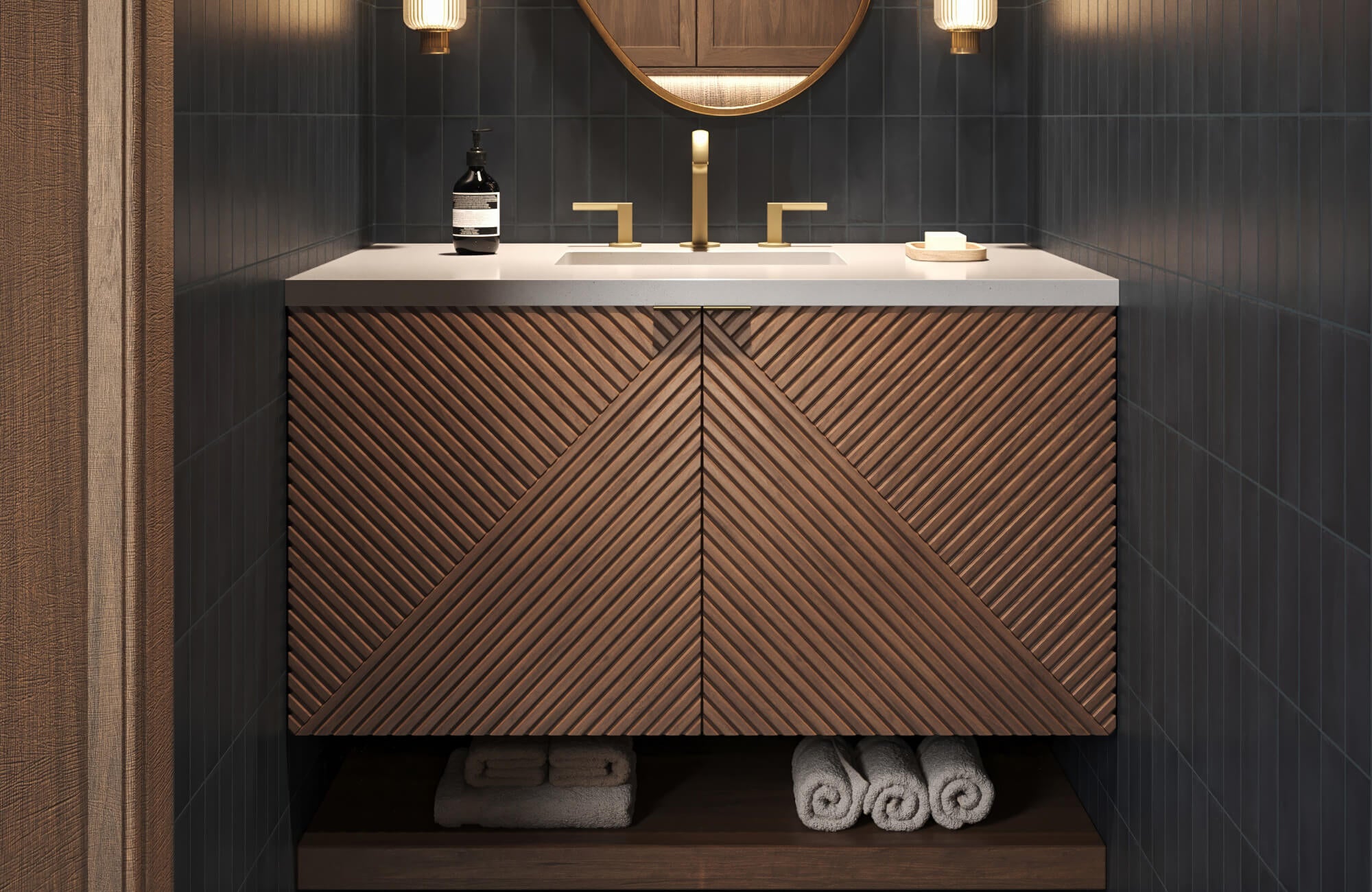
A single sink vanity, such as our Royce 36" Single Vanity in Chestnut with 3 cm White Zeus Quartz Top above, keeps things simple, especially in homes where bathroom use isn’t rushed or heavily shared. It offers more open countertop space for essentials and typically comes with easier cleaning since you’re only maintaining one basin. Also, with just one plumbing fixture to worry about, upkeep is generally more straightforward and affordable over time. These setups tend to work well in guest bathrooms or small homes where solo use is the norm.
However, the simplicity comes with trade-offs. In shared spaces, only one person can comfortably use the vanity at a time, which can lead to congestion during busy mornings. Storage may be more generous below the sink, but counter clutter can become an issue without clearly divided areas. For couples or families with overlapping schedules, a single sink might not offer the convenience or balance that two basins provide.
Pros and Cons of a Double Sink Vanity
Double sink vanities are built for sharing, making them ideal in primary bathrooms used by two people daily. They offer a sense of personal space, with each person getting their own basin, faucet, and often their own storage zone. This can reduce tension during busy times and make daily routines feel more streamlined. Also, having two basins can help keep the countertop more organized since items tend to stay in their respective areas.
Still, the benefits come with some added upkeep. Cleaning two sinks and managing the plumbing can mean more time spent on maintenance. Double vanities also take up more room, which can feel excessive if you’re not actually using both sides regularly. For smaller households or bathrooms that don’t see much-shared use, the convenience may not outweigh the space and cleaning trade-offs.
How Bathroom Size and Layout Impact Your Choice
No matter how stylish or functional a vanity might seem, it still has to physically work in your space. Below, we’ll look at how the size of your bathroom and the room’s layout can either support or limit your options, especially when deciding if a double sink is realistic or if a single sink simply makes more sense.
Making Room for a Double Sink
Installing a double sink vanity usually requires a wider footprint, which can eat into walking space or make a room feel crowded if not planned carefully. You’ll need to allow for comfortable clearance between the vanity and any nearby fixtures, like showers, bathtubs, or toilets. Also, cabinet width increases along with sink count, so make sure doors and drawers have room to open fully. In well-sized primary bathrooms, this often isn’t a problem, but in tighter spaces, every inch counts.
For instance, you might find that while a double vanity technically fits, it leaves little breathing room for movement or creates bottlenecks at doorways. These small details often affect day-to-day experience more than people expect. It's not just about installing two sinks; it’s about how well they work with the room around them. When measured carefully, double vanities can absolutely shine, but forcing one into a compact space often backfires.
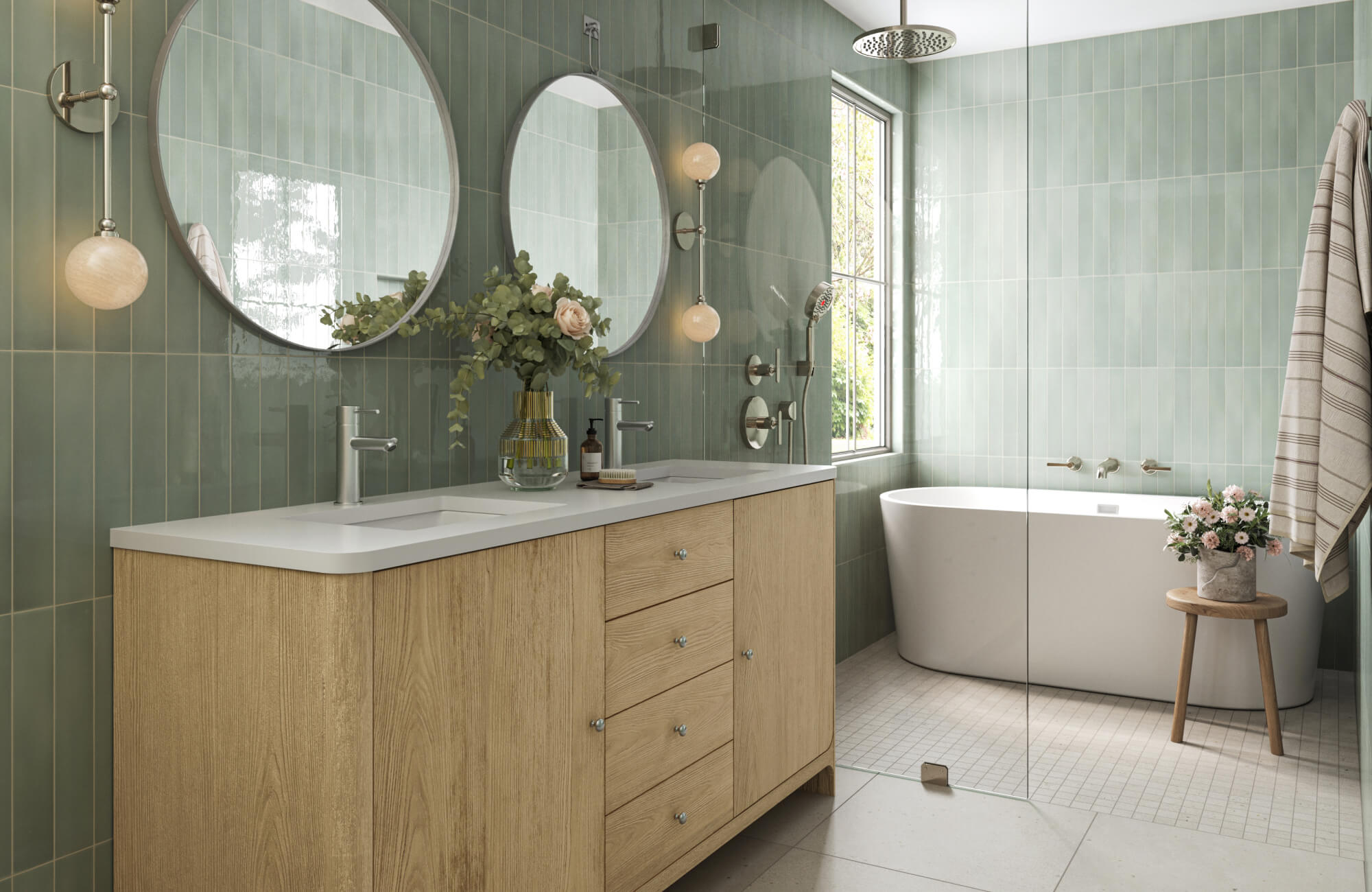
Our Colton 72" Double Vanity in Coastal Driftwood with 3 cm White Zeus Quartz Top shows above how a well-scaled double sink setup can bring ease and balance to a spacious primary bath. Its natural finish pairs beautifully with green tile and warm-toned lighting for a fresh, relaxed feel.
When a Single Sink Is the Smarter Fit
A single sink vanity can be a more practical option in bathrooms where space is tight or where functionality needs to stay simple. It frees up valuable wall space and walking clearance, making the room easier to move around in, especially in guest baths or older homes with narrow layouts. Also, you get more flexibility to choose a style and shape that works with unusual floor plans or awkward corners.
In many cases, homeowners lean toward a double sink out of habit or trend appeal, only to find that a single sink would have made the space feel more balanced. The extra countertop space can also become more useful than a second sink if only one person typically uses the room. When space and simplicity are top priorities, single sinks tend to offer a cleaner, more adaptable setup.
Common Mistakes to Avoid When Choosing a Vanity Size
Vanity size can be tricky; what looks good in photos doesn’t always work in real life. Here, we’ll cover some of the most common missteps homeowners make when choosing between single and double sink setups, especially when space, storage, and layout aren’t fully considered.
Assuming You Always Need Two Sinks
It’s easy to assume that a double sink is automatically the better choice, especially in a primary bathroom. But if only one person regularly uses the space, a second sink may end up underused while reducing your available storage and countertop area. Also, double vanities take more effort to clean and maintain, which may not be worth it if convenience is your main priority. Choosing based on lifestyle needs rather than trends often leads to a more functional setup that feels right long-term.
Overcrowding a Small Bathroom With a Double Vanity
Fitting a double sink into a space that’s too tight is one of the most common layout mistakes. It can make a bathroom feel cramped, reduce walking clearance, and even interfere with how nearby doors or drawers function. For instance, you might gain a second sink but lose the ability to open a cabinet fully or move around comfortably. A single sink with better flow often feels more spacious and easier to live with, especially in small or narrow layouts.
Overlooking Storage and Everyday Use Needs
Vanity size affects more than just appearance; it changes how you organize and access essentials every day. Some people focus only on how wide the vanity is, forgetting to check how drawers are arranged or how much under-sink room is left after plumbing. Also, you may assume larger vanities offer more storage, but double sinks can actually limit usable space due to split plumbing and shallow cabinets. A careful look at how you store and reach for items can help you avoid frustrating gaps in daily function.
Which Vanity Works Best for Different Bathroom Types?
Not every bathroom serves the same purpose, so the right vanity choice depends heavily on who’s using the space and how frequently. Below, we’ll walk through common bathroom types and how single or double sink setups tend to fit each one based on practical, everyday use.
Primary Bathroom
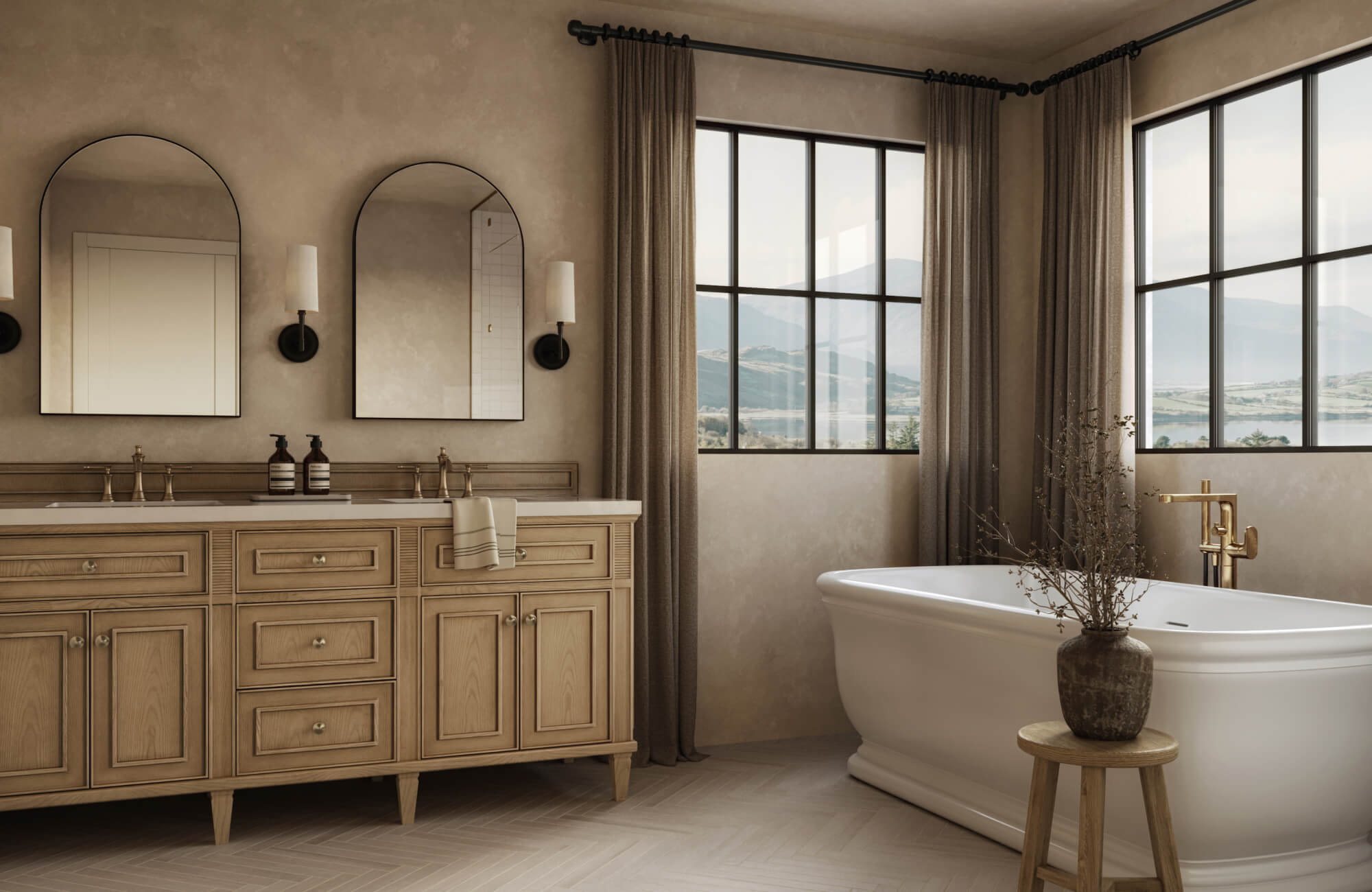
In most cases, a double sink vanity is the preferred option for a primary bathroom, especially when two people share the space daily. It allows for smoother routines in the morning and evening by giving each person their own area to use without waiting. Also, the separation often makes it easier to keep personal items organized and minimizes clutter. If the space allows for it comfortably, the dual setup typically adds both function and long-term value. As seen above, our Elodie 72" Double Vanity in Light Natural Oak with 3 cm White Zeus Quartz Top is a great example of a spacious and beautifully balanced option for a shared primary bath.
Guest Bathroom
Guest bathrooms rarely need more than one sink, since they’re used occasionally and by one person at a time. A single sink vanity is usually more than enough to offer comfort without taking up too much space. Also, it gives you room for extra storage or design features like towel drawers or shelving. Unless the guest bath doubles as a second main bathroom, keeping it simple tends to be more practical.
Shared or Family Bathroom
For bathrooms used by multiple family members, especially children or teens, a double sink can make a big difference. It helps avoid bottlenecks during busy times and gives each person a bit of personal space for their daily essentials. Also, the divided layout encourages better organization and can cut down on countertop messes. Just be sure the space can comfortably support two basins without compromising movement or storage.
Powder Room
Powder rooms are designed for quick visits and occasional use, so a single sink vanity is almost always the right fit. These rooms are typically smaller and don’t require storage for daily routines, making a compact vanity both space-saving and appropriate. Also, keeping things minimal helps the room feel open and avoids crowding what’s often a tight layout. A simple single sink setup keeps the powder room efficient and welcoming without overcomplicating the space.
Finding the Right Vanity for Your Bathroom
Choosing between a single or double sink vanity isn’t just about style; it’s about how your bathroom actually functions day to day. The right setup depends on your space, how many people use it, and what kind of layout makes your routine feel easier, not more cramped. While double sinks can be a great fit for shared or larger bathrooms, single vanities often make better use of limited space and offer just as much convenience when planned well.
Also, the best choice often comes down to balance. Think about how storage, movement, and daily habits all come together in your bathroom, not just what looks good in photos. If you’re unsure which setup works best for your space, our team can help. Book a free design consultation with our team to get personalized guidance on layout, sizing, and practical solutions that work for your everyday routine.
Follow us on Instagram
@EDWARD.MARTIN
)
)
)
)
)
)
)
)
)
)
)
)
)
)
)
)