
)
)
)
)
)
)
)
)
How To Choose The Perfect Sink Shape For Your Bathroom Vanity
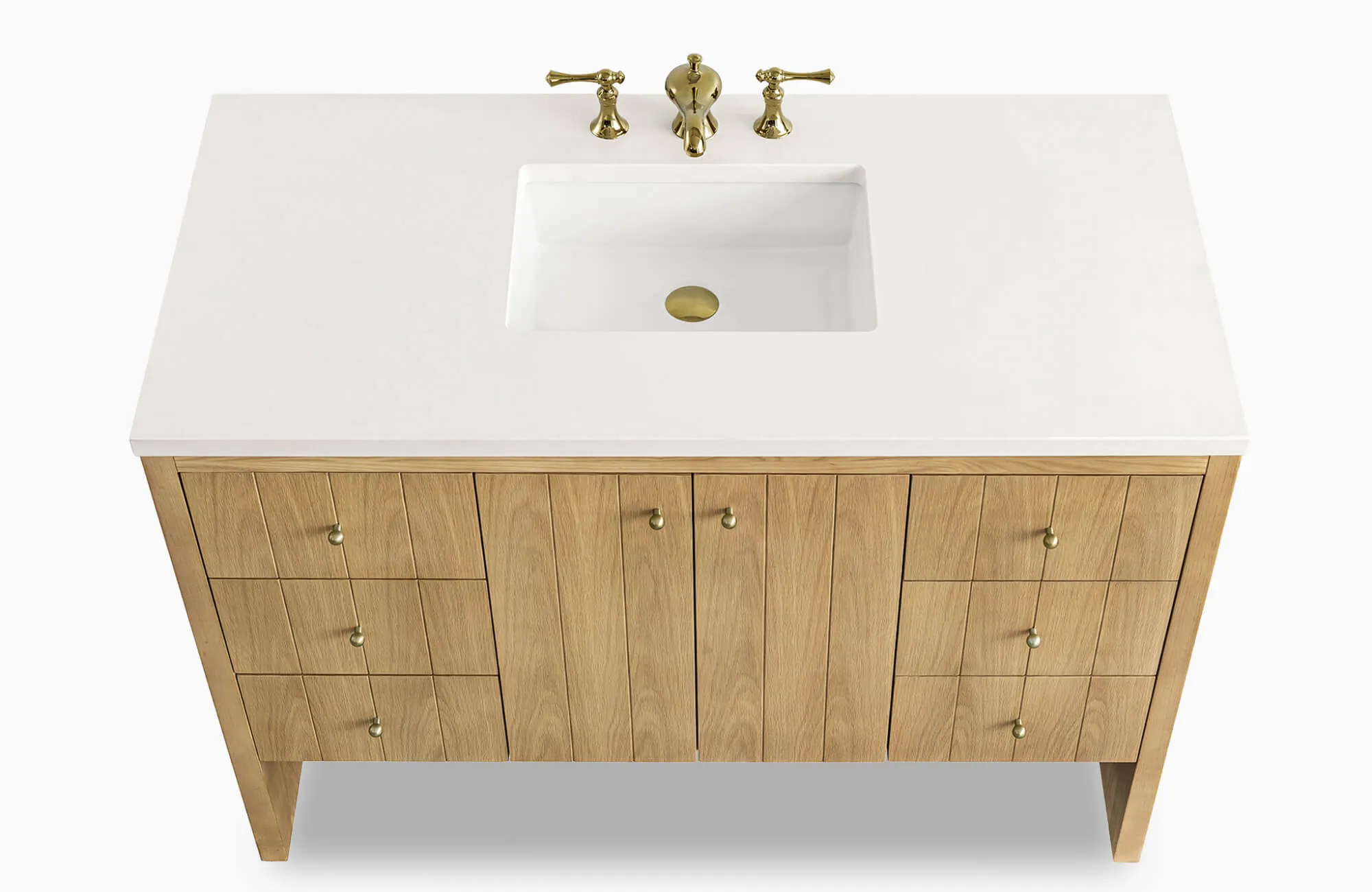
It’s easy to focus on finishes or hardware when planning a bathroom vanity, but the shape of your sink plays a surprisingly big role in how the space feels and functions. It affects everything from how much counter space you have to how easy the sink is to use and clean.
In this article, we’ll break down the pros and cons of the most common sink shapes and how each one influences comfort, style, and practicality. Whether you’re designing a guest bath or renovating your main suite, you’ll find helpful tips to choose a shape that truly fits your space and your everyday routine.
Why Sink Shape Matters in Bathroom Design
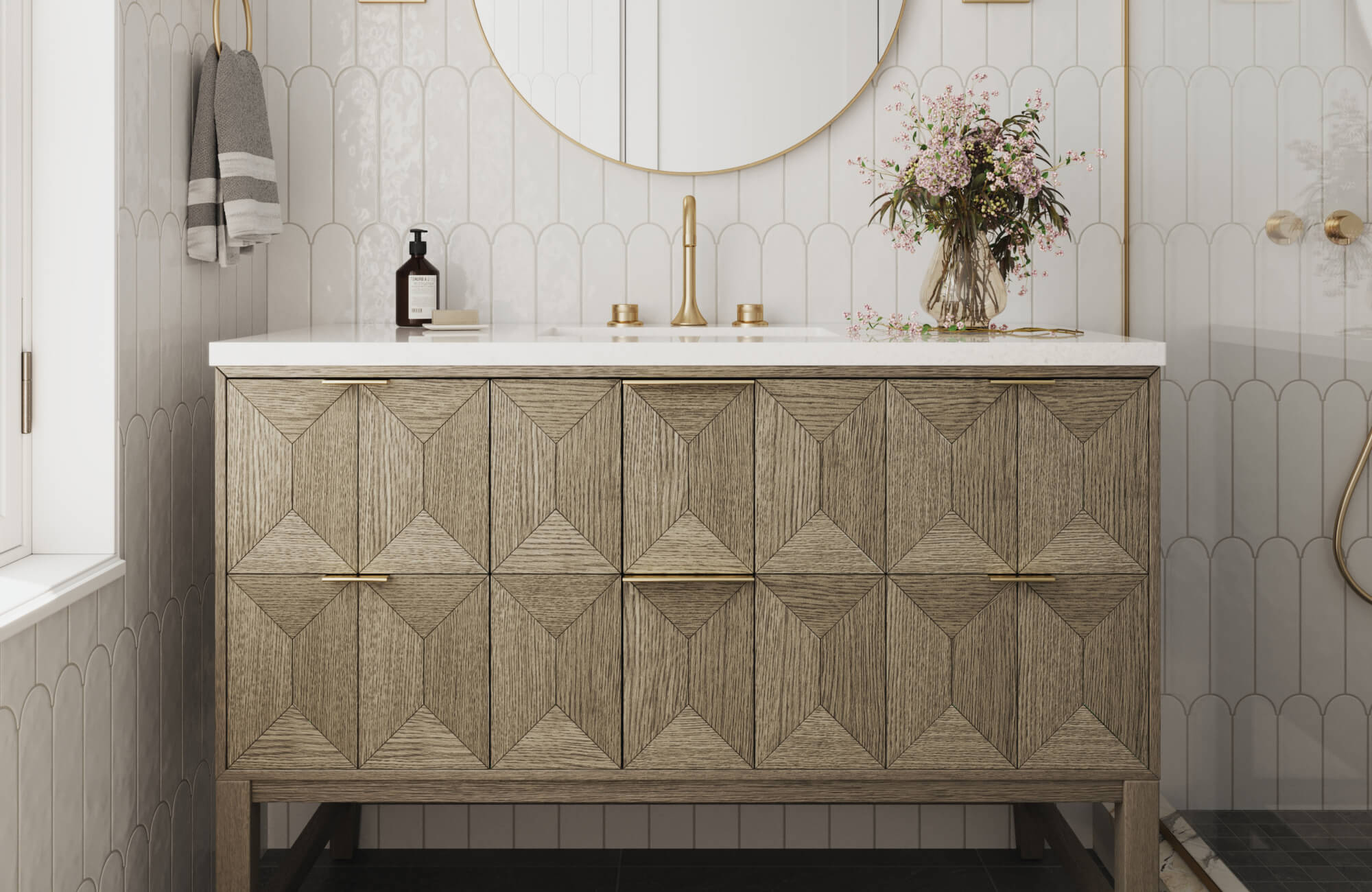
While it’s easy to focus on finishes or faucets, sink shapes can quietly make or break your bathroom design. It influences everything from layout balance to how much counter room you’re left with.
Visual balance and proportion to the vanity size
Choosing the right sink shape ensures that the proportions feel intentional, not forced. For example, a wide rectangular sink on a narrow vanity can feel overwhelming, while a too-small round basin might look out of place on a large counter. Matching the sink’s silhouette to the scale of the vanity helps everything feel cohesive. Think of the sink as part of the furniture, not just a standalone fixture. Getting the balance right elevates both design and function.
How sink shape affects counter space and usability
The more surface area your sink takes up, the less room you’ll have for your everyday essentials. Oval or round basins typically free up more space on either side, while square or wide rectangular sinks can dominate the countertop. For shared bathrooms or tight layouts, this can quickly become an issue. The right shape allows for both functionality and breathing room. You want a sink that fits comfortably, not one you have to work around.
The role of style (modern, traditional, transitional)
Different sink shapes naturally align with specific design styles. For example, clean rectangular basins pair well with modern and minimalist looks, while curved ovals or pedestal-style bowls often suit more classic or traditional spaces. Organic or asymmetrical shapes add a sculptural quality that works well in transitional or eclectic settings. Understanding these style cues can help you narrow down your options faster. The right sink should feel like a natural extension of your overall bathroom design.
How shape contributes to water flow and maintenance
Sink shape also determines how water moves and how easily the sink is to clean. Some flat-bottomed or shallow shapes may look sleek but tend to collect water, requiring more frequent wipe-downs. Rounded or gently sloped basins typically drain better and are easier to keep clean with fewer water spots. Corners can trap grime, especially in square or angular sinks, so consider the upkeep when making your choice. The goal is a shape that works as well on a busy morning as it does on a deep-cleaning day.
Most Common Sink Shapes and Their Strengths
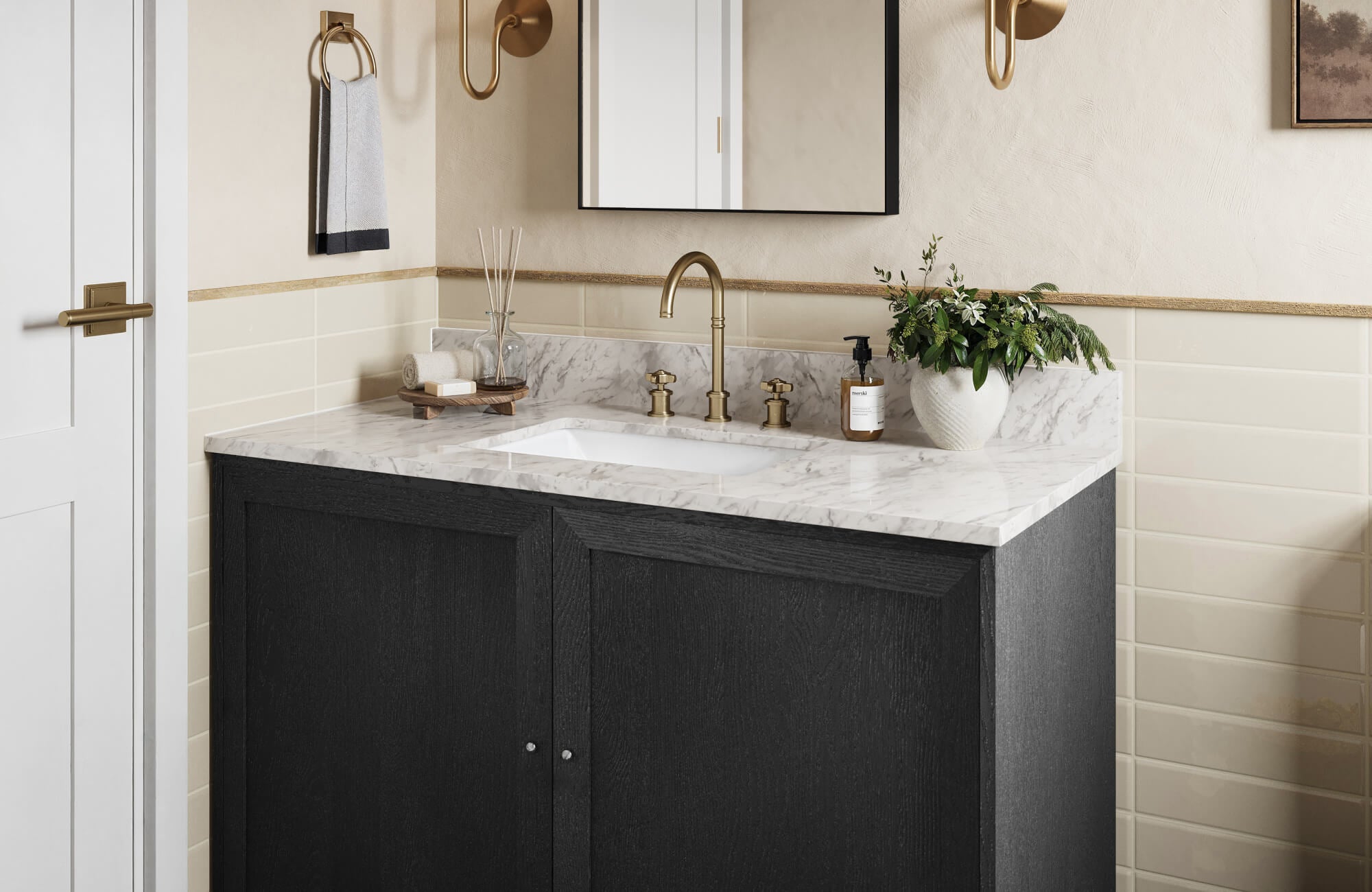
Sink shape plays a bigger role than most people realize when it comes to comfort, layout, and overall visual tone. Below, we’ll walk through the most common styles, each with its own strengths and ideal placements depending on your space and preferences.
Oval Sinsk
Oval sinks are one of the most ergonomic and timeless options, thanks to their soft, rounded shape. They work especially well with vanities that have curved edges or transitional styles, blending comfort with subtle elegance. The gentle curve of an oval bowl often helps reduce water splash, making it a great pick for busy bathrooms. They’re also easier to clean than square or angular styles, with no sharp corners to collect grime. Their versatility allows them to adapt across both modern and classic layouts.
However, oval sinks may not always pair well with sharply angled vanities or very linear design schemes. Their softness can sometimes clash with highly structured layouts, especially if everything else in the bathroom follows a strong geometric line. If your space leans heavily modern or architectural, a more structured sink might feel like a better fit. Still, for anyone seeking function with a gentle, understated look, oval remains a reliable option. They strike a great balance between user comfort and timeless appeal.
Rectangular Sinks
Rectangular sinks are favored in contemporary and minimalist spaces for their clean lines and architectural presence. Their shape naturally aligns with straight countertops, cabinets, and mirrors, creating a streamlined, cohesive effect. These sinks offer ample basin space, especially front-to-back, which makes them ideal for larger vanities and shared use. Many also come with slightly sloped edges to help water drain efficiently without looking too industrial. Their structure makes them a standout feature in modern bathrooms without overwhelming the space.
Still, rectangular sinks can feel a bit stark in smaller or cozier settings, especially if the edges are overly sharp. In tight bathrooms, they may dominate the vanity or make the space feel boxy. Consider softening their look with rounded fixtures or wood textures nearby. Also, some models may hold onto water in the corners if they’re not well-angled internally. Overall, though, they’re a solid pick for anyone wanting crisp, modern geometry with everyday practicality.
Round Sinks
Round sinks bring a friendly, approachable feel to a bathroom, especially in small spaces where every inch counts. Their symmetrical shape helps conserve counter space, making them a great fit for powder rooms or narrow vanities. They also pair well with more relaxed, casual bathroom styles, especially when paired with warm metals or soft finishes. The even curvature helps reduce water splatter and is generally easy to wipe down. This shape also feels intuitive to use, making it a comfortable choice for guest or family bathrooms.
However, round sinks can feel mismatched if your vanity, mirror, or hardware is all lean, rectangular, or linear. The key is making sure the shape feels like it belongs in the room, not just an add-on. In more angular or architectural spaces, a round basin might look out of place without complementary curves nearby. You’ll also want to check that the bowl isn’t too shallow, as some round styles sacrifice depth for compactness. Still, when scaled well, round sinks offer charm, efficiency, and versatility in one.
Square Sinks
Square sinks make a bold statement with their symmetry and clean corners, offering strong visual structure. Their flat bottoms and even sides feel modern and deliberate, particularly in contemporary or industrial bathrooms. These sinks tend to maximize basin space, which can be useful for everyday grooming or dual use. Square shapes also look great in pairs, especially on double vanities where symmetry matters. The crisp outline works well with square mirrors and angular lighting for a cohesive look.
That said, square sinks aren’t always the best choice for narrow vanities or small bathrooms. Their sharp lines can feel heavy or overwhelming in tight spaces, especially if the rest of the design lacks soft accents. They also may require more maintenance, as corners can accumulate grime faster than curved basins. Choosing a model with slightly rounded interior edges can help reduce cleaning headaches. Overall, square sinks deliver a strong style but need the right layout and balance to work smoothly.
Organic or Asymmetrical Sinks
Organic and asymmetrical sinks offer a sculptural, artistic feel that immediately sets a bathroom apart. These shapes range from gently sloped curves to dramatic angles, adding personality and softness to more structured designs. They’re especially striking when paired with minimalist fixtures, where the sink can act as the focal point. Because they often play with unexpected forms, these sinks can bring a spa-like, designer feel to even modest bathrooms. They work best when you want your sink to do more than just blend in.
Still, not all organic sinks are practical for everyday use. Some sculptural models can feel awkward when it comes to water flow or cleaning, especially if they have uneven depths or narrow basins. These shapes can also limit faucet placement or require custom mounting, so be sure to plan accordingly. It’s important to find the balance between function and visual impact. When done right, an asymmetrical sink delivers a custom look that feels thoughtful, not just trendy.
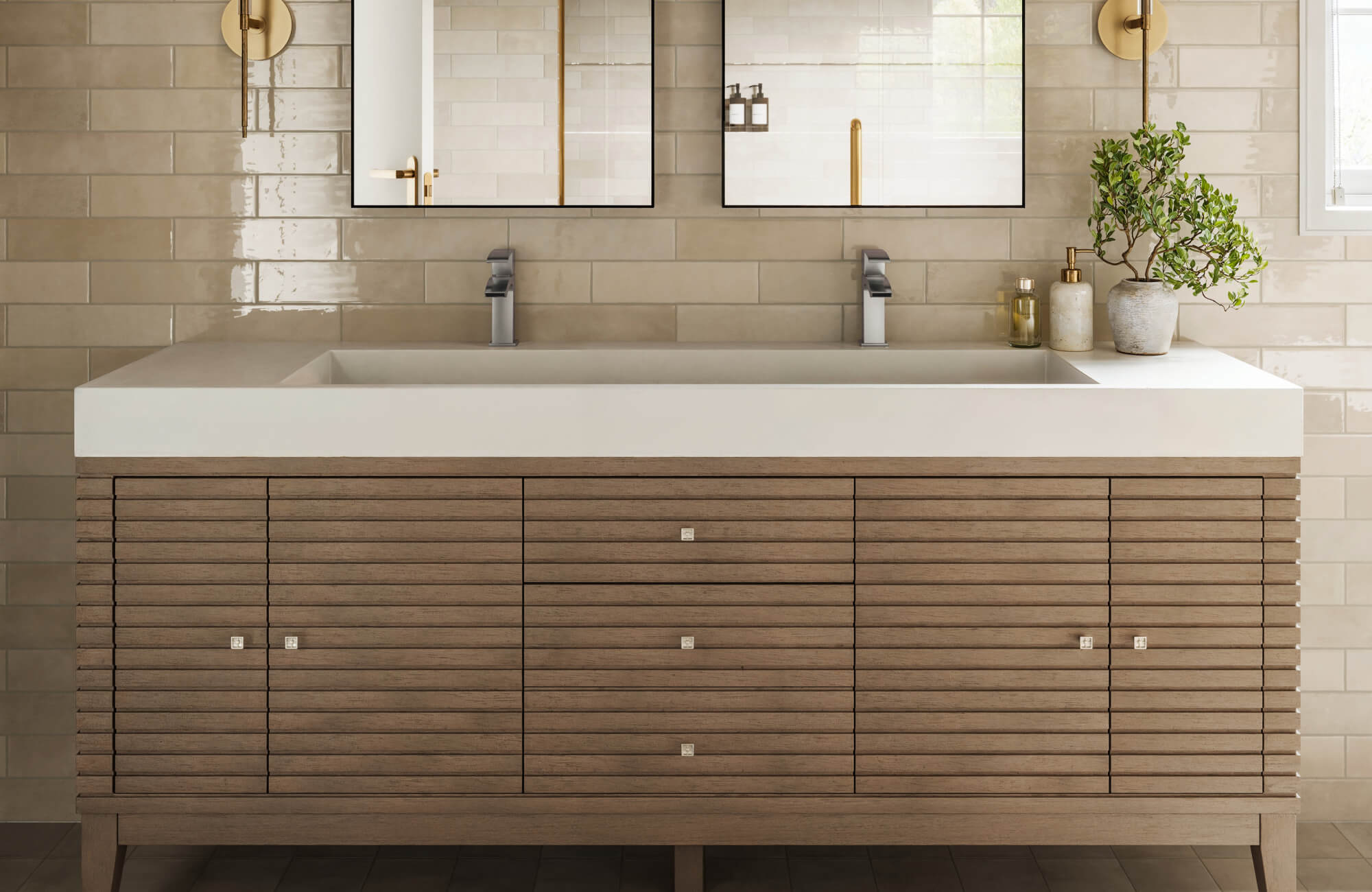
Matching Sink Shape With Vanity Type
Sink shape isn’t just about aesthetics; it needs to pair well with your vanity’s size, layout, and mounting style. Below, we’ll break down which shapes work best with different types of vanities to create a layout that feels balanced and intentional.
Wall-Mounted Vanities
Wall-mounted vanities or floating vanities tend to look their best when paired with slim, lightweight sink shapes like oval or narrow rectangular basins. These sinks keep the profile streamlined and help maintain that open, floating effect that wall-mounted designs are known for. A deep or wide basin can weigh down the look and make the vanity feel bulky, especially in smaller bathrooms. Choosing a sink with softer curves can also help the vanity feel less stark, especially if you’re working with a minimalist space. Rectangular options work too, as long as they’re scaled to match the vanity’s footprint.
Because wall-mounted vanities leave the floor exposed, every detail needs to feel intentional and well-proportioned. Overhanging sinks or oddly shaped bowls can throw off the balance and make the whole setup feel top-heavy. If you want to preserve the clean, airy effect these vanities offer, prioritize shapes that hug the counter and don’t overwhelm the visual weight. Matte finishes or shallow profiles can also reinforce the sleek, contemporary feel. The goal is to let the sink support the design, not overpower it.
Freestanding Vanities
Freestanding vanities can accommodate a wider variety of sink shapes, including bolder options like square or asymmetrical basins. Because these vanities are grounded and often offer more counter depth, they provide space for larger sinks that feel anchored rather than overbearing. Square sinks look especially striking here, bringing symmetry and sharp lines to more traditional or modern farmhouse spaces. Organic or sculptural sinks can also work well when you want a more expressive, boutique-style look. These shapes give freestanding vanities a unique edge and draw attention to the vanity as a whole.
That said, proportion still matters; using a small or overly delicate basin can make a larger freestanding vanity feel disconnected or underutilized. You’ll want the sink to match the visual presence of the base cabinet without spilling over or feeling cramped. Try echoing the sink’s shape in the mirror or light fixture for cohesion. And if the vanity has detailed hardware or bold cabinetry, a more structured sink shape can help balance things out. Freestanding setups give you room to be bold, just make sure it all feels cohesive.
Double Sink Vanities
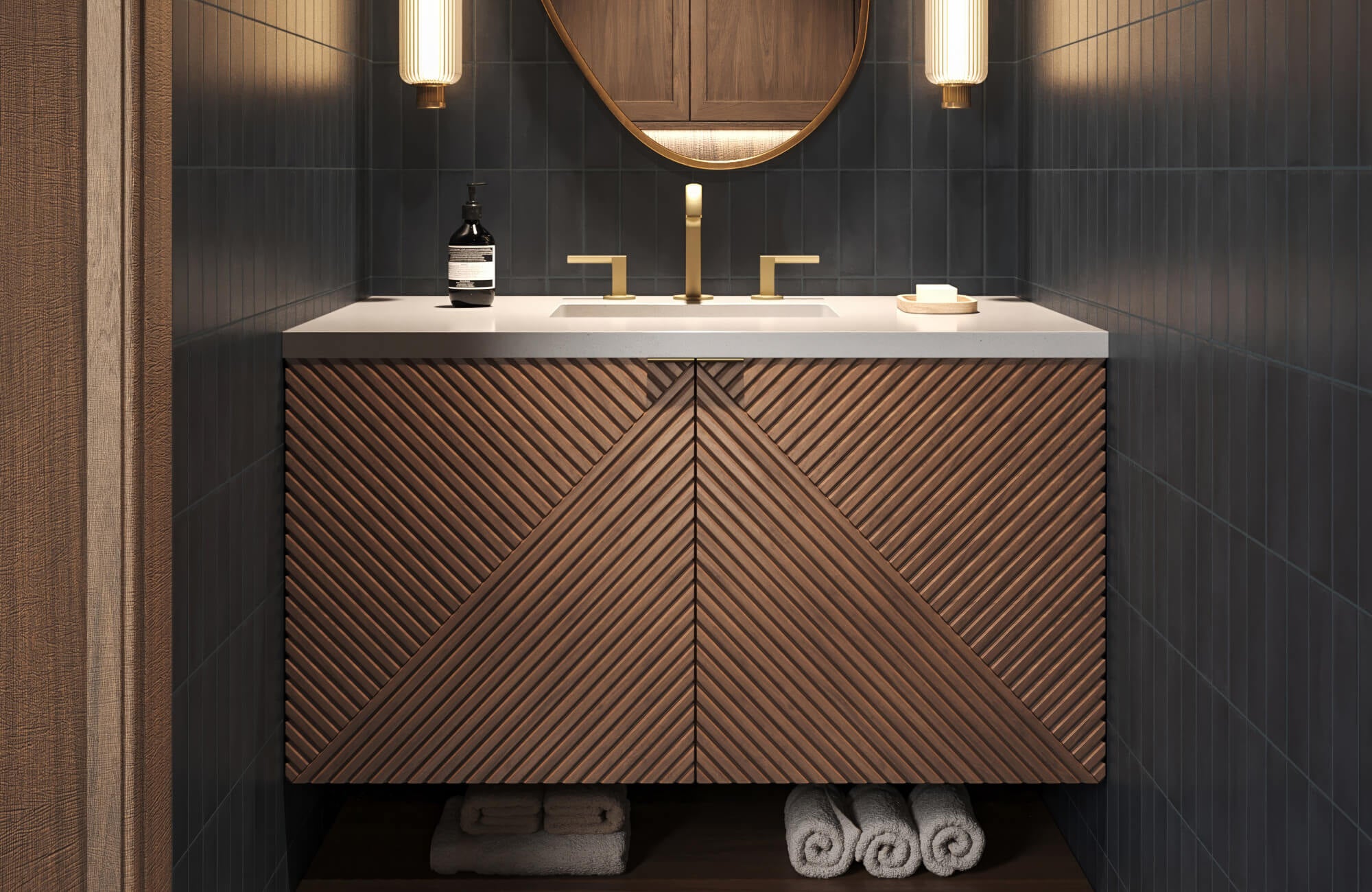
Double sink vanities, such as our Easton 72" Double Vanity in Whitewashed Walnut with Glossy White Composite Stone Top above, benefit from symmetry and consistency, which makes rectangular or oval sinks ideal for most setups. Matching basins help maintain balance across the countertop, especially when paired with dual mirrors and evenly spaced fixtures. Rectangular shapes work well for clean, modern bathrooms, while oval sinks bring a softer, more transitional feel. The key is choosing a shape that feels unified when repeated side-by-side. This is especially important when the vanity is long and the eye naturally follows a horizontal line across the whole space.
Using mismatched or clashing shapes across a double vanity can make the setup feel chaotic and unintentional. If you’re tempted to use different shapes, keep everything else extremely minimal to avoid visual clutter. Also, make sure the sinks aren’t too large for the counter space between them; it’s better to go slightly smaller than to crowd the layout. Shared vanities work best when everything feels equally weighted. With the right sink shapes, the result is a setup that feels thoughtful, polished, and easy to use.
Pros and Cons of Undermount vs. Vessel Sink Shapes
Mounting style plays a big role in how a sink shape looks and functions, and it shouldn’t be an afterthought. Whether you choose an undermount or vessel design will influence the visual balance of the vanity, how much counter space you have, and even how easy the sink is to clean.
Undermount sinks are installed beneath the countertop, which gives the entire vanity a seamless, integrated look. This setup works especially well with rectangular, oval, and even square sink shapes since it maintains a low, clean profile. It’s a great choice if you want to maximize counter space or keep the focus on surrounding materials, like stone or wood finishes. As seen above with our Royce 36" Single Vanity in Chestnut with a 3 cm White Zeus Quartz Top, the undermount approach reinforces the sleek, modern vibe while letting the texture and cabinetry take center stage. Just keep in mind that undermounts require precise installation and don’t pair well with every countertop material.
Vessel sinks sit fully on top of the vanity, becoming more of a visual centerpiece. They pair beautifully with round, organic, or sculptural shapes, letting the form really stand out. This setup can elevate a simple vanity and turn it into a statement without needing bold cabinetry or hardware. On the downside, vessel sinks can be harder to clean around the base, and their height can be a concern for daily use, especially if paired with a tall faucet. Still, for bathrooms where form matters as much as function, vessel designs give you more freedom to express your style.
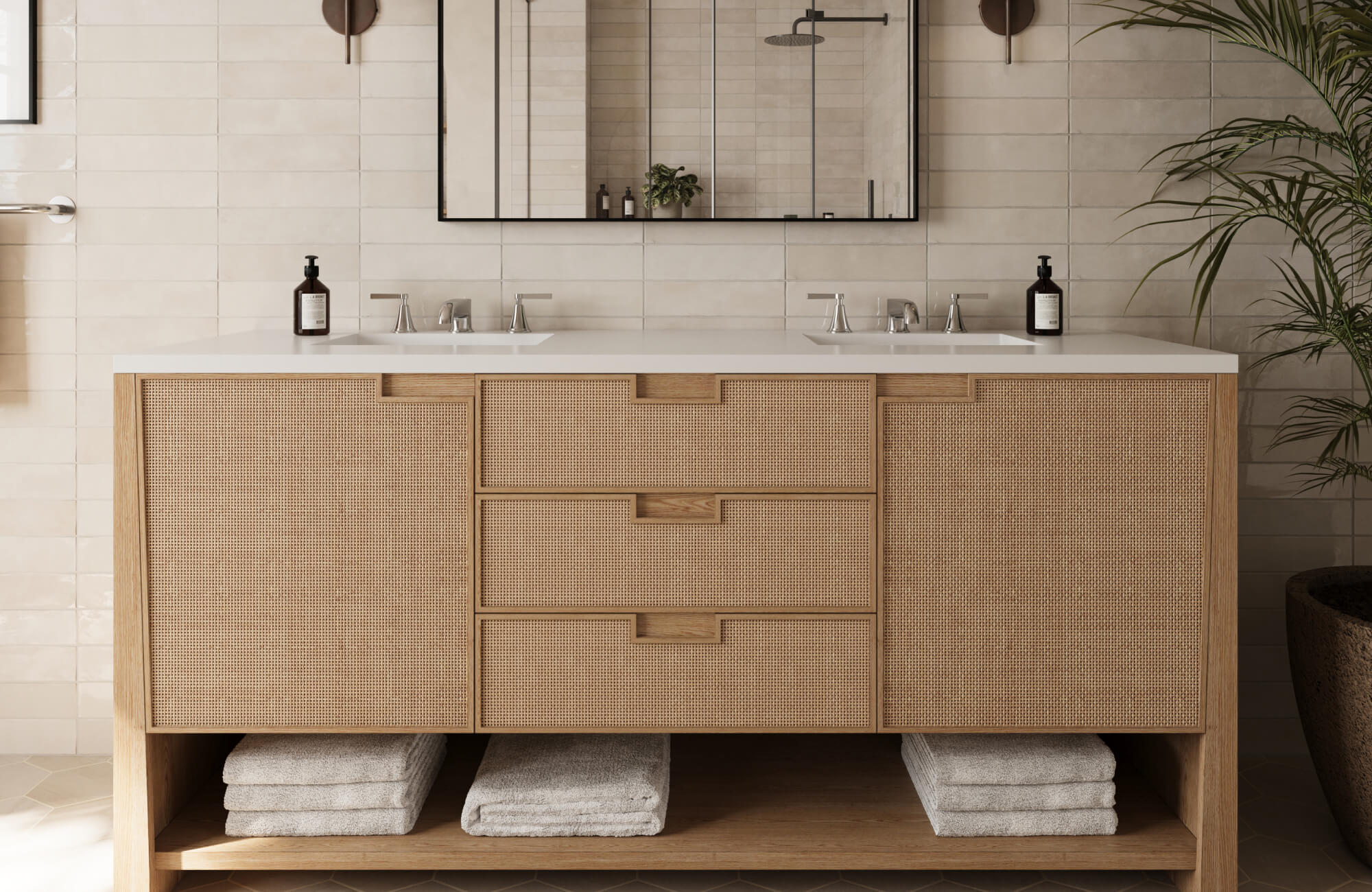
Practical Considerations When Choosing a Sink Shape
Even the best-looking sink can become frustrating if it doesn’t work well day to day. From cleaning to water control, the shape you choose has a direct impact on how functional your bathroom feels. Here, we’ll walk through practical details that are easy to overlook but make a big difference in comfort and upkeep.
Sink Depth and How Shape Affects Drainage
Deeper sinks tend to control splashing better, but they can also create pooling if the slope isn’t well-designed. A shallow, flat-bottomed basin may look sleek, but if water doesn’t flow directly toward the drain, you’ll end up with puddles and buildup. Round and oval sinks usually offer more natural drainage, while some square or rectangular shapes need extra slopes or engineered basins to function well. It’s important to test or research how the depth and slope interact before making a final decision.
Placement of Faucets and Countertop Holes
Where the faucet sits relative to the sink shape can affect comfort, water control, and even how far you lean over the counter. Rectangular or wide basins may need a centered faucet, while vessel or round sinks often work better with wall-mounted or tall single-hole styles. If the faucet and sink don’t align well, you might deal with splashing or awkward reach. Before committing, make sure the sink’s shape matches the faucet’s height and trajectory for smoother use.
Material Compatibility (Ceramic, Stone, Glass, etc.)
Some sink shapes are more common or more functional when made from specific materials. For instance, square and rectangular basins tend to work better in sturdy ceramic or resin, while organic shapes often come in stone or glass for sculptural impact. Each material brings different pros and cons: ceramic is low-maintenance, glass is eye-catching but prone to water spots, and natural stone needs sealing. Matching shape to the material isn’t just about looks; it’s about finding a durable option that fits your routine.
Cleaning Curves, Corners, and Flat-Bottomed Options
Not all sink shapes are clean equally. Curved basins, like ovals or rounds, typically have fewer tight corners, making them easier to wipe down and maintain. Flat-bottomed or square sinks, while sharp and modern in style, tend to collect grime on the edges if not cleaned regularly. If low maintenance is a priority, choose a shape that minimizes hard-to-reach angles and helps water flow toward the drain naturally. You’ll save time and keep the sink looking fresh with less effort.
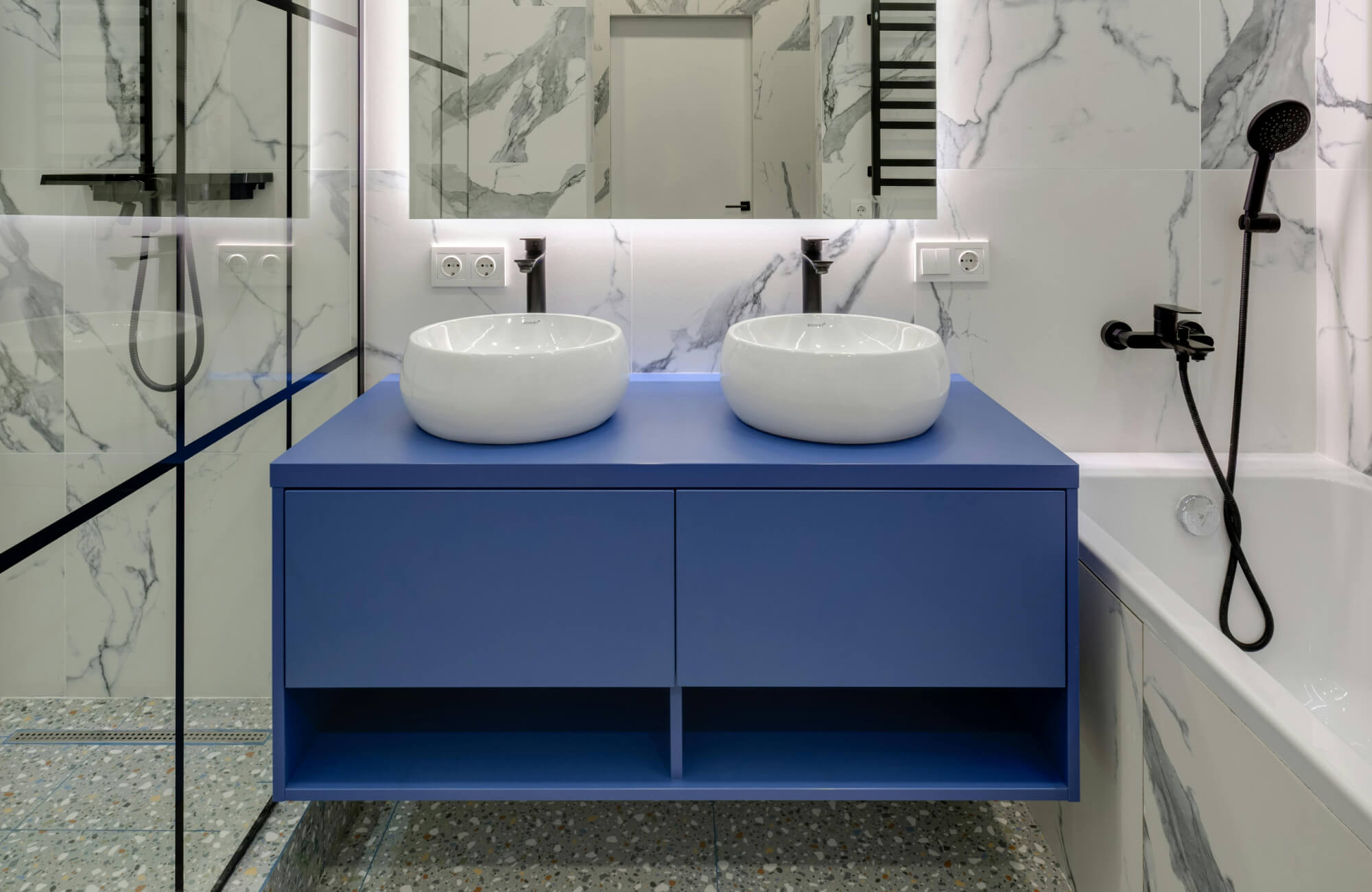
Final Tips For Choosing the Right Sink Shape
As you narrow down your options, it’s worth stepping back to think about how everything fits together. The right sink shape should support your daily routine and complement the space, not just follow a trend. Here are a few parting tips to help you make a smart, cohesive choice that feels good long-term.
Think About Who Uses the Bathroom and How Often
Your sink shape should work for the people actually using the space, not just look good in photos. A sculptural vessel might suit a guest bath used occasionally, but a busy family bathroom will benefit from a practical, easy-to-clean shape with good splash control. If children use the space, softer lines, and accessible depth become even more important. Start by considering function, and let form follow from there. It’s a small detail that often has a big impact on daily comfort.
Coordinate With Mirrors, Hardware, and Lighting
Sink shape doesn’t exist in a vacuum; it’s part of a larger visual rhythm. An oval sink pairs naturally with arched mirrors or rounded sconces, while square basins often align better with clean-lined fixtures. Keeping these elements in sync avoids visual tension and gives your bathroom a more polished, designer-level feel. Even small touches, like matching faucet angles to the basin, help the whole space flow better. When everything speaks the same design language, the result feels unified and calm.
Stick With One Core Shape Language for Cohesion
It’s tempting to mix styles, but too many shapes competing in a small space can feel chaotic. Instead, try choosing one core shape, like curved or angular, and let that guide the rest of the design. That doesn’t mean everything has to match exactly, but there should be a clear sense of repetition or echo. Whether it’s reflected in your mirror, drawer pulls, or tile patterns, that consistency brings balance. It’s one of the easiest ways to make a bathroom feel pulled together.
Test Comfort If Possible Before Finalizing
If you have the chance, seeing a sink in person can make all the difference. What looks sleek online might feel awkward to lean over or too shallow for daily use. Try placing your hands inside, mimicking your routine, and checking splash height or edge comfort. These tactile details are easy to miss during planning but show up every day in practice. Comfort and usability should always carry as much weight as aesthetics in the final decision.
Making the Right Sink Shape Choice for Your Bathroom
Sink shape might seem like a small detail, but it has a major impact on how your bathroom looks and functions. From maximizing counter space to setting the visual rhythm of the room, the right silhouette can help everything feel more intentional and cohesive. It’s about more than just aesthetics; it’s about how comfortably your space works day to day as well.
If you're still unsure which sink shape suits your vanity best, our design team at Edward Martin is here to help. Whether you need help balancing proportions or coordinating with other fixtures, a quick consultation can make all the difference. Let us help you build a bathroom that feels tailored, polished, and effortlessly functional.
Follow us on Instagram
@EDWARD.MARTIN
)
)
)
)
)
)
)
)
)
)
)
)
)
)
)
)