
)
)
)
)
)
)
)
)
What Rug Materials Should You Avoid?
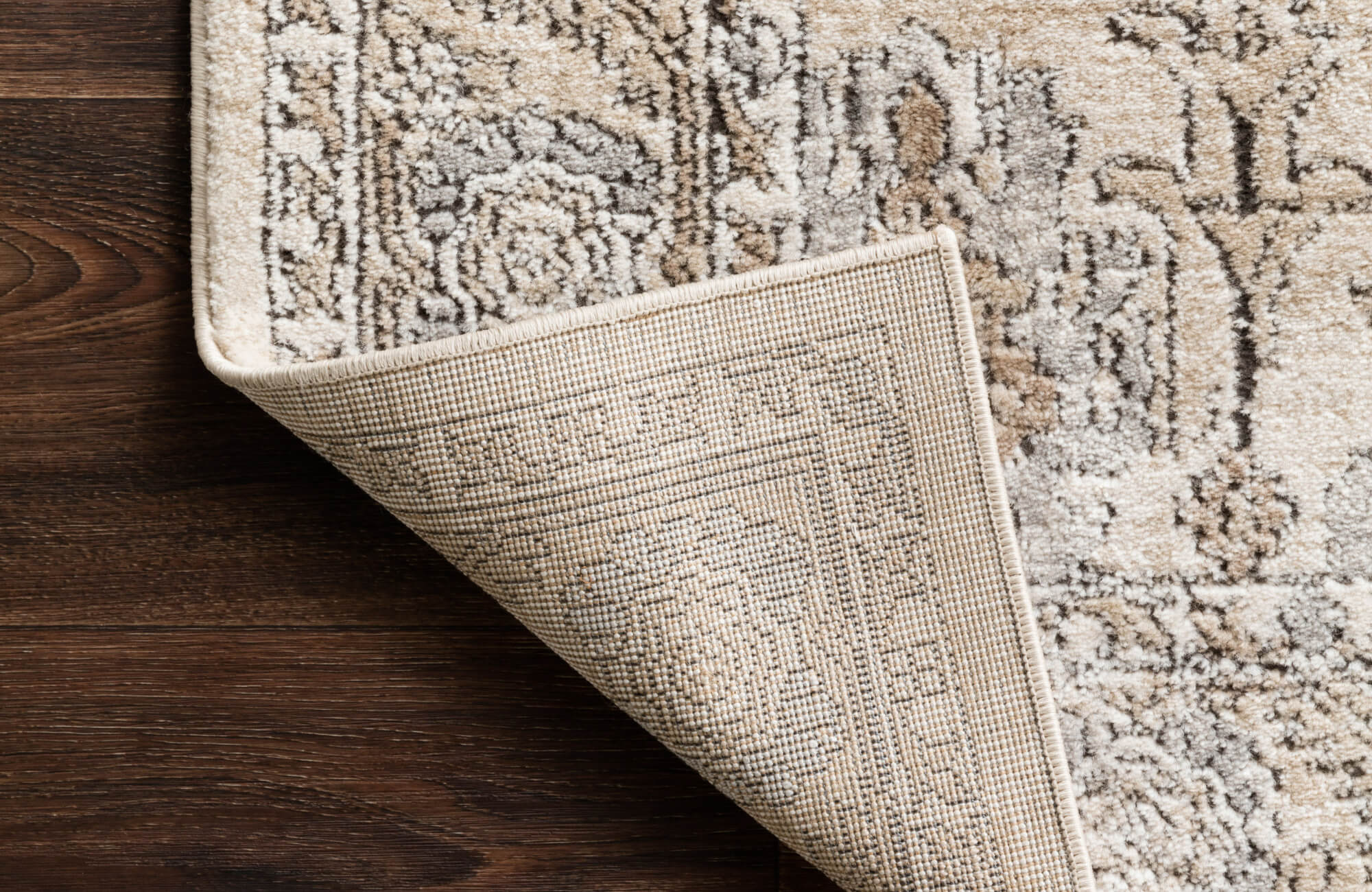
Not all rugs are made with long-term use in mind, and some materials can bring more trouble than they’re worth. From fast wear and tear to difficult cleaning or even hidden damage to your floors, the wrong choice can lead to frustration and unexpected costs down the line.
In this guide, we’ll walk you through which rug materials are best avoided based on real-world performance, daily upkeep, and safety concerns. Whether you're buying for a busy living room or a quiet bedroom, knowing what to skip can help you make a smarter, longer-lasting investment for your space.
Common Rug Materials That Underperform Over Time
Not all rugs are built to last, and some materials just don’t hold up to the demands of everyday life. Whether it’s early signs of wear, poor stain resistance, or long-term durability issues, knowing which materials fall short can save you time and frustration down the road. Below are a few rug types that often look good at first but may disappoint over time.
Viscose (Art Silk)
Viscose rugs are known for their silky sheen, but that beauty comes with a cost. They shed frequently, stain easily, and show wear even in low-use spaces like bedrooms. Water spills or even a gentle cleaning can leave permanent damage, making them a high-maintenance option. While they may mimic luxury materials, they don’t offer the same long-term performance. For busy or moisture-prone areas, they’re rarely worth the risk.
If you love the look of viscose, some rug makers now offer blends that pair it with more stable fibers like wool or acrylic for added strength. These options still deliver that lustrous finish but with fewer issues around shedding and wear. It’s also worth checking care labels, some newer versions are treated for improved durability. In general, though, viscose is best reserved for low-use, decorative spaces where appearance matters more than function.
Polyester
Polyester rugs can be budget-friendly, but they’re prone to matting and flattening, especially in walkways or under furniture. Once the pile compresses, it’s hard to revive, leaving the rug looking worn and dull. It also tends to cling to stains and trap odors, even after repeated cleanings. While it can work in less-used spots, it doesn’t age as gracefully as other synthetics. Over time, its color and texture often fade faster than expected.
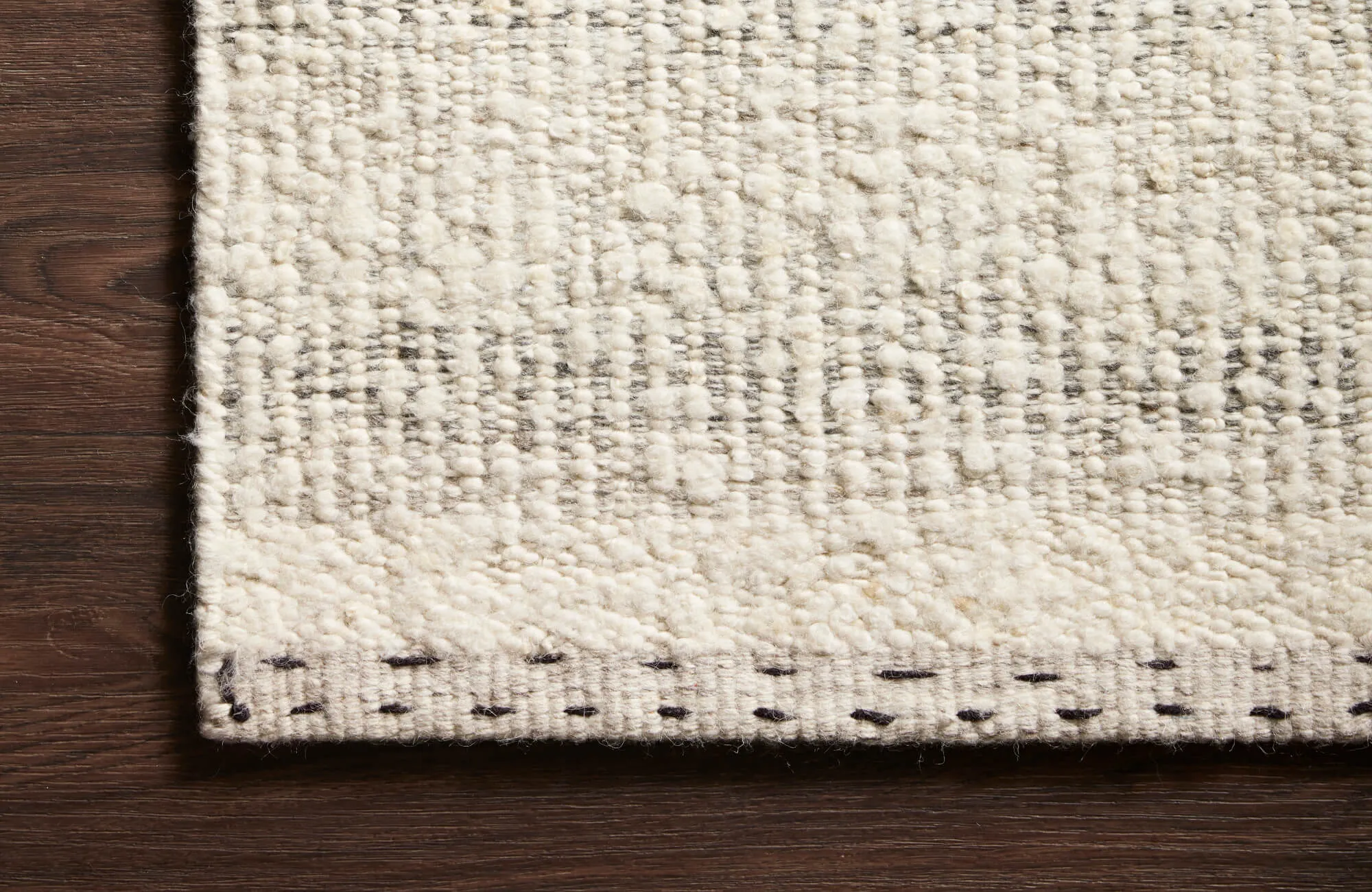
That said, not all polyester rugs perform the same. Some higher-quality versions, especially polyester blends, like our Charlise Polypropylene & Polyester Pile Rug in Cream / Fog above, or those made with solution-dyed fibers, offer better color retention and improved stain resistance. When used in the right setting and with proper care, they can still be a practical option. The key is to match the material to the room’s demands and avoid overly plush textures in heavy-use zones. With realistic expectations, polyester can still offer value where softness and affordability matter most.
Cheap Polypropylene
Not all polypropylene is created equal—lower-grade versions often off-gas unpleasant chemical odors due to VOCs. They’re also more likely to break down when exposed to sunlight, heat, or frequent vacuuming. Edges can fray, and the surface may feel overly slick or plasticky. These rugs may seem like a deal at first, but can lead to quicker replacement costs. Investing in higher-quality synthetics pays off in the long run.
Better-made polypropylene rugs can actually be a solid choice for busy homes, thanks to their strong stain resistance and easy care. The difference often comes down to weave density and manufacturing quality; cheap versions cut corners, while premium ones offer improved texture and lifespan. Look for ones labeled low-VOC or heat-set for a more refined feel and better performance. With the right version, polypropylene can be both practical and budget-conscious without feeling disposable.
Jute in Humid Areas
Jute rugs offer great texture and an earthy look, but they’re not suited for damp or humid conditions. The natural fibers tend to absorb moisture, which can lead to mildew, mold, or a musty smell over time. Even routine cleaning can break down the weave or cause discoloration. In tropical or moisture-prone rooms like bathrooms or basements, jute simply isn’t practical. It’s best reserved for dry, well-ventilated areas.
That said, jute can still be a great option in the right setting. It's ideal for living rooms, bedrooms, or offices where moisture isn’t an issue, and its natural texture adds warmth without overwhelming the space. Some rugs also blend jute with cotton or synthetics to soften the feel and improve durability. If you love the look but live in a humid climate, consider using jute in upstairs areas or places with strong airflow. Proper placement and occasional rotation can help it last longer without compromising your floors.
Difficult-to-Clean Rug Fibers
Some rug materials may look appealing at first, but become a headache when it’s time to clean. From fibers that trap dust to those that resist spot treatment, choosing the wrong material can lead to stubborn messes or permanent damage.
Shag and High-Pile Synthetics
Shag rugs and other high-pile synthetics may feel cozy underfoot, but they’re magnets for dirt, crumbs, and pet hair. Their deep pile makes regular vacuuming difficult, often requiring special attachments or professional cleaning. Over time, the fibers can clump, mat, or develop uneven wear in busy areas. Even light soil can settle in places that are hard to reach.
These rugs also tend to trap odors and allergens, making them less ideal for households with pets or allergies. Moisture from spills can get buried deep and take longer to dry, increasing the risk of mildew. While they may suit a guest room or low-use lounge, they’re usually not practical for busy living spaces. Maintenance quickly outweighs their initial softness and appeal.
Rayon or Bamboo Silk
Rayon and bamboo silk rugs offer a soft, lustrous look, but they’re notoriously fragile when it comes to cleaning. These fibers absorb liquids quickly and can suffer permanent water damage, even from gentle spot treatments. They’re also known to lose their sheen, pill, or discolor over time, especially in areas exposed to sunlight.
Because of their delicate nature, professional cleaning is often the only safe option, an added cost that adds up. Even then, not all cleaners are equipped to handle them without causing fiber breakdown. These rugs work best in very low-use, dry areas where accidents are unlikely. For daily life, they’re more fuss than function.
Cotton in Larger Rugs
Cotton rugs are lightweight, breathable, and often machine-washable—great qualities in small formats like mats or runners. But when scaled up to larger, flat-woven styles, they start to show their downsides. Cotton fibers absorb spills easily and tend to cling to dirt, which can lead to staining or dullness over time. Repeated washing can cause the weave to loosen or shrink.
In larger sizes, they also wear thin faster than more durable alternatives like wool or synthetic blends. You may notice fraying edges, faded colors, or rippling after regular cleaning or sun exposure. While cotton has its uses, it’s not ideal for areas where frequent human use or messes are expected. Stick with it only in casual or low-impact zones.
If you like the soft, breathable feel of cotton but need something with a bit more structure, a cotton blend can be a smarter choice. Our Marcela Cotton Blend Rug in Natural / Ocean, as seen above, combines the relaxed, woven look of cotton with a sturdier, low-profile texture that’s easier to care for in everyday spaces. Its subtle pattern and earthy tones feel lived-in without being delicate, striking a nice balance between comfort and practicality.
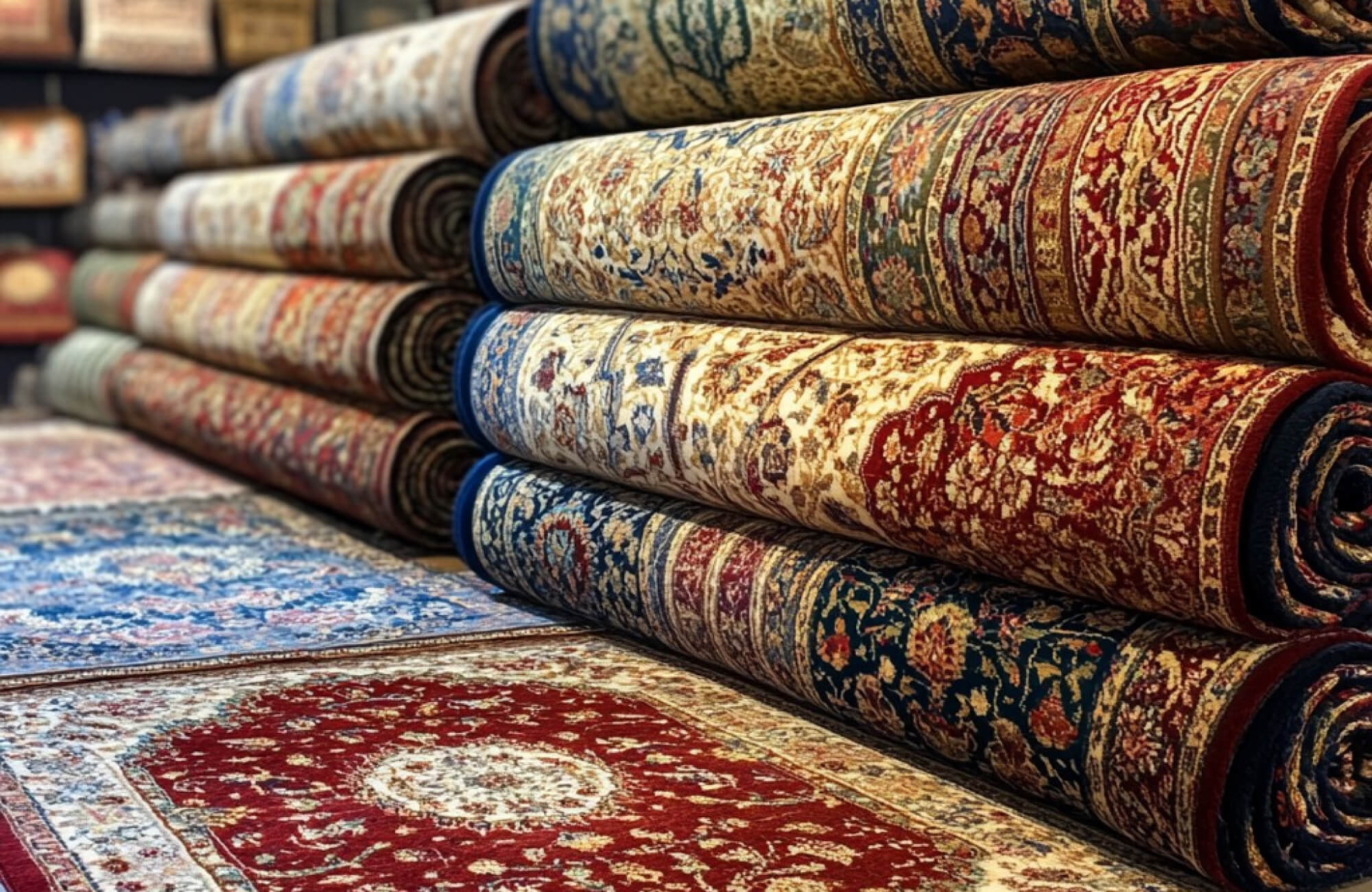
Materials That Can Be Unsafe or Environmentally Concerning
Not every rug is as harmless as it seems. Some materials and treatments can raise concerns around indoor air quality, long-term durability, or even how ethically they were made. Below, we’ll break down a few common red flags, whether you’re shopping with kids and pets in mind or trying to avoid materials that are tough on the planet. Knowing what to watch out for can save you from health worries or regrets later on.
Rugs Treated With Chemical Dyes or Flame Retardants
Bright colors and added durability might seem like a win, but many rugs get there through heavy chemical treatments. These can release VOCs (volatile organic compounds) into the air, something you don’t want lingering in bedrooms or play areas. Homes with pets, young kids, or anyone with sensitivities are especially at risk of irritation or allergic reactions.
Also, while flame retardants sound like a safety feature, they often come with their own health trade-offs. Natural materials like wool are already flame-resistant and typically use gentler dyeing processes, making them a safer pick all around. Look for certifications like GOTS or OEKO-TEX® if you're trying to avoid unwanted chemical exposure without sacrificing style or quality.
Synthetic Latex Backing
That rubbery backing on some rugs might seem useful, but it can come with some hidden issues. Synthetic latex tends to break down over time, cracking, crumbling, or giving off a strong odor. Worse, it can stick to your floors and leave behind a mess that’s tough to clean, especially on hardwood or vinyl.
If you’re placing rugs in humid areas or under heavy furniture, the risk of damage gets even higher. Choosing rugs with natural rubber or felt backings is usually a safer move; they’re less likely to give off odors and much gentler on delicate flooring. It’s a small switch that can save you from frustrating cleanup or costly repairs down the road.
Rugs With Poor Transparency
When a rug label is vague or missing entirely, it’s hard to know what you’re really bringing into your home. Without clear info on the fiber source or dye process, you’re left guessing about everything from performance to safety. And if ethical sourcing matters to you, unclear manufacturing practices can be a dealbreaker.
Rugs made with transparency in mind usually perform better over time as well. Brands that openly share material details, certifications, or where and how the rug was made tend to take quality more seriously overall. So if a label leaves you with more questions than answers, it might be worth exploring other options that are upfront about what they’re made of and why that matters.
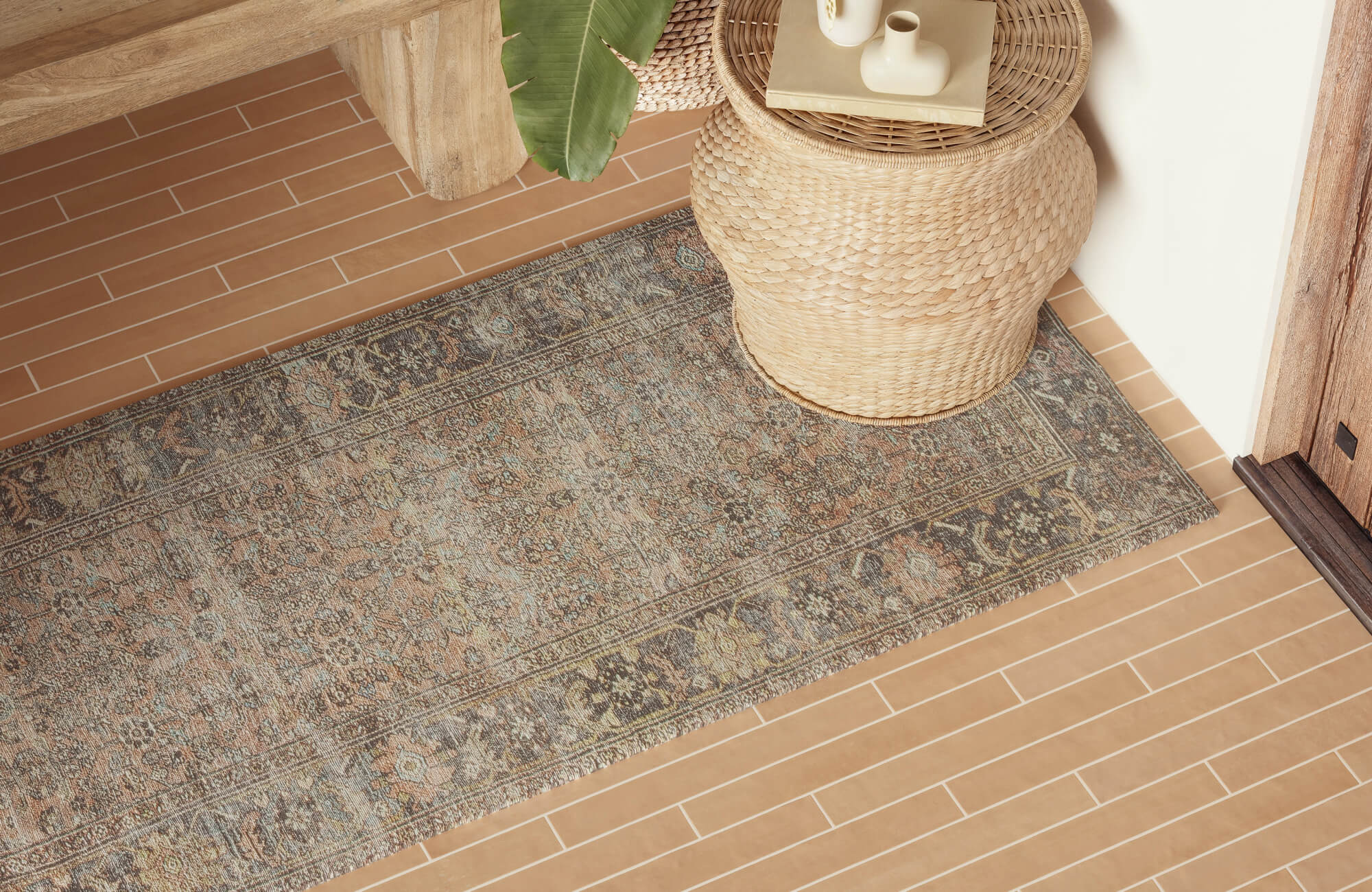
How Rug Materials Affect Everyday Use
The material your rug is made from plays a huge role in how it performs over time. From wear and tear to cleaning headaches, certain fibers are more prone to everyday frustrations like staining, shedding, or flattening. Some rugs might look great at first, but quickly lose their shape or show signs of discoloration in busier rooms. Paying attention to these material traits can help you avoid those small but constant annoyances that build up with daily use.
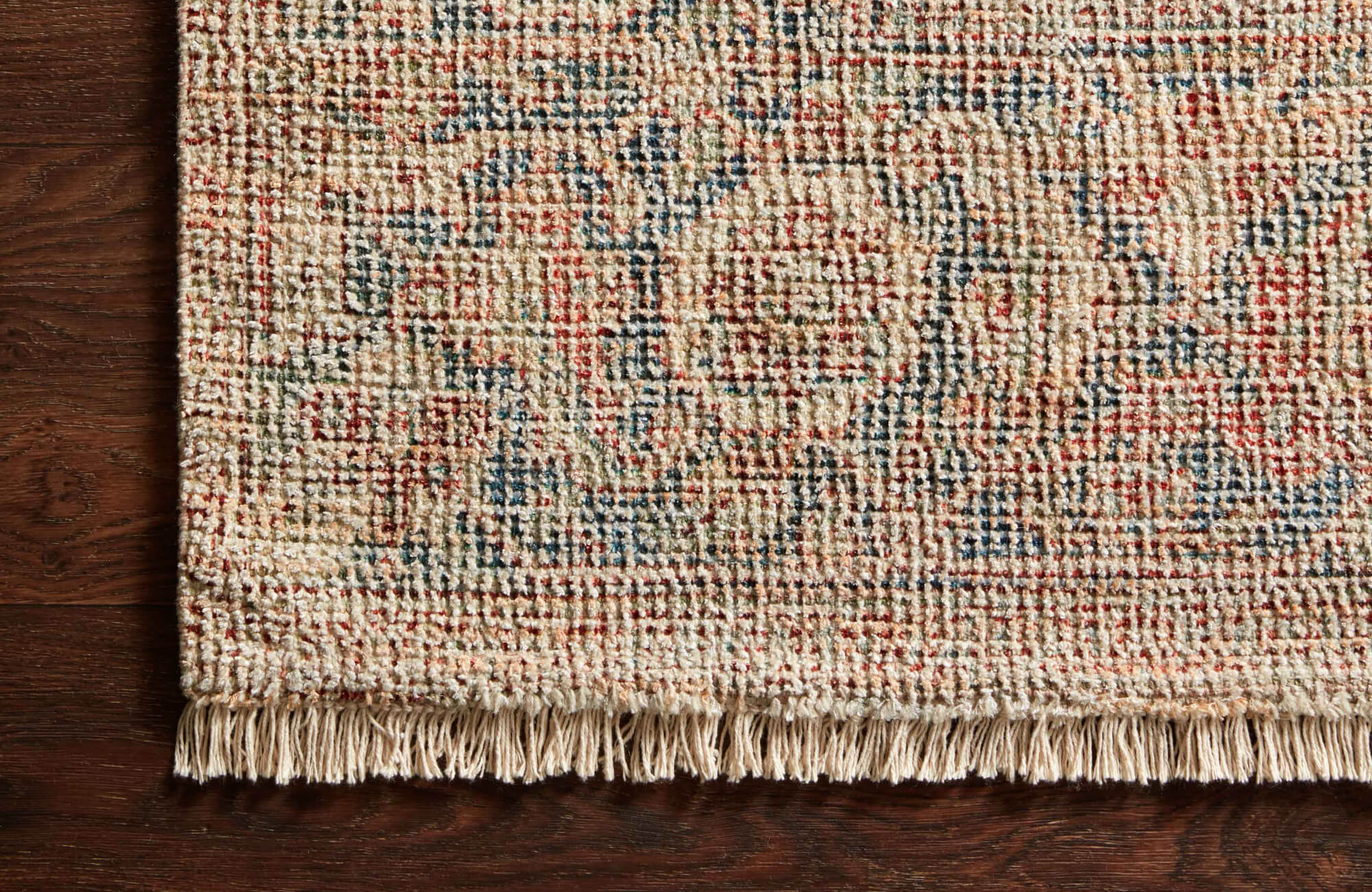
Wool rugs, for example, are warm and durable, but they can shed heavily at first and take longer to dry after cleaning. Synthetics like polyester and polypropylene, such as our Georgette Polyester Pile Rug in Spice / Indigo above, resist stains well but may develop flat spots or trap odors over time. Natural fibers like jute or sisal bring in a nice earthy texture, but they’re not the best fit for homes with spills or moisture. Choosing the right material comes down to what kind of wear and tear your space sees most.
Not all fibers clean the same way, either. Some respond well to quick vacuuming or spot treatments, while others need more delicate care or occasional professional cleaning. A rug that’s tough to maintain can become a source of stress, especially in high-use areas like living rooms, dining spaces, or entryways. Thinking about your daily routine and how much effort you want to put into upkeep can make a big difference in picking a rug that fits your lifestyle.
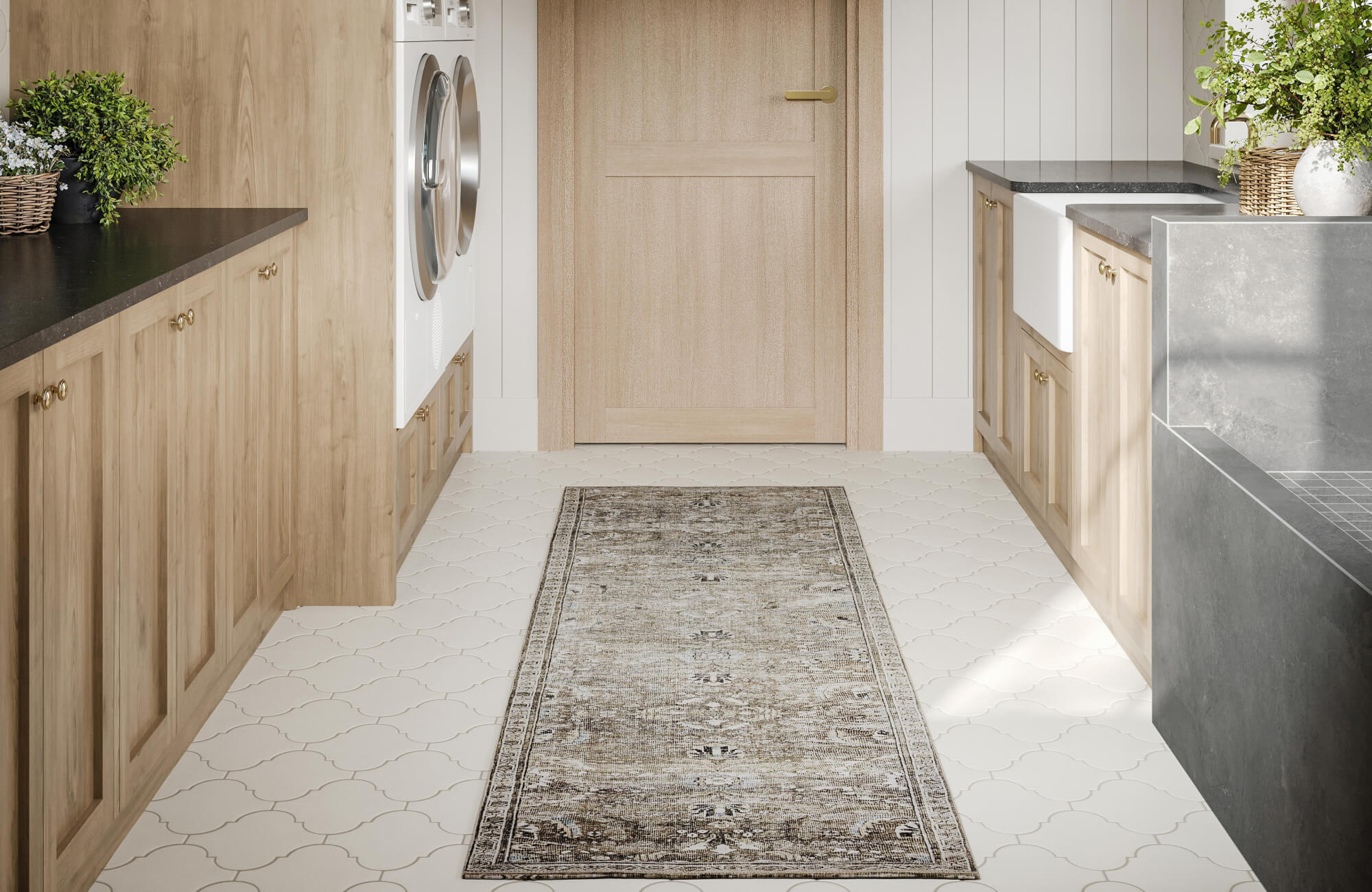
Questions to Ask Before Choosing a Rug Material
Before choosing a rug, it helps to think about how it will actually be used in your space. Material decisions can make the difference between something that holds up over time and becomes a source of daily frustration.
Do You Have Pets That Shed or Scratch?
If you live with cats or dogs, you’ll want a material that resists snagging and is easy to clean. Flat-weave rugs or synthetics like polypropylene are easier to vacuum and won’t trap fur as easily as shag or wool. Avoid looped weaves that claws can catch on, and steer clear of delicate natural fibers like jute, which can wear down fast under paws. Stain-resistant finishes can also help with occasional accidents or muddy prints.
Will This Rug Be in a Humid or Damp Area?
Bathrooms, kitchens, and basements need materials that can handle moisture without developing mold, odors, or discoloration. Natural fibers like jute or sisal tend to absorb water and degrade quickly in humid environments. Synthetic rugs, especially those made of polypropylene, are better suited for damp areas since they dry faster and don’t absorb as much. Look for materials labeled mildew-resistant or quick-drying for added peace of mind.
Do You Wear Shoes Indoors?
Households that allow shoes indoors deal with extra dirt, oils, and pressure on rugs. Tougher materials like nylon or wool blends are more likely to handle that wear without showing flattened spots or stains. Avoid plush, high-pile options in entryways or living areas if shoes are part of daily life; they’ll mat quickly and be harder to keep clean. A rug with a tight weave and darker tones can also help hide buildup between cleanings.
Is the Rug Going in a High-Use Area?
Living rooms, hallways, and dining areas call for durable, easy-to-clean fibers that won’t flatten after a few months. Wool offers natural resilience and rebounds well underfoot, while synthetics like polyester are more affordable but may show wear sooner. If you’re placing the rug under furniture, opt for something that won’t crush or permanently indent. Flat-weaves or medium-pile options often strike the right balance for busy spots.
Are You Sensitive to Smells or Allergens?
Some rug materials, especially synthetics with added treatments, can release odors or VOCs when new. If you’re sensitive to smells or worried about air quality, look for low-VOC certifications or naturally untreated fibers like cotton or wool. Avoid rugs with synthetic latex backings or heavy chemical dyes, which can worsen indoor air. Natural fiber rugs labeled OEKO-TEX® or GOTS-certified are often safer for allergy-prone homes.
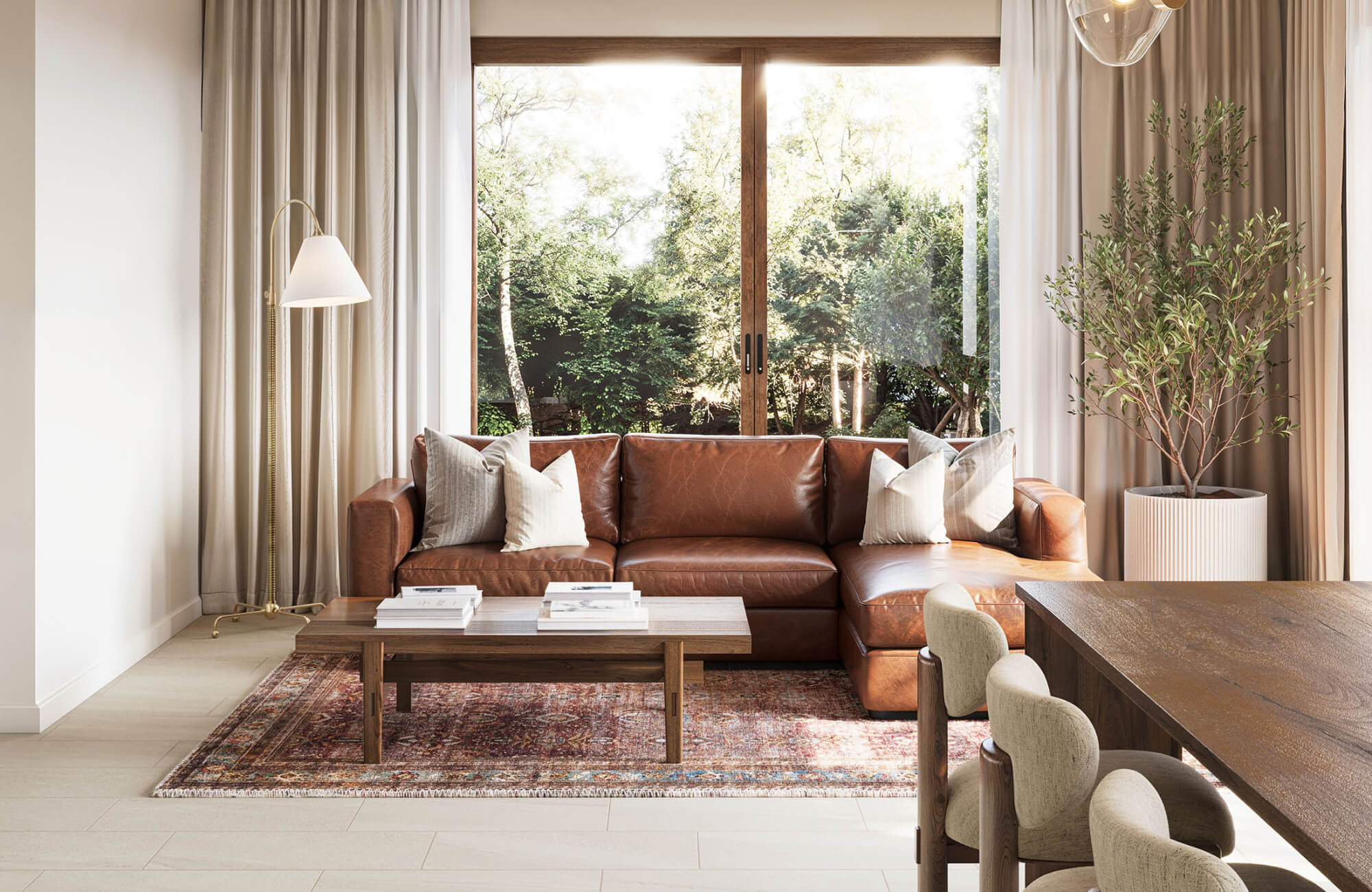
Why Rug Material Choice Matters for Long-Term Value
It’s easy to focus on price when buying a rug, but cheaper materials can come with hidden costs. Low-quality synthetics may look nice out of the box but often wear down quickly, leading to visible flattening, fraying, or fading within a year. That means spending more money to replace them, sometimes multiple times, when a better material would have lasted much longer. Choosing wisely from the start can actually save you money over time.
Some materials don’t just wear out; they can cause damage. Backings made from low-grade latex or plastic can stick to hardwood floors, leaving residue or discoloration that’s expensive to fix. Others may trap moisture underneath, especially in humid rooms, leading to warping or mildew. Investing in a rug with a breathable, natural backing or placing a proper pad underneath helps protect your flooring while extending the rug’s life.
Performance matters just as much as looks when it comes to daily wear. A well-made wool or tightly woven nylon rug may cost more upfront, but it’s less likely to shed, compress, or show stains after a few months. That means fewer headaches and less need to replace it every time life happens. If you’re decorating a space you use often, the right material will carry its weight for years, not just a season. Our Hutchinson Polyester Face Rug in Burgundy / Denim, as shown above, offers a strong example, designed with a low-profile, dense weave that brings both style and durability to high-use living areas.
Better Rug Alternatives to Look For
Not all rugs are created equal, but there are materials that consistently perform better in real-world use. Whether you're after durability, easy cleaning, or something with fewer chemicals, certain fibers stand out. Below are a few smart options that balance comfort, safety, and long-term value.
Wool for Durability and Natural Resistance
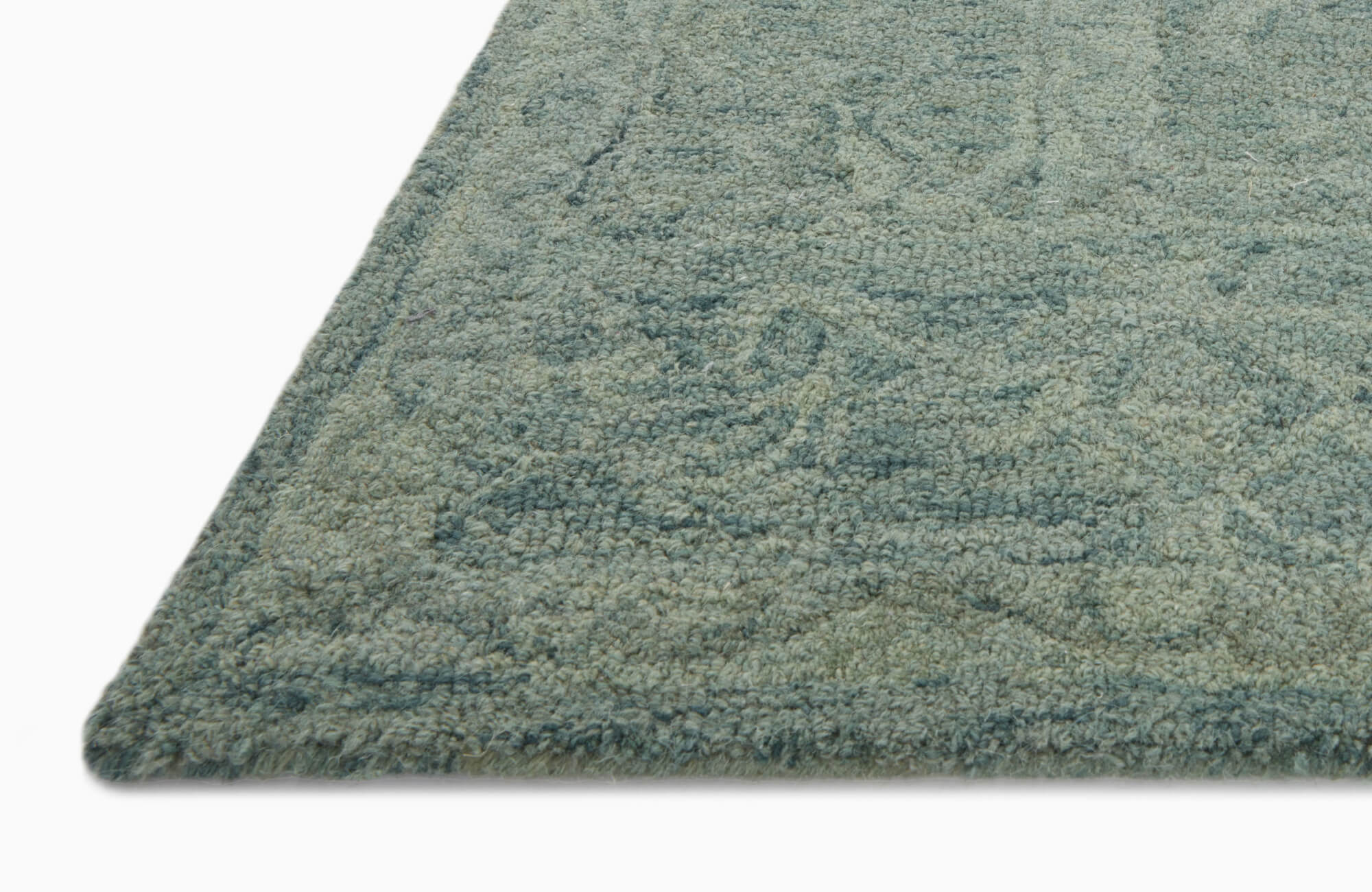
Wool, such as our Mallory Wool Pile Rug in Forest above, is one of the most reliable rug materials out there, known for its natural resilience and long-lasting quality. It holds up well in busy spaces, bounces back from furniture pressure, and resists stains without the need for harsh treatments. Thanks to its natural oils, wool also repels moisture and dirt better than many synthetics. It’s a great choice if you want something that feels cozy but doesn’t wear out too quickly. Just keep in mind it may shed a bit at first and typically needs gentle cleaning.
PET (Recycled Polyester) for Easy Cleaning and Eco-Friendliness
Made from recycled plastic bottles, PET offers a surprisingly soft texture with the benefit of stain and fade resistance. It's ideal for homes with kids or pets where spills and messes happen regularly. Unlike some traditional synthetics, PET is more environmentally conscious without giving up performance. These rugs are easy to clean, quick to dry, and often come at an affordable price point. They're a practical pick for busy households trying to stay eco-aware.
Seagrass and Sisal in Dry Areas for Texture and Toughness
If you want something textured and sturdy, seagrass and sisal bring a clean, natural look with impressive durability. These fibers are best suited for dry areas like living rooms or home offices, where they won’t be exposed to moisture. Their tight weave makes them resistant to wear, though they aren’t as soft underfoot as wool or cotton. They’re a great way to add a natural element without worrying about stains from everyday usage. Just avoid placing them in bathrooms or basements where humidity might shorten their lifespan.
Make Smarter Rug Choices That Last
Choosing the wrong rug material can lead to more than just minor inconveniences; it can mean early replacements, cleaning hassles, or even damage to your floors. While some fibers may look appealing at first, they often fall short when it comes to real-life use, especially in homes with pets, kids, or heavy usage. Knowing what to avoid and why makes it easier to shop with confidence and invest in something that won’t let you down after a few months.
If you're unsure which materials make sense for your space, we're here to help. A quick design consultation can walk you through the best options based on your lifestyle, layout, and budget. Whether you're outfitting a busy living room or a low-key reading nook, we’ll help you find the right rug that looks good, performs well, and lasts longer. Let’s make sure your next rug is the right one from the start.
Follow us on Instagram
@EDWARD.MARTIN
)
)
)
)
)
)
)
)
)
)
)
)
)
)
)
)