A fireplace is often the visual and emotional anchor of a living space. Whether it frames quiet evenings at home or becomes a focal point for entertaining, its design must balance beauty with performance. Selecting the best type of tile for a heat resistant fireplace surround is not simply a decorative decision. It is a material choice that directly affects safety, longevity, and long-term satisfaction.
Among all available options, porcelain tile consistently stands out as the most reliable and versatile choice. Natural stone also offers excellent heat resistance when selected and installed properly. By examining how these materials perform, where code requirements apply, and which installation components matter most, you can make a confident and informed decision for your fireplace surround.

The Superior Performance Of Porcelain Tile
Porcelain tile has become the industry standard for heat resistant fireplace surrounds, not because it is trendy, but because it is engineered to excel in extreme conditions. Its strength, density, and stability make it uniquely suited for areas exposed to sustained heat.
Understanding The High Heat Manufacturing Process
Porcelain tile is manufactured using refined clays and natural minerals that are fired at temperatures exceeding 2,000 degrees Fahrenheit. This intense firing process vitrifies the tile, meaning it becomes extremely dense and non-porous. The result is a material that is structurally stable and highly resistant to heat-related stress.
This manufacturing process is the reason porcelain tile can withstand the radiant heat produced by wood-burning, gas, and electric fireplaces without degrading. Unlike softer ceramic tiles, porcelain does not rely on surface coatings for strength. Its durability is built into the body of the tile, allowing it to perform consistently even when exposed to repeated temperature fluctuations.
Resistance To Thermal Shock And Cracking
Thermal shock occurs when a material expands and contracts unevenly due to rapid temperature changes. In fireplace applications, this can happen as the fire heats the surround and then cools once the flames subside. Materials that cannot accommodate this movement may crack or fracture over time.
Porcelain tile has a very low coefficient of thermal expansion, which means it responds slowly and evenly to heat changes. This stability significantly reduces the risk of cracking, making porcelain an excellent choice for both traditional and modern fireplace designs. When installed correctly, porcelain tile maintains its integrity for decades, even in high-use fireplaces.
The Versatility Of Porcelain Finishes
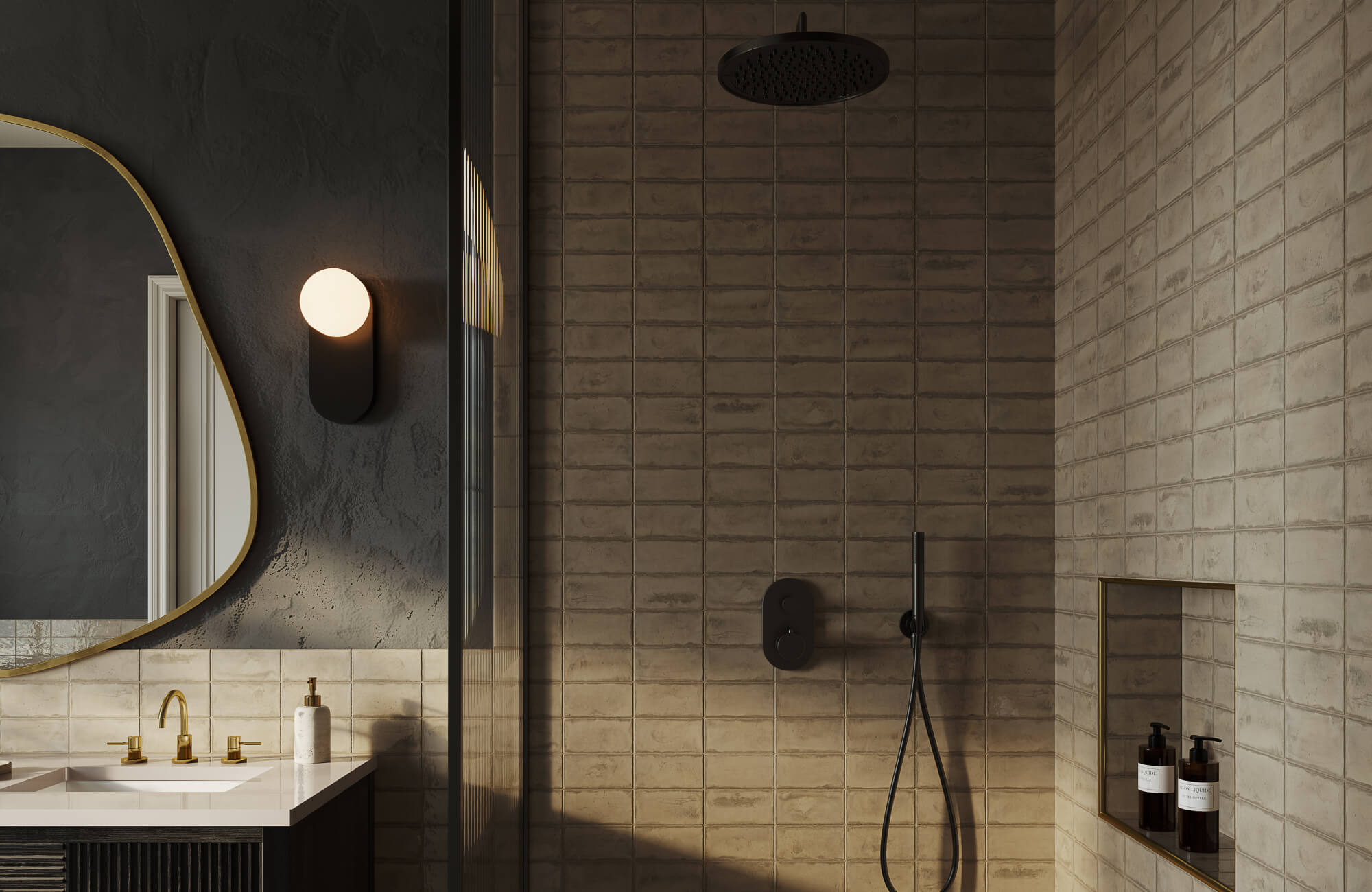
One of porcelain tile’s greatest advantages is its ability to replicate the look of natural materials without sacrificing performance. Advances in digital printing and surface texturing allow porcelain to convincingly mimic marble, limestone, concrete, slate, and even reclaimed wood, as seen with Edward Martin’s Colby 2x10 Glossy Porcelain Subway Tile in Smoke in the image above.
This versatility gives homeowners and designers freedom to achieve virtually any aesthetic, from classic and timeless to sleek and contemporary. Large-format porcelain slabs can create a seamless, architectural fireplace surround, while textured finishes add depth and warmth. Because the color and pattern are fired into the tile, porcelain resists fading and discoloration caused by heat exposure.

The Natural Resilience Of Stone Tiles
Natural stone has been used around fireplaces for centuries, long before modern manufacturing techniques existed. Its inherent ability to withstand heat makes it a viable option, but not all stone performs equally, and careful selection is critical.
Granite And Slate As Heat Shields
Granite and slate are among the most heat-resistant natural stone options available. Granite is an igneous rock formed under extreme heat and pressure, which makes it exceptionally stable in fireplace environments. Its density and hardness allow it to absorb and radiate heat without structural damage.
Slate, a metamorphic stone, also performs well under heat due to its layered composition and natural durability. It offers a more rustic, textured appearance that complements traditional and transitional interiors. Both materials can be used safely around fireplace surrounds when installed with proper clearances and suitable setting materials.
Managing The Maintenance Of Marble
Marble is often chosen for its elegance and timeless appeal, but it requires a more thoughtful approach in fireplace applications. While marble can tolerate heat, it is more sensitive to soot, smoke staining, and surface etching. Prolonged exposure to high temperatures may cause subtle color changes over time, particularly in lighter varieties.
Maintenance is the primary concern with marble. Regular sealing is necessary to protect against staining, and you must be diligent about cleaning soot residue promptly. Marble can be a beautiful choice for decorative fireplace surrounds where direct heat exposure is limited, but it is less forgiving than porcelain or granite.
The Importance Of Stone Thickness
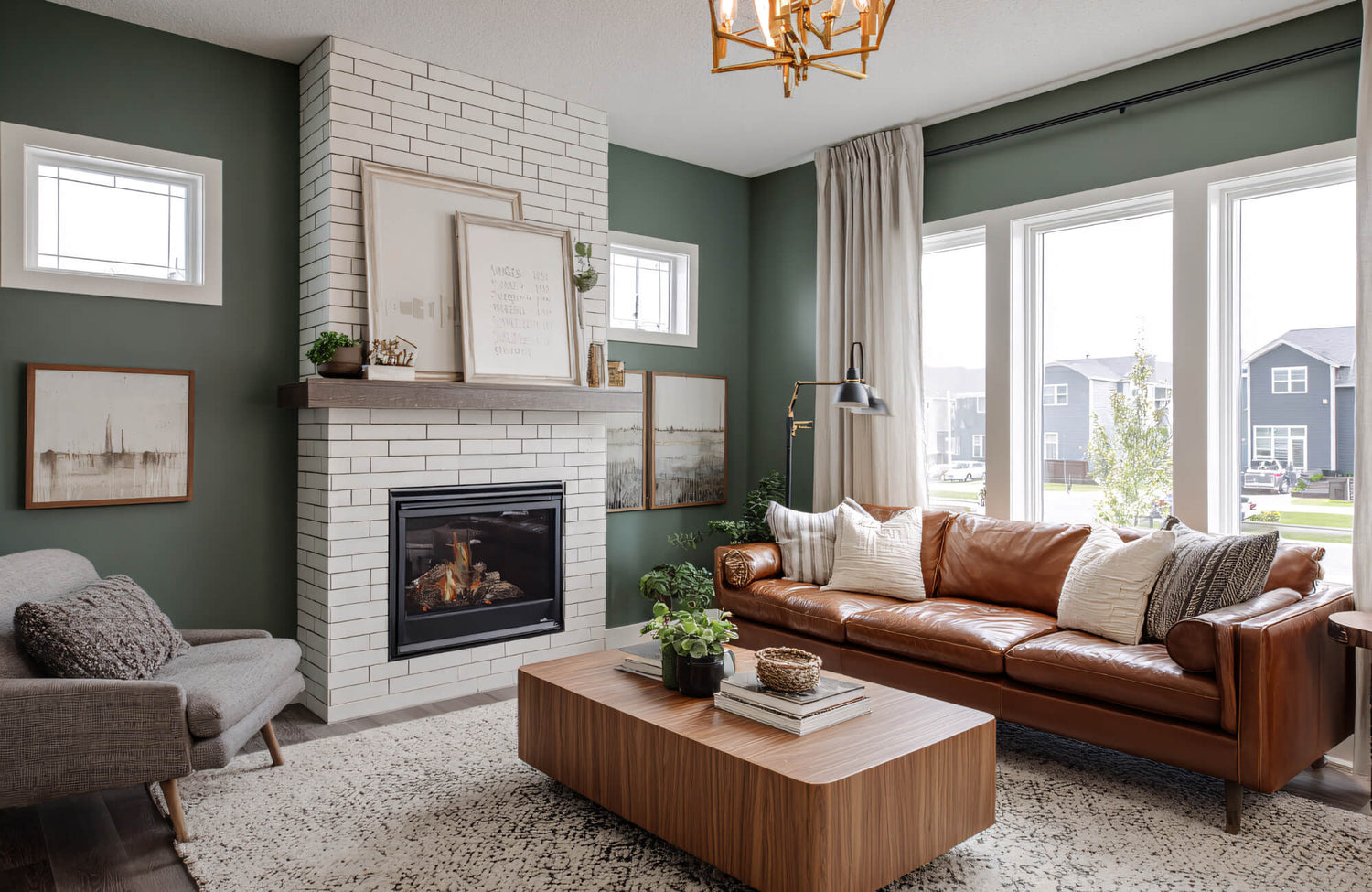
Stone thickness plays a significant role in heat performance. Thicker stone absorbs and distributes heat more evenly, reducing the risk of surface cracking, which is why profiles comparable to the 9mm thickness of Edward Martin’s Everett 2x10 Matte Ceramic Tile in Almond offer added stability when used in fireplace applications, as shown in the image above.
For fireplace surrounds, selecting stone tiles with adequate thickness ensures both safety and longevity. Thicker stone also conveys a sense of solidity and craftsmanship that many homeowners associate with luxury design.

Defining The Danger Zones And Code Requirements
Understanding where heat exposure is greatest is essential when selecting tile and planning installation. Building codes define specific zones around fireplaces to ensure safety and prevent fire hazards.
The Difference Between The Surround And The Firebox
The firebox is the interior chamber where combustion occurs, and it requires materials specifically rated for direct flame contact, such as firebrick or refractory panels. The surround refers to the decorative surface that frames the firebox opening.
Tile used for the surround is exposed to radiant heat rather than direct flame. While this allows for greater material flexibility, the tile must still be heat resistant and installed according to code. Porcelain and suitable natural stone meet these requirements when used within the designated surround area.
Navigating Clearance To Combustibles
Clearance to combustibles is a critical safety consideration. Building codes specify minimum distances between the fireplace opening and any combustible materials, including wood framing, mantels, and finishes.
Tile itself is non-combustible, but the materials behind it must also comply with clearance requirements. Proper substrate selection and installation ensure that heat does not transfer to combustible components. Working with experienced installers and adhering to local codes protects both the home and its occupants.
Hearth Extensions And Floor Protection
The hearth extension is the portion of flooring that extends outward from the fireplace opening. Its purpose is to protect the floor from embers, sparks, and radiant heat, making durability and slip resistance essential considerations, as demonstrated by Edward Martin’s Brody 2x2 Matte Porcelain Mosaic Tile in Smoke in the image above.
Porcelain tile is particularly well suited for hearth extensions due to its strength and resistance to cracking under point loads and heat. Natural stone can also perform well, provided it is thick enough and properly supported.

Installation Materials That Withstand The Heat
Even the best tile will fail if installed with the wrong materials. Fireplace surrounds demand installation products specifically designed to handle heat exposure.
Why You Cannot Use Mastic Or Organic Adhesives
Mastic and organic adhesives are commonly used for wall tile installations in low-heat environments, but they are not suitable for fireplace surrounds. These adhesives can soften, off-gas, or degrade when exposed to heat, leading to tile failure and potential safety risks.
Using mastic near a fireplace can result in tiles loosening or slipping over time. Heat-resistant applications require cement-based mortars that maintain their strength under elevated temperatures.
Choosing Polymer Modified Thinset
Polymer modified thinset mortar is the preferred setting material for fireplace surrounds. It offers superior bonding strength, flexibility, and resistance to heat compared to standard mortars. This flexibility allows the installation to accommodate minor thermal movement without cracking.
Selecting a thinset rated for high-temperature applications ensures that the tile remains securely bonded to the substrate. Proper curing and installation techniques further enhance performance and durability.
Grout Color Considerations For Soot
Grout selection is often overlooked, but it plays an important role in both aesthetics and maintenance. Light-colored grout can show soot and smoke residue more readily, particularly in wood-burning fireplaces.
Darker grout colors tend to mask discoloration and require less frequent cleaning. Heat-resistant grout formulations should be used to prevent cracking and staining. Choosing the right grout color enhances the long-term appearance of the fireplace surround while reducing upkeep.
Porcelain Is The Champion Of Heat And Style
When evaluating the best type of tile for a heat resistant fireplace surround, porcelain emerges as the clear champion. It delivers the look of natural stone without the maintenance concerns, while offering consistent performance in high-heat environments. Tools like Edward Martin’s AR Visualization Tool allow you to see how different porcelain tiles will look on your own fireplace before making a decision, helping refine scale, color, and finish with confidence.
Natural stone remains a compelling option for homeowners who appreciate its authenticity and character, but it demands greater attention to selection, thickness, and maintenance. Once a design direction is clear, ordering a tile sample from Edward Martin provides the opportunity to experience the material’s texture, tone, and quality firsthand. Together, these tools support informed decisions, ensuring a fireplace surround that remains elegant, safe, and enduring for years to come.