Design trends move quickly, yet some materials continue to spark debate long after their first rise to popularity. The 3x6 subway tile is one of those enduring elements, familiar enough to feel timeless but common enough to invite skepticism. As kitchens and bathrooms embrace larger formats, bolder textures, and more expressive finishes, it is natural to question whether this classic tile still belongs in modern spaces.
However, the answer is not as simple as declaring it in or out of style. Instead, the relevance of the 3x6 subway tile depends on how thoughtfully it is used. By understanding its history, responding to current design trends, and applying it with intention, you can transform this familiar format into a choice that feels fresh, purposeful, and well-suited to contemporary interiors.

The Evolution of 3x6 Subway Tiles in Interior Design
The journey of the 3x6 subway tile reflects a rare balance between function and design longevity. Originally engineered for public transit spaces where cleanliness, durability, and light reflection were essential, the format quickly became synonymous with hygiene and reliability. As these values migrated into residential interiors, the tile found a natural home in kitchens and bathrooms, where its crisp surface and simple geometry supported both practical needs and aesthetic flexibility. Over time, this adaptability allowed the 3x6 subway tile to evolve beyond its utilitarian roots, transforming into a design element that feels intentional across a wide range of styles.
Equally important to its staying power is the format’s inherent proportional harmony. The 2:1 ratio creates visual rhythm and balance, making walls feel cohesive rather than cluttered, even in complex layouts. At the same time, the size offers enough flexibility to handle uneven surfaces while showcasing glazes, textures, and subtle craftsmanship. As a result, the 3x6 subway tile continues to thrive not because it follows trends, but because it provides a reliable framework that supports creative expression without overpowering the space you are designing.

Current Design Trends Influencing Tile Choices
Tile trends continue to evolve as you gravitate toward bolder expressions and more intentional surfaces. Although oversized tiles and dramatic finishes dominate many interiors, the 3x6 subway tile is being thoughtfully reinterpreted rather than pushed aside.
Shift Toward Larger and Elongated Tiles
Larger tile formats such as 12x24-inch options and slab-style surfaces have gained traction because they create clean, uninterrupted expanses. By minimizing grout lines, these tiles help spaces feel more open and streamlined, which aligns well with contemporary preferences for visual simplicity. Similarly, elongated tiles like 2x10 or 3x12 formats introduce a sleek, modern proportion that naturally draws the eye across a wall.
Even so, the appeal of larger tiles does not fully replace the need for versatility. When you want to introduce movement, detail, or architectural nuance, the 3x6 subway tile becomes especially relevant. Its manageable size allows for intricate layouts such as herringbone or basketweave, patterns that would be far more difficult to achieve with oversized tiles.
Additionally, the 3x6 format adapts more gracefully to challenging surfaces. On uneven walls, tight corners, or curved areas, smaller tiles reduce excessive cutting and maintain visual consistency. As a result, you can balance modern scale trends with practical installation needs without sacrificing design intent.
The Role of Texture, Finish, and Handmade Looks
Another factor driving the renewed interest in 3x6 subway tiles is the rise of texture and finish-focused design. Matte and satin surfaces are increasingly favored for their subtle, refined appearance, offering a softer alternative to glossy tiles. At the same time, handmade and zellige-inspired styles introduce organic variation through uneven edges and rich glaze movement. A great example is our Graham 3x6 Glossy Ceramic Tile in Moss, which features a deep green tone reminiscent of forest and brings depth and vibrancy to spaces like bathrooms and powder rooms, as shown in the image above.
These tactile qualities also transform the familiar format into something far more expressive. Light interacts differently with imperfect surfaces, creating depth and visual interest that feels layered rather than flat. This shift allows the 3x6 tile to feel artisanal and intentional, even in minimalist settings.
When paired with modern layouts such as vertical stack or straight bond, the tile takes on a distinctly contemporary edge. You can further elevate the look by experimenting with contrasting grout or earthy, natural tones, allowing the simplicity of the format to highlight texture and finish rather than fade into the background.

Kitchen Applications and Visual Impact
In the kitchen, 3x6 subway tiles sit at the intersection of style and performance. Since the backsplash plays a central visual role, the way you lay these tiles and coordinate them with surrounding elements directly shapes the room’s overall impact.
Backsplash
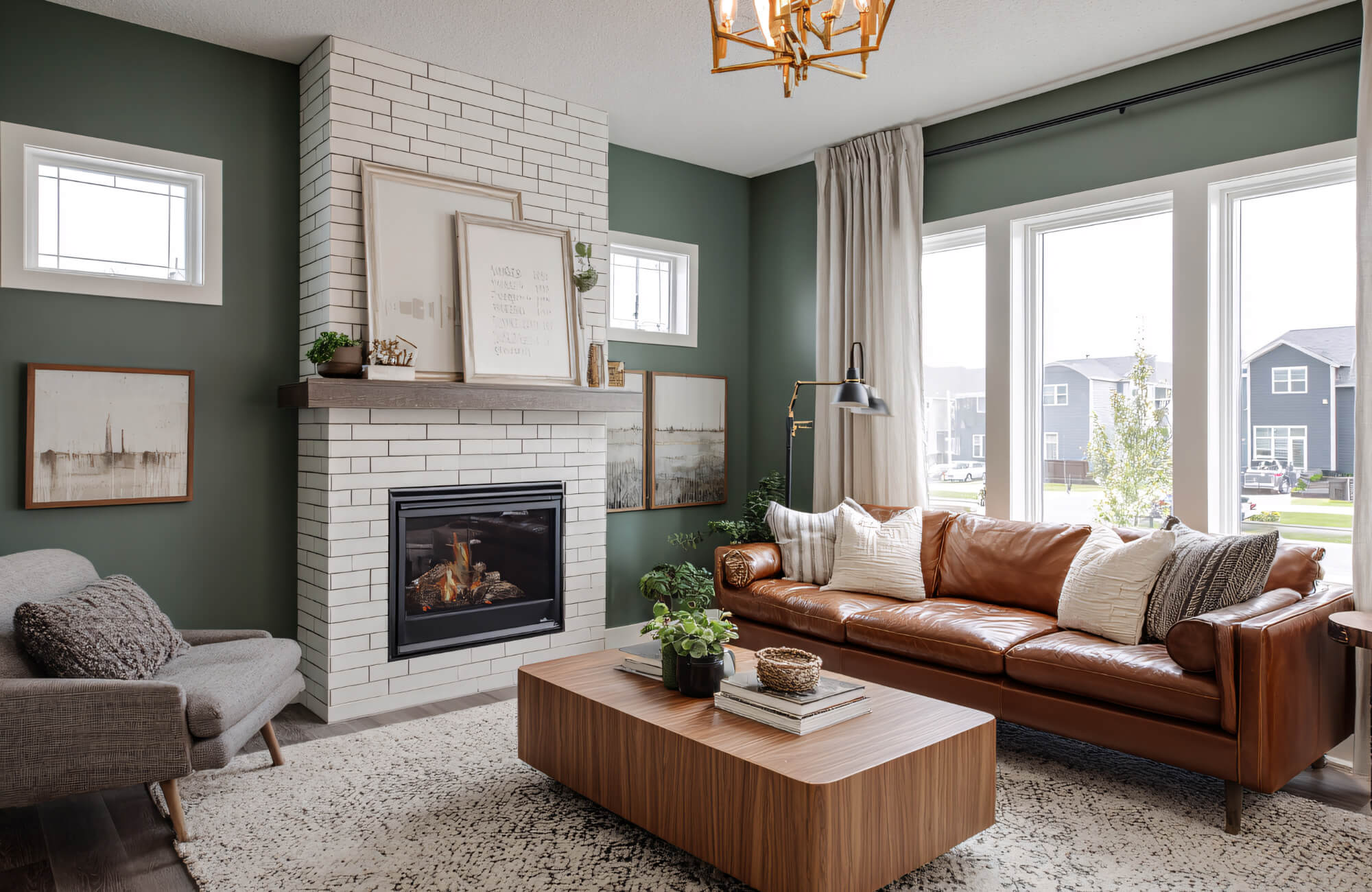
Although the classic running bond remains a trusted choice, more contemporary kitchens are embracing layouts that feel intentional and architectural. Vertical stack bonds, for example, deliver a clean, structured look that pairs naturally with flat-panel cabinetry and streamlined hardware. By drawing the eye upward, this layout subtly enhances the sense of height between countertops and upper cabinets, making the space feel more open and composed. When laid in a horizontal pattern, the format visually elongates the wall, reinforcing a sense of width and cohesion between countertops and cabinetry, as seen with our Graham 3x6 Glossy Ceramic Tile in Bone, a warm off-white tone that reflects light and enhances the backsplash’s clean, refined appearance, as displayed in the photo above.
At the same time, herringbone patterns offer a more expressive alternative. This layout introduces movement and visual texture, turning the backsplash into a focal point without overwhelming the kitchen. It works particularly well when the surrounding materials are restrained, allowing the pattern to stand out with confidence rather than compete for attention.
For a middle ground, offset patterns such as a one-third stagger provide a fresh reinterpretation of tradition. This approach maintains the familiarity of the brick layout while adding just enough variation to feel modern. As a result, you can achieve visual interest that feels refined rather than decorative.
Pairing with Cabinets, Countertops, and Hardware
The visual success of a 3x6 subway tile backsplash ultimately depends on how it interacts with the rest of the kitchen. Current design directions favor warmth and contrast, moving away from strictly monochromatic schemes. Rich cabinet colors such as sage green or deep navy create a striking backdrop that allows classic white subway tiles to feel crisp and intentional rather than predictable.
Countertop choices also play a defining role in this balance. Matte quartz and soapstone surfaces soften the overall look, creating a pleasing contrast against glossy or textured tiles. Meanwhile, hardware finishes such as unlacquered brass or matte black introduce depth, grounding the space and adding a sense of purpose to even the simplest tile selection.
Cabinet style further influences the tile’s character. Shaker doors lend the 3x6 format a timeless, approachable feel, while flat-panel cabinets push it toward a more modern or Japandi-inspired aesthetic. To keep the look current, the key lies in restraint, allowing clean lines, consistent tones, and thoughtful pairings to highlight the tile’s pattern and texture rather than distract from it.

Bathroom Use and Spatial Perception
In bathroom design, the 3x6 subway tile continues to prove its versatility, balancing visual appeal with everyday practicality. Its true strength lies in how its scale and layout influence the way you experience space and light.
Impact on Small Versus Large Bathrooms
In smaller bathrooms, the 3x6 format introduces texture and detail without making the room feel crowded. When paired with grout that closely matches the tile color, the surface reads as continuous rather than segmented. This visual cohesion helps walls recede, allowing compact powder rooms or narrow layouts to feel more open and welcoming.
Light also plays an important role in this effect. Glossy or softly reflective finishes bounce illumination around the room, enhancing brightness and minimizing shadows. As a result, the tile contributes not just to style, but to the overall comfort and usability of a smaller space.
In larger bathrooms, the same tile takes on a different role. Rather than blending into the background, it can define shower surrounds or feature walls with a sense of structure and craftsmanship. Patterned installations such as basketweave or double-herringbone add depth and intentionality, turning expansive surfaces into focal points that feel curated rather than empty.
Shower Walls and Wet Area Considerations
Within showers and wet areas, the 3x6 subway tile offers a thoughtful balance of form and function. Its size allows for precise installation around niches, benches, and plumbing fixtures, creating a clean, tailored finish. This adaptability makes it especially effective in spaces where precision matters.
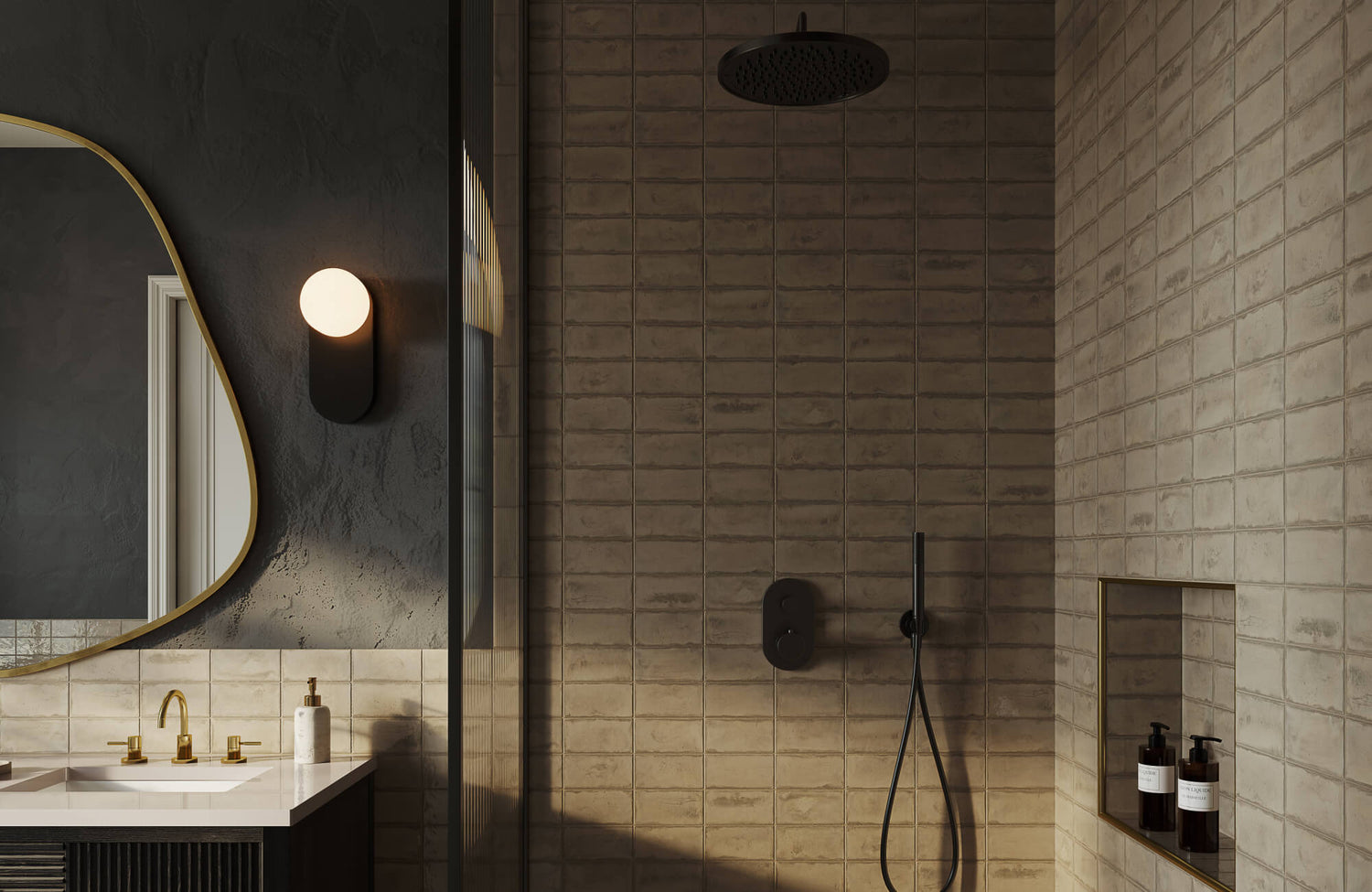
Layout choices further shape how the space is perceived, and vertical stacking in particular draws the eye upward, making ceilings feel taller while reinforcing a sense of structure and refinement in enclosed shower areas, as seen above with our Graham 3x6 Glossy Ceramic Tile in Clay, a warm earthy brown tone that adds depth and richness while maintaining durability in wet environments.

Practical Considerations Beyond Style
Although the visual appeal of tile often drives initial decisions, long-term satisfaction comes from understanding how it performs in real-world conditions. With the 3x6 subway tile, technical factors such as installation complexity and repairability play a significant role in shaping the overall experience. Because the format involves a higher number of tiles per square foot, installation requires precision and can take more time, which may slightly increase labor costs. However, this same smaller scale gives you greater flexibility around corners, plumbing, and detailed areas, ultimately reducing waste and allowing for cleaner, more accurate finishes that larger tiles struggle to achieve.
Beyond installation, maintenance and longevity largely depend on how the grout is selected and cared for. Cementitious grout requires sealing and gentle cleaning to maintain its appearance, while epoxy or urethane options offer a more resilient, low-maintenance alternative. When installed correctly and maintained with intention, a 3x6 subway tile surface can withstand moisture, heat, and daily wear for decades. As a result, the format rewards careful planning and execution, proving that practical considerations are just as essential as style when you want a surface that lasts.
Making a Confident Tile Choice for Modern Spaces
Ultimately, 3x6 subway tiles are still very much in style when they are used with clarity and purpose. Rather than relying on tradition alone, successful modern applications consider layout, finish, surrounding materials, and the scale of the space. When paired thoughtfully with cabinetry, countertops, and lighting, the format enhances kitchens and bathrooms with structure, flexibility, and lasting appeal. Although alternative tiles may better suit ultra-modern or expansive environments, the 3x6 subway tile remains a strong and relevant choice for spaces where balance, adaptability, and timeless design matter most.
To help bring that confidence into your own design decisions, Edward Martin offers tools and services that make selecting the right tile both intuitive and informed. Through our design services, you can work with experts to evaluate layout, finishes, and complementary materials so classic formats like 3x6 subway tile feel intentional and tailored to your space. Our augmented reality (AR) tool also allows you to visualize how different styles, colors, and patterns will look in your actual kitchen or bathroom before committing. Together, these resources ensure that your final tile choice isn’t just stylish but thoughtfully aligned with your space and design goals.